2013 Ohio Metro Area Population Estimates


2013 Ohio metro area population estimates

The US Census released the latest population estimates for metropolitan/micropolitan areas as well as counties for the year July 1, 2012 to July 1, 2013. Here is what they found for Columbus and Ohio metros.

2013 Metro Population, Highest to Lowest
1. Cincinnati: 2,137,406
2. Cleveland: 2,064,725
3. Columbus: 1,967,066
4. Dayton: 802,489
5. Akron: 705,686
6. Toledo: 608,145
7. Youngstown: 555,506
8. Canton: 403,707
9. Springfield: 136,167
10. Mansfield: 121,773
11. Lima: 105,298

2012-2013 Total Population Change, Highest to Lowest
1. Columbus: +22,129
2. Cincinnati: +8,097
3. Akron: +729
4. Canton: +28
5. Cleveland: -14
6. Lima: -31
7. Springfield: -268
8. Toledo: -336
9. Dayton: -696
10. Mansfield: -812
11. Youngstown: -2,989

Columbus leads the pack, and by a lot. Some interesting notes about these numbers is that half of the 8 major metros are growing. Also of significance is that Cleveland barely lost at all, which may indicate that the losses there are slowing down.

Now let’s take a look at where the population changes for these metros are coming from.

Total Metro Births, 2012-2013, Highest to Lowest
1. Cincinnati: +27,366
2. Columbus: +26,464
3. Cleveland: +23,204
4. Dayton: +9,407
5. Akron: +7,548
6. Toledo: +7,198
7. Youngstown: +5,459
8. Canton: +4,349
9. Springfield: +1,577
10. Mansfield: +1,362
11. Lima: +1,245

Total Metro Deaths, 2012-2013, Highest to Lowest
1. Cleveland: -20,326
2. Cincinnati: -18,365
3. Columbus: -14,765
4. Dayton: -7,812
5. Akron: -6,784
6. Youngstown: -6,781
7. Toledo: -5,700
8. Canton: -4,119
9. Springfield: -1,612
10. Mansfield: -1,289
11. Lima: -1,045

Total Metro Natural Growth (Births vs. Deaths), 2012-2013, Highest to Lowest
1. Columbus: +11,699
2. Cincinnati: +9,001
3. Cleveland: +2,878
4. Dayton: +1,595
5. Toledo: +1,498
6. Akron: +764
7. Canton: +230
8. Lima: +200
9. Mansfield: +73
10. Springfield: -35
11. Youngstown: -1,322

Natural growth is a vital part of the growth picture for any place. For Columbus, it is roughly 50% of it’s total annual growth. For places like Youngstown, with more deaths than births, it just contributes to overall decline.

Total Metro Domestic Migration, 2012-2013, Highest to Lowest
1. Columbus: +5,749
2. Canton: -275
3. Lima: -308
4. Springfield: -343
5. Mansfield: -943
6. Akron: -1,011
7. Youngstown: -1,691
8. Toledo: -2,575
9. Dayton: -3,415
10. Cincinnati: -3,894
11. Cleveland: -5,581

Total Metro International Migration, 2012-2013, Highest to Lowest
1. Columbus: +4,689
2. Cleveland: +3,698
3. Cincinnati: +3,326
4. Dayton: +1,148
5. Akron: +1,051
6. Toledo: +674
7. Canton: +261
8. Youngstown: +185
9. Springfield: +78
10. Lima: +75
11. Mansfield: +23

Total Metro Migration, 2012-2013, Highest to Lowest
1. Columbus: +10,438
2. Akron: +40
3. Canton: -14
4. Lima: -233
5. Springfield: -265
6. Cincinnati: -568
7. Mansfield: -920
8. Youngstown: -1,506
9. Cleveland: -1,883
10. Toledo: -1,901
11. Dayton: -2,267

The 2nd most important part of the growth rate, migration, is also pretty bad for most metros. Only Columbus is seeing a decent rate of growth, particularly domestically.

One final question is… how are these metro growth rates changing over time? That’s a bit harder to answer, as metro boundaries change so often that it’s more difficult to determine comparable rates decade to decade. However, this is what I came up with.

Average Annual Metro Growth By Decade
Akron

1970s: -1,891
1980s: -275
1990s: +3,739
2000s: +824
2010s: +622
Cincinnati
1970s: +6,119
1980s: +9,111
1990s: +16,474
2000s: +12,052
2010s: +7,609
Cleveland
1970s: -15,108
1980s: -8,090
1990s: +4,624
2000s: -7,090
2010s: -4,172
Columbus
1970s: +9,953
1980s: +13,487
1990s: +20,752
2000s: +22,384
2010s: +21,697
Dayton
1970s: -2,246
1980s: +1,377
1990s: +432
2000s: -665
2010s: +1,089
Lima
1970s: +110
1980s: -249
1990s: -128
2000s: -214
2010s: -337
Mansfield
1970s: +121
1980s: -509
1990s: -272
2000s: -438
2010s: -901
Springfield
1970s: -688
1980s: -270
1990s: -280
2000s: -641
2010s: -722
Toledo
1970s: +1,350
1980s: -278
1990s: +503
2000s: -776
2010s: -619
Youngstown
1970s: -470
1980s: -4,605
1990s: -1,064
2000s: -3,719
2010s: -3,422

Some improved, especially the larger metros. Smaller ones tended to do worse over time.

For more information, click on the below links:
Metro Area Demographics
Columbus vs. Other Places
US Census
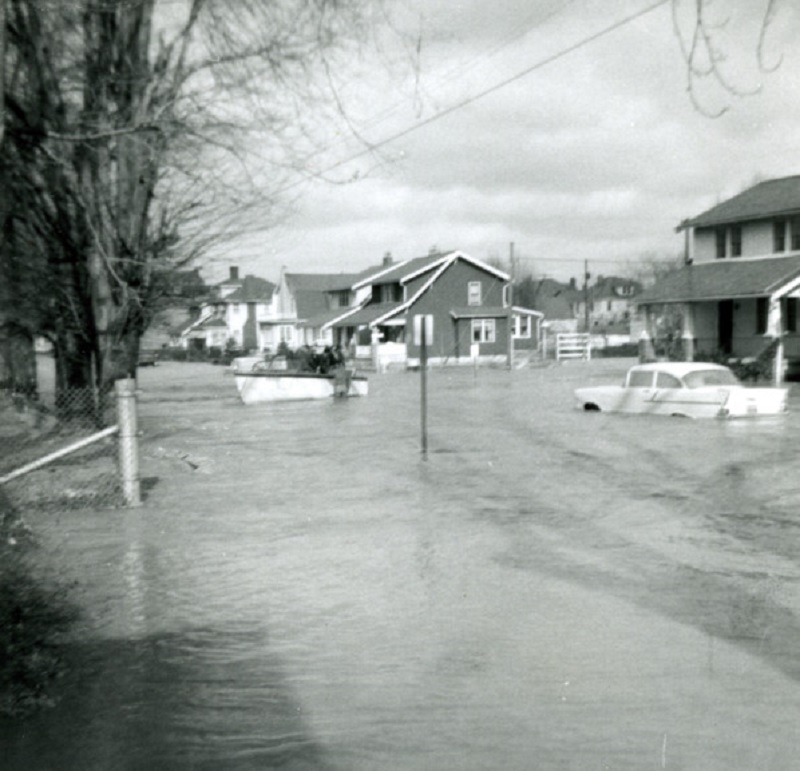

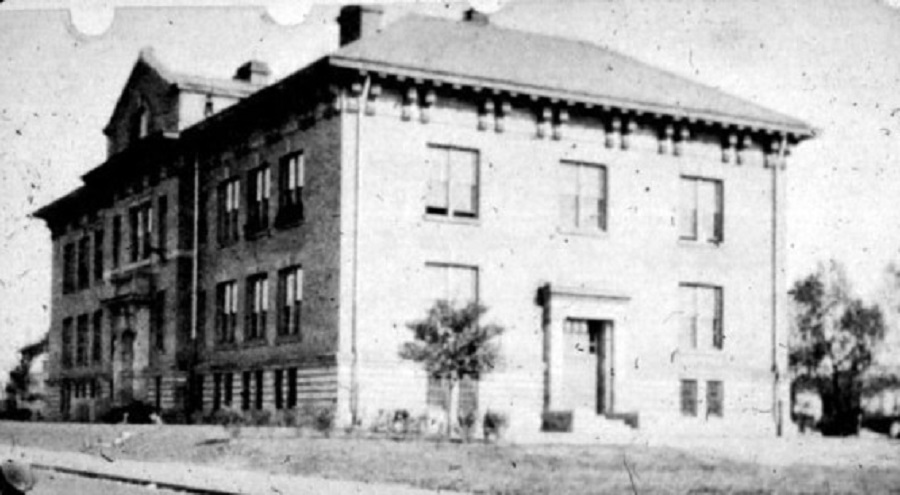
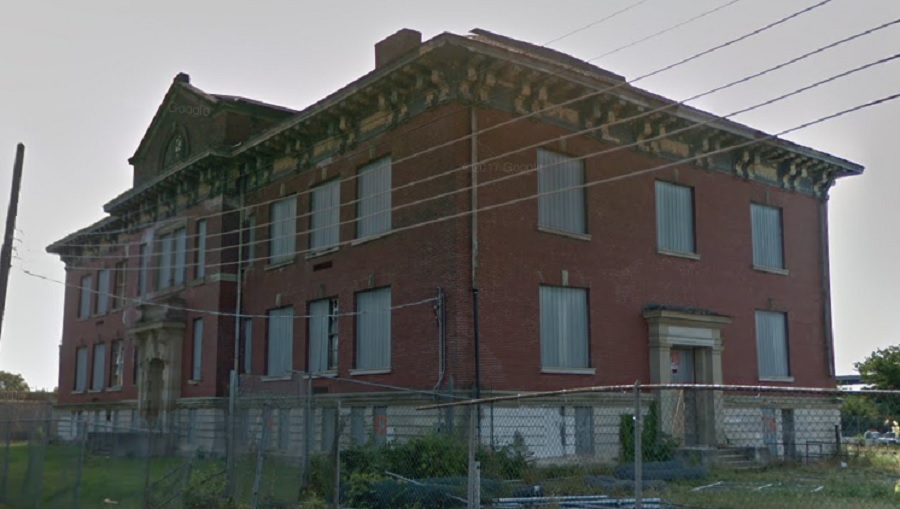
Before and After Franklinton


*Some photos have been updated since the time of the original post.

Before: South Central Avenue, looking north, during the flood of January 21-24, 1959.
Before and After Franklinton
After: 2015

The 1959 flood was the 2nd worst in the history of Franklinton after the 1913 disaster. The Frank Road crest on the Scioto River came on January 22, 1959 and was 27.22 ft, 3.22 ft above flood stage and a few feet below the 1913 crest. This crest would not cause serious flooding in Franklinton today, as the Franklinton Floodwall, completed in 2004, will protect the area to crests of up to 30.9 ft. Few people know that, prior to the wall’s completion, federal guidelines prohibited almost all types of construction in Franklinton, a contributing factor in the gradual decline it faced after the 1950s.

Before: Bellows Avenue Elementary on Bellows Avenue in 1922.

After: 2017

Bellows Elementary was opened in 1905 and barely escaped destruction during the I-70/315 highway construction. The building remained a school through the 1970s before closing and being sold by the city in 1984. It has remained vacant since then. Recent proposals to turn it into apartments, particularly as Franklinton has begun a massive revitalization, and the building has received a new roof, so further deterioration has been stopped for now. The building, however, is threatened by possible demolition once the 70/71 split is reconstructed in sometime in the mid-2020s.

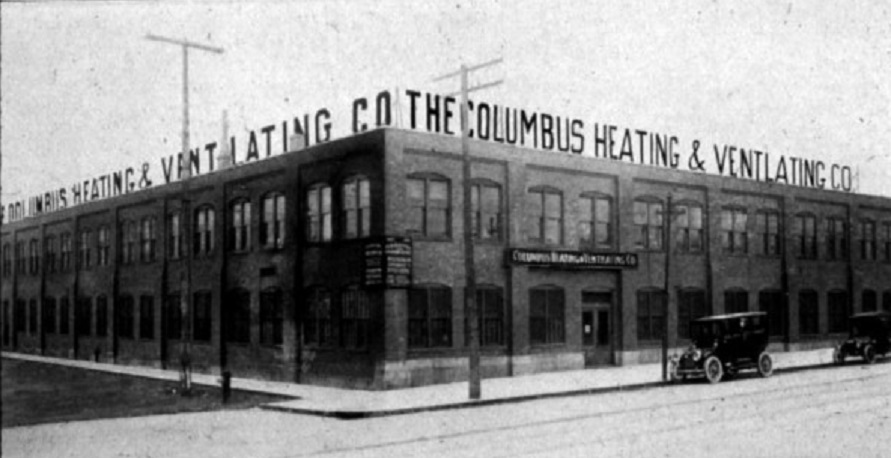
Before: The Columbus Heating and Ventilation Company building at 433 W. Town Street in 1916.

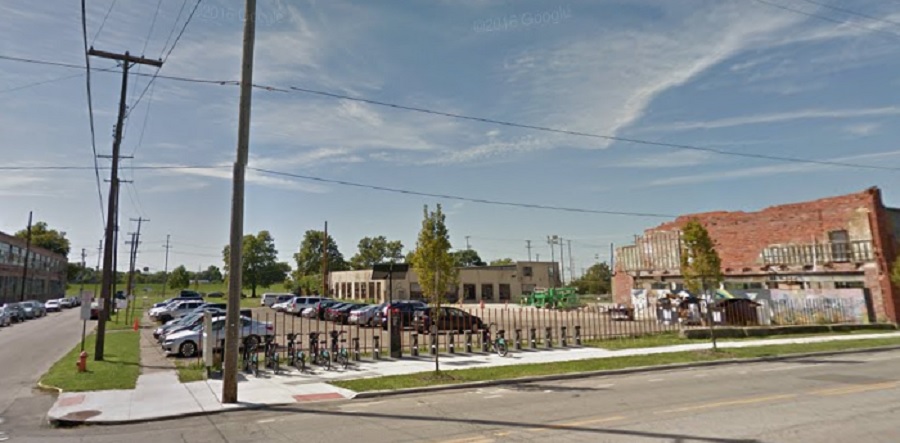
After: 2016

The Columbus Heating and Ventilating Company began in 1903 and still exists in the city, although obviously not at its original location. It later served as factories and parts of the complex were even used to enrich uranium for the Manhattan Project. The old building eventually went into severe disrepair and most of the roof had collapsed by the time it was demolished in 2011 as one of the first steps in the area’s rebirth. Multiple redevelopment plans have come and gone for the site, but so far, nothing has come of them.

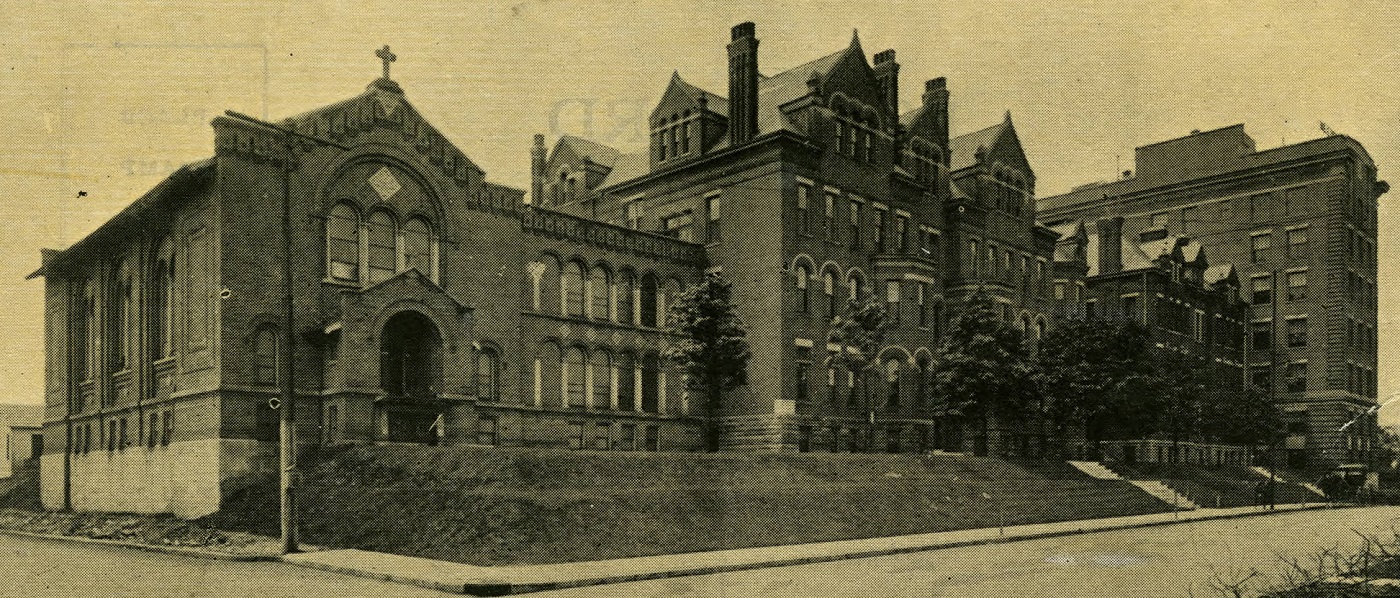
Before: Mt. Carmel Hospital, looking southwest on Davis, in 1909.

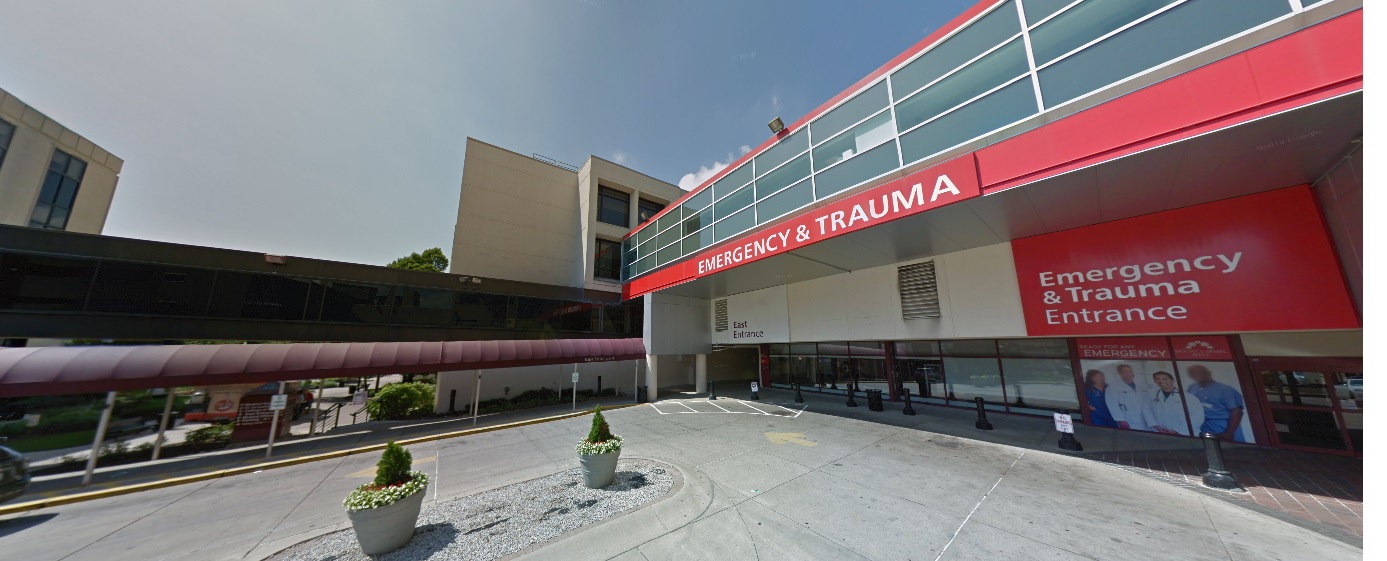
After: 2018

Mt. Carmel was originally known as Hawkes Hospital. The first section was completed in 1886, with later expansions in 1891 and 1908. Eventually, the old structures were deemed outdated for modern hospital purposes, and the entire complex was demolished in the late 1940s. Today, the site is very different, with the current buildings built on top of the old Davis and State Street intersection. The hospital moved most services to a new location in Grove City in recent years, with plans to demolish part of the complex to create a new mixed-use development.

For thousands more before and after photos from all parts of the city, click here:
Historic Building Database


Metro Density Comparison Part 2


Metro density comparison part 2

In Part 1 of this comparison, I looked at overall metro area densities.

For tracts, I looked over the maps of all cities within metros that had populations between 1.5 and 2.5 million (based on 2010 census). I then found every tract that had a population density of 5,000 people per square mile or higher, but I tried to stay within the core city and its immediate surroundings. In most cases, this was just within the central metro county, but some cities are split between county borders and even state borders, so I tried to use an equal approximation.

First, the total number of tracts with 5,000+ densities by city and rank.
1. Las Vegas: 290
2. San Jose: 285
3. Cleveland: 211
4. Milwaukee: 198
5. Portland: 174
6. Sacramento: 168
7. Pittsburgh: 147
8. San Antonio: 118
9. Columbus: 98
10. Virginia Beach: 92
11. Cincinnati: 84
12. Providence: 84
13. Austin: 61
14. Orlando: 47
15. Indianapolis: 46
16. Kansas City: 44
17. Nashville: 21
18. Charlotte: 16

Average Density for all Tracts that have 5,000+ Densities by Rank
1. Milwaukee: 10,394.2
2. Providence: 10,163.5
3. San Jose: 10,114.8
4. Pittsburgh: 8,753.8
5. Las Vegas: 8,604.4
6. Austin: 7,981.4
7. Cleveland: 7,882.1
8. Columbus: 7,821.8
9. Portland: 7,679.8
10. Cincinnati: 7,586.7
11. Sacramento: 7,397.3
12. Virginia Beach: 7,304.1
13. San Antonio: 6,736.5
14. Kansas City: 6,703.7
15. Orlando: 6,689.5
16. Charlotte: 6,678.2
17. Nashville: 6,558.7
18. Indianapolis: 6,170.7

Average Density of Top 15 Most Dense Tracts by Rank
Milwaukee: 23,786.4
San Jose: 22,225.5
Pittsburgh: 18,581.4
Las Vegas: 18,227.8
Providence: 16,701.2
Portland: 15,401.5
Columbus: 14,733.6
Austin: 13,660.0
Cleveland: 13,458.6
Cincinnati: 12,443.9
Virginia Beach: 12,396.5
Sacramento: 12,261.4
San Antonio: 9,497.6
Orlando: 8,955.3
Kansas City: 8,476.5
Indianapolis: 7,294.0
Nashville: 7,113.9
Charlotte: 6,787.5

Columbus doesn’t do too badly with these numbers and certainly better than I was really expecting. In general, it’s more dense in parts than it gets credit for being. Las Vegas stands out as the most surprising to me, but I guess the built environment there is pretty dense when you think about it, at least in the urban core that these numbers measured. Charlotte, Indianapolis and Nashville have incredibly low densities for being major, moderate-fast growing metros/cities. Columbus and Indianapolis are often called twin cities and compared regularly, but this is one area where there’s a pretty stark difference. I plan to do a formal comparison of the two metros at some point in the future.

In regards to the 5,000+ density tracts, here’s a further breakdown.

All Tracts with a Density of 25,000 or More and % of Total 5,000+ Tracts by Rank
1. Austin: 2 3.3%
2. Milwaukee: 4 2.0%
3. San Jose: 4 1.4%
4. Virginia Beach: 1 1.1%
5. Columbus: 1 1.0%
6. Pittsburgh: 1 0.7%
7. Portland: 1 0.6%
8. Charlotte: 0 0.0%
9. Cincinnati: 0 0.0%
10. Cleveland: 0 0.0%
11. Indianapolis: 0 0.0%
12. Kansas City: 0 0.0%
13. Las Vegas: 0 0.0%
14. Nashville: 0 0.0%
15. Orlando: 0 0.0%
16. Providence: 0 0.0%
17. Sacramento: 0 0.0%
18. San Antonio: 0 0.0%

All Tracts with a Density of 20,000 or More and % of Total 5,000+ Tracts by Rank
1. Milwaukee: 13 6.6%
2. Austin: 3 4.9%
3. Columbus: 3 3.1%
4. Pittsburgh: 4 2.7%
5. San Jose: 6 2.1%
6. Las Vegas: 4 1.4%
7. Providence: 1 1.2%
8. Portland: 2 1.1%
9. Virginia Beach: 1.1%
10. Cleveland: 1 0.5%
11. Charlotte: 0 0.0%
12. Cincinnati: 0 0.0%
13. Indianapolis: 0 0.0%
14. Kansas City: 0 0.0%
15. Nashville: 0 0.0%
16. Orlando: 0 0.0%
17. Sacramento: 0 0.0%
18. San Antonio: 0 0.0%

All Tracts with a Density of 15,000 or More and % of Total 5,000+ Tracts by Rank
1. Milwaukee: 32 16.2%
2. Providence: 12 14.3%
3. San Jose: 31 10.9%
4. Austin: 5 8.2%
5. Pittsburgh: 12 8.2%
6. Columbus: 6 6.1%
7. Las Vegas: 13 4.5%
8. Portland: 6 3.4%
9. Sacramento: 3 1.8%
10. Cincinnati: 1 1.2%
11. Virginia Beach: 1 1.1%
12. Cleveland: 2 0.9%
13. Charlotte: 0 0.0%
14. Indianapolis: 0 0.0%
15. Kansas City: 0 0.0%
16. Nashville: 0 0.0%
17. Orlando: 0 0.0%
18. San Antonio: 0 0.0%

All Tracts with a Density of 10,000 or More and % of Total 5,000+ Tracts by Rank
1. Providence: 37 44.0%
2. San Jose: 112 39.3%
3. Milwaukee: 52 26.3%
4. Pittsburgh: 36 24.5%
5. Las Vegas: 67 23.1%
6. Cleveland: 37 17.5%
7. Cincinnati: 14 16.7%
8. Austin: 9 14.8%
9. Nashville: 3 14.3%
10. Portland: 21 12.1%
11. Virginia Beach: 8 8.7%
12. Orlando: 4 8.5%
13. Columbus: 8 8.2%
14. Sacramento: 13 7.7%
15. Charlotte: 1 6.3%
16. San Antonio: 3 2.5%
17. Kansas City: 1 2.3%
18. Indianapolis: 0 0.0%

All Tracts with a Density of 9,000 or More and % of Total 5,000+ Tracts by Rank
1. Providence: 47 56.0%
2. San Jose: 132 46.3%
3. Las Vegas: 101 34.8%
4. Milwaukee: 65 32.8%
5. Pittsburgh: 47 32.0%
6. Cleveland: 52 24.6%
7. Cincinnati: 19 22.6%
8. Austin: 13 21.3%
9. Portland: 29 16.7%
10. Columbus: 16 16.3%
11. Nashville: 3 14.3%
12. Sacramento: 24 14.3%
13. Kansas City: 6 13.6%
14. Charlotte: 2 12.5%
15. Virginia Beach: 10 10.7%
16. Orlando: 5 10.6%
17. San Antonio: 9 7.6%
18. Indianapolis: 0 0.0%

All Tracts with a Density of 8,000 or More and % of Total 5,000+ Tracts by Rank
1. San Jose: 183 64.2%
2. Providence: 52 61.9%
3. Las Vegas: 136 46.9%
4. Pittsburgh: 63 42.9%
5. Milwaukee: 82 41.4%
6. Cleveland: 87 41.2%
7. Sacramento: 49 29.2%
8. Austin: 17 27.9%
9. Cincinnati: 23 27.4%
10. Columbus: 26 26.5%
11. Portland: 41 23.6%
12. Kansas City: 10 22.7%
13. Orlando: 10 21.3%
14. Virginia Beach: 19 20.7%
15. San Antonio: 17 14.4%
16. Nashville: 3 14.3%
17. Charlotte: 2 12.5%
18. Indianapolis: 2 4.3%

All Tracts with a Density of 7,000 or More and % of Total 5,000+ Tracts by Rank
1. San Jose: 222 77.9%
2. Providence: 58 69.0%
3. Las Vegas: 185 63.8%
4. Cleveland: 119 56.4%
5. Milwaukee: 111 56.1%
6. Pittsburgh: 80 54.4%
7. Sacramento: 83 49.4%
8. Cincinnati: 38 45.2%
9. Columbus: 42 42.9%
10. Virginia Beach: 39 42.4%
11. Portland: 71 40.8%
12. Austin: 23 37.7%
13. Charlotte: 5 31.3%
14. Kansas City: 13 29.5%
15. San Antonio: 32 27.1%
16. Orlando: 12 25.5%
17. Nashville: 4 19.0%
18. Indianapolis: 8 17.4%

All Tracts with a Density of 6,000 or More and % of Total 5,000+ Tracts by Rank
1. San Jose: 260 91.2%
2. Las Vegas: 235 81.0%
3. Providence: 68 81.0%
4. Pittsburgh: 113 76.9%
5. Sacramento: 122 72.6%
6. Cleveland: 153 72.5%
7. Milwaukee: 142 71.7%
8. Columbus: 66 67.3%
9. Portland: 113 64.9%
10. Cincinnati: 54 64.3%
11. Orlando: 29 61.7%
12. San Antonio: 71 60.2%
13. Virginia Beach: 55 59.8%
14. Austin: 35 57.4%
15. Kansas City: 25 56.8%
16. Nashville: 10 47.6%
17. Charlotte: 7 43.8%
18. Indianapolis: 20 43.5%

Top 20 Most Dense Tracts from all 18 Metros
1. 48,971.9: Virginia Beach #38
2. 48,602.1: San Jose #500902
3. 32,306.4: Pittsburgh #404
4. 31,919.9: Milwaukee #11
5. 31,627.6: Milwaukee #147
6. 29,072: Columbus #181
7. 28,922.9: San Jose #509107
8. 27,544.8: Milwaukee #164
9. 26,825.8: Portland #56
10. 25,543.1: Austin #603
11. 25,271.2: Milwaukee #146
12. 25,229.7: Austin #604
13. 25,195.3: San Jose #509403
14. 25,053.2: San Jose #503118
15. 24,925.7: Columbus #13
16. 24,882.3: Las Vegas #2996
17. 24,666.9: Pittsburgh #9822
18. 24,481.1: Pittsburgh #406
19. 24,043.4: Portland #48
20. 24,025.6: Las Vegas #2207

Follow the below links for more information:
Metro Area Demographics/
Census Tract Maps


New 2012 Metro and County Population Estimates


New 2012 Metro and County Population Estimates

New 2012 metro and county population estimates have been released by the US Census, so we’ll break down the numbers and see if any trends pop out.

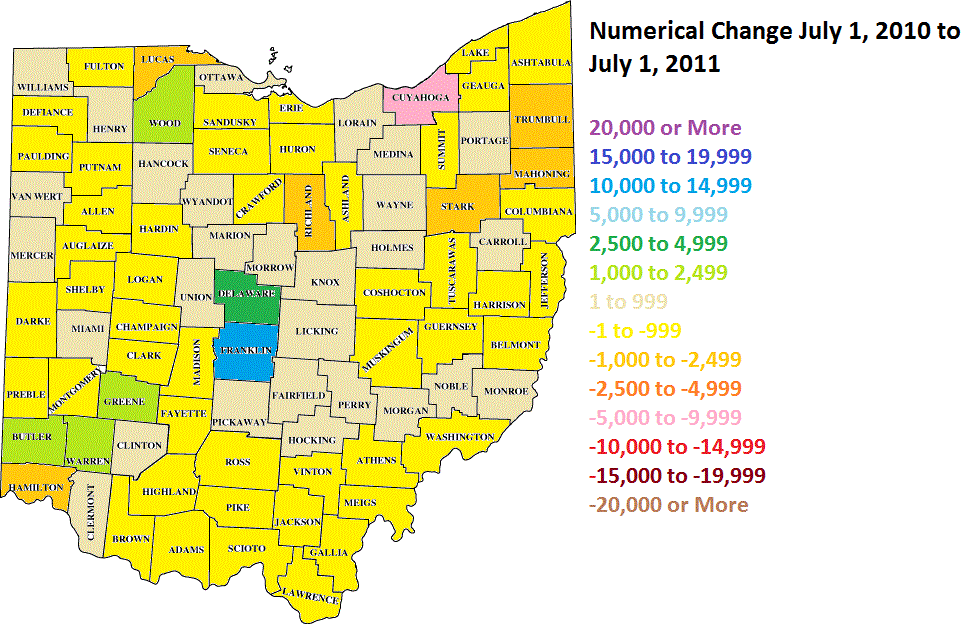
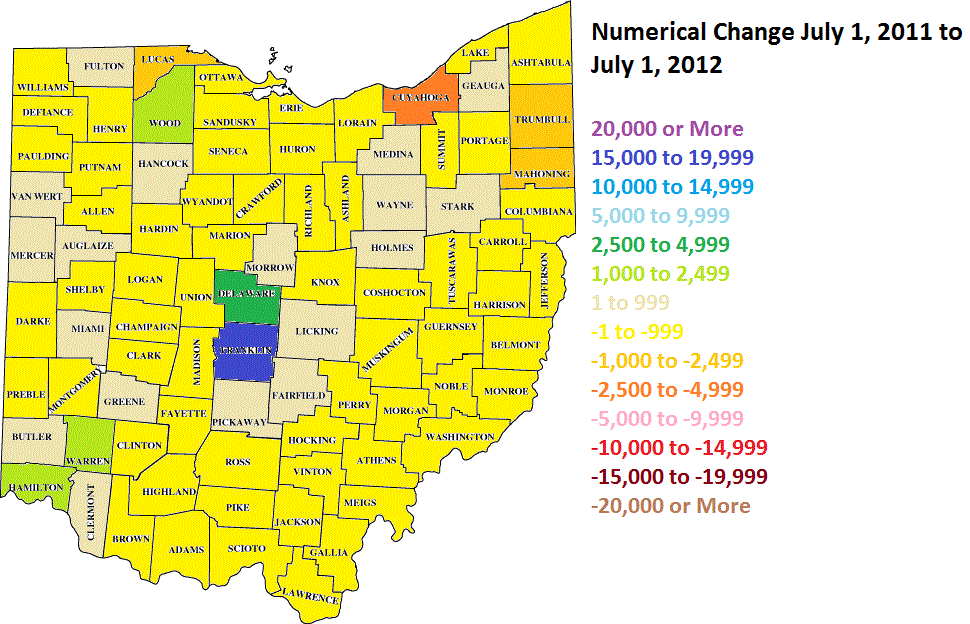
First the statewide county maps for numerical change for 2010-2011 and 2011-2012.


Some good and bad with these. The bad is that fewer counties were estimated to be growing from 2011-2012 than were in 2010-2011. The good news it that central core counties improved their growth or slowed their losses, such as Franklin, Cuyahoga and Hamilton. This may mean that population is consolidating around urban cores rather than being spread out… or it may just mean that more counties are losing population.

Top 10 Counties with Greatest Numerical Growth
1. Franklin: +16,273
2. Delaware: +2,444
3. Warren: +1,893
4. Hamilton: +1,350
5. Wood: +1,291
6. Butler: +657
7. Clermont: +619
8. Hancock: +560
9. Stark: +540
10. Geauga: +362

If we take every county estimate, Ohio grew by 10,502, which is a slight improvement from 2011′s 8,447, which itself was faster than 2010′s 7,608. Still very slow, but seemingly getting a bit better each year.

As far as the metropolitan areas, their boundaries were changed last week as new definitions for what constitutes a metro area were introduced. This produced some rather drastic changes to metro areas and their populations.

Old and New Metro Boundaries and their Old and New Populations
Akron: Did not change boundaries and still consists of Summit and Portage counties.
2011: 702,854
2012: 702,262

Canton: Did not change and is still Stark and Carroll counties.
2011: 403,164
2012: 403,455

Cincinnati: Added Union County, Indiana, but dropped Franklin County, Indiana.
2011: 2,122,330
2012: 2,128,603

Cleveland: Did not change and is still Cuyahoga, Lake, Lorain, Geauga and Medina counties.
2011: 2,068,397
2012: 2,063,535

Columbus: Added Perry and Hocking Counties.
2011: 1,925,137
2012: 1,944,002

Dayton: Dropped Preble County.
2011: 801,040
2012: 800,972

Toledo: Dropped Ottawa County.
2011: 609,320
2012: 608,711

Youngstown: Did not change, still Mahoning, Trumbull and Mercer County, PA.
2011: 561,697
2012: 558,206

As you can see, 5 of the 8 are losing population, though most had slower losses in 2012 than they did in 2011. This may also be a sign of population moving toward the urban centers, or again, could just be a blip.

One of the interesting pieces of data about the metro areas is the section on components of population change, meaning where did the growth or loss come from.

Total Metro Births July 1, 2011 to July 1, 2012 and Rank
1. Cincinnati: +27,374
2. Columbus: +25,910
3. Cleveland: +22,484
4. Dayton: +9,414
5. Akron: +7,418
6. Toledo: +7,285
7. Youngstown: +5,446

Total Metro Deaths July 1, 2011 to July 1, 2012 and Rank
1. Cleveland: -20,290
2. Cincinnati: -18,204
3. Columbus: -14,457
4. Dayton: -7,930
5. Youngstown: -6,811
6. Akron: -6,756
7. Toledo: -5,678

Natural Change (Births vs Deaths) July 1,2011 to July 1, 2012 and Rank
1. Columbus: +11,453
2. Cincinnati: +9,170
3. Cleveland: +2,194
4. Toledo: +1,607
5. Dayton: +1,484
6. Akron: +662
7. Youngstown: -1,365

Domestic Migration July 1, 2011 to July 1, 2012 and Rank
1. Columbus: +2,688
2. Akron: -2,248
3. Youngstown: -2,341
4. Dayton: -2,717
5. Toledo: -2,931
6. Cincinnati: -6,036
7. Cleveland: -10,579

Columbus is the only metro seeing positive domestic migration in Ohio.

International Migration July 1, 2011 to July 1, 2012 and Rank
1. Columbus: +4,729
2. Cleveland: +3,555
3. Cincinnati: +3,217
4. Dayton: +1,175
5. Akron: +1,009
6. Youngstown: +778
7. Toledo: +676

Total In-Migration July 1, 2011 to July 1, 2012 and Rank
1. Columbus: +7,417
2. Youngstown: -974
3. Akron: -1,239
4. Dayton: -1,542
5. Toledo: -2,255
6. Cincinnati: -2,819
7. Cleveland: -7,024

Canton is the only other Ohio metro that saw a net postive in-migration for the time period besides Columbus.

For more information on county and metro areas, follow the below links:
Metro Area Demographics/
Franklin County Demographics


Metro Density Comparison Part 1


Metro density comparison part 1 Columbus, Ohio

The Columbus Metropolitan Area resides within a group of metros between 1.5 and 2.5 million people. I wanted to take a look at population densities between that group of metros to see how different they really are and where Columbus might fall within them.

Metro Area Population in 2011 and 2012 by Rank
2011 ———————————2012

1. Pittsburgh: 2,359,746 — 1. Pittsburgh: 2,360,733
2. Portland, OR: 2,262,605 — 2. Charlotte: 2,296,569
3. San Antonio: 2,194,927 — 3. Portland, OR: 2,289,800
4. Sacramento: 2,176,235 — 4. San Antonio: 2,234,003
5. Orlando: 2,171,360 — 5. Orlando: 2,223,674
6. Cincinnati: 2,138,038 — 6. Sacramento: 2,196,482
7. Cleveland: 2,068,283 — 7. Cincinnati: 2,128,603
8. Kansas City: 2,052,676 — 8. Cleveland: 2,063,535
9. Las Vegas: 1,969,975 — 9. Kansas City: 2,038,724
10. San Jose, CA: 1,865,450 — 10. Las Vegas: 2,000,759
11. Columbus: 1,858,464 — 11. Columbus: 1,944,002
12. Charlotte: 1,795,472 — 12. Indianapolis: 1,928,982
13. Austin: 1,783,519 — 13. San Jose: 1,894,388
14. Indianapolis: 1,778,568 — 14. Austin: 1,834,303
15. Virginia Beach: 1,679,894 — 15. Nashville: 1,726,693
16. Nashville: 1,617,142 — 16. Virginia Beach: 1,699,925
17. Providence, RI: 1,600,224 — 17. Providence: 1,601,374
18. Milwaukee: 1,562,216 — 18. Milwaukee: 1,566,981

As you can see, this is a pretty diverse group, from the Northeast, Midwest, Sun Belt and West Coast.

Metro Area Size in Square Miles in 2011 and 2012 by Rank
2011 ————————— 2012

1. Las Vegas: 8,091 — 1. Las Vegas: 8,091
2. Kansas City: 7,951 — 2. San Antonio: 7,387
3. San Antonio: 7,387 — 3. Kansas City: 7,374
4. Sacramento: 6,936 — 4. Sacramento: 6,936
5. Portland, Or: 6,817 — 5. Portland, OR: 6,817
6. Nasvhille: 5,763 — 6. Nashville: 6,379
7. Pittsburgh: 5,706 — 7. Pittsburgh: 5,706
8. Cincinnati: 4,394 — 8. Charlotte: 5,180
9. Austin: 4,280 — 9. Columbus: 4,850
10. Columbus: 3,967 — 10. Cincinnati: 4,394
11. Indianapolis: 3,888 — 11. Indianapolis: 4,341
12. Orlando: 3,491 — 12. Austin: 4,280
13. Virginia Beach: 2,647 — 13, Orlando: 3,491
14. Charlotte: 2,611 — 14. San Jose: 2,695
15. Cleveland: 1,997— 15. Virginia Beach: 2,647
16. Milwaukee: 1,823 — 16. Cleveland: 1,997
17. Providence: 1,636— 17. Milwaukee: 1,823
18. San Jose: 1,304 — 18. Providence: 1,636

Metro Area Population Density Per Square Mile in 2011 and 2012 by Rank
2011 —————————– 2012

1. San Jose: 1,430.6 — 1. Cleveland: 1,033.3
2. Cleveland: 1,035.7 — 2. Providence: 978.8
3. Providence: 978.1 — 3. Milwaukee: 859.6
4. Milwaukee: 856.9 — 4. San Jose: 702.9
5. Charlotte: 687.7 — 5. Virginia Beach: 642.2
6. Virginia Beach: 634.6 — 6. Orlando: 637.0
7. Orlando: 622.0 — 7. Cincinnati: 484.4
8. Cincinnati: 486.6 — 8. Indianapolis: 444.4
9. Columbus: 468.5 — 9. Charlotte: 443.4
10. Indianapolis: 457.5 — 10. Austin: 428.6
11. Austin: 416.7 — 11. Pittsburgh: 413.7
12. Pittsburgh: 413.6 — 12. Columbus: 400.8
13. Portland, OR: 331.9 — 13. Portland: 335.9
14. Sacramento: 313.8 — 14. Sacramento: 316.7
15. San Antonio: 297.1 — 15. San Antonio: 302.4
16. Nashville: 280.6 — 16. Kansas City: 276.5
17. Kansas City: 258.2 — 17. Nashville: 270.7
18. Las Vegas: 243.5 — 18. Las Vegas: 247.3

Higher metro population doesn’t necessarily equate to higher density. The smaller metros tend to have higher densities. Columbus is middle of the pack.

Core County Population in 2011 and 2012 by Rank
2011 —————————————— 2012

1. Clark (Las Vegas): 1,969,975 — 1. Clark (Las Vegas): 2,000,759
2. Santa Clara (San Jose): 1,809,378 — 2. Santa Clara (San Jose): 1,837,504
3. Bexar (San Antonio): 1,756,153 — 3. Bexar (San Antonio) 1,785,704
4. Sacramento (Sacramento): 1,436,105 — 4. Sacramento (Sacramento): 1,450,121
5. Cuyahoga (Cleveland): 1,270,294 — 5. Cuyahoga (Cleveland): 1,265,111
6. Allegheny (Pittsburgh): 1,227,066 — 6. Allegheny (Pittsburgh): 1,229,338
7. Franklin (Columbus): 1,178,799 — 7. Orange (Orlando): 1,202,234
8. Orange (Orlando): 1,169,107 — 8. Franklin: (Columbus): 1,195,338
9. Travis (Austin): 1,063,130 — 9. Travis (Austin): 1,095,584
10. Milwaukee (Milwaukee): 952,532 — 10. Mecklenburg (Charlotte): 969,031
11. Mecklenburg (Charlotte): 944,373 — 11. Milwaukee (Milwaukee): 955,205
12. Marion (Indianapolis): 911,296 — 12. Marion (Indianapolis): 918,977
13. Hamilton (Cincinnati): 800,362 — 13. Hamilton (Cincinnati): 802,038
14. Multnomah (Portland): 748,031 — 14. Multnomah (Portland): 759,256
15. Jackson (Kansas City): 676,360 — 15. Jackson (Kansas City): 677,377
16. Davidson (Nashville): 635,475 — 16. Davidson (Nashville): 648,295
17. Providence (Providence): 626,709 — 17. Providence (Providence): 628,323
18. Virginia Beach (No County): 442,707 — 18. Virginia Beach (No County): 447,021

Core County Area Size in Square Miles in 2011 by Rank
Clark (Las Vegas): 8,091
Santa Clara (San Jose): 1,304
Bexar (San Antonio): 1,257
Travis (Austin): 1,022
Orange (Orlando): 1,004
Sacramento (Sacramento): 995
Allegheny (Pittsburgh): 745
Jackson (Kansas City): 616
Mecklenburg (Charlotte): 546
Franklin (Columbus): 544
Davidson (Nashville): 526
Multnomah (Portland): 466
Cuyahoga (Cleveland): 457
Providence (Providence): 436
Hamilton (Cincinnati): 413
Marion (Indianapolis): 403
Virginia Beach (No County): 248
Milwaukee (Milwaukee): 242

Core County Population Density Per Square Mile in 2011 and 2012 by Rank
2011 ——————————————— 2012

1. Milwaukee (Milwaukee): 3,936.1 — 1. Milwaukee: 3,947.1
2. Cuyahoga (Cleveland): 2,779.6 — 2. Cuyahoga: 2,768.3
3. Marion (Indianapolis): 2,261.3 — 3. Marion: 2,280.3
4. Franklin (Columbus): 2,166.9 — 4. Franklin: 2,197.7
5. Hamilton (Cincinnati): 1,937.9 — 5. Hamilton: 1,942.0
6. Virginia Beach (No County): 1,785.1 — 6. Virginia Beach: 1,802.5
7. Mecklenburg (Charlotte): 1,729.6 — 7. Mecklenburg: 1,774.8
8. Allegheny (Pittsburgh): 1,647.1 — 8. Allegheny: 1,650.1
9. Multnomah (Portland: 1,605.2 — 9. Multnomah: 1,629.3
10. Sacramento (Sacramento): 1,443.3 — 10. Sacramento: 1,457.4
11. Providence (Providence): 1,437.4 — 11. Providence: 1,441.1
12. Bexar (San Antonio): 1,397.1 — 12. Bexar: 1,420.6
13. Santa Clara (San Jose): 1,387.6 — 13. Santa Clara: 1,409.1
14. Davidson (Nashville): 1,208.1 — 14. Davidson: 1,232.5
15. Orange (Orlando): 1,164.4 — 15. Orange: 1,197.4
16. Jackson (Kansas City): 1,098.0 — 16. Jackson: 1,099.6
17. Travis (Austin): 1,040.2 — 17. Travis: 1,072.0
18. Clark (Las Vegas): 243.5 — 18. Clark: 247.3

The core counties of metros within the Midwest are clearly the most dense, with most hovering around or above 2,000 people per square mile. Columbus has the 4th densist core county of the bunch.

City Population in 2011 and 2012 by Rank
2011 —————— 2012

1. San Antonio: 1,359,758 2012 numbers to be released in May 2013.
2. San Jose: 967,487
3. Indianapolis: 827,609
4. Austin: 820,611
5. Columbus: 797,434
6. Charlotte: 751,087
7. Nashville: 609,644
8. Milwaukee: 597,867
9. Portland: 593,820
10. Las Vegas: 589,317
11. Sacramento: 472,178
12. Kansas City: 463,202
13. Virginia Beach: 442,707
14. Cleveland: 393,806
15. Pittsburgh: 307,484
16. Cincinnati: 296,223
17. Orlando: 243,195
18. Providence: 178,053

City Area Size in Square Miles in 2011 by Rank
Nashville: 527.9
Virginia Beach: 497.3
San Antonio: 412.1
Indianapolis: 372.0
Kansas City: 319.0
Charlotte: 297.7
Austin: 297.0
Columbus: 217.2
San Jose: 180.0
Portland: 145.1
Las Vegas: 135.8
Orlando: 110.7
Sacramento: 100.1
Milwaukee: 96.8
Cleveland: 82.5
Cincinnati: 79.4
Pittsburgh: 58.3
Providence: 20.5

City Population Density Per Square Mile in 2011 by Rank
Providence: 8,685.5
Milwaukee: 6,176.3
San Jose: 5,374.9
Pittsburgh: 5274.2
Cleveland: 4,773.4
Sacramento: 4,717.1
Las Vegas: 4,339.6
Portland: 4,092.5
Cincinnati: 3,726.1
Columbus: 3,671.4
San Antonio: 3,299.6
Austin: 2,763.0
Charlotte: 2,523.0
Indianapolis: 2,224.8
Orlando: 2,196.9
Kansas City: 1,452.0
Nashville: 1,154.8
Virginia Beach: 890.2

So for the most part, when it comes to metro density, Columbus runs mostly in the middle, although it does have a rather dense core county.

I’ll examine some tract densities in Part 2, as well as the overall trends for Columbus and where it might fall come 2020.

For more metro area information, go here: Metro Area Demographics