The Columbus Crew and a Downtown Stadium


**2018 Update: The Crew was saved and Confluence Village, a new development with a new Crew Stadium, will be built at the Arena District site.

Last week, it was announced that the owner of the Columbus Crew MLS team- Anthony Precourt- was considering moving the team. His reasons, whether one believes them to be true, include the idea that the current home stadium- Mapre- is outdated and in a bad location to attract the needed attendance to make the team financially viable. The stadium, which was the first soccer-specific stadium of its kind in the United States, is just 18 years old. However, being still relatively young, it is currently one of the most bare-bones professional soccer stadiums in the country, and it’s location at the Ohio State Fairgrounds is not particularly good. The stadium itself is surrounded by vacant and parking lots as well as a mish-mash of development that leaves the area feeling rather desolate. For years, there has been talk about building a new stadium closer to or in Downtown itself. The city, according to officials, have tried to talk with Precourt about either buying the team or trying to come up with a stadium plan, but were apparently rebuffed. This may be because Precourt had long-established plans to move the team to Austin, Texas, an out clause that he intentionally added to the contract when he purchased the team. So while the Mayor and others discuss the future of the team, there’s a practical matter to solve.

I don’t want to go too much more into the debate about Precourt, his motives or how likely it is that the Crew will stay in Columbus even with the promise of a new arena. Those subjects are already being debated on other sites, including the Dispatch and Reddit and other forums. So, what I want to do is to look at where a potential new stadium could even go. Let’s look at the potential options.

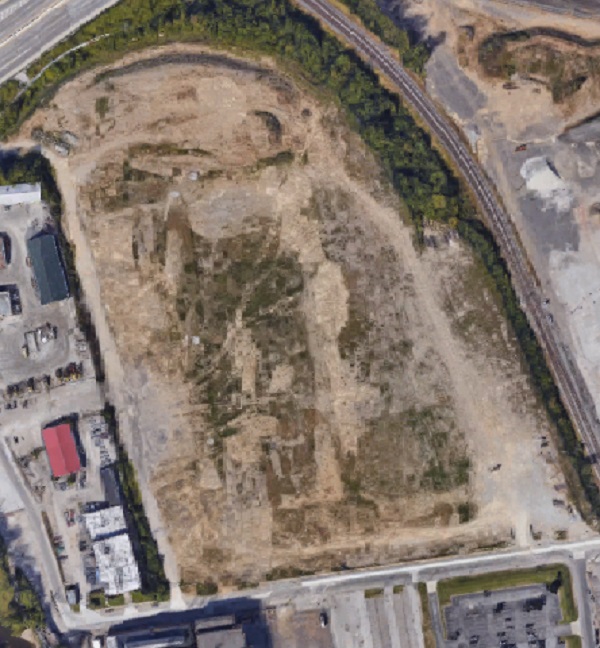
Scioto Peninsula
The Scioto Peninsula has long been underutilized and empty since its old manufacturing buildings were torn down between the 1970s and the early 2000s.
Pros: More than enough room for a new stadium as well as surrounding mixed-use development. Great location Downtown on the Riverfront.
Cons: This site has an existing mixed-use development plan already in place, and an Indianapolis company has recently been chosen to develop the Peninsula, with a potential construction start in Spring 2018. It would seem unlikely that those plans would be scrapped at the last minute.
The Columbus Crew

Arena District Site #1
The Arena District is a thriving neighborhood that would be a perfect fit for a new stadium.
Pros: Already an established entertainment and sports neighborhood with stadiums for the Clippers and Blue Jackets, lots of local bars and restaurants, great location, enough space for a new stadium development.
Cons: As with the Scioto Peninsula, this site already has plans. Perhaps a new stadium could be incorporated, especially when the plan left a lot of open space with parking lots and retention ponds. The site is also split in half by railroad tracks that are still active. This would take some creative development to accommodate a stadium and any required infrastructure.
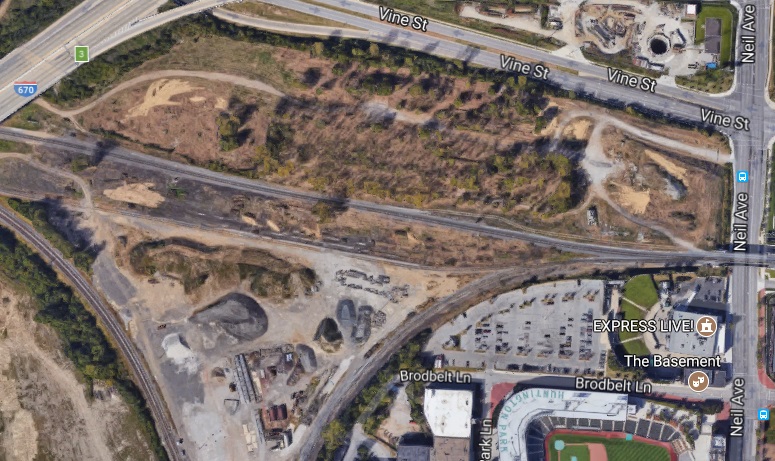
Arena District Site #2
Pros: Good location, enough space for a stadium, near bars, restaurants and other entertainment venues.
Cons: This site is owned by Nationwide. While no specific plans have been announced as of yet, they have stated for a few years now that they want to eventually do some kind of mixed-use development. Whether they would be willing to incorporate a stadium into those plans is unknown. The site is also somewhat separated from the rest of the AD by the railroad tracks on the east side. Another problem may be infrastructure. There is really only a single road- Nationwide Boulevard- in and out of this site. During games, this could be an issue unless it’s resolved or some kind of shuttle system is provided.
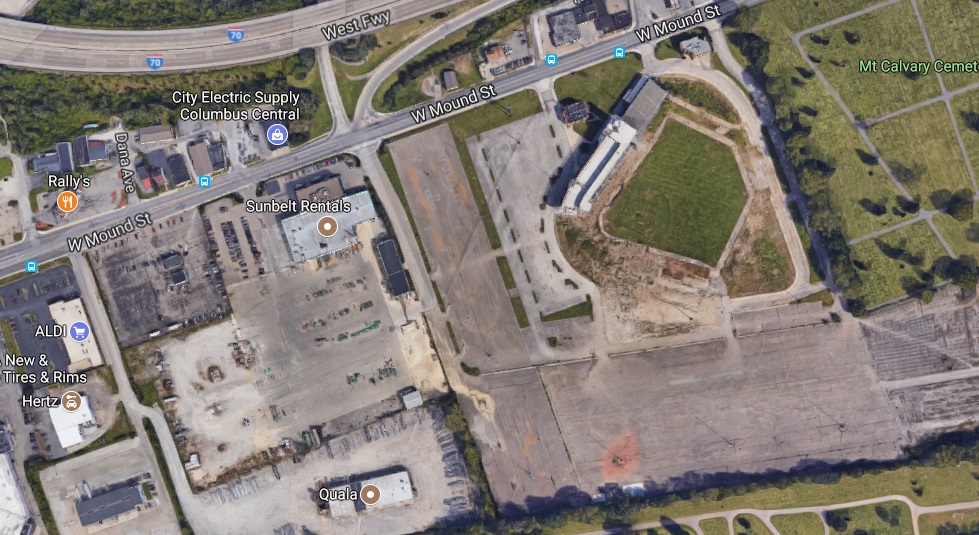
Cooper Stadium
Cooper Stadium, the original home of the Columbus Clippers before they moved to the Arena District, has sat empty and rotting since 2010. The surrounding area, while not exactly great, is a perfect candidate for revitalization.
Pros: Enough room for a stadium, and with the potential purchase of nearby properties, enough to create a mixed-use development around it. Still close to Downtown.
Cons: This site is owned by Arshot, a development company that has long planned a race track development here called SPARC. However, there has been no movement on this development whatsoever, and most now believe that the project is dead. Would Arshot be willing to develop a soccer stadium there instead? Also, given that the site is surrounded by a cemetery on 2 sides affect the possible development?
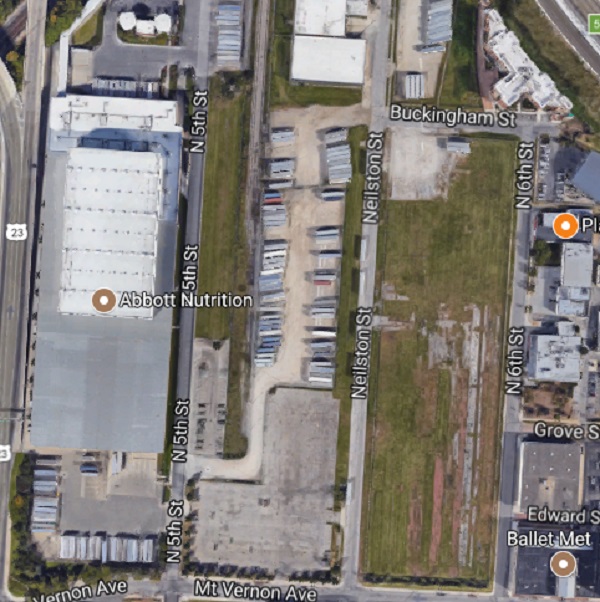
Abbott Labs
On the north end of the Central Business District, this site has very large empty lots that are mostly used to store semi trailers, when they’re used at all.
Pros: Plenty of space, as Downtown as Downtown gets, plenty of nearby restaurant and bar options to create a neighborhood experience.
Cons: Abbott Labs owns the land. While much of it is only lightly used at best, they may not be willing to sell it.
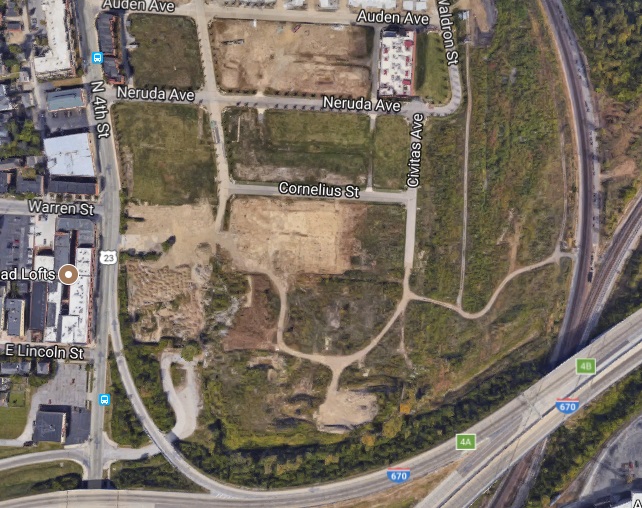
Jeffrey Manufacturing
The old site of the Jeffrey Manufacturing Plant, these vacant lots are in one of the most prime locations in the entire city.
Pros: Great location in the Short North/Italian Village, high levels of bars and restaurants nearby.
Cons: Most of the site north of Neruda Avenue has already been developed with housing. I’m not sure if there is enough space to the south for a new stadium and some kind of parking garage (parking is already very tight in the area). Again, this could be potentially solved with a shuttle or transit system from existing lots/garages Downtown, though. I’m also not sure if the current developers would be willing to sell it, and NIMBYism would likely be fierce from local residents.
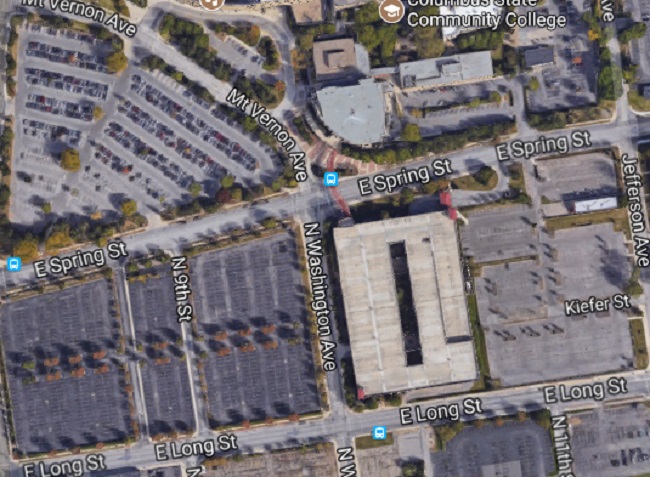
Columbus State Parking Lots
On the northeast side of the Central Business District, Columbus State Community College’s land includes one of the largest areas of surface parking lots anywhere in the city.
Pros: Great location, plenty of space to develop.
Cons: Columbus State owns the land and has long-term plans to develop these. It’s doubtful that they’d be willing to incorporate a stadium here and lose valuable expansion space.
Unconventional Possibilities
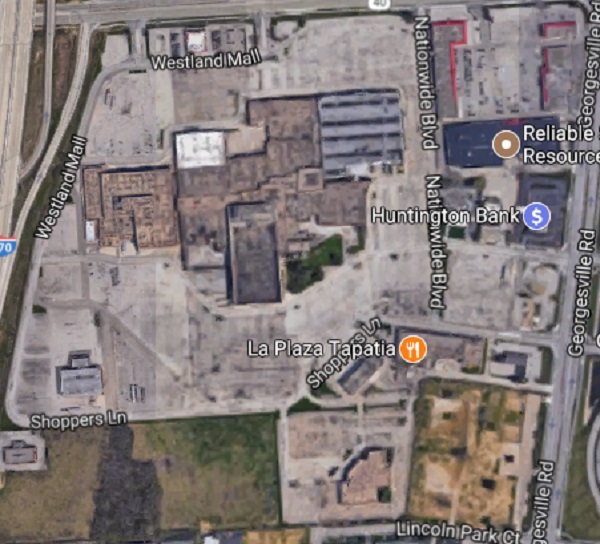
Westland Mall
Westland Mall hasn’t been functional for many years, and its last and original tenant- Sears- recently abandoned the site as well. There have been no plans announced for the mall and it otherwise rots and prevents the improvement of the Far West Side.
Pros: The defunct mall site is enormous. A new stadium and new mixed-use neighborhood could basically be built from scratch. It also has excellent access to the Outerbelt.
Cons: Not Downtown or even close to it, so it wouldn’t solve the complaint about being too far from the core of the city. This area is also not particularly nice, and may suffer the same perception problems that the current stadium site has.
Mt. Carmel West
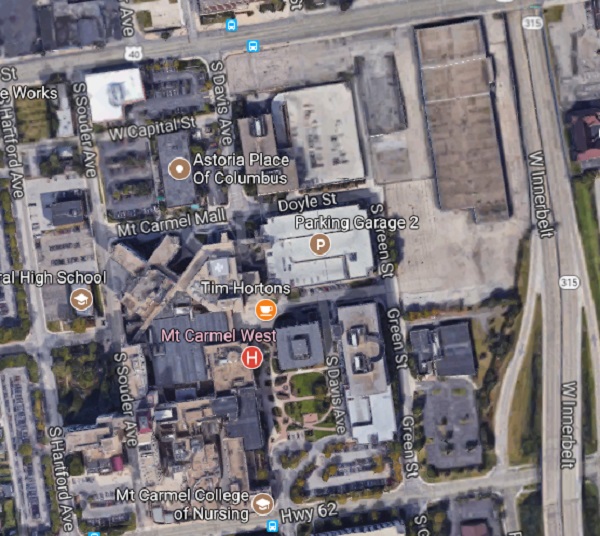
Mt. Carmel West, a long-time hospital in Franklinton, will be moving most of its operations to Grove City.
Pros: Close to Downtown, potential to create new entertainment district.
Cons: The site has many existing buildings that would have to be torn down or repurposed to fit a stadium and mixed-use development. Mt. Carmel has plans to create a mixed-use development eventually, anyway, but this would be one of the most difficult to remake.
Harrison West
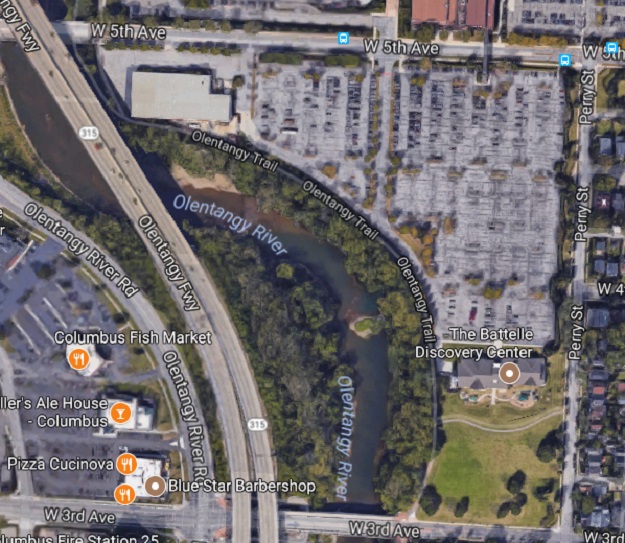
Part of the Short North, Harrison West is a largely residential neighborhood. Off of 5th Avenue is a large parking lot and empty land that Battelle is selling off for redevelopment.
Pros: Great location, should be enough space.
Cons: There is little extra room for mixed-use development, and neighbors would pull the same kind of strong NIMBYism that the Jeffrey Manufacturing site would face. There are also already tentative development plans, and it’s unknown if a stadium would work.
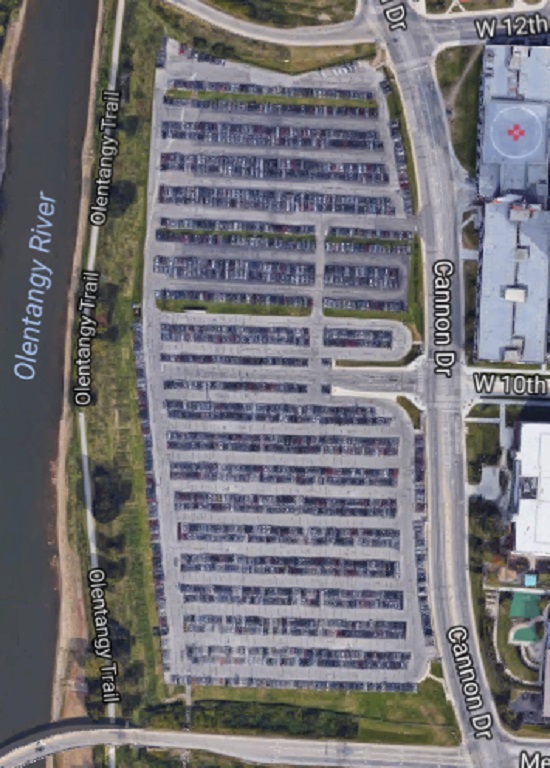
Ohio State Campus
Pros: While not exactly Downtown, Ohio State is already a destination in many ways- certainly for sports. There is land available, and the surrounding neighborhoods are much nicer than the current stadium location.
Cons: Ohio State has long-term plans for practically every square inch of land it owns. Would they be willing to part with enough for a stadium? And could an attached mixed-use development come into play?
So there you have it, my list of potential Crew Stadium locations. What do you think? Am I missing any good ones?
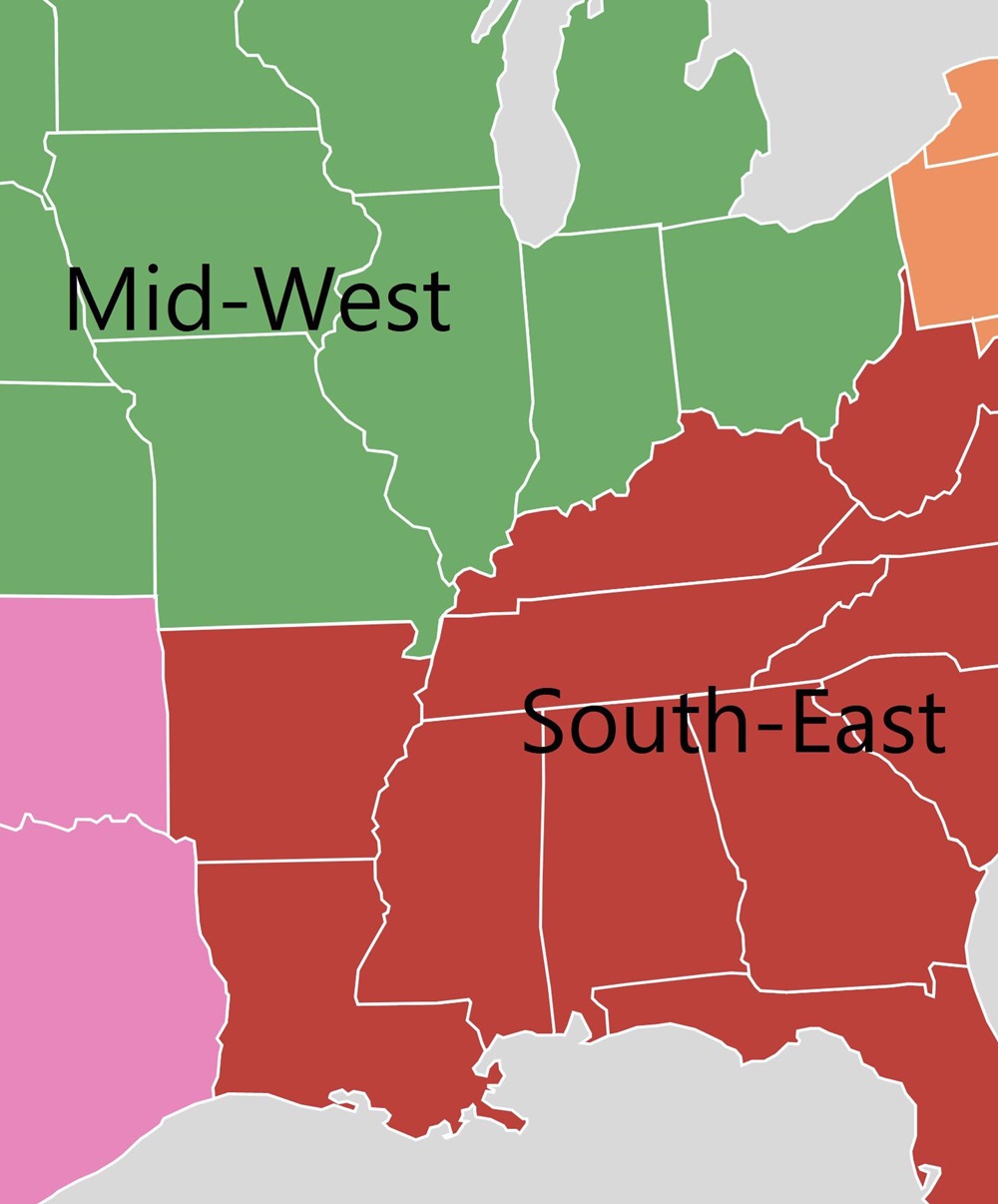

The Midwest vs. South in Regional Domestic Migration in 2016


regional domestic migration in 2016

For years, if not decades, we’ve been hearing a familiar tale- that anyone and everyone is moving from the Midwest and Northeast to the South and West. This trend began during and after the collapse of Northern manufacturing, and as higher cost of living began to make the lower-cost South more attractive in particular. However, a lot of the South’s growth over the years- indeed a majority- never had anything to do with region-to-region migration. Instead, it was due largely to natural growth (births vs. deaths) and international migration, particularly from Central America. What received all the attention, though, was the belief that people were packing up and moving to the South from places like Ohio and other struggling Northern states. While that may have been true for a while, that is increasingly looking like it is no longer the case.

The Midwest, especially, has been derided as the region no one wants to live in. Despite its growing population approaching 66 million people, the common refrain was that its colder winters, flailing economies and questionable demographic future meant that it was simply a region being left behind by the booming Southern states.

Recently, the US Census released estimates for 2015-2016 geographic mobility, and they tell a very different story altogether. Regional domestic migration in 2016 may have actually bucked the trends.

First, let’s look at the total domestic migration moving to the Midwest from other regions.
South to Midwest: +309,000
West to Midwest: +72,000
Northeast to Midwest: +61,000
Total to Midwest: +442,000

And then compare that to the total that the Midwest sends to other regions.
Midwest to South: -254,000
Midwest to West: -224,000
Midwest to Northeast: -34,000
Total from Midwest: -512,000

Net difference by region.
Midwest vs. South: +55,000
Midwest vs. West: -152,000
Midwest vs. Northeast: +27,000
Total Net: -70,000

So while the Midwest is seeing an overall net domestic migration loss, it is entirely to the Western states.

This could just be an off year, as almost all recent years showed losses to the South, but then again, maybe not. The South has been in a boom for several decades now, and in that time, the region still lags the other 3 in almost every quality of life metric used. All booms end eventually, and the South’s 2 biggest perceived advantages, low cost of living and business-friendly climate, have been gradually eroding over time. As Census surveys show, people don’t actually move for a change in weather, so it’s the economic factors that are going to make the biggest impacts long-term. The Midwest now has many cities and several states that are doing well economically, including Columbus, and perhaps they are becoming more attractive than they have in many years. Time will tell, but last year, the narrative of an unattractive Midwest vs. South was at least temporarily shelved.

Before and After German Village


German Village dates back to the early 19th Century, when it was sometimes called called Germantown. Unsurprisingly, by the middle of the 20th Century, the neighborhood had declined significantly, yet still retained the vast majority of its historic buildings. The city of Columbus had it in mind to bulldoze a large part of the neighborhood in the 1950s for public housing, but activists organized against those plans. Instead, in what was one of the first major success stories of Columbus preservation, German Village was saved. The entire area was eventually added onto the National Register of Historic Places in 1975, and today it is still the largest historic district on the registry anywhere in the United States. Here are just a few before and after photos around the neighborhood.

Before: Stewart Avenue Elementary School, looking northeast, in 1920.
before and after German Village
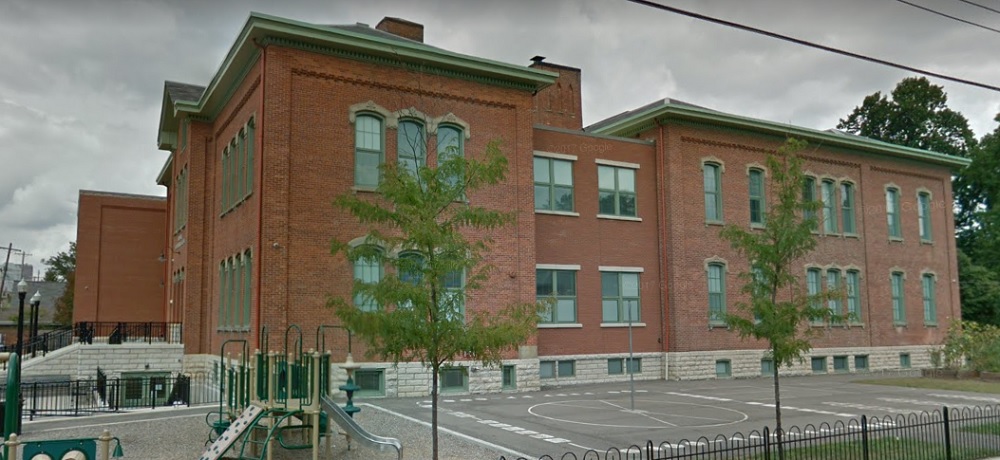
After: 2017

The school was constructed in 1873 and remains in use today, one of the oldest continuous schools remaining in the city.

Before: City Park Avenue at Lansing Street, looking south, in 1898.

After: 2016

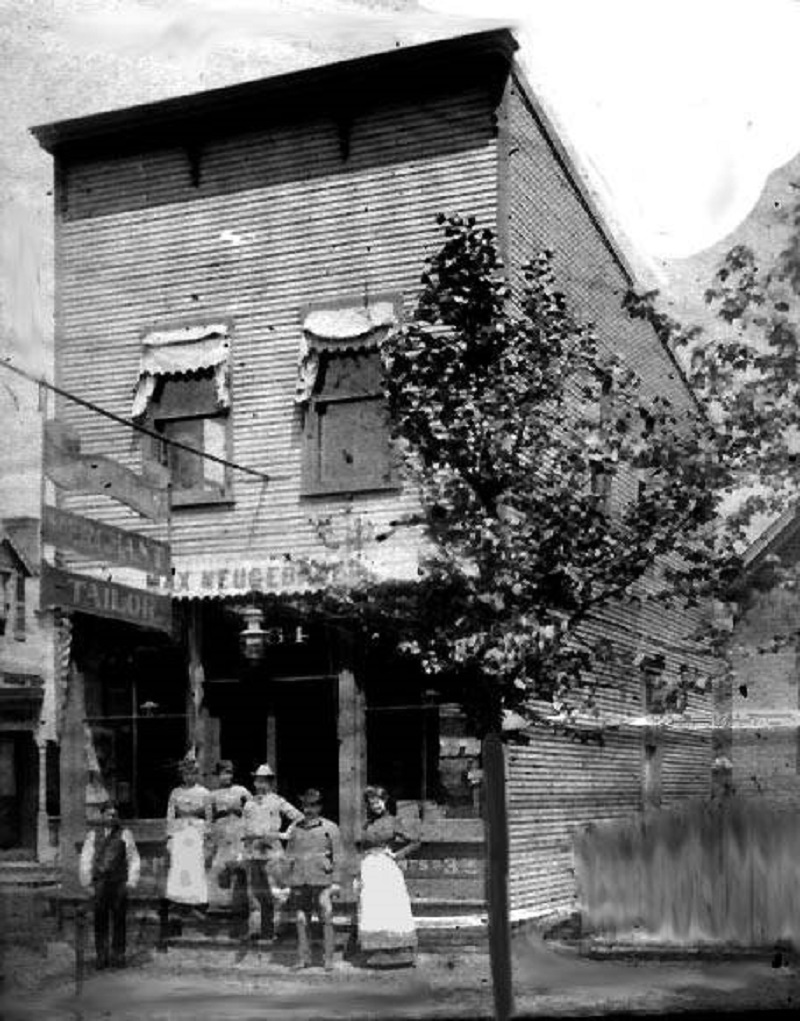
Before: The Max Neugebauer Tailor Shop at 764 Mohawk Street in 1897.

After: 2016

Neugebauer arrived in Columbus in 1887, but it’s unclear when he opened this business.

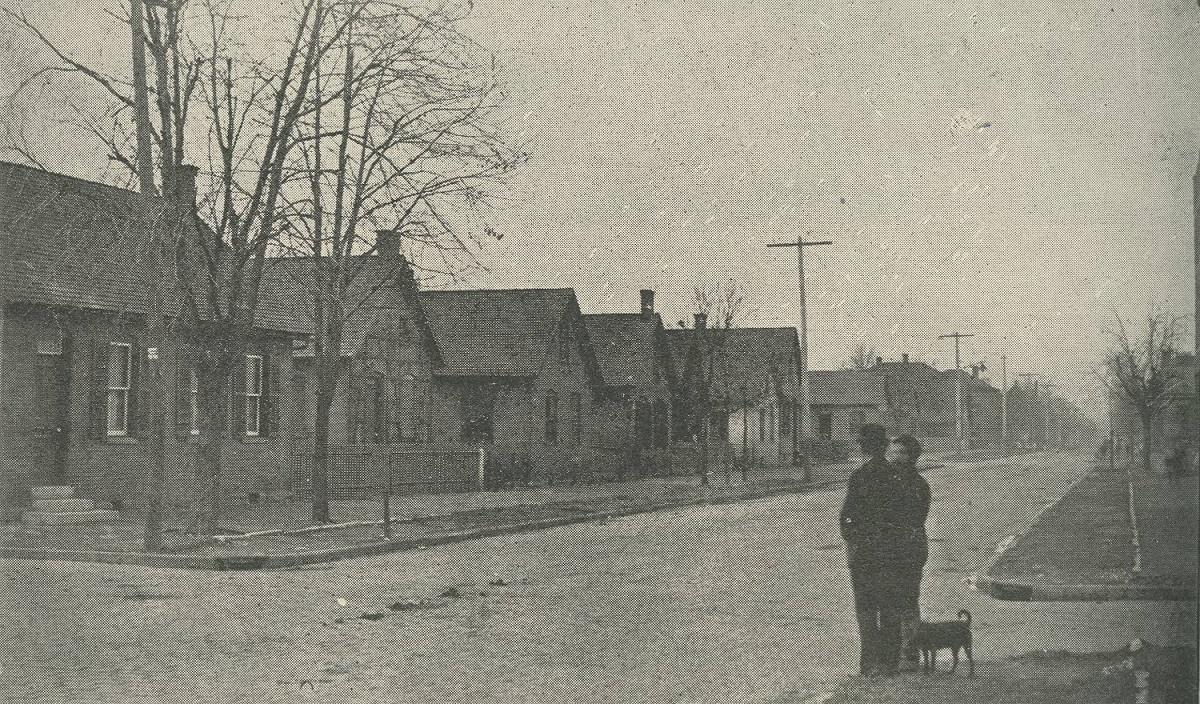
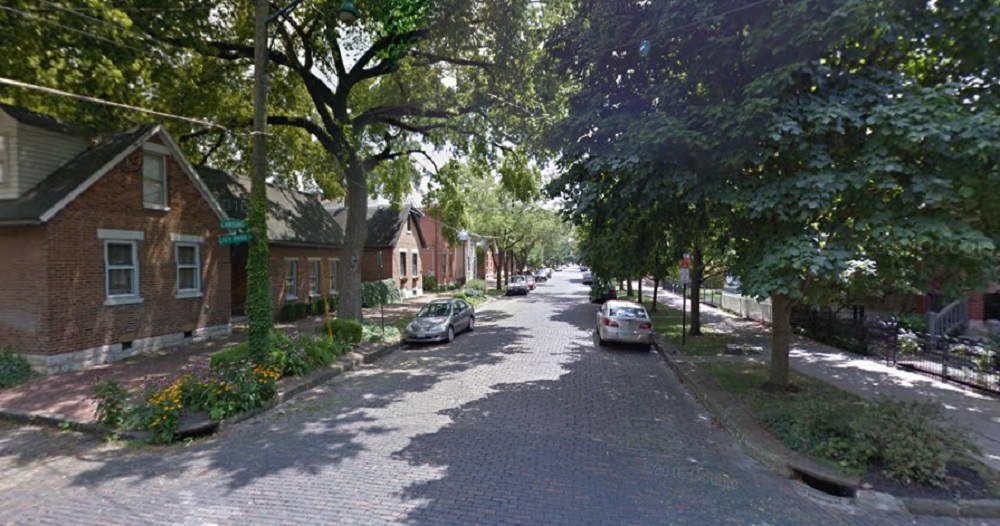
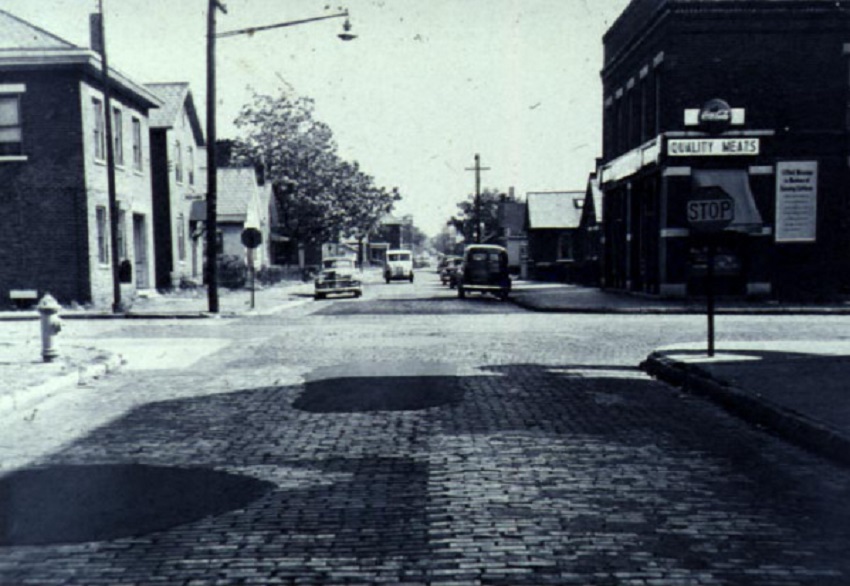
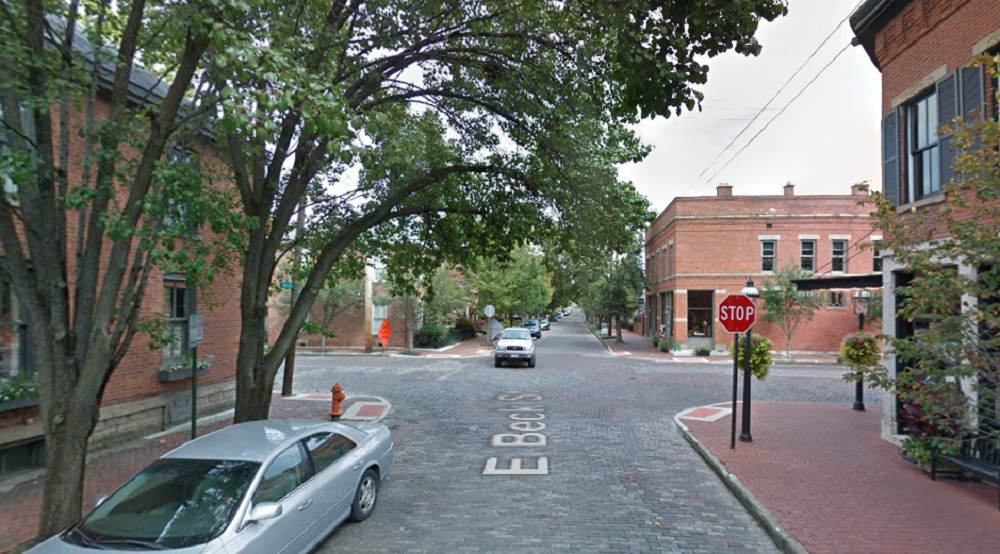
Before: Beck Street and Mohawk, looking east, in 1950.

After: 2017

German Village was considered a “slum” by 1950, so the before photo would’ve been around the time of the neighborhood’s low point.

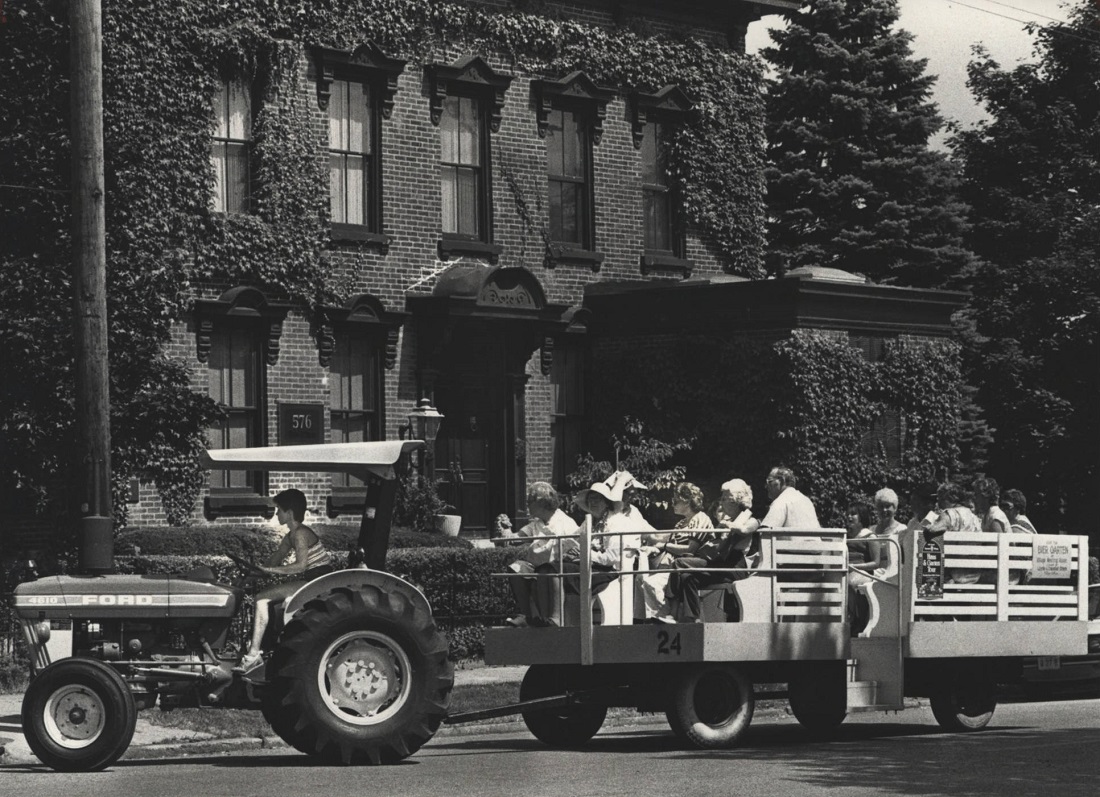
Before: Third Street and Beck, looking east, in 1981.

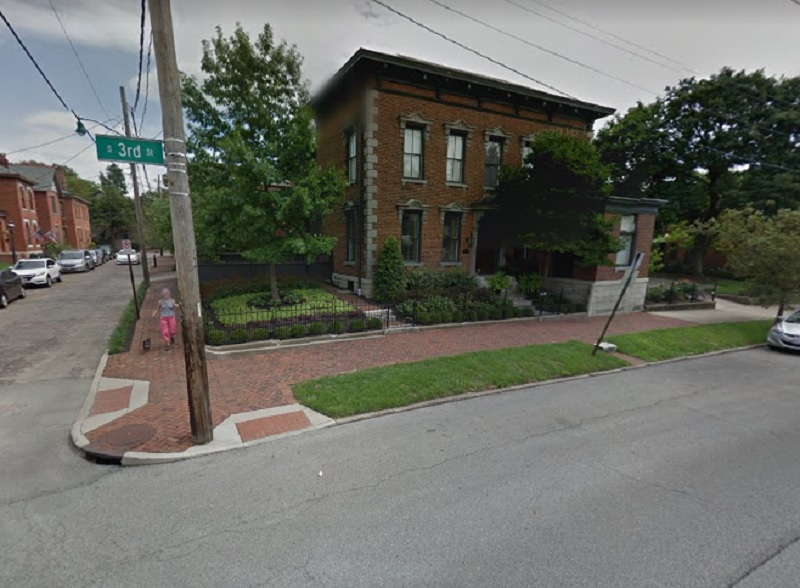
After: 2016

The photo shows a German Village “Haus and Garten Tour” through the neighborhood.


Young Adults Prefer Density in Franklin County


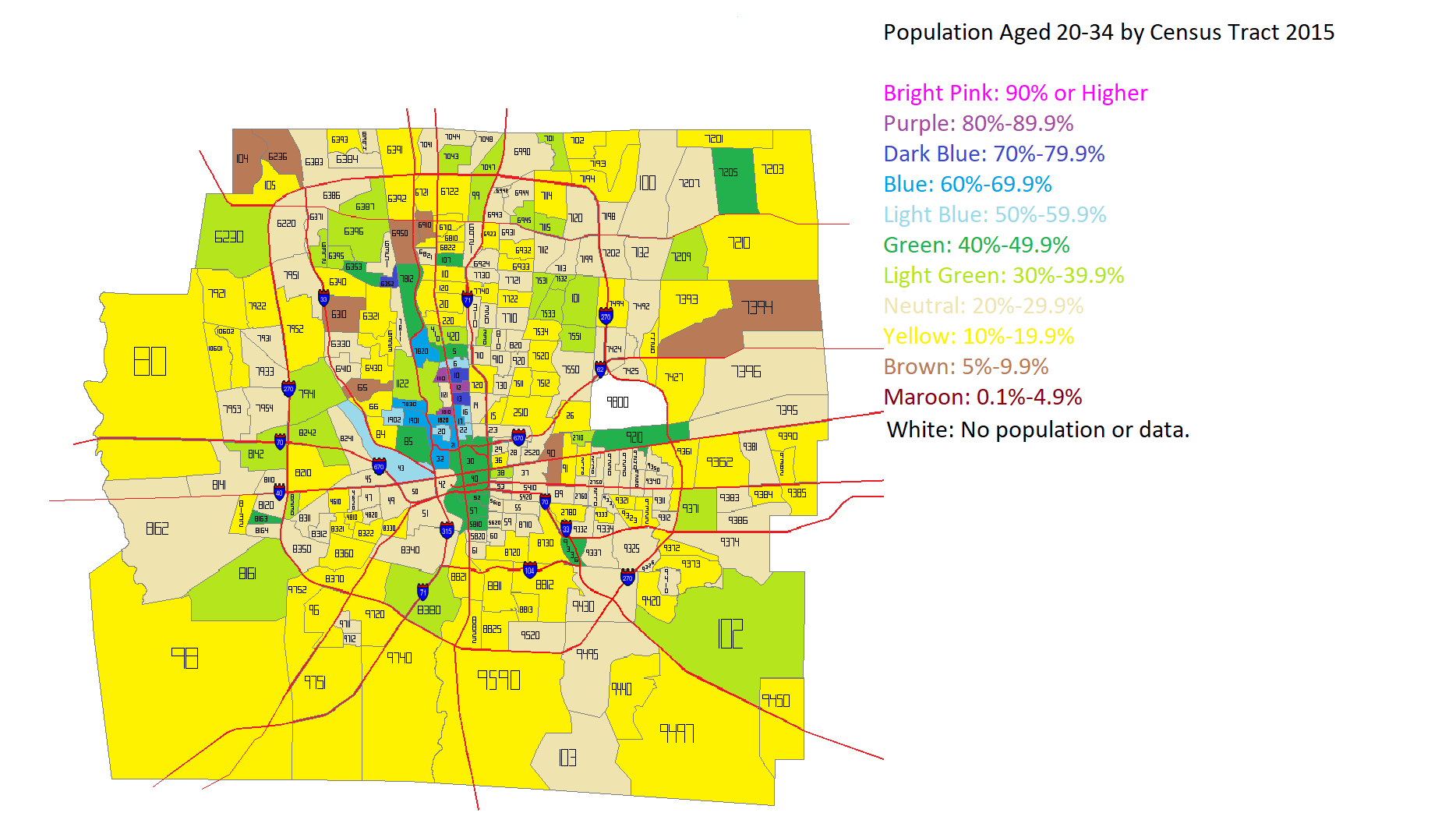
I’ve seen several articles across the internet lately questioning the idea that Millennials and young adults prefer density and urban areas. I decided to see how this played out in Franklin County overall. I first looked at the total population aged 20-34 in the year 2000 and the year 2015 by Census Tract.
Here were the maps for those years.
young adults prefer density

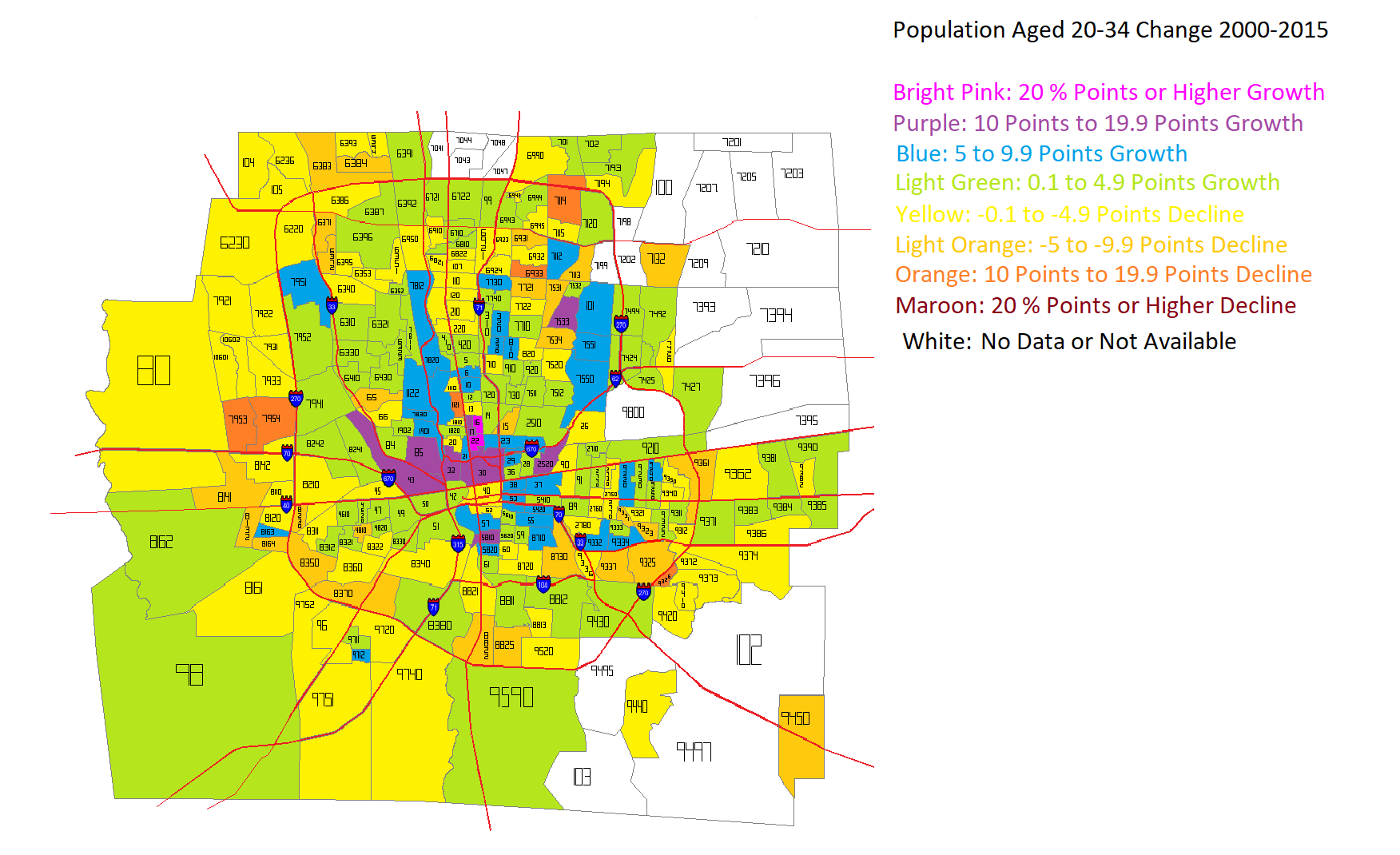
After looking at the numbers for both years, I came up with this map for how that age group had changed in the 2000-2015 period.

Unfortunately, some tracts, particularly in the eastern suburban areas, did not exist in 2000, and so I was not able to figure out the change for them during the period. The rest of the map, however, shows that the strongest growth in this age group was not only inside 270, but closest to Downtown and central corridors along Broad and High Streets.
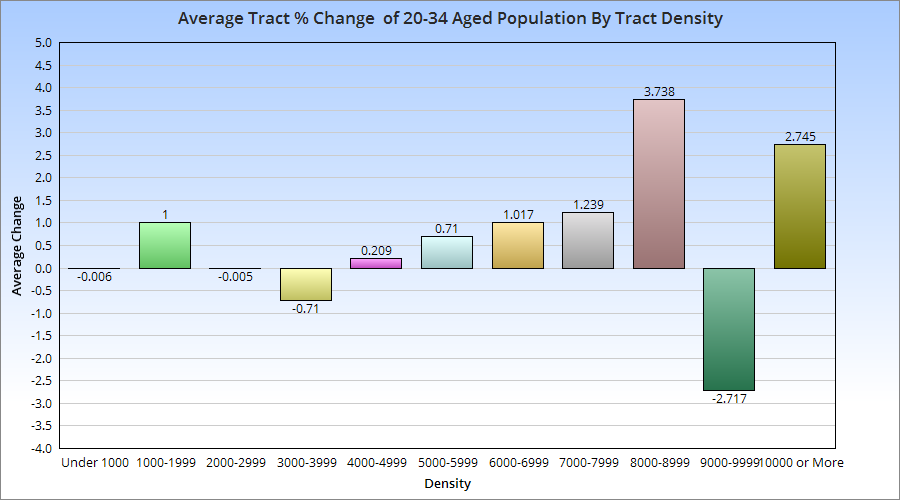
These maps don’t tell us about the relationship between those changes and the population density of the census tracts. So I went further and broke the tracts into increments of density to see where the strongest growth was occurring.

With a few exceptions, there appears to be a correlation between average 20-34 aged population growth and the density of the census tracts it occurs in. This suggests that this age group, at least in Franklin County, prefers areas with moderate to high density, which typically translates to urban living.

Winter 2016-2017 Review


Winter 2016-2017 Review Columbus, Ohio

What most of Winter 2016-2017 looked like in Ohio.

The Winter 2016-2017 Review supports that the season was one of the warmest, least snowy winters on record. Depending on your viewpoint, that was either a really good or really bad thing.

Temperature and snowfall ranking data goes back to the winter of 1878-1879. Snow depth ranking data goes back to 1940.

December-February Only
Average High: 44.4 7th Warmest
Average Low: 29.5 6th Warmest
Mean: 37.0 6th Warmest
Precipitation: 8.55″ 49th Wettest
Snowfall: 7.6″ 13th Least Snowy
Average Daily Snow Depth: 0.1″ 2nd Lowest
32 or Below Highs: 17 11th Fewest
32 or Below Lows: 54 5th Fewest
Measurable Precipitation Days: 43 10th Most
Measurable Snowfall Days: 10 6th Fewest
Deepest Snow Depth: 3″ on December 14th
Days with 1″+ Snow Depth: 7 5th Fewest

Entire Cold Season: October-April
Average High: 54.8 1st Warmest
Average Low: 36.7 5th Warmest
Mean: 45.8 1st Warmest
Precipitation: 19.28″ 67th Driest
Snowfall: 9.3″ 8th Least Snowy
Average Snow Depth: 0.1″ 2nd Lowest
32 or Below Highs: 18 8th Fewest
32 or Below Lows: 80 5th Fewest
Measurable Precipitation Days: 86 19th Most
Measurable Snowfall Days: 15 6th Fewest
Deepest Snow Depth: 3″ on December 14th
Days with 1″+ Snow Depth: 8 5th Fewest

Average High By Month
October 2016: 69.3 17th Warmest
November 2016: 57.7 7th Warmest
December 2016: 38.7 38th Coldest
January 2017: 43.5 14th Warmest
February 2017: 51.8 1st Warmest
March 2017: 52.1 36th Warmest
April 2017: 71.1 1st Warmest

Average Low By Month
October 2016: 49.1 14th Warmest
November 2016: 36.3 26th Warmest
December 2016: 26.2 50th Coldest
January 2017: 30.1 8th Warmest
February 2017: 32.6 4th Warmest
March 2017: 34.1 32nd Warmest
April 2017: 48.3 1st Warmest

Mean By Month
October 2016: 59.2 12th Warmest
November 2016: 47.0 13th Warmest
December 2016: 32.4 44th Coldest
January 2017: 36.8 12th Warmest
February 2017: 42.2 1st Warmest
March 2017: 43.1 35th Warmest
April 2017: 59.7 1st Warmest

Precipitation By Month
October 2016: 1.73″ 45th Driest
November 2016: 1.02″ 13th Driest
December 2016: 3.09″ 49th Wettest
January 2017: 2.83″ 53rd Wettest
February 2017: 2.63″ 51st Wettest
March 2017: 5.39″ 15th Wettest
April 2017: 2.59″ 44th Driest

Snowfall By Month
October 2016: 0.0″ Least Snowy
November 2016: Trace 2nd Least Snowy
December 2016: 5.4″ 40th Snowiest
January 2017: 1.6″ 13th Least Snowy
February 2017: 0.6″ 4th Least Snowy
March 2017: 1.7″ 27th Least Snowy
April 2017: Trace 2nd Least Snowy

Average Snow Depth By Month
October 2016: 0″
November 2016: 0″
December 2016: 0.3″
January 2017: Trace
February 2017: 0.1″
March 2017: Trace
April 2017: 0″


Maximum High By Month
October 2016: 83 on the 18th
November 2016: 80 on the 1st
December 2016: 69 on the 26th
January 2017: 67 on the 12th
February 2017: 78 on the 24th
March 2017: 77 on the 30th
April 2017: 85 on the 26th and 30th

Record Highs
-The 83 on October 18th tied the record for the date set in 1938.
-The 80 on November 1st tied the record for the date set in 1950. This is also a tie for the warmest temperature ever recorded in November.
-The 79 on November 2nd tied the record for the date set in 1897.
-The 75 on November 18th was a record for the date, beating the old record of 73 set in 1954.
-The 69 on November 26th was a record for the date, beating the old record of 62 set in 1889 and 1982.
-The 67 on January 12th tied the record for the date set in 1916.
-The 64 on January 17th was a record for the date, beating the old record of 62 set in 1952.
-The 66 on February 18th was a record for the date, beating the old record of 63 set in 2011.
-The 72 on February 23rd was a record for the date, beating the old record of 66 set in 1905 and 1986.
-The 78 on February 24th was a record for the date in 3 ways: 1. It beat the old daily record of 72 set in 1961. 2. It beat the record for the warmest February temperature ever of 75 set on 2/26/2000. 3. It broke the record for the warmest temperature for meteorological winter (Dec-Feb) of all-time, beating the old record of 76 set on 12/3/1982.

Minimum High By Month
October 2016: 52 on the 22nd
November 2016: 35 on the 20th
December 2016: 14 on the 15th
January 2017: 16 on the 6th and 7th
February 2017: 25 on the 3rd
March 2017: 29 on the 14th
April 2017: 49 on the 1st

Maximum Low By Month
October 2016: 69 on the 18th
November 2016: 56 on the 2nd
December 2016: 48 on the 26th
January 2017: 47 on the 17th
February 2017: 59 on the 24th
March 2017: 58 on the 25th
April 2017: 63 on the 16th and 19th

Record Maximum Lows
-The 69 on October 18th was a record for the date, beating the old record of 65 set in 2007.
-The 54 on February 22nd was a record for the date, beating the old record of 51 set in 1930.
-The 52 on February 23rd was a record for the date, beating the old record of 51 set in 1930.
-The 59 on February 24th was a record for the date, beating the old record of 50 set in 2000.
-The 58 on March 25th tied the record for the date set in 1949.

Minimum Low By Month
October 2016: 35 on the 25th
November 2016: 21 on the 22nd
December 2016: 4 on the 15th and 16th
January 2017: 6 on the 7th
February 2017: 9 on the 4th
March 2017: 15 on the 15th
April 2017: 32 on the 8th

Highest Daily Precipitation By Month
October 2016: 0.74″ on the 19th
November 2016: 0.36″ on the 28th
December 2016: 1.07″ on the 17th
January 2017: 0.80″ on the 3rd
February 2017: 0.76″ on the 7th
March 2017: 1.53″ on the 26th
April 2017: 0.80″ on the 9th

Highest Daily Snowfall By Month
October 2016: 0.0″
November 2016: Trace on the 19th and 20th
December 2016: 3.2″ on the 13th
January 2017: 0.9″ on the 5th
February 2017: 0.6″ on the 8th
March 2017: 0.6″ on the 13th
April 2017: Tract on the 6th and 7th

Deepest Snow Depth By Month
October 2016: 0″
November 2016: 0″
December 2016: 3″ on the 14th
January 2017: 1″ on the 6th
February 2017: 1″ on the 9th and 10th
March 2017: 1″ on the 14th
April 2017: 0″

For more winter season records and local weather information, visit the following links.
Winter Season Records
Wilmington National Weather Service

Other Winter Reviews
Winter 2015-2016
Winter 2014-2015