With the Omicron variant running rampant, Columbus schools are facing significant absences from both students and staff. Keep track of this data with this hand link, which ranks the best and worst schools for absences, shows how many cases are being reported, quarantine data and more.
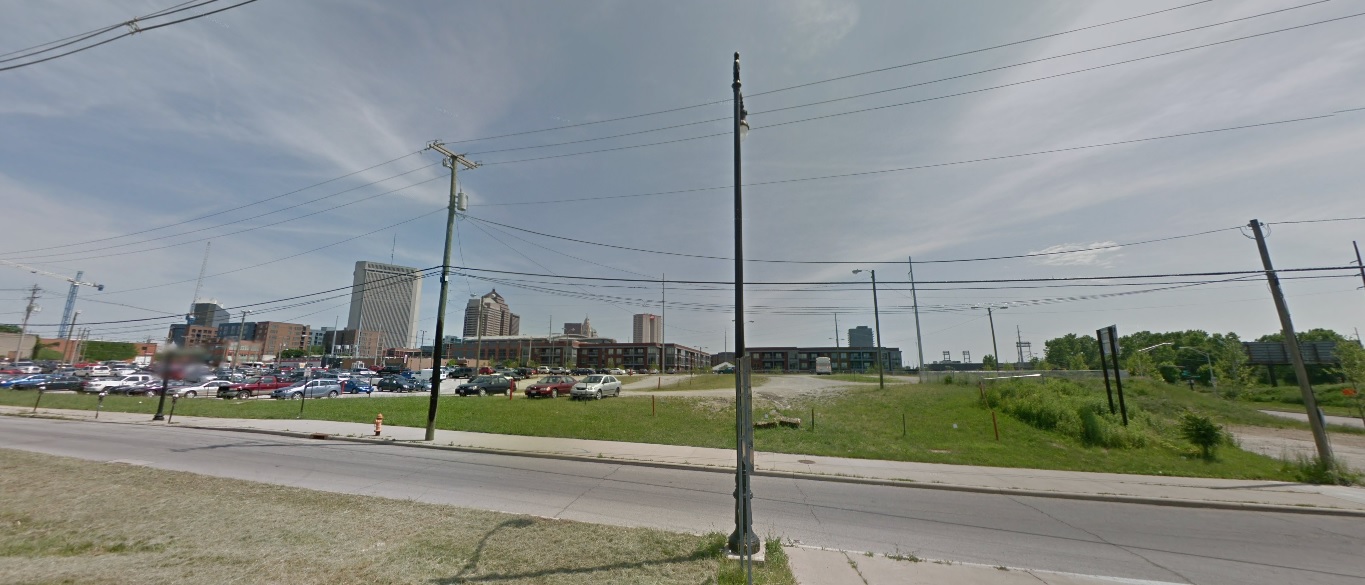
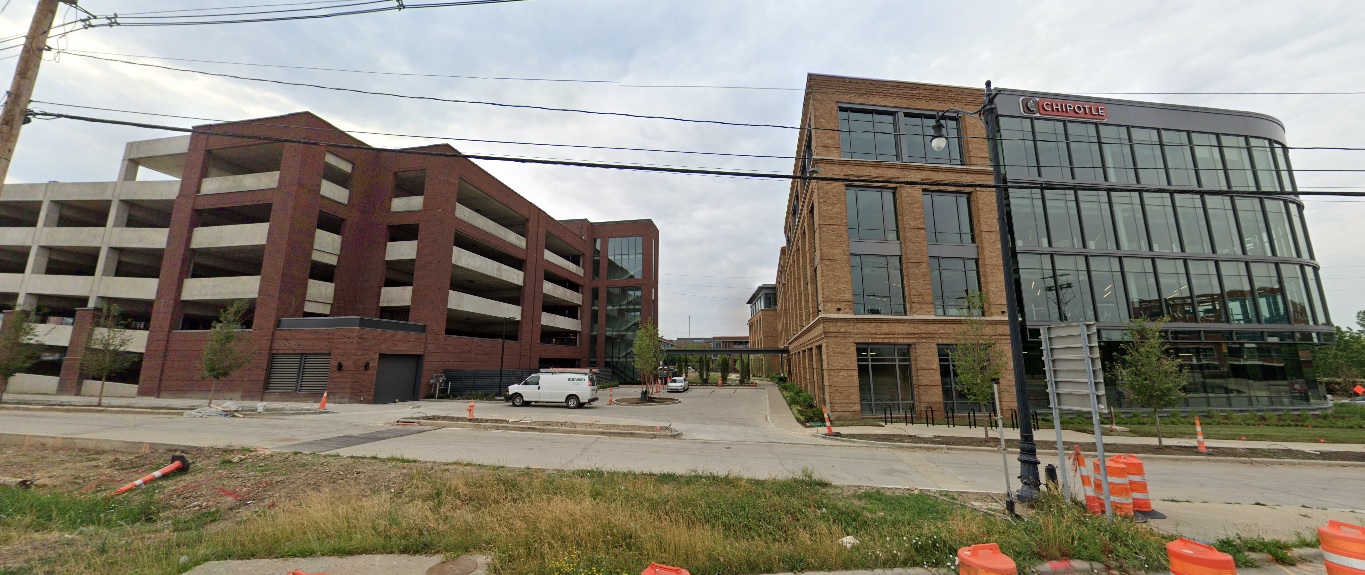
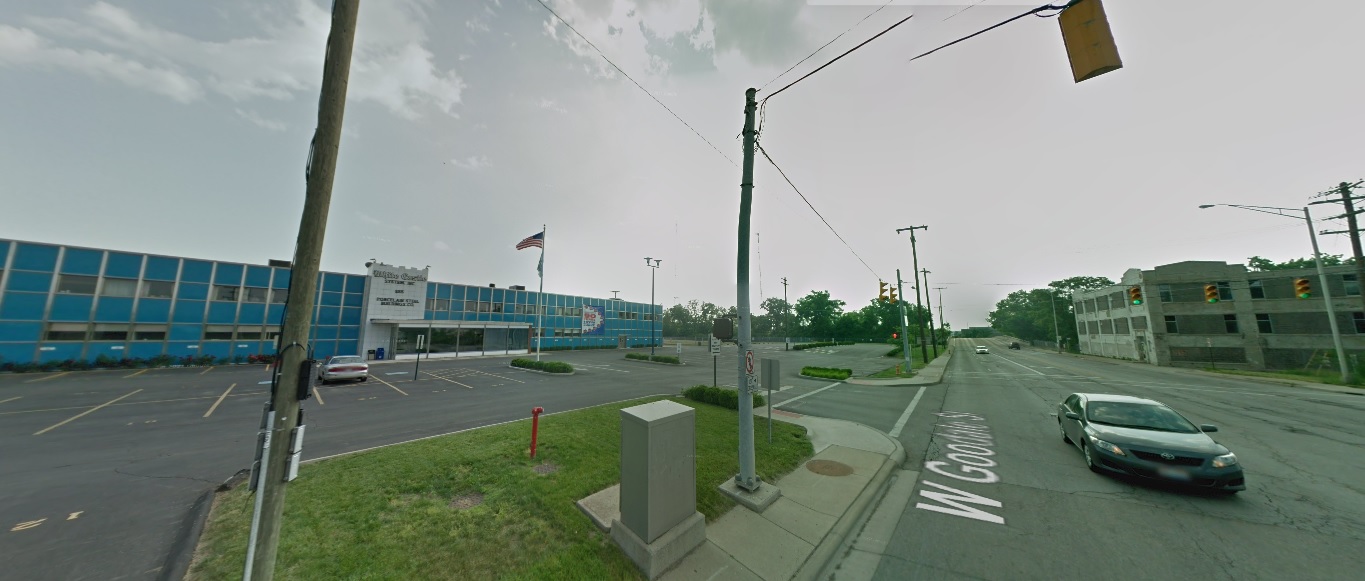
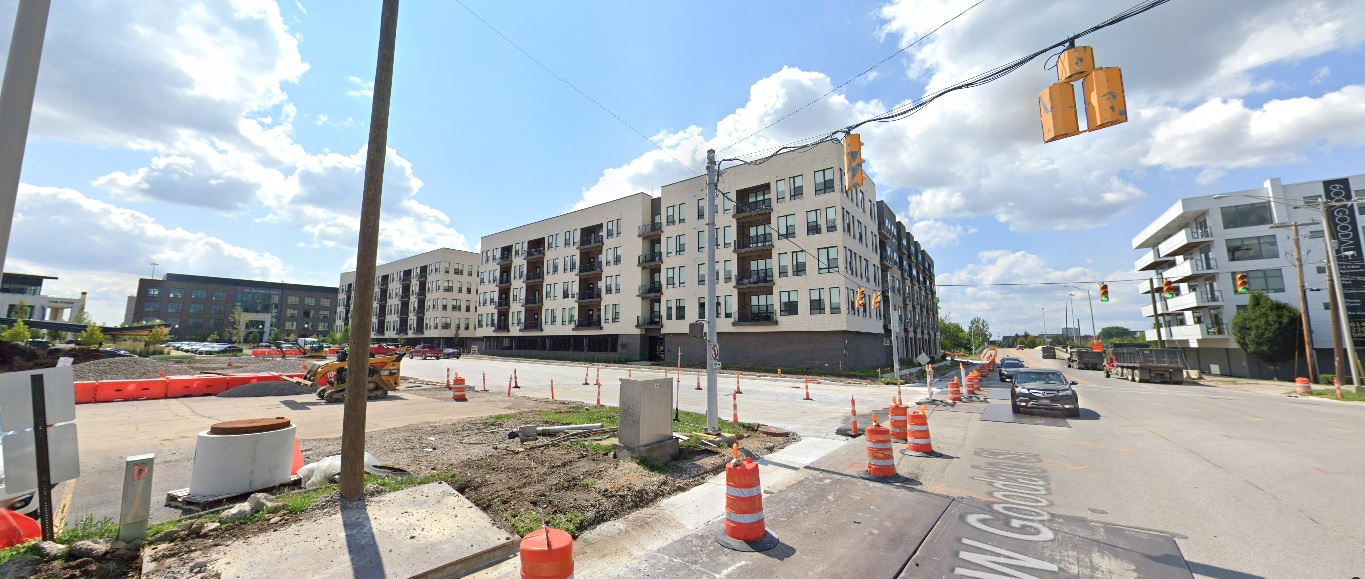
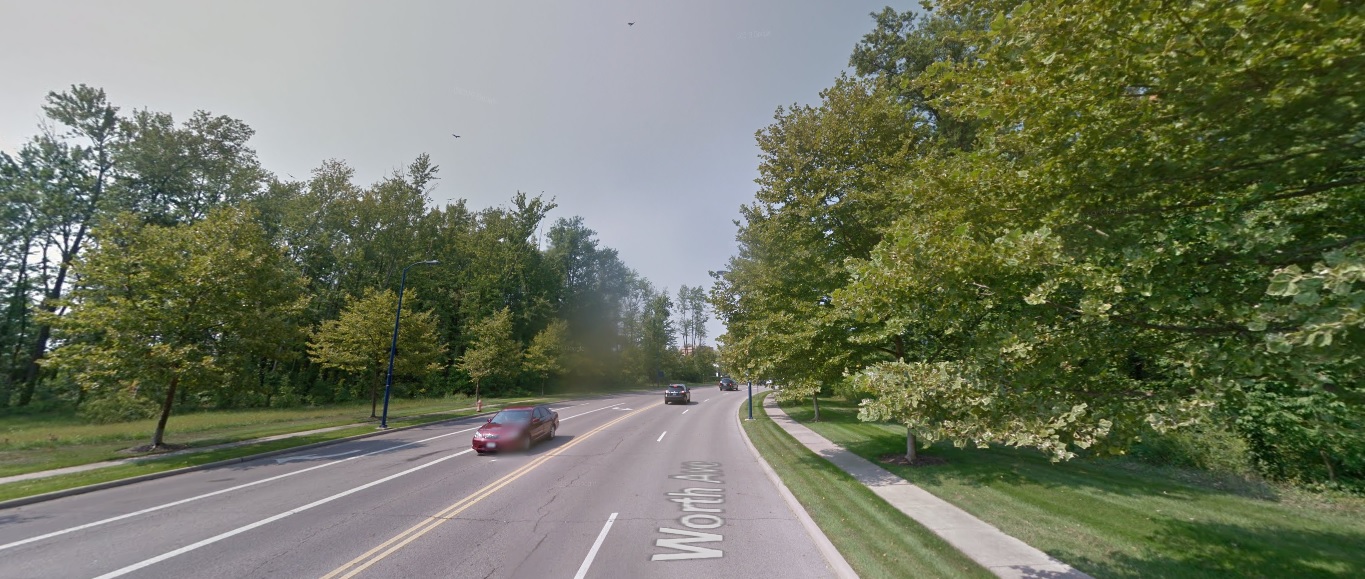
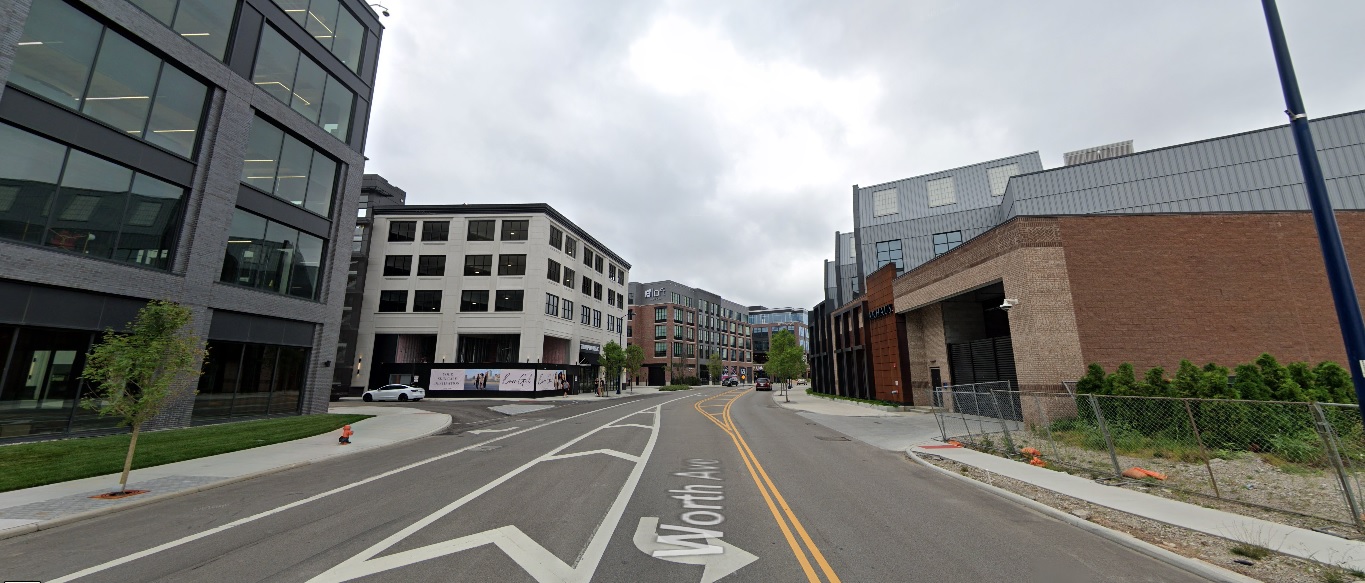
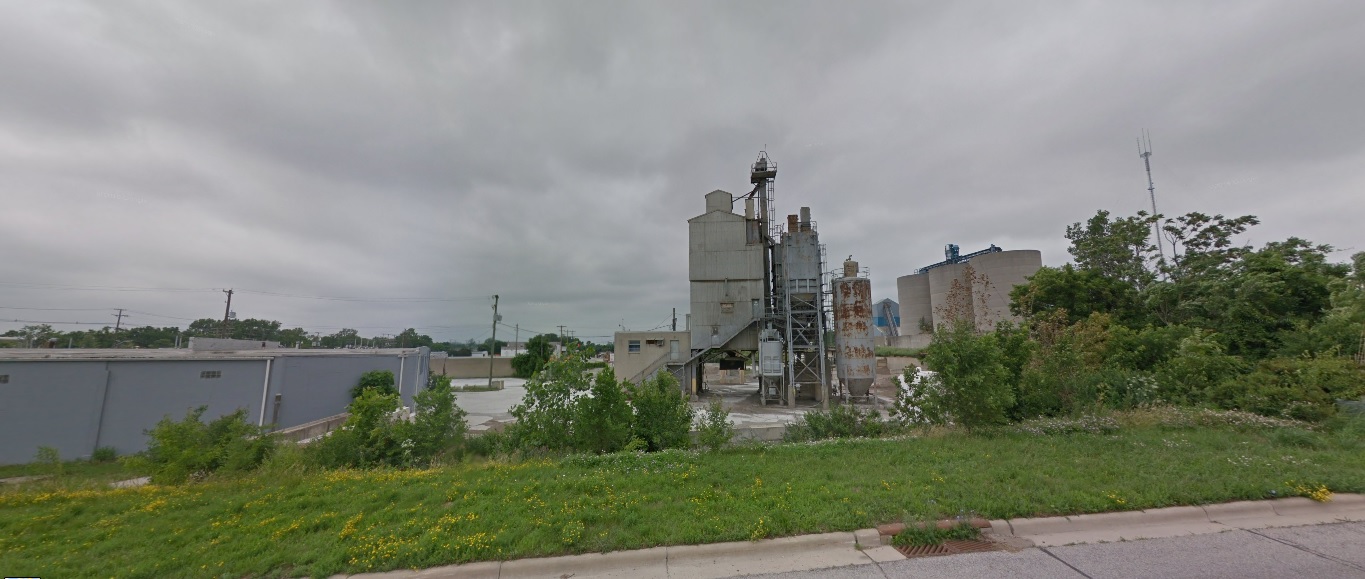
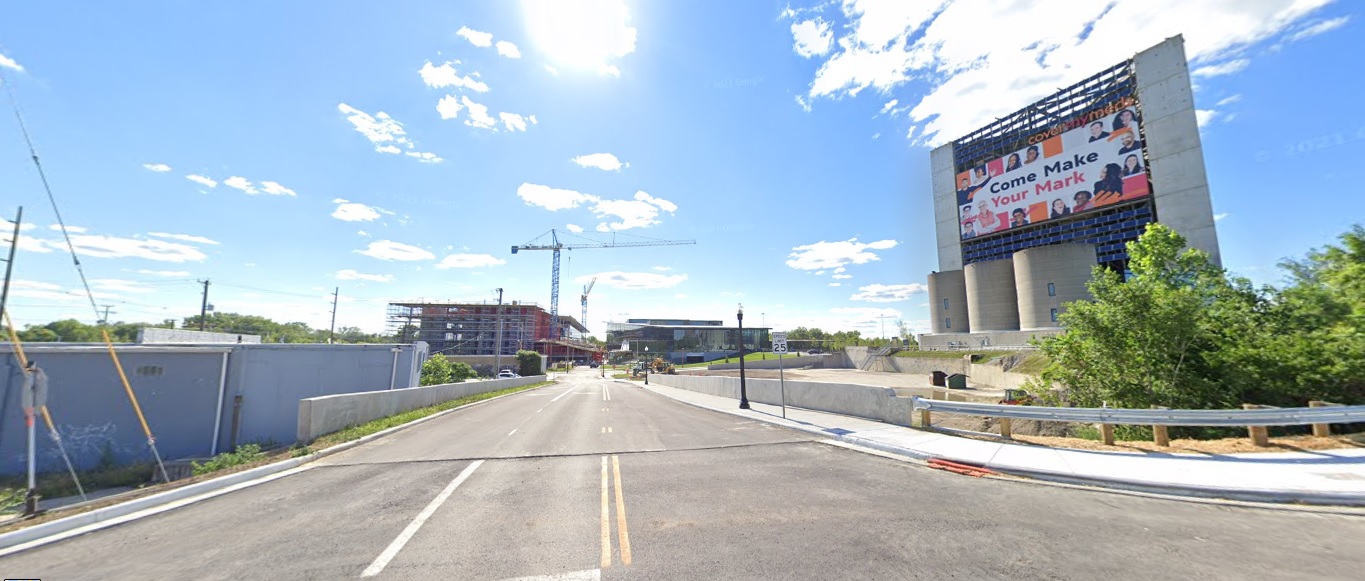
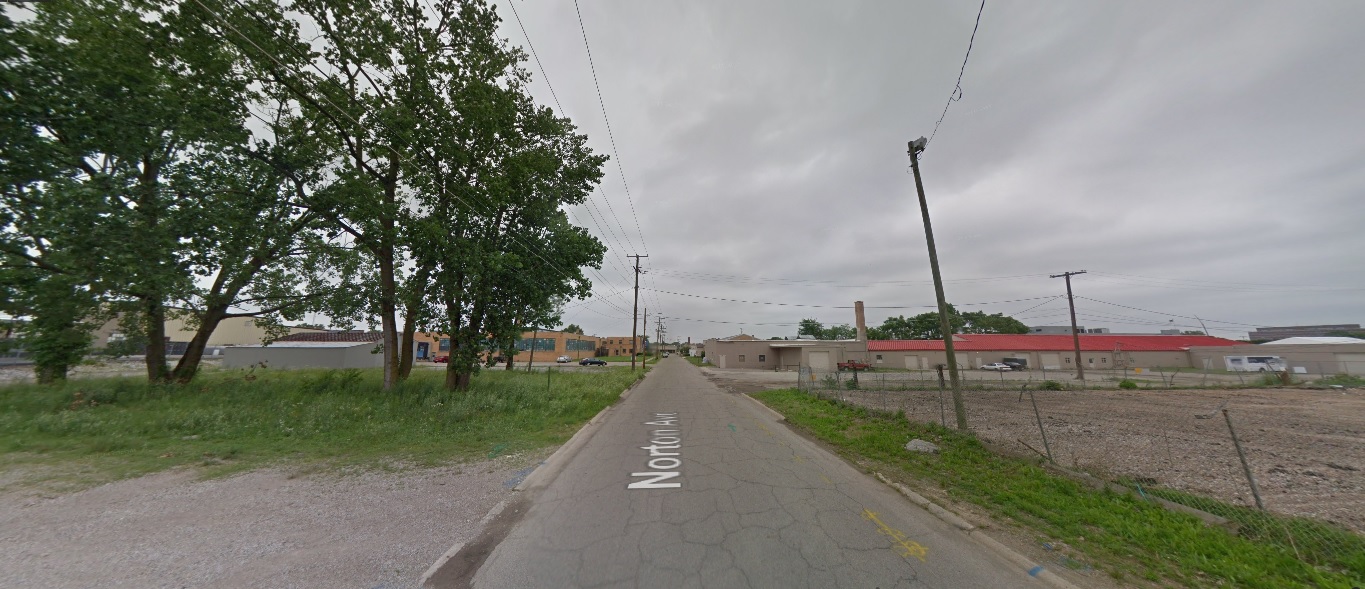
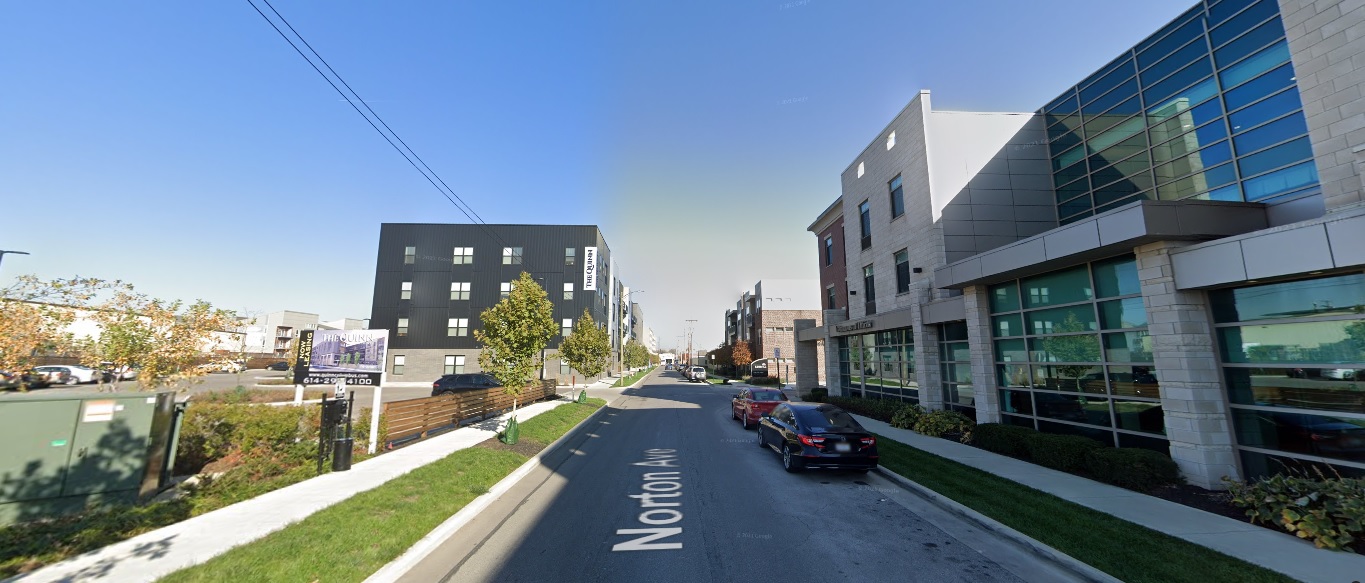
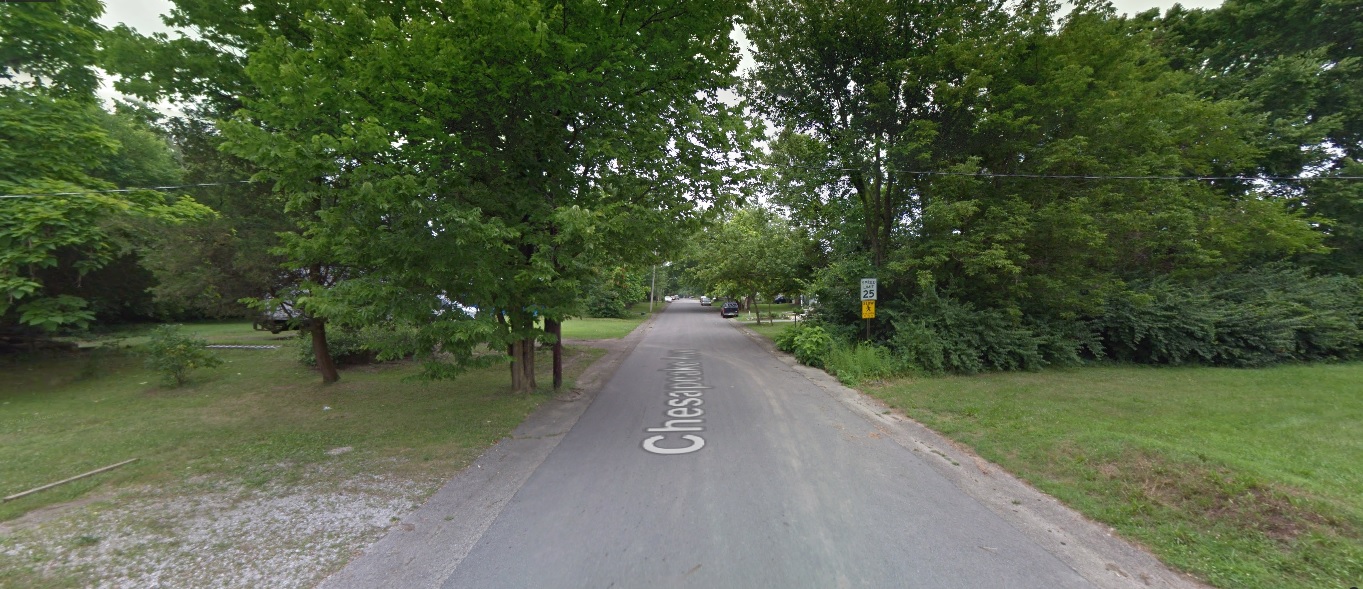
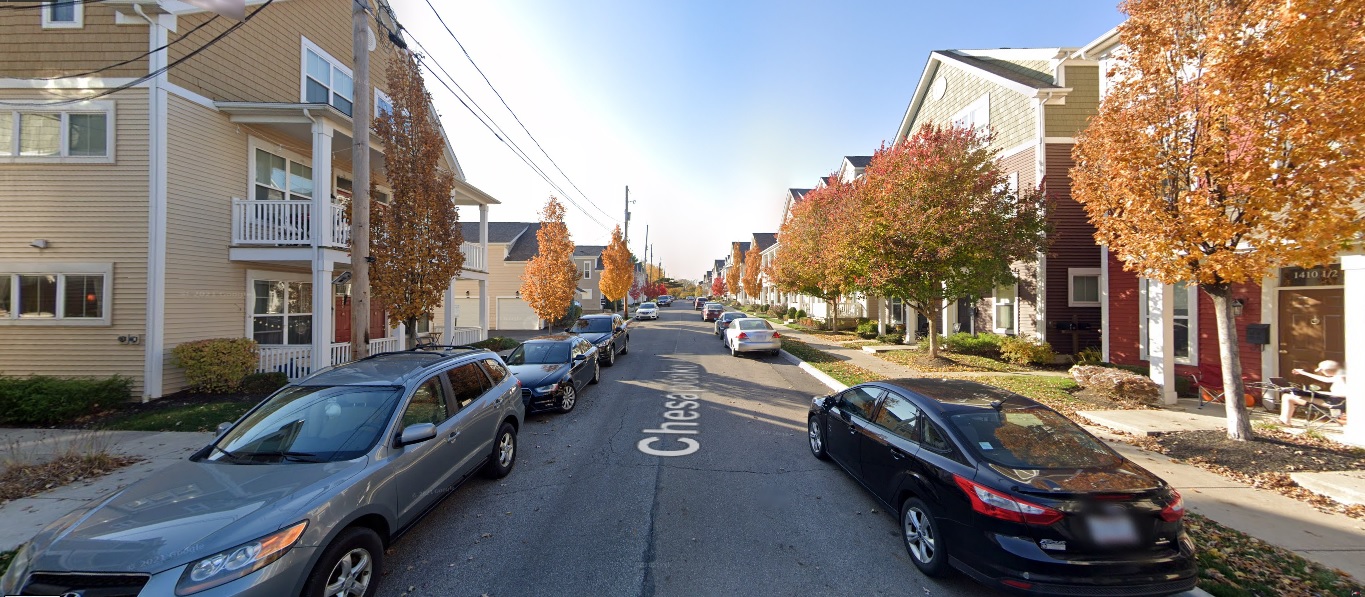
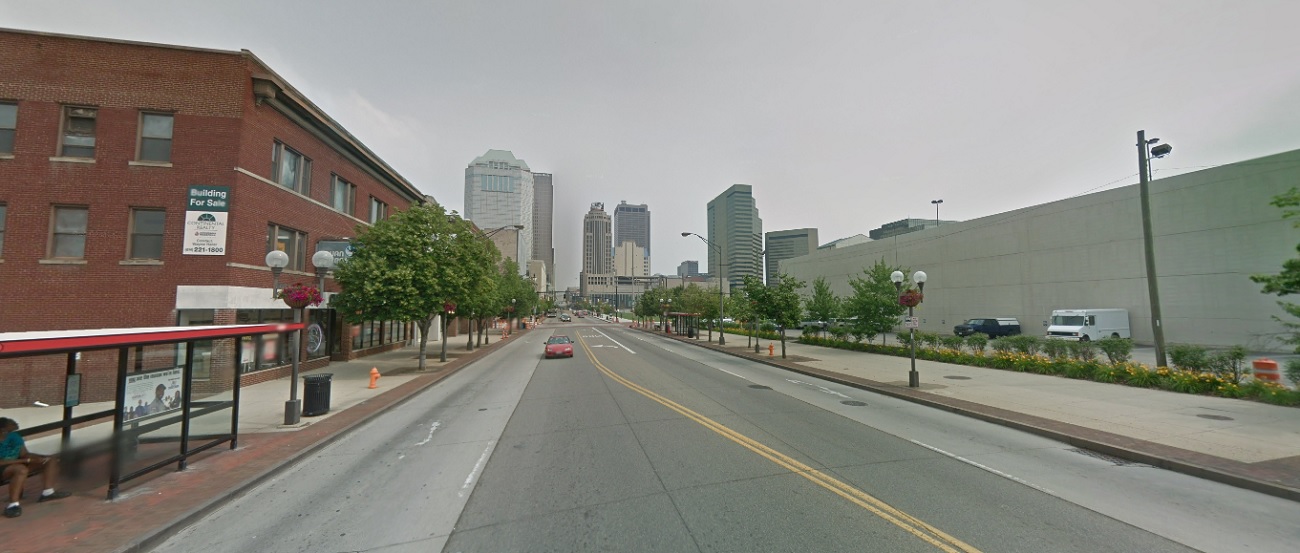
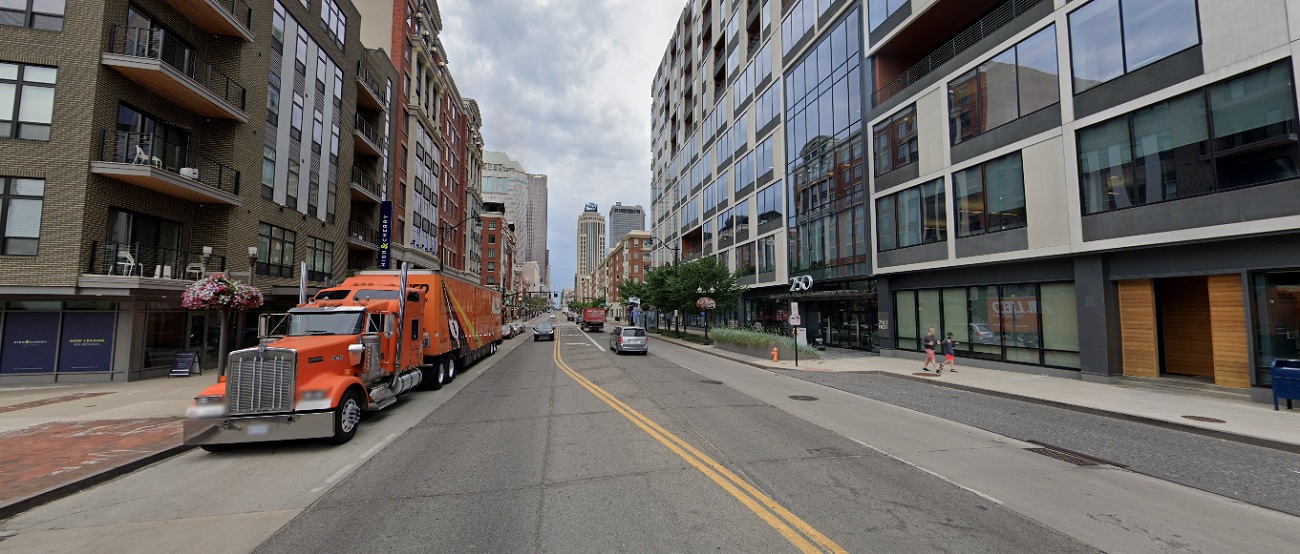
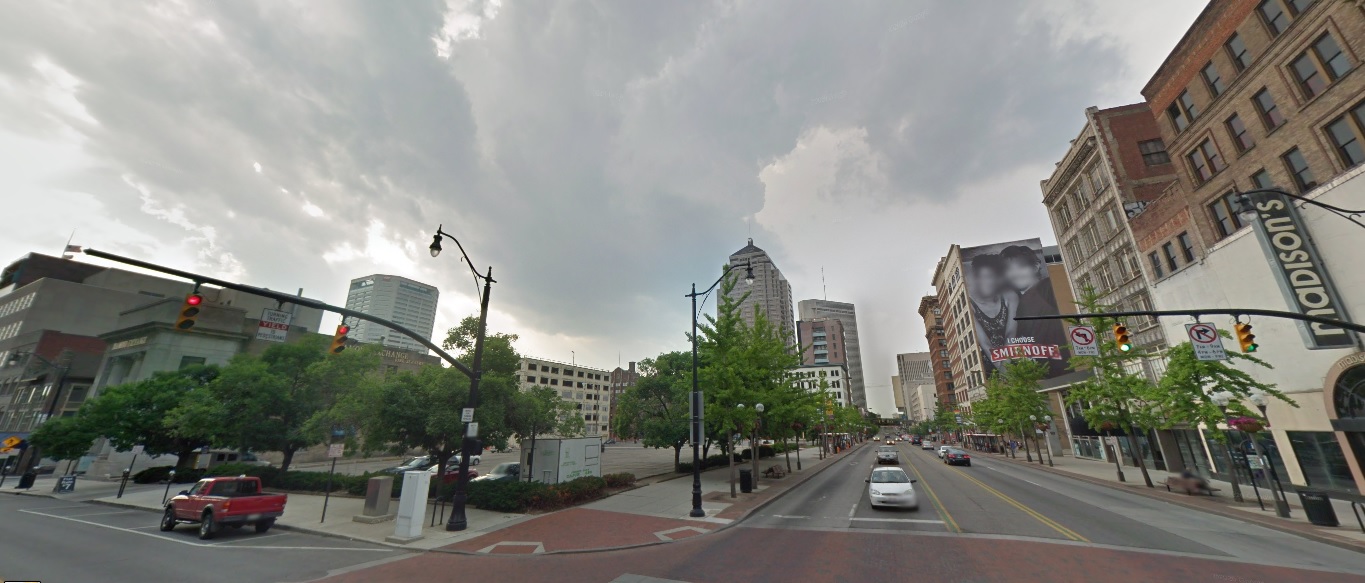
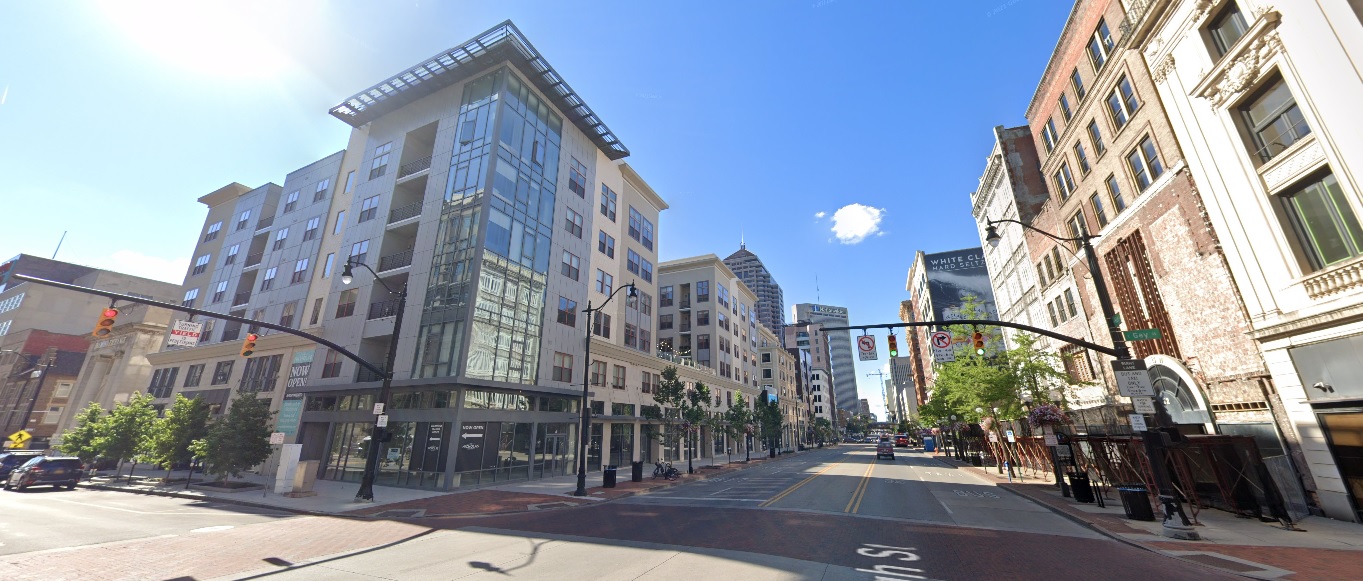
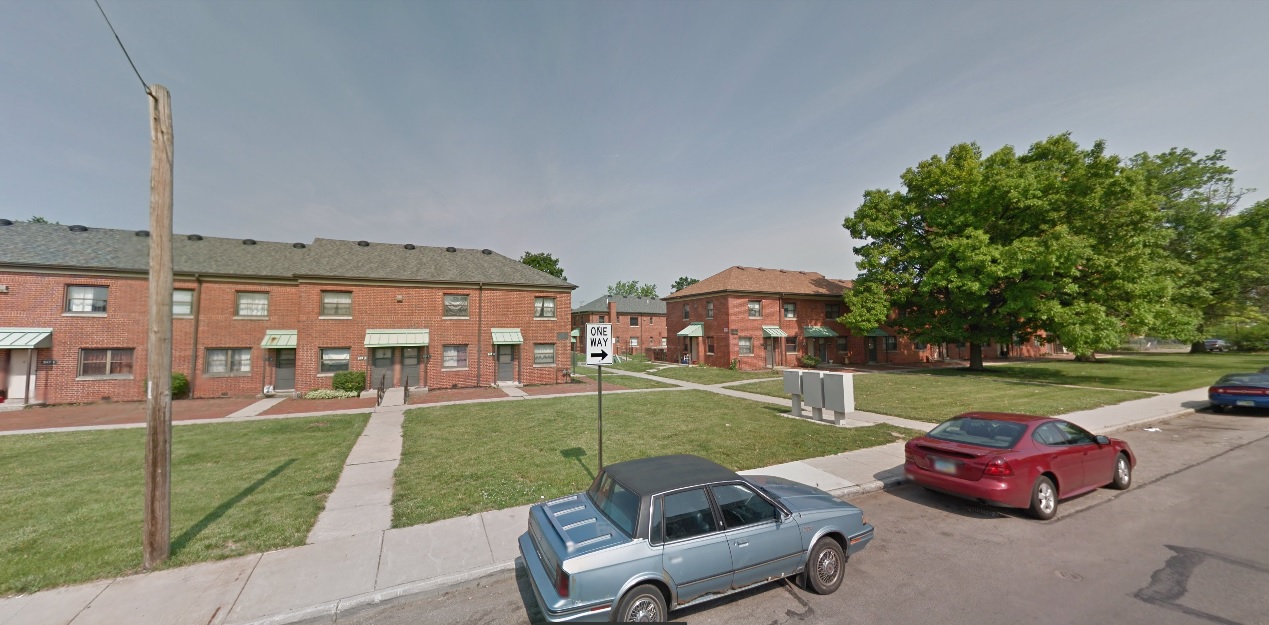
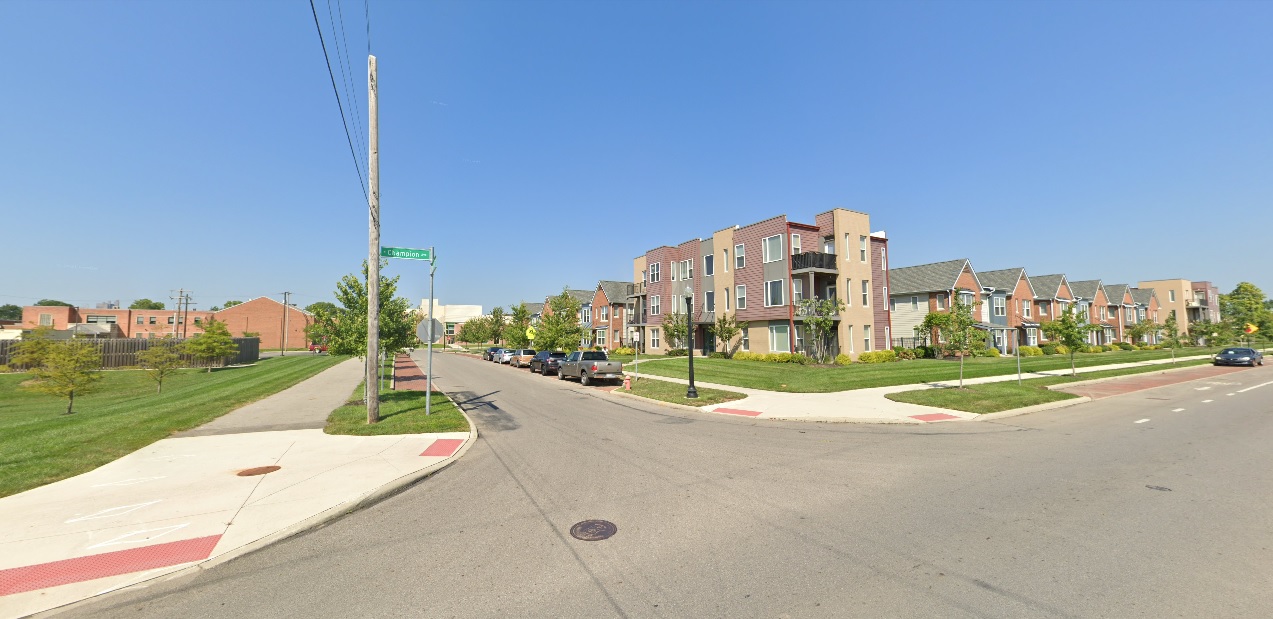
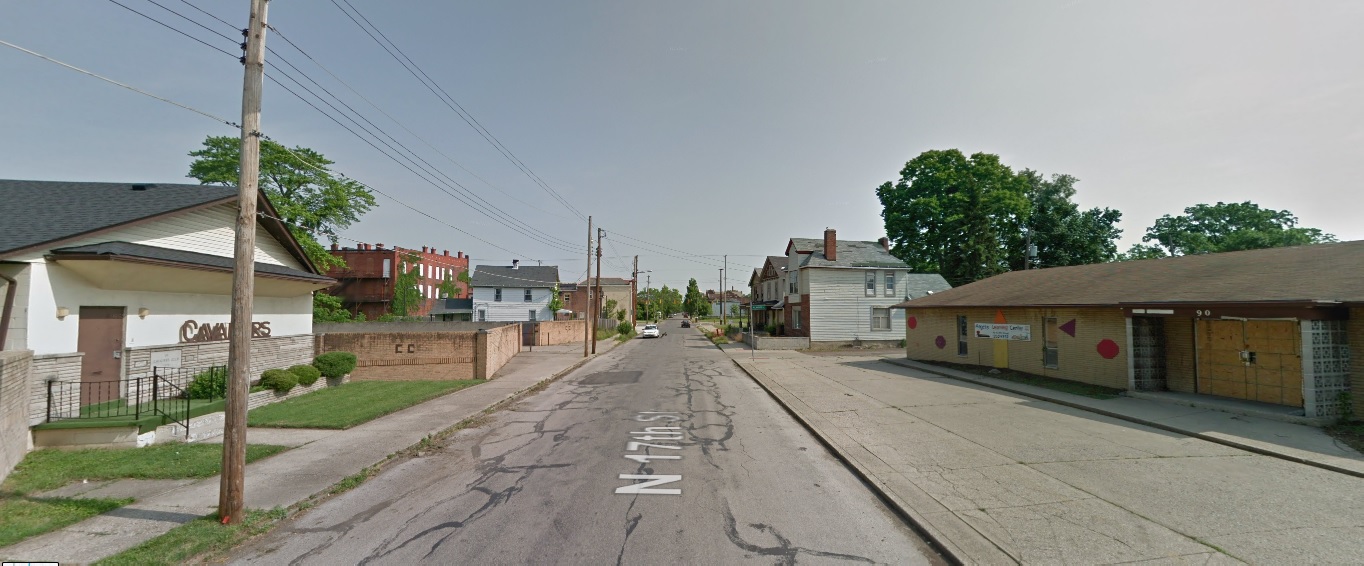
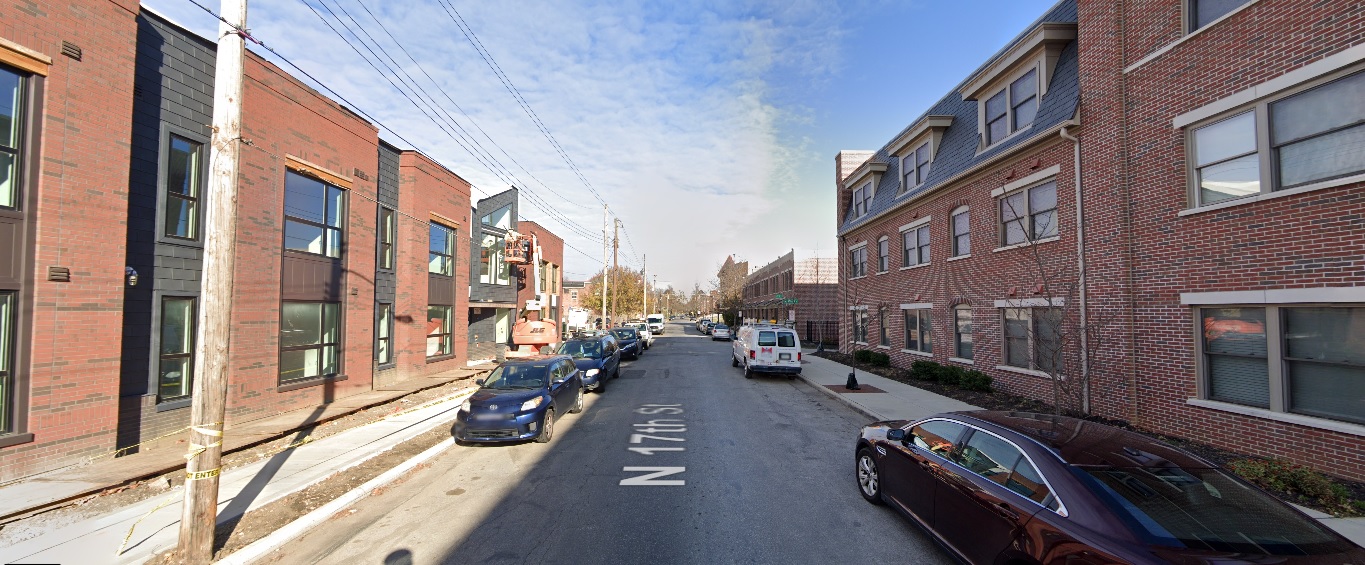
I received a massive positive response for the first version of this series, which was just a simple mashup of before and after photos of different parts of Columbus urban neighborhoods over the course of a decade. Because of that response, I have decided to do this How Columbus has changed in 10 years part 2 series. This time, besides adding more photos from core neighborhoods, I will expand the series out to other parts of the city and some suburbs, though still remaining within the 270 Outerbelt. In some ways, these before and after photos are even more drastic than the first set.
Downtown
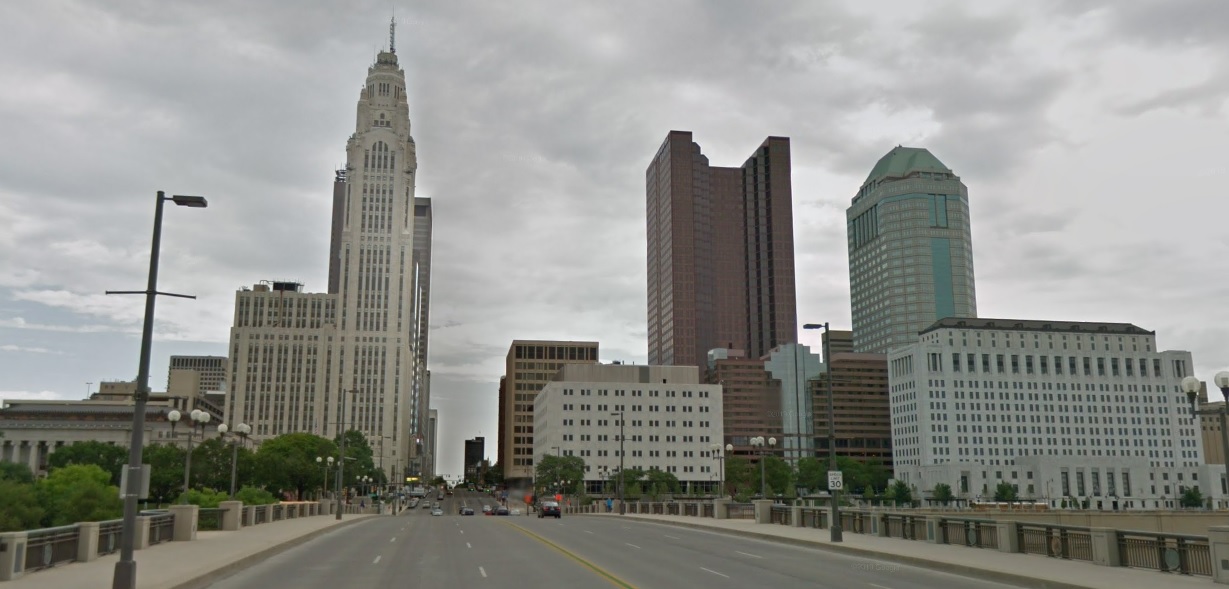
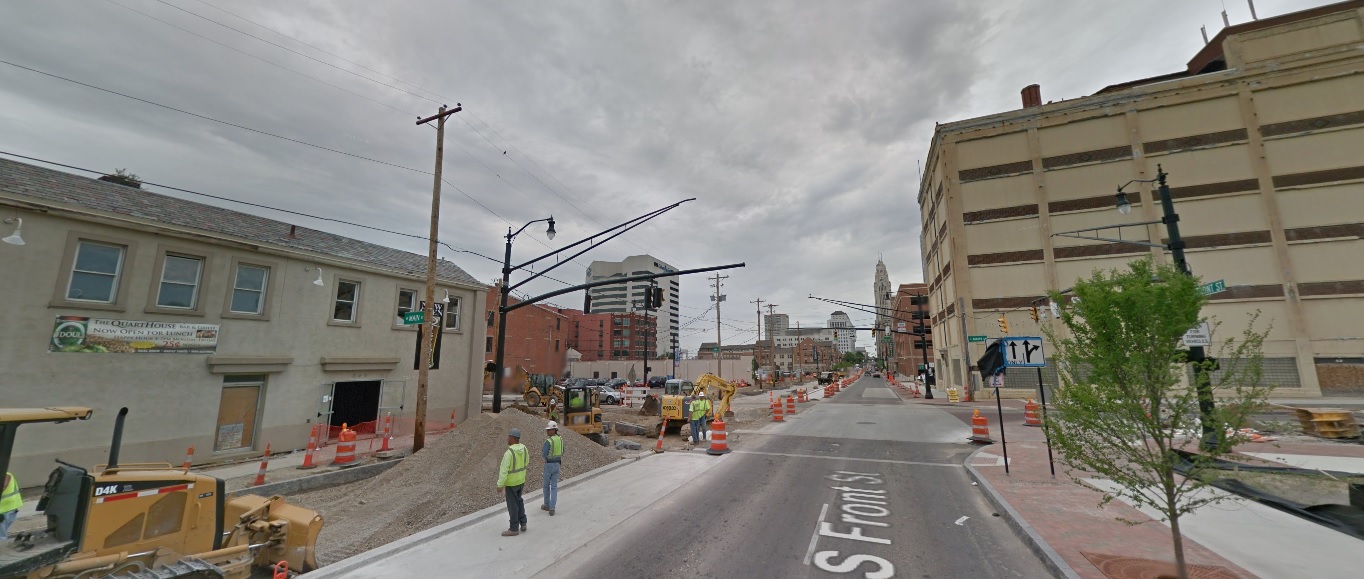
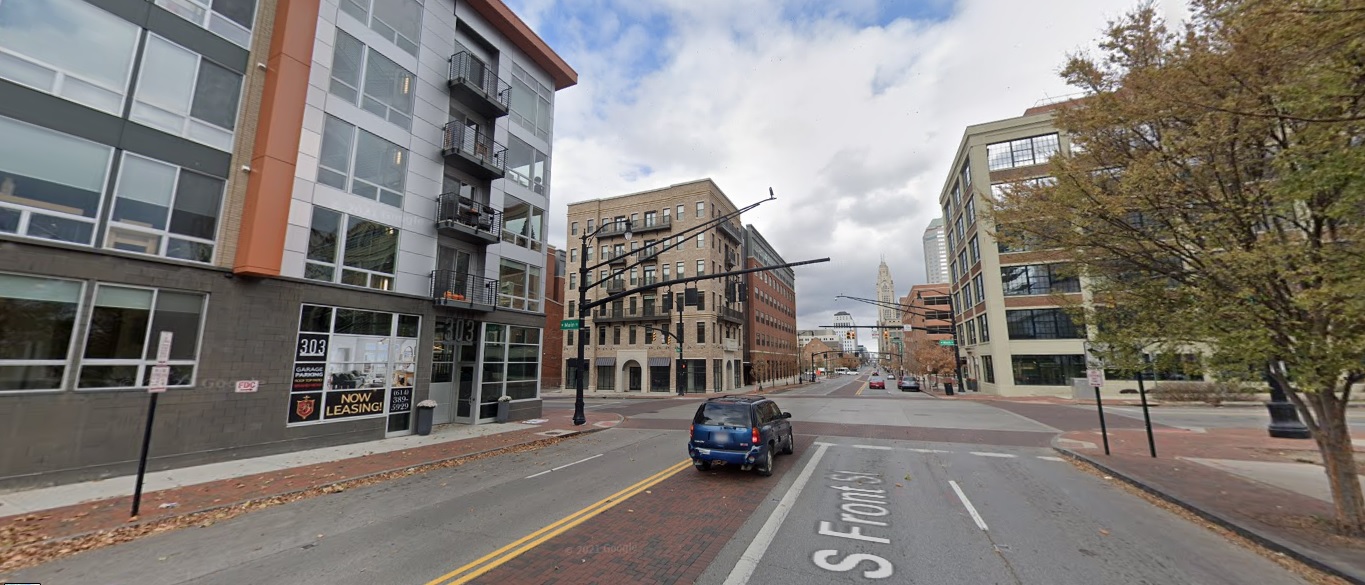
Front Street, looking north from Main Street. Before: 2011 After: 2021
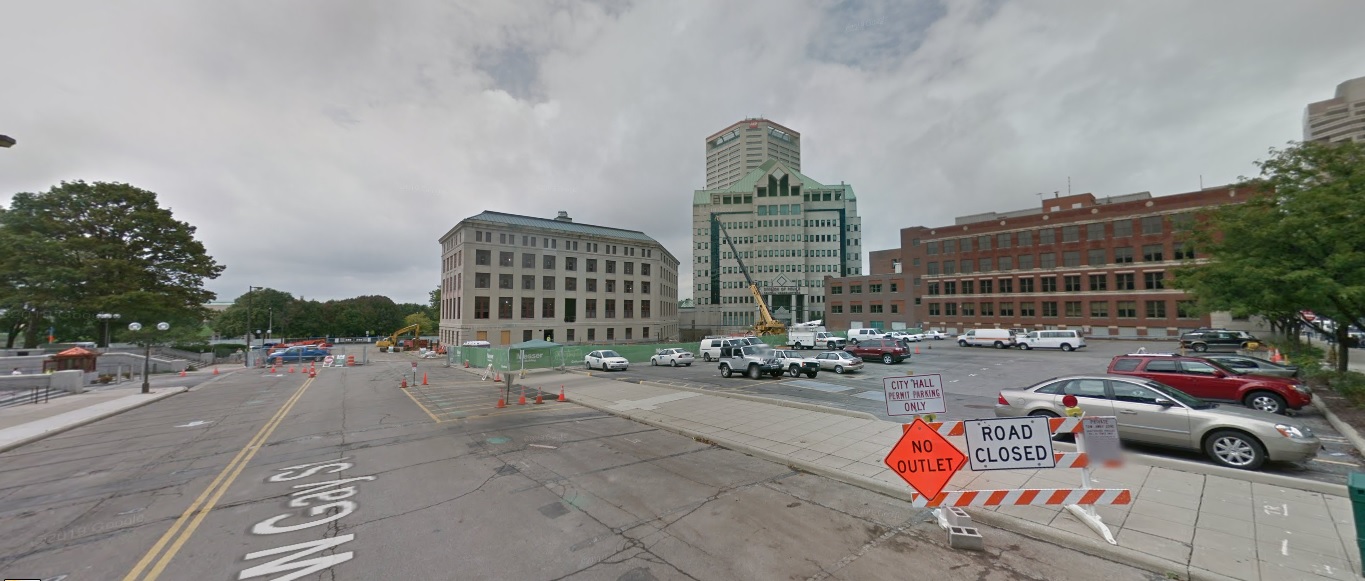
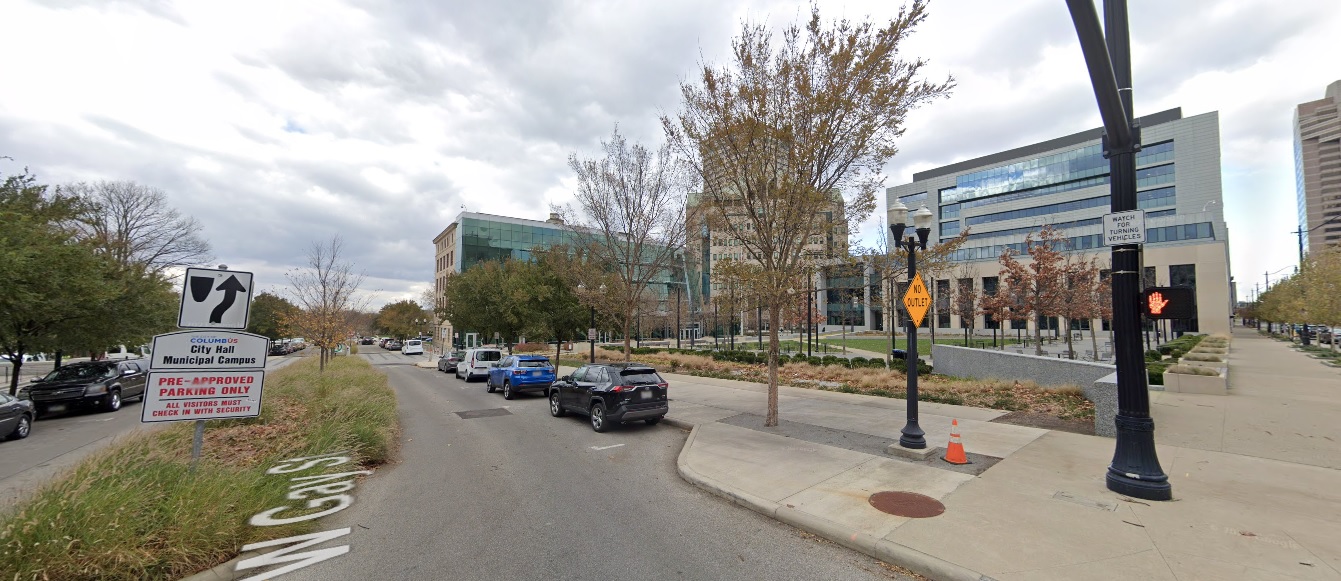
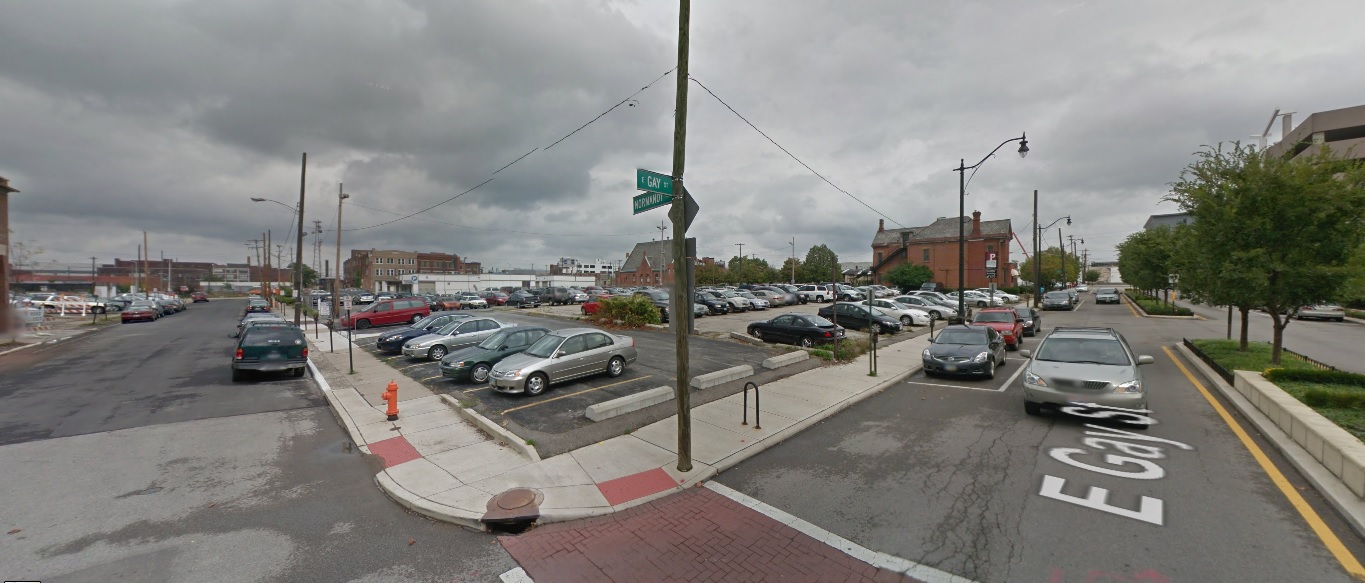
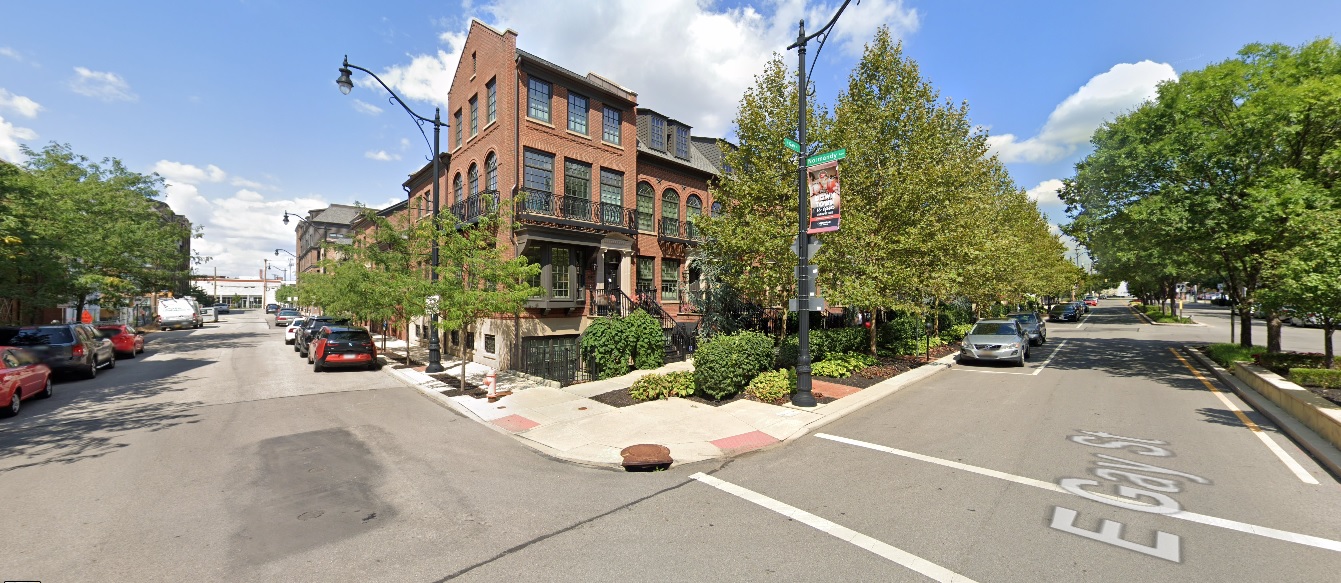
Gay Street, looking west from Front Street. Before: 2011 After: 2020
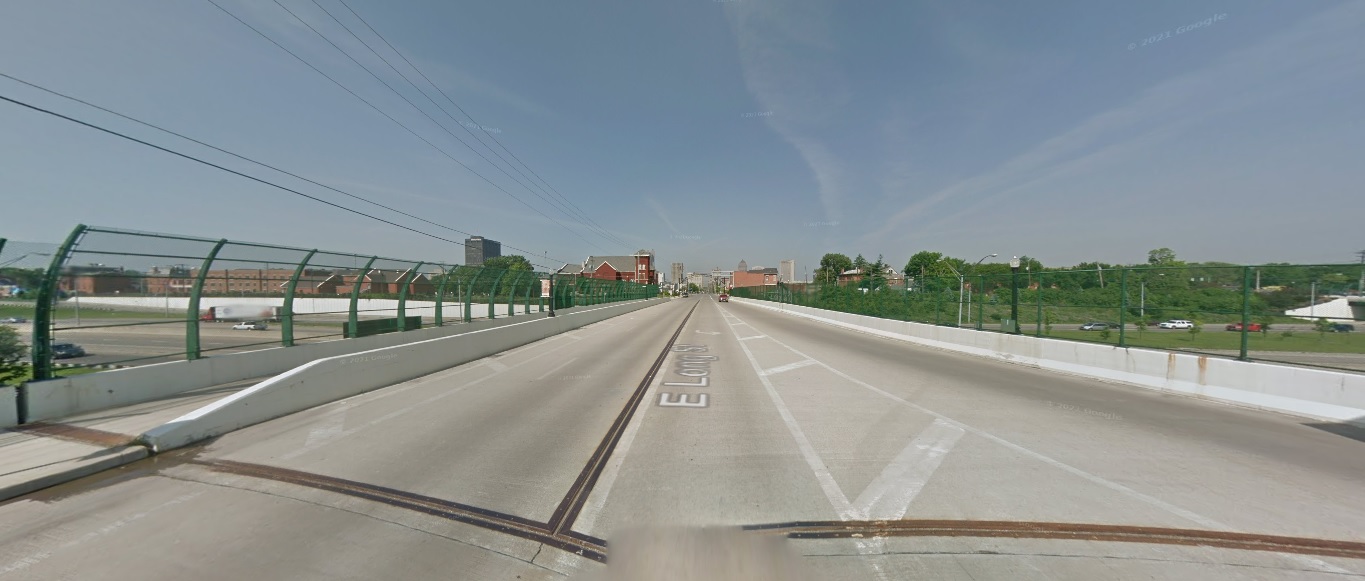
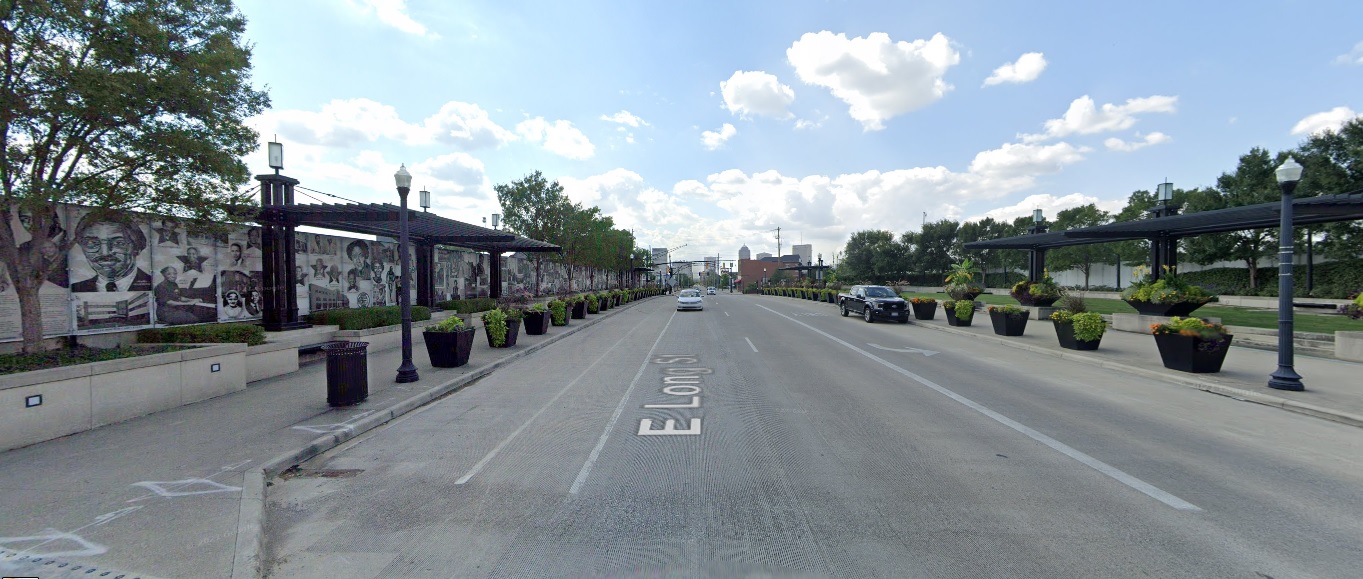
Long Street, looking west at I-71. Before: 2011 After: 2021
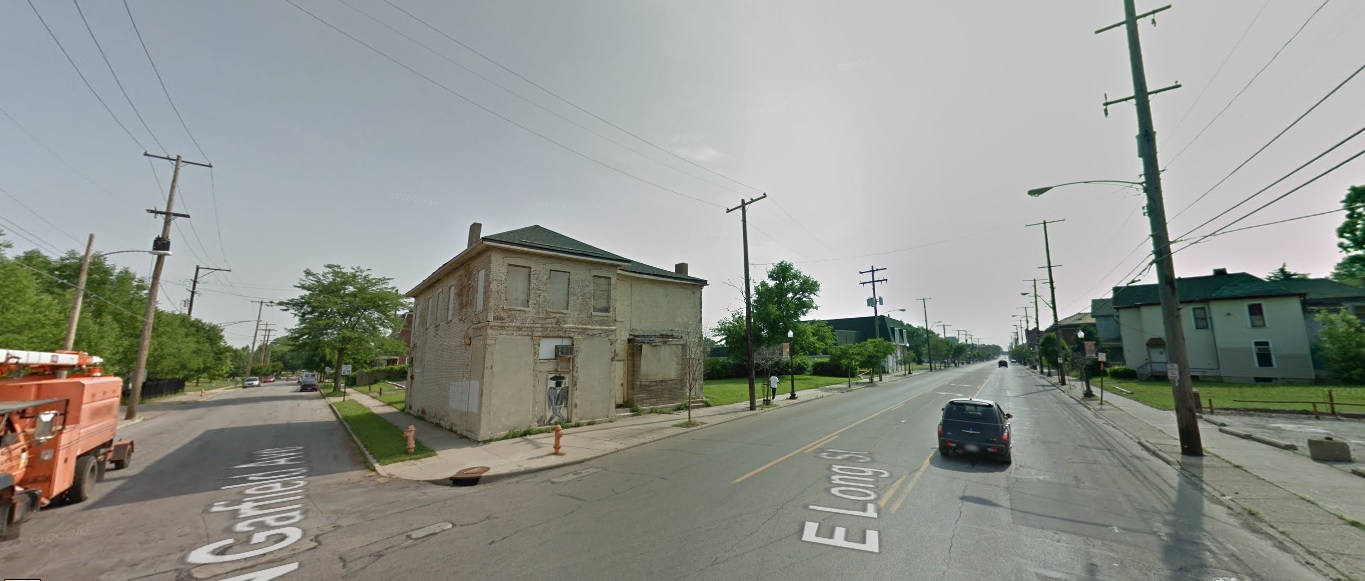
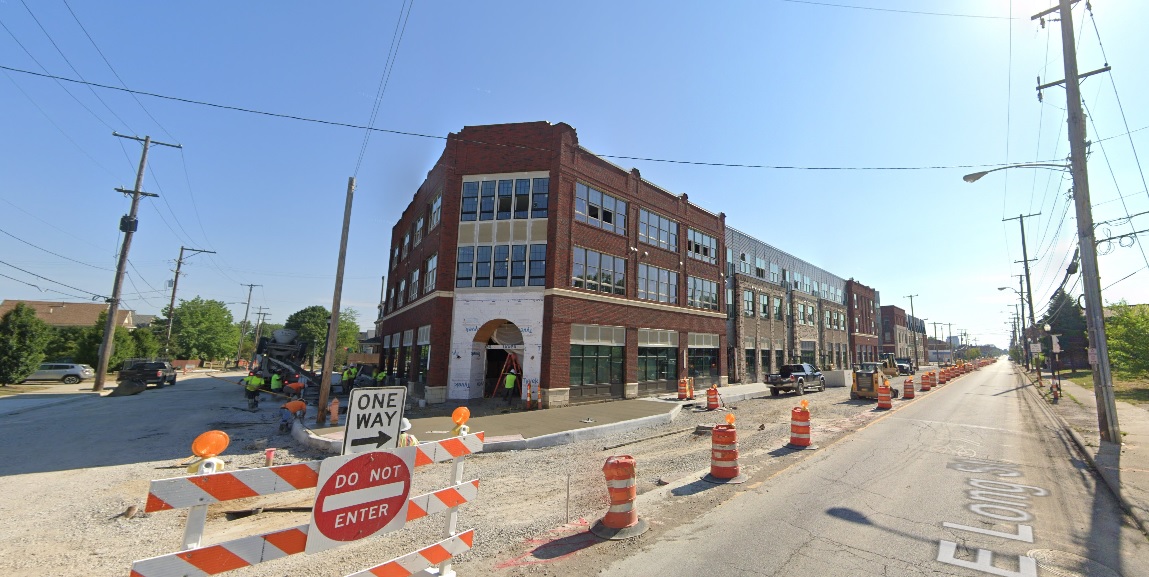
Long Street, looking northeast at Garfield Avenue. Before: 2011 After: 2021
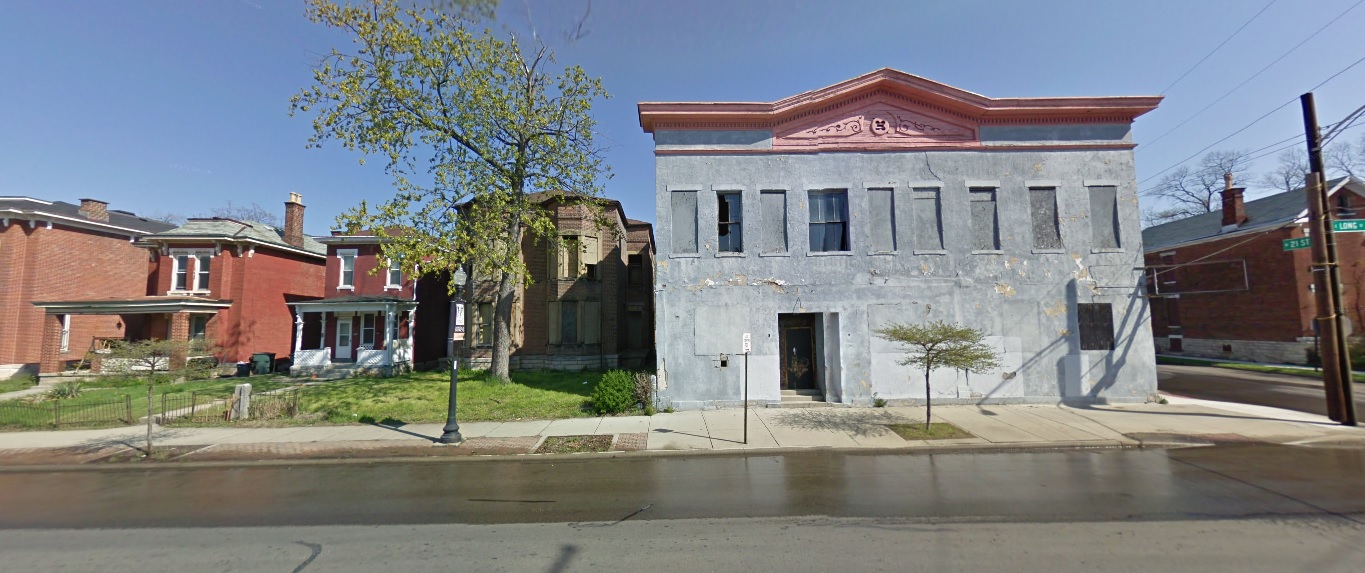
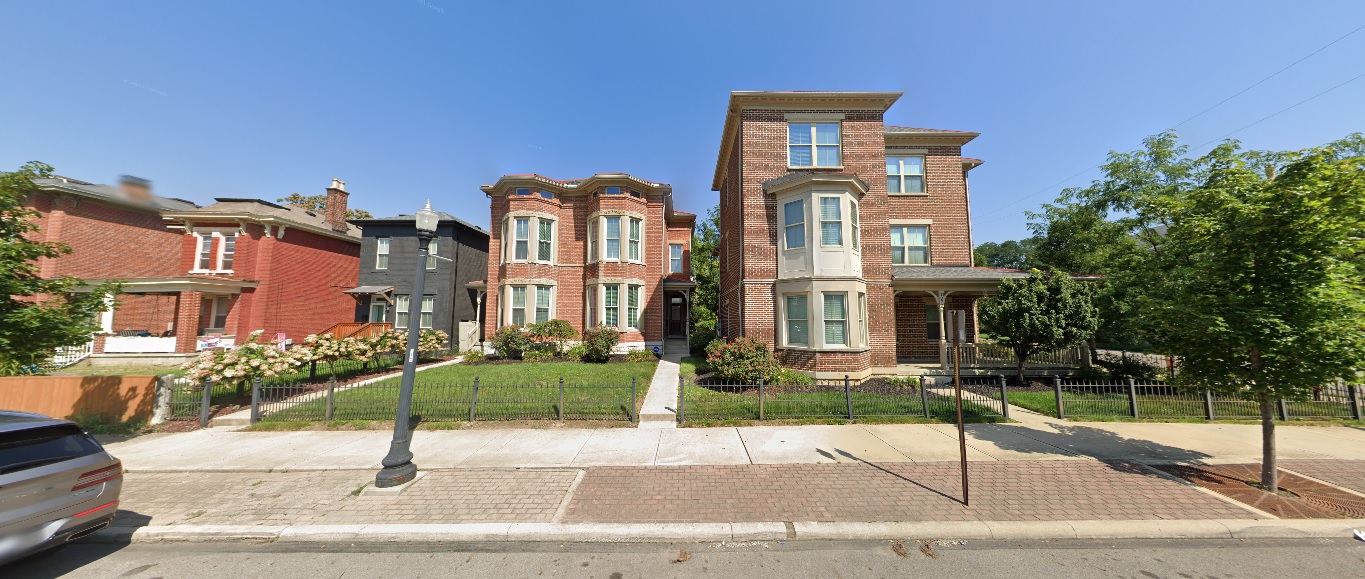
Long Street, looking north just west of 21st Street. Before: 2011 After: 2021
West Side
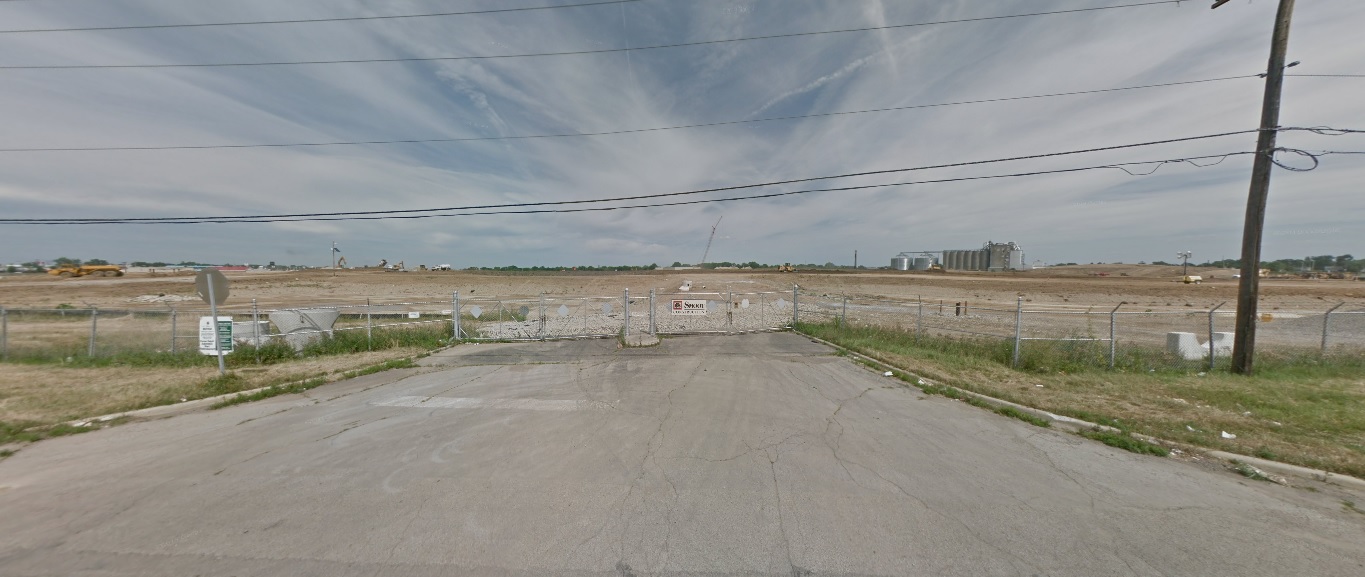
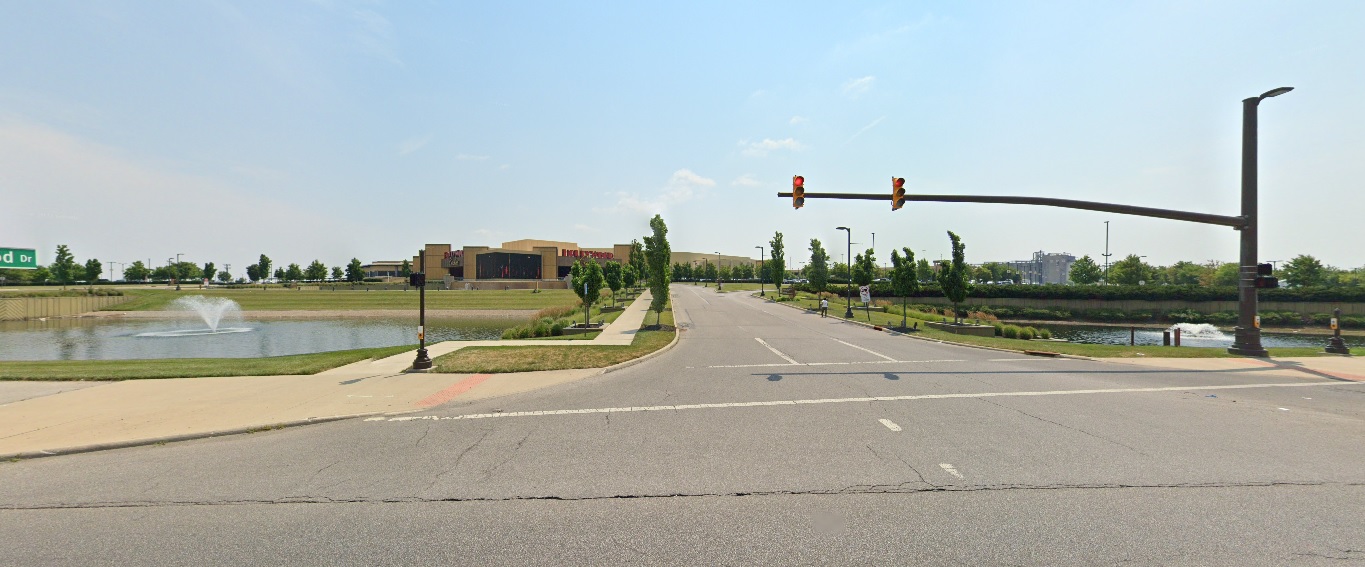
Georgesville Road, looking east south of Broad Street. Before: 2011 After: 2021
North Side
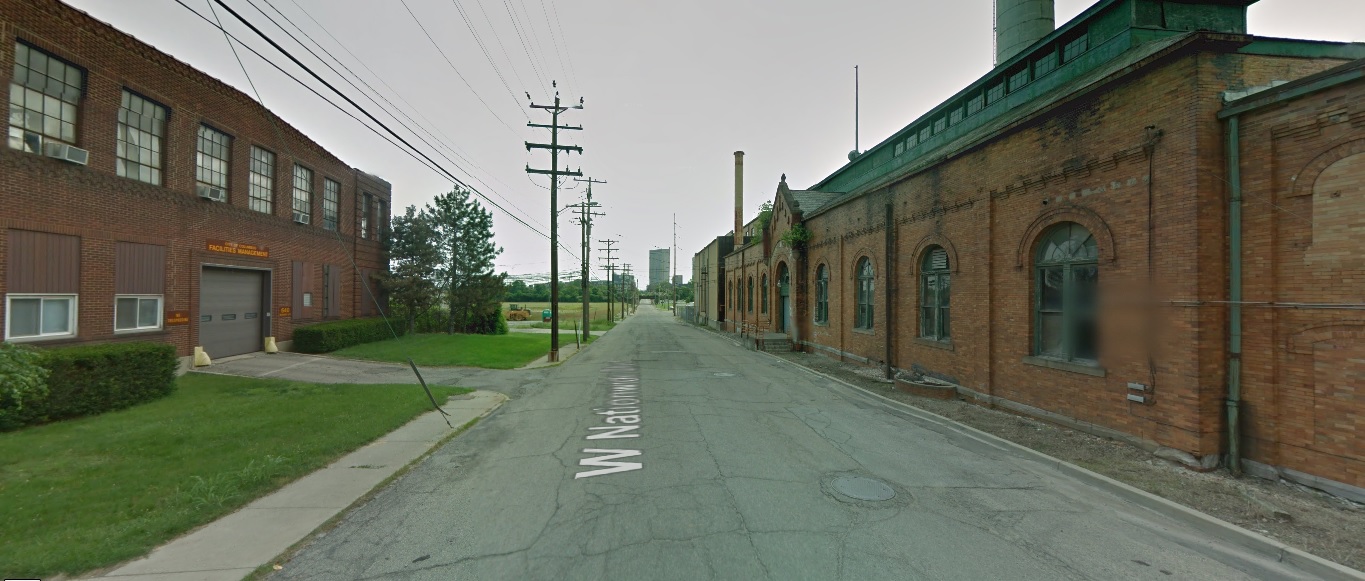
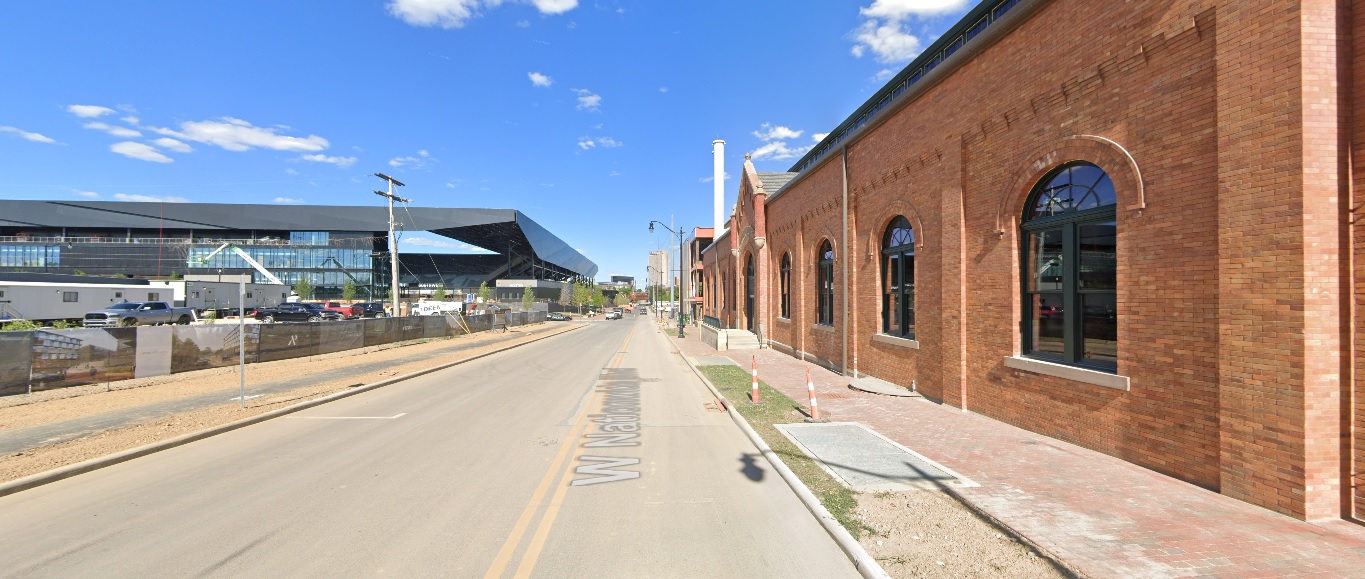
Wakeford Street, looking west from Olentangy River Road. Before: 2011 After: 2021
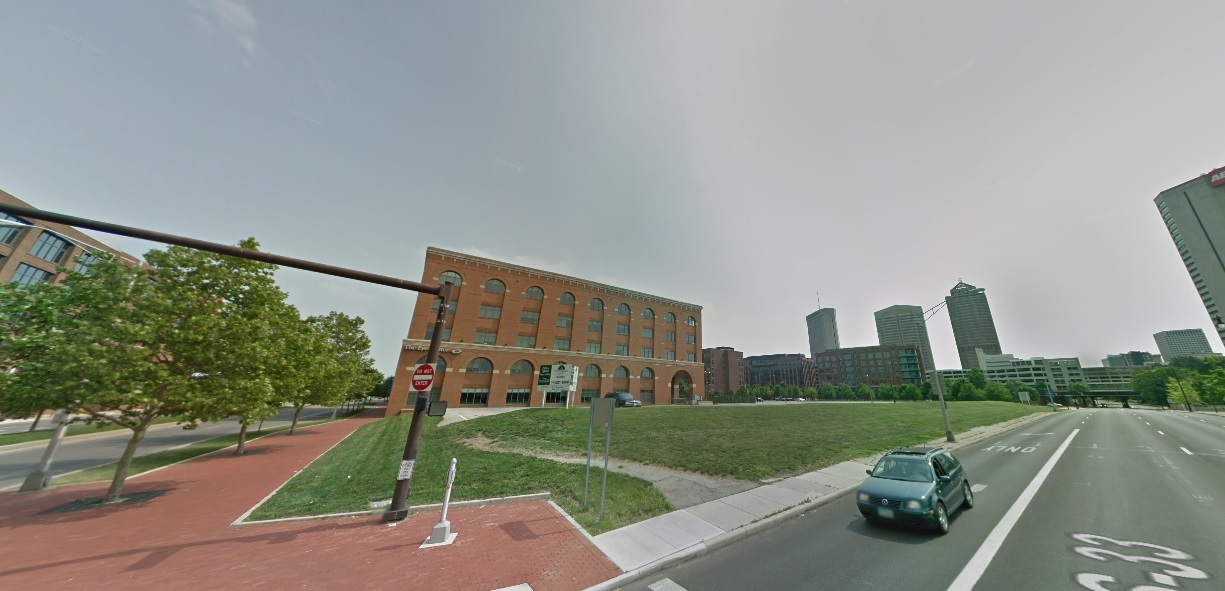
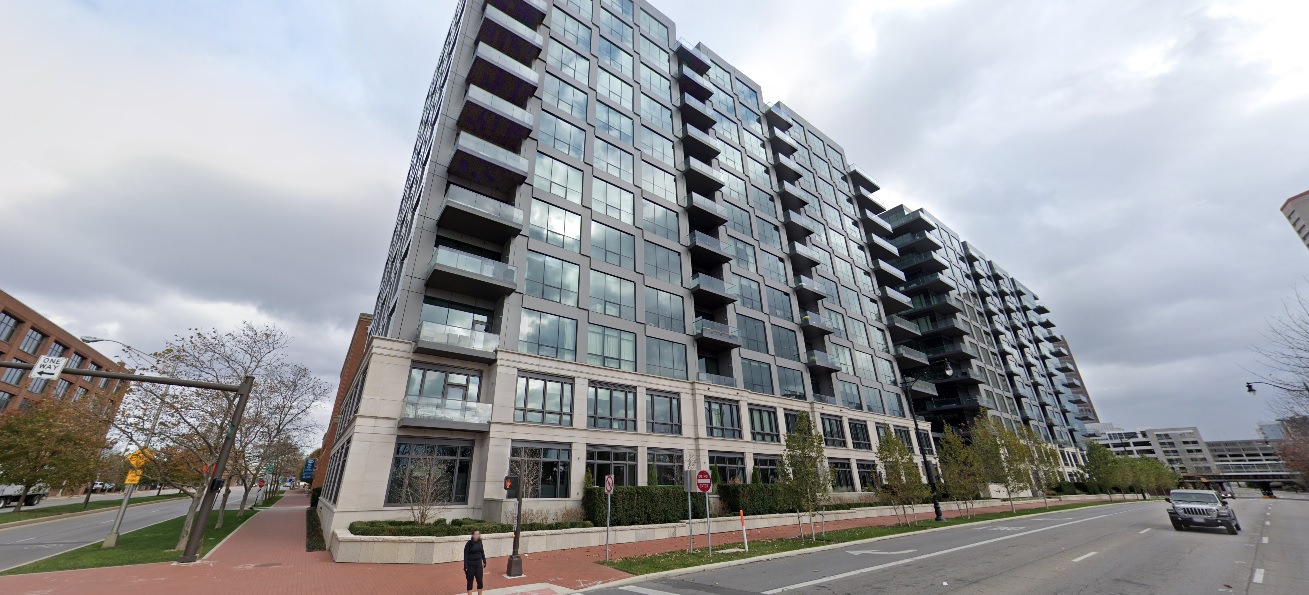
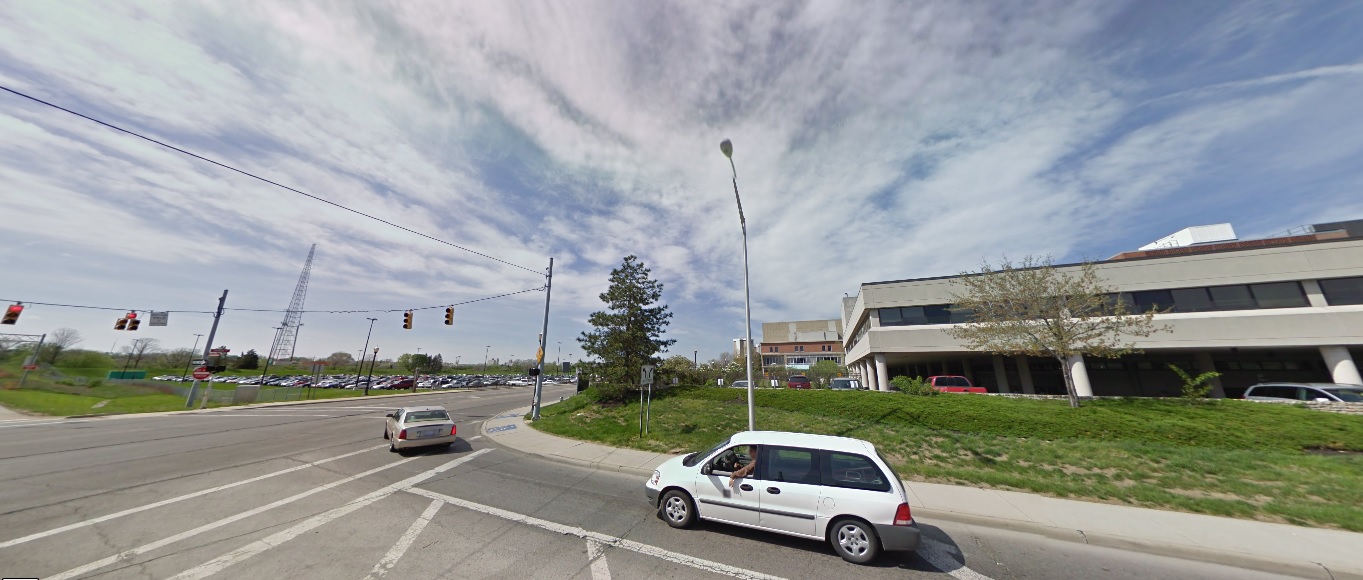
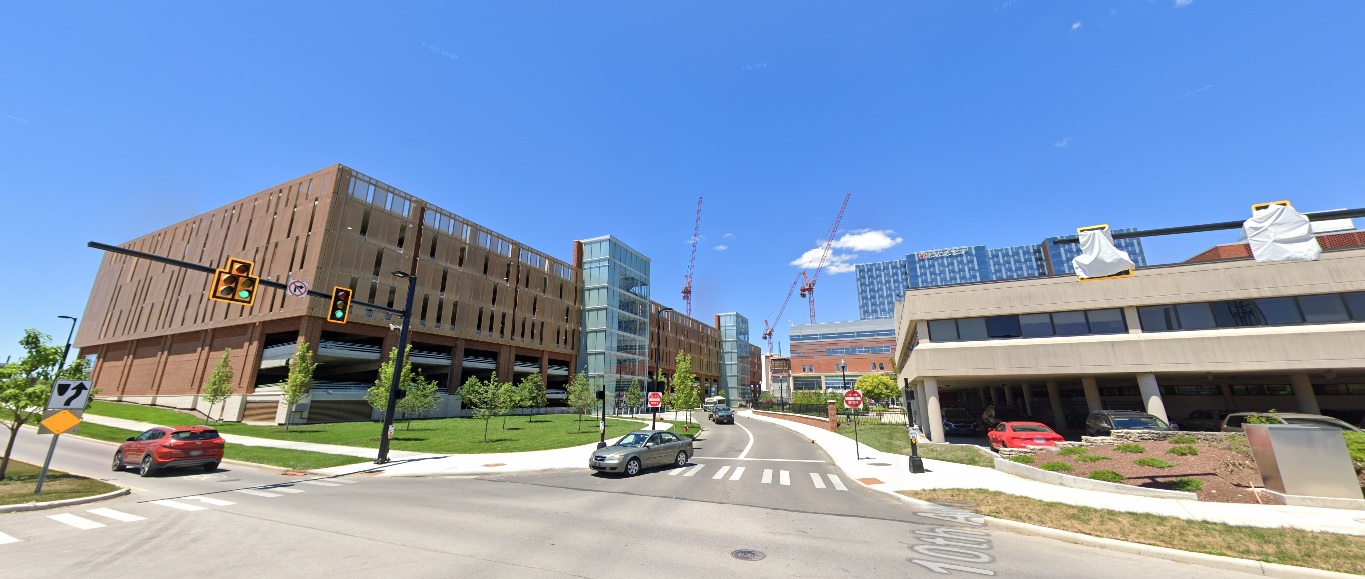
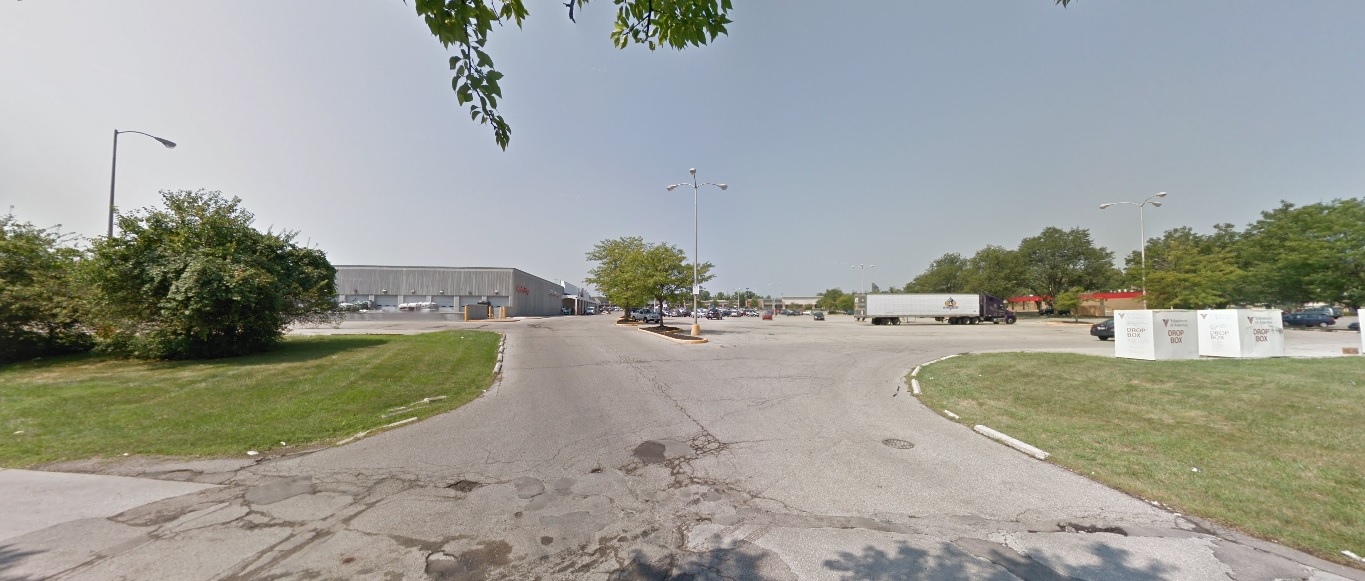
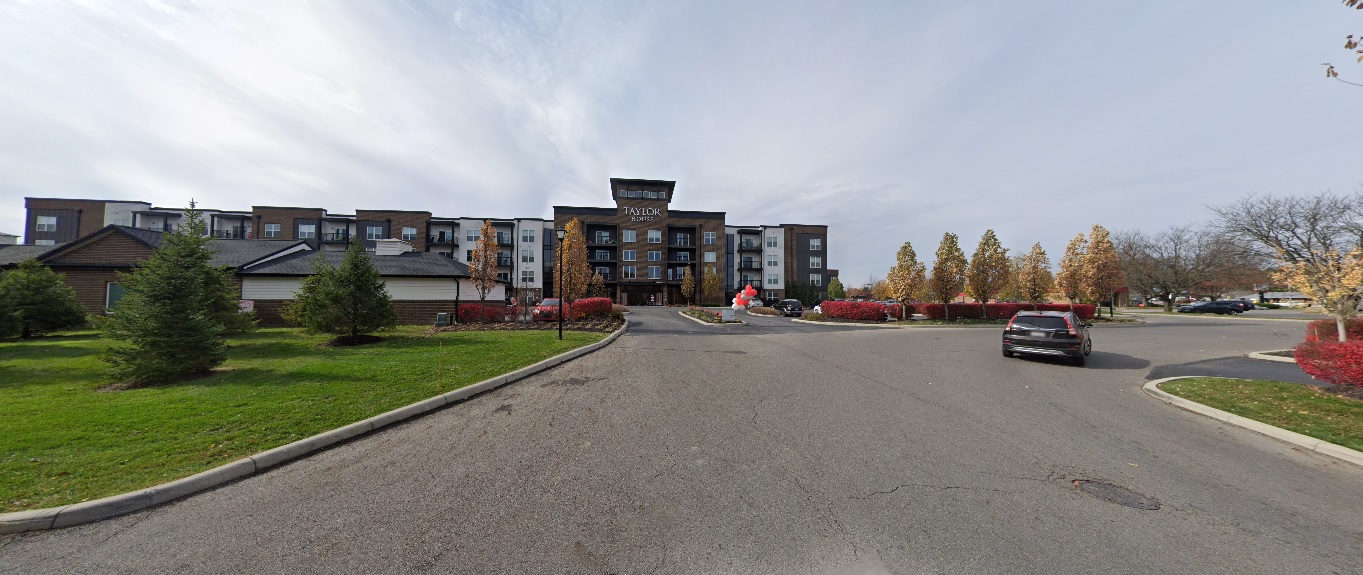
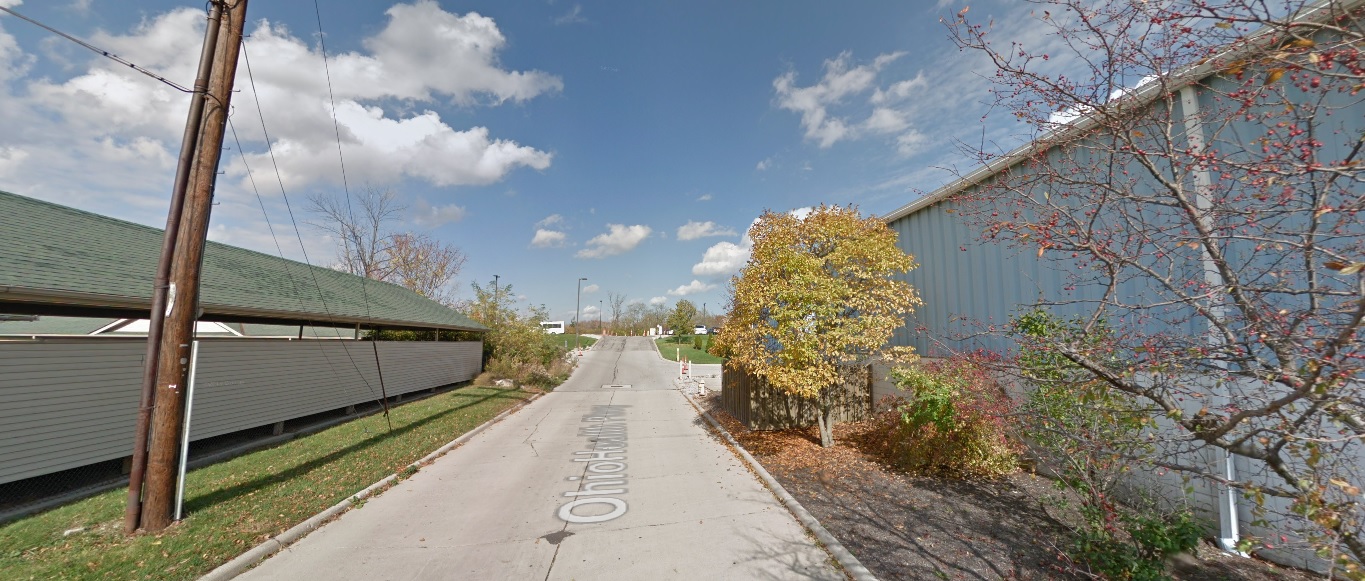
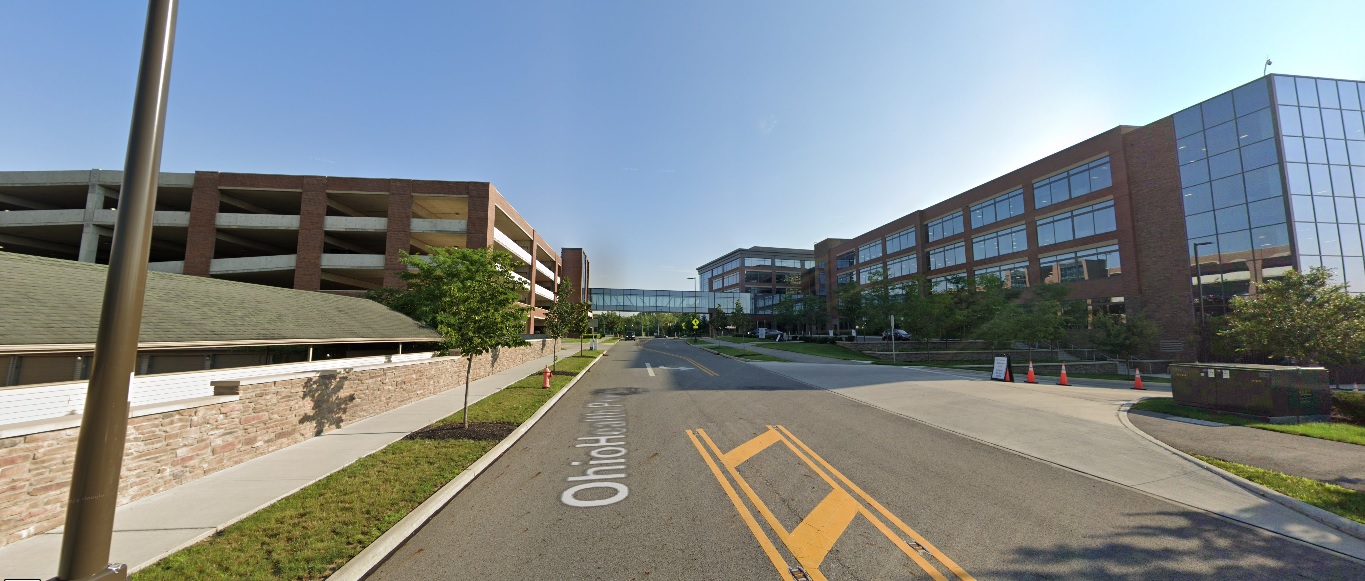
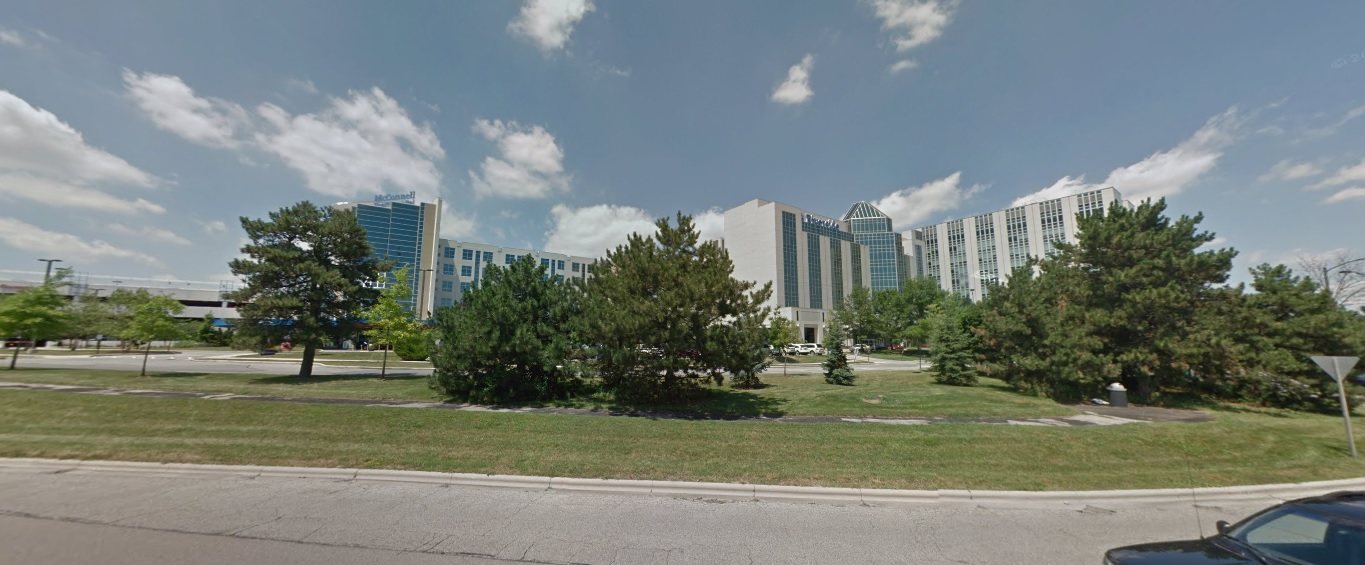
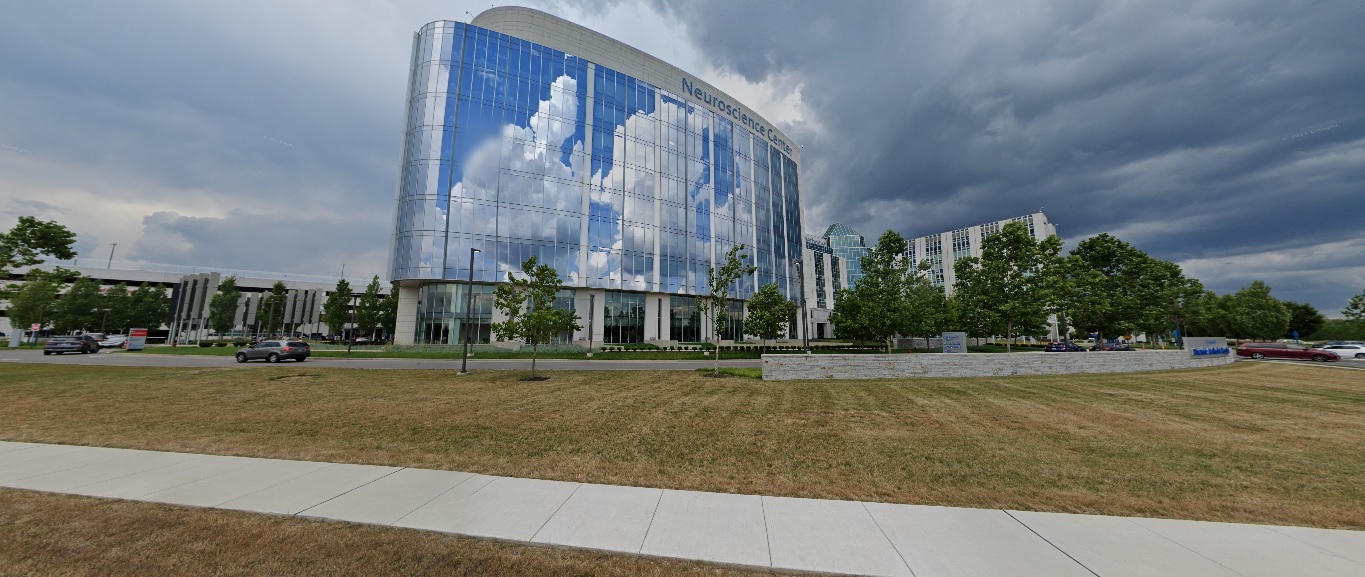
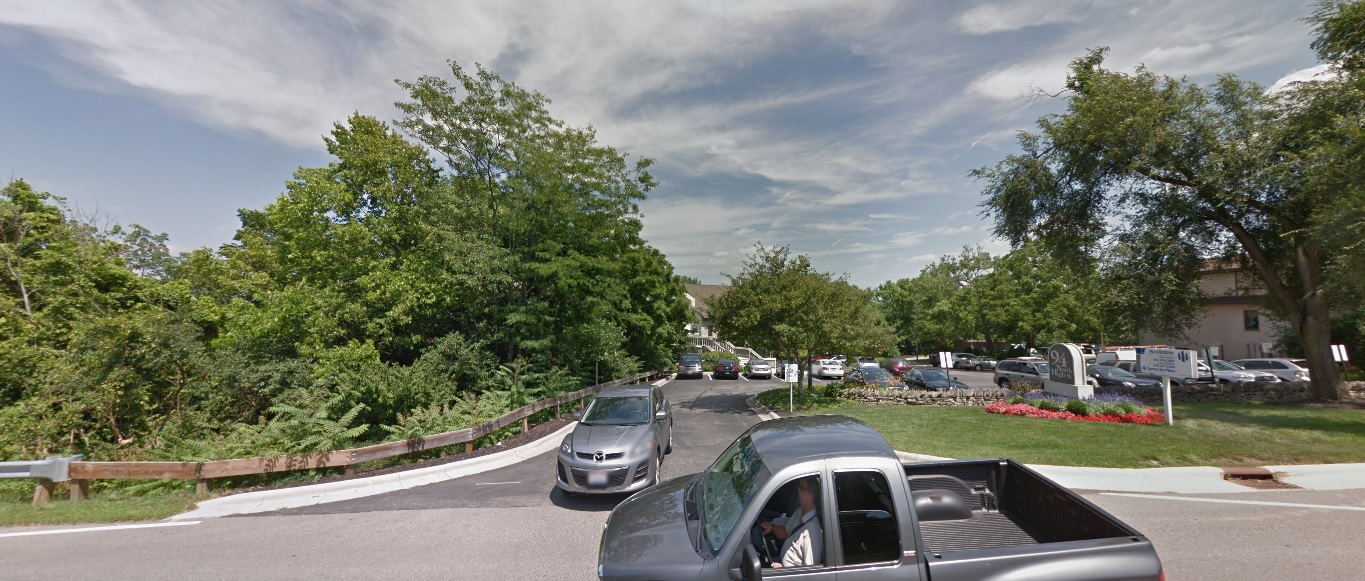
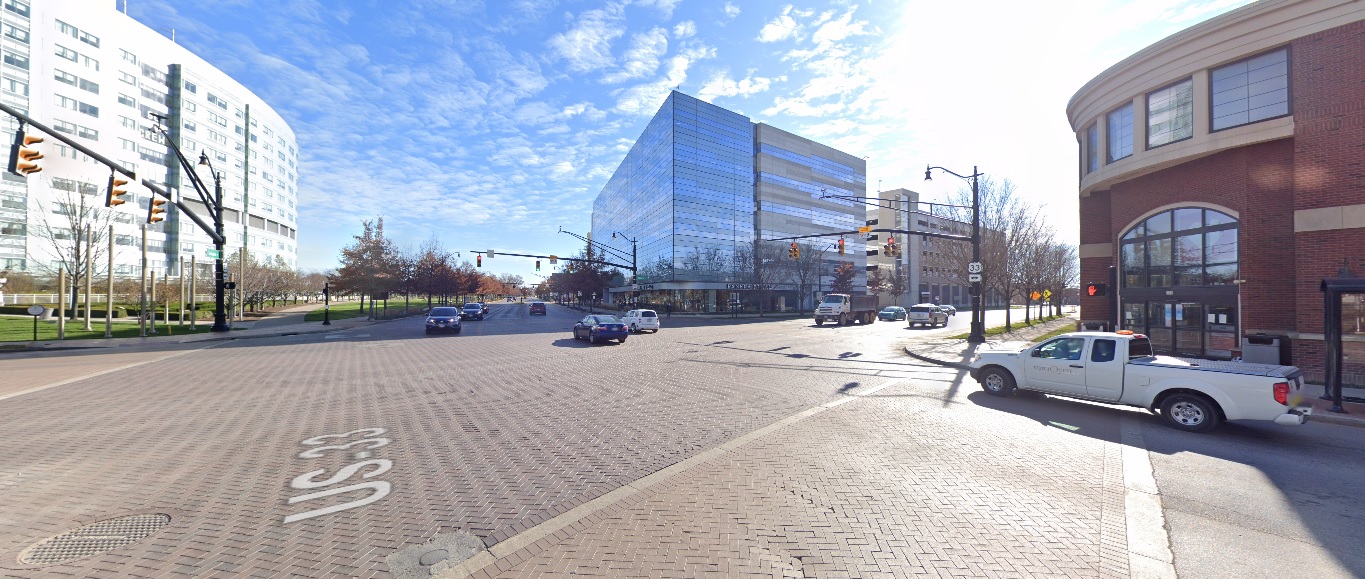
Ohio Health Parkway, looking north from Healthy Community Way. Before: 2015 After: 2021
East North Broadway, looking north at 315. Before: 2011 After: 2021
Grandview Heights
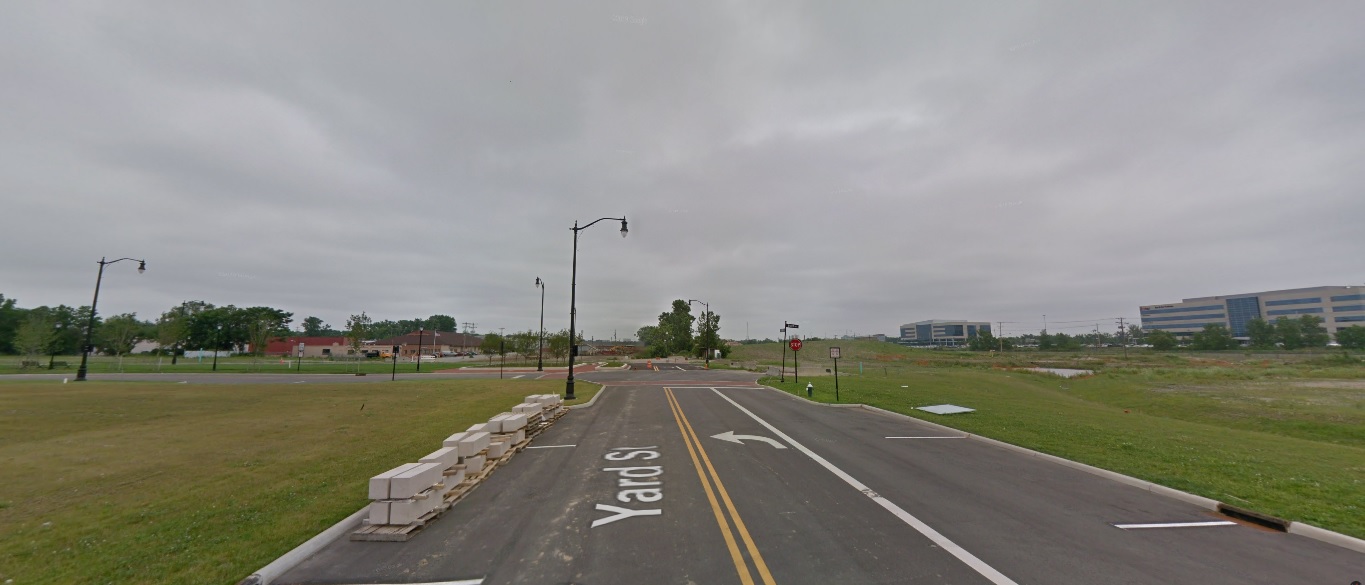
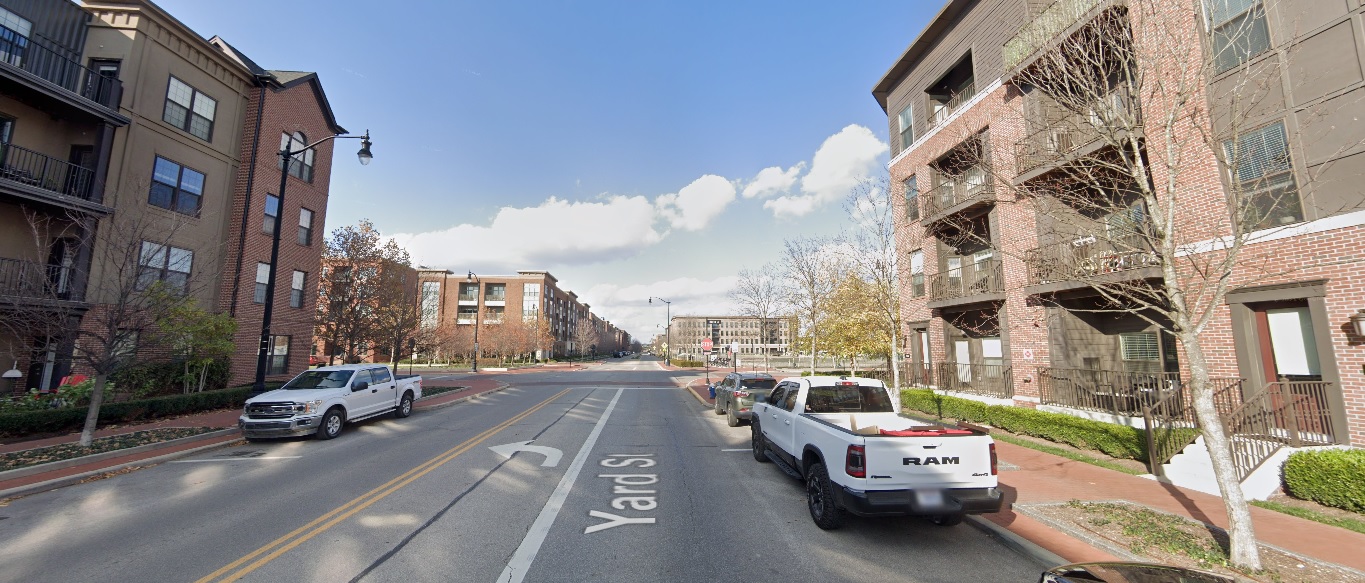
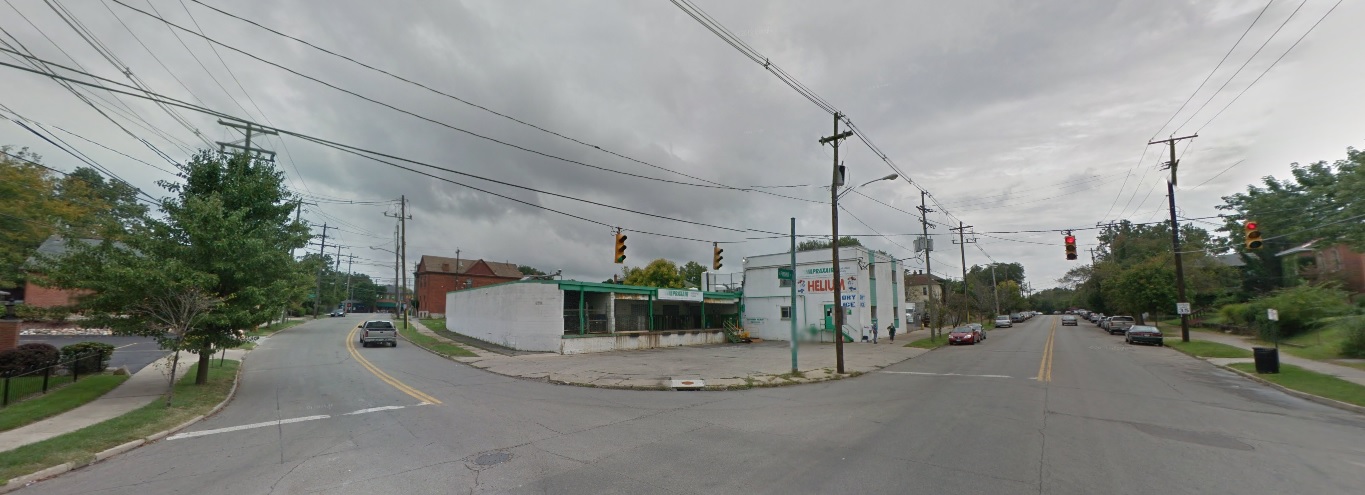
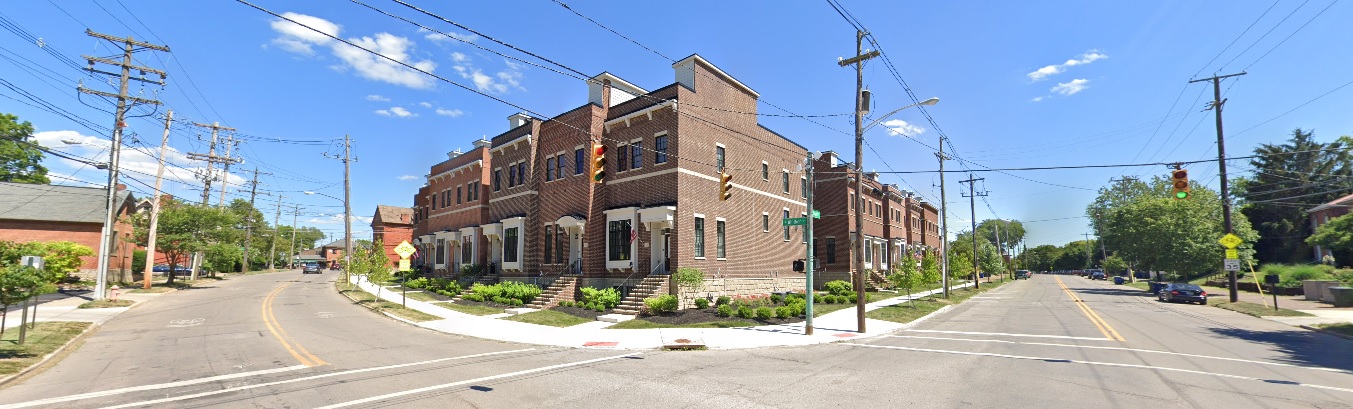
Yard Street, looking north from just south of Burr Avenue. Before: 2011 After: 2020
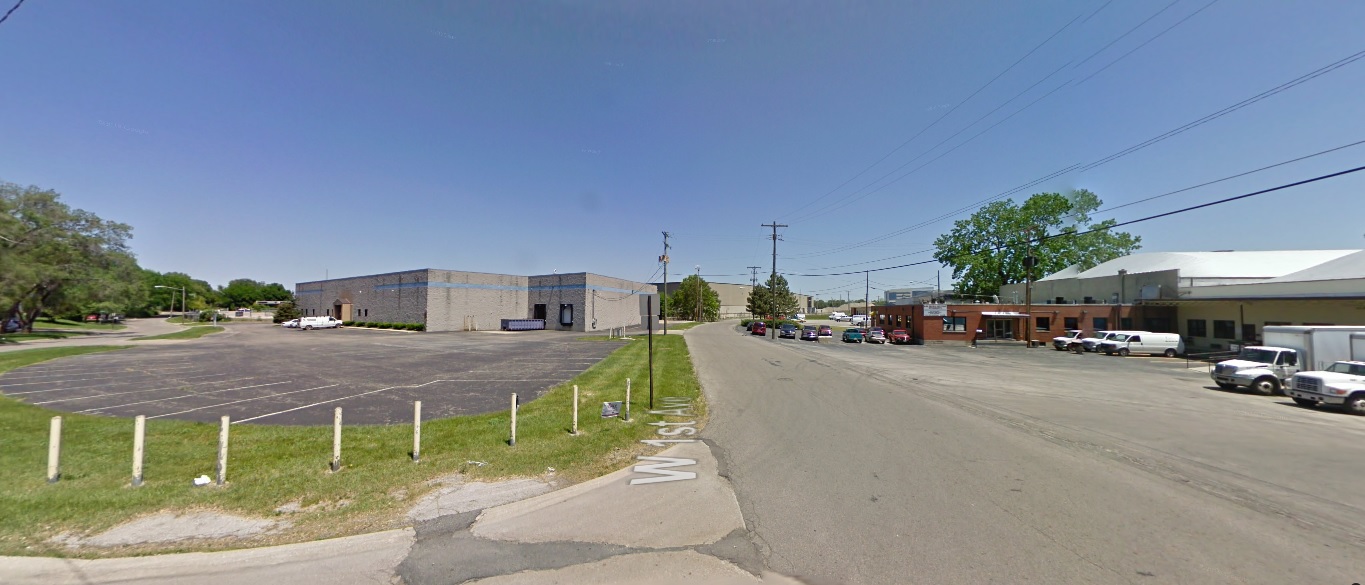
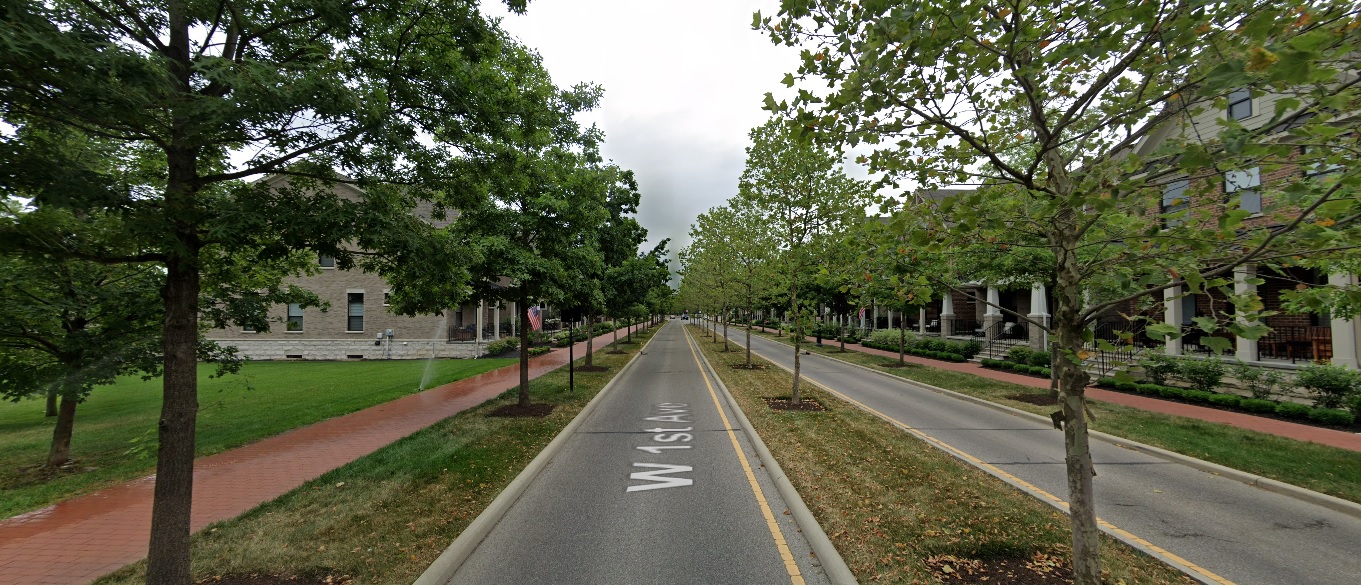
First Avenue, looking northeast at Edgehill Road. Before: 2012 After: 2021
Dublin
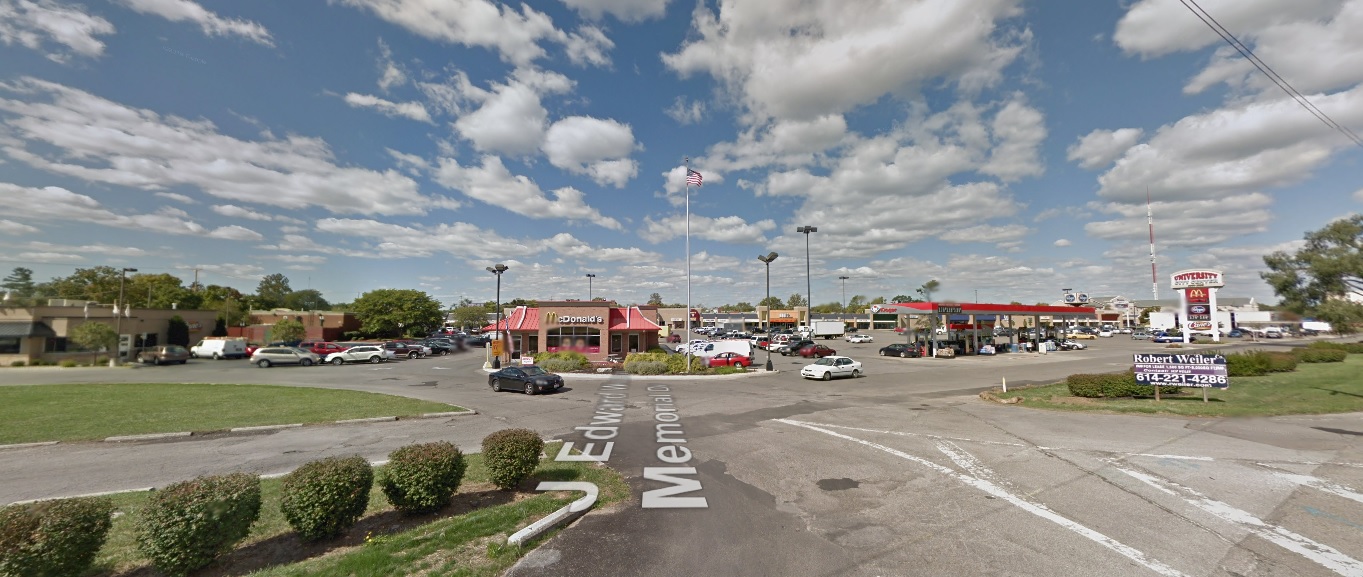
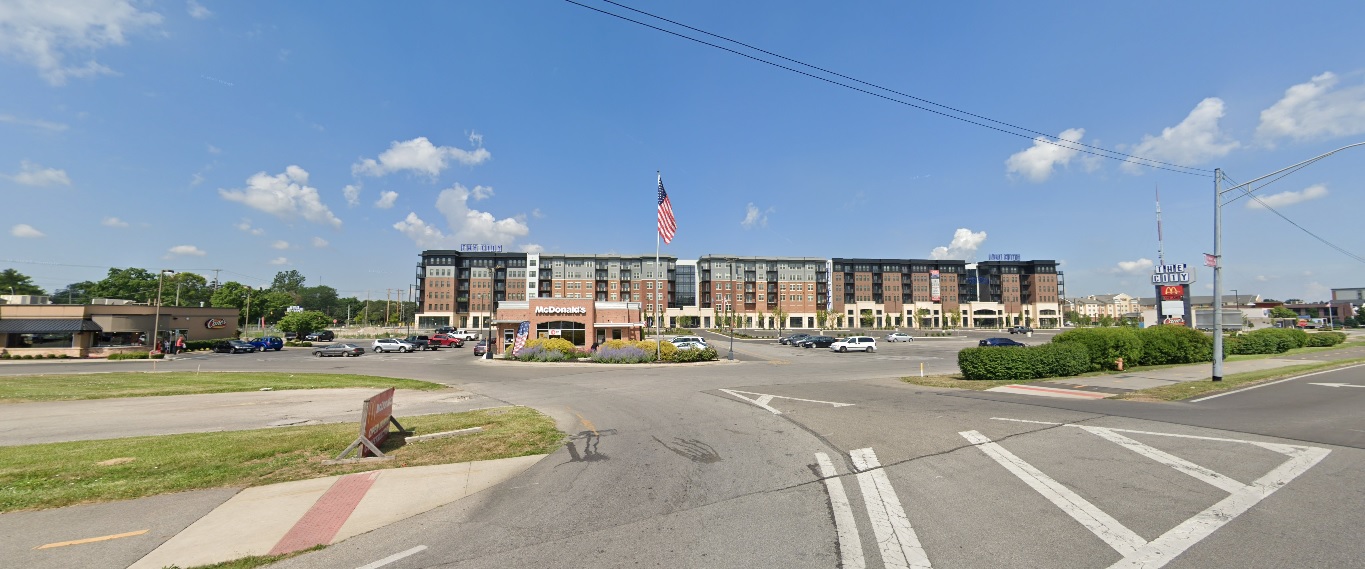
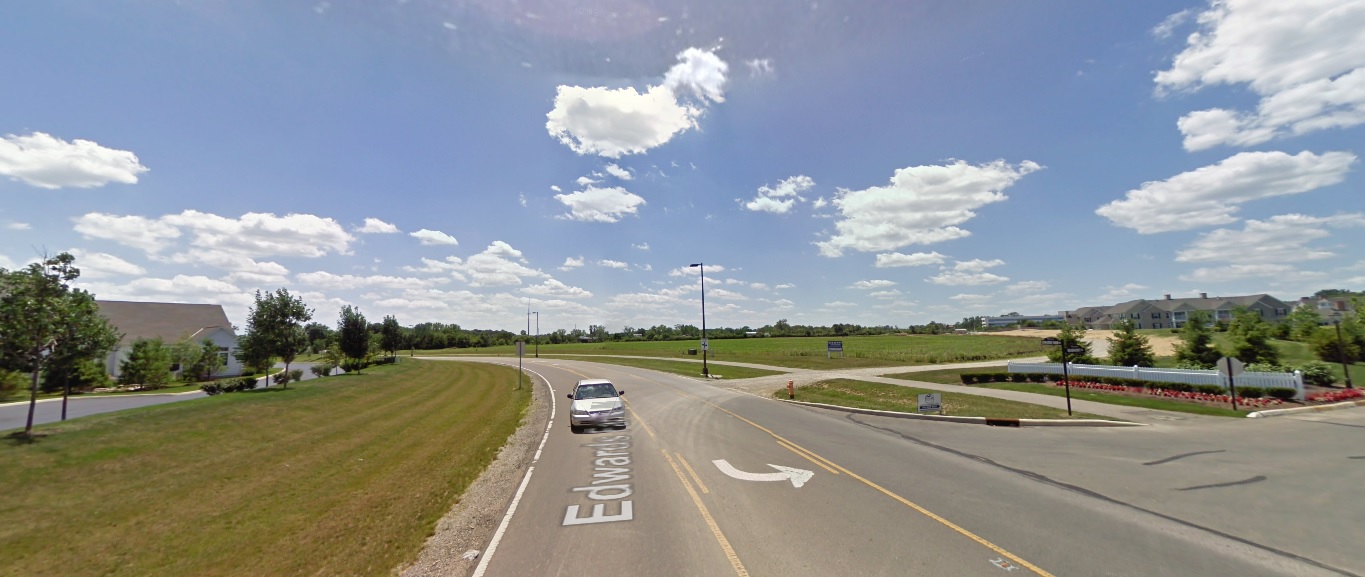
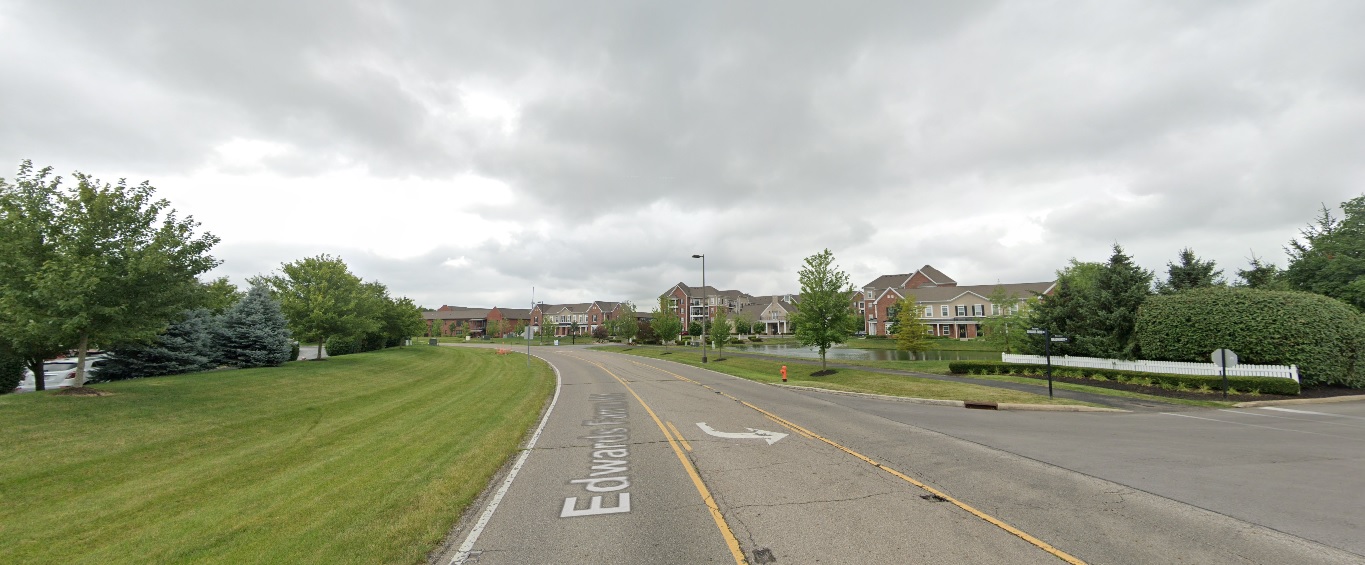
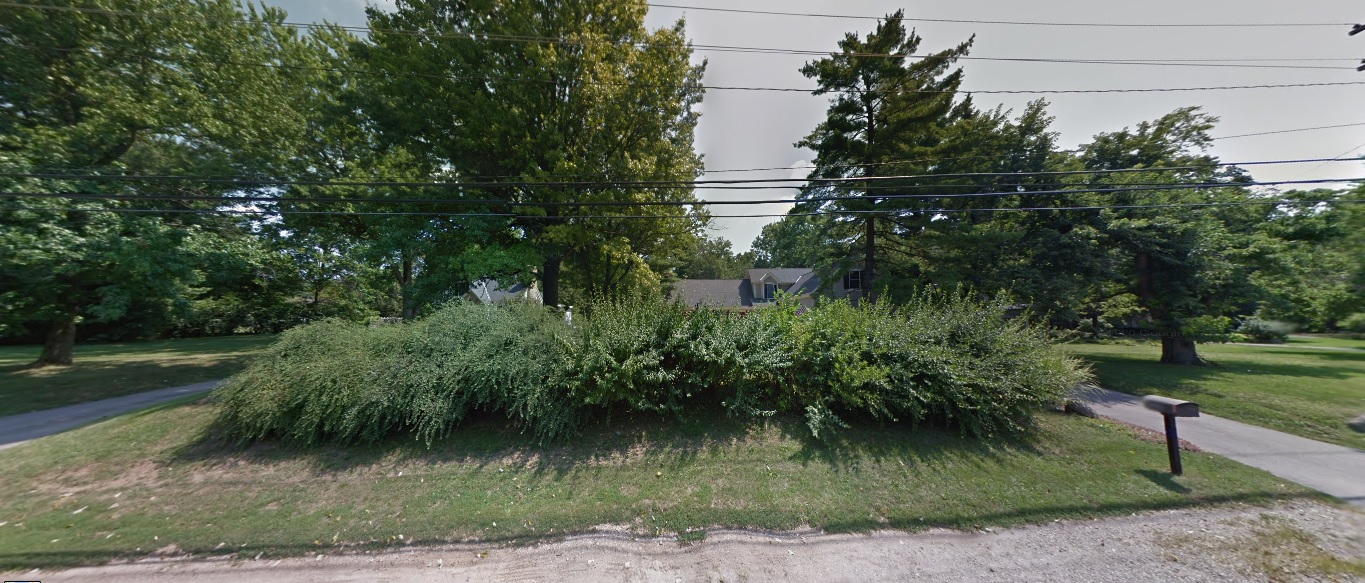
Edwards Farms Drive, looking south at Frawley Drive. Before: 2011 After: 2021
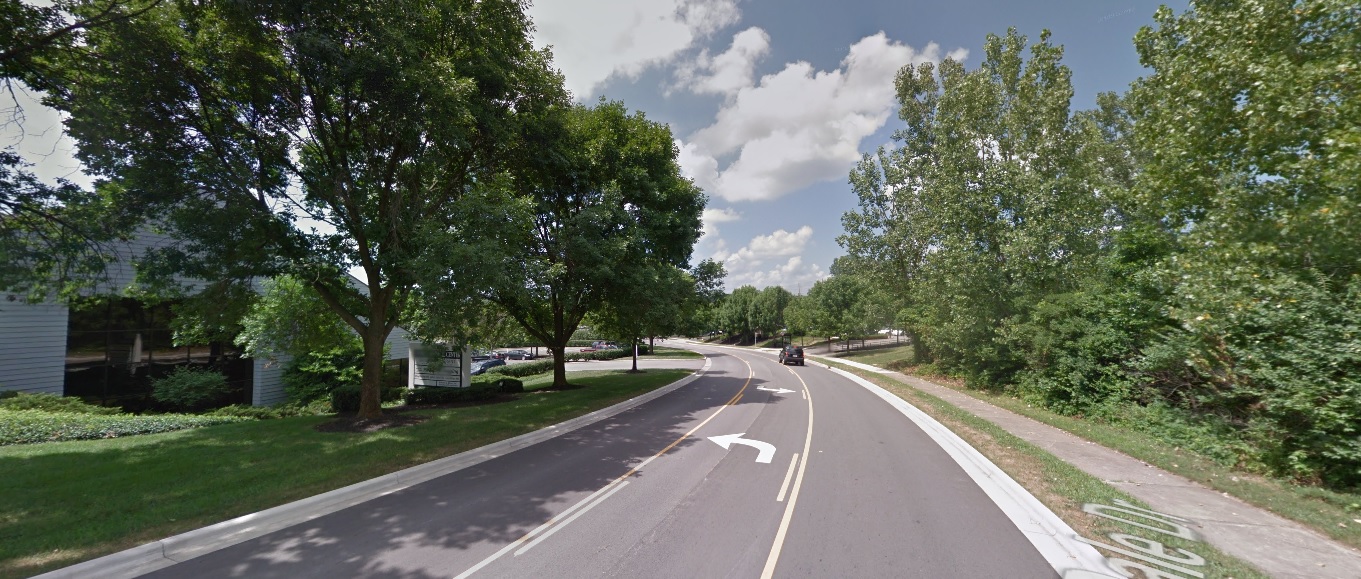
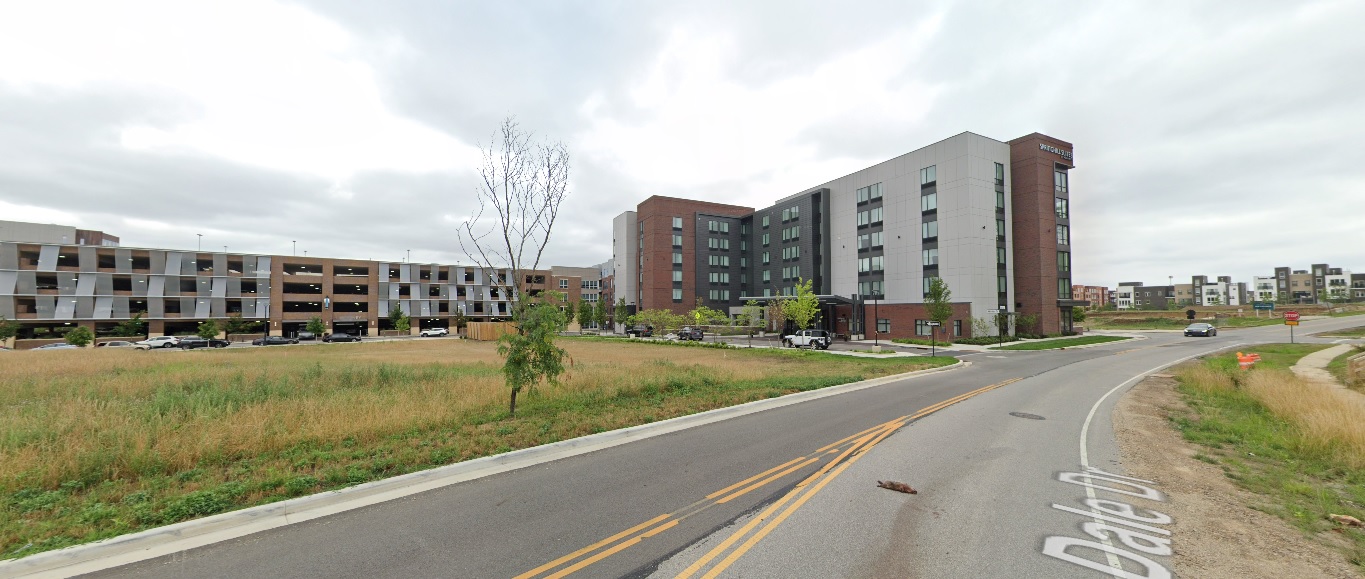
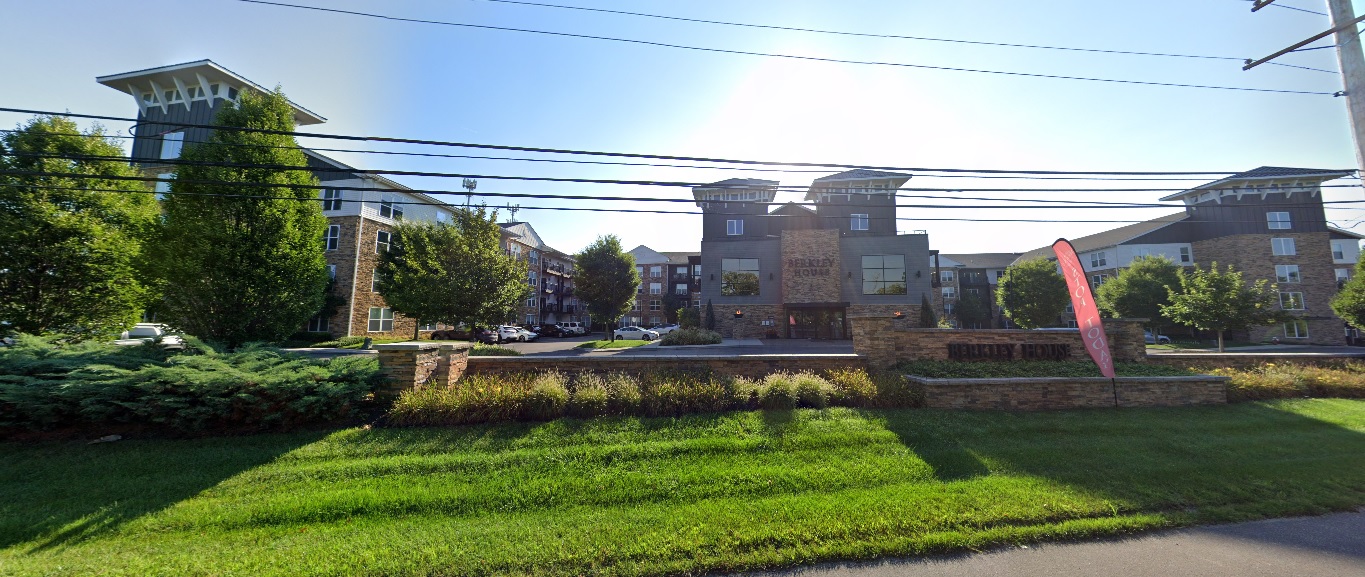
Dale Drive, looking northwest north of Banker Drive. Before: 2011 After: 2021
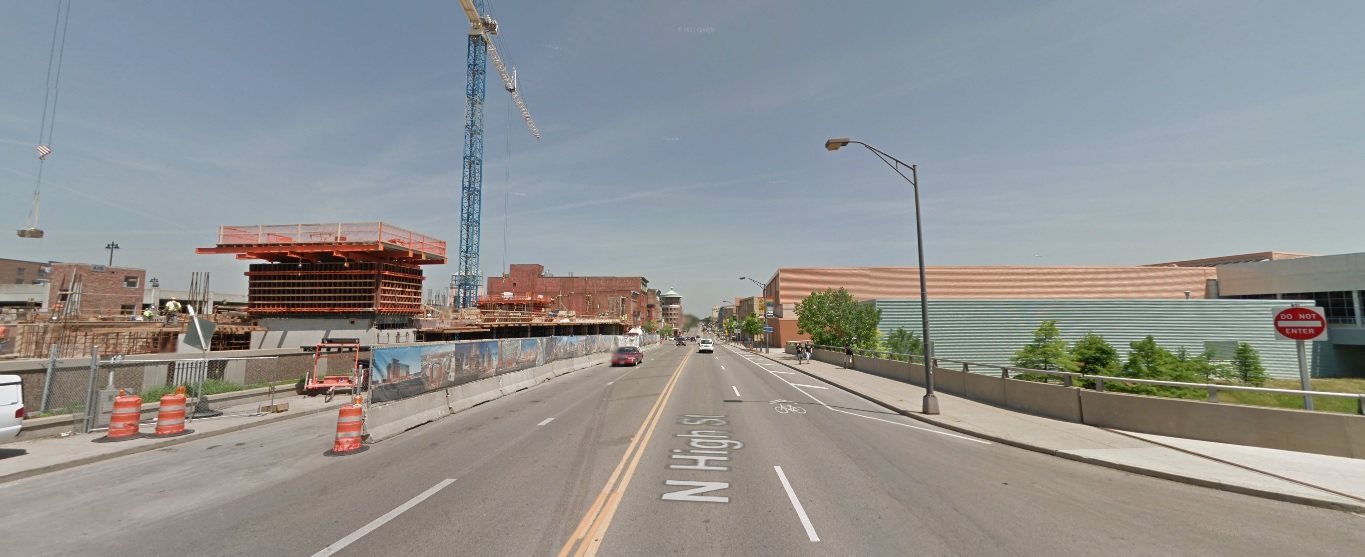
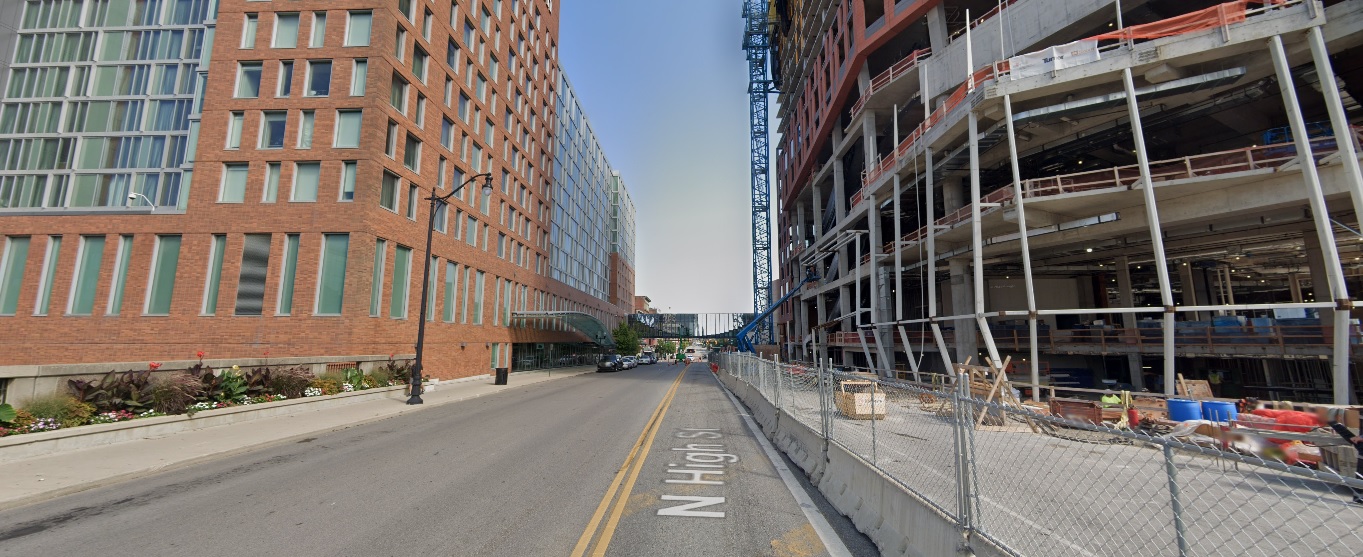
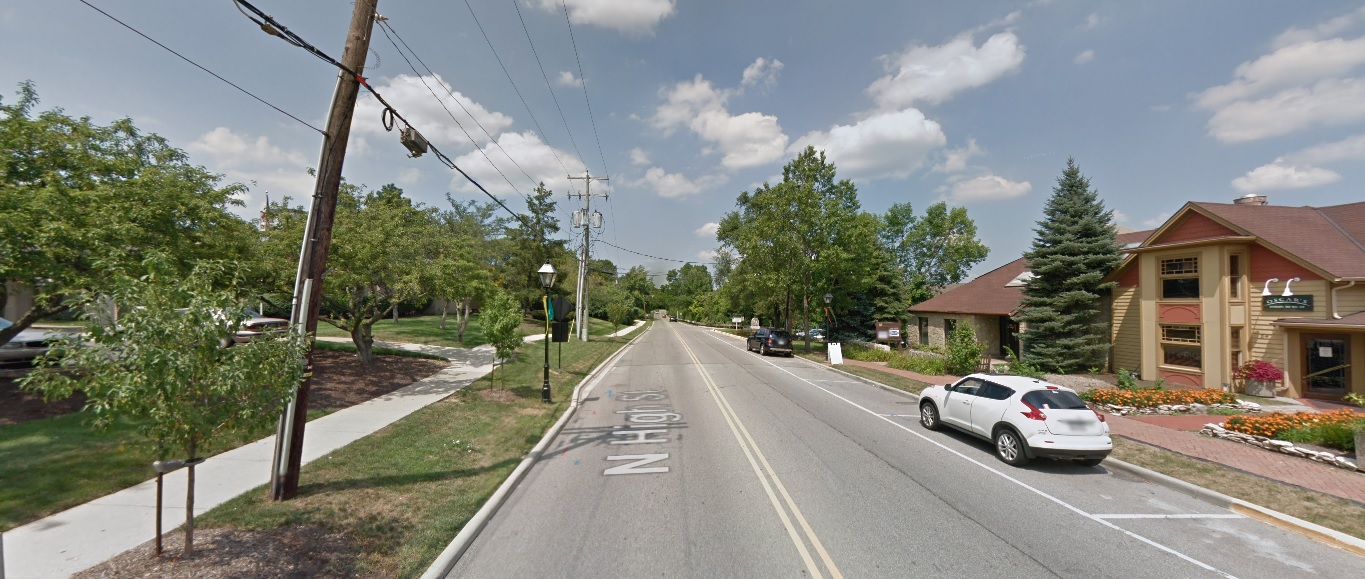
High Street, looking north from North Street. Before: 2011 After: 2021
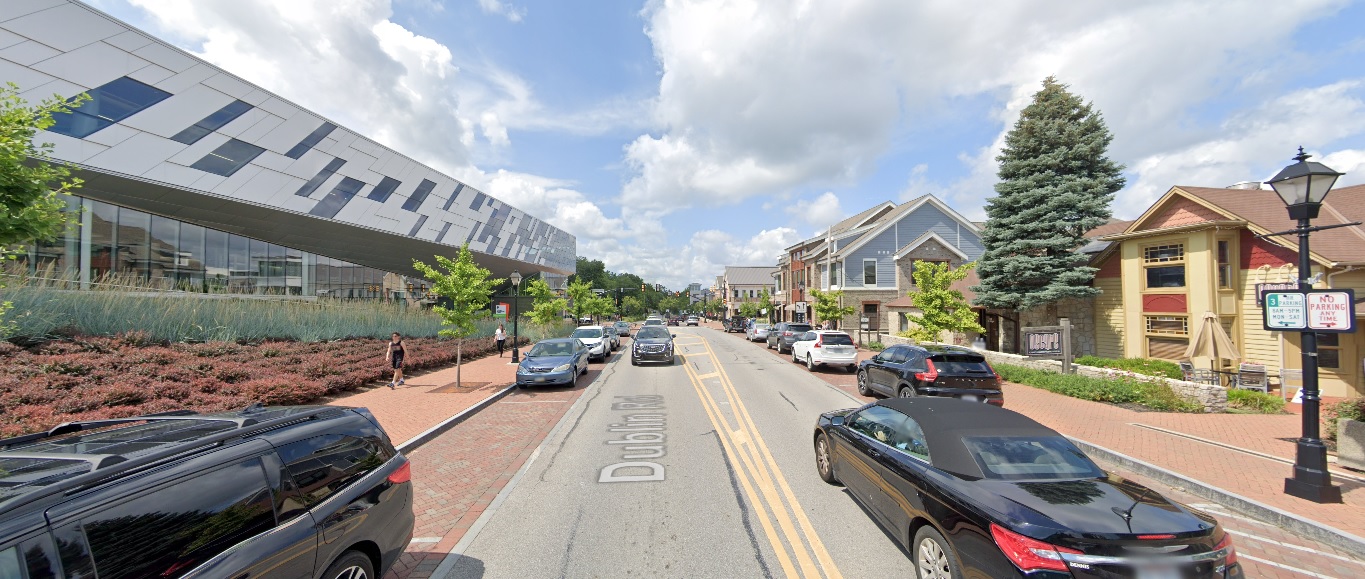
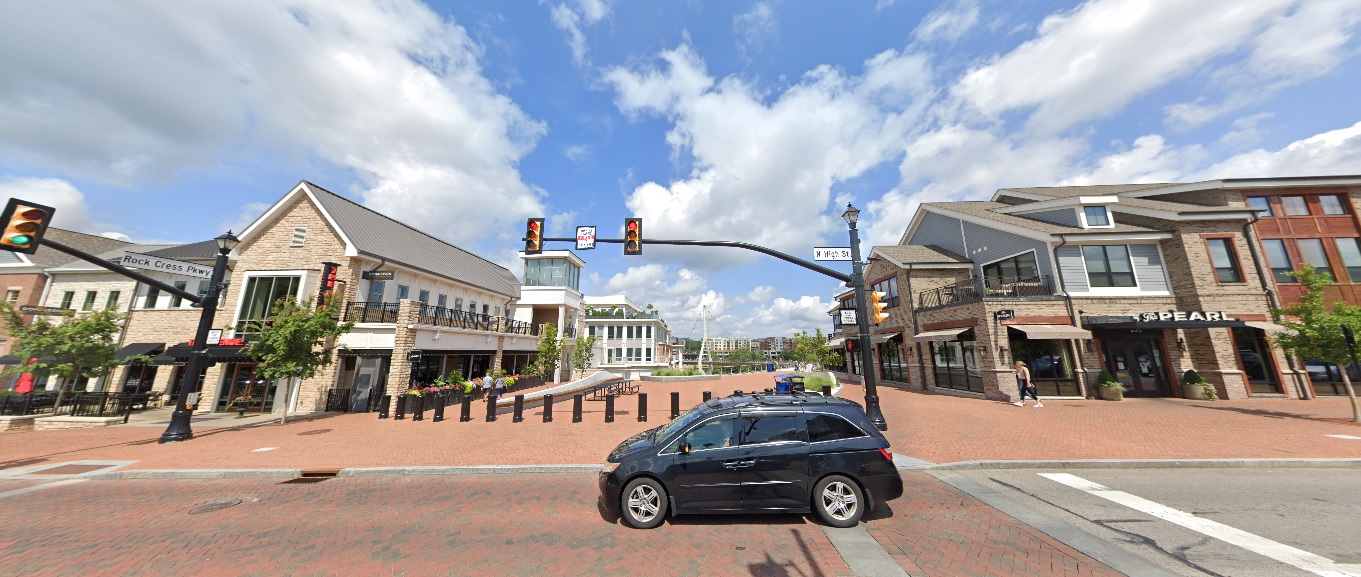
High Street, looking east at Rock Cress Parkway. Before: 2011 After: 2021
Upper Arlington
Riverside Drive, looking east just south of Bethel Road. Before: 2011 After: 2021
Bexley
Parkview Avenue, looking southwest just north of Main Street. Before: 2011 After: 2021
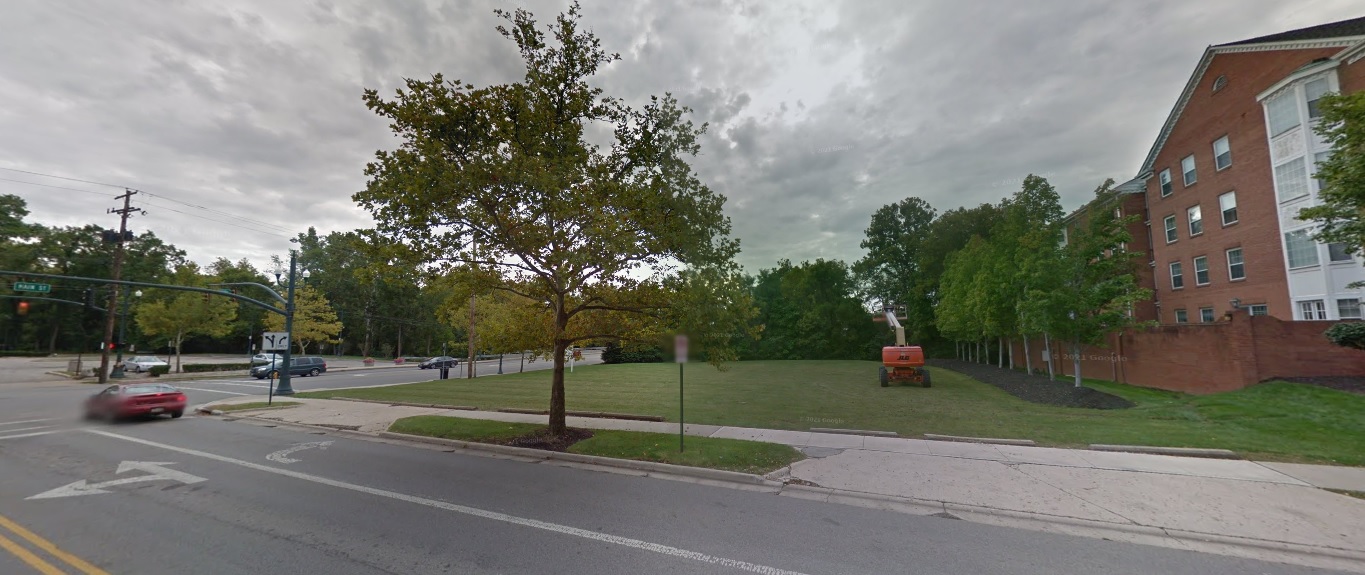
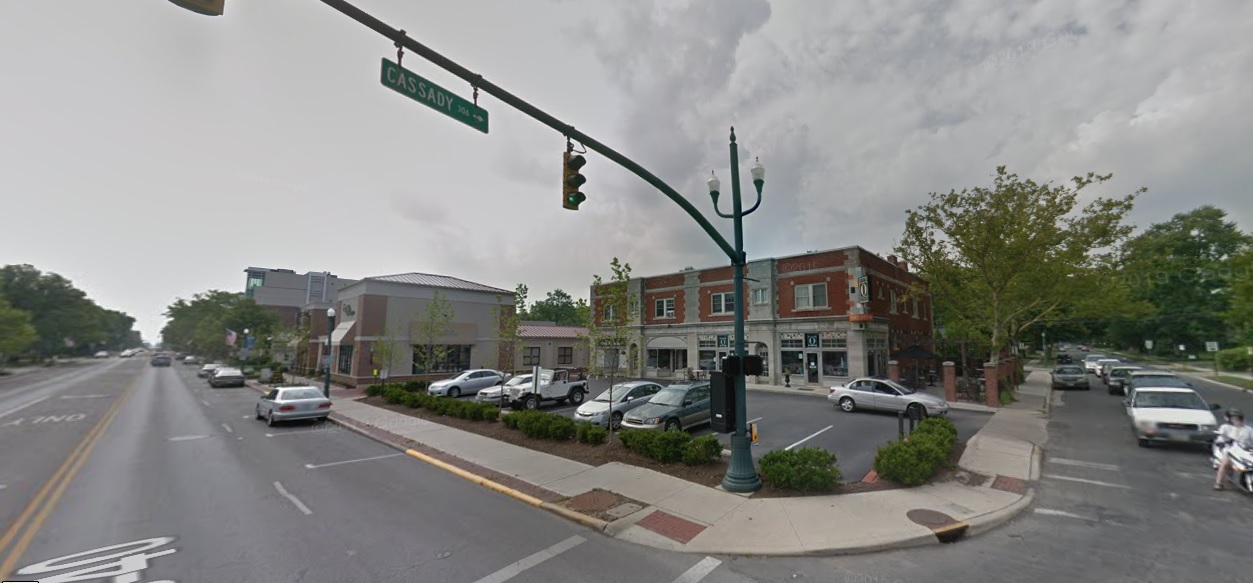
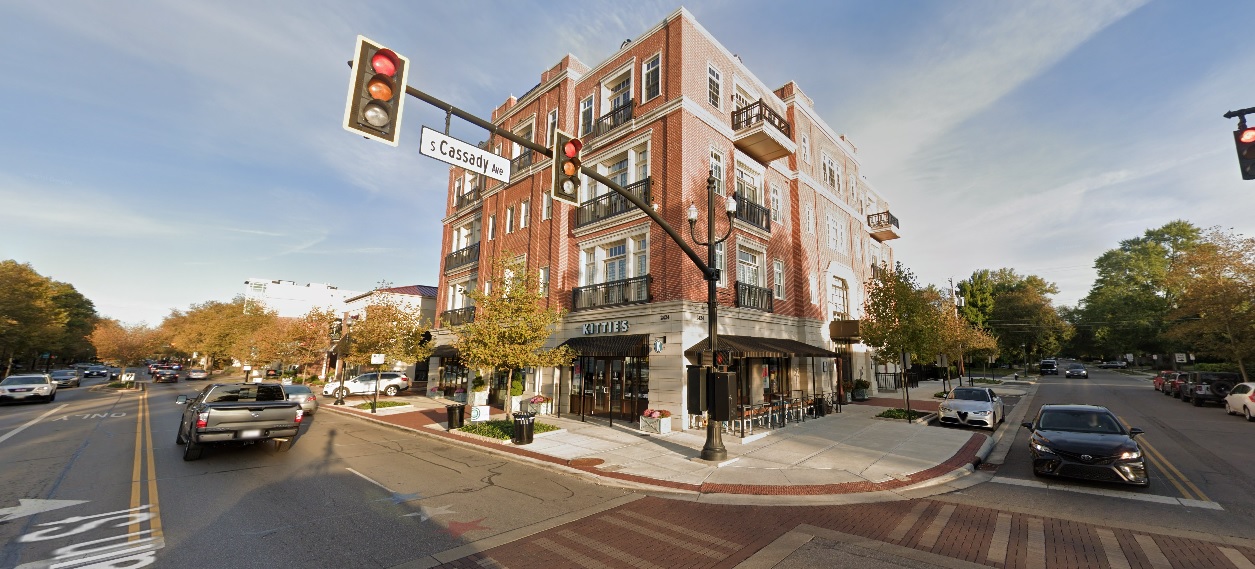
Main Street, looking northwest at Cassady Avenue. Before: 2011 After: 2021
As I stated in the previous installment, these photos still just represent a small fraction of the development and changes that have occurred across the city and its suburbs in the past decade. These are meant to be representative of those changes, not to suggest that other neighborhoods not featured didn’t change as well. Either way, enjoy!
This 2-part before and after series highlights many projects that have changed the landscape around the city. Many other projects that will continue to transform the area for the next decade and beyond are still in development or construction phases. A list of local area commissions provide monthly updates on potential new projects around the city.
Part 2 is now available for more great before and after comparisons.
How Columbus has changed in 10 years is not always easily quantifiable. Columbus added more people in the past decade than during any previous similar period in its history. I’ve posted a lot about the 2020 Census data and updated many pages worth of information to the site. However, examining only population change through numbers is just one part of the story. How has that population growth manifested in terms of how the city appears in its built environment? This before and after look shows how the city has been transformed on a visual scale, and shows how some of the hottest neighborhoods have been radically altered in a short time.
Downtown High Street, looking north from Rich Street Before: 2011 After: 2021 High Street, looking north from Gay Street Before: 2011 After: 2021
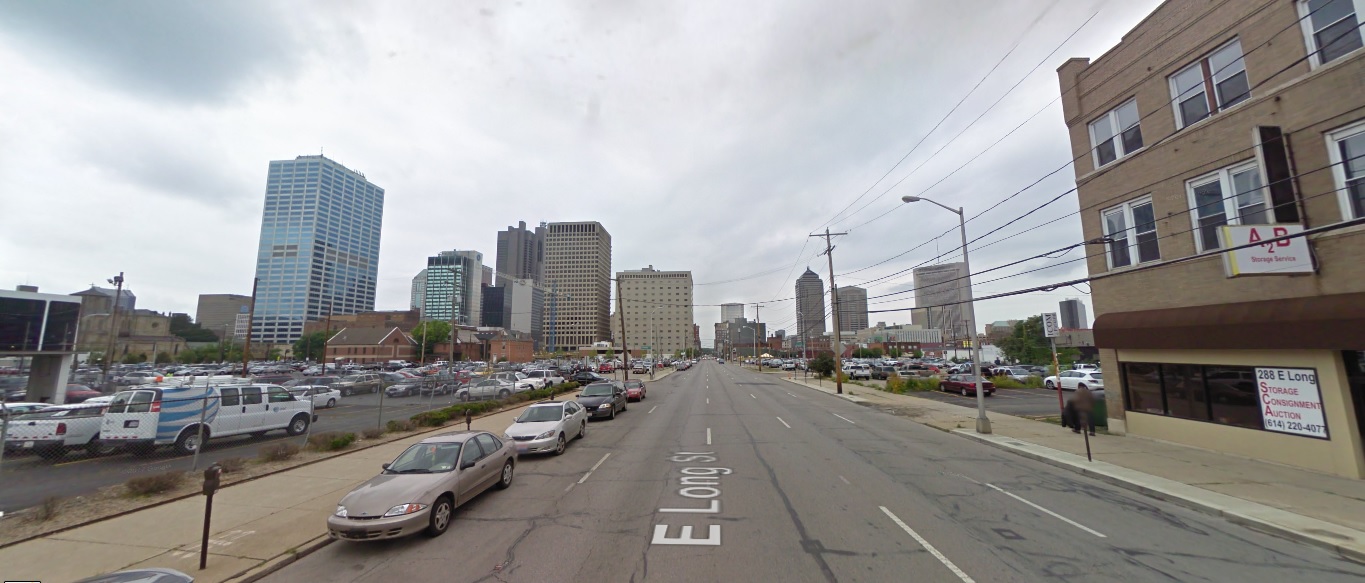
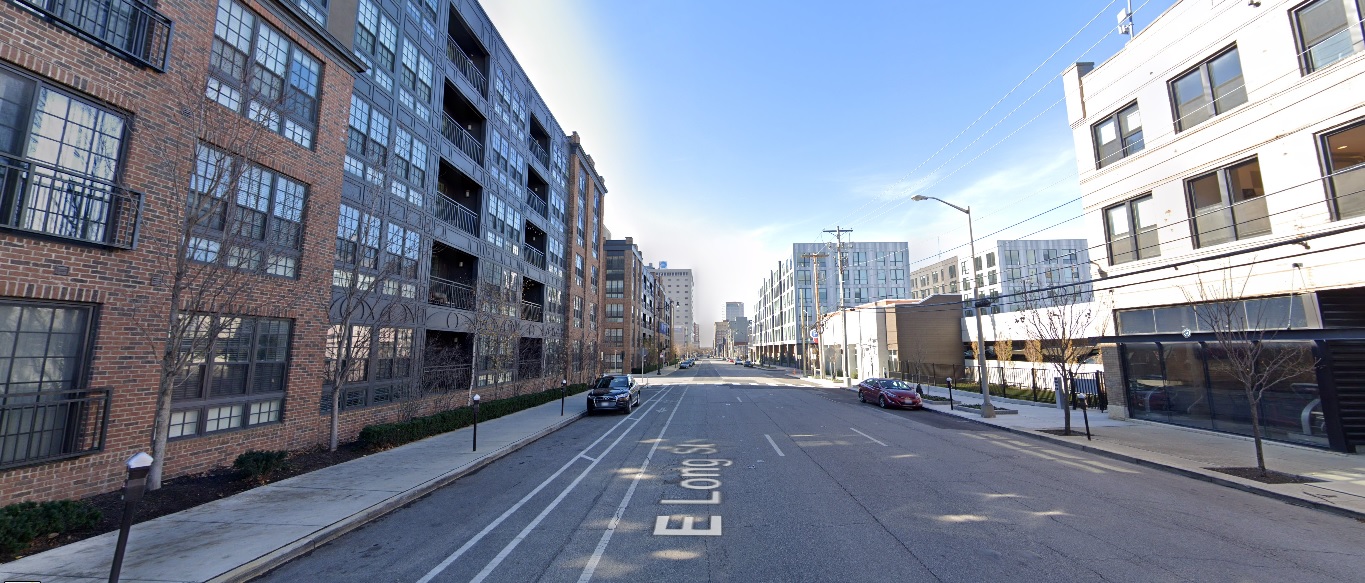
Long Street, looking east from 6th Street Before: 2011 After: 2020
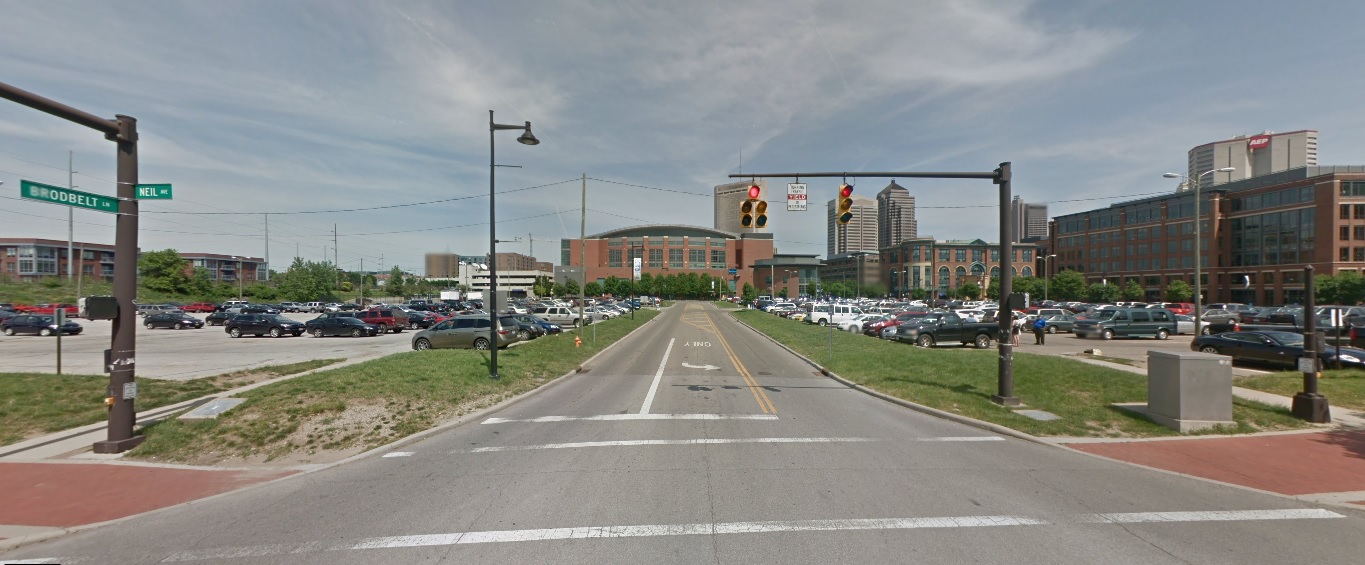
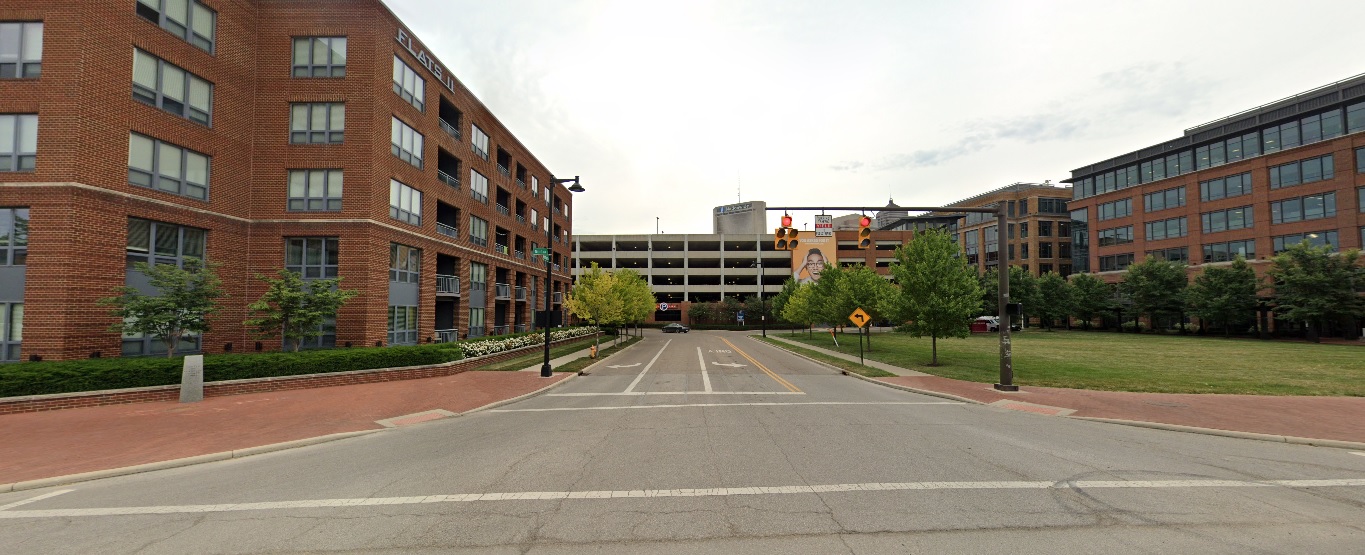
Neil Avenue, looking east at Broadbelt Lane Before: 2011 After: 2021
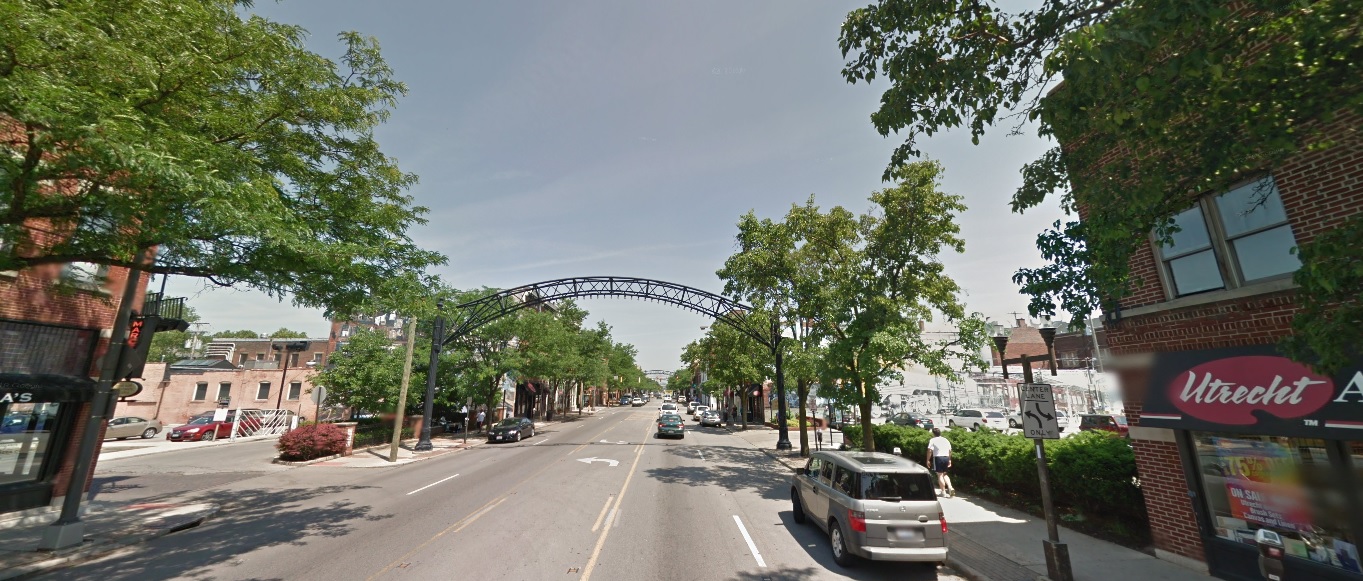
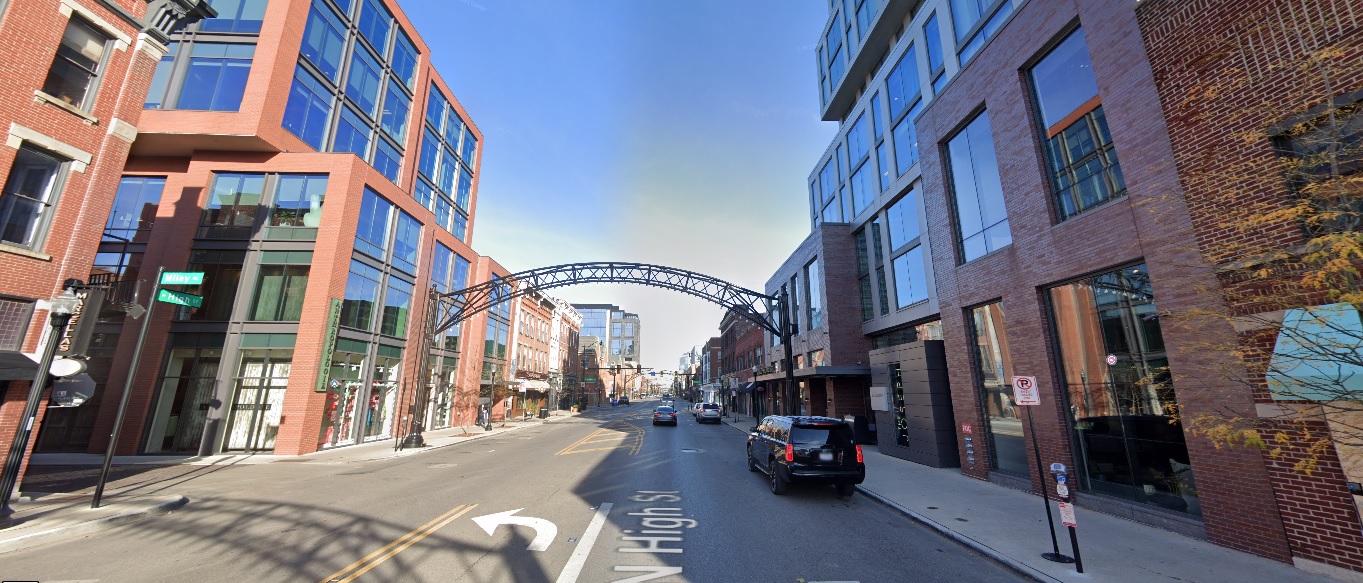
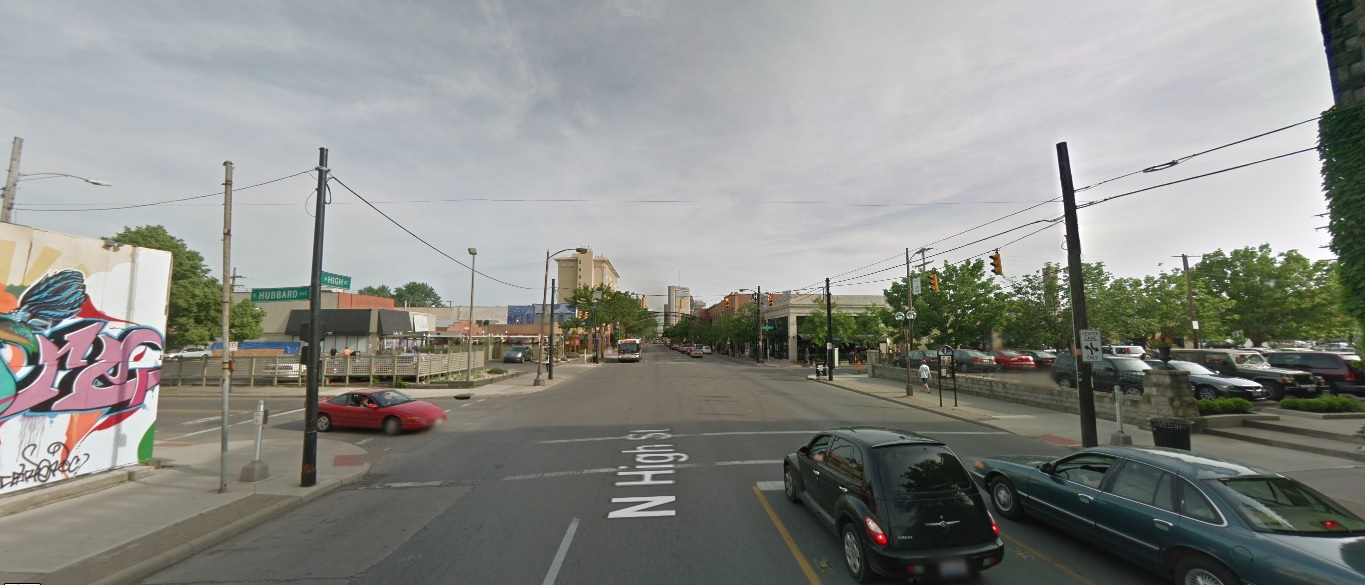
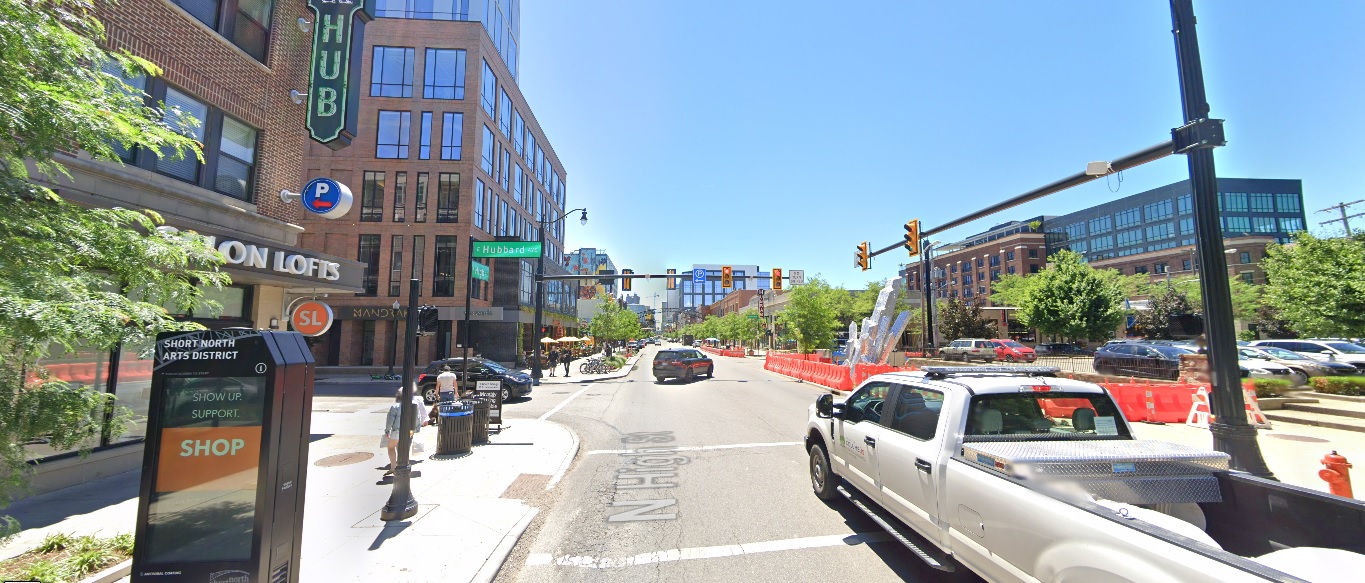
The Short North High Street, looking north from Milay Alley Before: 2011 After: 2020
High Street, looking south from Buttles Avenue Before: 2011 After: 2021
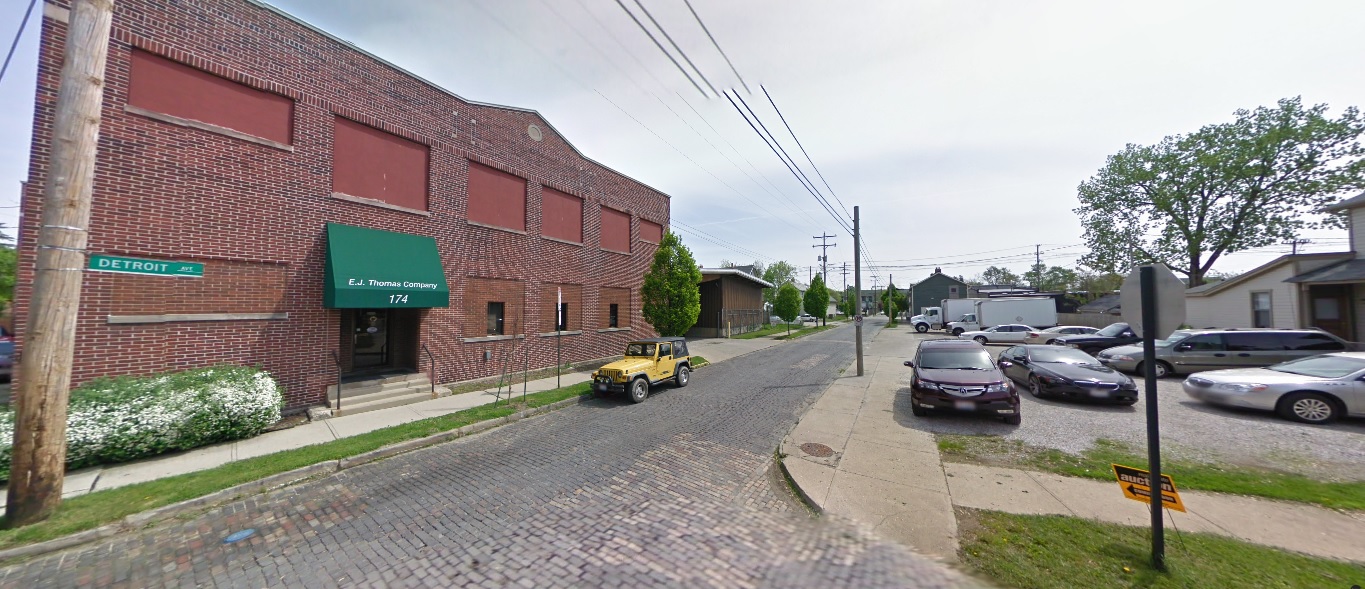
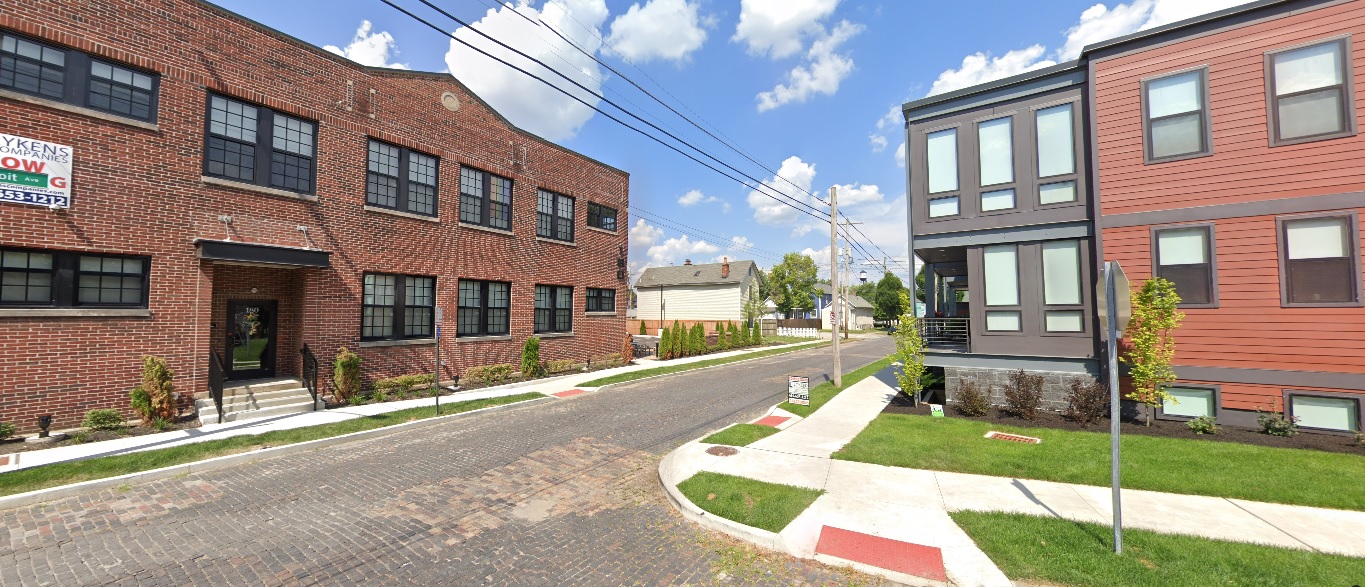
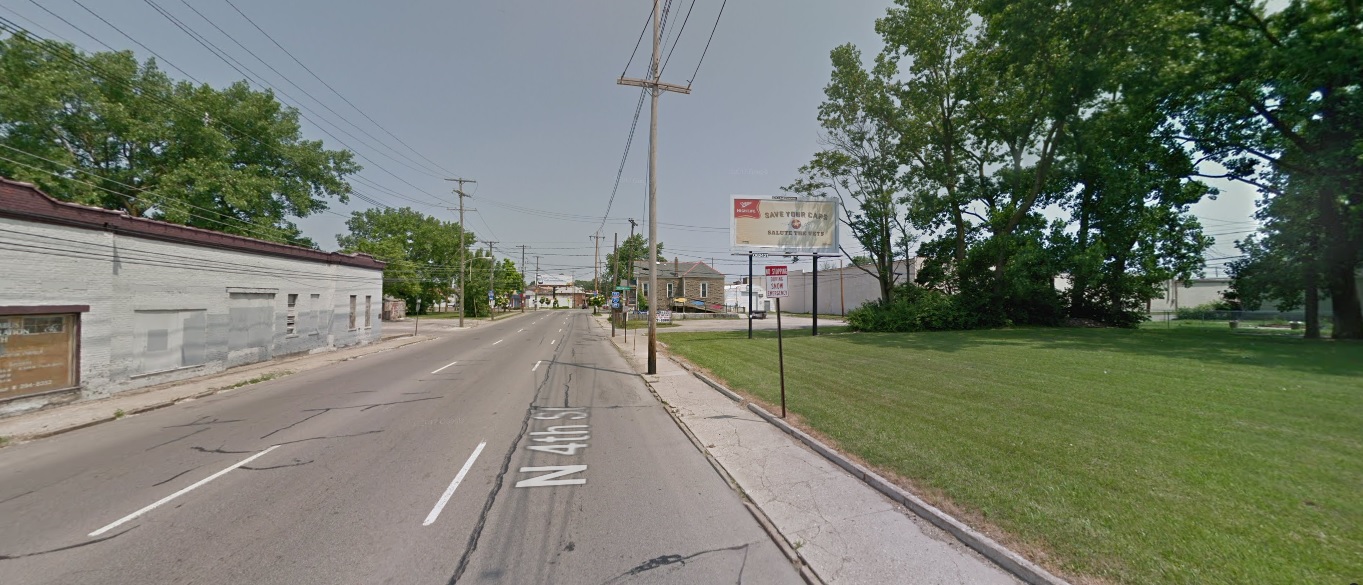
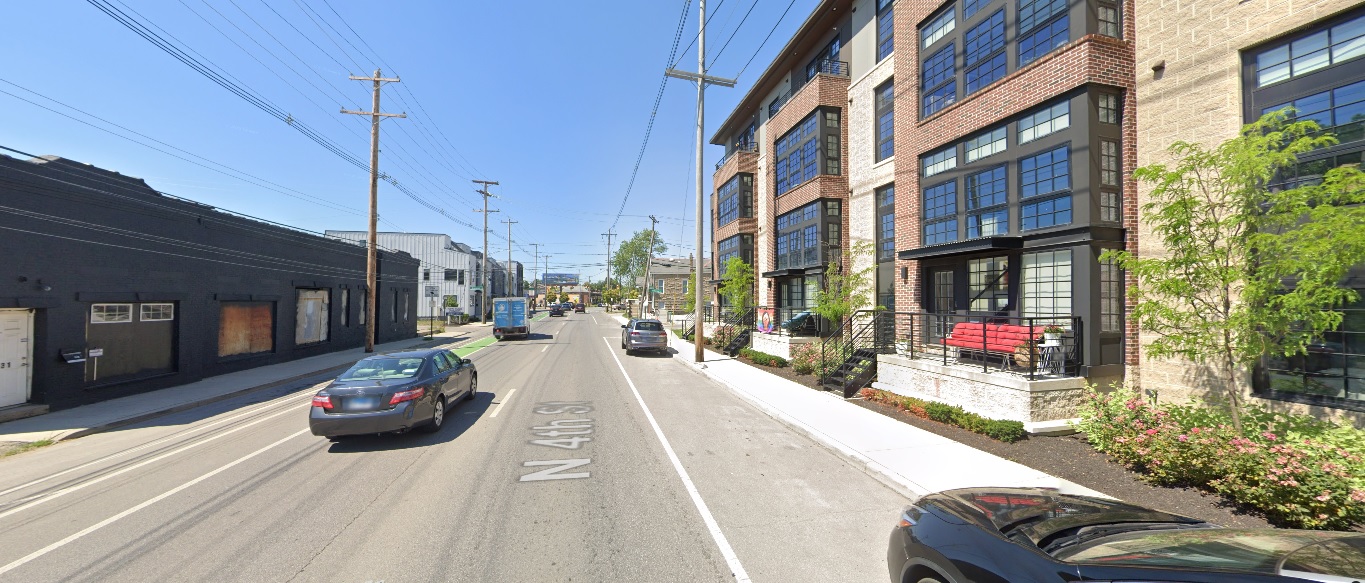
Fourth Street, looking east at Auden Avenue Before: 2011 Before: 2021
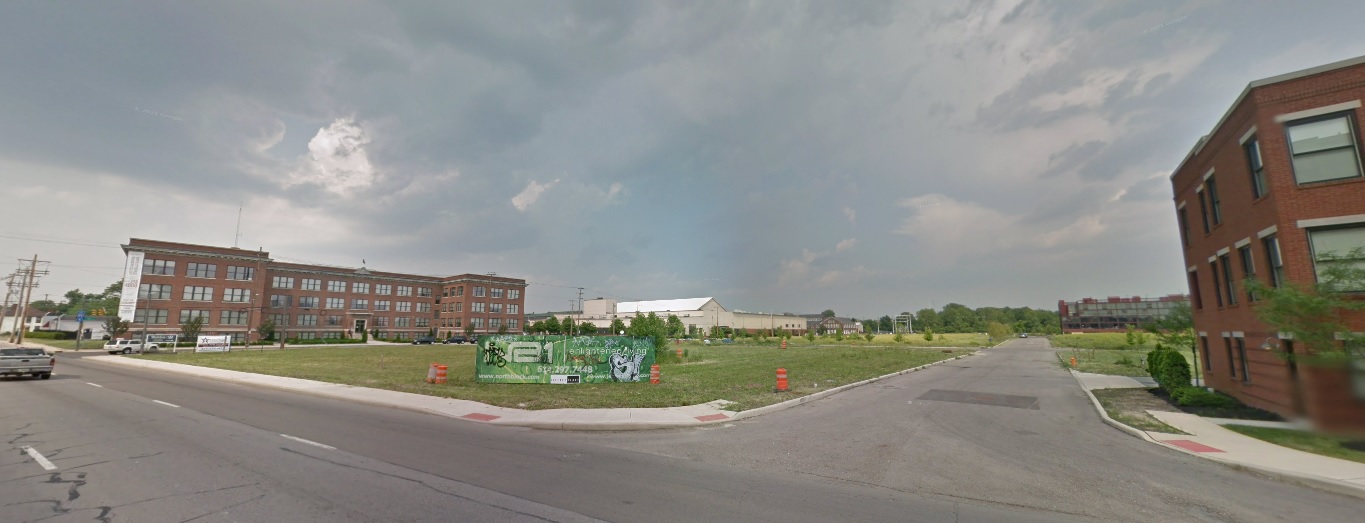
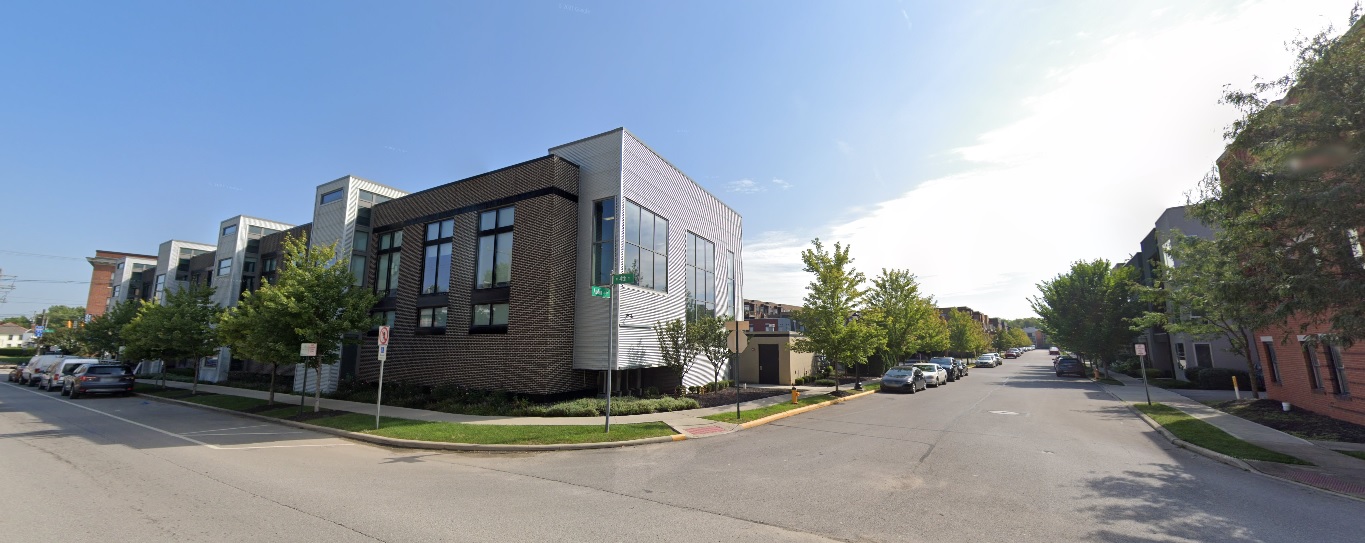
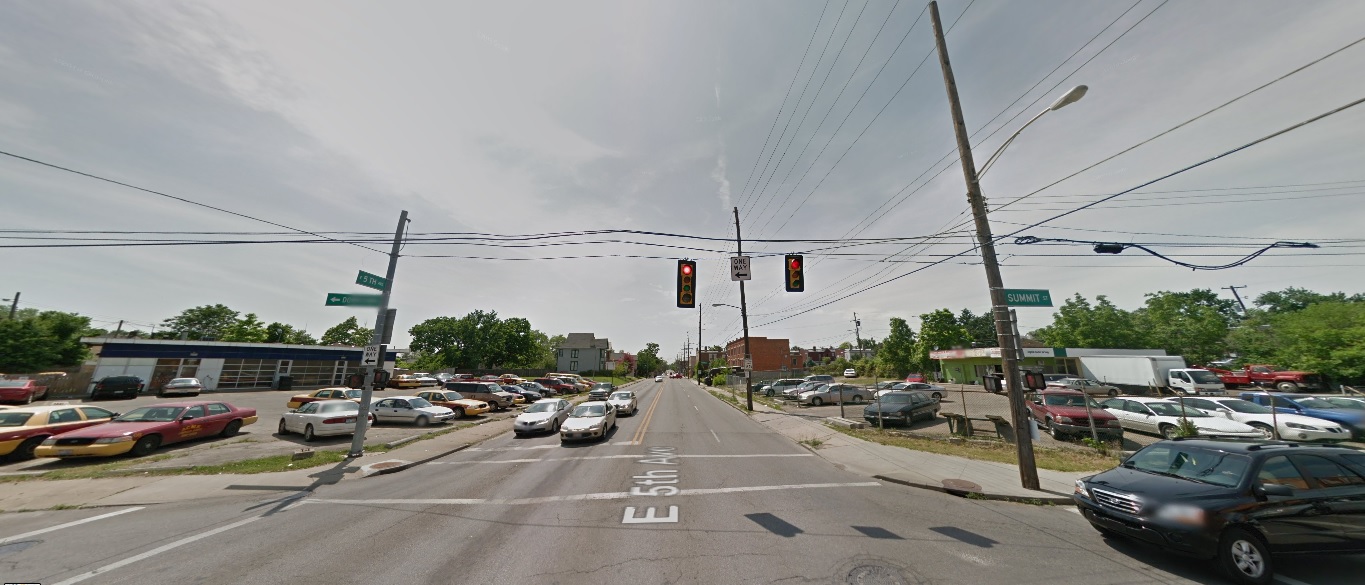
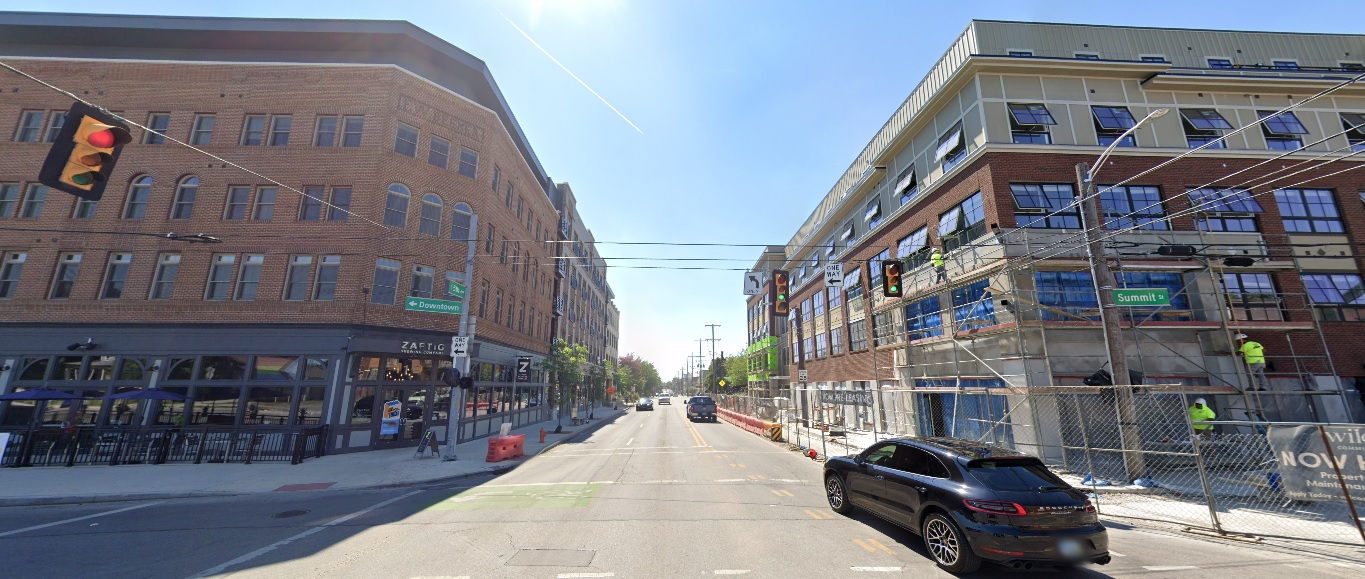
Summit Street, looking west at 5th Avenue Before: 2011 After: 2021
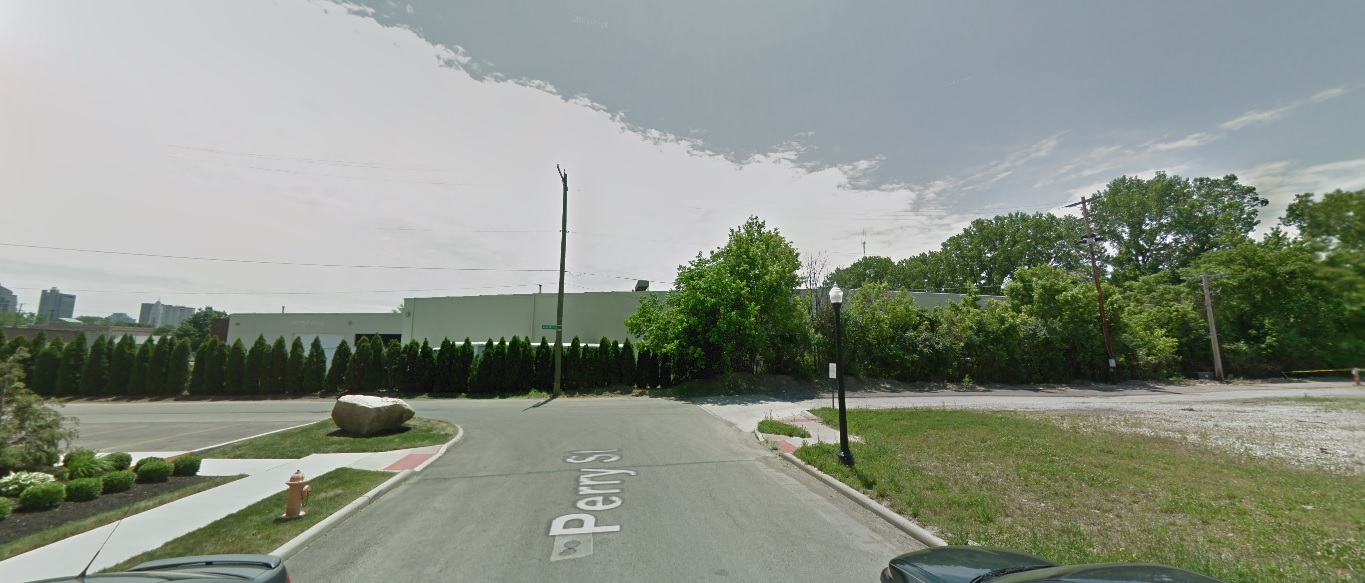
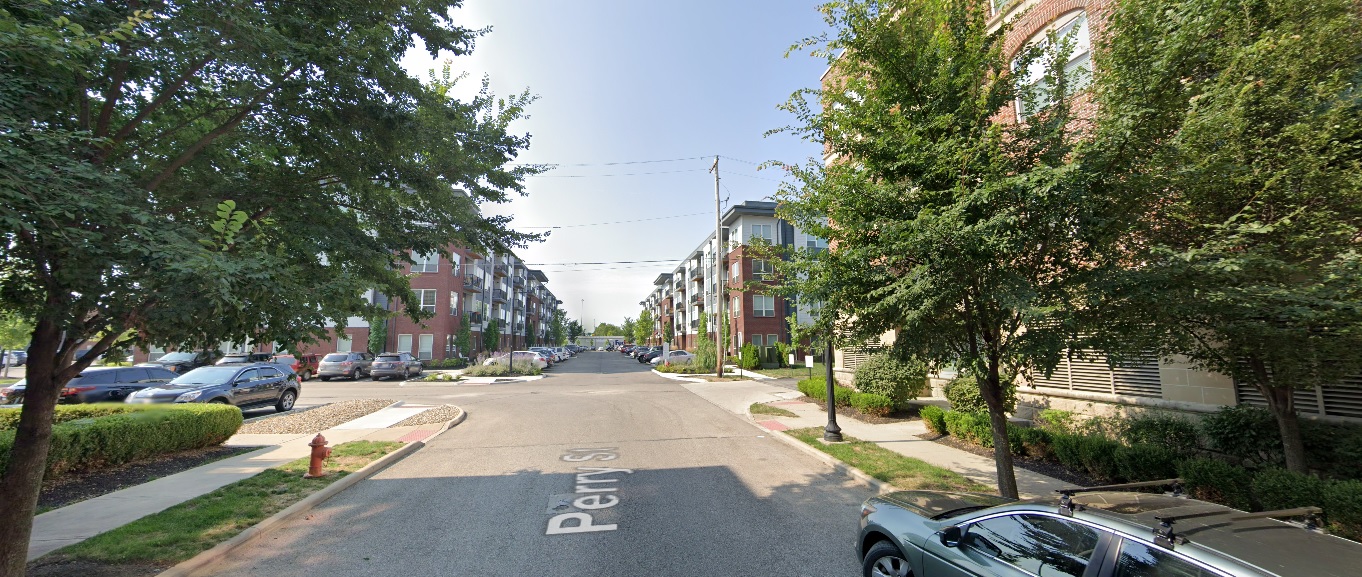
Perry Street, looking south at Quality Place Before: 2011 After: 2021
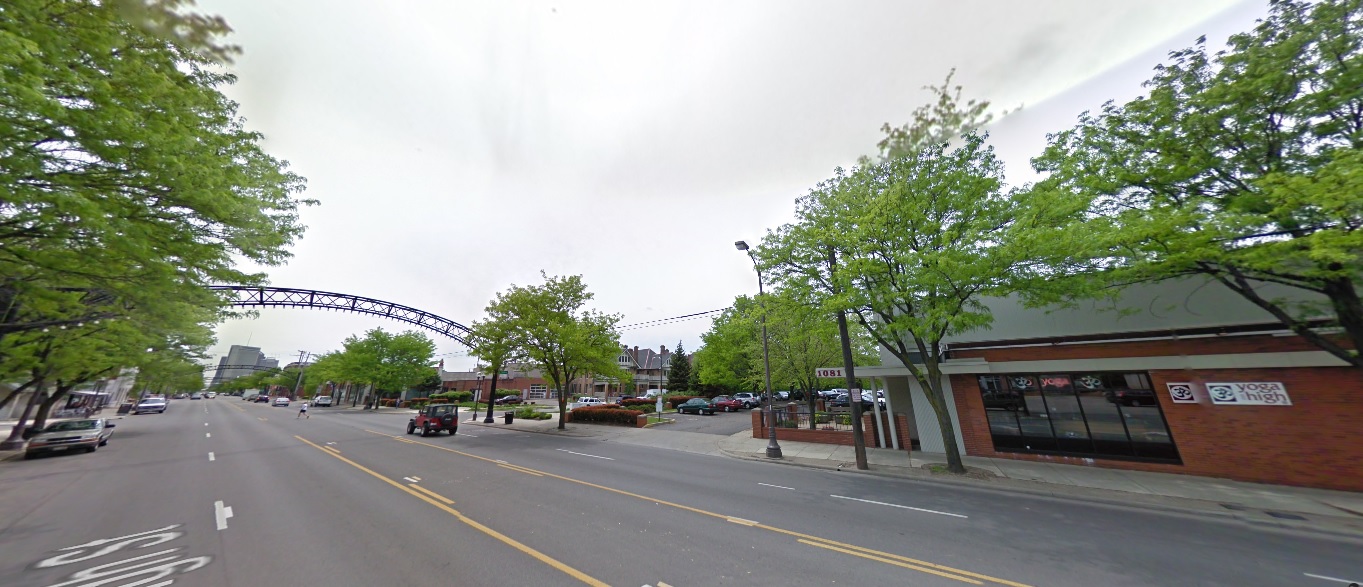
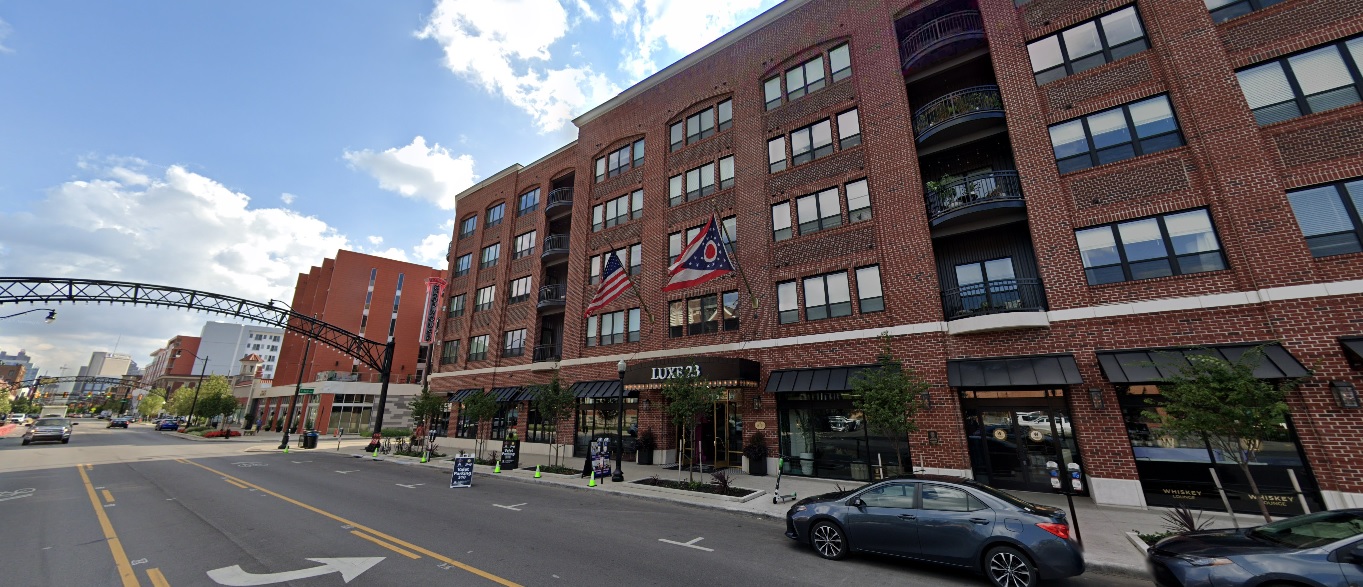
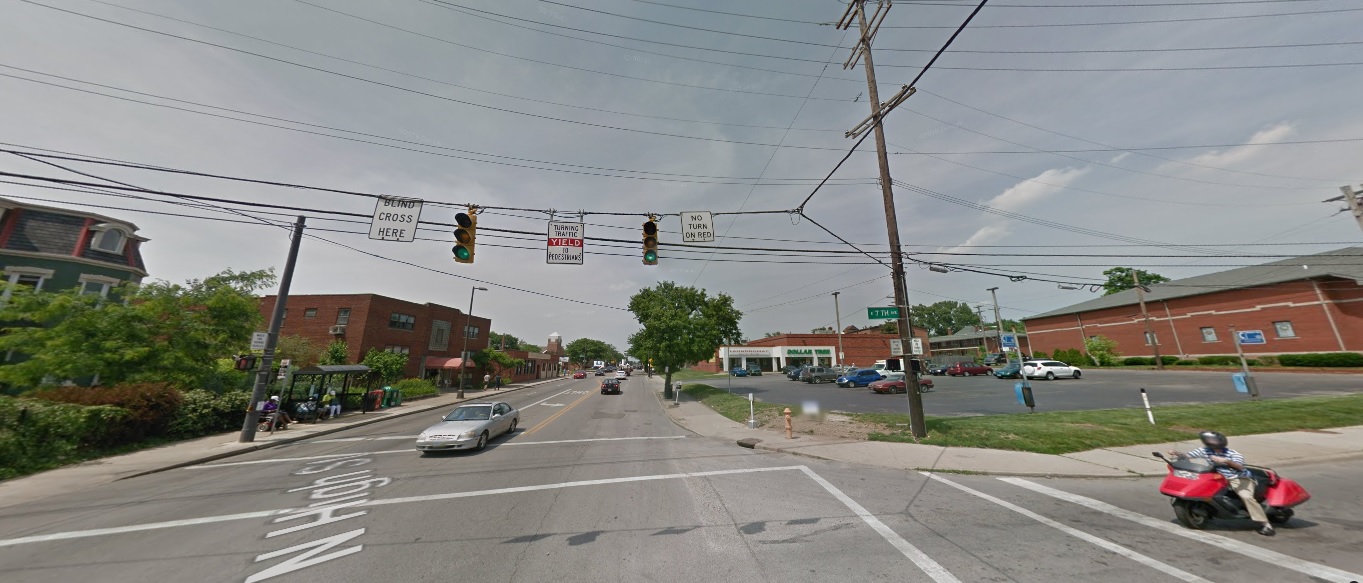
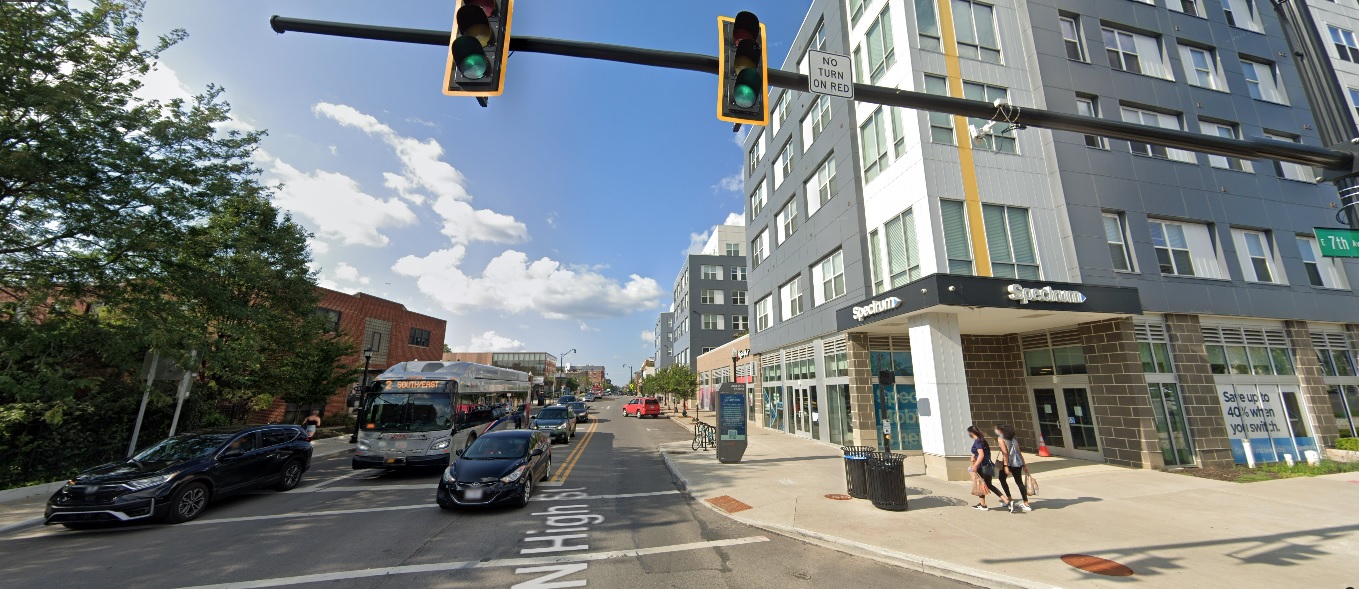
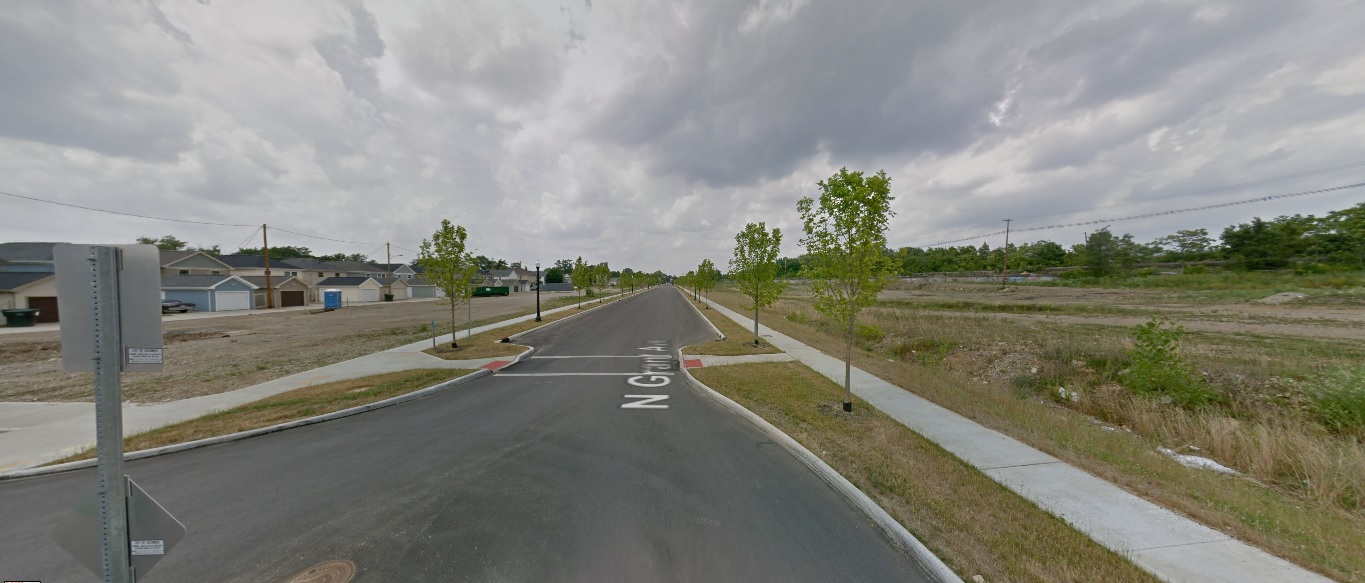
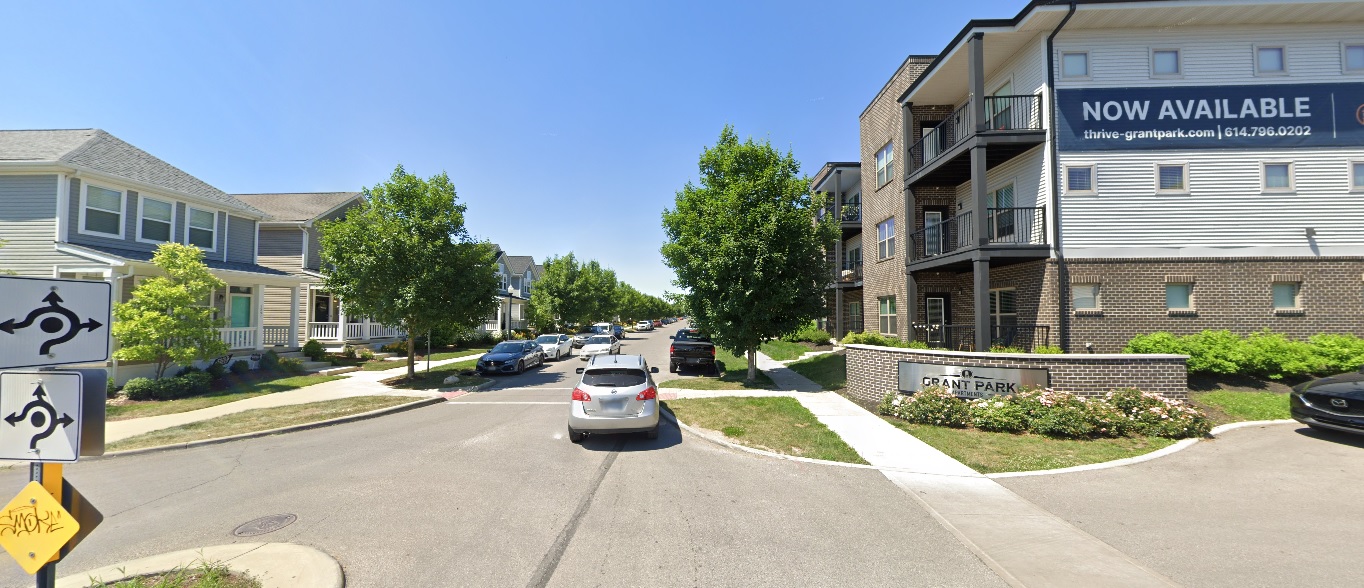
Weinland Park Grant Avenue, looking north from 7th Avenue Before: 2012 After: 2021
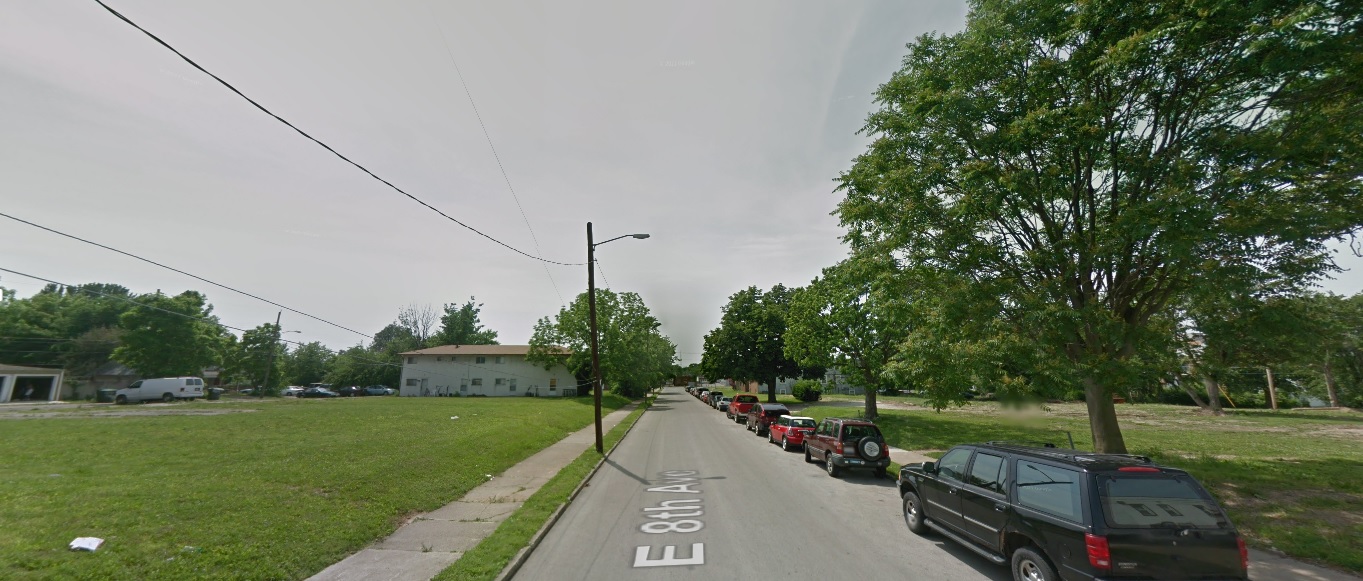
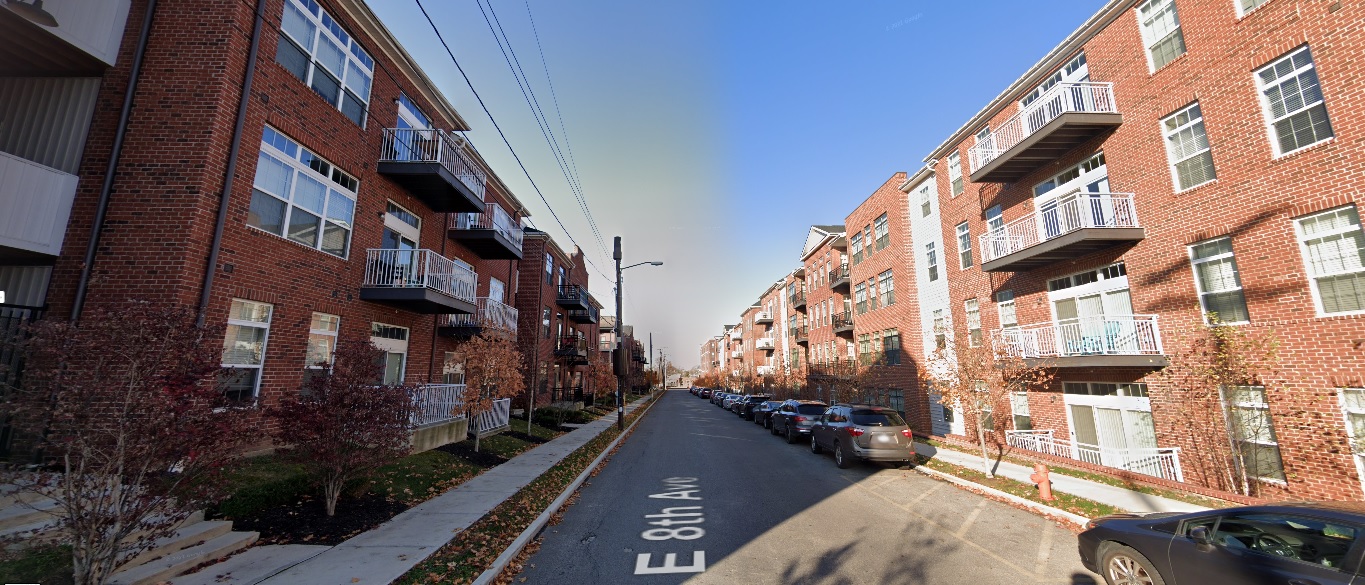
Eighth Avenue, looking west from Section Alley Before: 2011 After: 2020
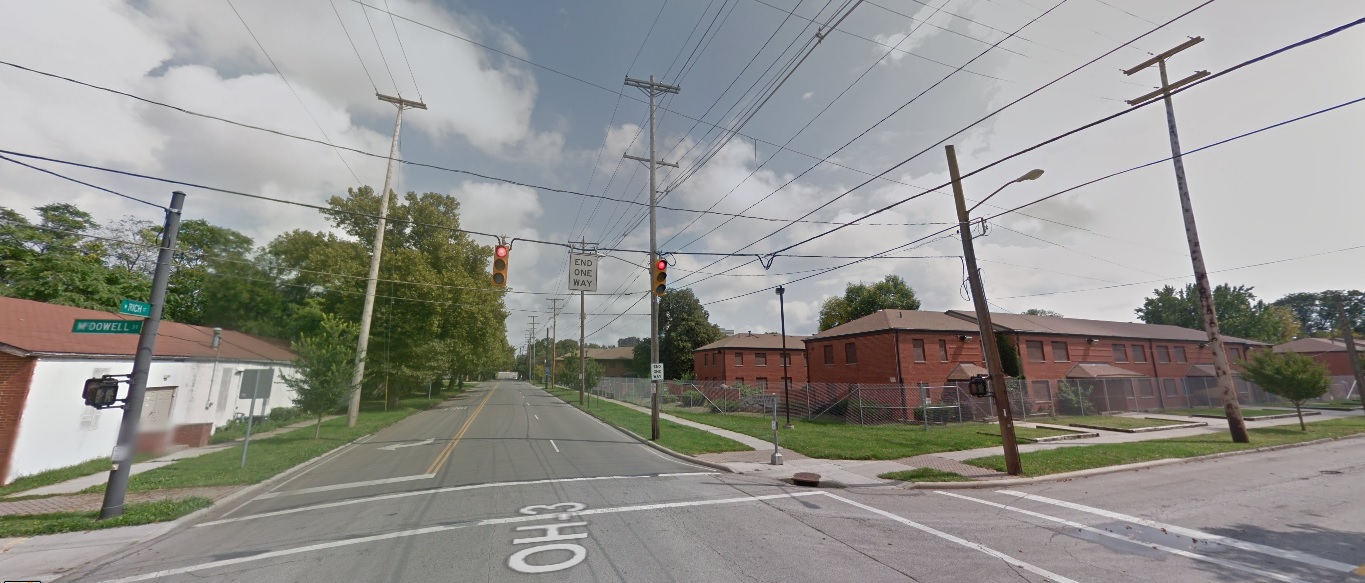
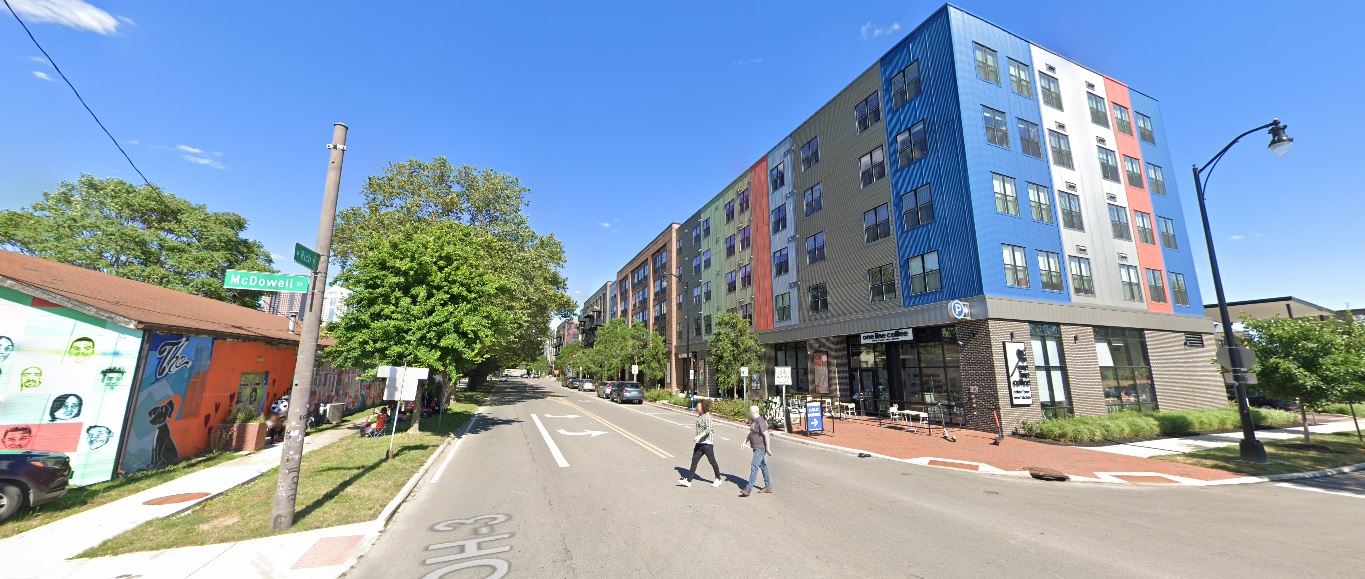
Franklinton Rich Street, looking east from McDowell Street Before: 2011 After: 2021
Broad Street, looking west from the railroad tracks. Before: 2011 After: 2021
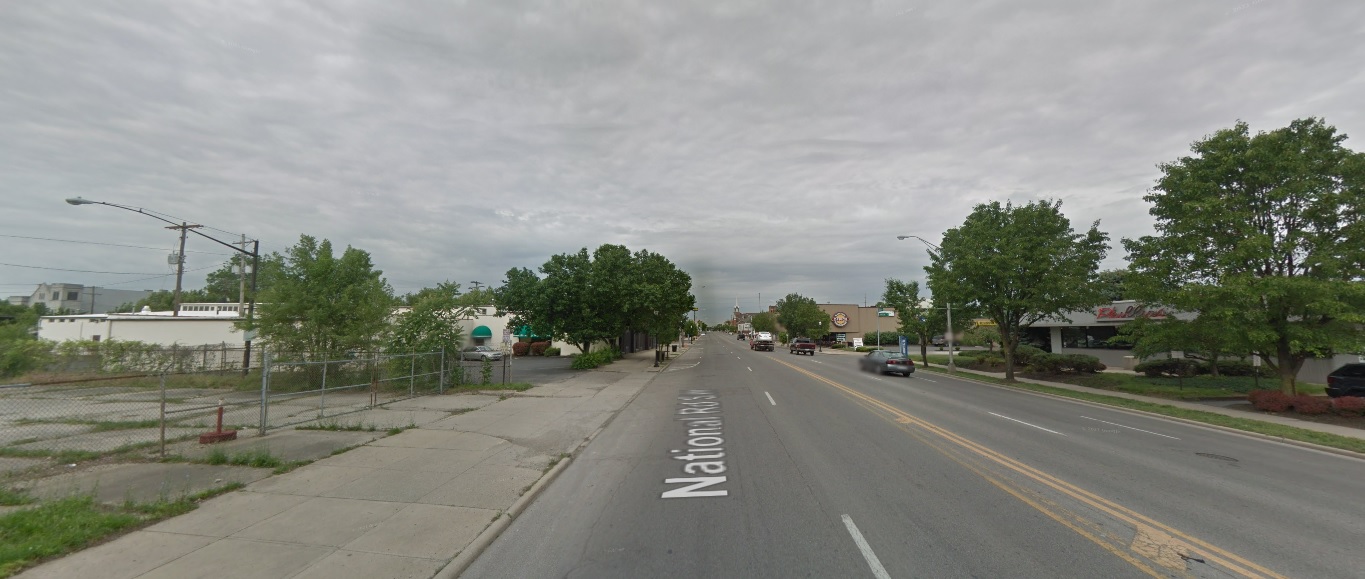
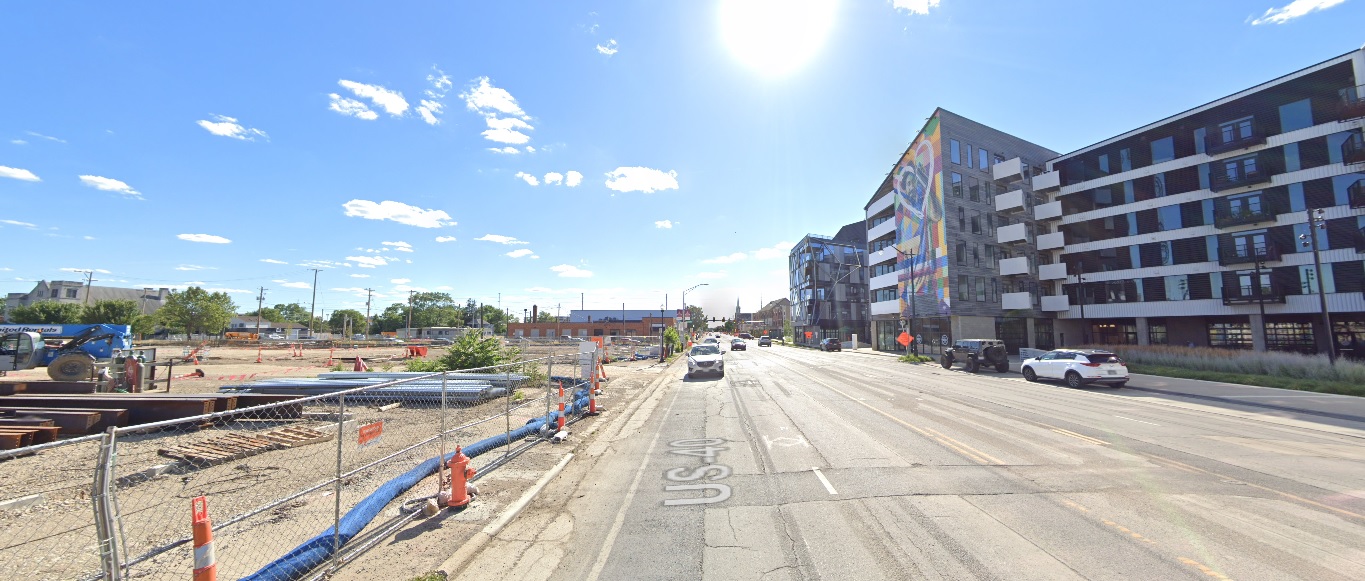
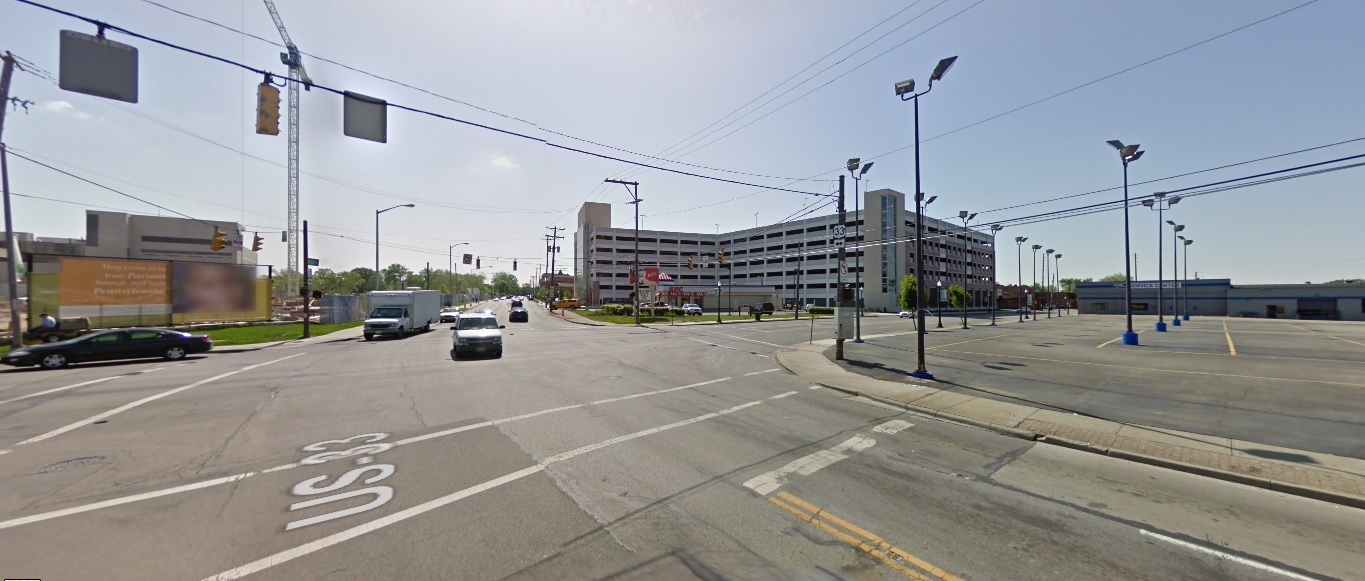
South Side Livingston Avenue, looking east at Parsons Avenue Before: 2009 After: 2020
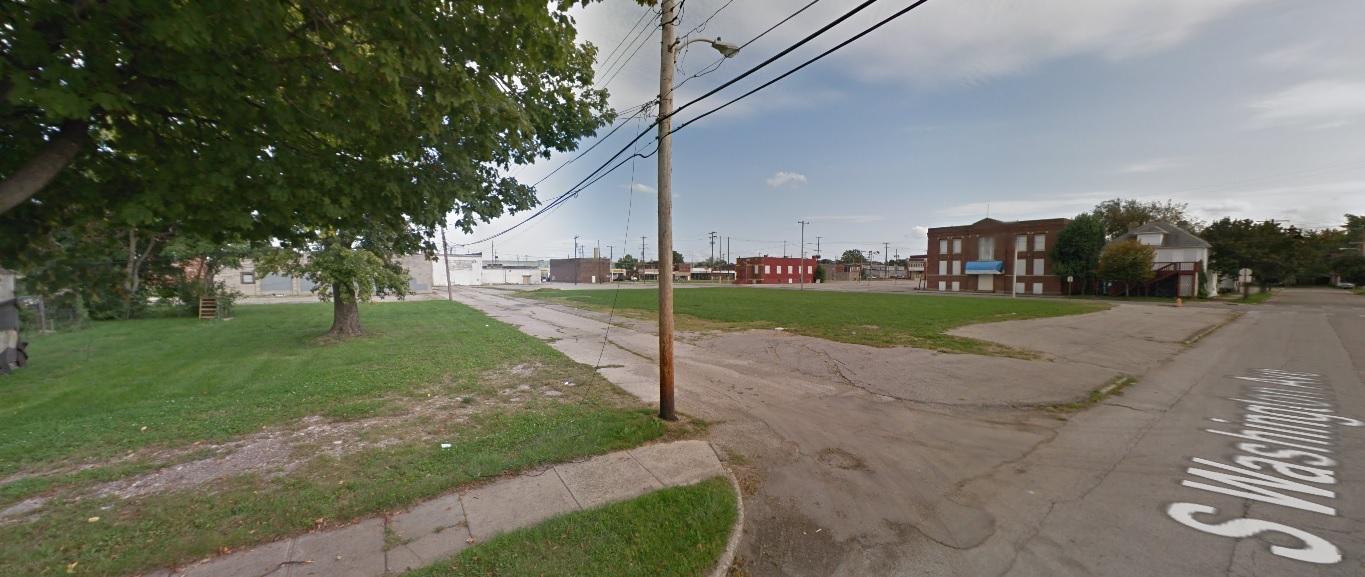
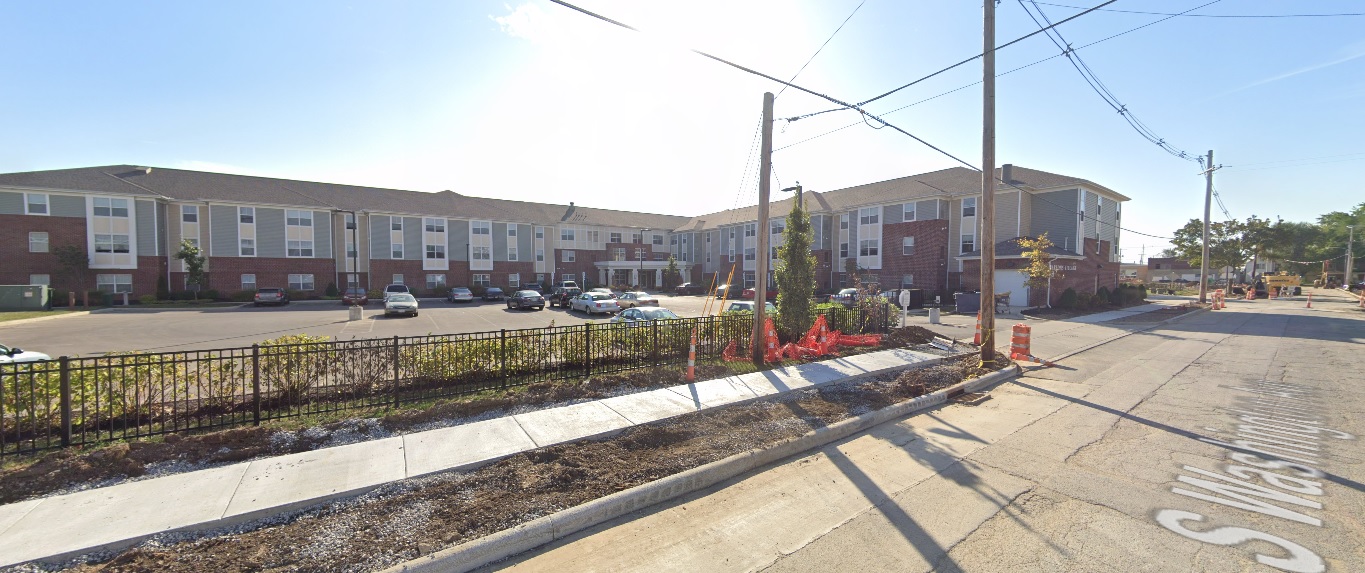
Washington Avenue, looking southeast from Innis Avenue Before: 2011 After: 2020
Front Street, looking south at Whittier Street Before: 2011 After: 2021
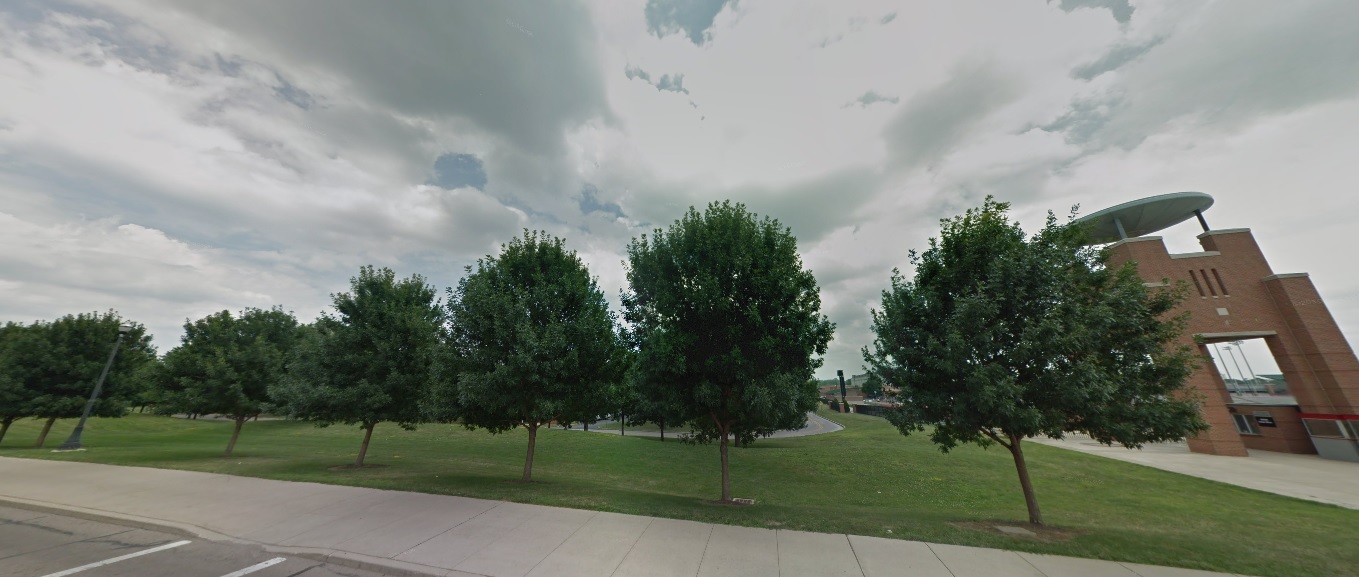
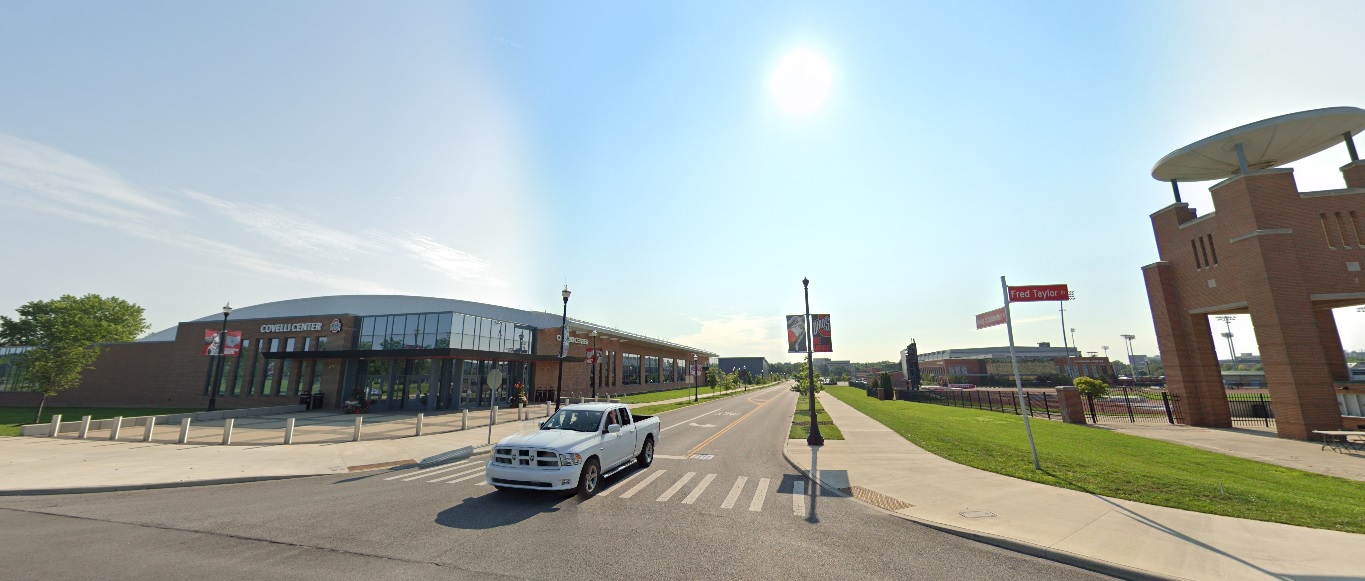
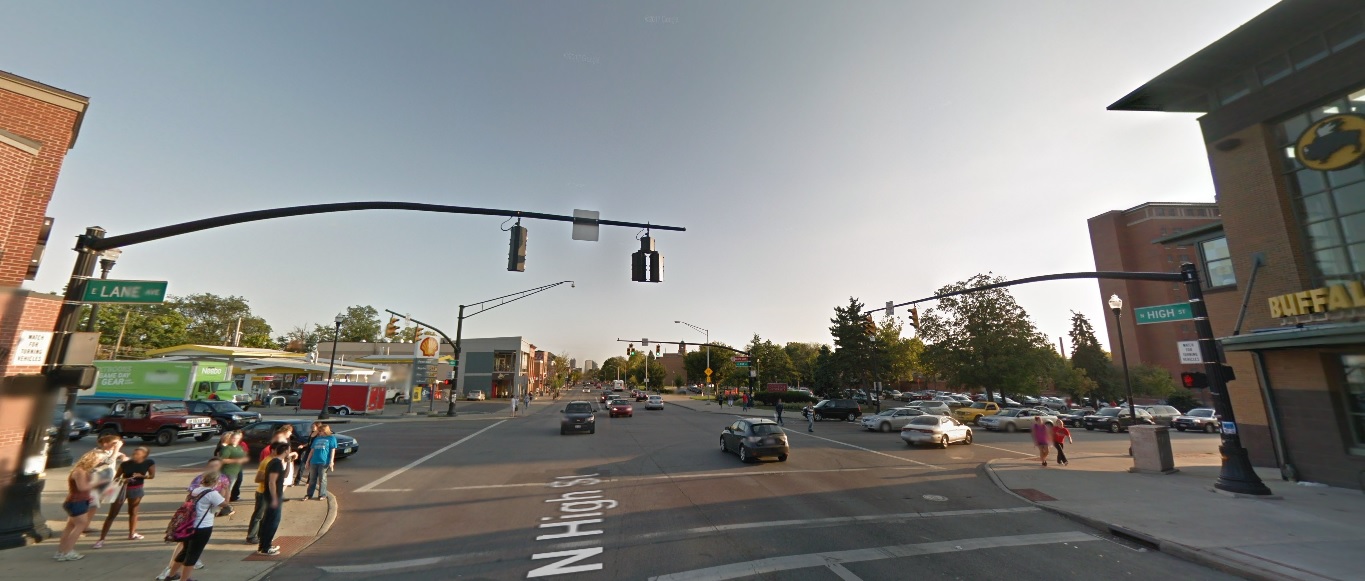
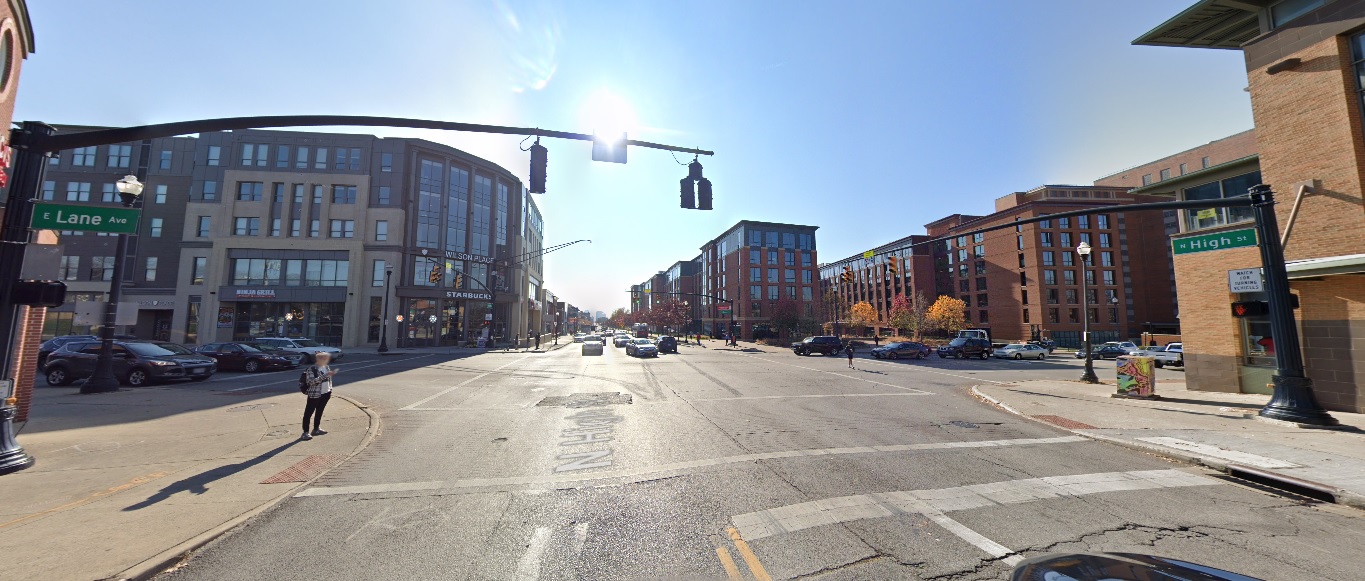
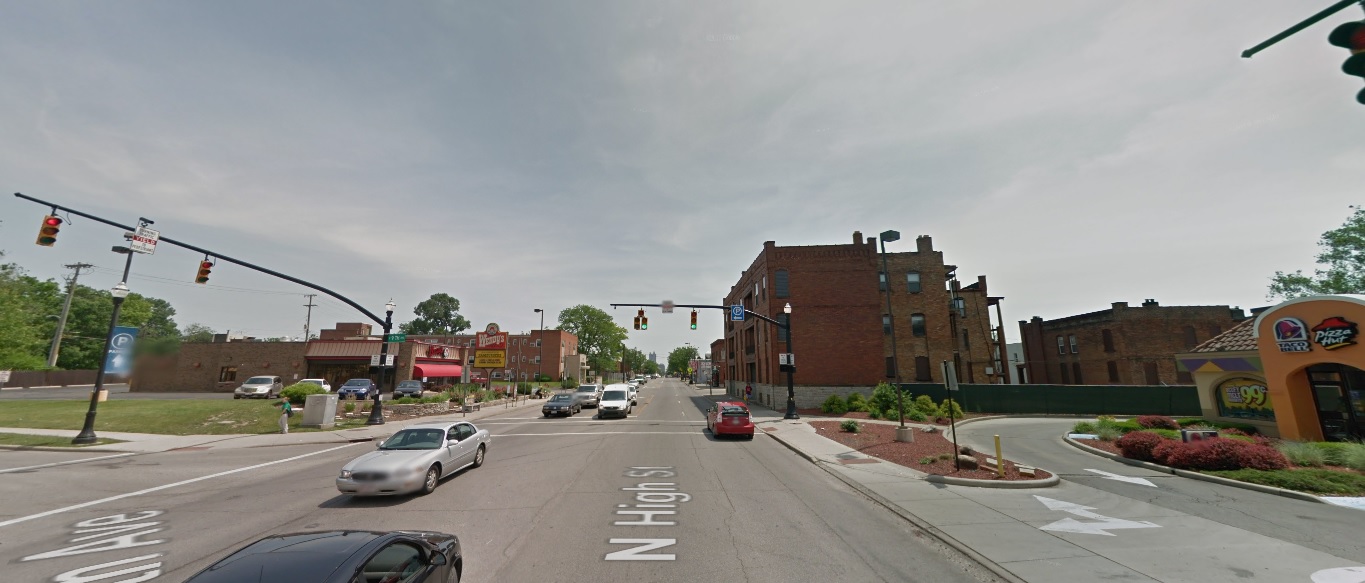
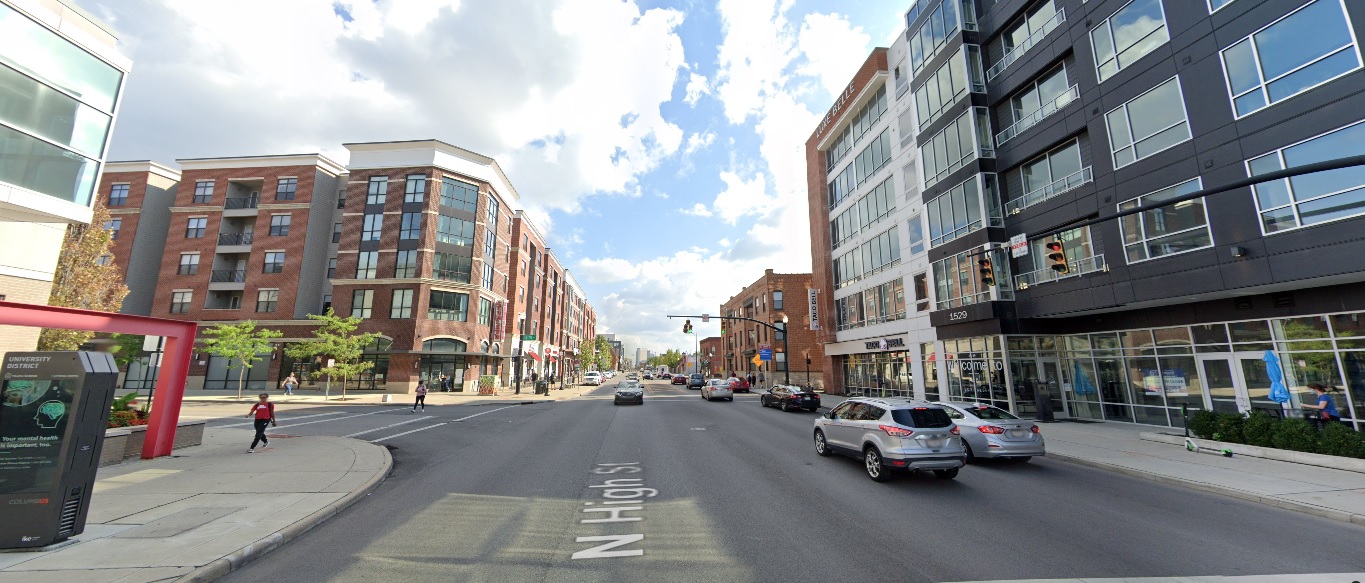
Campus High Street, looking south from Lane Avenue Before: 2011 After: 2020
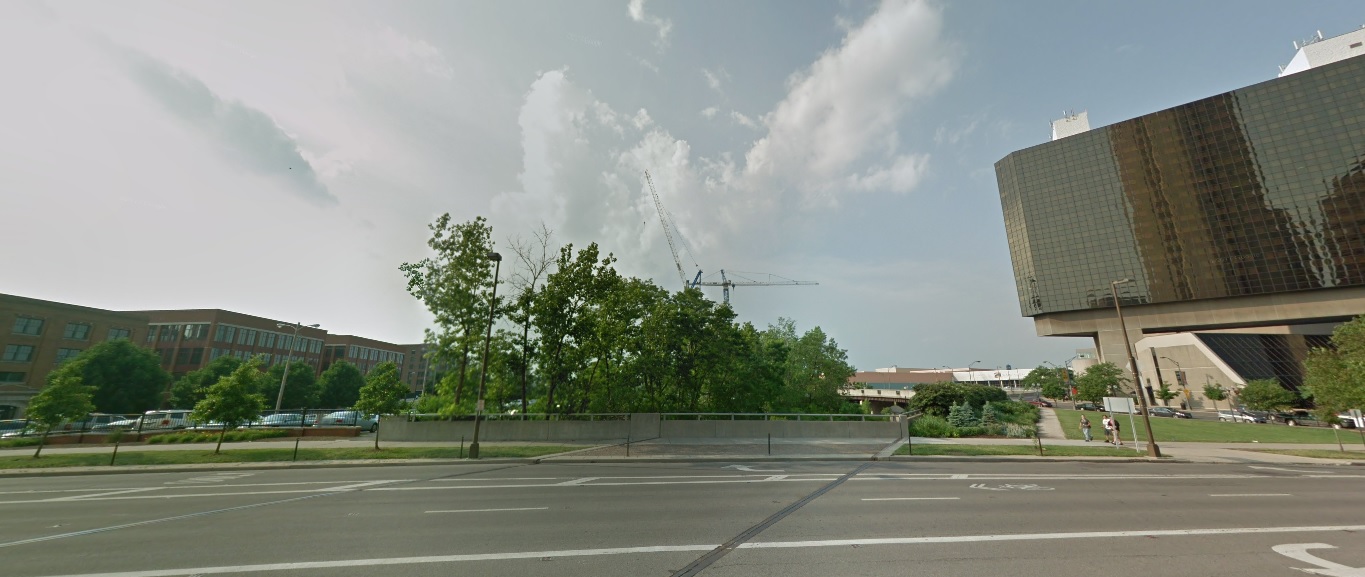
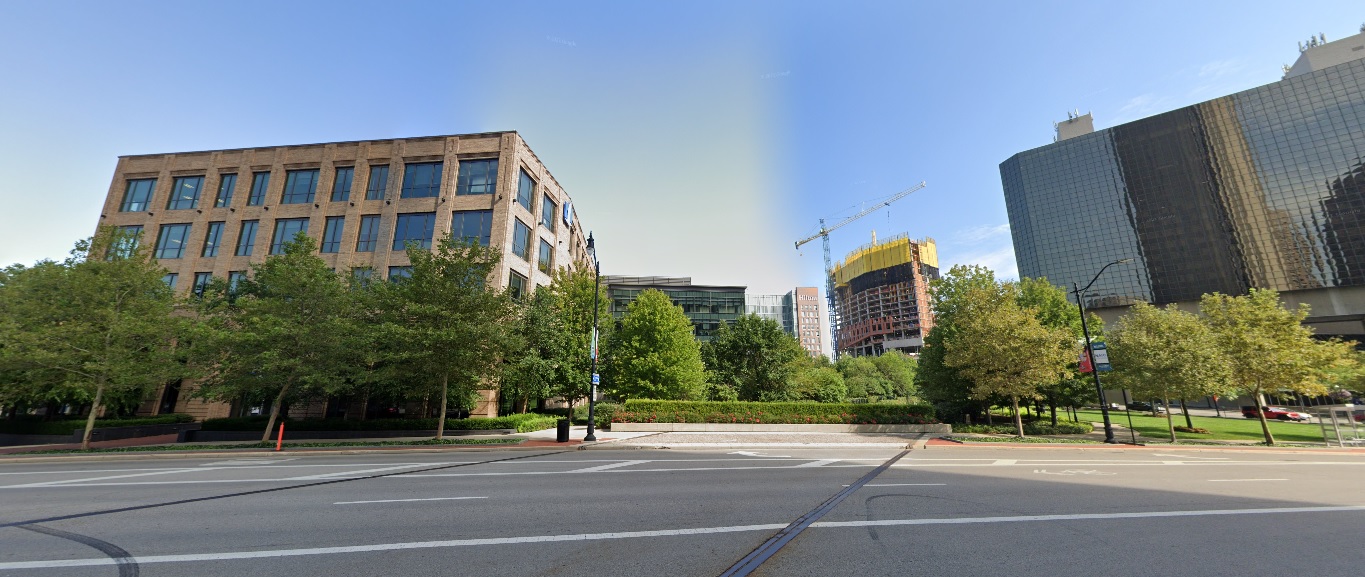
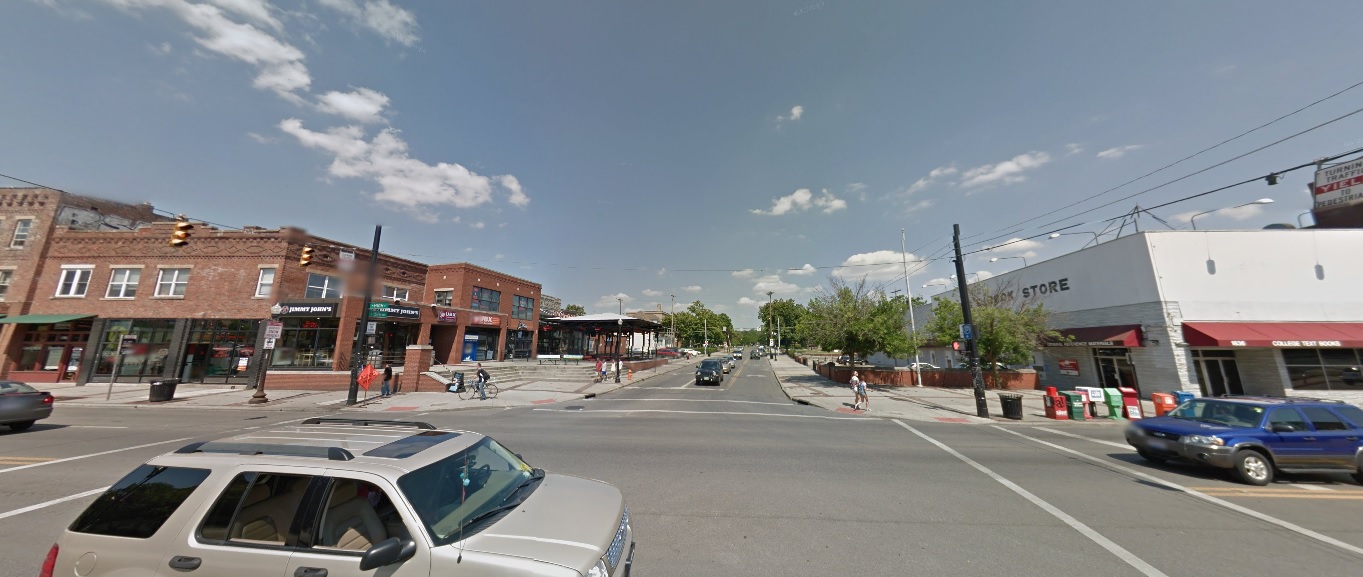
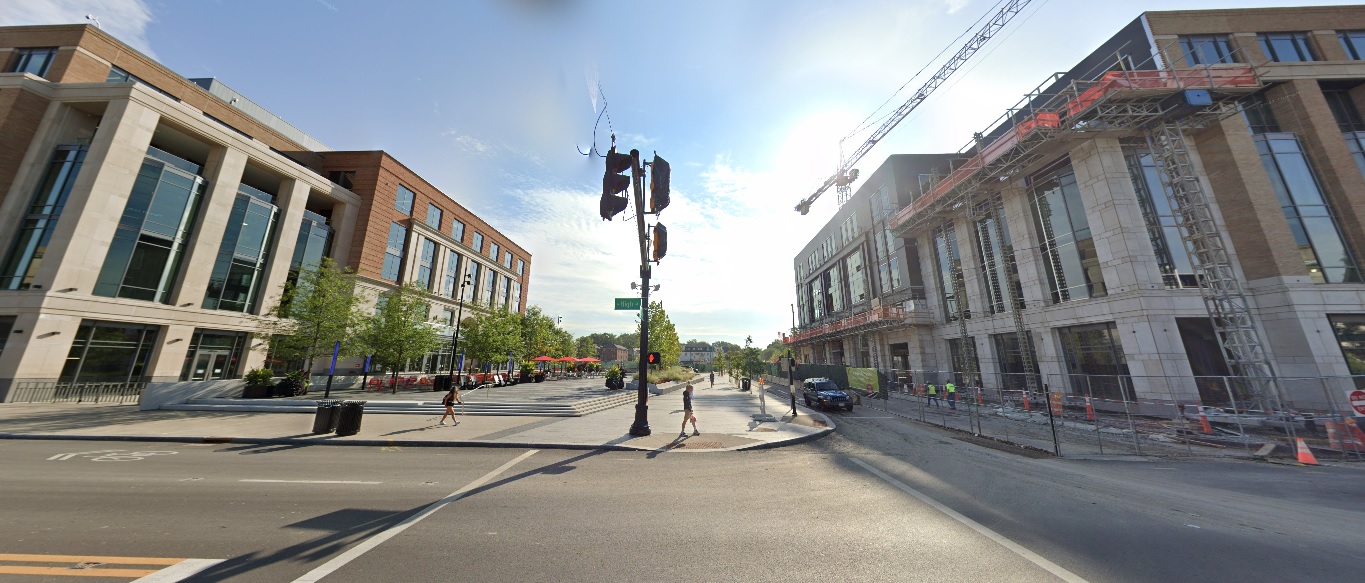
High Street, looking south from 8th Avenue Before: 2011 After: 2021
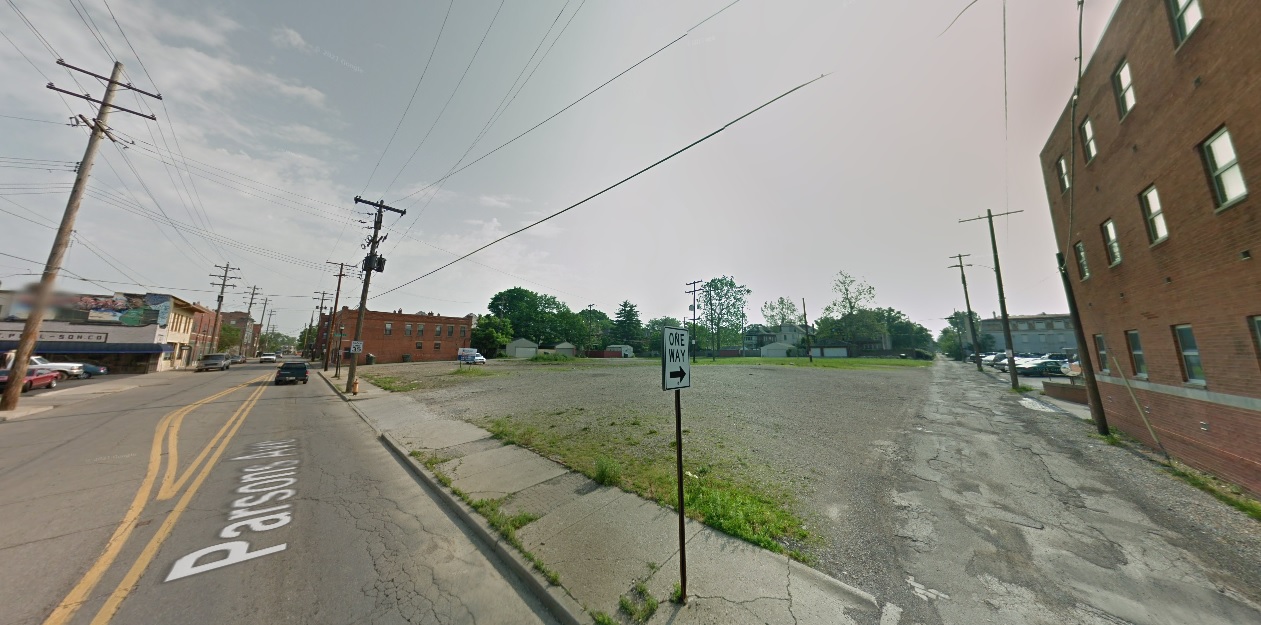
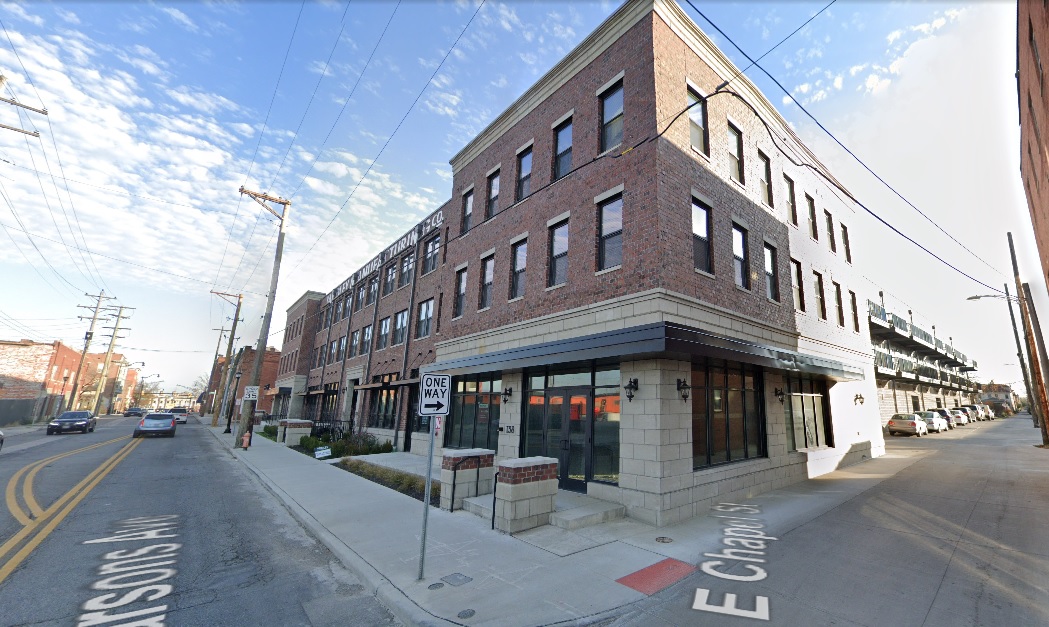
West Side Parsons Avenue, looking northeast from Chapel Street Before: 2011 After: 2020
Champion Avenue, looking northwest at Phale D. Hale Drive Before: 2011 After: 2021
17th Avenue, looking north from Gay Street Before: 2011 After: 2020
Broad Street, looking northeast west of Woodland Avenue Before: 2011 After: 2021
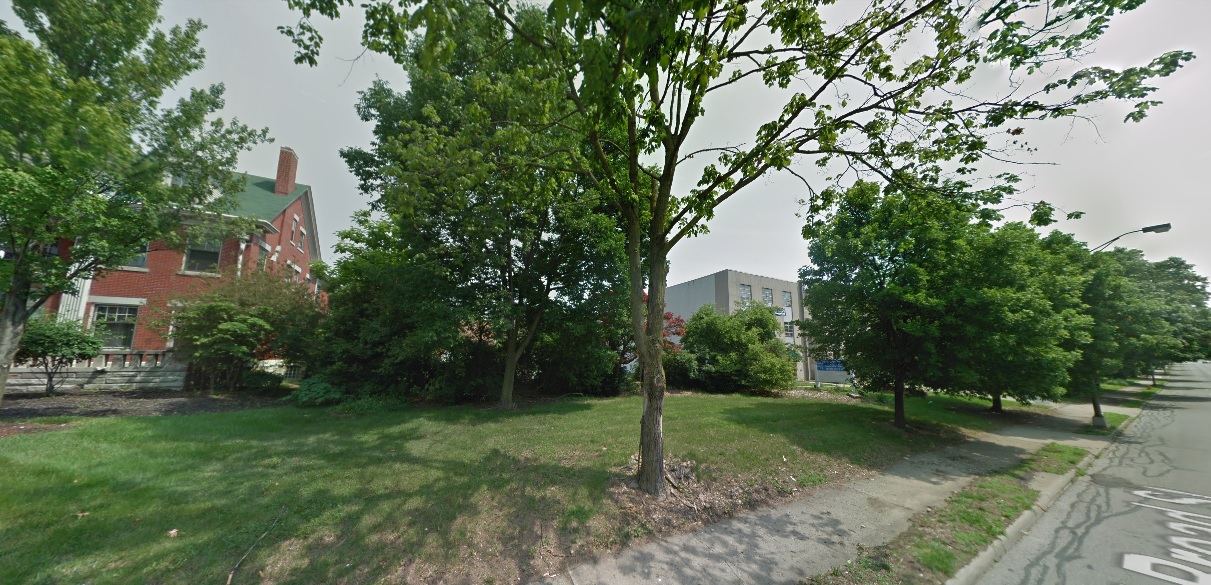
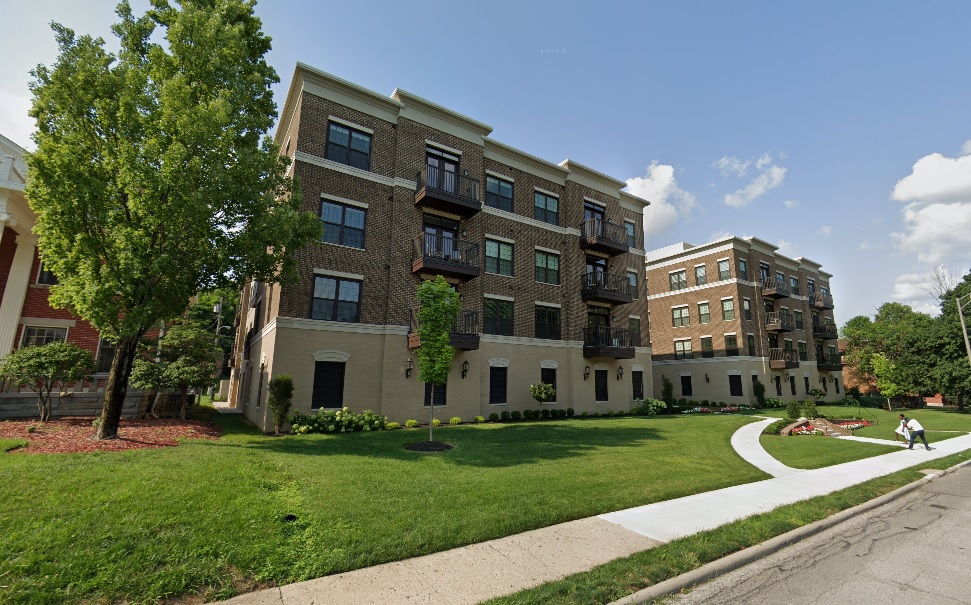
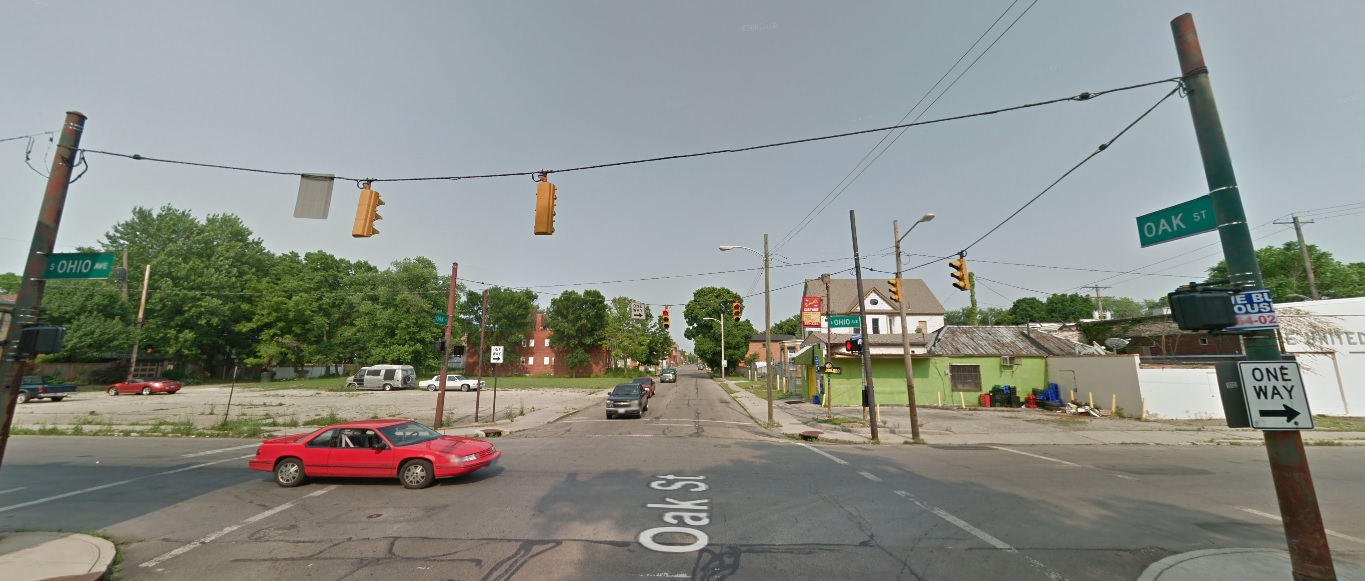
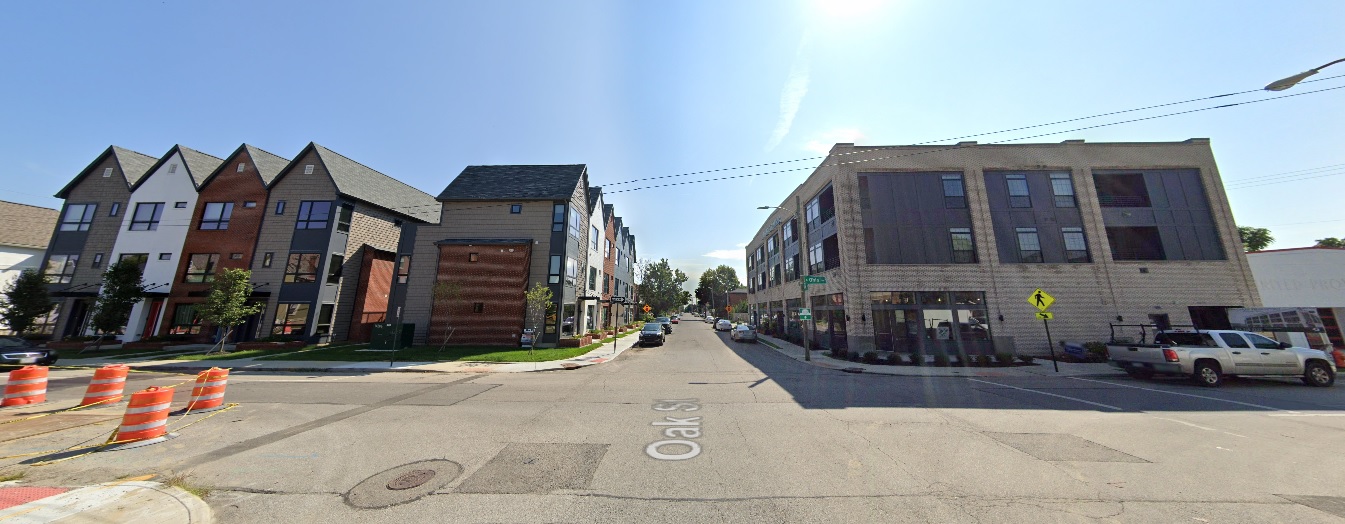
Oak Street, looking east from Ohio Avenue Before: 2011 After: 2021
These images represent just a small fraction of the development and changes that have occurred in and around the city, and don’t even include the large developments in suburban areas like Grandview Yard in Grandview or Bridge Park in Dublin. The next 10 years looks to be even more significant, with new mixed-use towers for Downtown, potential skyscrapers for Easton, and large numbers of infill development projects continuing in central neighborhoods from Franklinton to Linden to the South Side. With them, the city will continue to grow more dense and more vibrant and- with any luck- will also help spur much needed change to Columbus’ underwhelming transit system.
These Columbus development links show many of the projects seen in the photos, as well as projects that are still just in the proposal stages. The City provides a master list of area development commissions to keep track of the latest proposals.
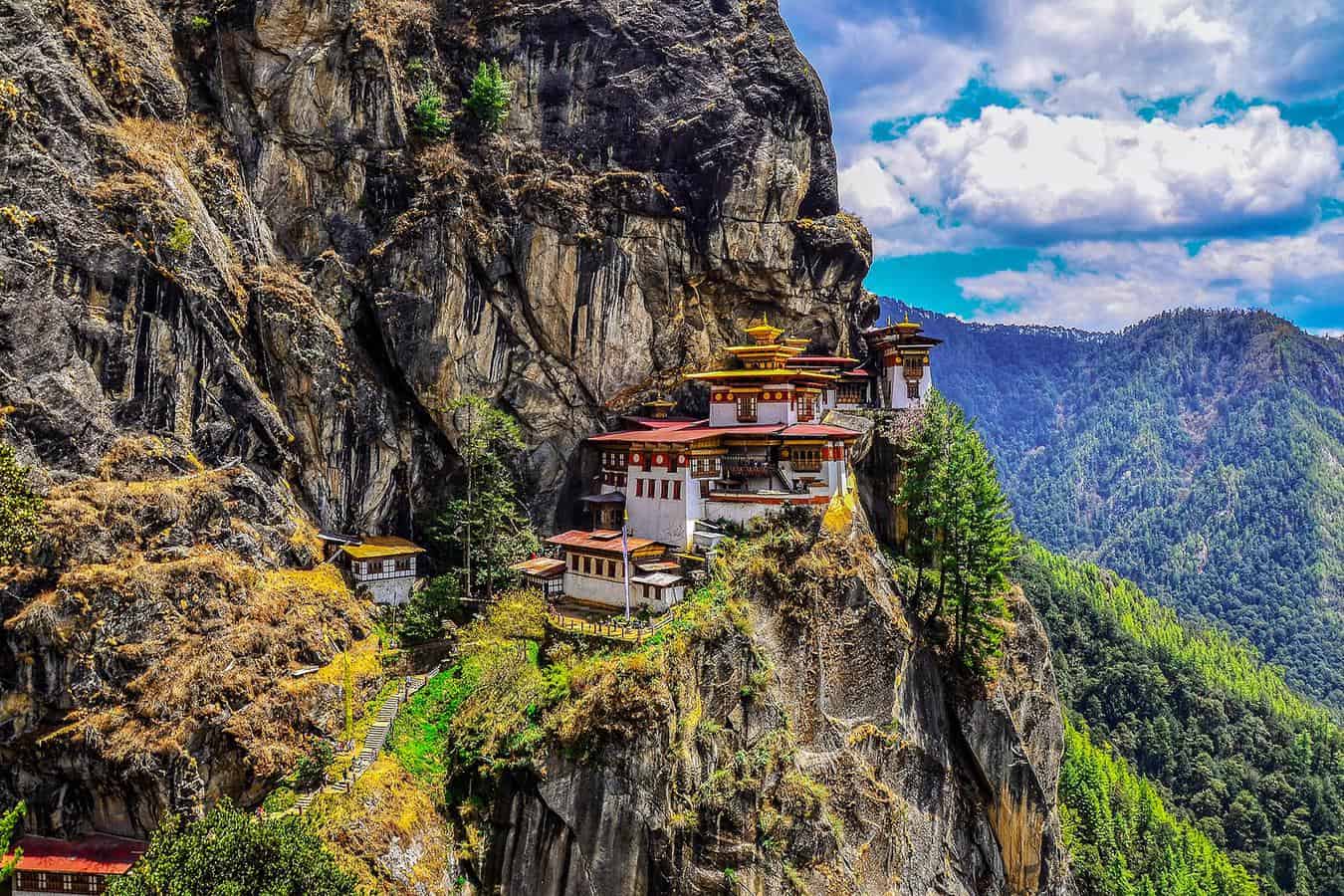
In the last few decades, the Columbus Bhutanese community has grown into one of the largest in the world outside of Bhutan, itself. Many of these immigrants were resettled in other parts of Canada and the US, but an increasing number of them have made their way to Columbus and Central Ohio. According to the Bhutanese Community of Central Ohio, the area’s Bhutanese population now numbers upwards of 27,000, and projected to surpass 30,000 over the next few years.
This community has already made a local impact, opening new restaurants, shops and cultural and religious centers across the city and region.
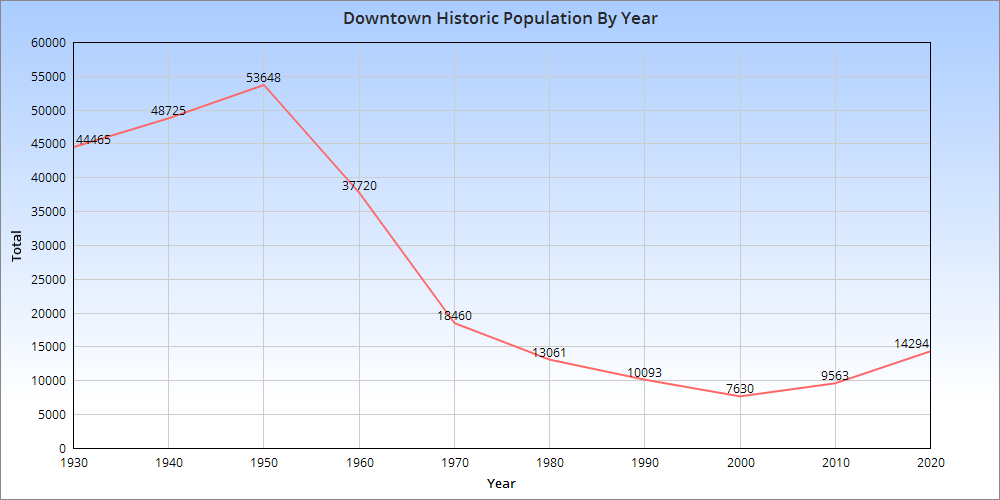
With the latest US Census data for 2020, we can once again take a closer look at how the Downtown area is doing.
Looking at the graph above, we can see that the Downtown population peaked in 1950 and declined through 2000. The last 20 years have seen accelerating growth and the population was the highest in 2020 since 1970. One caveat with this is that the census tract boundaries that are used to make up this graph have changed some over the years. They haven’t changed significantly, but the area that’s being covered in 2020 is slightly different than it was in 1950. As such, it’s more of an approximation per year rather than exact figures based on the exact same area. Still, the rapid decline after 1950 is well-documented. Highways were either being planned or already under construction through the neighborhood during the 1950s, and this also helped the beginning stages of the suburban flight from the urban core.
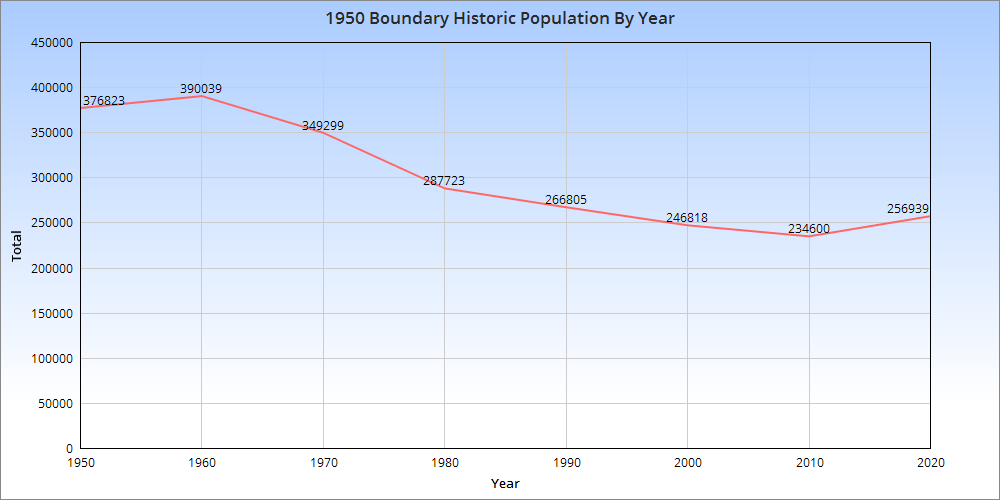
The urban core of the city overall reached its population peak in 1950, and the 1950 boundaries represent the oldest, arguably most urban part of the city today. Let’s examine how the population within that boundary changed over the same time. The 1950 boundary peaked in 1960 and then declined through 2010. Between 2010-2020, the 1950 boundary area gained more than 22,000 new residents, a significant increase which puts the area back to where it was around 1995.
So in both cases, the urban core of Columbus is in recovery, though it is unlikely to ever regain its 1950 population. Average household size is much smaller now than it was 70 years ago, so it would require a massive amount of infill that would be far denser than much of what is getting built in recent years. Outdated zoning codes, among other reasons, have been limiting many projects in the urban core from reaching their potential.
Breaking things down a bit further, let’s look at the census tracts that made up the 1950 boundary in 2020 and rank them for population and growth.
Top 10 Fastest-Growing 1950 Boundary Census Tracts by Total 2010-2020 1. 1121: +4,831 The tract is the main OSU Campus. The explosive growth is mostly due to the recent requirement that sophomores also have to now live on Campus, prompting thousands of students to move to the tract from nearby neighborhoods. 2. 4002: +2,592 This new tract was split off of Tract 40 and includes the southwest area of Downtown, including RiverSouth. 3. 22: +2,428 This tract is the heart of Italian Village and includes the large, new Jeffrey Park development. 4. 1901: +2,028 Includes the 5th Avenue corridor to just east of 5thxNW. 5. 32: +1,353 This tract covers the southern part of Victorian Village/Harrison West, as well as the far western sections of the Arena District where the new White Castle HQ complex is. 6. 17: +1,290 Western Weinland Park, which has seen rapid revitalization in recent years. 7. 30: +1,084 This area includes all of the norther half of Downtown north of Broad Street and west to Neil Avenue in the Arena District. 8. 16: +717 Eastern Weinland Park, which has seen hundreds of new housing units constructed along and near Grant Avenue. 9. 1902: +653 Includes the 5th Avenue corridor through 5thxNW. 10. 21: +648 The heart of the High Street strip in the Short North continued to add people. It reached its highest population in 60 years.
Top 10 Tracts with the Highest Population Densities in 2020 1. 1121: 34,888.8 2. 1810: 28,351.1 3. 1302: 24,740.7 4. 1301: 20,549.1 5. 17: 20,158.6 6. 12: 20,069.6 7. 1110: 18,353.2 8. 10: 16,260.2 9. 16: 12,675.6 10. 21: 12,196.7 All of these tracts are either in the Short North or surrounding Ohio State’s campus. They include the highest densities anywhere in Ohio.
So there you have it. The urban core of Columbus is clearly on a positive path. So long as infill development continues, population growth should also continue to increase. Perhaps someday, this increasing population and density may facilitate the construction of more amenities, including rail lines, BRT and more biking infrastructure, all of which lags in the area. To see Census Tract data in map form, the Census Tract Maps page provides it.