March 7-8, 2008- Columbus’ Greatest Snowstorm


Repost

The March, 2008 Columbus snowstorm was a historic and memorable event that will likely not be surpassed for a very long time, if ever. More than one week prior to the Blizzard of 2008, models had been hinting at a significant storm somewhere in the eastern US. Initially, models took the storm up the East Coast, but as the storm neared, models moved it further and further west and settled upon a track just west/just along the spine of the Appalachians. The track waffled for days, but never strayed far from the Appalachian track. Because the storm was originating near the Gulf of Mexico, models were showing the storm pulling vast amounts of moisture north into cold air over the Ohio Valley. Simply put, the track and conditions were being forecast to be perfect for a significant Ohio snowstorm.

Local forecasters, however, weren’t buying it… at least not at first. Four days before the storm, neither the NWS nor the television forecasters were calling for a significant event. The winter of 2007-08 had brought several storm busts, and none of them seemed ready to buy into another one. So right up to 24-36 hours before the event began, most forecasters were calling for 6″ maximum north and west of the I-71 corridor with a mix along the corridor and mostly rain to the south and east.

At 4AM on March 6th, the National Weather Service issued a Winter Storm Watch for parts of Ohio, including Central Ohio. The Watch called for 5″-10″ northwest of I-71, with lesser amounts along 71 due to a predicted changeover to sleet and freezing rain and far less just to the south and east.

URGENT – WINTER WEATHER MESSAGE
NATIONAL WEATHER SERVICE WILMINGTON OH
353 AM EST THU MAR 6 2008

INZ050-058-059-066-073>075-080-KYZ089>095-OHZ026-034-035-042>046-
051>056-060>063-070>072-077-078-061700-
/O.NEW.KILN.WS.A.0005.080307T1200Z-080309T0000Z/
WAYNE-FAYETTE IN-UNION IN-FRANKLIN IN-RIPLEY-DEARBORN-OHIO-
SWITZERLAND-CARROLL-GALLATIN-BOONE-KENTON-CAMPBELL-OWEN-GRANT-
HARDIN-MERCER-AUGLAIZE-DARKE-SHELBY-LOGAN-UNION OH-DELAWARE-MIAMI-
CHAMPAIGN-CLARK-MADISON-FRANKLIN OH-LICKING-PREBLE-MONTGOMERY-
GREENE-FAYETTE OH-BUTLER-WARREN-CLINTON-HAMILTON-CLERMONT-
INCLUDING THE CITIES OF…RICHMOND…CONNERSVILLE…LIBERTY…
BROOKVILLE…VERSAILLES…LAWRENCEBURG…RISING SUN…VEVAY…
CARROLLTON…WARSAW…BURLINGTON…INDEPENDENCE…ALEXANDRIA…
OWENTON…WILLIAMSTOWN…KENTON…CELINA…WAPAKONETA…
GREENVILLE…SIDNEY…BELLEFONTAINE…MARYSVILLE…DELAWARE…
PIQUA…URBANA…SPRINGFIELD…LONDON…COLUMBUS…NEWARK…
EATON…DAYTON…XENIA…WASHINGTON COURT HOUSE…HAMILTON…
LEBANON…WILMINGTON…CINCINNATI…MILFORD
353 AM EST THU MAR 6 2008

…WINTER STORM WATCH IN EFFECT FROM FRIDAY MORNING THROUGH
SATURDAY EVENING…

THE NATIONAL WEATHER SERVICE IN WILMINGTON HAS ISSUED A WINTER
STORM WATCH…WHICH IS IN EFFECT FROM FRIDAY MORNING THROUGH
SATURDAY EVENING.

LOW PRESSURE WILL DEVELOP IN THE LOWER MISSISSIPPI VALLEY LATE
TONIGHT AND LIFT NORTHEAST INTO THE TENNESSEE AND OHIO VALLEYS
FRIDAY AND SATURDAY. SNOW WILL OVERSPREAD THE REGION FROM THE
SOUTH ON FRIDAY MORNING. THE SNOW WILL LIKELY MIX WITH OR
CHANGE OVER TO SLEET AND FREEZING RAIN FRIDAY AFTERNOON AND
EVENING ALONG AND TO THE EAST OF THE INTERSTATE 71 CORRIDOR FROM
CINCINNATI TO COLUMBUS. AS COLDER AIR FILTERS BACK INTO THE
REGION…ANY MIXED PRECIPITATION WILL CHANGE BACK TO ALL SNOW
FRIDAY NIGHT AND CONTINUE INTO SATURDAY. MINOR ICE ACCUMULATIONS
ON TREES AND POWER LINES WILL BE POSSIBLE. PRECIPITATION WILL
REMAIN MOSTLY ALL SNOW WEST OF THE INTERSTATE 71 CORRIDOR. 5 TO 10
INCHES OF SNOW WILL BE POSSIBLE IN THESE AREAS…WITH LIGHTER
AMOUNTS FURTHER EAST WHERE SNOW MIXES WITH FREEZING RAIN AND
SLEET.

THE EXACT PATH AND STRENGTH OF THE SYSTEM IS STILL IN QUESTION.
IF THE SYSTEM MOVES FARTHER WEST MORE WARM AIR WILL LIFT INTO THE
REGION…CAUSING LOWER SNOWFALL TOTALS AND MORE MIXED PRECIPITATION.
IF THE SYSTEM SLIDES FARTHER EAST…LESS MIXED PRECIPITATION WOULD
OCCUR AND SNOWFALL TOTALS WOULD BE HIGHER.

The Watch above did acknowledge that less mix could lead to higher totals, but nothing to the degree that would eventually fall. By later on the afternoon of the 6th, Watch totals did begin to creep up somewhat to 6″-10″ for the I-71 corridor, but the forecast still called for significant icing.

A Winter Storm Warning was finally issued at 4:30AM on March 7th, just hours before the snow would begin to fall.

OHZ045-046-053>056-062-063-071-072-078-071745-
/O.UPG.KILN.WS.A.0005.080307T1200Z-080309T0000Z/
/O.NEW.KILN.WS.W.0006.080307T1700Z-080308T2100Z/
UNION OH-DELAWARE-CLARK-MADISON-FRANKLIN OH-LICKING-GREENE-
FAYETTE OH-WARREN-CLINTON-CLERMONT-
INCLUDING THE CITIES OF…MARYSVILLE…DELAWARE…SPRINGFIELD…
LONDON…COLUMBUS…NEWARK…XENIA…WASHINGTON COURT HOUSE…
LEBANON…WILMINGTON…MILFORD
436 AM EST FRI MAR 7 2008

…WINTER STORM WARNING IN EFFECT FROM NOON TODAY TO 4 PM EST
SATURDAY…

THE NATIONAL WEATHER SERVICE IN WILMINGTON HAS ISSUED A WINTER
STORM WARNING…WHICH IS IN EFFECT FROM NOON TODAY TO 4 PM EST
SATURDAY.

LIGHT SNOW WILL OVERSPREAD THE REGION LATE THIS MORNING. THE SNOW
WILL BECOME HEAVIER THIS AFTERNOON…AND LAST THROUGH SATURDAY
AFTERNOON. FIVE TO SEVEN INCHES OF SNOW IS EXPECTED
TONIGHT…WITH AN ADDITIONAL FIVE TO SEVEN INCHES FALLING SATURDAY
MORNING. SNOW WILL TAPER OFF AND END SATURDAY AFTERNOON. IN
ADDITION…NORTH WINDS AT 20 TO 30 MPH WITH HIGHER GUSTS WILL
CAUSE SIGNIFICANT BLOWING AND DRIFTING…AND LIMIT VISIBILITIES TO
NEAR ZERO AT TIMES. BY LATE SATURDAY AFTERNOON…A FOOT OR MORE OF
SNOW IS EXPECTED WITH DRIFTS OVER TWO FEET.

The Warning abandoned all mention of mixing as models came in colder, and totals were now predicted to be at least a foot in the Columbus area with near blizzard conditions.


My personal account of the storm:

On Thursday, March 6th, I worked a 12-hour day at my store. Customers were talking about forecasts of 4-8″, which in central Ohio is significant in and of itself. We typically get one or two 6″ storms, but rarely up to 8″ and almost never more than that. In fact, in all of Columbus history, there have been less than a dozen snow events that broke double digits. Still, in the talking there were whispers that the storm would be more significant. By Thursday night when I arrived home, I discovered the radar was lit up over the South with a growing area of precipitation heading north. Temperatures had already cooled into the low 30s as a cold front had moved through during the day. Forecasts had changed late in the afternoon, and there were many calls of 6-10″ along I-71 by Sunday.

Friday, March 7th was my day off, and I woke up before 8am in the excitement and inticipation of the impending snow. The radar was showing returns north of the Ohio River then and it was already snowing in Cincinnati. Finally, at 9:05am, flurries began to fall and quickly intensified to a steady, windblown snow. A 9:30, I left the house to go to the store. By the time I reached it, the snow had turned heavy and was accumulating quickly. Visibility had dropped to a 1/4 mile at times and many roads were already snowcovered by the time I reached home.

The snow continued throughout the day and forecasts kept changing. At 3:30PM, the Winter Storm Warning was upgraded to a Blizzard Warning for the entire area until 4PM the following day.

URGENT – WINTER WEATHER MESSAGE
NATIONAL WEATHER SERVICE WILMINGTON OH
325 PM EST FRI MAR 7 2008

…EXTREME WINTER WEATHER CONDITIONS EXPECTED THROUGH SATURDAY AFTERNOON…

.A MAJOR WINTER STORM WILL CONTINUE TO AFFECT THE OHIO VALLEY
OVERNIGHT INTO SATURDAY. THIS STORM WILL HIT AS A ONE TWO PUNCH.
THE INITIAL PUNCH TODAY…FOLLOWED BY A BRIEF LULL IN THE SNOW
INTENSITY THIS EVENING…BEFORE PICKING UP IN INTENSITY AGAIN
OVERNIGHT WHEN STRONG LOW PRESSURE WILL COMBINE WITH AN UPPER
LEVEL DISTURBANCE TO BRING A SECOND ROUND OF HEAVY SNOW TO THE
REGION. WINDS WILL GUST UP TO 40 MPH AT TIMES OVERNIGHT…THESE
WINDS COMBINED WITH SNOW AND BLOWING SNOW WILL CAUSE EXTREME
WINTER WEATHER CONDITIONS.

INZ066-073>075-080-KYZ089>099-OHZ026-043>046-051>056-060>065-
070>073-077>080-082-080430-
/O.CAN.KILN.WS.W.0006.000000T0000Z-080308T2100Z/
/O.NEW.KILN.BZ.W.0001.080307T2025Z-080308T2100Z/
FRANKLIN IN-RIPLEY-DEARBORN-OHIO-SWITZERLAND-CARROLL-GALLATIN-
BOONE-KENTON-CAMPBELL-OWEN-GRANT-PENDLETON-BRACKEN-ROBERTSON-
MASON-HARDIN-SHELBY-LOGAN-UNION OH-DELAWARE-MIAMI-CHAMPAIGN-CLARK-
MADISON-FRANKLIN OH-LICKING-PREBLE-MONTGOMERY-GREENE-FAYETTE OH-
PICKAWAY-FAIRFIELD-BUTLER-WARREN-CLINTON-ROSS-HAMILTON-CLERMONT-
BROWN-HIGHLAND-PIKE-
INCLUDING THE CITIES OF…BROOKVILLE…VERSAILLES…
LAWRENCEBURG…RISING SUN…VEVAY…CARROLLTON…WARSAW…
BURLINGTON…INDEPENDENCE…ALEXANDRIA…OWENTON…WILLIAMSTOWN…
FALMOUTH…BROOKSVILLE…MOUNT OLIVET…MAYSVILLE…KENTON…
SIDNEY…BELLEFONTAINE…MARYSVILLE…DELAWARE…PIQUA…URBANA…
SPRINGFIELD…LONDON…COLUMBUS…NEWARK…EATON…DAYTON…
XENIA…WASHINGTON COURT HOUSE…CIRCLEVILLE…LANCASTER…
HAMILTON…LEBANON…WILMINGTON…CHILLICOTHE…CINCINNATI…
MILFORD…GEORGETOWN…HILLSBORO…PIKETON
325 PM EST FRI MAR 7 2008

…BLIZZARD WARNING IN EFFECT UNTIL 4 PM EST SATURDAY…
…WINTER STORM WARNING IS CANCELLED…

THE NATIONAL WEATHER SERVICE IN WILMINGTON HAS ISSUED A BLIZZARD
WARNING…WHICH IS IN EFFECT UNTIL 4 PM EST SATURDAY. THE WINTER
STORM WARNING HAS BEEN CANCELLED.

A MAJOR WINTER STORM WILL CONTINUE TO AFFECT THE OHIO VALLEY
OVERNIGHT INTO SATURDAY. THIS STORM WILL HIT AS A ONE TWO PUNCH.
THE INITIAL PUNCH TODAY…FOLLOWED BY A BRIEF LULL IN THE SNOW
INTENSITY THIS EVENING…BEFORE PICKING UP IN INTENSITY AGAIN
OVERNIGHT WHEN STRONG LOW PRESSURE WILL COMBINE WITH AN UPPER
LEVEL DISTURBANCE TO BRING A SECOND ROUND OF HEAVY SNOW TO THE
REGION. WINDS WILL GUST UP TO 40 MPH AT TIMES OVERNIGHT. BEFORE
THE STORM ENDS SATURDAY AFTERNOON…YOU CAN EXPECT 10 TO 15 INCHES
OF ACCUMULATION. THE STRONG WINDS COMBINED WITH SNOW AND BLOWING
SNOW WILL CAUSE EXTREME WINTER WEATHER CONDITIONS. THE SNOW AND
BLOWING SNOW WILL REDUCE VISIBILITIES TO NEAR ZERO AT TIMES
CAUSING WHITEOUT…AND BLIZZARD CONDITIONS.

DO NOT TRAVEL UNLESS ABSOLUTELY NECESSARY. CONDITIONS CAN DETERIORATE
RAPIDLY IN BLIZZARD CONDITIONS.

Meanwhile, the snow continued into the evening and overnight hours of the 7th. Although it did lighten somewhat towards midnight, it never completely stopped. By midnight, in any case, 5-7″ had fallen throughout Columbus and central Ohio, which set a daily record.

Saturday, March 8th dawned very wintry. By dawn, no less than 10″ was on the ground and the snow was continuing to fall heavily. Winds were generally sustained near 20mph in the morning and increased during the late morning/early afternoon. Heavy snow and winds combined to create total whiteout conditions at times, and every county along I-71 from Cincinnati to Cleveland went under a level 2 or level 3 snow emergency.

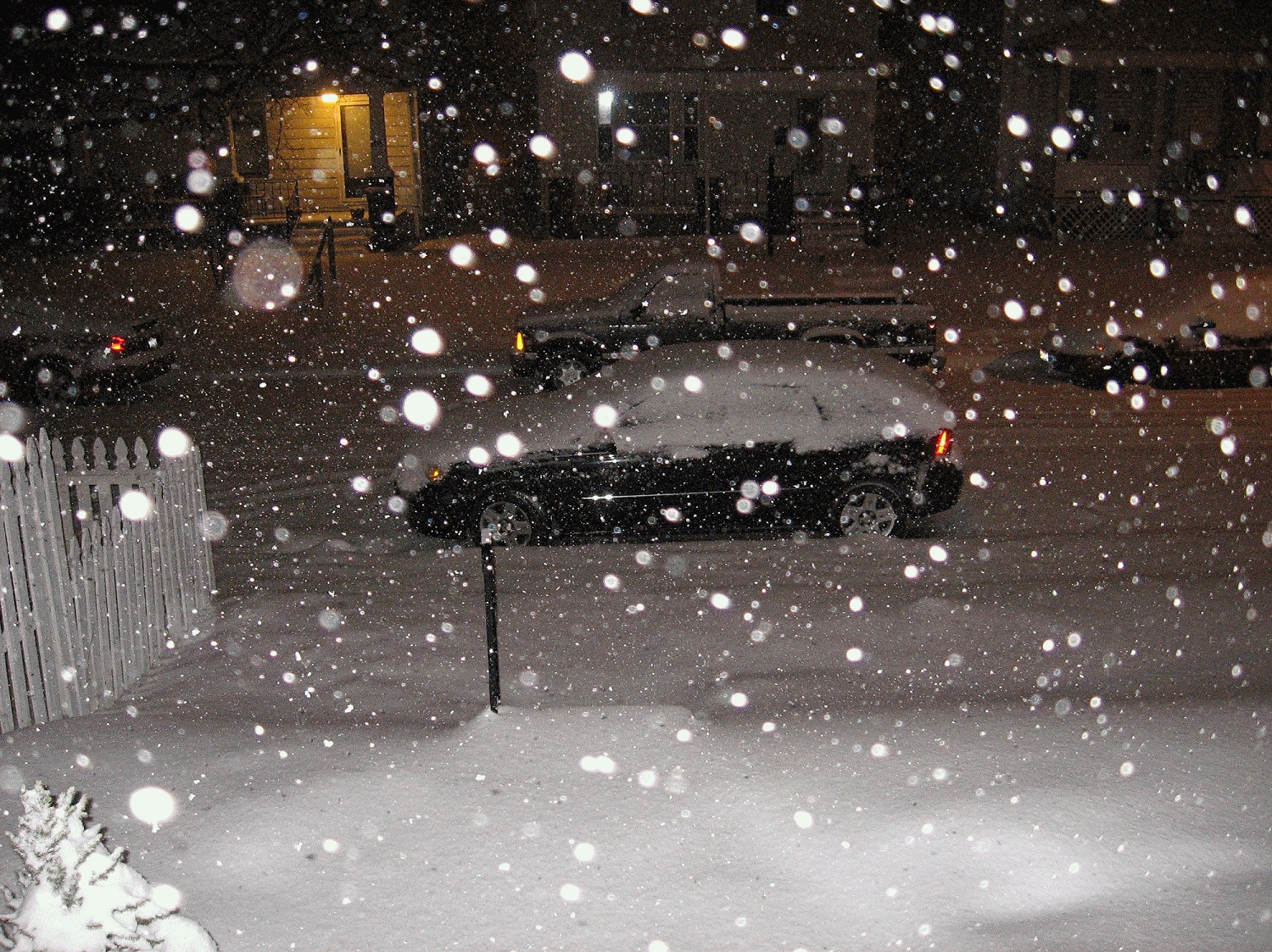
At 11am, I went for a walk in the snow. It was still falling heavily and roads were nearly impassable with deep snow. Cars in some cases were buried in snow.

By 2pm, a break in the snowfall came as the low moved to the east of Ohio. When it moved into New York, wraparound snow moved back into the area for 3-4 more hours before ending by 6:30pm Saturday afternoon. The sun even poked through the clouds as it set, producing a very picturesque and beautiful winter scene. A fitting end to the day.

All in all, it was a record setting snowstorm all across the state. Columbus’ 20.5″ of snowfall, including 15.5″ on Saturday alone, was the greatest snowstorm of all time for the city. It also established the greatest 24-hour snowfall and the greatest snow depth ever recorded for any month at 18″. No part of the state was spared, as all major cities except Toledo had 10″ or more. Drifts of 5-7 feet deep were reported in many areas.

Aside from Columbus’ record, here were some other totals across Ohio.
Cincinnati: 10.7″
Dayton: 15.4″
Lancaster: 17.0″
Akron: 17.1″
Marysville: 15.5″
Chillicothe: 14.0″
Westerville: 15.0″
Grove City: 11.3″
London: 17.0″
Cleveland: 14.8″
Delaware: 13.5″
Springfield: 15.0″
Belletontaine: 11.0″
Circleville: 13.5″

The storm also brought some areas of the state to record territory in total seasonal snowfall.

Incidentally, 30 years and 2 months prior, the Great Blizzard of 1978 struck. It is somewhat of note that Ohio’s greatest blizzards on record occurred during the “8” years. 1918, 1978, and now 2008.

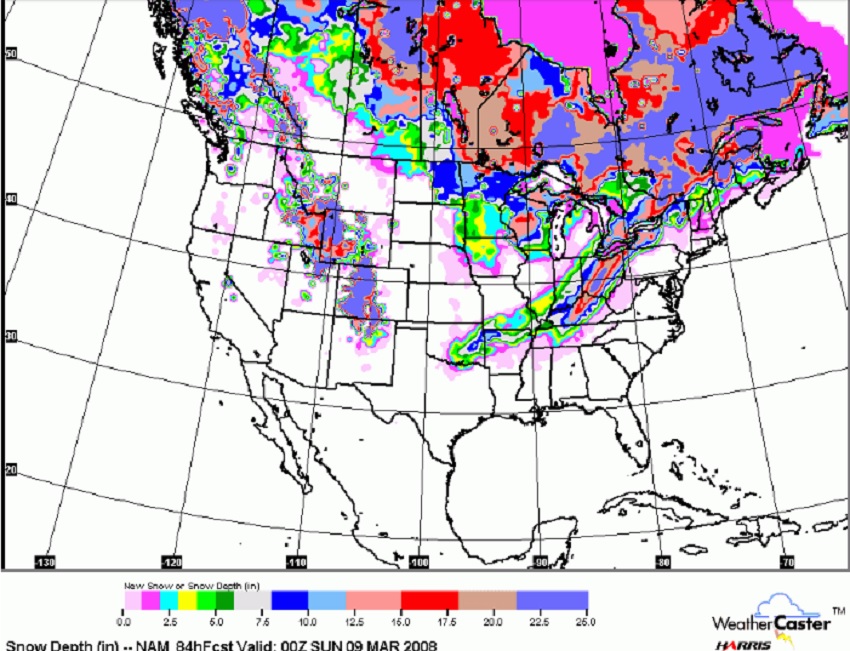
The first image below is a model snow depth forecast ending on March 9th. The second is a photo of the heavy snow in Columbus during the evening of the 7th.
March 7-8, 2008- Columbus' greatest snowstorm

Snow in Hilltop, Columbus.

Here are some videos during the storm.
Cincinnati

Cleveland

Columbus

Historic winter storms from other months and years, along with many more records, can be found under Weather History
And to look up current weather and local forecasts go here: Wilmington National Weather Service

Housing Market Update January 2021


housing market update January 2021 Columbus, Ohio

The Columbus area housing market update January 2021 report is now available! Let’s be honest, the current housing market is extremely tough to navigate right now. This is true not so much for sellers, but rather buyers who are finding it nearly impossible to find a home they like at a good price in the neighborhood they want. There are relatively few homes available on the market, and those that are tend to get tangled in bidding wars that ultimately jack up the average sales price for the whole area.

The cause of this boils down to one critical problem- supply. There just aren’t enough existing homes to meet demand, nor are there nearly enough new homes being built. NIMBYism, local zoning and more issues are generally preventing increased home density in and around Columbus, keeping many potential homebuyers- and renters- struggling to find a place to live.

I haven’t done a breakdown of the Columbus real estate market in some time. Because of the current situation, I thought it would be a good time to take a fresh look.

The data below is from the January market report, the latest one available.

First, let’s look at those local areas that had the most homes for sale.

# of New Listings By County, January 2021
Franklin: 1,291
Delaware: 187
Licking: 157
Fairfield: 129
Union: 64
Pickaway: 47
Madison: 28
Morrow: 27
Perry: 20
Hocking: 16
Perhaps unsurprisingly, Franklin County has the most new listing by far.

Change of New Listings by County January 2020 vs. January 2021
Morrow: +8.0%
Fairfield: -5.8%
Licking: -6.5%
Franklin: -6.6%
Union: -7.2%
Perry: -13.0%
Madison: -20.0%
Pickaway: -23.0%
Delaware: -31.0%
Hocking: -42.9%
New listings were generally down across all but one metro county, a continuing story even before the pandemic.

Average Sales Price by County in January 2021
Delaware: $430,684
Union: $312,742
Fairfield: $265,821
Pickaway: $256,235
Franklin: $253,852
Licking: $234,116
Morrow: $232,393
Madison: $231,396
Perry: $219,053
Hocking: $208,231
All counties saw the average sale price of homes sold exceed the $200K mark, but Delaware County remains the most expensive place to buy a home in the metro.

Change in Average Sales Price by County January 2020 vs. January 2021
Perry: +53.7%
Pickaway: +36.4%
Fairfield: +25.9
Delaware: +23.5%
Franklin: +13.4%
Union: +12.0%
Madison: +9.6%
Licking: +9.0%
Morrow: +8.9%
Hocking: -7.6%
All but Hocking County saw significant year-over-year sales price increases of homes sold.

Now let’s take a look at individual communities. Which ones were the hottest in January 2021?

Local Communities/Areas by New Listings in January 2021
1. Columbus (Overall): 850
2. Columbus City School District (CSD): 579
3. South-Western CSD: 173
4. Olentangy Local School District (LSD) (Delaware): 95
5. Hilliard CSD: 92
6. Westerville CSD: 86
7. Grove City: 77
8. Dublin CSD: 68
9. Pickerington LSD: 59
10. Groveport Madison LSD (Franklin): 56
11. Worthington CSD: 51
12. Gahanna Jefferson CSD: 50
13. Newark CSD: 42
14. Lancaster CSD: 41
15. Delaware CSD: 40
16. Upper Arlington CSD: 40
17. Pataskala: 37
18. Beechwold/Clintonville: 35
19. Gahanna: 35
20. Westerville: 35
21. Hilliard: 35
22. Blacklick: 34
23. Marysville School District: 33
24. Reynoldsburg CSD: 32
25. Dublin: 31
26. Teays Valley LSD (Pickaway): 30
27. Downtown Columbus: 29
28. Pickerington: 27
29. New Albany Plain LSD: 24
30. Short North: 24
31. Big Walnut LSD (Franklin): 22
32. Powell: 22
33. Canal Winchester CSD: 19
34. London CSD: 15
35. German Village: 15
36. New Albany: 14
37. Hamilton LSD (Franklin): 14
38. Buckeye Valley LSD (Delaware: 13
39. Bexley: 11
40. Worthington: 11
41. Granville CSD: 11
42. Obetz: 8
43. Johnstown-Monroe LSD (Licking): 8
44. Circleville CSD: 7
45. Grandview Heights: 7
46. Sunbury: 7
47. Whitehall: 6
48. Jonathan Alder LSD (Madison): 6
49. Jefferson LSD (Madison: 5
50. Minverva Park: 2
51. Valleyview: 1
52. Lithopolis: 0
It’s pretty clear that the number of new listings falls off dramatically outside of Columbus proper. Only a handful of suburban areas had more than 50.


Average Sales Price January 2021, # of Homes Sold and % Change vs. January 2020
1. New Albany: $788,943: 14: +8.4%
2. New Albany Plain LSD: $669,455: 20: +10.2%
3. German Village $637,550: 10: +2.3%
4. Olentangy LSD $494,911: 96: +23.0%
5. Powell: $493,087: 11: +19.2%
6. Granville CSD: $492,045: 6: +31.3%
7. Dublin: $468,902: 37: +17.5%
8. Upper Arlington CSD: $462,594: 26: -9.2%
9. Bexley: $438,288: 13: -17.6%
10. Grandview Heights: $437,010: 6: +8.5%
11. Buckeye Valley LSD: $403,616: 20: +40.9%
12. Downtown: $384,230: 22: -36.4%
13. Dublin CSD: $378,788: 78: +11.8%
14. Johnstown-Monroe LSD: $375,598: 12: +110.8%
15. Short North: $360,830: 10: -8.7%
16. Jonathan Alder LSD: $340,887: 15: +20.7%
17. Big Walnut LSD: $337,550: 14: -8.8%
18. Gahanna Jefferson CSD: $335,621: 34: +19.7%
19. Blacklick: $325,445: 32: +39.7%
20. Sunbury: $318,980: 5: +39.1%
21. Pickerington LSD: $318,093: 40: +28.6%
22. Worthington: $316,625: 8: +7.0%
23. Teays Valley LSD: $315,316: 21: +52.5%
24. Beechwold/Clintonville: $300,780: 43: +15.4%
25. Hilliard: $297,387: 25: +0.9%
26. Worthington CSD: $294,236: 40: +17.5%
27. Pickerington: $282,044: 18: +13.0%
28. Westerville: $279,126: $279,126: -0.9%
29. Hilliard CSD: $277,377: 92: +5.9%
30. Canal Winchester CSD: $276,299: 17: +21.7%
31. Grove City: $272,378: 47: +17.8%
32. Minerva Park: $269,580: 5: +21.2%
33. Westerville CSD: $265,781: 68: -3.3%
34. Obetz: $260,825: 6: +26.4%
35. Gahanna: $255,650: 16: -2.1%
36. Marysville CSD: $254,363: 32: +17.8%
37. Hamilton LSD: $245,750: 4: +85.8%
38. Delaware CSD: $245,526: 31: +21.8%
39. Pataskala: $237,293: 18: +26.8%
40. Lithopolis: $228,125: 4: -1.4%
41. South-Western CSD: $227,266: 131: +17.9%
42. Columbus: $222,124: 761: +17.0%
43. Columbus CSD: $215,256: 507: +20.2%
44. Jefferson LSD: $210,225: 4: -35.5%
45. Reynoldsburg CSD: $203,965: 34: +9.0%
46. Lancaster CSD: $203,095: 44: +37.5%
47. Groveport Madison LSD: $194,690: 43: +30.3%
48. London CSD: $190,733: 14: +43.8%
49. Circleville CSD: $183,546: 13: +5.3%
50. Whitehall: $165,361: 11: +68.6%
51. Newark CSD: $143,241: 51: +15.9%
52. Valleyview: $120,000: 1: N/A
As stated above, most areas in the metro are priced above $200,000 for a house. Columbus overall is still one of the least expensive options. New Albany is really in a league all its own. It should be noted that many of these average price figures are based on relatively few sales. Because available inventory is so low, the average sales price is being pushed higher. However, it is certainly possible to find homes lower- and in some cases, much lower- than the average price. This is especially true in Columbus.

Finally, let’s look at how long for-sale homes actually stay on the market.

Average # of Days Listings Remain on the Market Until Sale, and % Change January 2020 to January 2021
1. Valleyview: 1: N/A No sales occurred in January 2020.
2. Gahanna: 9: -74.3%
3. Groveport Madison LSD: 9: -69.0%
4. Hamilton LSD: 9: -50.0%
5. Worthington: 9: -72.7%
6. Reynoldsburg CSD: 10: -68.8%
7. Obetz: 12: -71.4%
8. Hilliard: 13: -61.8%
9. Worthington CSD: 13: -56.7%
10. Circleville CSD: 14: -76.3%
11. Lithopolis: 14: -61.1%
12. Marysville CSD: 14: -63.2%
13. Minerva Park: 14: +133.3%
14. Pataskala: 14: -46.2%
15. New Albany: 15: -88.9%
16. New Albany Plain LSD: 15: -83.9%
17. Pickerington: 15: -71.7%
18. South-Western CSD: 15: -34.8%
19. Teays Valley LSD: 15: -58.3%
20. Canal Winchester CSD: 17: -73.0%
21. Whitehall: 17: -46.9%
22. Hilliard CSD: 18: -48.6%
23. Lancaster CSD: 18: -52.6%
24. Westerville CSD: 18: -47.1%
25. Delaware CSD: 19: -51.3%
26. Grove City: 19: -36.7%
27. Beechwold/Clintonville: 20: -53.5%
28. Columbus: 21: -30.0%
29. Westerville: 21: -27.6%
30. Newark CSD: 22: -31.3%
31. Pickerington LSD: 22: -45.0%
32. Dublin: 26: -55.9%
33. Buckeye Valley LSD: 27: -44.9%
34. Columbus CSD: 27: -18.2%
35. Dublin CSD: 27: -41.3%
36. Jefferson LSD: 27: -46.0%
37. London CSD: 27: -32.5%
38. Blacklick: 28: -12.5%
39. Grandview Heights: 28: -37.8%
40. Gahanna Jefferson CSD: 29: -23.7%
41. Johnstown Monroe LSD: 29: -12.1%
42. Sunbury: 29: +222.2%
43. Jonathan Alder LSD: 35: -10.3%
44. Short North: 35: -47.8%
45. Big Walnut LSD: 37: -54.3%
46. Bexley: 44: -18.5%
47. Upper Arlington CSD: 46: -17.9%
48. Olentangy LSD: 49: -16.9%
49. Powell: 52: -8.8%
50. Granville CSD: 54: -15.6%
51. German Village: 56: -38.5%
52. Downtown: 96: +242.9%
Only 2 places in the metro saw an increase, with the big one being Downtown. This was most likely due to a few factors- last year’s protests and the pandemic reducing demand close to Downtown jobs. I would expect it to recover somewhat this year and certainly next year. Overall, though, most places saw significant drops in how long homes lasted on the market. Given that these are averages, we know that there were plenty of instances of homes flying off the market in just a few days.

Furthermore, the actual inventory on the market is 30 days or less. This means that if no more homes became available for sale, all the homes on the market would sell out in less than a month. In many cases, the supply would run out in just a few weeks.

Certainly, all these numbers indicate that Columbus itself is still one of the best options for home buying given its lower costs and greater supply, but even there, homes are selling in just a few weeks on average. There’s really been no better time to sell in a long time, but also no worse time to buy. Hopefully, this data provides at least a little insight into the local market and where one might fight the greatest advantages in finding a home. My recommendation is to use every available resource- from realtors to social media- to aid in the search.

You can find full data reports at Columbus Realtors, and links to Columbus area resources at Columbus Links and Resources

Happy hunting!


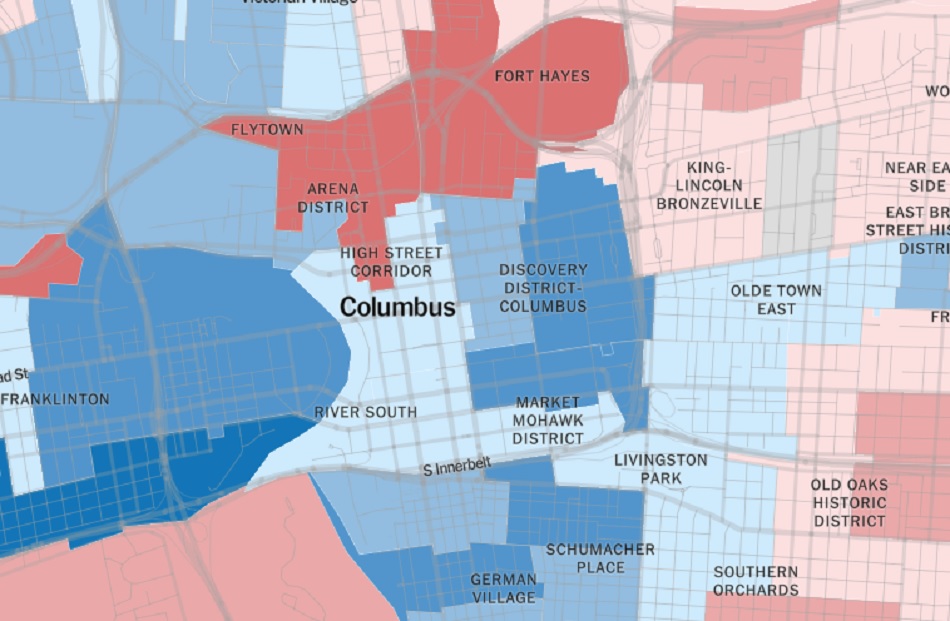
Cool Link: 2020 National Election Results by Precinct


election results by precinct

The New York Times has released a national, interactive map of election results by precinct. You can view voting totals and percentages, as well as whether precincts moved further right or left 2016 to 2020.

NYT Voting Precinct Map

To see more information on local and national election results check out these links:
2020 Ohio County Election Results
US Election Atlas

Follow my blog with Bloglovin

New Year’s Climatology


New Year's climatology

New Years weather has historically been surprisingly tranquil, with some exceptions. Highs have generally been in the 30s or 40s and significant snowfalls have been rare. The records for New Year’s climatology run back to 1878.

New Year’s Eve Normals
High: 37
Low: 24
Mean: 30
Precipitation: 0.09″
Snowfall: 0.2″

New Year’s Day Normals
High: 37
Low: 23
Mean: 30
Precipitation: 0.10″
Snowfall: 0.3″

Temperature Records

Top 10 Coldest New Year’s Eve Highs
1. 1880: 10
2. 1976: 13
3. 1899: 16
4. 1917, 1962: 17
5. 2017: 19
6. 1894, 1998: 23
7. 1881, 1963, 1983, 2001: 24
8. 1914, 1961, 1997: 25
9. 1939, 1946, 2014: 26
10. 1935: 27

Top 10 Coldest New Year’s Day Highs
1. 1928: 8
2. 1968: 10
3. 2018: 11
4. 1977: 12
5. 1900: 16
6. 1969: 17
7. 1898, 1918: 18
8. 1940: 19
9. 1999: 20
10. 1881: 21

Top 10 Coldest New Year’s Eve Lows
1. 1976: -5
2. 1880: -3
3. 1899, 1963: 1
4. 1961, 1962, 2017: 2
5. 1983: 3
6. 1935, 1939: 6
7. 1902, 1917: 7
8. 1878, 1927, 1968: 8
9. 1960, 1967: 10
10. 1914, 2000: 11

Top 10 Coldest New Year’s Day Lows
1. 1968: -6
2. 2018: -2
3. 1928: -1
4. 1881: 0
5. 1977: 1
6. 1945: 2
7. 1940: 3
8. 1898, 1918, 1963: 4
9. 1900, 1969: 5
10. 20001: 6

Top 10 Coldest New Year’s Eve Means
1. 1880: 3.5
2. 1976: 4
3. 1899: 8.5
4. 1962: 9.5
5. 2017: 10.5
6. 1917: 12
7. 1963: 12.5
8. 1961, 1983: 13.5
9. 1939: 16
10. 1935: 16.5

Top 10 Coldest New Year’s Day Means
1. 1968: 2
2. 1928: 3.5
3. 2018: 4.5
4. 1977: 6.5
5. 1881, 1900: 10.5
6. 1898, 1918, 1940, 1969: 11
7. 1963, 1999: 13.5
8. 1887: 15
9. 2001: 16
10. 1974: 16.5

Top 10 Warmest New Year’s Eve Highs
1. 1951: 68
2. 1965: 63
3. 2010: 62
4. 2006, 2018: 61
5. 1992: 60
6. 1884, 1978, 2022: 59
7. 1972, 2021: 58
8. 1923, 1936: 57
9. 1906, 1933, 2004: 54
10. 1896, 1984, 2002: 53

Top 10 Warmest New Year’s Day Highs
1. 1952: 67
2. 1985: 65
3. 1890: 62
4. 1897: 61
5. 1930: 60
6. 1916, 1921, 1979, 2022: 59
7. 2011, 2019: 58
8. 1955: 57
9. 1905, 1934, 1948: 56
10. 1892, 1919, 2012: 55

Top 10 Warmest New Year’s Eve Lows
1. 1965: 52
2. 2004: 50
3. 2006, 2010: 45
4. 1951: 44
5. 1918, 1978: 43
6. 2021: 42
7. 1937, 1947, 2002: 41
8. 1896, 1933, 2011, 2022: 39
9. 1906, 1929, 1931, 1972: 37
10. 1995, 2018: 36

Top 10 Warmest New Year’s Day Lows
1. 1930: 47
2. 2005: 46
3. 1892: 43
4. 1891: 42
5. 1916, 1921, 1950, 1966, 2022: 41
6. 1897, 1905, 1932, 2019: 39
7. 1941, 1942, 1952: 38
8. 1890, 1907, 1996, 2007: 36
9. 1948, 1959: 35
10. 1886, 1943, 1967, 1992, 1997, 2023: 34

Top 10 Warmest New Year’s Eve Means
1. 1965: 57.5
2. 1951: 56
3. 2010: 53.5
4. 2006: 53
5. 2004: 52
6. 1978: 51
7. 2021: 50
8. 2022: 49
9. 2018: 48.5
10. 1972: 47.5

Top 10 Warmest New Year’s Day Means
1. 1930: 53.5
2. 1952: 52.5
3. 1897, 1916, 1921, 2022: 50
4. 1890, 1892, 1985, 2005: 49
5. 2019: 48.5
6. 1891: 48
7. 1905, 1950: 47.5
8. 1966: 46.5
9. 1942: 46
10. 1948: 45.5

New Year’s Eve High Temperatures by Occurrence since 1878
0 or Below: 0
1-9: 0
10-19: 6
20-29: 18
30-39: 51
40-49: 44
50-59: 21
60 and Above: 6

New Year’s Day High Temperatures by Occurrence since 1878
0 or Below: 0
1-9: 1
10-19: 8
20-29: 20
30-39: 48
40-49: 40
50-59: 25
60 and Above: 5

New Year’s Eve Low Temperatures by Occurrence since 1878
0 or Below: 2
1-9: 13
10-19: 27
20-29: 48
30-39: 45
40-49: 9
50-59: 2
60 and Above: 0

New Year’s Day Low Temperatures by Occurrence since 1878
0 or Below: 4
1-9: 15
10-19: 26
20-29 52
30-39: 41
40-49: 9
50-59: 0
60 and Above: 0


Precipitation Records

Top 10 Wettest New Year’s Eves
1. 2018: 1.01″
2. 1887: 0.89″
3. 1886: 0.76″
4. 1879: 0.74″
5. 1944: 0.71″
6. 1978: 0.67″
7. 1927: 0.49″
8. 1974: 0.47″
9. 1897, 1989, 2006: 0.46″
10. 2022: 0.44″

Top 10 Wettest New Year’s Days
1. 2022: 1.34″
2. 1948: 1.28″
3. 2021: 1.04″
4. 1916: 1.02″
5. 1979: 0.89″
6. 1919: 0.71″
7. 1959: 0.62″
8. 1893: 0.60″
9. 2003: 0.54″
10. 1964: 0.50″

New Year’s Eve Precipitation by Amount Occurrence since 1878
None: 43
Trace: 35
0.01-0.24: 47
0.25-0.49: 15
0.50-0.99: 5
1.00 or More: 1

New Year’s Day Precipitation by Amount Occurrence since 1878
None: 50
Trace: 34
0.01-0.24: 38
0.25-0.49: 14
0.50-0.99: 6
1.00 or More: 4

Top 10 Snowiest New Year’s Eves
1. 1897: 3.6″
2. 1892: 3.0″
3. 1960: 2.6″
4. 1967: 2.4″
5. 2009: 2.1″
6. 1980: 2.0″
7. 1973: 1.9″
8. 1998, 2012: 1.7″
9. 1887: 1.6″
10. 1961: 0.9″

Top 10 Snowiest New Year’s Days
1. 1964: 5.2″
2. 1883: 3.9″
3. 1887: 2.5″
4. 1970: 2.2″
5. 1884: 1.8″
6. 1945: 1.7″
7. 1961: 1.6″
8. 1928: 1.3″
9. 1918: 1.2″
10. 1981: 1.1″

Top 10 Snowiest New Year’s Holidays (Both December 31st and January 1st Combined)
1. 1963-1964: 5.2″
2. 1960-1961: 4.2″
3. 1892-1893: 4.0″
4. 1882-1883: 3.9″
5. 1897-1898: 3.6″
6. 1980-1981: 3.1″
7. 2009-2010: 2.7″
8. 1969-1970: 2.6″
9. 1886-1887: 2.5″
10. 1967-1968: 2.4″

New Year’s Eve Snowfall by Amount Occurrence since 1878
None: 91
Trace: 28
0.1-0.4: 13
0.5-0.9: 4
1.0-2.4: 7
2.5-4.9: 3
5.0 or More: 0

New Year’s Day Snowfall by Amount Occurrence since 1878
None: 88
Trace: 28
0.1-0.4: 13
0.5-0.9: 4
1.0-2.4: 10
2.5-4.9: 2
5.0 or More: 1

Top 5 Deepest New Year’s Eve Snow Depths since 1940
1. 2012: 7″
2. 1973, 2000: 4″
3. 1960, 1976, 2017: 3″
4. 1961, 1995, 1997, 2009: 2″
5. 1967, 1969, 1993, 1998, 2020: 1″

Top 5 Deepest New Year’s Day Snow Depths since 1940
1. 2013: 9″
2. 1961: 6″
3. 2001: 4″
4. 1974, 1977: 3″
5. 1940, 1945, 1962, 1968, 1981, 2018: 2″

For more local weather records, visit:
Weather History
And for current local weather and forecasts, visit:
Wilmington National Weather Service


Snowiest Christmas Eve in History


Snowiest Christmas Eve in history Columbus, Ohio

White Christmases are pretty rare in the Columbus, Ohio area. An inch or more has fallen on the date only 11 times since 1878. An official White Christmas, however, is defined as having 1″ or more snow on the ground, not necessarily falling on the day itself. That has only happened 21 times since 1939, with only 4 of those times coming since 2000. So these white holidays are relatively rare.

A white Christmas Eve has been even less likely. 1″ or more has been on the ground on December 24th just 16 times since 1939.

Accumulating snow is not all that rare for Christmas Eve. It’s occurred 31 times since 1878, or about once every 4-5 years. So not exactly an annual occurrence, but it happens at least a few times per decade. However, most of those instances were less than 1″ of snow- in fact, 27 of the 31 times were less than 1″. That means 1″ or more of snow has fallen on Christmas Eve just 4 times in the last 142 years, a very rare event indeed.

The largest Christmas Eve snowfall until this year was just 2.7″ in 1980. This year’s Christmas Eve snowstorm brought anywhere from 2″-8″ across the Columbus metro area. In Franklin County, 3″-5″ was common. Officially, the airport received 3.4″ on the 24th, which counts as the largest Christmas Eve snowstorm in Columbus history. Snow was still falling lightly Christmas day, so a little more could be added to the final storm total, but another official White Christmas has gone into the books.

To see snowfall reports across the area, check out this map:
https://www.weather.gov/source/crh/snowmap.html?zoom=8&lat=39.5&lon=-82.33&hr=48

And to view other local December and winter weather records, follow the links below.
December Weather Records
Winter Season Records
Current weather and forecasts can be found here: Wilmington National Weather Service