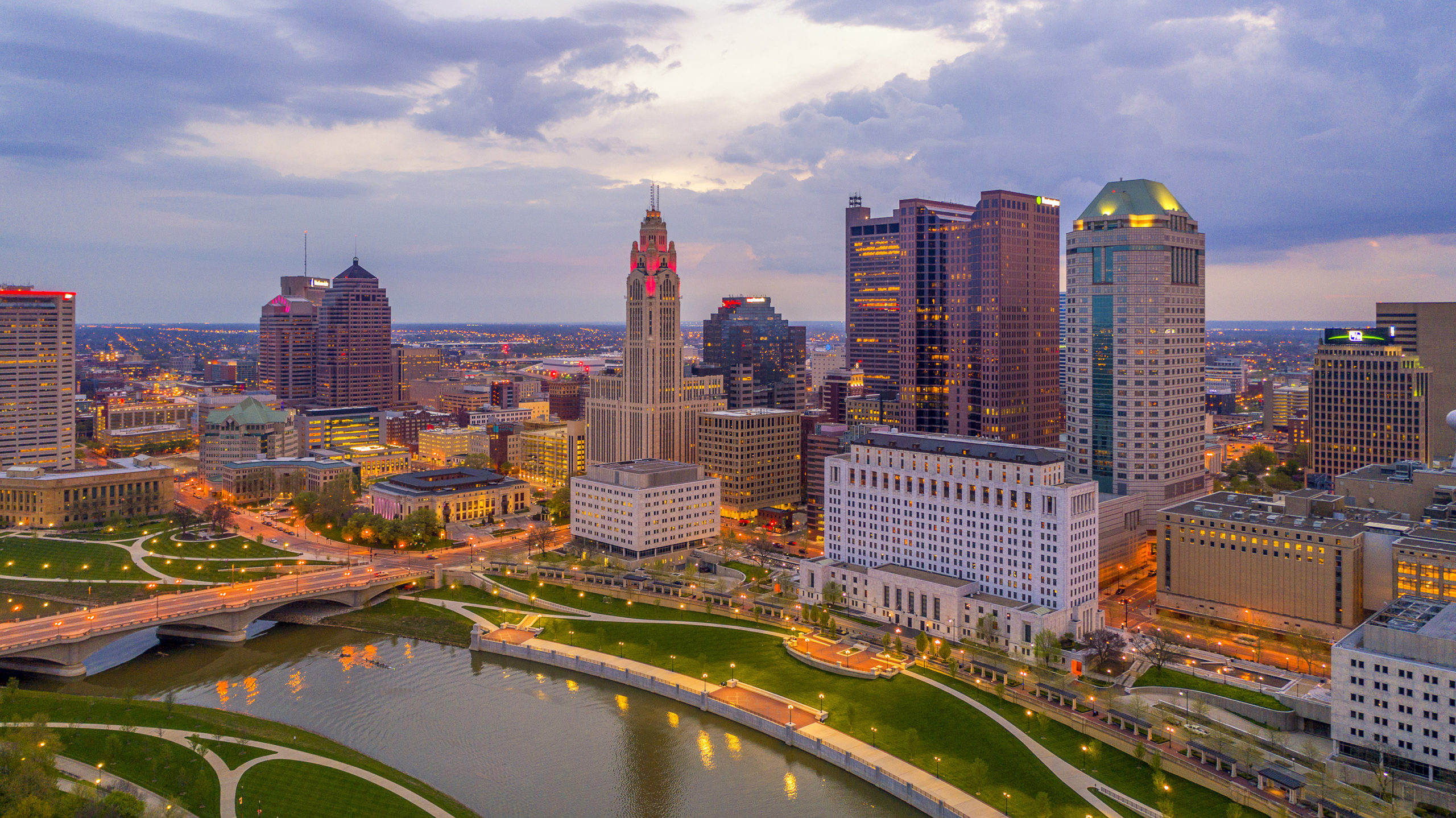
2020 Downtown Population Growth


2020 downtown population growth Columbus, Ohio

With the latest US Census data for 2020, we can once again take a closer look at how the Downtown area is doing.
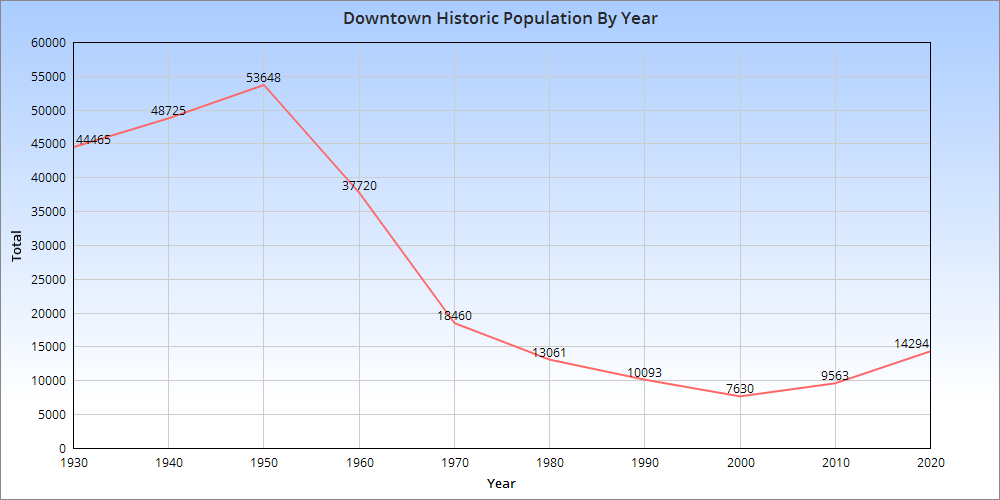

Looking at the graph above, we can see that the Downtown population peaked in 1950 and declined through 2000. The last 20 years have seen accelerating growth and the population was the highest in 2020 since 1970. One caveat with this is that the census tract boundaries that are used to make up this graph have changed some over the years. They haven’t changed significantly, but the area that’s being covered in 2020 is slightly different than it was in 1950. As such, it’s more of an approximation per year rather than exact figures based on the exact same area. Still, the rapid decline after 1950 is well-documented. Highways were either being planned or already under construction through the neighborhood during the 1950s, and this also helped the beginning stages of the suburban flight from the urban core.

The urban core of the city overall reached its population peak in 1950, and the 1950 boundaries represent the oldest, arguably most urban part of the city today. Let’s examine how the population within that boundary changed over the same time.
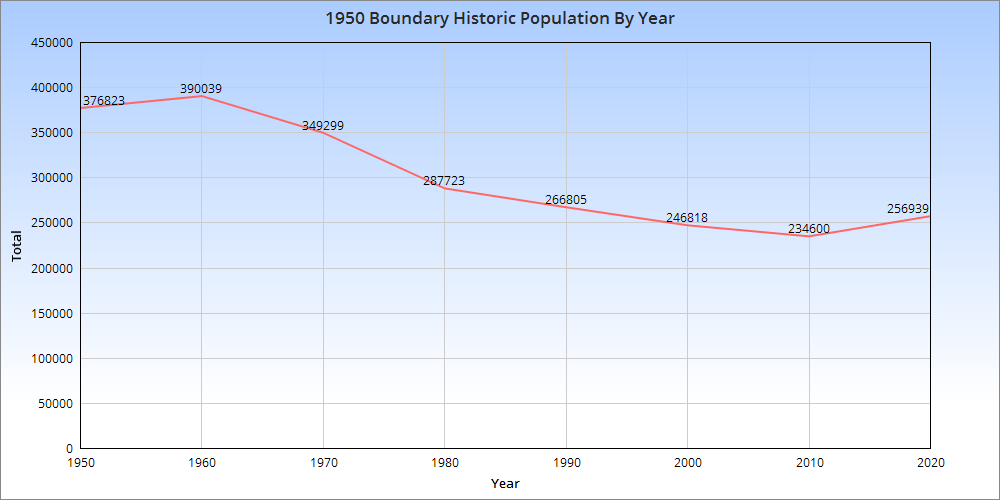
The 1950 boundary peaked in 1960 and then declined through 2010. Between 2010-2020, the 1950 boundary area gained more than 22,000 new residents, a significant increase which puts the area back to where it was around 1995.

So in both cases, the urban core of Columbus is in recovery, though it is unlikely to ever regain its 1950 population. Average household size is much smaller now than it was 70 years ago, so it would require a massive amount of infill that would be far denser than much of what is getting built in recent years. Outdated zoning codes, among other reasons, have been limiting many projects in the urban core from reaching their potential.


Breaking things down a bit further, let’s look at the census tracts that made up the 1950 boundary in 2020 and rank them for population and growth.

1950 Boundary Census Tracts by Population Rank 2010 and 2020
2010————————————2020

1. 1121: 7,300——————–1. 1121: 12,131
2. 13: 6,583———————–2. 49: 5,686
3. 10: 5,830———————–3. 10: 5,613
4. 49: 5,651———————–4. 12: 5,201
5. 43: 5,613———————–5. 47: 5,138
6. 50: 5,205———————–6. 45: 5,048
7. 45: 5,154———————–7. 1810: 4,324
8. 47: 4,971———————–8. 22: 4,279
9. 12: 4,822———————–9. 4002: 4,245
10. 1810: 4,434—————–10. 30: 4,189
11. 55: 4,228———————11. 5: 4,187
12. 5: 4,057———————–12. 220: 4,186
13. 26: 4,028———————13. 1902: 4,063
14. 6: 3,780———————–14. 55: 4,062
15. 220: 3,727——————–15. 1901: 4,059
16. 1110: 3,688——————-16. 17: 3,994
17. 57: 3,629———————-17. 26: 3,920
18. 1902: 3,410——————-18. 6: 3,839
19. 910: 3,409———————19. 1110: 3,751
20. 4610: 3,368——————-20. 57: 3,715
21. 110: 3,344———————21. 910: 3,693
22. 37: 3,303———————-22. 730: 3,629
23. 20: 3,252———————-23: 32: 3,500
24. 120: 3,162———————24. 4301: 3,532
25. 1122: 3,159——————–25. 110: 3,489
26. 310: 3,147———————-26. 37: 3,389
27. 420: 3,139———————-27. 310: 3,377
28. 820: 3,121———————-28. 710: 3,339
29. 30: 3,105———————–29. 2760: 3,331
30. 710: 3,102———————30. 420: 3,316
31. 730: 3,090———————31. 4610: 3,298
32. 2760: 3,066——————-32. 1122: 3,268
33. 53: 3,054———————–33. 20: 3,259
34. 40: 2,941———————–34. 120: 3,220
35: 210: 2,935———————35. 820: 3,193
36. 4810: 2,891——————-36. 2510: 3,144
37. 2510: 2,856——————-37. 52: 3,125
38. 17: 2,704———————–38. 5002: 3,095
39. 4620: 2,659——————–39. 210: 3,049
40. 2520: 2,648——————–40. 1302: 3,039
41. 28: 2,629————————41. 4810: 2,929
42. 4820: 2,589———————42. 1301: 2,903
43. 810: 2,540———————–43. 29: 2,887
44. 410: 2,419———————–44. 2520: 2,784
45. 320: 2,390———————–45. 810: 2,747
46. 720: 2,384———————–46. 5810: 2,719
47. 330: 2,314———————–47. 4820: 2,685
48. 1820: 2,598———————-48. 53: 2,676
49. 52: 2,584————————-49. 4620: 2,609
50. 5810: 2,548———————-50. 720: 2,583
51. 59: 2,546————————-51. 2750: 2,554
52. 2780: 2,423———————-52. 51: 2,548
53. 61: 2,398————————-53. 61: 2,534
54. 29: 2,368————————-54. 320: 2,505
55. 2750: 2,349———————-55. 1820: 2,478
56. 60: 2,345————————-56. 28: 2,461
57. 2740: 2,316———————-57. 21: 2,456
58. 5820: 2,230———————-58. 2740: 2,447
59. 5420: 2,151———————-59. 410: 2,439
60. 32: 2,147————————-60. 330: 2,427
61. 2730: 2,104———————-61. 5620: 2,422
62. 920: 2,069————————62. 16: 2,399
63. 15: 2,031————————-63. 59: 2,365
64. 1901: 2,031———————-64. 2780: 2,353
65. 2770: 1,995———————-65. 2770: 2,300
66. 51: 1,928————————–66. 60: 2,224
67. 38: 1,896————————–67. 920: 2,209
68. 2710: 1,858———————-68. 2730: 2,183
69. 22: 1,851————————-69. 5820: 2,127
70. 21: 1,808————————-70. 38: 2,105
71. 5610: 1,784———————-71. 15: 2,092
72. 16: 1,682————————-72. 5420: 2,082
73. 14: 1,543————————-73. 36: 2,039
74. 23: 1,453————————-74. 2710: 1,908
75. 36: 1,442————————-75. 4302: 1,740
76. 42: 1,370————————-76. 5001: 1,647
77. 5410: 1,362———————-77. 5610: 1,646                                                           ———————————————78. 14: 1,531
——————————————79. 23: 1,503
——————————————80. 5410: 1,418
——————————————81. 4001: 1,253 
——————————————82. 42: 1,107
The color coding is Green: Growing since 2010, Red: Declining since 2010, and Pink: New Tracts that did not exist in 2010. New tracts: 13 became 1301 and 1302, 40 became 4001 and 4002, 43 became 4301 and 4302, 50 became 5001 and 5002.

Top 10 Fastest-Growing 1950 Boundary Census Tracts by Total 2010-2020
1. 1121: +4,831
The tract is the main OSU Campus. The explosive growth is mostly due to the recent requirement that sophomores also have to now live on Campus, prompting thousands of students to move to the tract from nearby neighborhoods.
2. 4002: +2,592
This new tract was split off of Tract 40 and includes the southwest area of Downtown, including RiverSouth.
3. 22: +2,428
This tract is the heart of Italian Village and includes the large, new Jeffrey Park development.
4. 1901: +2,028
Includes the 5th Avenue corridor to just east of 5thxNW.
5. 32: +1,353
This tract covers the southern part of Victorian Village/Harrison West, as well as the far western sections of the Arena District where the new White Castle HQ complex is.
6. 17: +1,290
Western Weinland Park, which has seen rapid revitalization in recent years.
7. 30: +1,084
This area includes all of the norther half of Downtown north of Broad Street and west to Neil Avenue in the Arena District.
8. 16: +717
Eastern Weinland Park, which has seen hundreds of new housing units constructed along and near Grant Avenue.
9. 1902: +653
Includes the 5th Avenue corridor through 5thxNW.
10. 21: +648
The heart of the High Street strip in the Short North continued to add people. It reached its highest population in 60 years.

Top 10 Tracts with the Highest Population Densities in 2020
1. 1121: 34,888.8
2. 1810: 28,351.1
3. 1302: 24,740.7
4. 1301: 20,549.1
5. 17: 20,158.6
6. 12: 20,069.6
7. 1110: 18,353.2
8. 10: 16,260.2
9. 16: 12,675.6
10. 21: 12,196.7
All of these tracts are either in the Short North or surrounding Ohio State’s campus. They include the highest densities anywhere in Ohio.

So there you have it. The urban core of Columbus is clearly on a positive path. So long as infill development continues, population growth should also continue to increase. Perhaps someday, this increasing population and density may facilitate the construction of more amenities, including rail lines, BRT and more biking infrastructure, all of which lags in the area.
To see Census Tract data in map form, the Census Tract Maps page provides it.


Where Does the Immigrant Population Live?


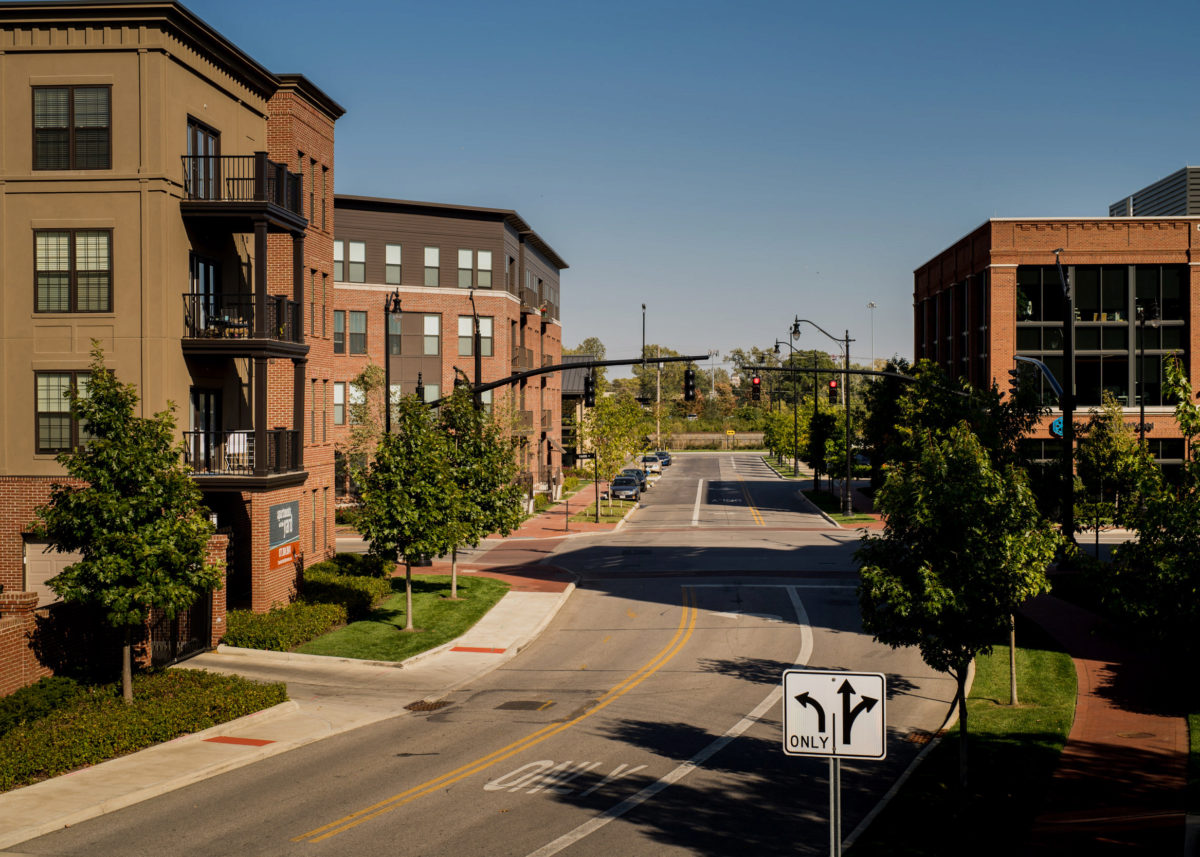
In Franklin County, the immigrant- or foreign-born- population has been growing rapidly for the last few decades. Latin American immigration was dominant for many years, but has recently taken secondary position to even faster Asian growth. But where does the immigrant population live, exactly? Where they end up in the county is perhaps not where common belief would always suggest. The interactive map below breaks down not only the main continent of origin for immigrants by census tract, but also gives the top 5 specific origin nations. While at first glance, the continents seem heavily grouped together, a deeper look at nations of origin indicate that immigrant populations are much more diverse and spread out much more evenly than it appears.

The Census Tract Maps offers a great deal of demographic and population data in all subjects, while Historic US Maps provides old maps of all types.


2012 City Population Estimates


2012 city population estimates Columbus, Ohio

Here are the 2012 city population estimates for just about every location within the Columbus Metro Area.

The numbers show what the 2010 Census population was, the July 1, 2012 estimate, and the total change over that period.

City- 2010 – 2012 – Change
Alexandria 517 518 +1
Amanda 737 741 +4
Ashley 1,330 1,344 +14
Ashville 4,097 4,115 +18
Baltimore 2,966 2,968 +2
Bexley 13,057 13,252 +195
Bremen 1,425 1,438 +13
Brice 115 116 +1
Buckeye Lake 2,746 2,723 -23
Canal Winchester 7,101 7,393 +292
Cardington 2,047 2,046 -1
Carroll 524 524 0
Chesterville 228 229 +1
Circleville 13,314 13,453 +139
Columbus 787,033 809,798 +22765
Commercial Point 1,582 1,587 +5
Corning 583 579 -4
Crooksville 2,534 2,518 -16
Darbyville 222 224 +2
Delaware 34,753 35,925 +1172
Dublin 41,751 42,906 +1155
Edison 437 439 +2
Fulton 258 259 +1
Gahanna 33,248 33,828 +580
Galena 653 666 +13
Glenford 173 176 +3
Grandview Heights 6536 6910 +374
Granville 5646 5638 -8
Gratiot 221 221 0
Grove City 35575 36832 +1257
Groveport 5363 5540 +177
Hanover 921 1002 +81
Harrisburg 320 326 +6
Hartford 397 393 -4
Heath 10310 10389 +79
Hebron 2336 2350 +14
Hemlock 155 155 0
Hilliard 28435 30564 +2129
Johnstown 4632 4806 +174
Junction City 819 816 -3
Kirkersville 525 528 +3
Lancaster 38780 38880 +100
Laurelville 527 523 -4
Lithopolis 1106 1181 +75
Lockbourne 237 241 +4
Logan 7152 7157 +5
London 9904 9876 -28
Magnetic Springs 268 270 +2
Marble Cliff 573 580 +7
Marengo 342 344 +2
Marysville 22094 22051 -43
Midway 322 322 0
Milford Center 792 802 +10
Millersport 1044 1047 +3
Minerva Park 1272 1291 +19
Mount Gilead 3660 3658 -2
Mount Sterling 1782 1716 -66
Murray City 449 445 -4
New Albany 7724 8507 +783
Newark 47573 47688 +115
New Holland 801 827 +26
New Lexington 4731 4751 +20
New Straitsville 722 720 -2
Obetz 4532 4628 +96
Orient 270 272 +2
Ostrander 643 656 +13
Pataskala 14962 15091 +129
Pickerington 18291 18692 +401
Plain City 4225 4221 -4
Pleasantville 960 955 -5
Powell 11500 11960 +460
Rendville 36 36 0
Reynoldsburg 35893 36347 +454
Richwood 2229 2238 +9
Riverlea 545 555 +10
Rushville 302 304 +2
St Louisville 373 374 +1
Shawnee 655 652 -3
Shawnee Hills 681 709 +28
Somerset 1481 1473 -8
South Bloomfield 1744 1770 +26
South Solon 355 355 0
Sparta 161 162 +1
Stoutsville 560 563 +3
Sunbury 4389 4605 +216
Tarlton 282 285 +3
Thornville 991 995 +4
Thurston 604 607 +3
Unionville Center 233 235 +2
Upper Arlington 33771 34203 +432
Urbancrest 960 975 +15
Utica 2132 2130 -2
Valleyview 620 627 +7
Westerville 36120 37073 +953
West Jefferson 4222 4199 -23
West Rushville 134 135 +1
Whitehall 18062 18403 +341
Williamsport 1023 1032 +9
Worthington 13575 13757 +182

For those counting, there are 99 places in that list. 79 of them, or 79.8%, show growth over the period. Every place within Franklin County saw growth- maybe not down to the neighborhood level- but in all of the towns and cities.

Columbus passed 800,000 for the first time, and its actual growth rate increased from about 1.1% annually to 1.6% annually.


Tract Demographic Changes Mapped


One of the most interesting things about the last census- at least to me- was the data on what demographic groups were moving where in Columbus. The following series of maps show the central core of Columbus and how the 4 major racial/ethnic groups have been changing in the area, both in 2000 and 2010.

While I can’t directly post images, the best way to look at the following map series is to open the 2000 and 2010 versions and do a side by side comparison.

White Demographic
2000

http://www.washingtonpost.com/wp-srv/special/nation/census/2010/?custommap=1,0,1,0,40.00535,-83.0034,11
In the 2000 map above, you could almost count the number of urban tracts with a growing White population on one hand. Even as far out as the I-270 corridor, there was a distinct lack of tracts where this group was growing. The vast majority of the growth in this demographic was in the far suburbs.
2010
http://www.washingtonpost.com/wp-srv/special/nation/census/2010/?custommap=1,0,2,0,40.00535,-83.0034,11
By 2010, there had been some interesting changes. First, the ring of strong suburban growth seems to have lessened some, or at the very least, spread out more. Meanwhile, the tracts that were losing the White demographic pushed further out as well into some of these suburban areas. In the city’s urban core, the White population has clearly also been on the rise. While there were just a few positive tracts in 2000, just about every tract between Merion Village and Clintonville was growing in White population by 2010, as well as strong growth in the Near East Side, the Easton area and Downtown. Even a few tracts in the southern portions of Linden saw increases.

The question is, how will the map look in 2020? If the trends continue, the urban core should continue to expand its growth in this demographic. Sort of a reverse donut hole growth pattern.

Black Demographic
2000

http://www.washingtonpost.com/wp-srv/special/nation/census/2010/?custommap=1,1,1,0,40.00535,-83.0034,11
In 2000, much of the urban core of Columbus was losing the Black demographic. While not nearly as stark as the 2000 map for Whites, the suburbs were once again the easy winner for this demographic’s best growth.
2010
http://www.washingtonpost.com/wp-srv/special/nation/census/2010/?custommap=1,1,2,0,40.00535,-83.0034,11
The 2010 map does show improvement, with more urban tracts gaining. The area of losses are almost exclusively concentrated on the Near East Side and Southeast Side. These same areas have historically been largely African American neighborhoods, so it may just be a case of majority population shift.

Asian Demographic
2000

http://www.washingtonpost.com/wp-srv/special/nation/census/2010/?custommap=1,3,1,0,40.00535,-83.0034,11
In 2000, Asian growth was fairly widespread, even in the urban core. There were weak spots, but not nearly as bad as the ones above.
2010
http://www.washingtonpost.com/wp-srv/special/nation/census/2010/?custommap=1,3,2,0,40.00535,-83.0034,11
By 2010, though, there were some big changes. Out of the 4 demographic groups looked at, Asians were the only group which looks to have left the urban core more in the 2000s than they did in the 1990s. While other groups are increasing their presence in the city, Asians are doing just the opposite. There are still strong pockets of growth, and it’s still not as bad as Whites, but clearly there is a different dynamic to their moving patterns than with the other 3.

Hispanic Demographic
2000

http://www.washingtonpost.com/wp-srv/special/nation/census/2010/?custommap=1,2,1,0,40.00535,-83.0034,11
Hispanics had the best overall growth map in 2000, with widespread, strong growth across most areas of the city. The inner West Side did the worst and the suburbs did the best, but overall it’s not bad.
2010
http://www.washingtonpost.com/wp-srv/special/nation/census/2010/?custommap=1,2,2,0,40.00535,-83.0034,11
2010 showed an even stronger growth by Hispanics across the city. There were only about 15 tracts total between Downtown and the suburbs that did not see growth in this demographic, out of more than 200.

It seems clear from these maps that the urban areas of Columbus are starting to become more attractive, or at least were the previous decade. Recent years have only seemed to strengthen this trend.

To see census tract data for Columbus going back to 1930, visit here: Census Tract Maps