AllColumbusData’s Most Popular Posts and Pages

most popular posts and pages

Next month, AllColumbusData.com will have its 10-year anniversary. Hard to believe! Here are some stats on just some of what the site now contains:
-338 published posts. 10 additional are already complete and scheduled over the next few months.
-105 specific content pages.
-Well over 2,000 individual and before and after series historic photos.
-143+ years of weather data for both Columbus and its suburbs.
-200+ years of demographic and population data for Columbus and its suburbs.
-Information and photos for hundreds of current and past development projects.
-100+ videos.

What has been the most visited page, the most popular post over the years? Unfortunately, visitor data was lost prior to 2015 for various reasons. However, here have been the top 10 most popular posts and pages since 2015.

Top 10 Posts and the Year Published
1. Before and After How Columbus Changed in 10 Years 2021
This 2-part series was extremely popular last year, and easily became the most visited in the past 7 years.
2. Questions Answered- Columbus Zip Codes 2014
This post was very popular into 2018, but is now defunct. The information on this post ended up becoming bits and parts of other posts and pages.
3. Columbus Retail History- Shopping Centers 2013
One of the oldest posts on the site, it still gets consistent traffic almost a decade later.
4. Columbus Historic Church Demolition 2021
This one detailed plans to demolish an old church on the South Side.
5. Columbus Area Murders by Zip Code 2008-2015 2016
Pretty explanatory. This post provided crude maps of murders by zip code.
6. Columbus’ Greatest Snowstorm 2021
This post gave an account of the March 7-8, 2008 blizzard.
7. Columbus Area Zip Codes and Their Economies 2013
Still a consistent hit after a decade, this post gave details on economic information by local zip code.
8. Winter 2020-2021 Review 2021
Review the 2020-2021 winter with stats and rankings, something that has been done for all winters since 2014.
9. Franklin County Gentrification Trends 1990-2015 2017
This post looked at how income and race changes were driving neighborhood gentrification around Columbus.
10. How We Should Develop Around Intel 2022
The most recent on this list, this post deals with how the area around the Intel project should have a development plan, and detailed a hypothetical map of what that development could look like.

Top 10 Pages
1. Columbus Tornado History
The most popular by far, this page covers historic tornadic events throughout the entire Columbus Metro Area.
2. Olde Towne East Historic Buildings
This has been the most popular of all the Historic Building Database pages to date.
3. Proposed Development
This regularly-updated development page highlights the region’s many proposed projects.
4. Other Residential Historic Buildings
This page was one of the very first to be included in what would eventually become the Historic Building Database. It is defunct now, as its photos were eventually divided into a much greater expansion of featured neighborhoods.
5. Development Under Construction
All the projects currently under construction at any given time.
6. Census Tract Maps
Demographics, population and other data at the census tract level are provided in interactive maps going back to 1930.
7. Winter Storms
This page chronicles significant winter weather events from the past.
8. Columbus Flood History
As above, but dealing with flooding events.
9. Columbus Crime Statistics
Violent and property crime data, maps and demographic data related to Columbus crime are provided going back about 40 years.
10. Completed Development
Buildings and projects that were completed at some point in the past are highlighted on this page going back to the 19th Century.

Any surprises in what has been the most popular? Any posts or pages you’d like to see more of? Let me know here or on the Facebook page if you are enjoying the content or would like to see something different!
Cool Link University District History

University district history

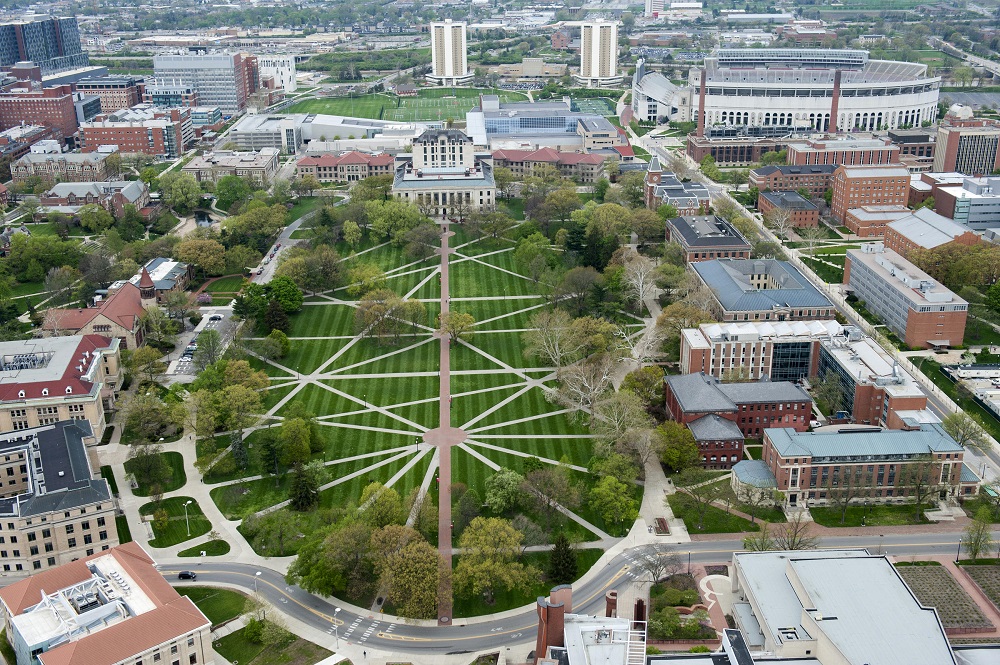
This link is a great repository of historic photographs of the Ohio State Campus area, including High Street and neighboring Weinland Park. There is also a lot of historical information on events, restaurants, buildings and a lot more.

University District History


Random Columbus Photos 10


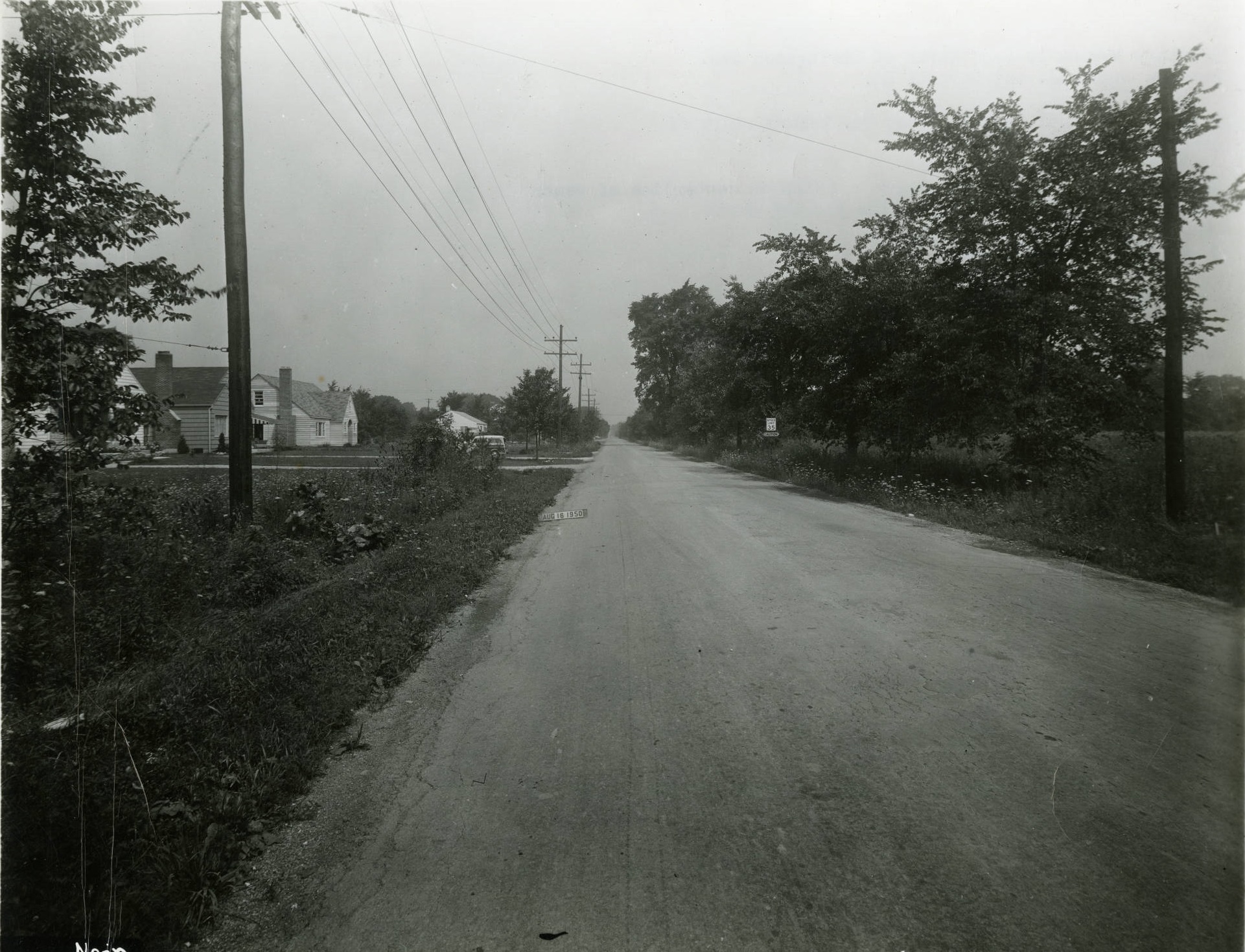
In Random Columbus Photos 10, we look toward the East Side.

Photo Location: James Road, looking north from Livingston Avenue.
Photo Date: August 16, 1950
Photo History: This photo of a very primitive James Road was taken by the City in preparation for installing a sewer system in the area. There were very few homes and other buildings on James at the time, and the area was still mostly farmland. The homes on the left side of the photo had only just been completed, and were the first of large-scale, small-home subdivisions that now dominate this part of the city and neighboring Whitehall. By 1953, the entire area seen in the photo would be fully developed and unrecognizable.
Random Columbus Photos #10 Columbus, Ohio
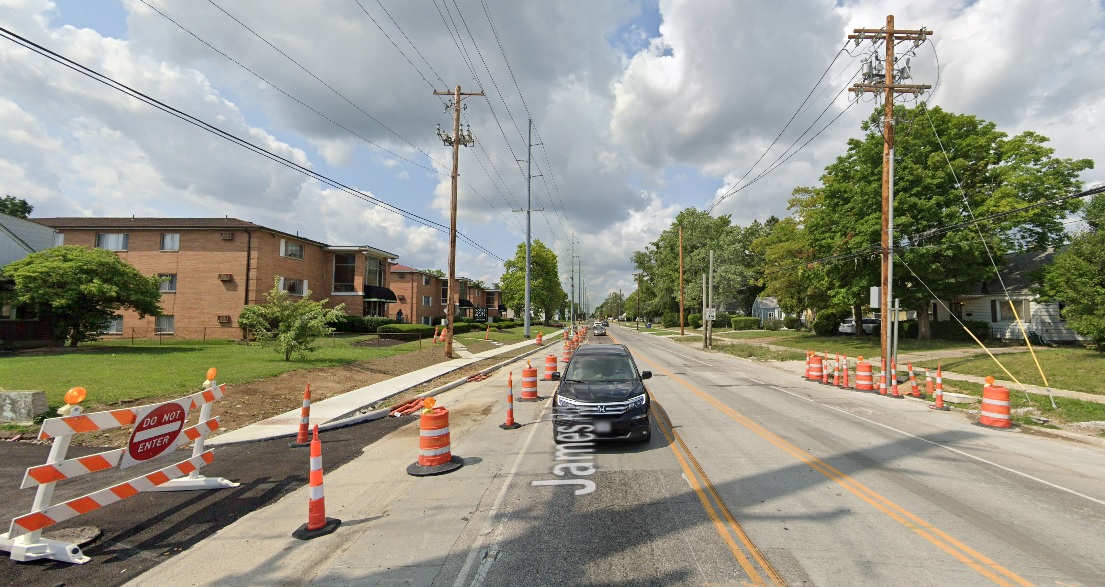
The same view today:
Random Columbus photos #10 Columbus, Ohio

Thousands of historic before and after photos from across the city can be found on the Historic Building Database.

Columbus Restaurant History

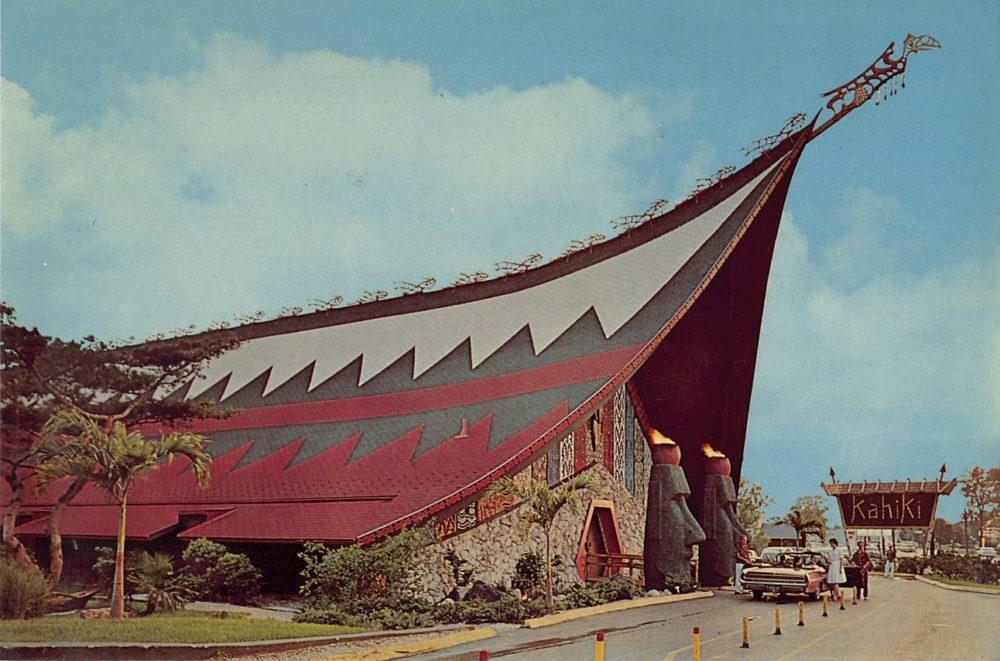
Columbus restaurant history Kahiki

Ever looked at a building and wondered if it was ever a former Pizza Hut? Or wanted to know how long Kahiki was in business? Columbus Restaurant History is a fantastic link for all of the local area’s foodie history. Not only are there stories about individual restaurants and chains, but you can look up former restaurant locations, dates of existence, old menus and so much more! It’s just a really cool link for a niche part of Columbus’ history.

Take a look!


1900 Debate on Columbus Transit


1900 debate on Columbus transit

Streetcars in 1909.

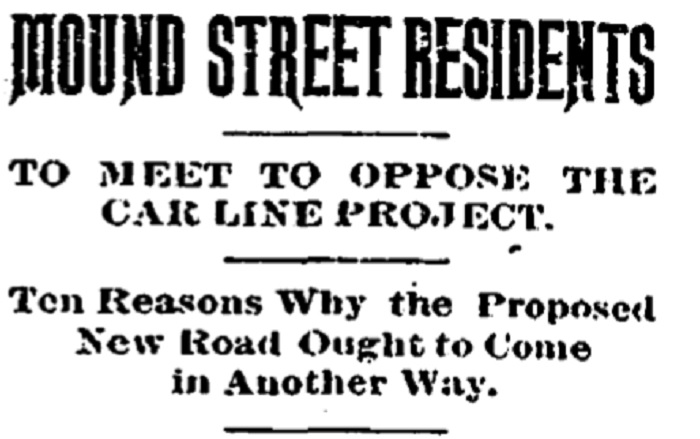
In a January, 1900 debate on Columbus transit, a group of concerned Downtown Columbus residents and business owners voiced their opposition to the Columbus & Newark Traction Company being greenlit to build and operate a streetcar line on Mound Street. Today’s car-dominated environment means most arguments against transit projects would likely revolve around rail being too expensive or that few would ride them. In contrast, 1900 arguments involving transit options showed a very different attitude towards public transit in general.

The opposition group put out a list of 10 reasons why they objected to the project. They were:
1. We believe it to be the interest of prospective passengers of a street railroad from the east over the National Road, that the cars come into the city over the Main Street tracks.
2. Because it would be most direct to the center of the city.
3. Coming over the Main Street line would confine cars of the new line to the established rate of speed while in the city.
4. The proposed line on Mound Street would get but few city passengers.
5. It is not likely that reduced fares would be secured.
6. Transfers over old lines could not likely be had.
7. Cars would be far between.
8. A car line on Mound Street would be useless to residents of the city because too near Main Street where cars are much more frequent than could be expected on a suburban line.
9. Not getting city traffic, cars on the proposed line over Mound Street would run at a high rate of speed, making it dangerous for people in that part of the city and especially so for the residents of Mound Street.
10. We believe that it would be to the general interest of the city and the special interest of the southeastern part, also the interest of a new company that the proposed new line over the National Road from the east should come into the city two or three blocks from, if not on the Main Street line, but never over Mound Street.


Besides being somewhat repetitive in places, the given reasons are more practical than the emotional anti-rail tirades often witnessed today. The group wasn’t so much opposed to rail- just the opposite. Instead, they didn’t like that there were too many lines in the same area, thereby making a new one redundant and financially infeasible. They didn’t bring up construction costs, but objections to the potential lack of transfer stops. They weren’t overly worried about the line interfering with other traffic, but whether the service would run enough cars.

Too often in the current transit debate, proposals tend to get bogged down in politics rather than the basic transit needs of the population. A century ago, even opposition groups seemed to fully understand that the issue was not rail itself, but in ensuring that what got built made the best sense possible. Columbus hasn’t had rail in more than 40 years. In its long absence, we’ve perhaps lost the plot on what really matters.

The opposition group lost the fight and Mound Street got its streetcar line. The East Mound section ended service in 1929 as the car became increasingly dominant.
The last streetcar trip in the city occurred on September 5, 1948.