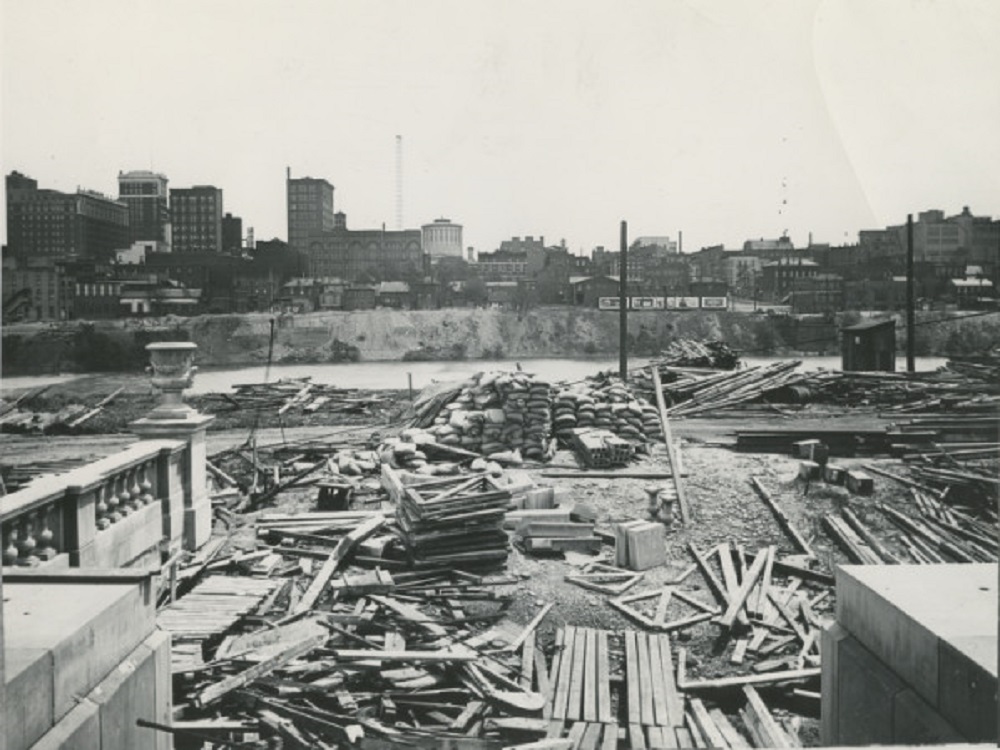
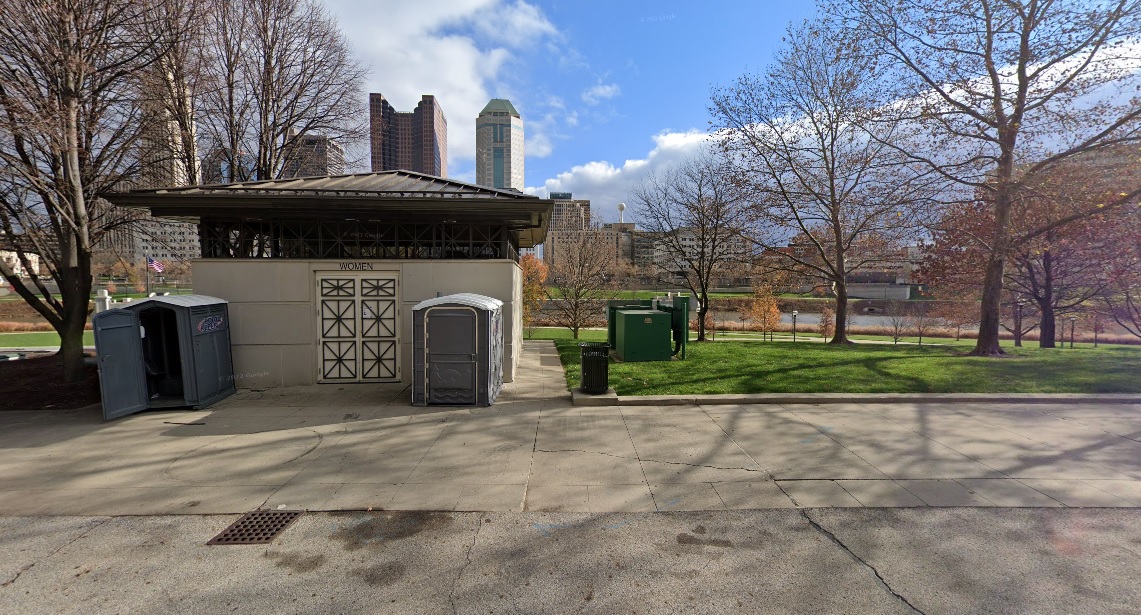
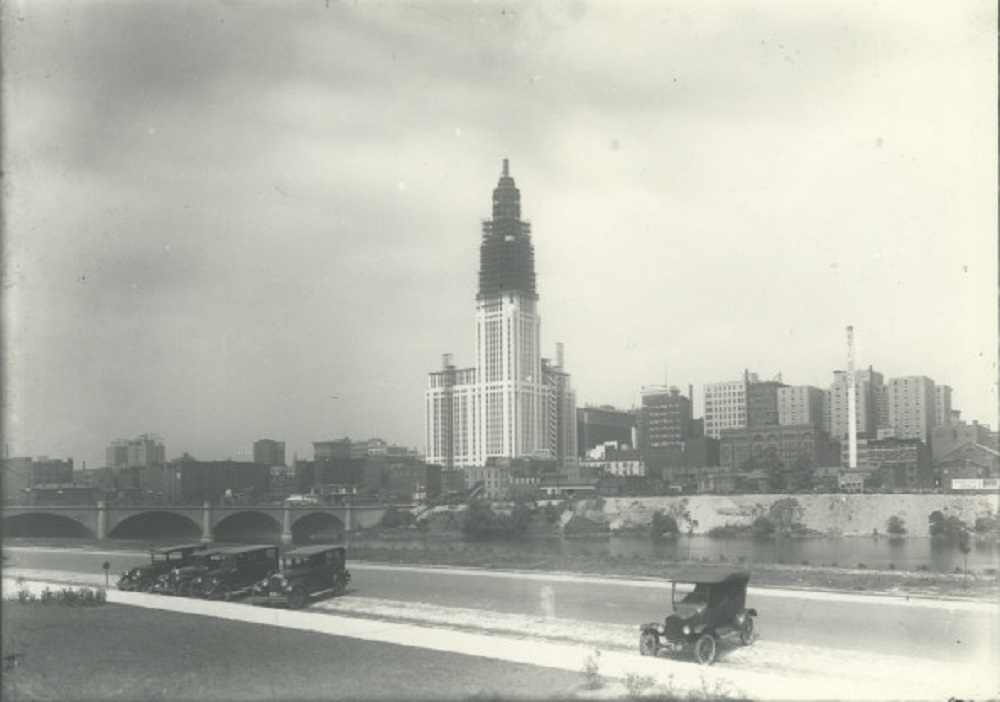
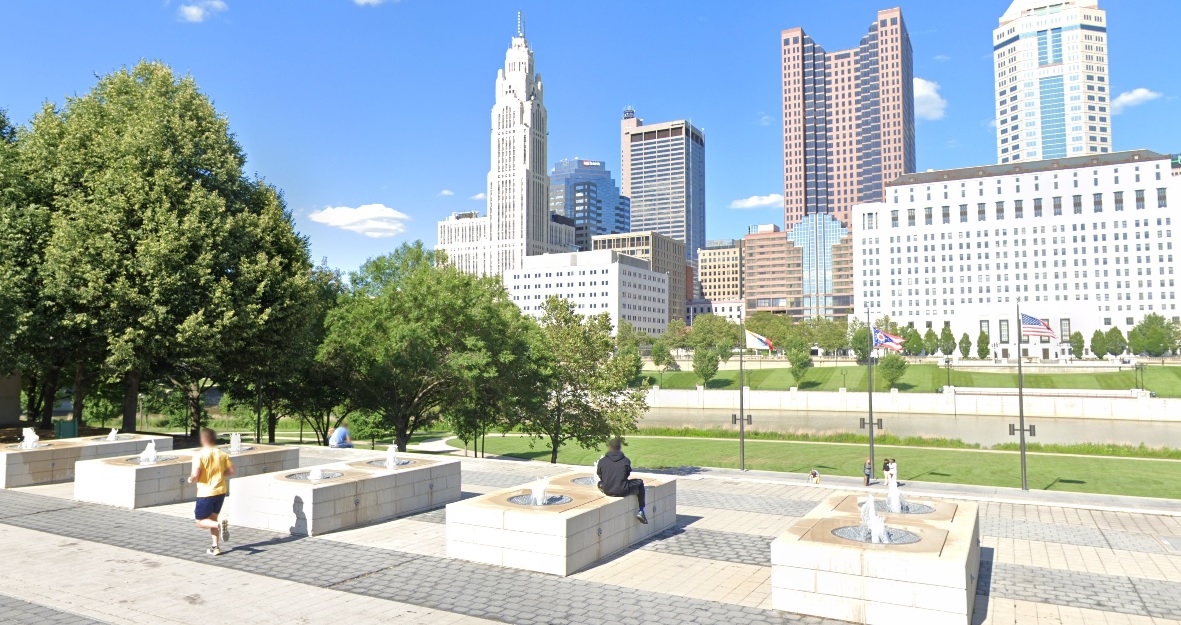
These before and after views from Franklinton show a snapshot in time of just how unattractive and people-unfriendly the riverfront once was.
Before: 1923 This view looks east from the Franklinton side of the Scioto River. At the time, Central High School was under construction, which is why the area looks like such a mess of materials. Central High School would be completed in 1924 and open on September 4th of that year. The school would remain open for 60 years before being shut down in the mid-1980s. The building sat empty for more than a decade before being renovated into the new COSI. Beyond the river, a much shorter Downtown skyline can be seen. The image predates LeVeque Tower and most of the government buildings that now line the Scioto’s shores.
After: 2020 The riverfront looks much different today. With the Scioto Greenways and park space added in more recent years, the view is much more pleasant, the bathroom not included.
Before: 1926 In an image taken just 3 years after the one above, the Franklinton side of the riverfront looks much better. Additionally, LeVeque Tower is now well under construction. After: 2021 In the modern view, the parking and cars have been replaced with parklands and public space, while LeVeque has become the city’s most iconic skyline addition.
If you enjoy this series, the Historic Building Database page offers thousands of before and after photos of historic buildings and places in and around Columbus.
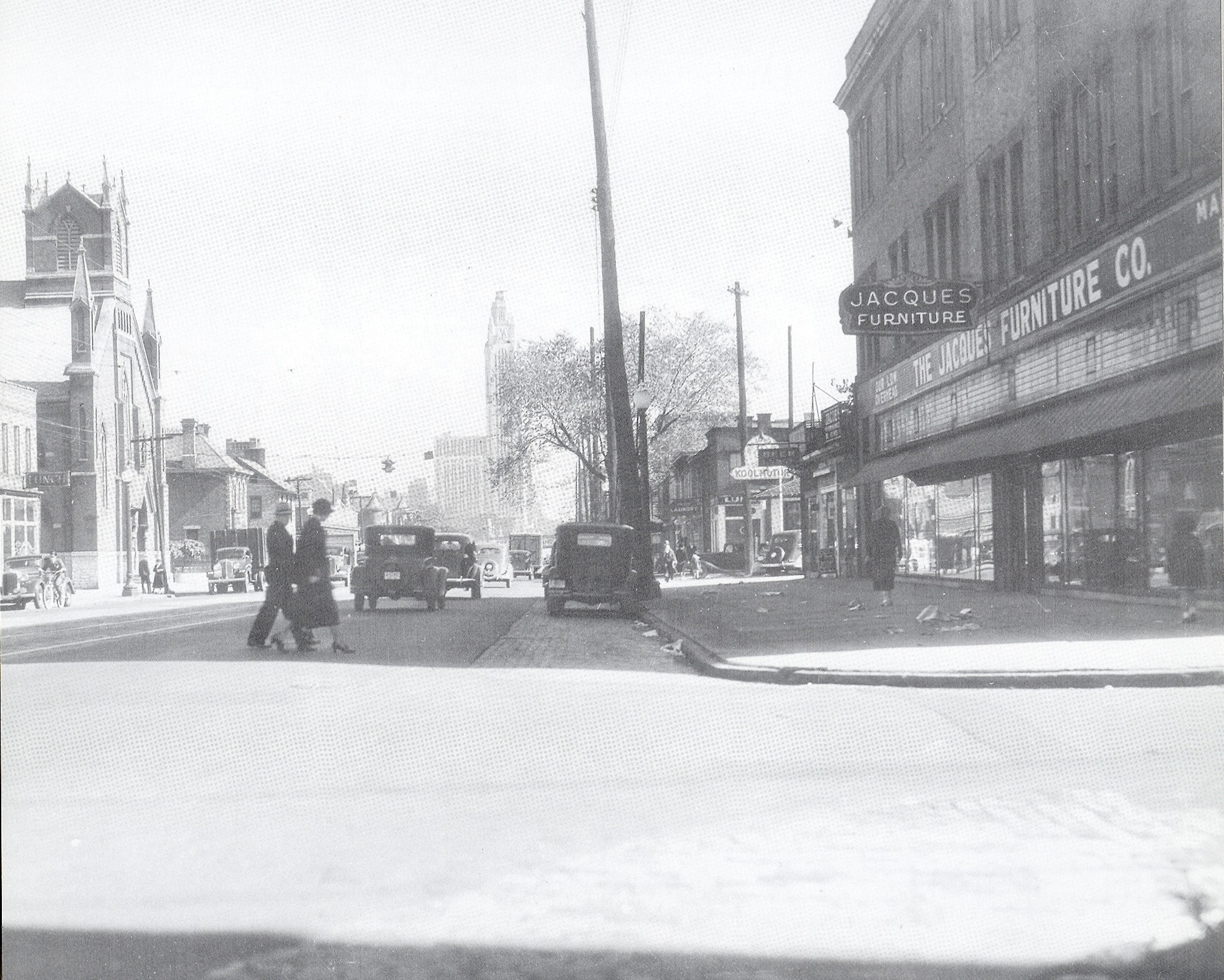
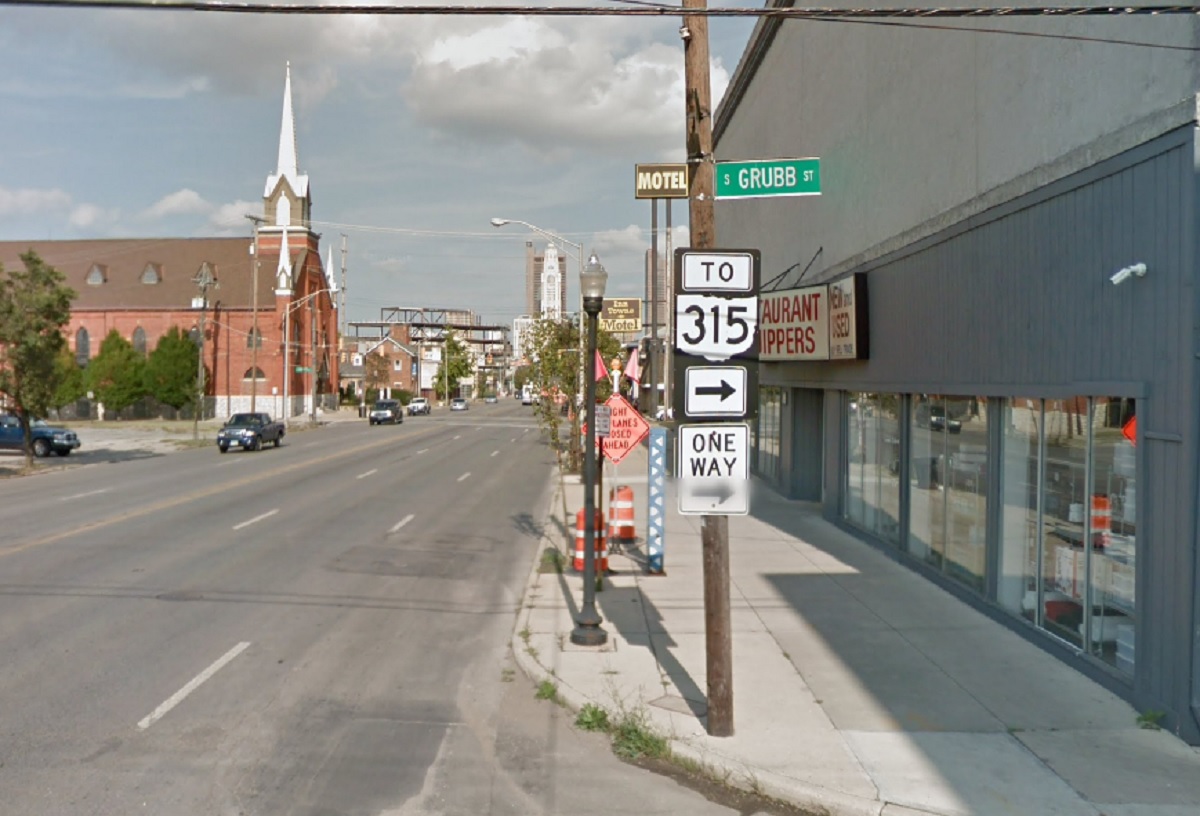
Photo Location: West Broad Street at Grubb Street, looking east. Photo Date: 1937 Photo History: Franklinton was bustling in this pre-WWII era-photo of Broad Street. It had been 24 years since the Great Flood, and the neighborhood was reaching for its historic population high along with the rest of the urban core. Unfortunately, within 2 decades, the neighborhood would be devastated by yet another flood and would be followed by 50 years of stagnation and decline.
Franklinton has been known as The Bottoms for many years, mainly because the low-lying neighborhood has seen flooding more often than anywhere else in the city. With the completion of the Franklinton Floodwall nearly 20 years ago, the neighborhood has been seeing redevelopment at an ever-increasing pace. This Before and After of the neighborhood only covers some of the changes, and another similar post detailing more changes will most likely be needed.
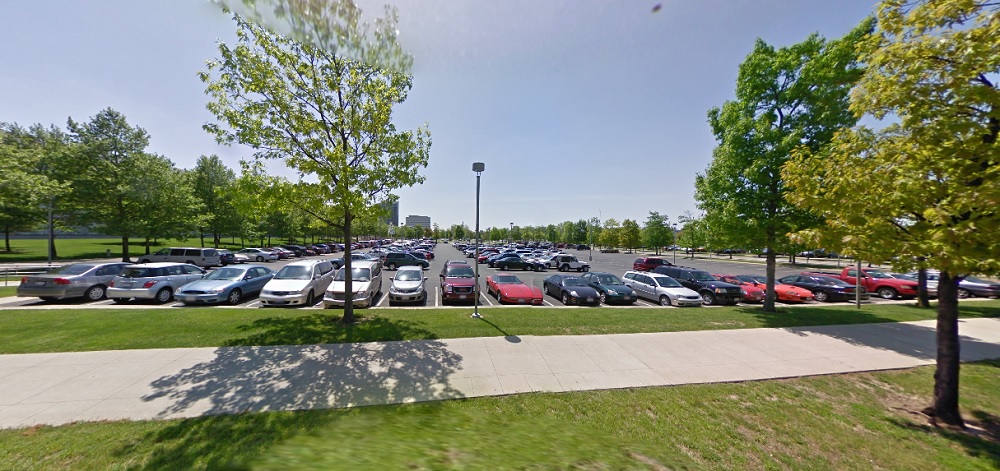
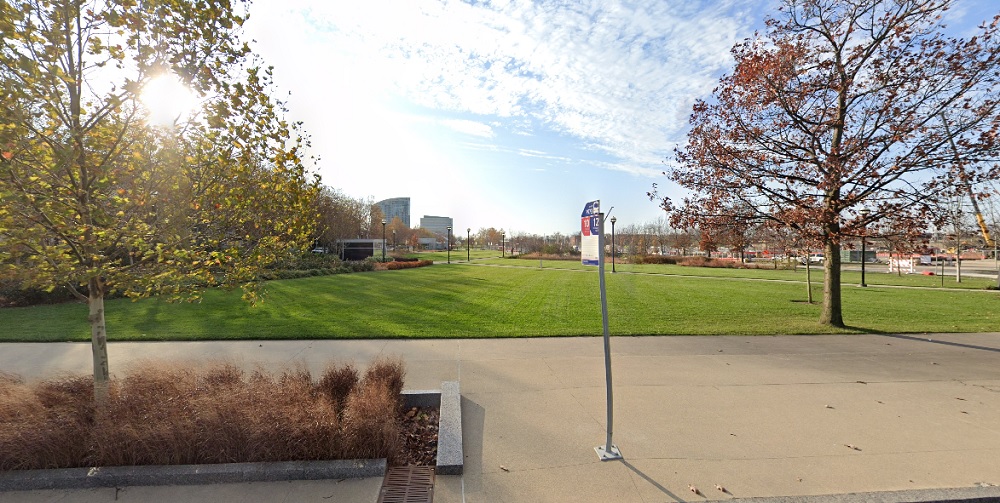
Before: COSI Parking Lot in 2009 This large parking lot had once been part of Central High School’s campus and was originally the site of the schools track and athletic fields. After the school closed in the early 1980s, the area was converted to a large parking lot. It continued its life as parking when COSI moved from Downtown to a new facility in the converted school. When plans for the Scioto Peninsula to be redeveloped emerged, it was decided to turn the parking lot into a brand new park. After: New Park in 2020 The parking was not actually lost, however. An underground garage was constructed beneath the park itself, which is now called Dorian Green. New development, which will include offices, retail and hundreds of new residences, can be seen under construction in the background.
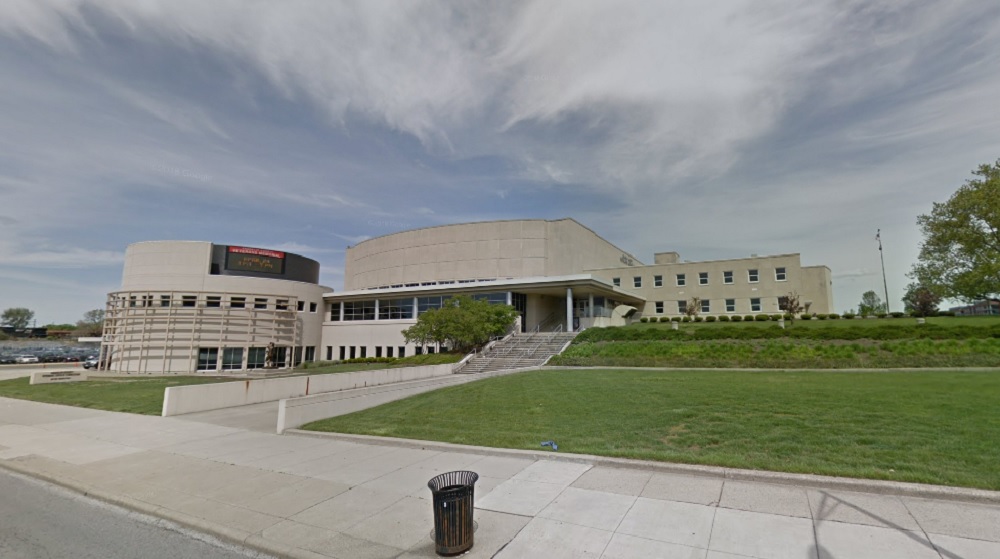
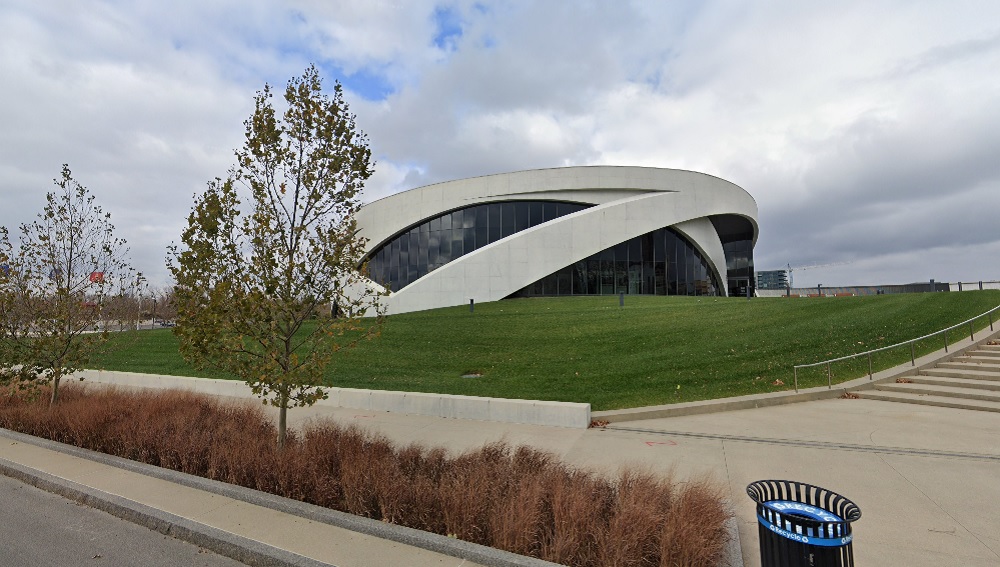
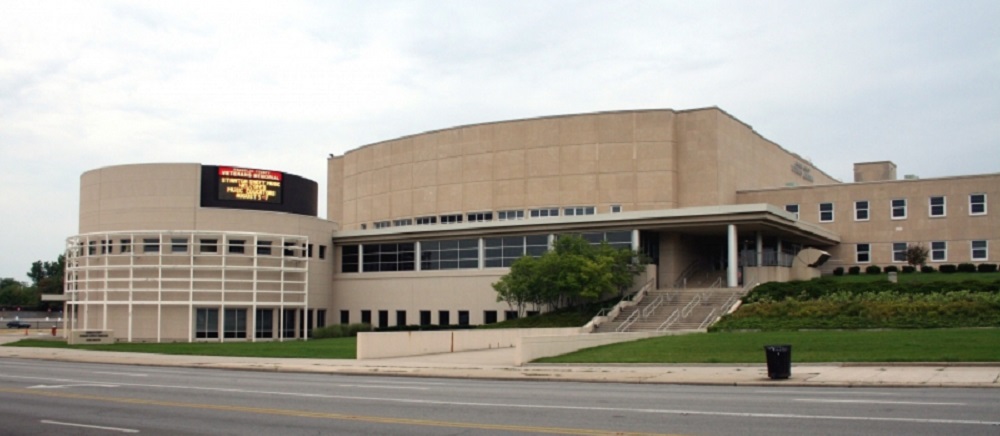
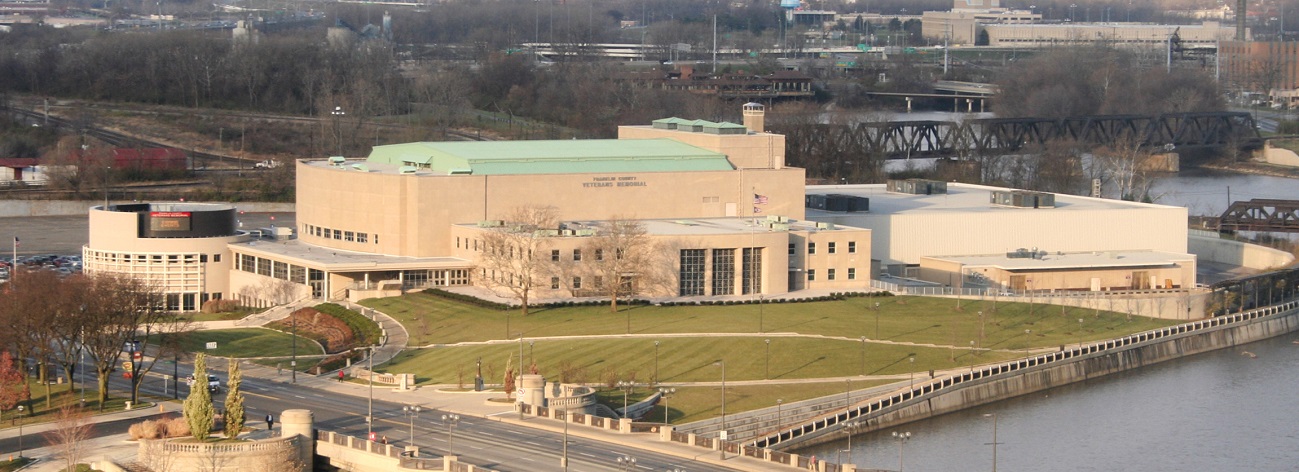
Before: Veterans Memorial in 2011 The old Veterans Memorial was constructed in the mid-1950s. Over the subsequent decades, the building was renovated and expanded multiple times. By the 2000s, the building was considered outdated with a convoluted layout. Despite some objections, it was decided that the complex would be torn down and replaced with a new veterans center. After: National Veterans Memorial and Museum in 2020 The new building had a far more modern, almost futuristic design, like something out of an X-Men movie. The new building was to remain a veterans memorial with office and event space, but also serve as a museum. It was eventually given the status of being the National Veterans Memorial, the only one of its kind in the nation.
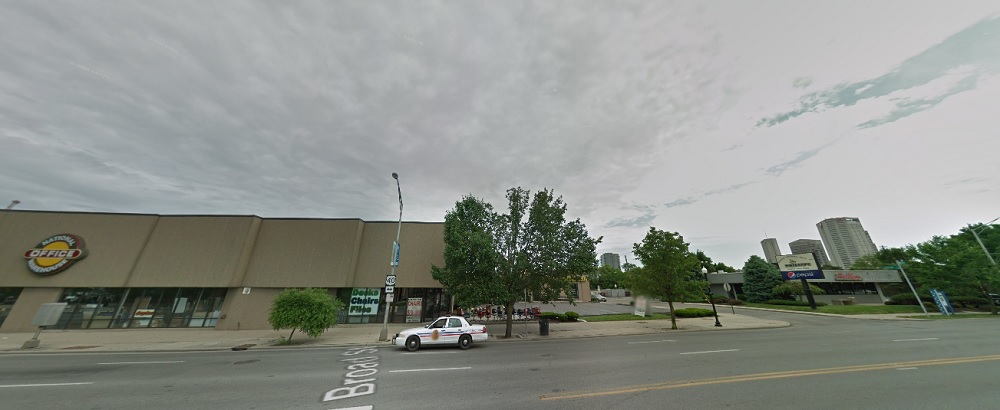
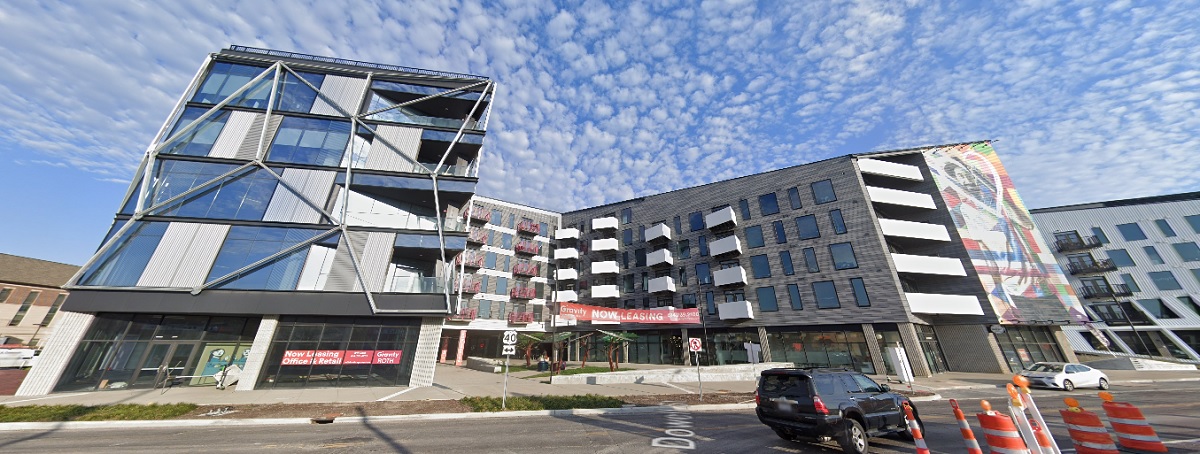
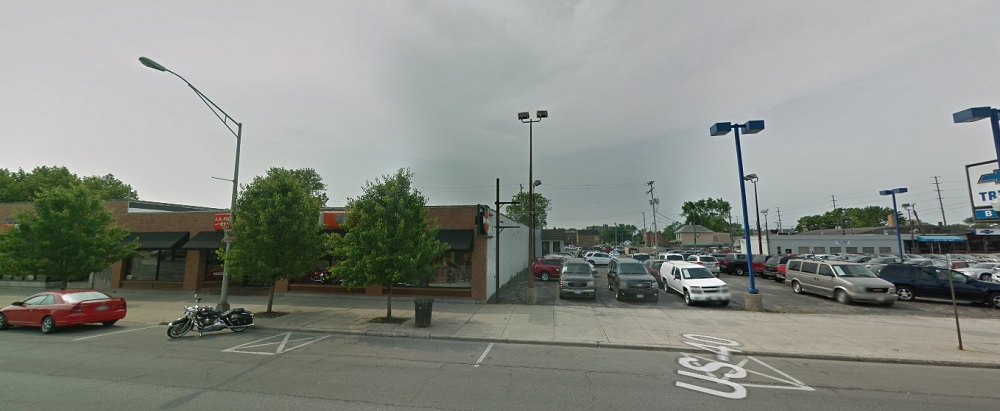
Before: 500 West Broad Street in 2011 Back in 2011, 500 W. Broad was a collection of small businesses, most notably Wasserstrom restaurant supply. This stretch of Broad was unremarkable and a more modern remnant of urban renewal during the mid-20th Century. After: 500 West Broad in 2020 Today, the first phase of the Gravity development occupies the entire stretch. This unique mixed-use development contains, among other things, apartments, retail space, community art and activity space for its residents. Directly across the street, the 2nd- and much larger- phase of Gravity is currently under construction.
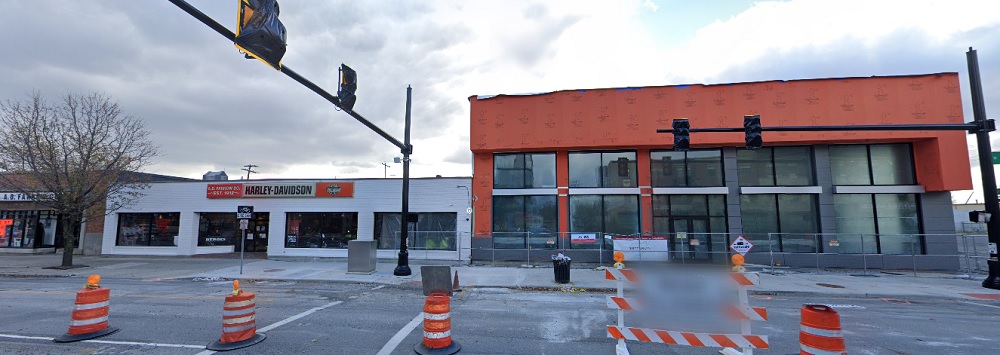
Before: A.D. Farrow Harley Davidson in 2012 A century after the business was established, this Harley Davidson sales shop just down the street from Gravity looked out of date. Half the site was also a parking lot that fronted Broad Street. After: A.D. Farrow Harley Davidson in 2020 In 2020, the business was engaged in a significant remodel and expansion. Local business investments such as this have been on the rise in Franklinton in recent years, especially east of 315.
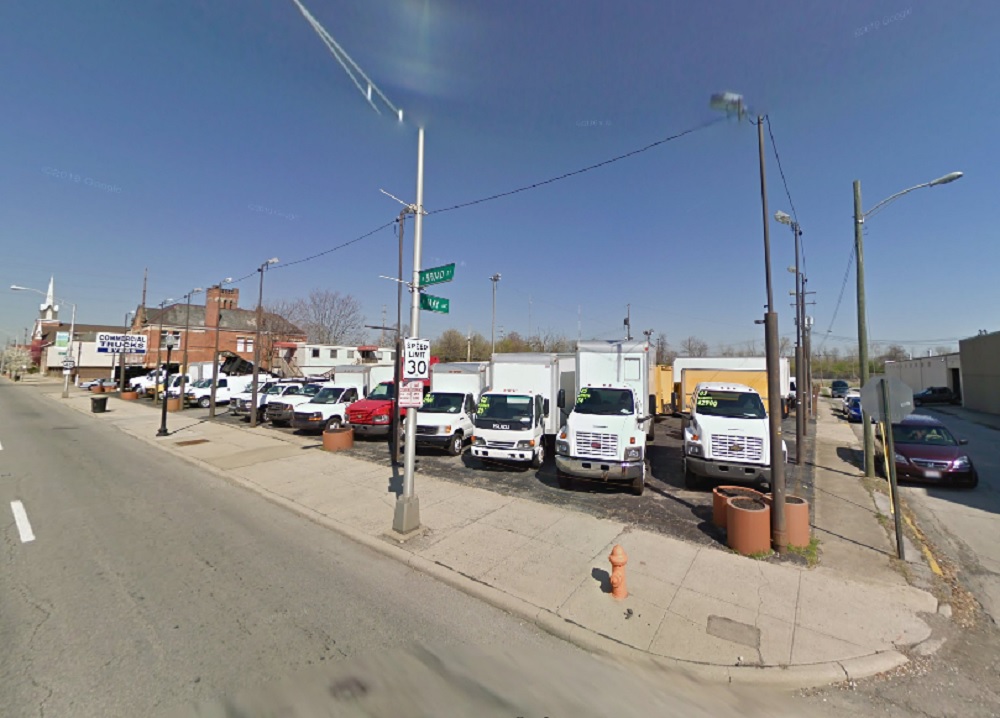
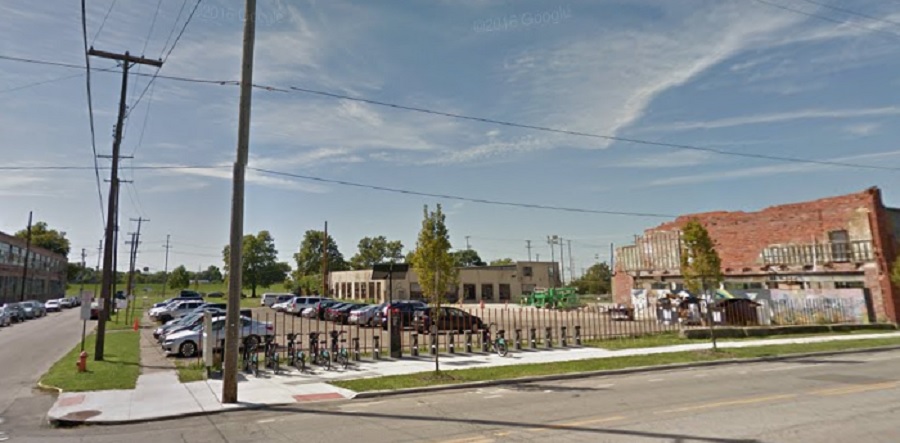
Before: 524 West Broad in 2009 This site had been used as a car lot for some time. The original buildings had been demolished in the early 1960s, replaced with surface parking. After: 524 West Broad in 2020 Today the site is home to Franklinton Station, a lower-income residential complex for seniors.
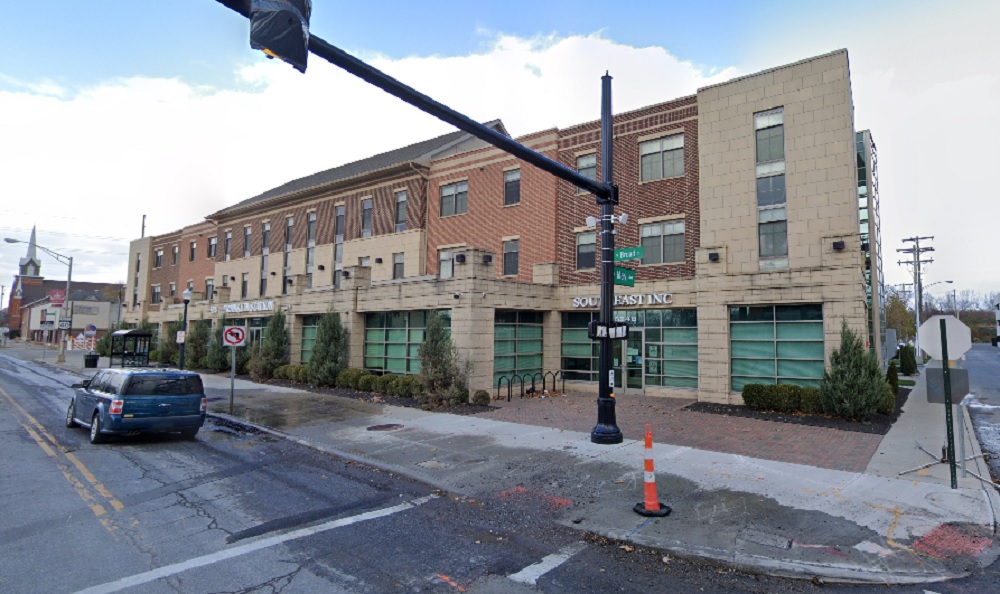
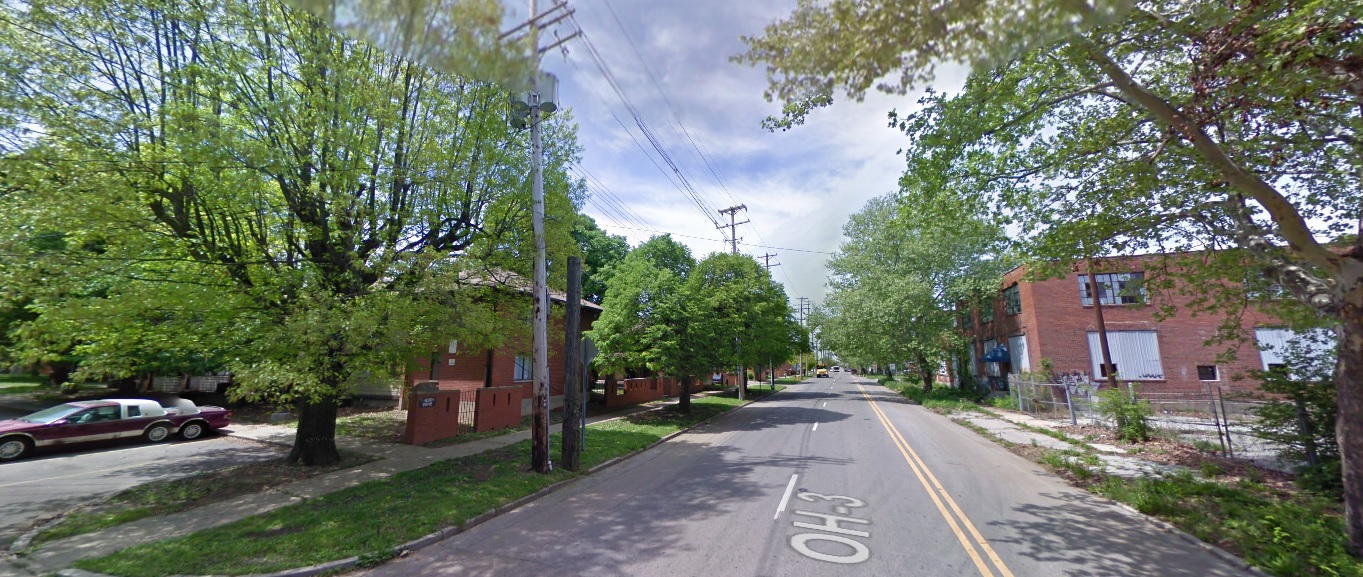
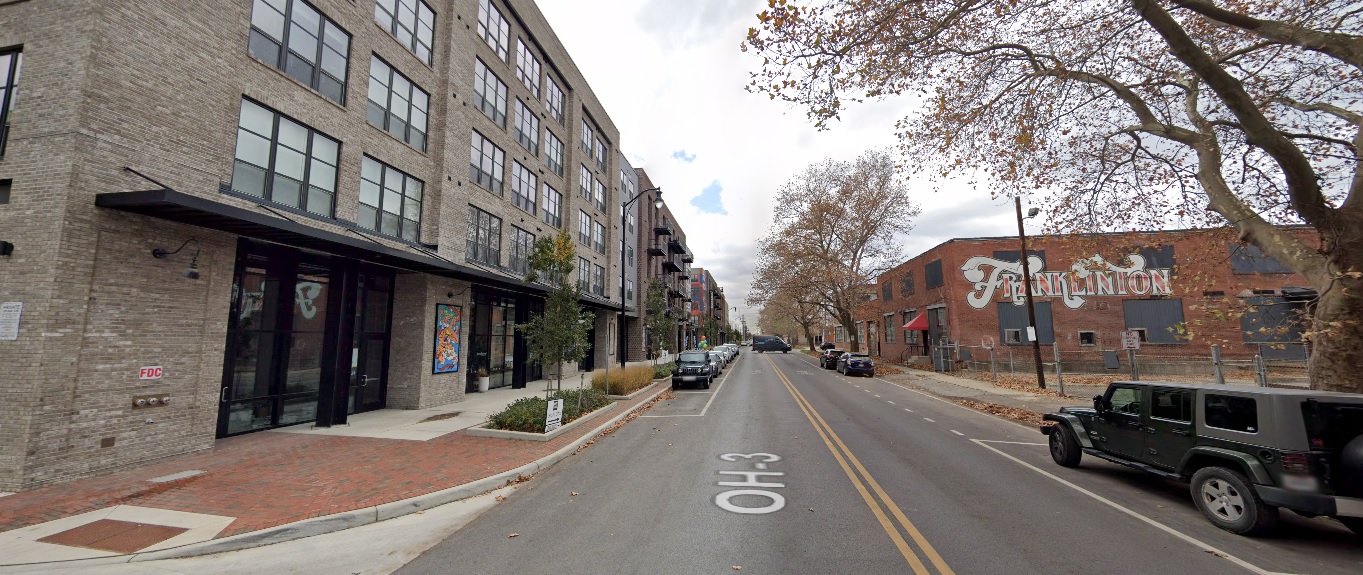
Before: West Rich Street at the Railroad Crossing, looking west in 2009 This view of West Rich Street shows how the area had been in decline, with abandoned buildings on the right and run-down public housing on the left that had seen little investment since its construction in the early 1960s. After: West Rich Street at the Railroad Crossing, looking west in 2020 Today, this section of Rich Street looks like a completely different place. Buildings have been renovated and old housing has been replaced with the much more dense River & Rich mixed-use development. The new complex contains retail space and residences that retain affordable housing. Another phase of the River & Rich development is in the works that may eventually include a new residential tower.
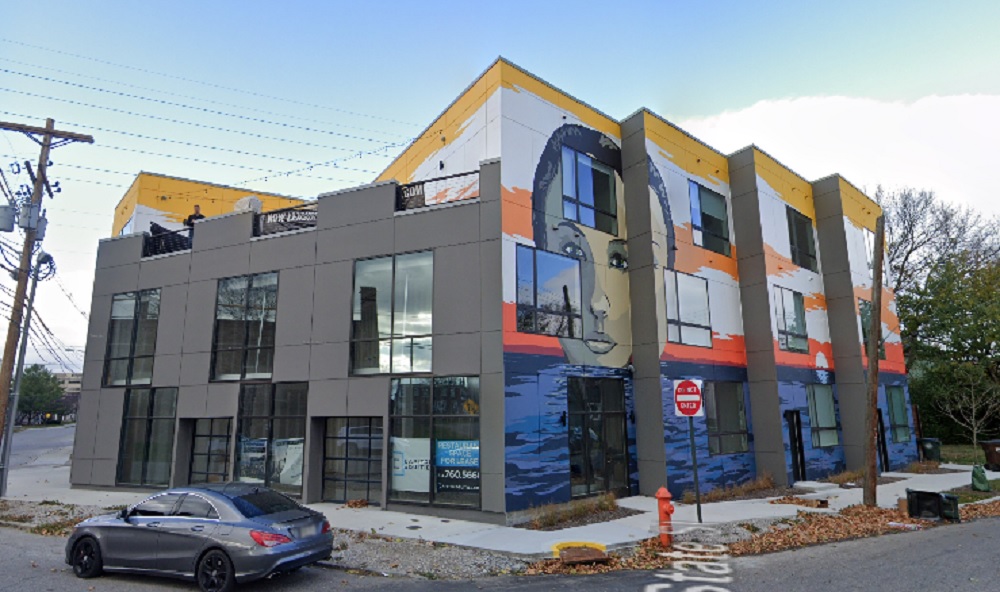
Before: 548 West State Street in 2011 The site at 548 W. State had been vacant for a number of years, with the original development having been demolished. By 2011, it was overgrown with weeds. After: 548 West State Street in 2020 In 2020, the site had a brand new mixed-use building containing 13 apartments and retail space. The mural also contributes to Franklinton becoming more of an arts location as the previous arts destination, the Short North, becomes ever more expensive.
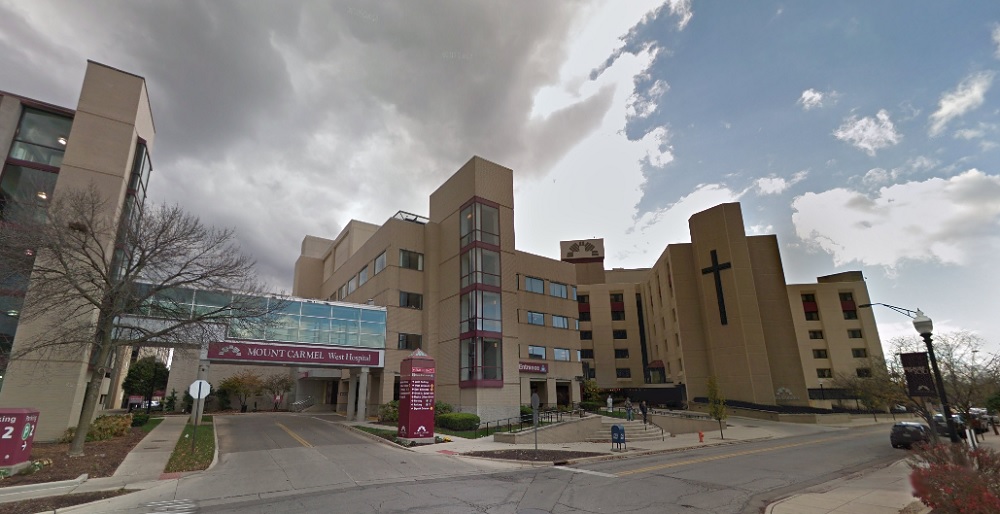
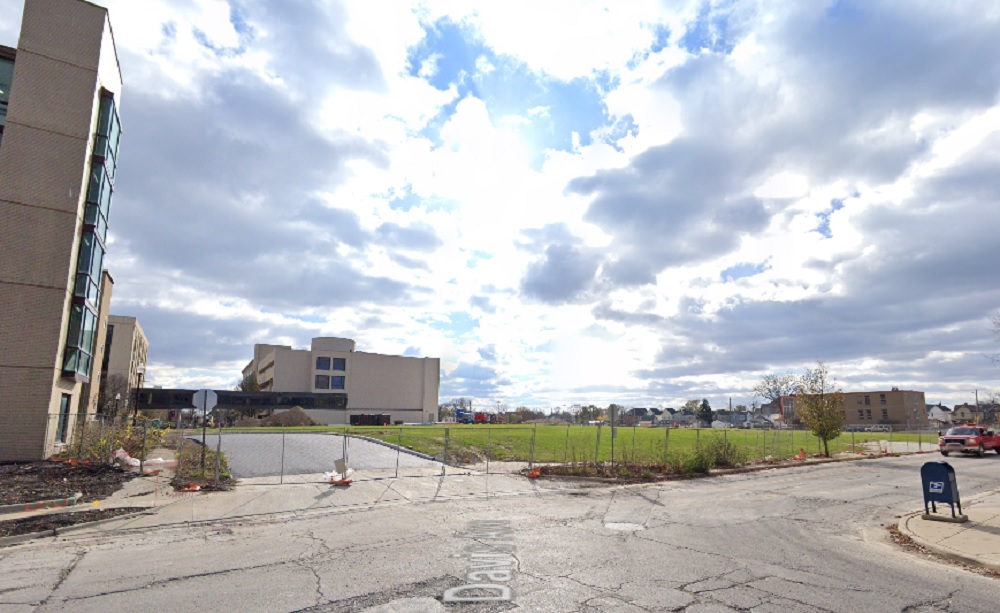
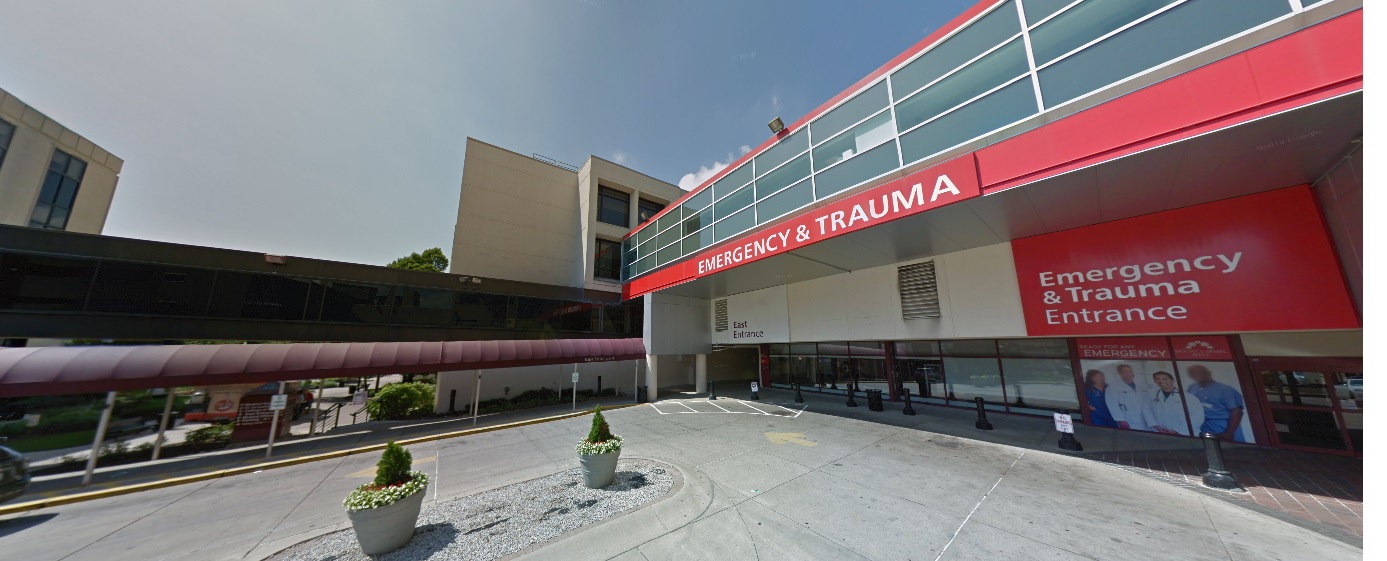
Before: Mount Carmel West in 2015 Mount Carmel West Hospital had been a dominant fixture in Franklinton for more than a century. It was originally known as Hawkes Hospital and constructed in 1886, becoming Mount Carmel in the 20th Century. However, by the 2010s, the location was deemed to be less optimal and so most of the services were moved to a new hospital in Grove City. The fate of the old hospital was sealed and a plan was drawn up to redevelop the entire site. After: Mount Carmel West in 2020 By 2020, the main hospital was no more. The only structures that will remain include the nurse’s college and several parking garages. The site will be redeveloped with mixed-use projects including residential, retail and office space over the next several years.
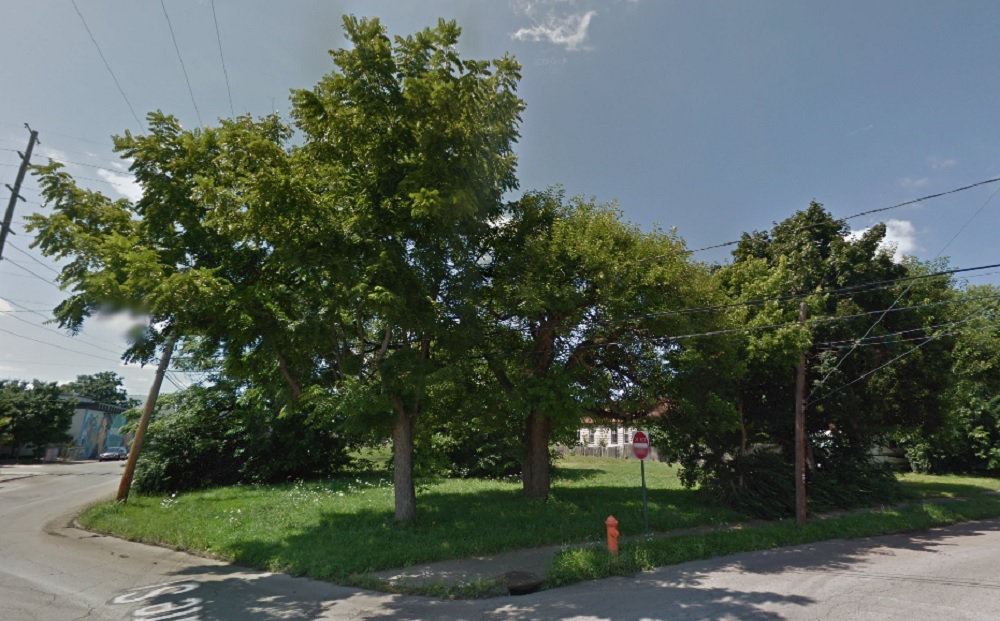
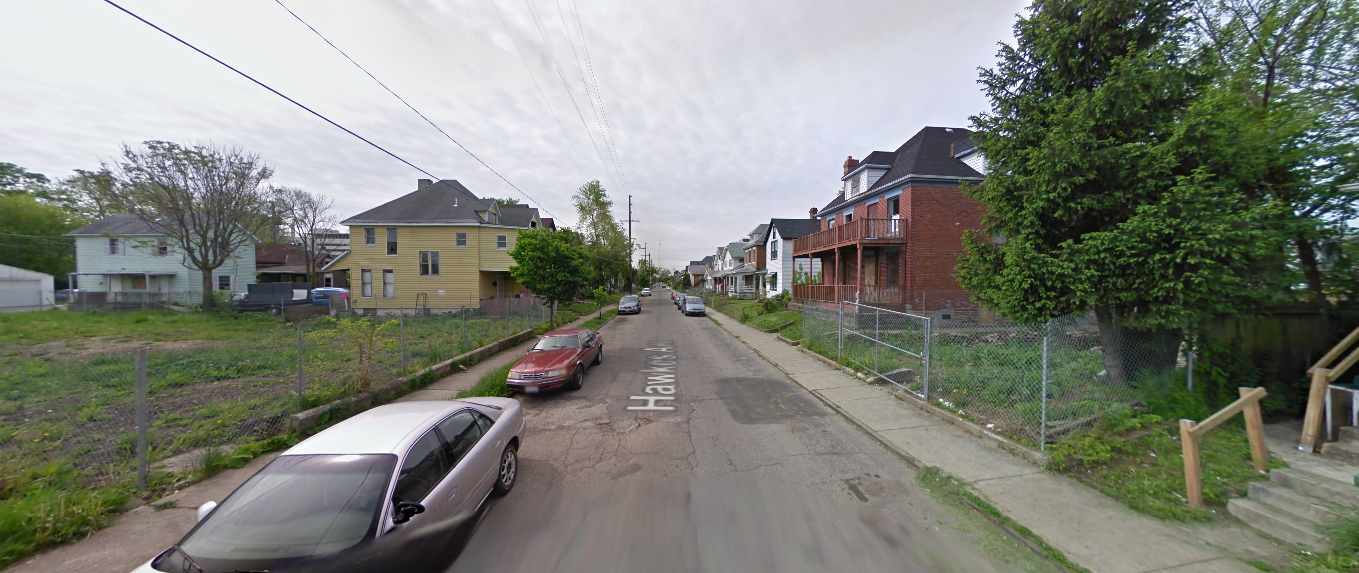
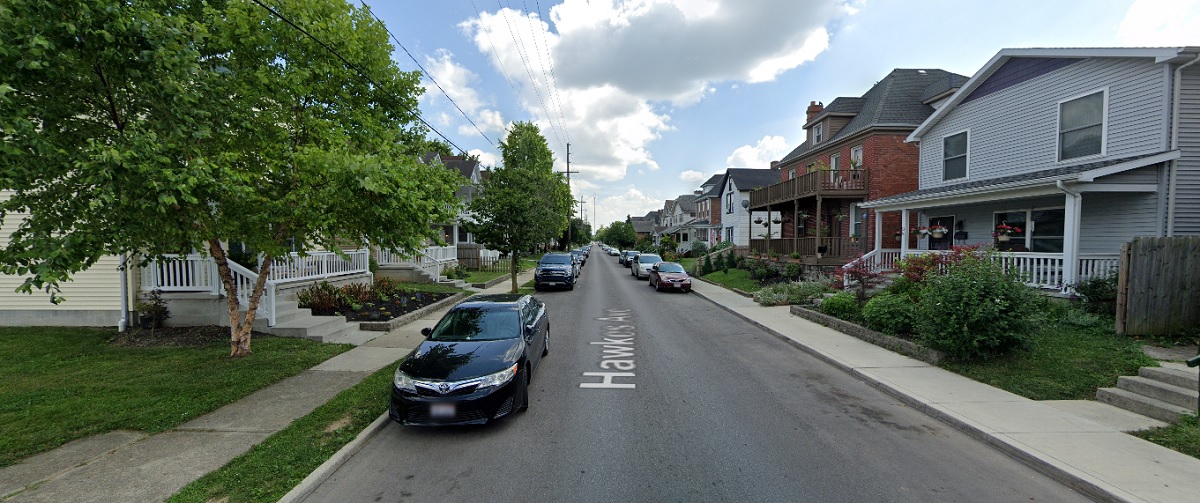
Before: Hawkes Avenue, looking south from Chapel Street in 2009 Hawkes Avenue was a typical Franklinton street by the late 2000s, with its vacant lots, abandoned buildings and poorly-maintained infrastructure. After: Hawkes Avenue, looking south from Chapel Street in 2019 Infill housing has been gradually becoming more common throughout Franklinton, as well as home renovations and general reinvestment in infrastructure by the City. Hawkes Avenue has been a beneficiary, and now looks better than it has in many years.
Franklinton has come a long way in just a few years, and the neighborhood is poised to only continue to change even more drastically in the near future. Many new projects are either under construction or have been recently proposed. Future phases of the Scioto Peninsula redevelopment will only spur additional development and growth westward. Whether Franklinton can revitalize without driving out too many of its existing residents remains somewhat of an open question.
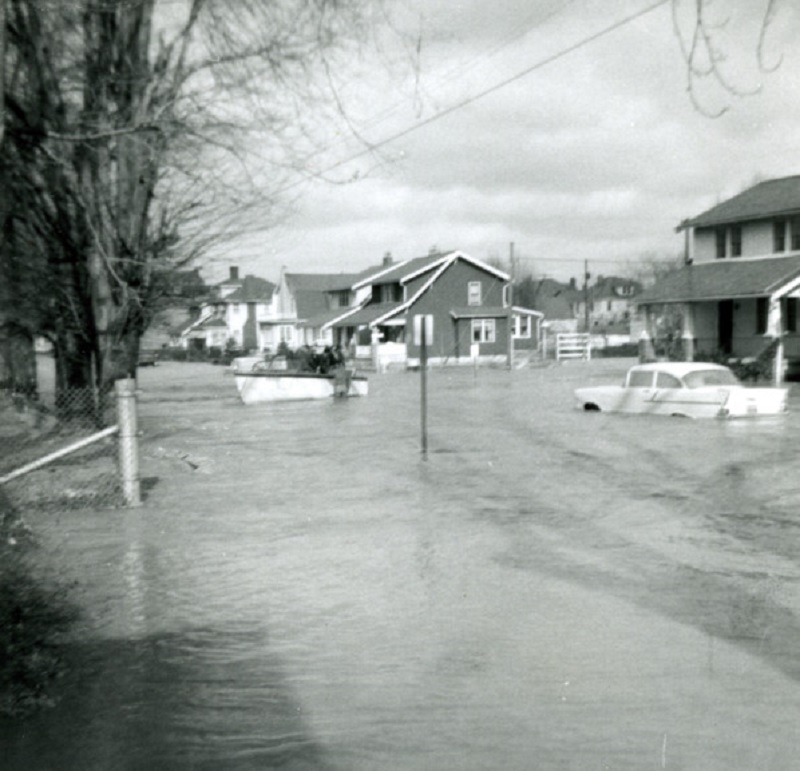
The history of the Scioto Peninsula is much the same as the Franklinton neighborhood it resides in. Since Franklinton’s founding in 1797 (Columbus’ oldest neighborhood and predates Columbus itself by 15 years), it did not take long to figure out the area’s one major flaw: Floods. Essentially built upon a river flood plain, Franklinton flooded several times during the 19th century, but the most devastating came in 1913 and 1959. The 1913 flood, Ohio’s deadliest and most widespread natural disaster, inundated Franklinton with up to 20 feet of water in places, and the neighborhood flooded all the way back to where present-day I-70 cuts through the far western border. Franklinton suffered massive damage, and over 100 people died along the Scioto in Columbus. The flood in 1959 was less severe, thanks to flood protections put into place after 1913, but one consequence of this flood was that new construction and most renovation was all but prohibited due to the flood risk. This helped to stagnate the entire neighborhood, and combined with the urban decline for the next several decades, Franklinton gradually fell into disrepair. The Scioto Peninsula, the far eastern section of the neighborhood just across from Downtown, was always the hardest hit by flooding. As such, the 56-acre peninsula gradually became a manufacturing and warehouse site, although a few thousand people did live there in low-income housing projects. Central High School also helped to maintain a residential presence.
As manufacturing declined and more people left the urban core, the warehouses and businesses closed shop. Many were bulldozed into vacant lots. Central High was closed as a school in the early 1980s. By the mid-1990s, the area was largely empty except for Veteran’s Memorial and a handful of housing developments and businesses. Plans were in the works to help bring Franklinton back, however, and construction of the Franklinton Floodwall began at this time. This construction helped encourage COSI to move into Central High, renovating and expanding the old building in exhibit and museum space. Most of the rest of the peninsula became surface parking. In 2004, with the completion of the floodwall, building restrictions were finally lifted, but for several years, little happened. The stigma of a neighborhood in decline kept development interests away.
In 2010, Columbus came out with a list of 12 projects it wanted to accomplish in the downtown area. Some of them have come to pass, such as the renovation of the riverfront with Scioto Mile and the redevelopment of City Center into Columbus Commons. Another one of these projects was the redevelopment of the Scioto Peninsula. The city saw an opportunity in so much empty land so close to Downtown, especially coinciding with the emerging back-to-the-city movement. This prime real estate was ripe. The city began planning of this project early in 2012, as East Franklinton itself began to emerge as an artist destination. The Short North has, more or less, reached the final stage of gentrification. It’s become upscale, attracting high end retail and residential, as the number of art galleries has gradually declined due to rising rents. Franklinton has proven to be an attractive alternative, with such live-work projects as 400 Rich, which grew rapidly in its first year. Residential projects are now in the works, as well as more artist space, warehouse conversions and new bars and restaurants.
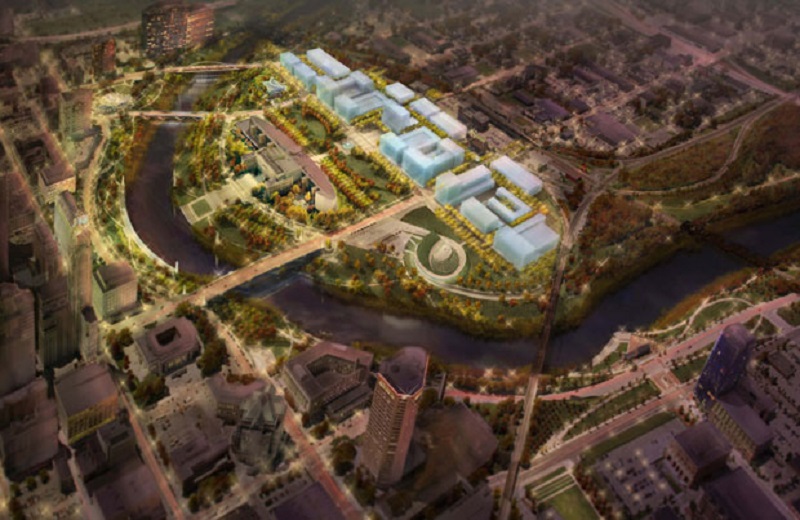
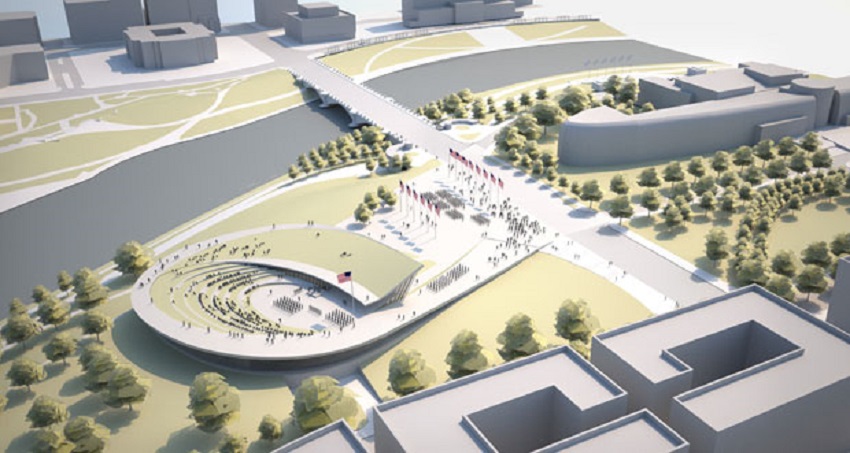
General plan for the Peninsula.
A few months back, details of the Peninsula’s redevelopment plan began to trickle out, but the official announcement finally came yesterday. Here is what we now know of the plan:
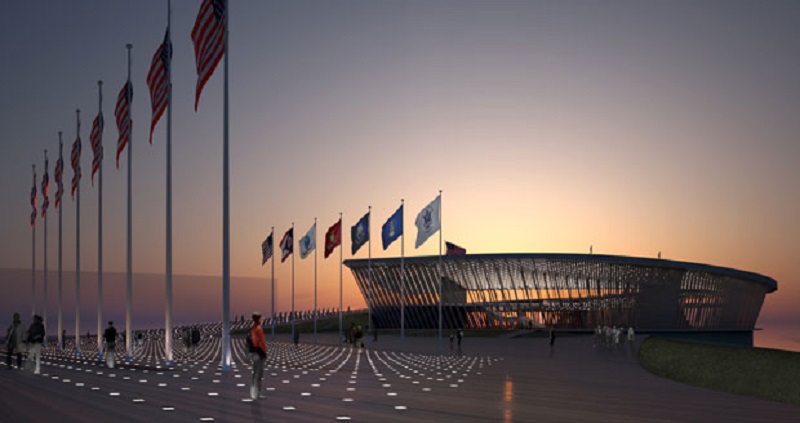
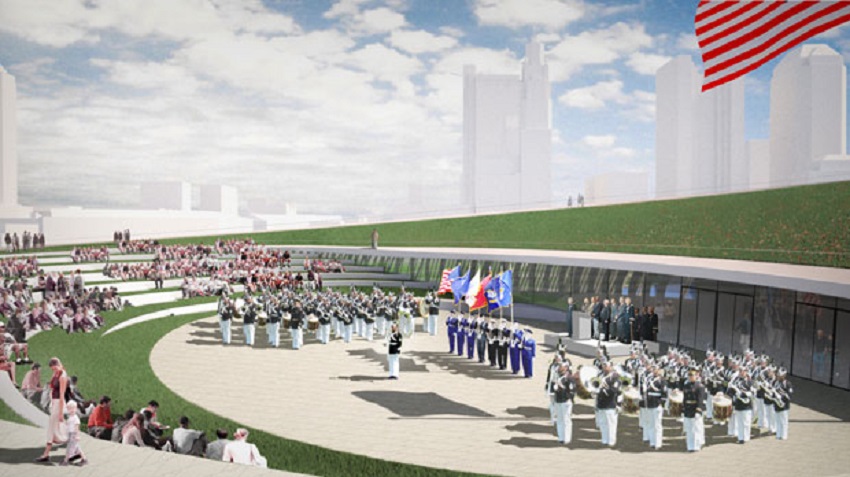
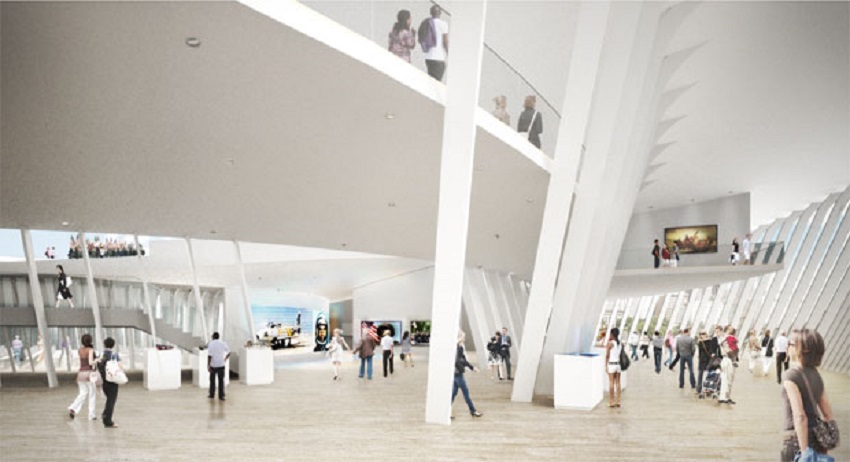
1. Veterans Memorial, built in 1955 and expanded/renovated a few times over the years, will be torn down and replaced with a new Vets. This new Vets will be of modern design, spiral in shape with glass walls and a rooftop, outdoor amphitheater. Inside will be an Ohio military museum, along with meeting and event space. Estimated costs run around $50 million. Old Vets Memorial New Veterans Memorial
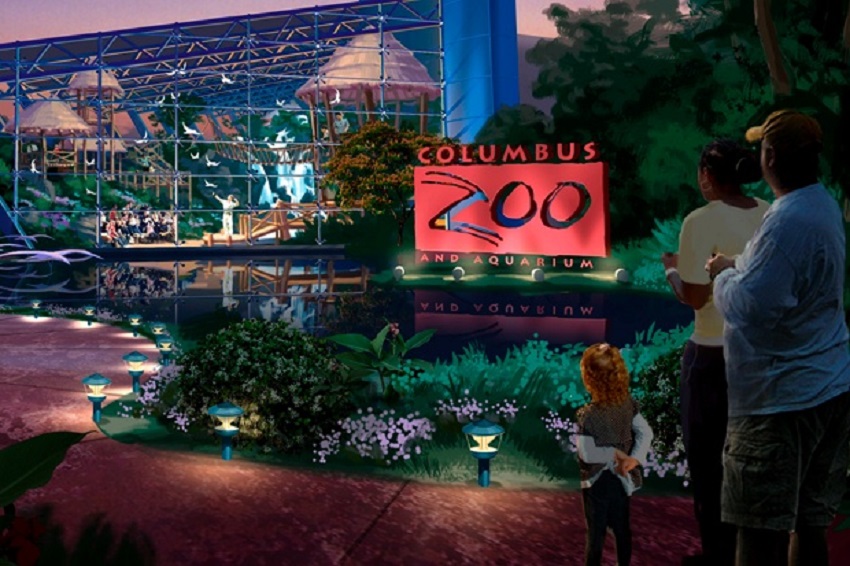
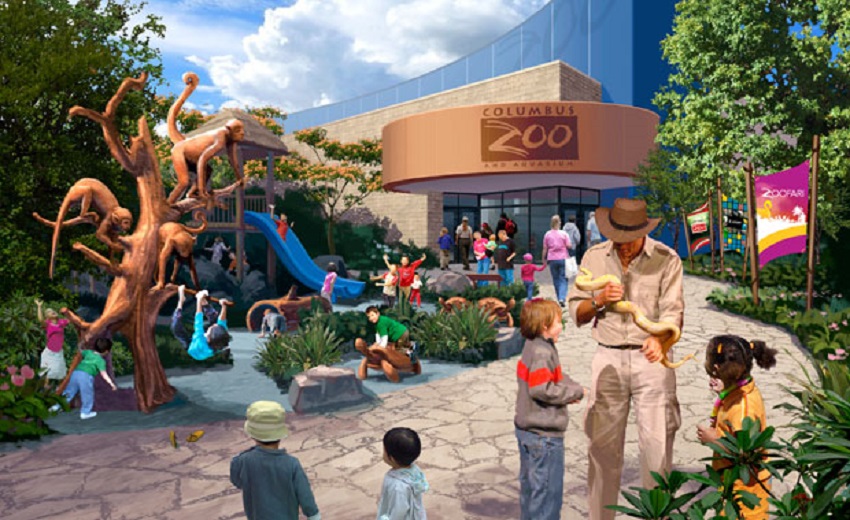
2. Southwest of COSI, the Columbus Zoo will build a $50+ million, 50,000 square foot zoo extension. The building will include an aquarium, rainforest, outdoor zoo-themed playground and other exhibits.
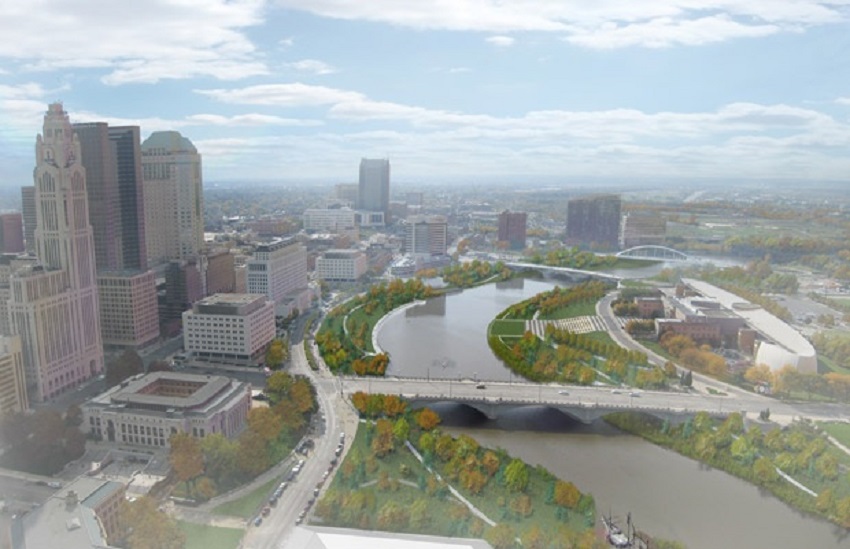
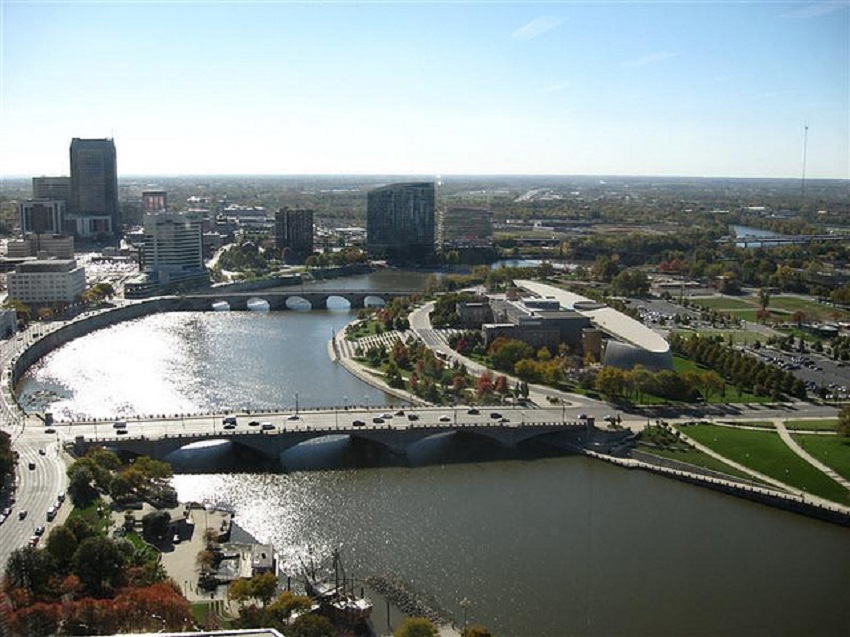
3. Where the current COSI parking lots are, a large underground parking garage will be constructed to serve the 3 attractions. Once complete, the garage will be covered by a large central park. 4. While not yet designed and weren’t talked about yesterday, previous details have included elevated walkways connecting all 3 buildings across the peninsula. 5. Between Bell Street and the railroad tracts that run along the western border of the peninsula, a mix of low, mid and high-rise mixed-use buildings will go in. Ground floor retail will line streets while upper floors will be mostly residential. Between 1,000 and 1,200 residential units are planned, but private interests could easily include more given the very high demand for urban residential and the fantastic location with views of Downtown and the river. Estimated costs exceed $100 million. 6. Not included specifically in the peninsula plan, but surely also impacting it, will be the Scioto River itself. Another one of the 12 projects is the removal of low-head dams through Downtown. This will lower the river level through Downtown, creating 33 acres of new land that will be landscaped into park space. Bike paths and walkways will also be constructed on this new land. The river itself will run faster, cleaner and open up more potential recreational uses. This project is set to begin this fall and complete in 2015. Estimated costs for the project are around $25 million.
The Riverfront after reconstruction.
The Riverfront now.
7. After the completion of the river restoration project, another one of the 12 ideas should begin. That will be the construction of a signature pedestrian bridge connecting North Bank Park in the Arena District with the Scioto Peninsula near the new Vets. There are no cost estimates at this time.
So given all this, the Scioto River and the Scioto Peninsula are looking at several hundred million in investment and development over the next several years. This will radically change the riverfront, and has the potential to jumpstart Franklinton, especially eastern parts, in ways not seen in many decades.
*Some photos have been updated since the time of the original post.
Before: South Central Avenue, looking north, during the flood of January 21-24, 1959. After: 2015 The 1959 flood was the 2nd worst in the history of Franklinton after the 1913 disaster. The Frank Road crest on the Scioto River came on January 22, 1959 and was 27.22 ft, 3.22 ft above flood stage and a few feet below the 1913 crest. This crest would not cause serious flooding in Franklinton today, as the Franklinton Floodwall, completed in 2004, will protect the area to crests of up to 30.9 ft. Few people know that, prior to the wall’s completion, federal guidelines prohibited almost all types of construction in Franklinton, a contributing factor in the gradual decline it faced after the 1950s.
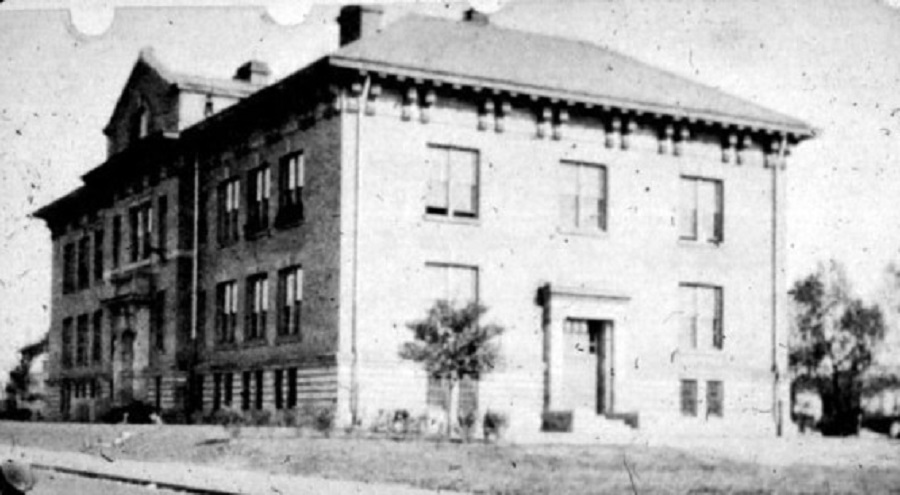
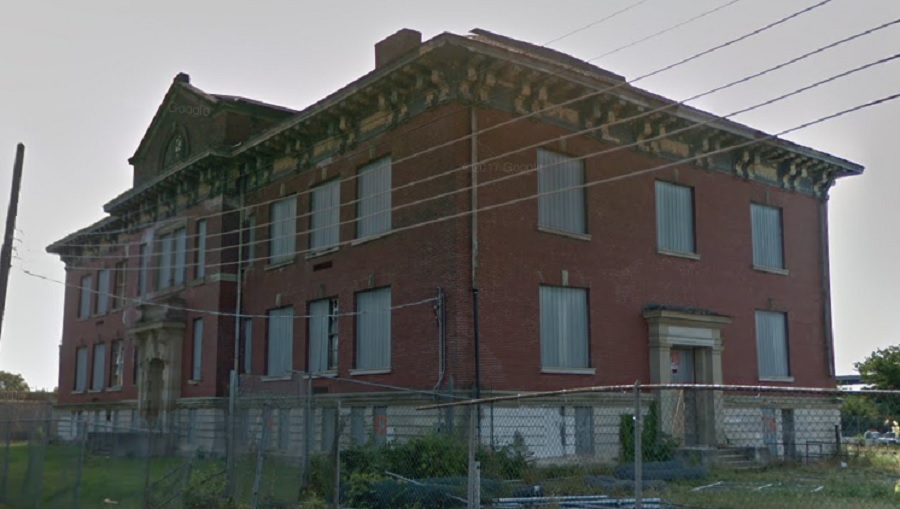
Before: Bellows Avenue Elementary on Bellows Avenue in 1922. After: 2017 Bellows Elementary was opened in 1905 and barely escaped destruction during the I-70/315 highway construction. The building remained a school through the 1970s before closing and being sold by the city in 1984. It has remained vacant since then. Recent proposals to turn it into apartments, particularly as Franklinton has begun a massive revitalization, and the building has received a new roof, so further deterioration has been stopped for now. The building, however, is threatened by possible demolition once the 70/71 split is reconstructed in sometime in the mid-2020s.
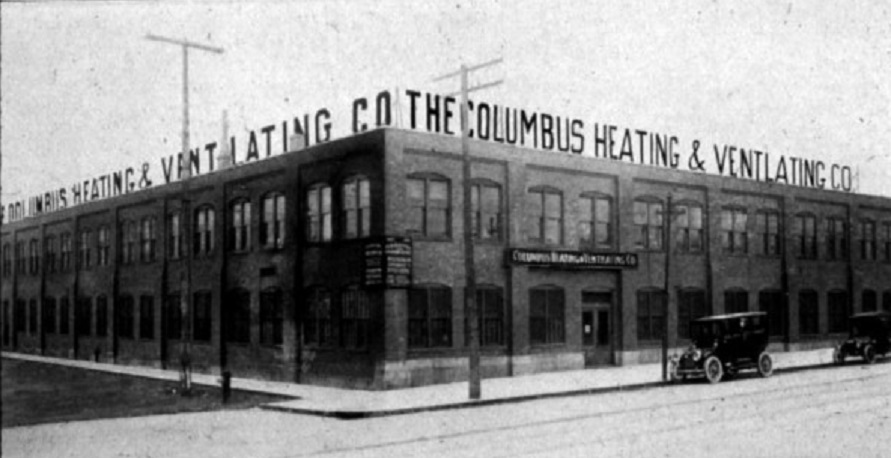
Before: The Columbus Heating and Ventilation Company building at 433 W. Town Street in 1916. After: 2016 The Columbus Heating and Ventilating Company began in 1903 and still exists in the city, although obviously not at its original location. It later served as factories and parts of the complex were even used to enrich uranium for the Manhattan Project. The old building eventually went into severe disrepair and most of the roof had collapsed by the time it was demolished in 2011 as one of the first steps in the area’s rebirth. Multiple redevelopment plans have come and gone for the site, but so far, nothing has come of them.
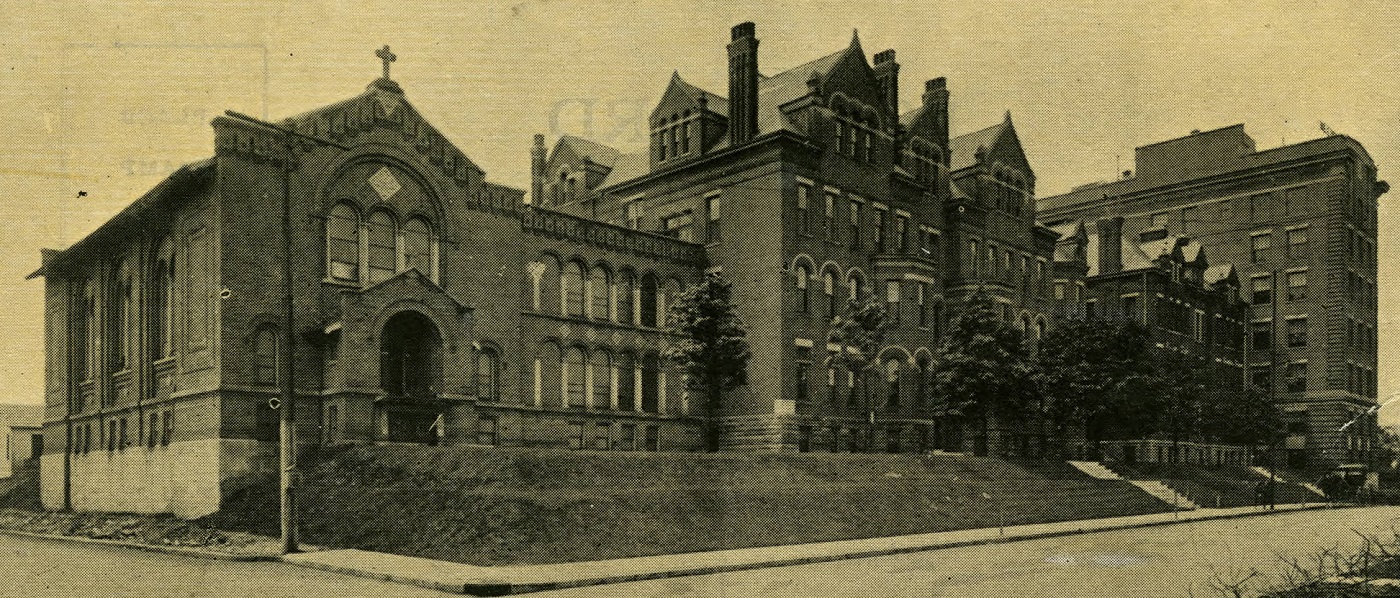
Before: Mt. Carmel Hospital, looking southwest on Davis, in 1909. After: 2018 Mt. Carmel was originally known as Hawkes Hospital. The first section was completed in 1886, with later expansions in 1891 and 1908. Eventually, the old structures were deemed outdated for modern hospital purposes, and the entire complex was demolished in the late 1940s. Today, the site is very different, with the current buildings built on top of the old Davis and State Street intersection. The hospital moved most services to a new location in Grove City in recent years, with plans to demolish part of the complex to create a new mixed-use development.
For thousands more before and after photos from all parts of the city, click here: Historic Building Database