Yesterday, I talked about how the 1950 core population had changed the last 50 years. Today I want to focus just on the Downtown, or the Central Business District. This is a much smaller area for all three cities so there are far fewer tracts involved.
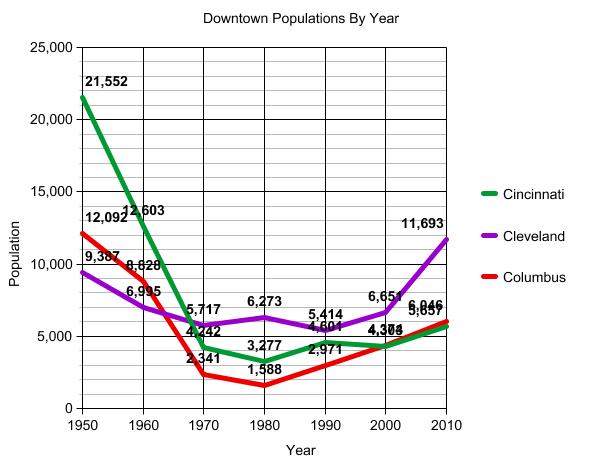
First, let’s look at the total Downtown populations since 1950. This graph, I think, will surprise most people. The first surprise is that downtown populations in 1950 were not nearly as high as most would have you believe. Cincinnati did have almost 22K people there, but even a city like Cleveland had less than 10K, and that was during the absolute peak of its city population. Another surprise is that Columbus was not always the lowest populated downtown and was more populated than Cleveland’s in 1950. Finally, the last surprise is that while all the downtowns are now growing, Columbus has regained 2nd place and Cleveland has seen the most growth so far.
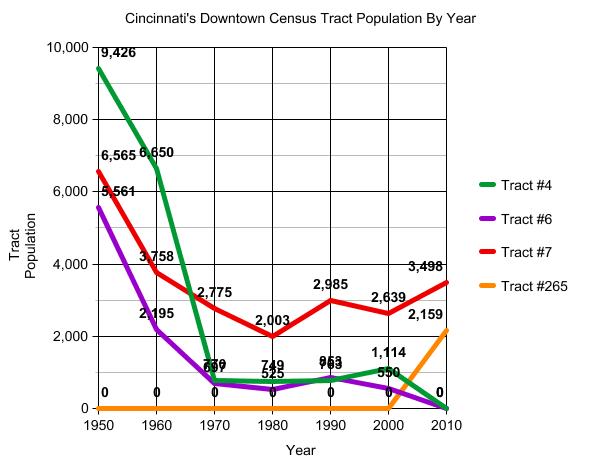
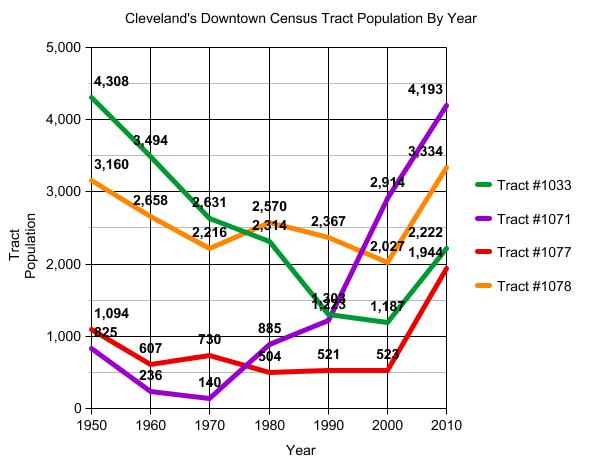
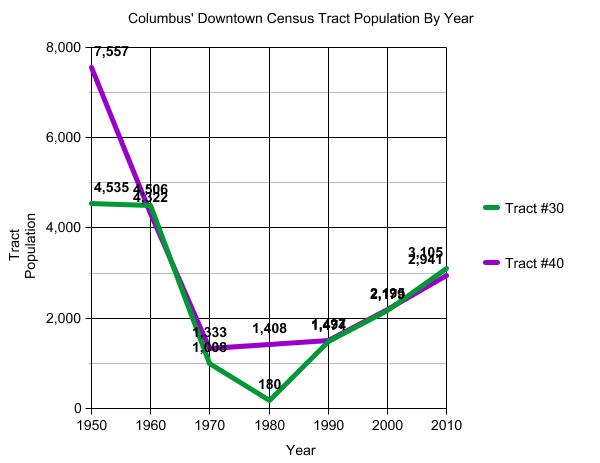
What about tract trends for the downtowns? Well first, here are the population trends for each downtown. For Cincinnati, Tracts #4 and #6 were combined into #265 in 2010. So no city had a single Downtown tract that was not growing in 2010. This is good news.
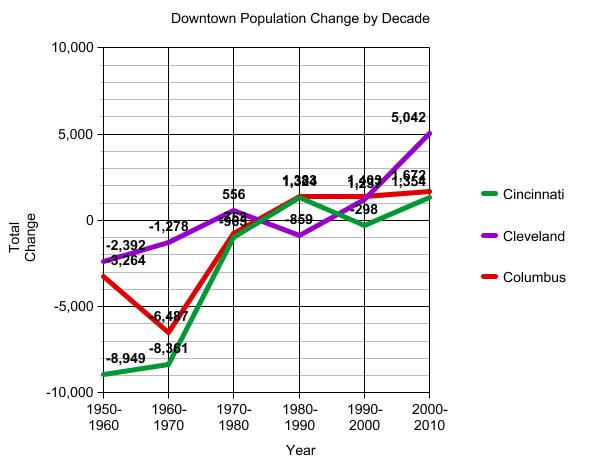
Here is the total population change by Downtown.
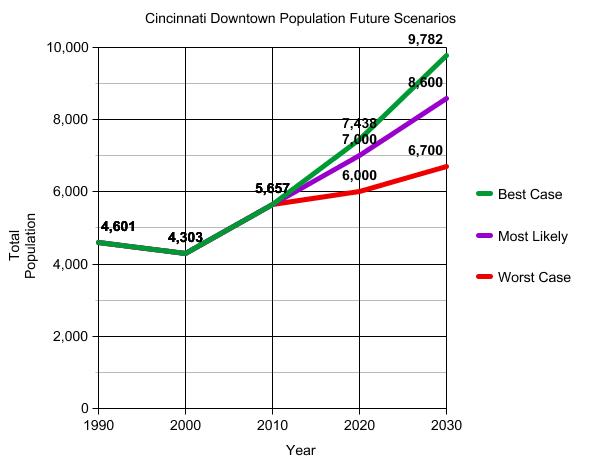
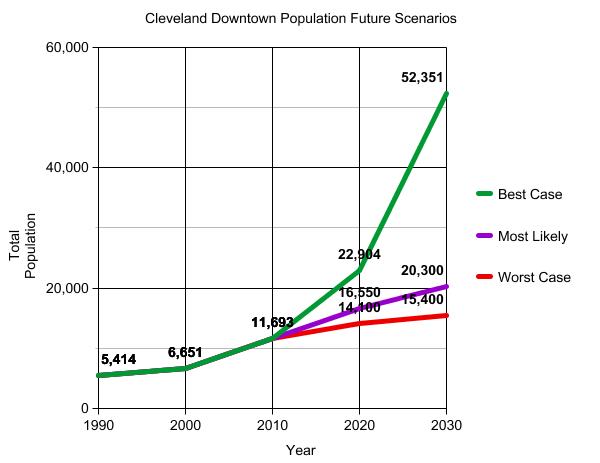
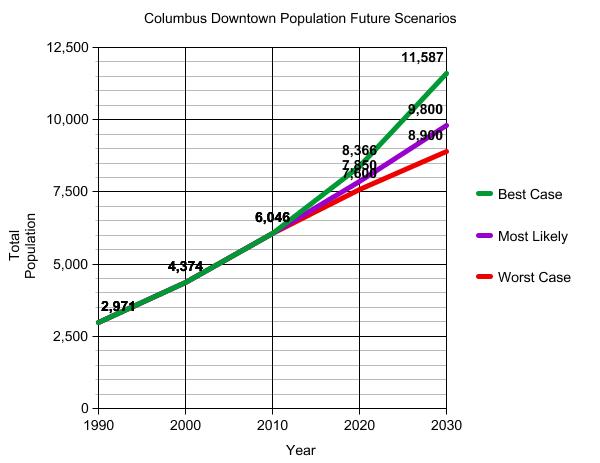
What about if these current trends continue, what might the downtown populations look like in 2020 or 2030?
If you think Cleveland has a very rapid rise for its Best Case scenario, that is because, to get the best case, I used the last decade’s growth rates and just assumed they would continue and compound growth. One of Cleveland’s tracts had a growth rate over 80% while another grew 271%. Still, while it’s the best case, it’s also highly unlikely to maintain growth rates that high for that long, so a more likely case is somewhere closer to Most Likely.
Finally, I wanted to look at more of the downtown area than just the central business district. “Downtown” for many includes more areas than that and may be a “Greater Downtown Area”, the measurement between the full 1950 boundaries and just the CBD.
Here are the tracts I considered to be the Greater Downtown area for each city.
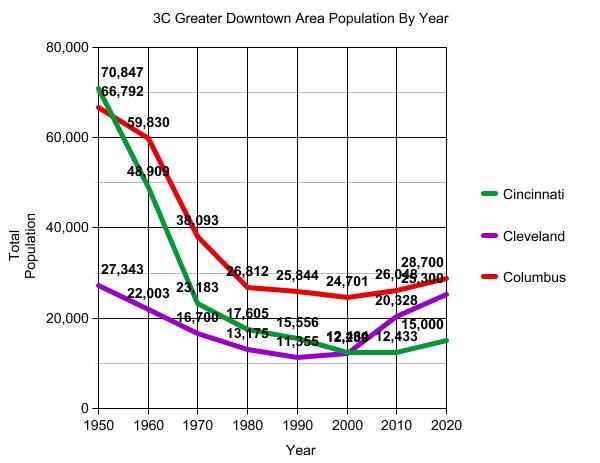
And the graph for the population of these tracts since 1950 and a projection out to 2020. Cincinnati reached it’s lowest population for the past 60 years for this area in 2010, but just barely. It should be growing again by 2020, but I didn’t project the growth to be that high because it was still coming out of its lowest point. Cleveland’s greater downtown had the bottomed out in 1990 and had the fasted growth the past decade. Columbus managed to maintain the highest population in its greater downtown, bottomed out in 2000 and has grown since. However, not nearly as fast as in Cleveland. I expect Columbus to have better growth this decade and remain on top, but with Cleveland’s area closing the gap.
In this Columbus Retail History Shopping Centers edition, we look back at how the city and retail innovation have been together for a long time, and there is a strong argument that the city has had such innovation before anywhere else in America. Even today, retail is a powerful player in the city’s economic and social picture. How did it all get started? Columbus Retail History: Shopping Centers, the second in the series, seeks to answer that.
As the automobile began to grow in use and importance, the concept of shopping changed. Previously, stores had been set up right against the sidewalk or street and customers would walk or find some other way to reach it. When the automobile came about, on-street parking was added. This was soon deemed insufficient for the steadily growing number of drivers, and developers and engineers began to think of new shopping experiences to adapt to this changing environment.
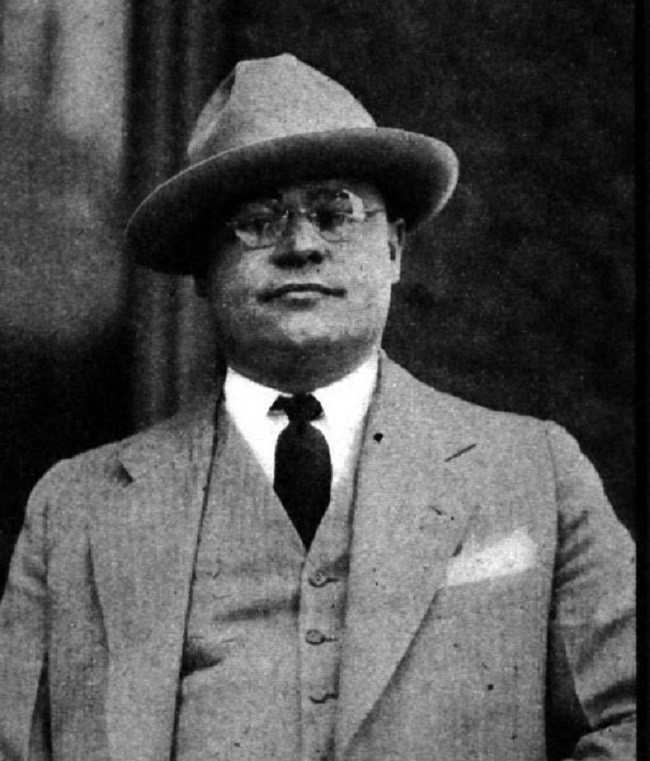
Don Casto Sr. in 1928.
One of the first major changes to come about was the strip center. Prolific in every suburb in America today, the strip center got its start in Columbus. The first one was developed in Grandview Heights and named the Grandview Avenue Shopping Center (also known as the Grandview Avenue Bank Block). Opening in 1928, the center included 30 shops and incorporated parking spaces for up to 400 cars, one of the first major retail developments to design for cars. It was also the first regional shopping center and the first to have more than one national grocer (it had 4). The opening was a big deal at the time. There was a parade that featured child actors from the “Our Gang” films (Alfalfa, Spanky, etc), a street fair and musical acts. It was, of course, an instant success, and copies began to sprout around the city, and eventually, the nation. The center was built by Don Casto Sr., and Casto Construction still is a Columbus entity, recently announcing a local HQ move to the Bicentennial Plaza building Downtown. The Bank Block also still exists, and although not functioning today exclusively as it was designed (it is now mixed-use), it is on the National Historic Register and continues to be a part of the Grandview Heights landscape.
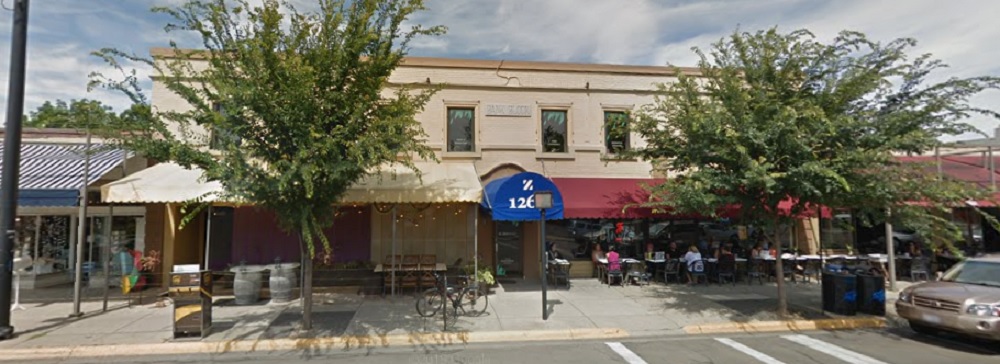
The 1929 Bank Block at 1269 Grandview Avenue.
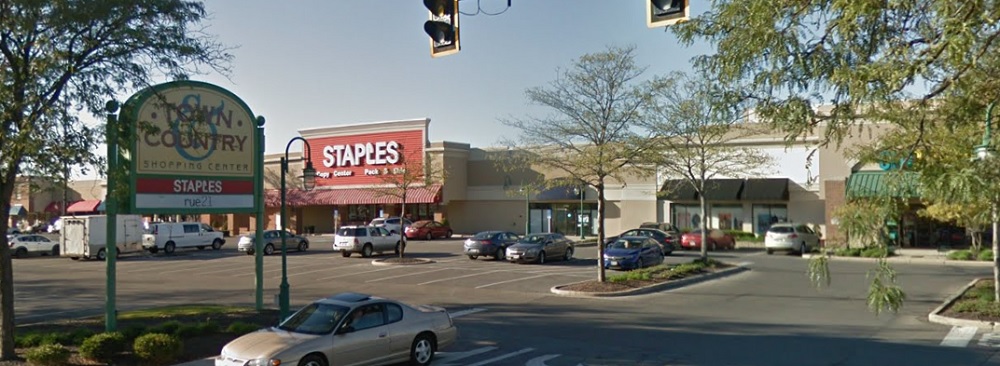
During the 1930s and 1940s, as suburban strip centers expanded and prospered, another idea began to emerge: The suburban shopping center. They were to be larger in scale than any strip center so far, with many stores, abundant parking and perhaps entertainment venues. Don Casto Sr., once again, took the lead. He proposed a new center at 3772 E. Broad Street, ironically, in order to relieve traffic congestion of shoppers in the Downtown area. Town & Country Shopping Center in Whitehall, was the result, opening in 1949. It was still strip-style, but much larger and with the parking lot set in front of the buildings. This became the dominant layout of all strip centers (and all retail development of any kind) for much of the next 60 years. Today, Town & Country has been renovated and reworked several times over, and shows little sign of its age.
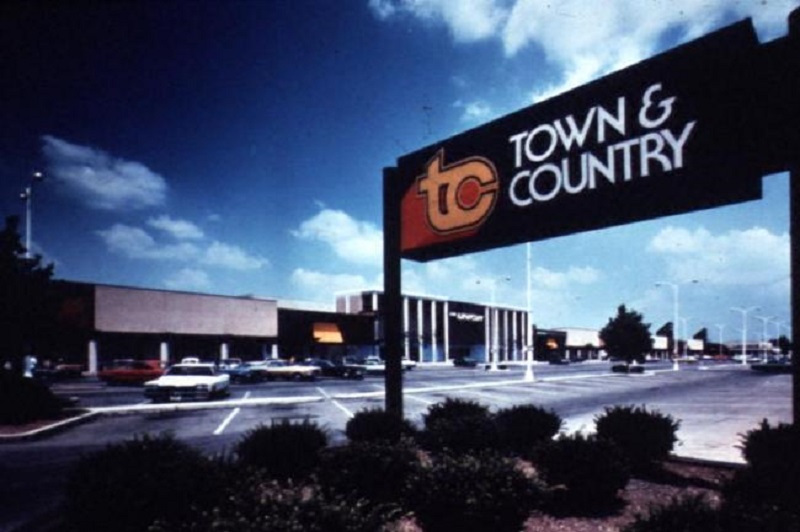
Photo taken in 1976.
Town & Country in 2018.
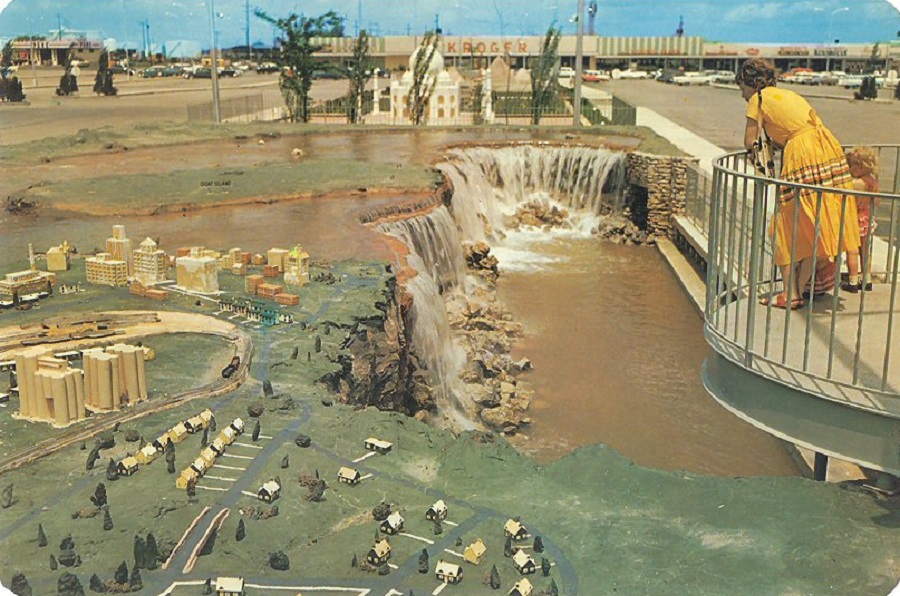
Casto followed up Town & Country with a string of new strip shopping centers that included Northern Lights Shopping Center on the North Side (1954), Great Western in Hilltop (1955), Graceland Shopping Center at 5155 N. High Street (1955) and Great Southern Shopper’s City on S. High Street (1957). Most of these new centers also featured some type of local attraction. At Great Southern, there was a Pan American flag display, while at Great Western, there was the famous Walk O’ Wonders, where a large section of the parking lot featured scale models of the world’s major architectural and natural wonders, such as the Great Pyramids of Giza and Niagara Falls. Today, all of these centers still exist, though none of them are particularly popular. Most of them now have low-end retail or non-retail establishments, victims of the shopping mall.
Niagara Falls at the Walk O’ Wonders at Great Western C. 1960. The attraction lasted about a decade.
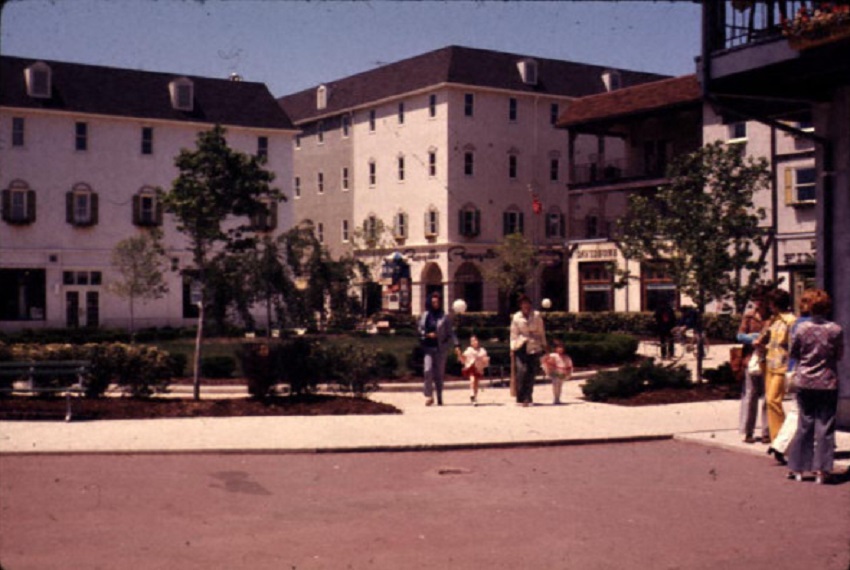
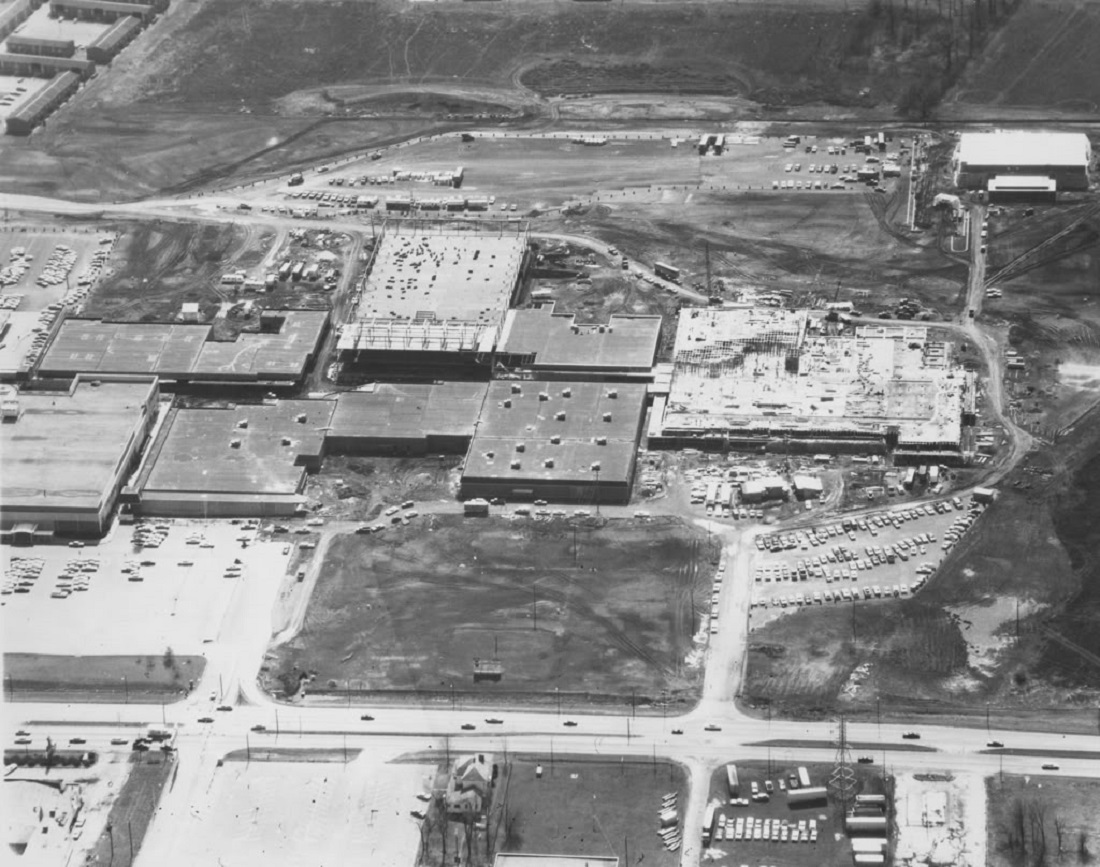
By the 1960s, the regional shopping mall was the next big idea in retail, and malls were sprouting up all over the country. Columbus was no exception to this trend. Columbus’ first major mall was Northland, which opened on August 13, 1964. Built for a modest $11 million, the enclosed mall featured 43 stores and 4,500 parking spaces. It was soon to be followed by Eastland Mall in February 1968 and Westland Mall in February 1969. The Westland Mall site was already a retail destination, having the first Lazarus branch store in the nation, opening in 1962. The mall was also built as an open-air shopping plaza, a very early version of the Easton Town Center concept, but the design proved unpopular, especially in bad weather months, and the mall was enclosed in 1982. The last retail destination was The Continent. Opening in 1973, The Continent was an open-air shopping center that featured European-style architecture and walkways that resembled the cobblestone alleys of Europe. As of today, only Eastland still functions as a full mall. Northland closed in 2002 and was demolished in 2004. The site is being redeveloped into a mixed-use site with offices, restaurants and small-scale retail. Westland still has a few stores, but the main mall section is now closed. The new Hollywood Casino opened in October 2012 across the street, and plans for the mall’s redevelopment are in the works. These plans are expected to be announced sometime this year, perhaps in the spring, although the owners have said it will likely not be a mall any longer and that the building itself may not remain. As far as The Continent goes, many of the stores began to move out in the 1980s and today the area is a collection of motels, low-end retail and not much else.
The Continent in 1976.
Westland Mall under construction in 1968 as an open-air concept.
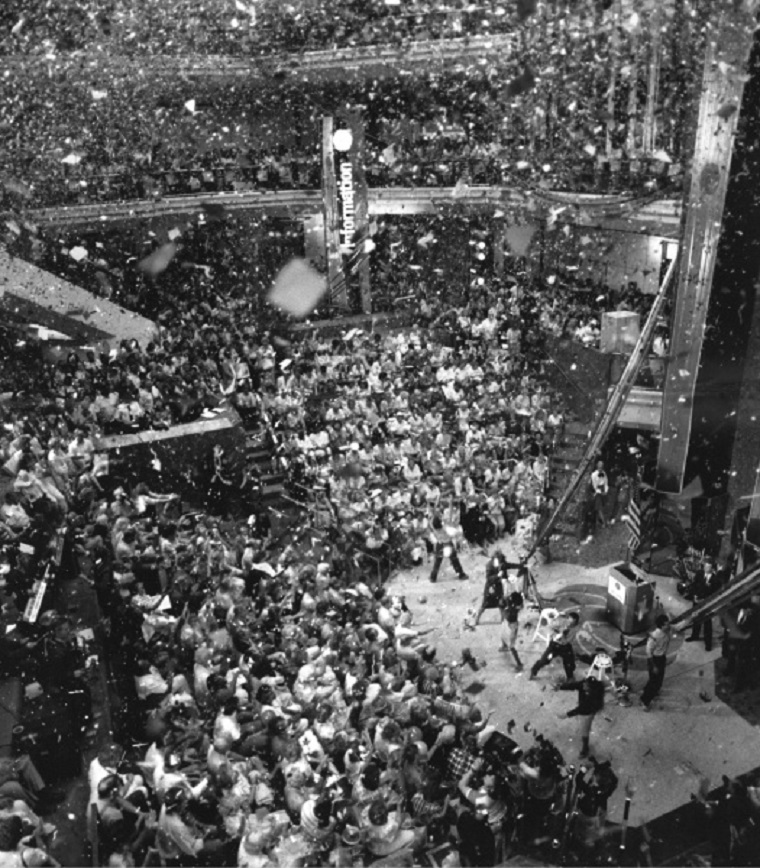
Why did these malls fail? Pretty simple really… too much competition. This brings us to the the later arrivals on the retail scene. First up, was City Center. This mall was conceived as the savior of Downtown, to pull in shoppers from the suburbs and bring back traffic to the area. This $100 million, 100+ store enclosed mall was completed in 1989. For awhile, it did function as a destination mall, but also pulled business from Northland, Westland and Eastland malls, though it did not kill them.
August 18, 1989 — BLACK & WHITE — File photo of Columbus City Center grand opening celebration. City Center is the three-level shopping mall in downtown Columbus. (Ran in the paper on August 19, 1989.) The mall marked a turning point in Downtown redevelopment.
Three new suburban shopping malls opened between 1997 and 2001: Tuttle Crossing, Easton Town Center and Polaris Fashion Place. Each was a bigger blow to the traffic at the older malls, and one by one most of them perished. Eastland was the only survivor, and only because it was the furthest away from the new destinations.
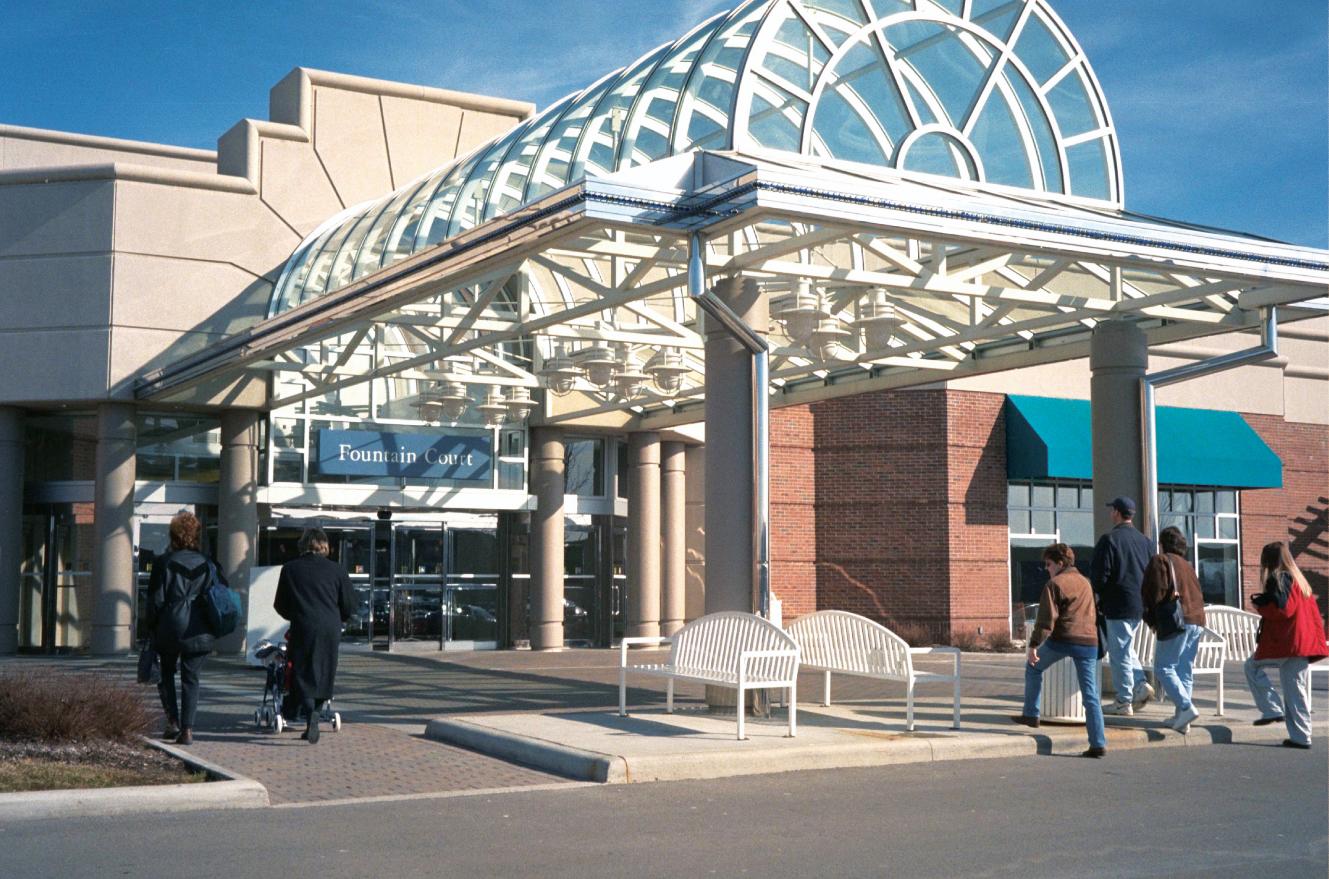
Tuttle Crossing was completed in 1997 with 150 stores. A traditional enclosed mall, this 2-floor building has been largely successful and has remained busy through its lifespan so far. The future of the enclosed mall, however, is not as bright.
Tuttle Crossing’s main entrance.
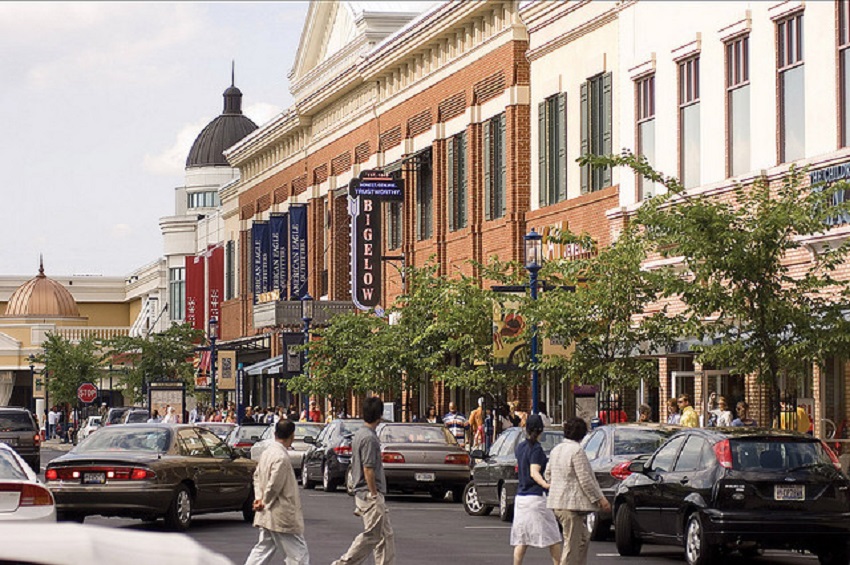
Easton Town Center opened in 1999. The nearly $1 billion retail center brought back the open-air concept that had been absent in Columbus since the 1980s. However, instead of just lines of stores, the center was built as a small town, complete with streets, public plazas, landscaping and other amenities. Easton proved to be extremely popular, adding a second phase in 2001 and is currently planning a 3rd phase, perhaps for completion by 2014. As it stands now, there are already over 200 stores, a 30-screen movie theater and dozens of restaurants. Easton’s design was hailed as innovative and revolutionary to the mall concept, and has since been copied around the nation, much like Don Casto’s early strip centers.
Easton Town Center’s street scenes.
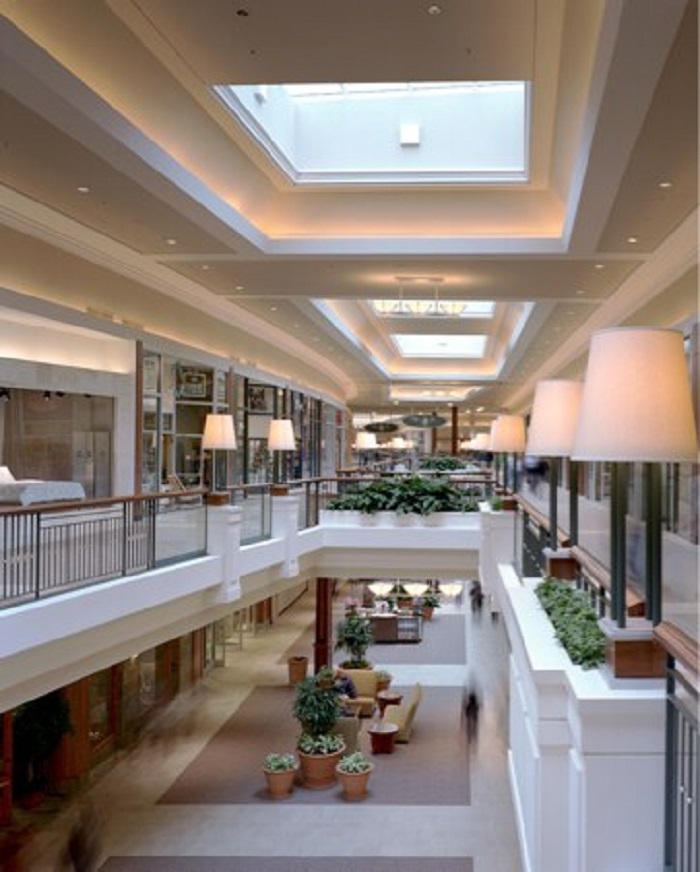
Polaris Fashion Place was the last major retail center to be built in Columbus, a $200 million 200-store enclosed mall in the southern part of Delaware County just west of I-71. It was the largest mall in Central Ohio and one of the largest in the state. It introduced the Columbus market to new stores like Lord & Taylor and Sak’s Fifth Avenue, and Polaris was considered to be the high end fashion destination for the area at the time. Development around the mall has since exploded, requiring the construction of two exits to be built off of 71 to handle the traffic levels.
Polaris Fashion Place interior.
So what is the future of these most recent places? City Center is, of course, gone. The mall was demolished in 2010 and the site converted to Columbus Commons Park. Tuttle Crossing and Polaris are still popular, but enclosed malls are increasingly falling out of favor and both are showing signs of this. No new ones have been built in the US since 2006, and there may not be another built anywhere for a long time to come. Retail has evolved from just mere shopping to an overall experience. In that sense, Easton looks to have the brightest future of the bunch, so long as it can keep updating itself in the way it has for the past 14 years. Polaris may be the most in trouble of the bunch. A recent proposal by the Ohio Department of Transportation is to rebuild the 36/37 interchange in Delaware County. Along with this rebuild, retail is being proposed for the site. This retail may include one, or perhaps two, outlet malls similar to the one in Jeffersonville, about an hour southwest of Columbus. If these get built, the cycle that killed off Westland, Northland and City Center may be repeated. Customers are likely to get pulled from Polaris to this new development unless Polaris can update itself in the way Easton has. It remains to be seen. Studies have suggested that Columbus cannot absorb much more retail, even as a growing city, so the construction of more large-scale retail is bound to have ripple effects across the metro area. In future posts, I want to highlight some of these retail places a bit more, especially City Center and its ultimate demise. Until then, happy shopping!
The fall of 1993 had been largely uneventful and a bit warm after the Halloween Snowstorm. November had been quiet and the first 20 days of December averaged almost 6 degrees above normal with just a trace of snowfall. Temperatures gradually cooled through the 3rd week of the month and then went below normal by the 23rd with highs generally from the upper teens to mid-20s. Along with the colder pattern came persistent snowshowers that lasted the rest of the month, but it was nothing out of the ordinary. January was about to change that.
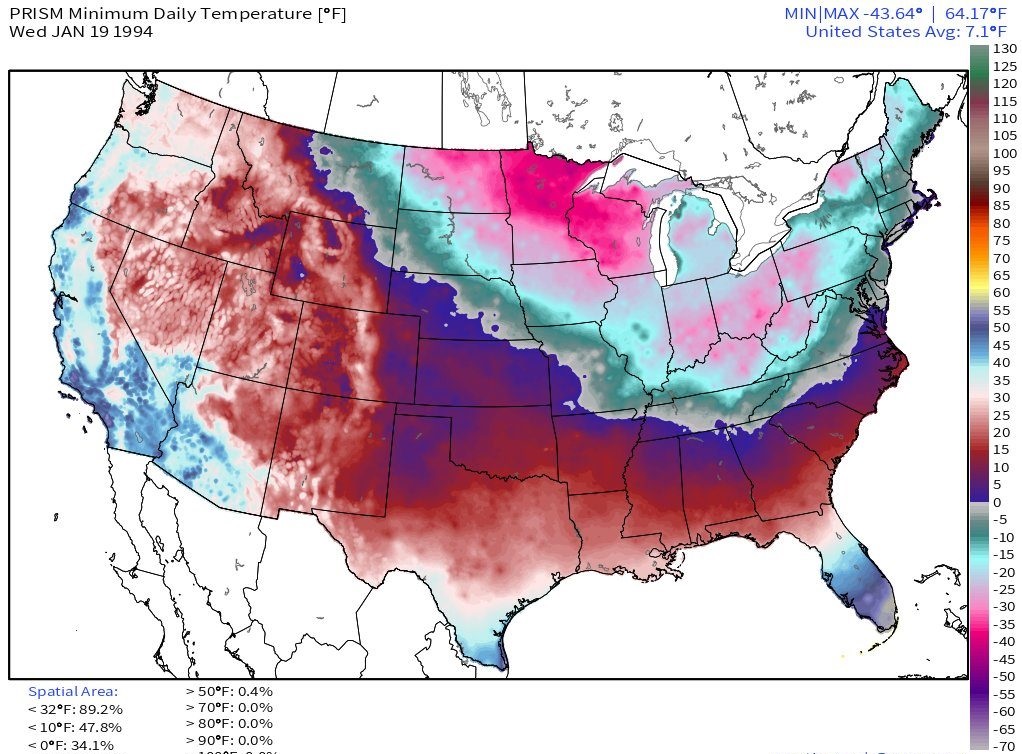
Two snowstorms struck the state in January, the first on January 3-4 and the second, larger event on the 16th and 17th. It was this storm that pulled in a vast reservoir of arctic air into the Ohio region. A very cold high pressure area had been parked just north of the US-Canada border beginning on the 14th, bringing highs in the single digits on the 15th and lows below zero from the 14th on.
WINTER PLUNGING CITY INTO FIRST DEEP FREEZE Columbus Dispatch, The (OH) – January 14, 1994
Columbus will begin to slide into the deep freeze today with temperatures plunging below zero tonight and Saturday night. The wind chill will average 30 below zero during the cold spell. The weather will be the coldest of this winter thus far – and the first time Columbus temperatures have fallen below zero since last Feb. 18 when it dipped to minus 2. The cold spell won’t linger.
“We will start to notice a rebound in temperature, maybe not on Sunday but certainly on Monday,” said Ken Reeves, senior meteorologist for Accu-Weather.
The Accu-Weather forecast calls for temperatures in the midteens at 7 a.m. today and falling to the single digits by day’s end. The overnight low will be minus 5. Saturday’s daytime high will be about 4. Saturday night the temperature will fall to minus 8, recovering to 15 above Sunday. The low Sunday night will be 11 above. Temperatures should be in the 20s by Monday. The cause of the cold is a shift in the jetstream, which normally brings air from southern Canada. The shift will bring colder arctic air from northern Canada, which will plunge the Northern Plains, the Midwest and the Northeast into very cold weather. Minnesota and the eastern sections of North Dakota and South Dakota will have temperatures of 20 to 30 below zero Saturday. Residents will need to dress warmly under the sudden surge of cold air here. Those with poor circulation, particularly the elderly, should be especially careful. Layers of clothing provide the best protection because layers trap air, which serves as insulation.
“The more layers, the better,” said Reeves.
He said mittens are preferable to gloves, which isolate the fingers. Care should be taken not to cramp the toes by wearing two thick pairs of socks. Cramping can restrict circulation, which is needed to warm extremities.
“If you wear two pairs, don’t wear two thick pairs,” said Reeves. “The key is, you don’t want to slow the circulation. The blood supply is what keeps your hands and feet warm.”
Noses should be covered, and parents should make sure their children are properly dressed, he said. Faucets should be left dripping in poorly insulated houses and homes where pipes are subject to cold-weather freezing. Typically, extreme cold weather sends more people into shelters for the homeless. “It brings in the people who would normally try and rough it, the people who don’t like the shelter,” said Charles Oris, director of men’s services for Faith Mission. Oris expected no problems providing shelter during the weekend for more homeless people. The mission can provide extra sleeping areas and has an overflow facility at the downtown YMCA at Long and Front streets.
As you can see, there was no mention of the snowstorm that would begin just a few days later. The following day, Saturday, January 15, 1994, the paper did mention the upcoming snowfall, but only 2-4″ were forecast.
By the early morning of Sunday, January 16th, Wilmington issued a Winter Storm Watch for Sunday Night into Monday. This was the first indication the storm would be much more significant.
COLUMBUS AND VICINITY FORECAST NATIONAL WEATHER SERVICE COLUMBUS OH 406 AM EST SUN JAN 16 1994 …WINTER STORM WATCH TONIGHT AND MONDAY… .SUNDAY…PARTLY SUNNY EARLY…THEN BECOMING CLOUDY WITH A CHANCE OF SNOW BY LATE AFTERNOON. HIGH NEAR 20. MAINLY SOUTH WINDS 10 TO 15 MPH. CHANCE OF SNOW 40 PERCENT. .TONIGHT…SNOW…POSSIBLY HEAVY AT TIMES. SIGNIFICANT ACCUMULATIONS LIKELY. TEMPERATURES NEARLY STEADY IN THE UPPER TEENS EARLY…THEN RISING INTO THE MIDDLE 20S BY DAYBREAK. SOUTH WINDS 10 TO 20 MPH. CHANCE OF SNOW 100 PERCENT. .MONDAY…SNOW…POSSIBLY HEAVY IN THE MORNING…DIMINISHING TO FLURRIES IN THE AFTERNOON. HIGH IN THE MIDDLE 20S. CHANCE OF SNOW 80 PERCENT.
At the time, official forecasts did not go much past 3-5 days. By Sunday afternoon, the Watch had changed to a Heavy Snow Warning, a type of advisory that is no longer in use.
COLUMBUS AND VICINITY FORECAST NATIONAL WEATHER SERVICE COLUMBUS OH 337 PM EST SUN JAN 16 1994 …HEAVY SNOW WARNING FOR TONIGHT AND MONDAY… TONIGHT…SNOW…HEAVY AT TIMES. SNOW ACCUMULATING 2 TO 4 INCHES. TEMPERATURE RISING INTO THE MIDDLE 20S BY DAYBREAK. SOUTH WINDS 10 TO 15 MPH. CHANCE OF SNOW NEAR 100 PERCENT. .MONDAY…SNOW…HEAVY AT TIMES…TAPERING TO FLURRIES IN THE AFTERNOON. ADDITIONAL ACCUMULATIONS EXPECTED. HIGH IN THE UPPER 20S. SOUTH WINDS 10 TO 20 MPH BECOMING WEST. CHANCE OF SNOW NEAR 100 PERCENT. .MONDAY NIGHT…VARIABLE CLOUDINESS WITH A CHANCE OF FLURRIES. BITTERLY COLD WITH A LOW AROUND ZERO. CHANCE OF SNOW 40 PERCENT. .TUESDAY…VARIABLE CLOUDINESS WITH A CHANCE OF FLURRIES. BITTERLY COLD WITH A HIGH OF ZERO TO 5 ABOVE. CHANCE OF SNOW 40 PERCENT.
Aside from the storm itself- which was now forecast to drop 4″-8″- the public was alerted to the extreme cold coming on the backside.
The storm itself was significant and larger than expected for many areas. By the end of the day on the 17th, 7.8″ had fallen at Port Columbus. Almost all of the state had at least 6″ from the storm, but 20″-30″ fell to the south and east of Columbus. During the height of the storm, Chillicothe reported a snowfall rate exceeding 5″ per hour! As this storm moved away, it pulled cold air directly south, which failed to warm over the fresh snowpack.
Temperatures in Columbus fell to 0 by midnight on the 17th and continued to drop throughout the next day. The Noon temperature on the 18th was -9 degrees, -13 by 7pm and -17 by midnight. The peak of the cold was reached at 6am on Wednesday, January 19th when the temperature at Port Columbus dropped to 22 degrees below zero. This temperature was the lowest official temperature ever recorded in the city, beating out the 3 times that the city recorded -20 (1879, 1884, 1899).
Across the state, temperatures were 20-35 degrees below zero, and these extremely low readings were more widespread than in any other previous arctic outbreak on record, securing its place in history as the worst arctic outbreak of all time for Ohio.
Some of the State’s Coldest Low Temperatures for January 18-19, 1994 Logan: -37 New Lexington: -35 Eaton: -33 Chillicothe: -29 Delaware: -28 Bellefontaine: -27 Westerville: -27 Akron: -25 Dayton: -25 Marysville: -25 Cincinnati: -24 Newark: -24 Wilmington: -24 Circleville: -22 Columbus: -22 Youngstown: -22 Cleveland: -20
Columbus has been mentioned a few times over the years as a growing tech job market. Forbes named it the #1 Up and Coming Tech City in 2008, for example, although Forbes seems to randomly choose cities for its exhausting number of rankings each year, so that can be taken with a grain of salt. So is Columbus as a tech city really a thing? The latest ranking suggests it might be.
The actual tech growth numbers aren’t subjective. Out of the 51 largest metros, here is how Columbus ranked the last decade or so in STEM jobs (Science, Technology, Engineering and Mathematics).
2001-2012 % Growth in Total STEM Jobs: +10.4% Rank of 51: 13th 2005-2012 % Growth in Total STEM Jobs: +12.8% Rank of 51: 9th 2010-2012 % Growth in Total STEM Jobs: +4.7% Rank of 51: 16th 2012 Location Quotient*: 1.27 LQ Rank of 51: 14th 2001-2012 Location Quotient Change: +7.6% Change Rank of 51: 5th
*Location Quotient is the local share of STEM jobs divided by the national share of STEM jobs. Anything above 1.0 indicates that the local share is higher than the national average.
So Columbus is clearly doing well and is handily beating out many much larger cities. It is one of only two Midwestern cities in the top 15 (Indianapolis is #15), and its rate of growth in concentration of STEM jobs is in the top 5 nationally. As the article discusses, traditional tech centers are actually losing STEM jobs while other areas, like Columbus, are gradually becoming bigger players. A well-educated workforce is paramount, and one of Columbus’ greatest strengths is its abundance of colleges and universities and young population. There are over 100,000 students in the area, and this ensures a strong workforce available for tech jobs. An example of how this attracts new STEM jobs was the recently announced plan by IBM to open its worldwide HQ for Advanced Analytics in Dublin along with 500 new jobs. The article with more details on this project can be found here.
Second is this: http://www.bizjournals.com/columbus/news/2013/01/15/columbus-only-midwest-city-to-regain.html This link shows that the Columbus metro is one of only 14 major metros nationally (out of 102) that had gained more jobs through November 2012 than it lost during the Great Recession, meaning it has exceeded a 100% recovery from the downturn. It was also the only Midwestern metro to have achieved this feat.
Stories and rankings like this prove that Columbus has little or nothing in common with its nearby Rust Belt neighbors. It has long had a steady, growing economy that has been able to recover quickly from economic downturns. Say what you will about weather or other factors, but the #1 reason for people to move somewhere has to do with economics. So long as there are jobs available and a decent cost of living, people should continue to flock to that place. In that regard, Columbus definitely seems to have a bright future.