Housing Market Update December 2013


housing market update December 2013 Columbus, Ohio

December ended a 2-month decline in home sales for the area, with overall sales up 2.5% according to the Housing Market Update December 2013 data from Columbus Realtors.

Here are the stats for the 21 major areas of Franklin County that I look at housing stats for.

Top 10 December 2013 Sales Totals
1. Columbus: 657
2. Westerville: 47
3. Dublin: 45
4. Clintonville: 42
5. Upper Arlington: 41
6. Grove City: 39
7. Reynoldsburg: 38
8. Gahanna: 31
9. Hilliard: 22
10. Pickerington: 18

Top 10 December 2013 Sales Increases over December 2012
1. Minerva Park: +200.0%
2. Obetz: +200.0%
3. Reynoldsburg: +72.7%
4. Clintonville: +55.6%
5. Gahanna: +55.0%
6. Pataskala: +27.3%
7. Dublin: +15.4%
8. German Village: +10.0%
9. Worthington: +6.3%
10. Columbus: +3.8%

Top 10 Year-to-Date Sales Through December 2013
1. Columbus: 10,267
2. Dublin: 797
3. Upper Arlington: 719
4. Clintonville: 701
5. Westerville: 630
6. Grove City: 609
7. Hilliard: 556
8. Gahanna: 526
9. Reynoldsburg: 505
10. Pickerington: 312

Top 10 Year-to-Date Increases Through December 2013 Over 2012
1. Minerva Park: +51.9%
2. Gahanna: +31.8%
3. Pataskala: +31.0%
4. Reynoldsburg: +30.8%
5. Whitehall: +27.3%
6. Clintonville: +26.3%
7. Hilliard: +23.6%
8. Whitehall: +23.4%
9. Westerville: +21.9%
10. Bexley: +21.5%

Average Sales December 2013
Urban: 74.5
Suburban: 28.2
Urban without Columbus: 14.7

Average % Change December 2013 vs. December 2012
Urban: +40.5%
Suburban: +6.4%
Urban without Columbus: +44.2%

Average YTD Sales Through December 2013
Urban: 1,177.1
Suburban: 466.5
Urban without Columbus: 268.1

Average YTD % Change YTD Through December 2013
Urban: +15.7%
Suburban: +19.4%
Urban without Columbus: +15.3%

Top 10 Average Sales Price December 2013
1. New Albany: $563,187
2. Upper Arlington: $377,943
3. Bexley: $376,592
4. Dublin: $351,279
5. Downtown: $314,583
6. German Village: $303,136
7. German Village: $271,656
8. Hilliard: $249,811
9. Worthington: $232,741
10. Clintonville: $223,250

Top 10 Average Sales Price % Change December 2013 Over December 2012
1. Whitehall: +37.3%
2. New Albany: +32.8%
3. Pataskala: +29.6%
4. Reynoldsburg: +26.3%
5. Upper Arlington: +25.8%
6. Clintonville: +25.3%
7. Bexley: +23.7%
8. Hilliard: +21.9%
9. Gahanna: +19.6%
10. Dublin: +13.1%

Top 10 Average Sales Prices YTD Through December 2013
1. New Albany: $542,634
2. Upper Arlington: $365,143
3. Bexley: $352,214
4. Dublin: $336,048
5. German Village: $298,199
6. Downtown: $287,976
7. Worthington: $248,857
8. Grandview Heights: $223,185
9. Hilliard: $217,078
10. Gahanna: $199,546

Top 10 Average YTD Sales Price % Change Through December 2013 vs. 2012
1. Whitehall: +18.9%
2. Downtown: +14.0%
3. Minerva Park: +14.0%
4. Upper Arlington: +13.8%
5. Gahanna: +12.1%
6. New Albany: +9.8%
7. Reynoldsburg: +9.6%
8. Obetz: +9.0%
9. Worthington: +7.5%
10. Bexley: +5.8%

Average Sales Price December 2013
Urban: $218,764
Suburban: $233,048
Urban without Columbus: $227,832

Average Sales Price Change December 2012 vs. December 2012
Urban: -1.6%
Suburban: +15.5%
Urban without Columbus: -2.9%

Average Sales Price YTD
Urban: $217,056
Suburban: $224,060
Urban without Columbus: $226,017

Average Sales Price % Change YTD
Urban: +5.6%
Suburban: +5.6%
Urban without Columbus: +5.7%

Top 10 Fastest Selling Markets December 2013 (Based on Average # of Days for Listings to Sell)
1. Bexley: 26
2. Obetz: 42
3. New Albany: 47
4. Hilliard: 50
5. Clintonville: 51
6. Pataskala: 57
7. Gahanna: 58
8. Upper Arlington: 58
9. Reynoldsburg: 61
10. Grove City: 63

Top 10 Fastest Selling Markets YTD
1. Worthington: 42
2. Upper Arlington: 46
3. Grandview Height: 49
4. Clintonville: 50
5. Westerville: 53
6. Hilliard: 54
7. Bexley: 57
8. Gahanna: 59
9. Dublin: 63
10. Grove City: 64

Average # of Days Before Sale, December 2013
Urban: 73.4
Suburban: 63.9
Urban without Columbus: 73.8

Average # of Days Before Sale YTD
Urban: 61.3
Suburban: 62.9
Urban without Columbus: 60.9

Top 10 Lowest Market Housing Supplies (Based on # of Months to Sell all Listings)
1. Worthington: 1.2
2. Bexley: 1.8
3. Clintonville: 1.9
4. Hilliard: 1.9
5. Upper Arlington: 1.9
6. Grandview Heights: 2.1
7. Westerville: 2.1
8. Gahanna: 2.2
9. Minerva Park: 2.2
10. German Village: 2.3

A healthy housing supply is considered to be around 5 months. Anything less than 3 months is considered very low. All of the 21 areas I looked at were below 5 months, indicating a county-wide shortage. This shortage has only deepened over the last year, with December having the lowest number of available homes in nearly 15 years.

Average # of Months to Sell All Listings, December 2013
Urban: 2.7
Suburban: 3.2
Urban without Columbus: 2.6

Average % Change of Single-Family Home Sales December 2013 vs. December 2012
Urban: +28.5%
Suburban: +14.3%
Urban without Columbus: +30.8%

Average % Change of Single-Family Home Sales YTD vs. YTD 2012
Urban: +9.8%
Suburban: +19.0%
Urban without Columbus: +8.8%

Average % Change of Condo Sales December 2013 vs. December 2012
Urban: +20.5%
Suburban: -4.2%
Urban without Columbus: +20.5%

Average % Change of Condo Sales YTD vs. YTD 2012
Urban: +29.0%
Suburban: +23.5%
Urban without Columbus: +29.9%
Rise of RiverSouth


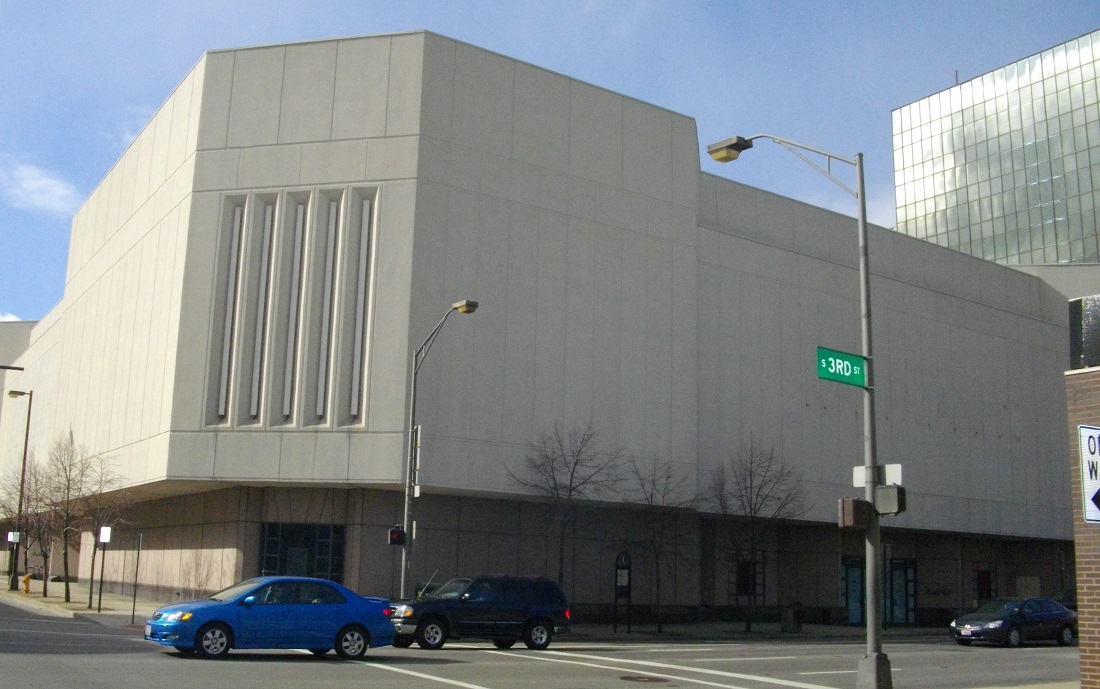
The RiverSouth area of Downtown was, not that long ago, the epitome of the disastrous Urban Renewal policy so popular during much of the mid-latter part of the 20th century. Bounded to the east by High Street, north by State Street, west by the Scioto River and south by I-70, this area, by the mid-1990s, had become a sea of surface parking lots, old storage warehouses, underutilized or empty storefronts and ugly infrastructure. The construction of City Center Mall in 1989, with its location directly across High Street, was supposed to help bring this neighborhood back with new development. Instead, as the mall did with the rest of Downtown, it helped suck the life out what retail and business existed there. Worse, the concrete, prison-like exterior of the mall lacked any type of street-level connection, so it functioned to keep people off the sidewalks and the streets were as abandoned as ever even as thousands of shoppers flooded the new mall every weekend.

Rise of RiverSouth Columbus, Ohio

The imposing structure of City Center.


As newer suburban competition gradually killed City Center itself, the city was left with the task of figuring out what to do with its hulking core. Proposals were put for from everything to government buildings to redesigning the building itself into an Easton-like outdoor shopping town center. However, the money and interest for such proposals just weren’t there, and so the city came up with another, much different plan. The 10-15 year development plan called for the complete demolition of the mall complex, replacing it with a new city park complete with an entertainment stage, carousel and eateries.

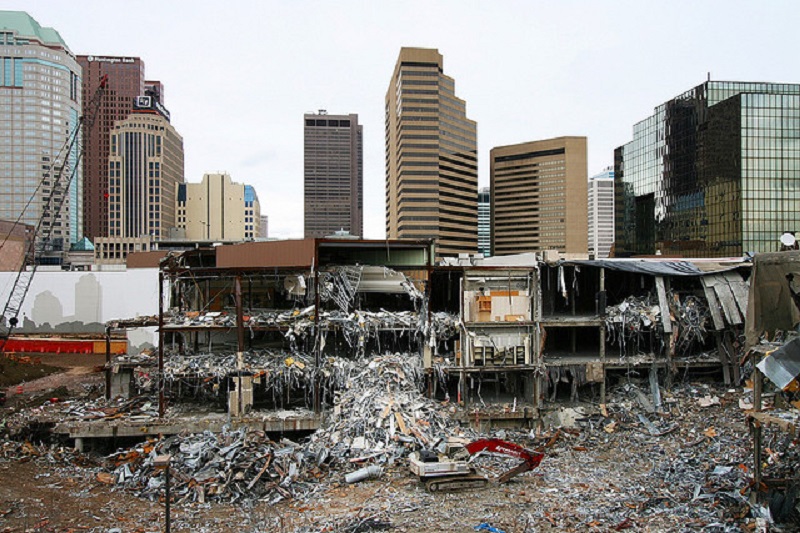
City Center being demolished in 2010.


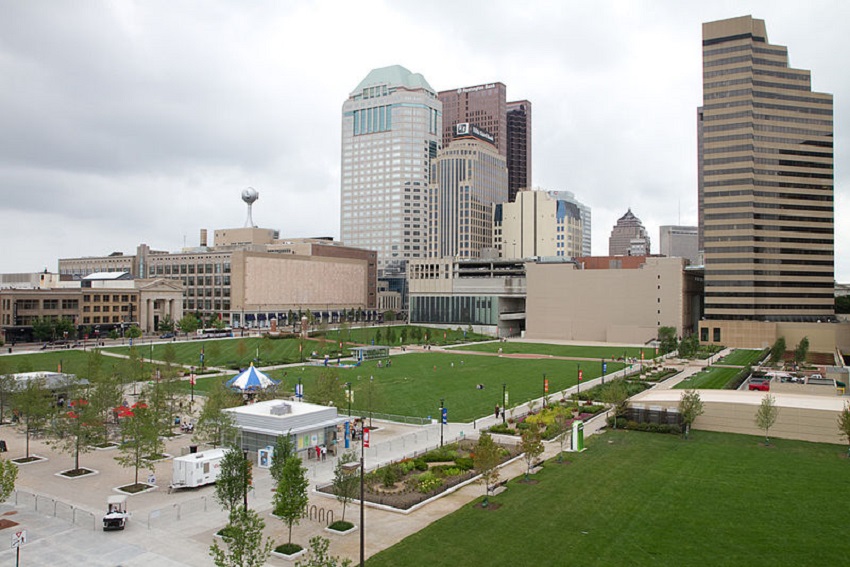
The mall was closed in 2009 and demolished the following year. This event seems to have marked the true beginning of the rise of RiverSouth. Columbus Commons and its 9 acres opened to the public in 2011. Despite a hugely negative expectation by some that the park would see little use and become a new place for vagrants and criminals, CC was an almost instant success. Hundreds of events were held there during its first year, and those numbers have grown every year since. Picnic with the Pops moved to the new park during the 2012 season, and the Columbus Food Truck Festival has attracted tens of thousands each of the last 2 years. The carousel, outdoor library and other events have been popular with kids and families. The park, with all its success, helped to bring about another important change to the area. It attracted development.

Columbus Commons before any development.


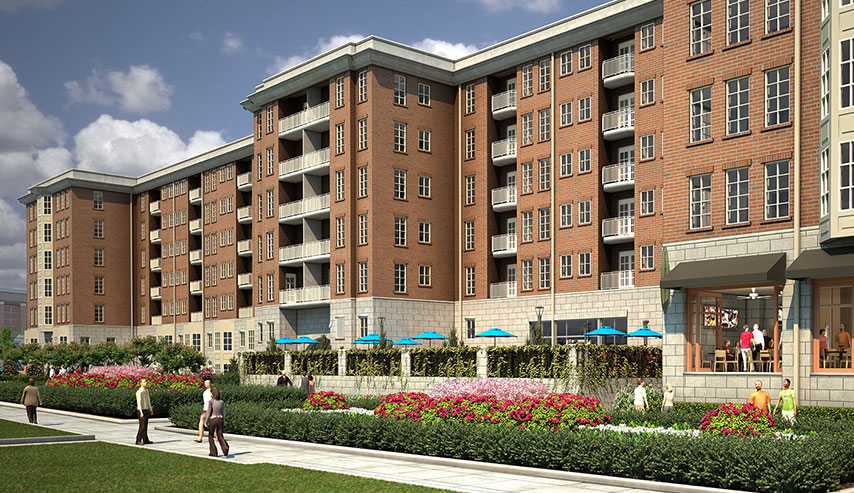
Originally, the park’s long-term plan was to have the grassy areas along High Street developed, but no one expected that to happen within a decade. Instead, a developer came forward less than a year after the park opened. High Point was that project, a pair of 6-story mixed-used buildings that would line the entire west side of the park from the corner of Rich and High. 302 new apartments, a handful of restaurants and ground floor retail lining High were all part of the project. Still under construction, this project should be complete in early 2014. Unfortunately, as the below pictures show (and the most flattering ones I could find at that) that the architecture is pretty horrendous. Despite that, the buildings will help fill in the gaps on High Street and bring hundreds of new residents, so the positives outweigh the negatives here.

Since the announcement of City Center’s demise, other projects have come about over the last few years that have helped raise the profile of RiverSouth.
-The Annex at RiverSouth replaced several surface parking lots along S. Front Street. This 214-unit, 4-story residential complex was originally planned to be a mix of condos and apartments, but became mostly apartments when the condo market died off. The complex was completed in 2010.

-The new Franklin County Courthouse, a $106 million, 7-story complex was completed in 2011 at the southwest corner of W. Main and S. High Streets.

-The Scioto Mile, the $44 million riverfront park, was completed in 2011 complete with fountains, a restaurant, paths and an entertainment stage.

Scioto Mile

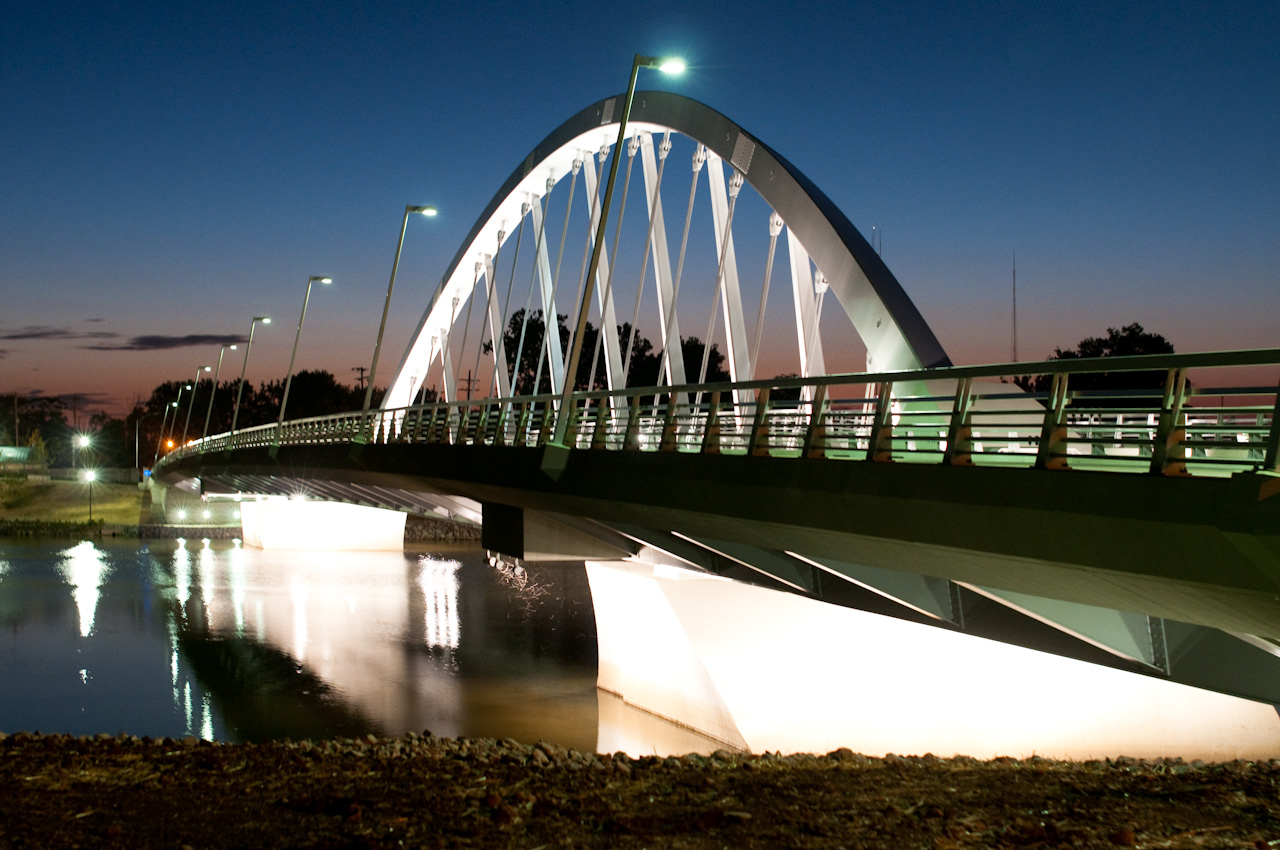
-Main Street Bridge was replaced with a signature, $60 million arched span in 2011.

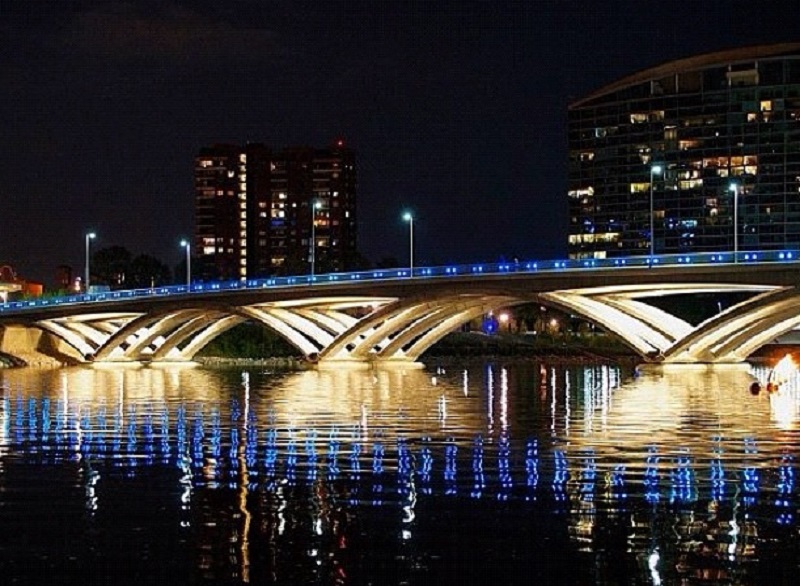
-The Rich Street Bridge was also replaced in 2012 with a new $26 million open span.

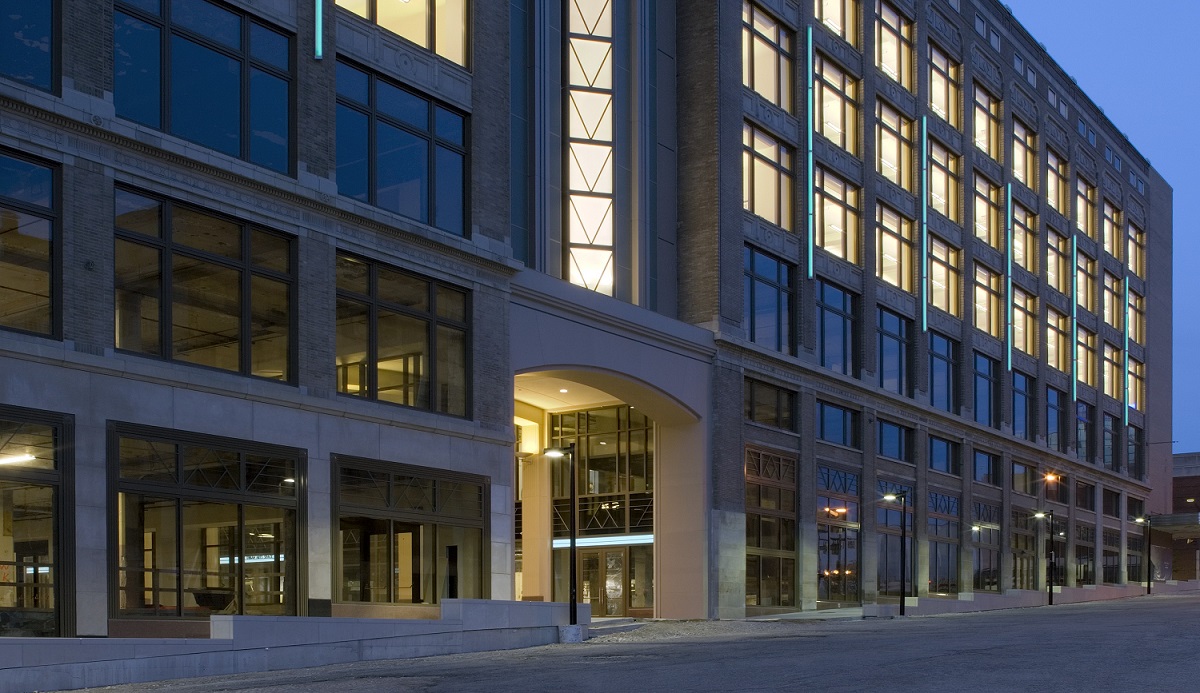
-The old Lazarus building, once connected to City Center by a massive skywalk, received a $60 million renovation in 2010 that converted the former retail building into an LEED green office building for the Ohio EPA and other organizations.

-Many of the streets in the area have been rebuilt with brick crossing and new landscaping.

So a lot has been done over the past few years, but what’s coming next? Beyond the High Point project, 3 more projects have recently been announced.

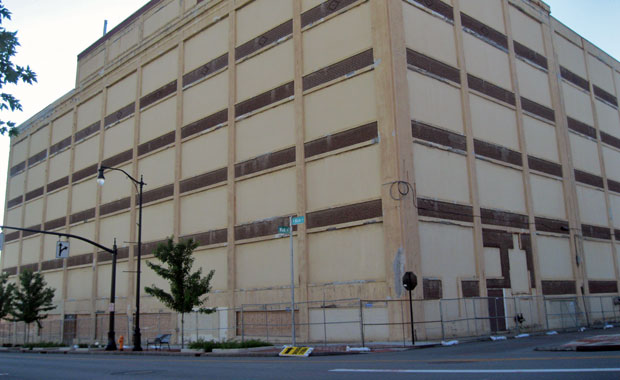
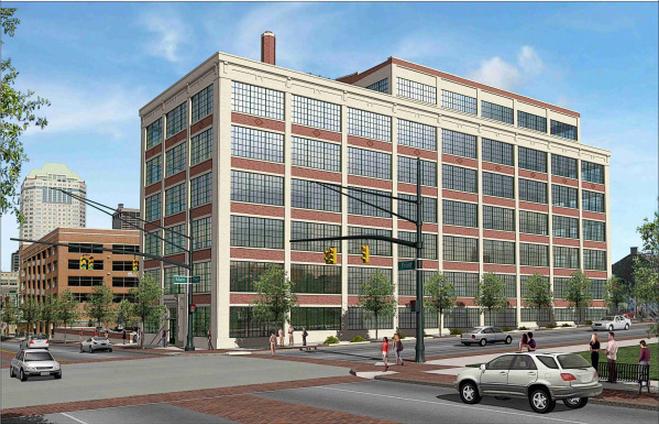
-The first is the conversion of the Secur-It warehouse building at the northeast corner of S. Front and W. Main Street. The century-old building was once used as a shoe factory, but was bricked over and used as a storage facility for many years. The current plan by Casto is to turn the building into about 90 residential units. The old warehouse windows will be restored, as well as the façade and interiors. The project should get started in the spring of 2014.

The current Secure-It building.


Proposed rendering for the Secure-It building.

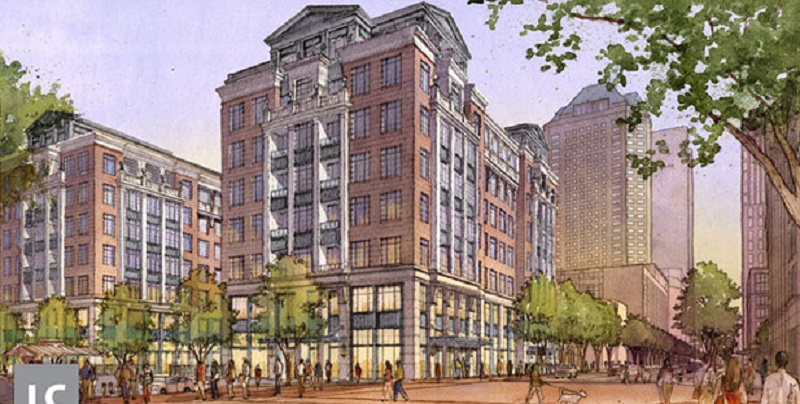
-Second, we have Lifestyle Communities LC at RiverSouth project. This 8-story, 102-unit residential building will occupy the northwest corner of S. High and W. Rich Streets, directly across from Columbus Commons. Construction should begin this fall and complete in early 2015.

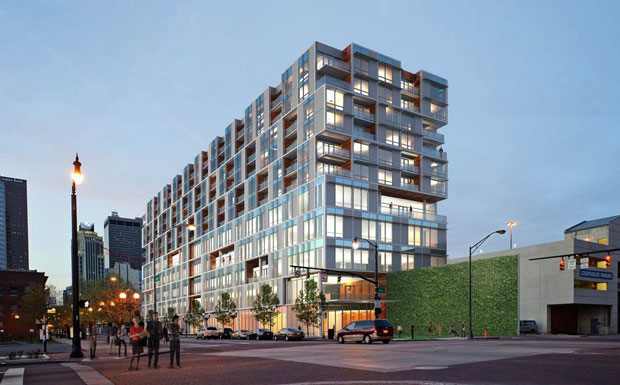
-And finally, we have the recently announced 250 High project. This $50 million, 12-story mixed-use tower would have ground floor retail, 4 floors of offices and 7 floors of residential totaling 156 units. This project will be built on the surface lot adjacent to the old City Center parking garage at 250 S. High Street. Construction on this project should also begin in the fall and complete sometime in early 2015.

These projects will no doubt spur others in the near future. Several surface lots still exist in RiverSouth, and a few of them are still along S. High Street just north of the new courthouse. Given the momentum of the neighborhood, expect to see development announcements on at least a few of these lots sooner than you think.


King-Lincoln Neighborhood Profile


King-Lincoln neighborhood profile Columbus, Ohio

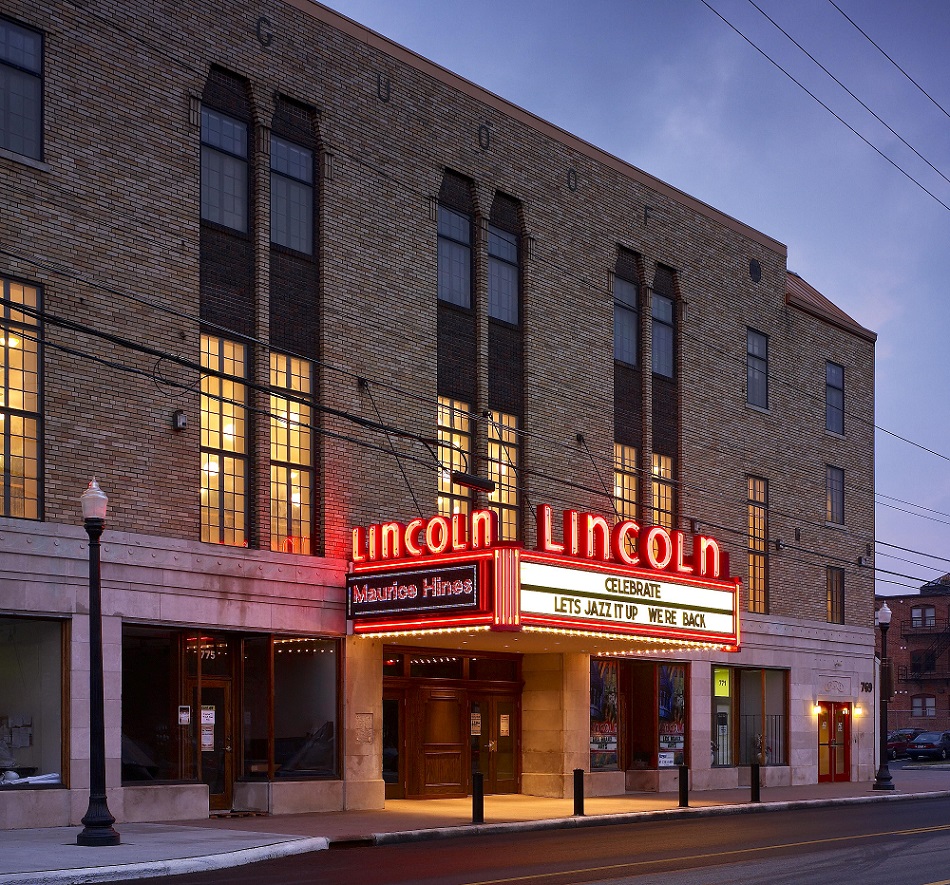
The Lincoln Theater.

This week is Demographics week. First up, ACD’s second neighborhood profile, featuring the King-Lincoln District, Columbus’ historically African American cultural heart.

I was going to write a history for the area, but this video tells it better than I ever could.

History aside, what I can do is provide a more detailed demographic picture from the past, present and possible future of the neighborhood.

Population
1930: 17,970
1940: 18,282
1950: 20,527
1960: 17,746
1970: 11,627
1980: 9,291
1990: 8,456
2000: 8,025
2010: 6,439

Population peaked around 1950, but during the 1950s began its long-term decline. Some might say this was a product of White Flight, but in this case, the neighborhood was already almost entirely non-White. The White Flight movement was more than just about racial demographic changes in neighborhoods, it was a factor of urban neglect. Just like in the rest of urban Columbus, King-Lincoln lost its urban appeal due to infrastructure deterioration, lack of city-focused leadership, decline of schools and increasing crime rates (among other things). One of the biggest blows to the area, just like what occurred with Olde Towne East to its south, was the construction of I-71 in the early 1960s. The highway cut the neighborhood off from Downtown, demolished hundreds of historic buildings, and allowed more people to effectively leave the neighborhood altogether. This is a good reason why the population dropped by almost 35% between 1960 and 1970.

The population loss rate had been slowing down each decade through 2000. During the 2000s, the city cleared out Poindexter Village, one of Columbus’ first public-housing projects and home to several hundred residents. This accounted for a very large chunk of the loss that occurred from 2000-2010 and why the loss increased during that time. The city is now tearing the complex down with plans for mixed-use development on the site. If not for this action by the city, it’s very likely that King-Lincoln would’ve had it’s lowest total population loss since the decline began in the 1950s.

Demographics
White
1990: 6.1%
2000: 6.2%
2010: 9.6%
Black
1990: 90.7%
2000: 87.7%
2010: 84.0%
Asian
1990: 2.4%
2000: 0.7%
2010: 0.5%
Hispanic
1990: 0.6%
2000: 1.1%
2010: 2.2%
Other
1990: 0.9%
2000: 5.4%
2010: 5.9%

% Change By Demographic for Each Decade
1990-2000

White: -3.7%
Black: -8.2%
Asian: -71.6%
Hispanic: +63.0%
Other: +501.4%
2000-2010
White: +24.5%
Black: -23.1%
Asian: -42.1%
Hispanic: +60.2%
Other: -11.8%
The demographics for the last 30 years show Hispanic and White populations are becoming an ever larger chunk of the neighborhood, while Asians have declined significantly. The African American population is still, by far, the largest demographic, but it too is on a long-term decline. This suggests a gradual gentrification of the neighborhood.

And what of the future of the area? Significant revitalization news has been coming out in recent months. As mentioned above, the 36-building Poindexter Village, long a hot spot for crime and concentrated poverty, is currently in the process of being torn down. The site will be replaced with residential, retail, office and arts space over time. A larger area plan was recently announced here: http://www.columbusunderground.com/pact-plans-165-million-strategic-redevelopment-for-near-east-side. The $165 million plan will focus on King-Lincoln’s main thoroughfares: East Long Street, Mount Vernon Avenue and Taylor Avenue. Increasing density with mixed-use development and revitalizing the commercial corridors is a big part of the plan, as well as infrastructure and green space improvement. Smaller developments include Homeport’s housing renovations, which have been very successful so far.

So while King-Lincoln has seen better days, the neighborhood is currently in transition. 5-10 years from now, the neighborhood should be radically changed, hopefully for the better. Its proximity to Downtown and other central neighborhoods give it a great advantage as the city has become fairly popular again.


May Project Updates


May project updates Neighborhood Launch

Just a few May project updates. These represent only a small fraction of what’s going on in terms of local development.

Downtown
1. Neighborhood Launch’s expansion with a pair of new 5-story buildings containing 260 apartments continues. Located on E. Long Street, the buildings’ foundation work has been mostly completed and elevator shafts and the first steel frames are now going up, which means construction should really get going now. The timetable for these to be complete is late fall or winter.
2. Over at Columbus Commons, the Highpoint 300-unit residential project continues and at least one of the buildings is now reaching towards its 6th and final floor.
3. The Liberty Place 200+ unit residential expansion in the Brewery District is getting closer to being done with the external work, as brick and finishes are going on.
4. The mess that is the reconstruction of 670/71 also continues, but we’re still a year or so away from that being done… before the next phase begins closer to the 70/71 section.
5. Work continues on the restoration of the LeVeque Tower, but more details have emerged. Up to 70 residential units will be created in the tower section, along with lower floors having a new boutique hotel and office space. The lobby will be restored to its original 2-story look, and the entrance outside will get new marble, planters and lighting. The terra cotta exterior of the building will take up to 5 more years to complete, as 80 years of grime and damage have to be fixed. The other improvements should be done late this year or early next year.
6. Columbia Gas’ new HQ building in the Arena District has reached it’s maximum 6-story height with steel, but no exterior work is done yet.
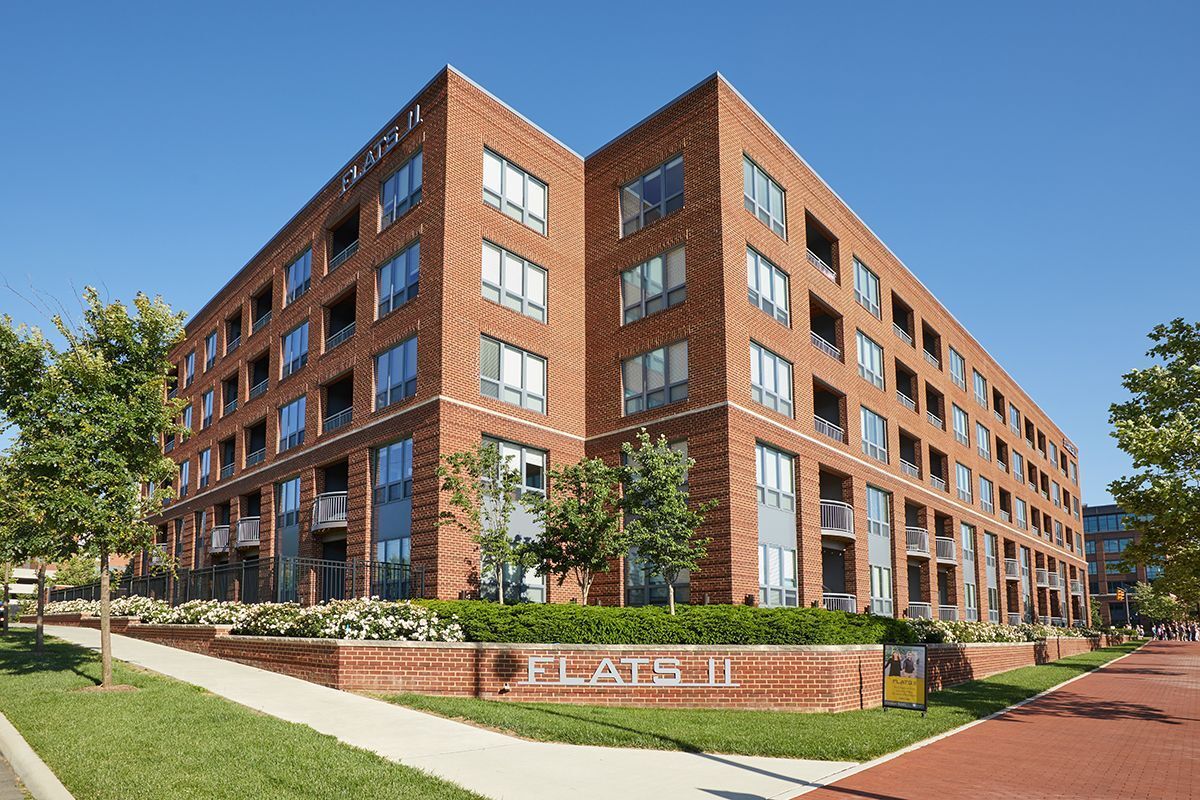
7. The Flats II 120-unit residential building next door to that project is seeing exterior work being done and should be done later this summer or early fall. Reports have been coming out showing this and other residential projects nearby have extremely high rental interest already.
8. 600 Goodale, the 5-story 174-unit residential building is seeing exterior work now and should be done by the end of summer or fall.

Short North
1. Aston Place, a new residential project on Hubbard Avenue, is moving along and the elevator shaft is just about done, so steel should be going up soon.
2. The Hubbard project continues to the east. The 5-story, 68-unit residential building is all framed out and exterior work is beginning. The adjoining parking garage is complete and the 4 concealing townhomes should begin construction soon.
3. The Out of the Closet development at 5th and High is well underway, now completely framed out.


Columbus History Camp Chase


Columbus history Camp Chase Columbus, Ohio
Not long after the firing on Fort Sumter, South Carolina on April 12, 1861, the act that would begin the Civil War, President Lincoln called on the North to supply tens of thousands of volunteers to fight. Ohio stepped up, and eventually would have nearly 320,000 soldiers, the 3rd highest total in the North. However, it would have the highest % of enlisted men of any state in the North. And of course, the state would supply some of the war’s most famous generals, including Grant, Sherman, Sheridan and the infamous George Armstrong Custer, who would die along with all of his men at the Battle of Little Big Horn in 1876.

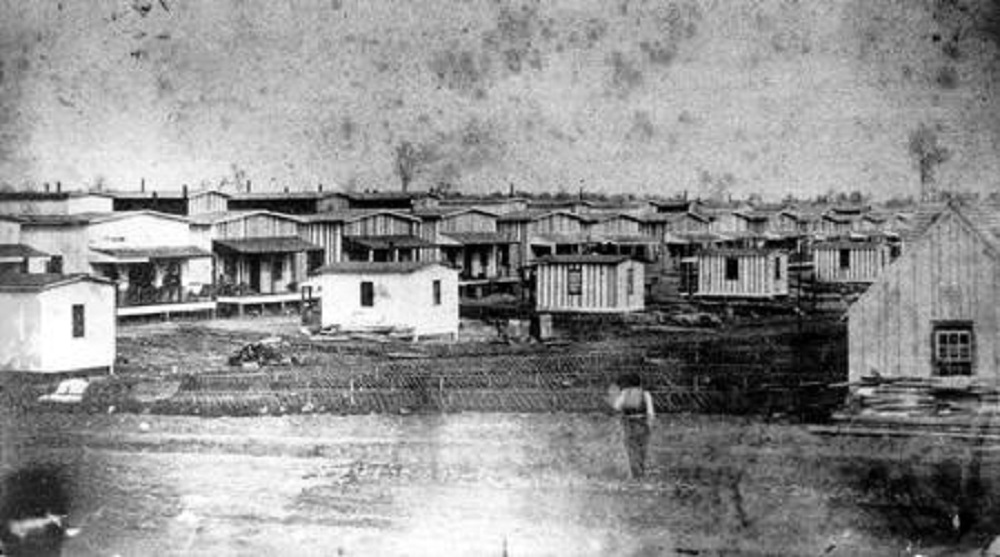
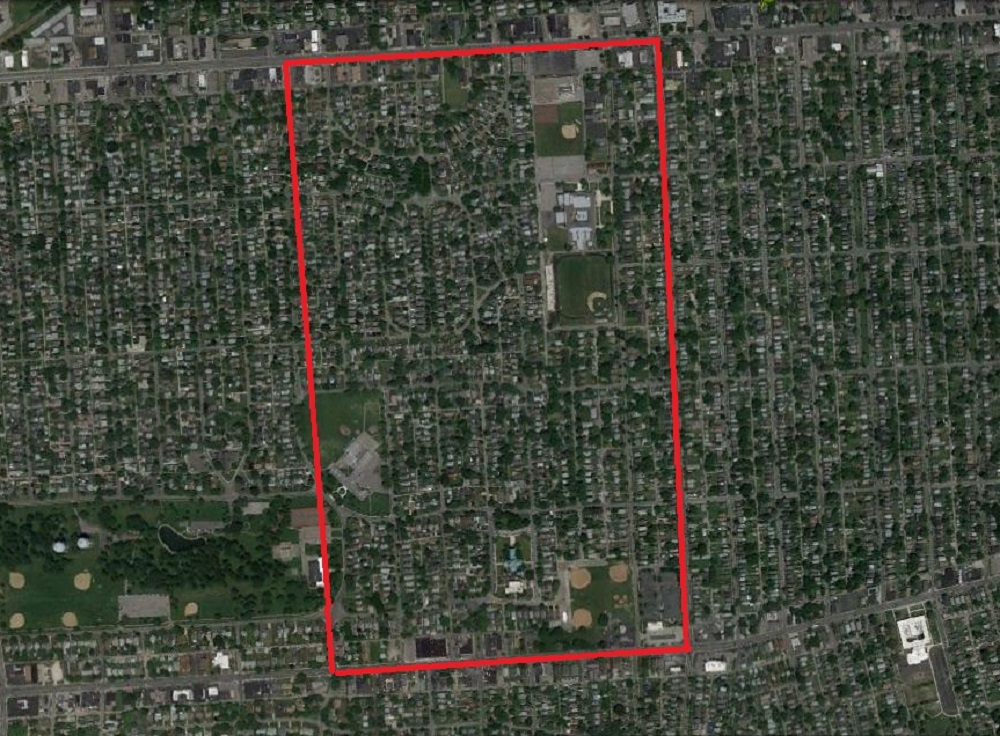
After Lincoln’s call to arms, Camp Jackson was established in Columbus for training and organization of these new recruits. I haven’t been able to find exactly where this was in Columbus, but it proved too small to handle the tasks it was supposed to, so the following month Camp Chase was commissioned, and on June 21, 1861 it was officially dedicated. Named after then Secretary of the Treasury Salman P. Chase, the borders of the camp were W. Broad Street, Westgate Avenue, Hague Avenue and Sullivant Avenue, so it encompassed a fairly large chunk of what would later become the Hilltop and eventually the Westgate neighborhood.
Columbus history Camp Chase barracks Columbus, Ohio
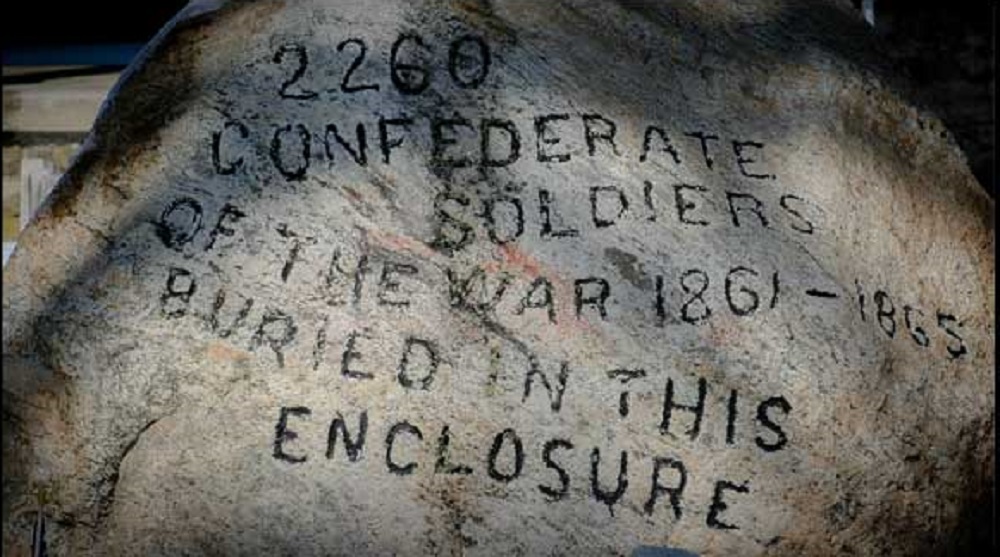
Over the next 4 years as the war raged on, over 150,000 Union soldiers came through Camp Chase, but so did 25,000 Confederate prisoners of war, with a peak of 9,423 of them held on the grounds by 1865. Conditions for them, of course, were not particularly great, nor was medical care. Food and clothing rations were too few, and there were so many POWs that overcrowding was a constant problem. Over the years, well over 2,000 of them died from disease, malnutrition, wounds or for attempts at escape. On the southern border near the intersection of Hague and Sullivant, a cemetery was established in 1863 for the detained Confederates who did not survive their imprisonment. By the time Camp Chase closed in July of 1865, 2,260 Confederates had been buried there.

Columbus history Camp Chase cemetery Columbus, Ohio

A large rock within the cemetery marking the graves.


Today, the cemetery is all that remains visible of the camp. After the war, the buildings were gradually dismantled until little trace remained of the land’s former use. Still, the site remained largely empty of development until the first decades of the 20th century when the Westgate residential neighborhood was constructed. The only other visible signs besides the cemetery today can be seen by aerial pictures. While Hilltop is a dense, residential area with hardly an empty lot to be found, the land within the former boundaries of the camp contain several school lots containing ball diamonds. When the Westgate neighborhood was built, the schools took advantage of the empty land for this purpose. Besides Westgate Park, which exists just outside of the former boundaries, there are very few other empty parcels of land in Hilltop.
Columbus history Camp Chase boundary Columbus, Ohio

The approximate location of Camp Chase between West Broad Street and Sullivant in Hilltop.

The History Links takes a look back at all sorts of other history for the Columbus area.