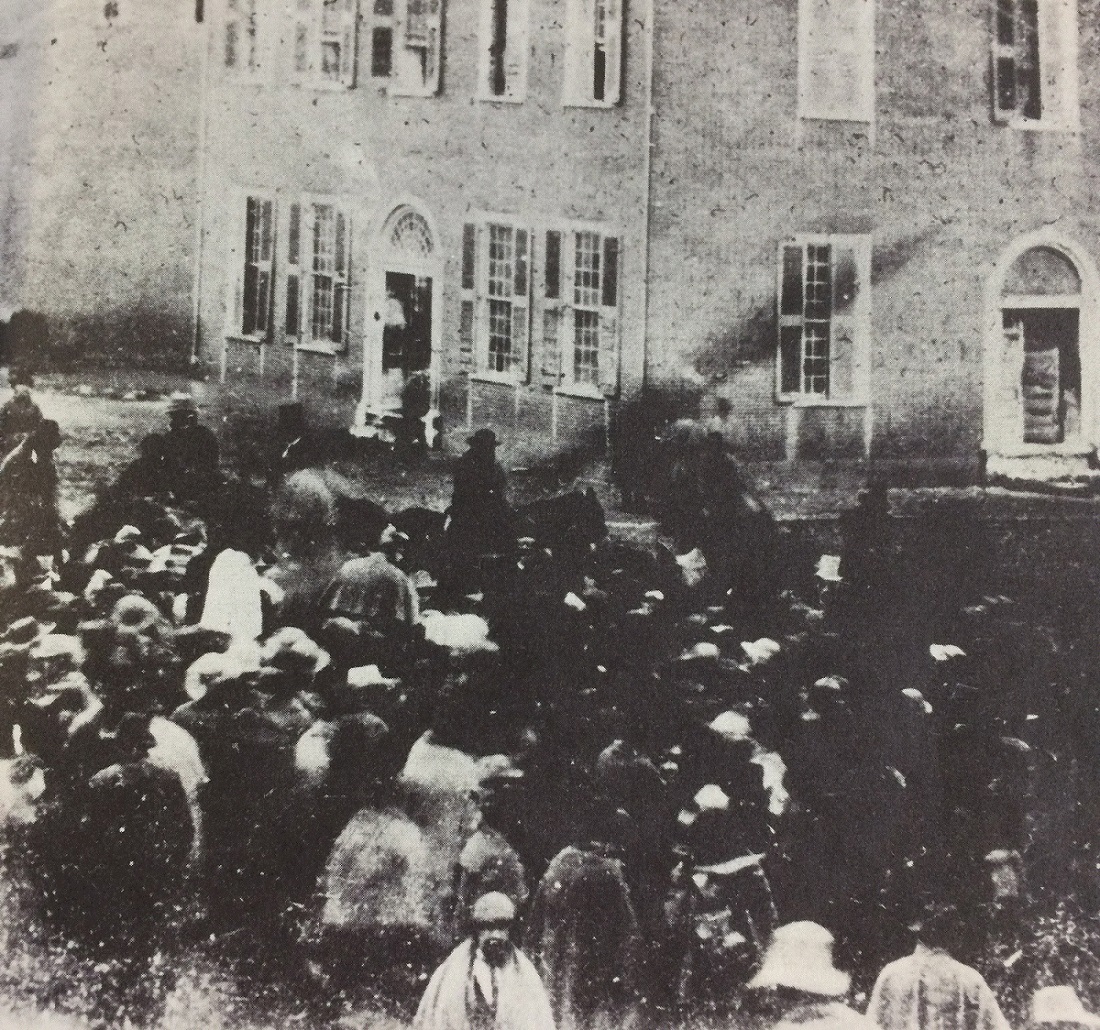
Photo Location: Broad and High Photo Date: Sometime in 1849 Photo History: Random Columbus photo 5 is one of the earliest ever known to have been taken in Columbus, and shows a group of bystanders looking at several people on horseback. The year this was taken, 1849, is significant in that it references the events taking place. 1849, of course, was the year that gold was discovered in California. The men on horseback are 49-ers, getting ready to depart Columbus to join the great California Gold Rush, and the crowd was gathered to see them off.
Click on the image for a better look.
Unfortunately, not much else is known about the photo, who the people were, or in what direction the photo was even taken.
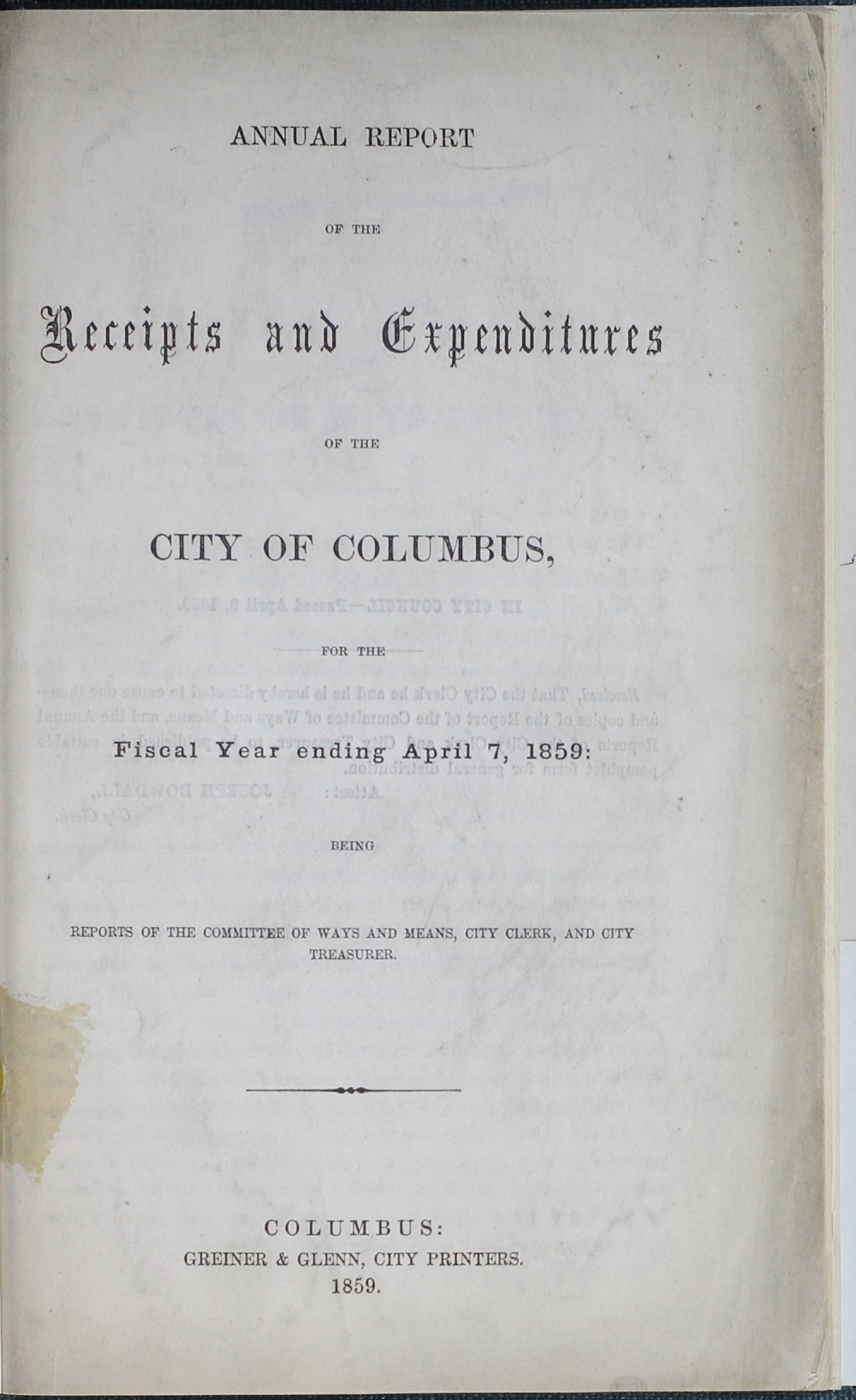
159 years ago, Columbus released its first (as far as I could find) annual report detailing all sorts of information on the state of the city. These reports were issued well into the 1980s, and while the first included mostly dry financial information such as tax receipts and expenditures, as the years passed, they would grow to include everything from annexation numbers to weather statistics and crime data. I will occasionally write about some of the more interesting highlights of these historic documents on the city’s past.
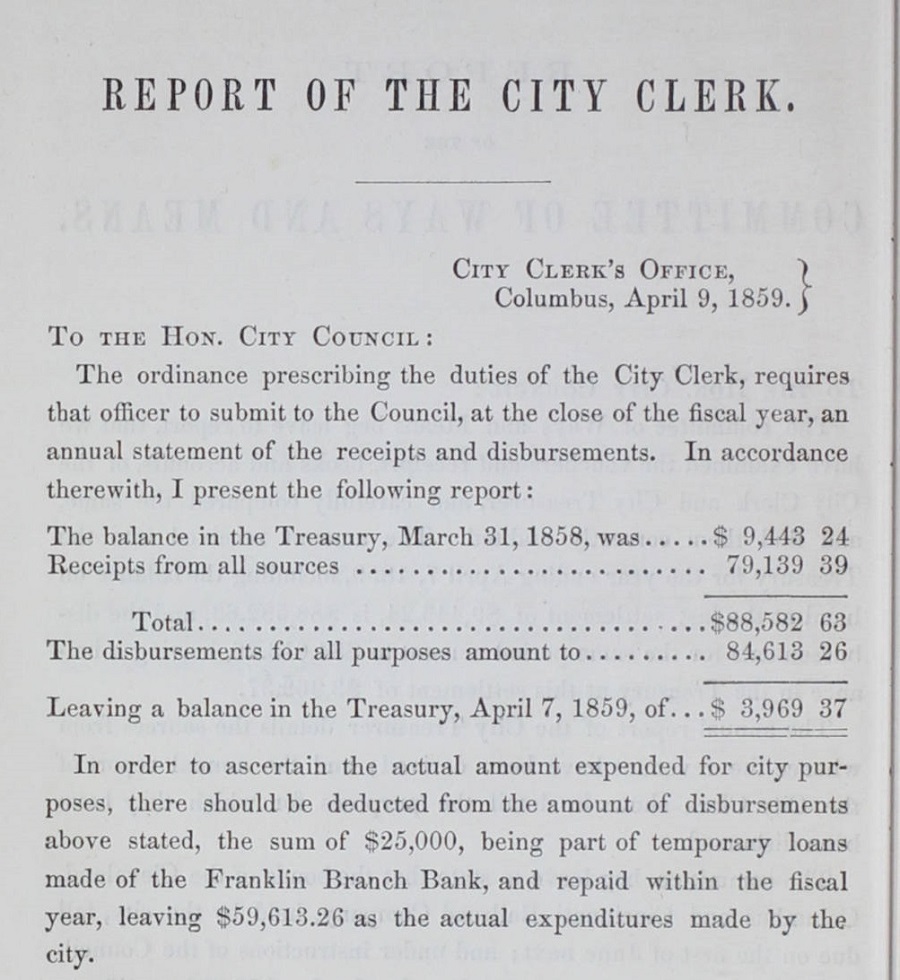
Let’s look at some highlights from the report. First up, Columbus’ finances. Certainly much has changed in the city’s expenditures, with a budget that now exceeds $1 billion a year.
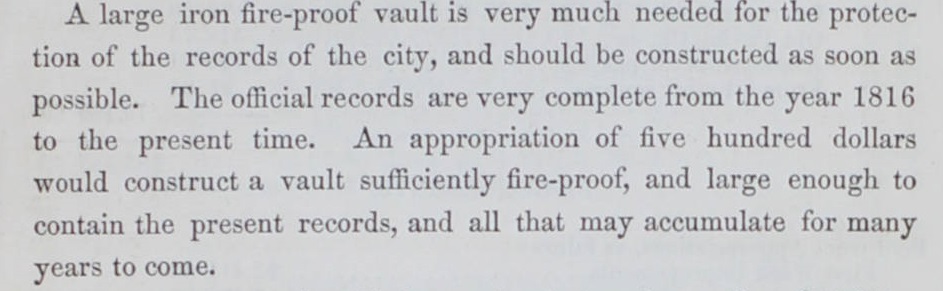
Next up is a plea from then City Clerk Joseph Dowdall about the need to protect the city’s records. Dowdall would be the City Clerk through 1861. He would show up in the Columbus records through the early 1880s, when in 1880 he gained a permit to build a 2-story brick addition to a home.
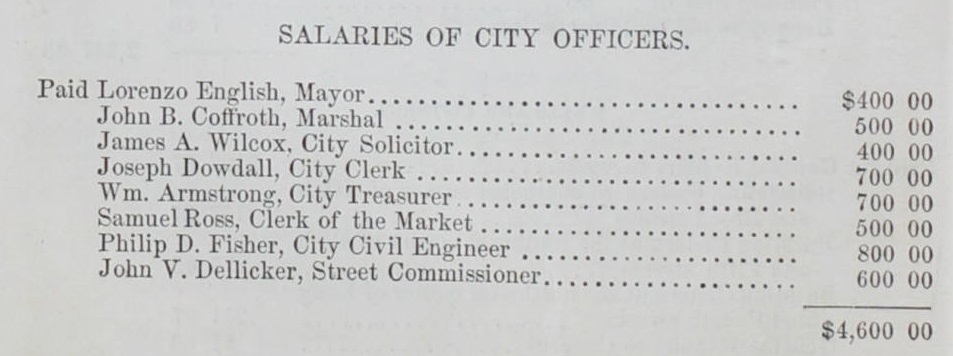
City leaders were paid a *little* less per year than they are now. Interesting that the mayor earned the lowest amount of all. Even with inflation over the years, the $400 salary would only have been about $11,300 in 2017. Clearly public service back then was not a lucrative proposition.
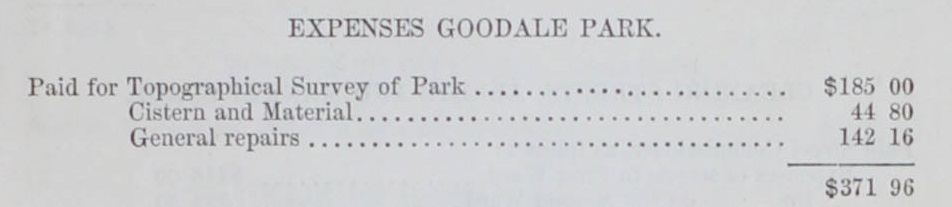
Only 7 years after the land was donated to the city, Goodale Park was still being surveyed.
The now infamous North Graveyard received a few repairs that year. North Graveyard was once on the northern fringes of Downtown, where North Market would eventually rise. Sometime after the graveyard was “moved” in 1872, its original location was all but forgotten. In the early 2000s, utility work at North Market made a grisly discovery not so dissimilar to the Poltergeist movie- bodies. It seems that in the hasty movement of the cemetery, through outright intent, neglect or lost records, many bodies had simply never been moved at all. There has long been the belief that many more remains are still in the ground under the area. The upcoming Market Tower project has a good chance of finding at least some of them.
So there you have it, an early look into Columbus’ financial history.
**2018 Update: The Crew was saved and Confluence Village, a new development with a new Crew Stadium, will be built at the Arena District site.
Last week, it was announced that the owner of the Columbus Crew MLS team- Anthony Precourt- was considering moving the team. His reasons, whether one believes them to be true, include the idea that the current home stadium- Mapre- is outdated and in a bad location to attract the needed attendance to make the team financially viable. The stadium, which was the first soccer-specific stadium of its kind in the United States, is just 18 years old. However, being still relatively young, it is currently one of the most bare-bones professional soccer stadiums in the country, and it’s location at the Ohio State Fairgrounds is not particularly good. The stadium itself is surrounded by vacant and parking lots as well as a mish-mash of development that leaves the area feeling rather desolate. For years, there has been talk about building a new stadium closer to or in Downtown itself. The city, according to officials, have tried to talk with Precourt about either buying the team or trying to come up with a stadium plan, but were apparently rebuffed. This may be because Precourt had long-established plans to move the team to Austin, Texas, an out clause that he intentionally added to the contract when he purchased the team. So while the Mayor and others discuss the future of the team, there’s a practical matter to solve.
I don’t want to go too much more into the debate about Precourt, his motives or how likely it is that the Crew will stay in Columbus even with the promise of a new arena. Those subjects are already being debated on other sites, including the Dispatch and Reddit and other forums. So, what I want to do is to look at where a potential new stadium could even go. Let’s look at the potential options.
Scioto Peninsula The Scioto Peninsula has long been underutilized and empty since its old manufacturing buildings were torn down between the 1970s and the early 2000s. Pros: More than enough room for a new stadium as well as surrounding mixed-use development. Great location Downtown on the Riverfront. Cons: This site has an existing mixed-use development plan already in place, and an Indianapolis company has recently been chosen to develop the Peninsula, with a potential construction start in Spring 2018. It would seem unlikely that those plans would be scrapped at the last minute.
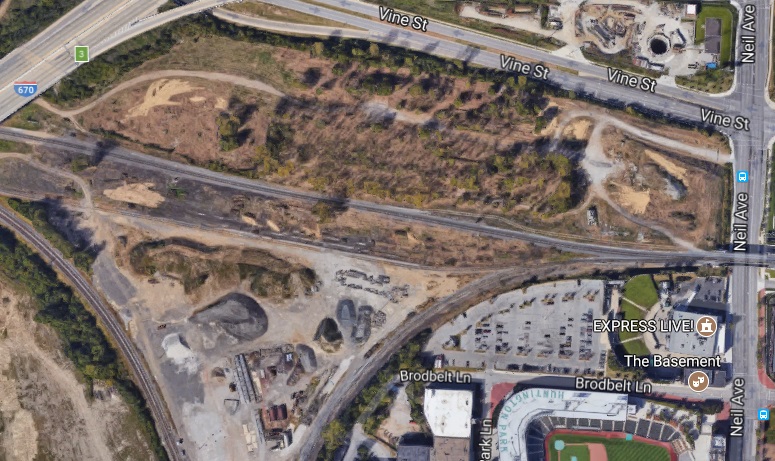
Arena District Site #1 The Arena District is a thriving neighborhood that would be a perfect fit for a new stadium. Pros: Already an established entertainment and sports neighborhood with stadiums for the Clippers and Blue Jackets, lots of local bars and restaurants, great location, enough space for a new stadium development. Cons: As with the Scioto Peninsula, this site already has plans. Perhaps a new stadium could be incorporated, especially when the plan left a lot of open space with parking lots and retention ponds. The site is also split in half by railroad tracks that are still active. This would take some creative development to accommodate a stadium and any required infrastructure.
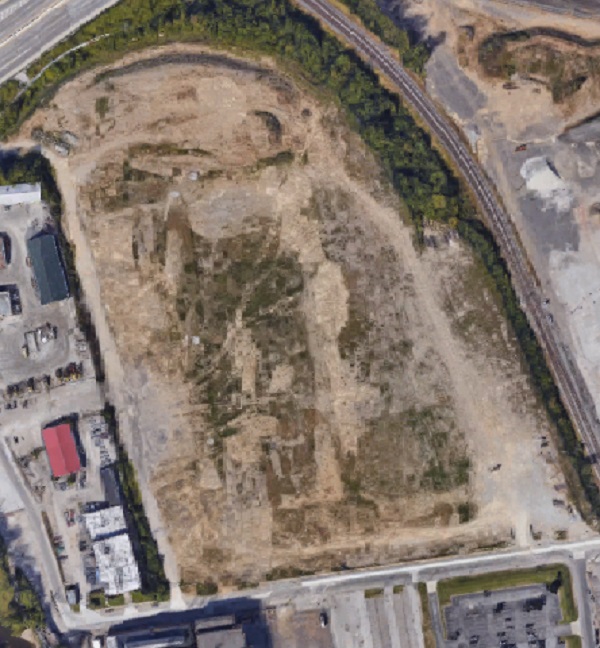
Arena District Site #2 Pros: Good location, enough space for a stadium, near bars, restaurants and other entertainment venues. Cons: This site is owned by Nationwide. While no specific plans have been announced as of yet, they have stated for a few years now that they want to eventually do some kind of mixed-use development. Whether they would be willing to incorporate a stadium into those plans is unknown. The site is also somewhat separated from the rest of the AD by the railroad tracks on the east side. Another problem may be infrastructure. There is really only a single road- Nationwide Boulevard- in and out of this site. During games, this could be an issue unless it’s resolved or some kind of shuttle system is provided.
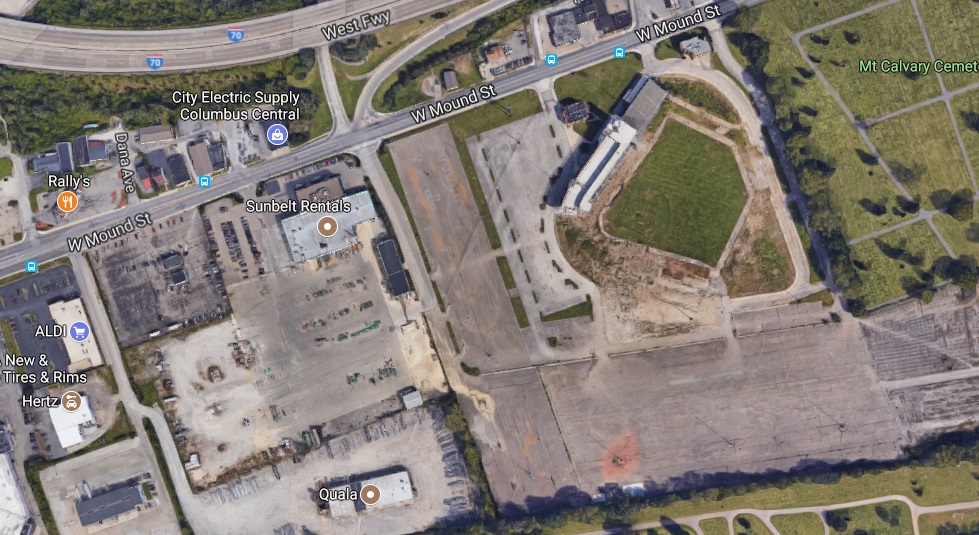
Cooper Stadium Cooper Stadium, the original home of the Columbus Clippers before they moved to the Arena District, has sat empty and rotting since 2010. The surrounding area, while not exactly great, is a perfect candidate for revitalization. Pros: Enough room for a stadium, and with the potential purchase of nearby properties, enough to create a mixed-use development around it. Still close to Downtown. Cons: This site is owned by Arshot, a development company that has long planned a race track development here called SPARC. However, there has been no movement on this development whatsoever, and most now believe that the project is dead. Would Arshot be willing to develop a soccer stadium there instead? Also, given that the site is surrounded by a cemetery on 2 sides affect the possible development?
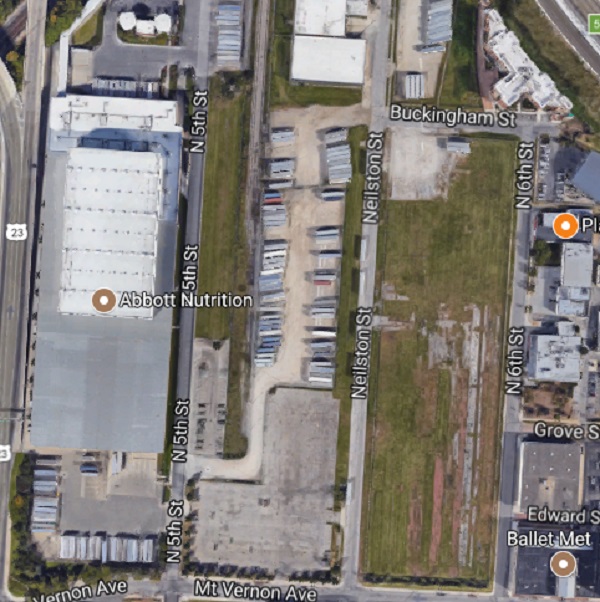
Abbott Labs On the north end of the Central Business District, this site has very large empty lots that are mostly used to store semi trailers, when they’re used at all. Pros: Plenty of space, as Downtown as Downtown gets, plenty of nearby restaurant and bar options to create a neighborhood experience. Cons: Abbott Labs owns the land. While much of it is only lightly used at best, they may not be willing to sell it.
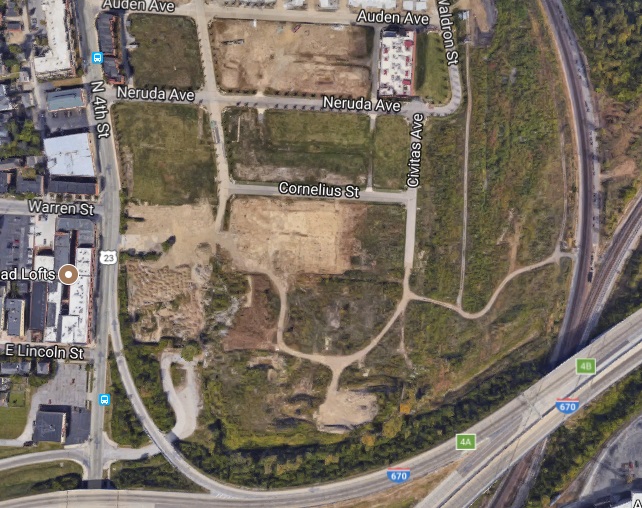
Jeffrey Manufacturing The old site of the Jeffrey Manufacturing Plant, these vacant lots are in one of the most prime locations in the entire city. Pros: Great location in the Short North/Italian Village, high levels of bars and restaurants nearby. Cons: Most of the site north of Neruda Avenue has already been developed with housing. I’m not sure if there is enough space to the south for a new stadium and some kind of parking garage (parking is already very tight in the area). Again, this could be potentially solved with a shuttle or transit system from existing lots/garages Downtown, though. I’m also not sure if the current developers would be willing to sell it, and NIMBYism would likely be fierce from local residents.
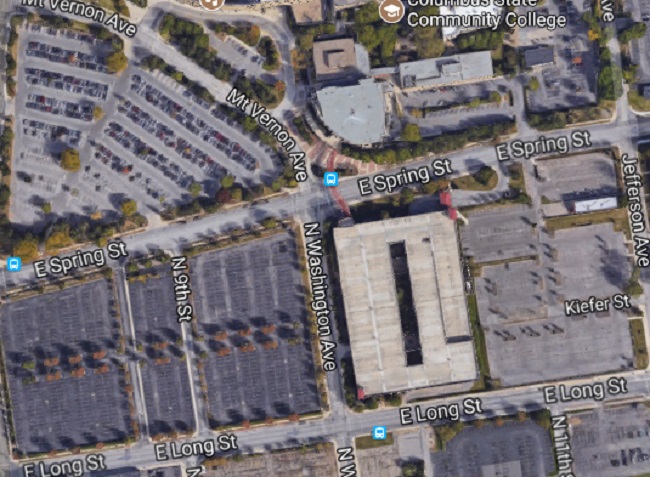
Columbus State Parking Lots On the northeast side of the Central Business District, Columbus State Community College’s land includes one of the largest areas of surface parking lots anywhere in the city. Pros: Great location, plenty of space to develop. Cons: Columbus State owns the land and has long-term plans to develop these. It’s doubtful that they’d be willing to incorporate a stadium here and lose valuable expansion space.
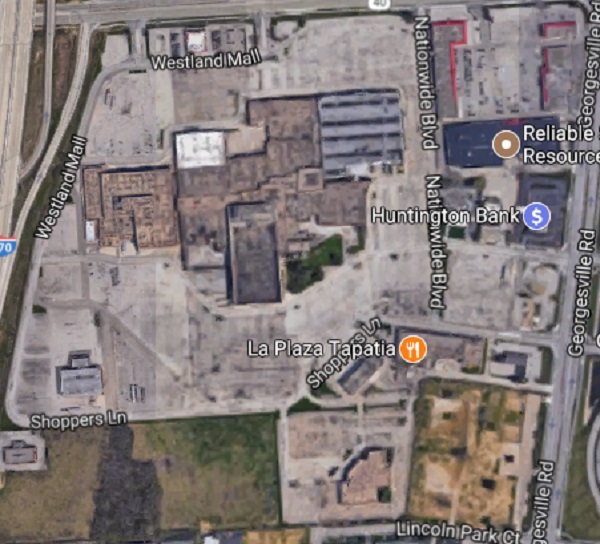
Unconventional Possibilities Westland Mall Westland Mall hasn’t been functional for many years, and its last and original tenant- Sears- recently abandoned the site as well. There have been no plans announced for the mall and it otherwise rots and prevents the improvement of the Far West Side. Pros: The defunct mall site is enormous. A new stadium and new mixed-use neighborhood could basically be built from scratch. It also has excellent access to the Outerbelt. Cons: Not Downtown or even close to it, so it wouldn’t solve the complaint about being too far from the core of the city. This area is also not particularly nice, and may suffer the same perception problems that the current stadium site has.
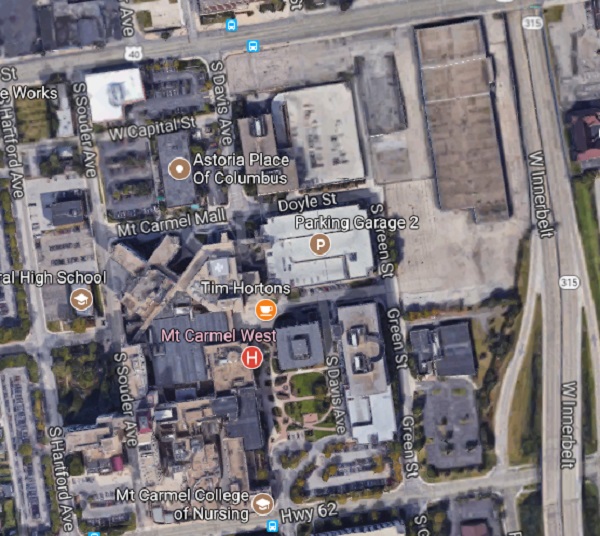
Mt. Carmel West Mt. Carmel West, a long-time hospital in Franklinton, will be moving most of its operations to Grove City. Pros: Close to Downtown, potential to create new entertainment district. Cons: The site has many existing buildings that would have to be torn down or repurposed to fit a stadium and mixed-use development. Mt. Carmel has plans to create a mixed-use development eventually, anyway, but this would be one of the most difficult to remake.
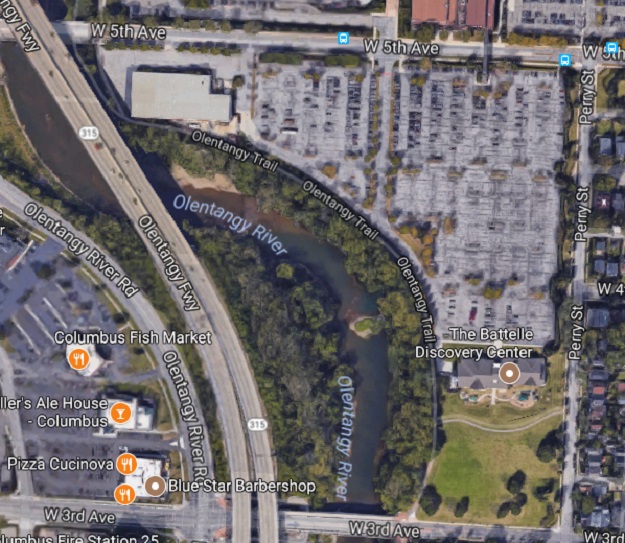
Harrison West Part of the Short North, Harrison West is a largely residential neighborhood. Off of 5th Avenue is a large parking lot and empty land that Battelle is selling off for redevelopment. Pros: Great location, should be enough space. Cons: There is little extra room for mixed-use development, and neighbors would pull the same kind of strong NIMBYism that the Jeffrey Manufacturing site would face. There are also already tentative development plans, and it’s unknown if a stadium would work.
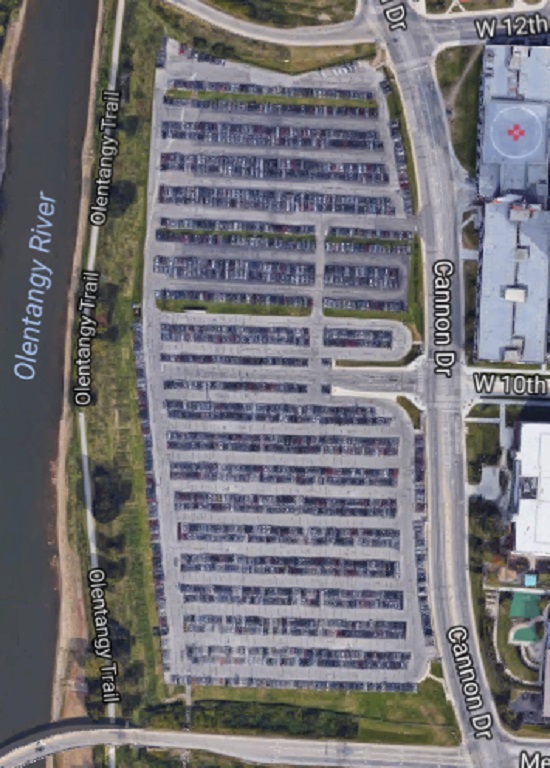
Ohio State Campus Pros: While not exactly Downtown, Ohio State is already a destination in many ways- certainly for sports. There is land available, and the surrounding neighborhoods are much nicer than the current stadium location. Cons: Ohio State has long-term plans for practically every square inch of land it owns. Would they be willing to part with enough for a stadium? And could an attached mixed-use development come into play?
So there you have it, my list of potential Crew Stadium locations. What do you think? Am I missing any good ones?
German Village dates back to the early 19th Century, when it was sometimes called called Germantown. Unsurprisingly, by the middle of the 20th Century, the neighborhood had declined significantly, yet still retained the vast majority of its historic buildings. The city of Columbus had it in mind to bulldoze a large part of the neighborhood in the 1950s for public housing, but activists organized against those plans. Instead, in what was one of the first major success stories of Columbus preservation, German Village was saved. The entire area was eventually added onto the National Register of Historic Places in 1975, and today it is still the largest historic district on the registry anywhere in the United States. Here are just a few before and after photos around the neighborhood.
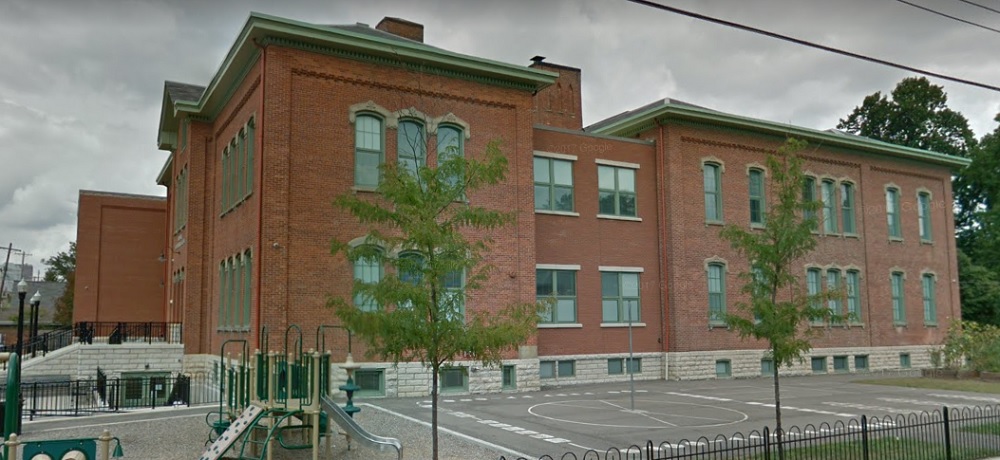
Before: Stewart Avenue Elementary School, looking northeast, in 1920. After: 2017 The school was constructed in 1873 and remains in use today, one of the oldest continuous schools remaining in the city.
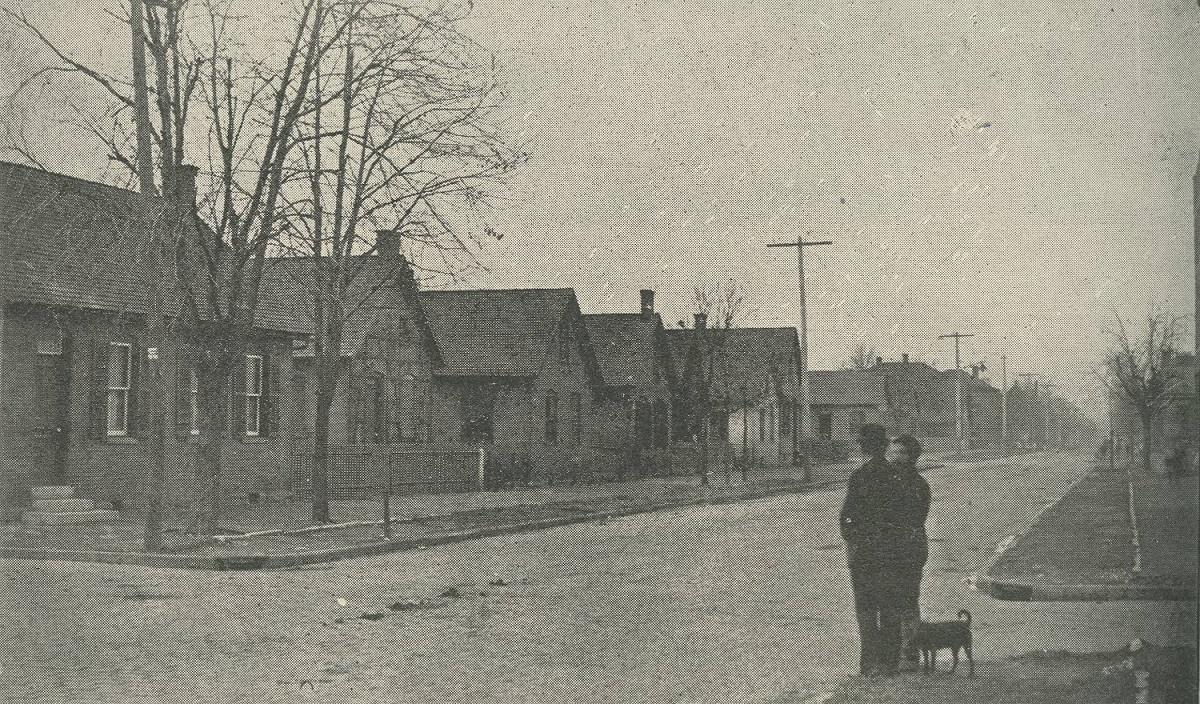
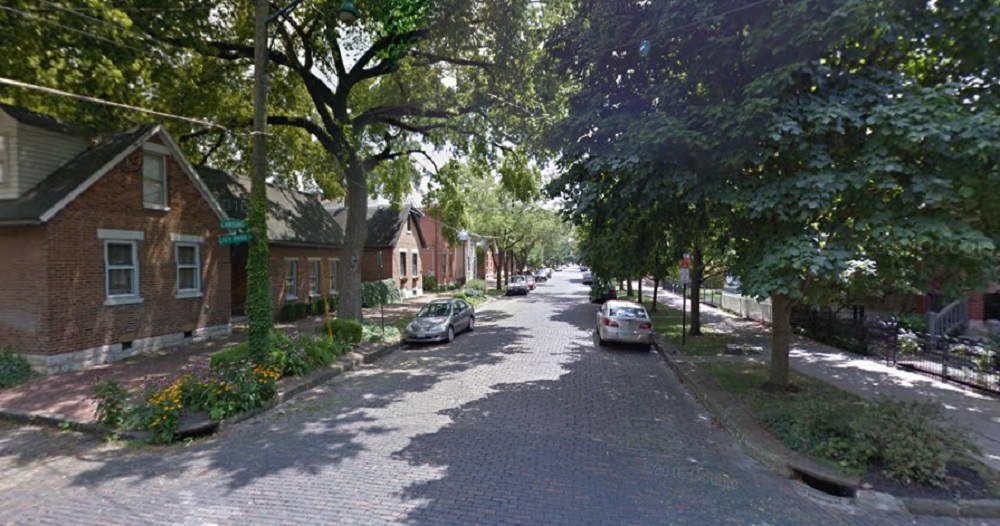
Before: City Park Avenue at Lansing Street, looking south, in 1898. After: 2016
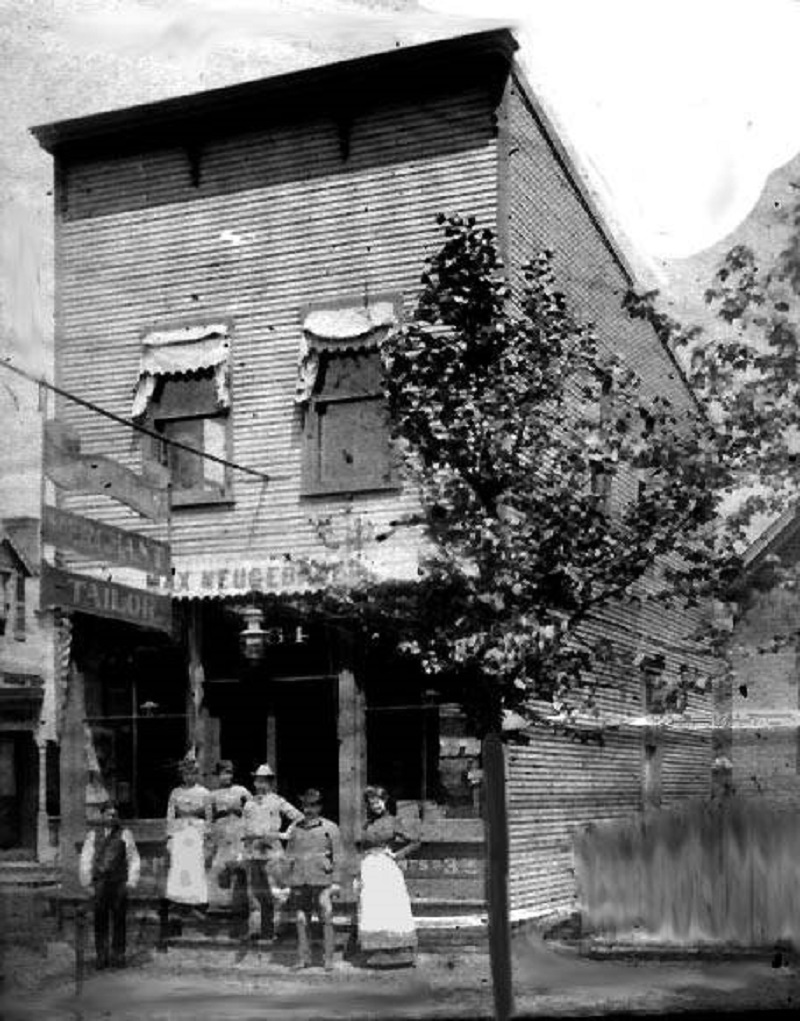
Before: The Max Neugebauer Tailor Shop at 764 Mohawk Street in 1897. After: 2016 Neugebauer arrived in Columbus in 1887, but it’s unclear when he opened this business.
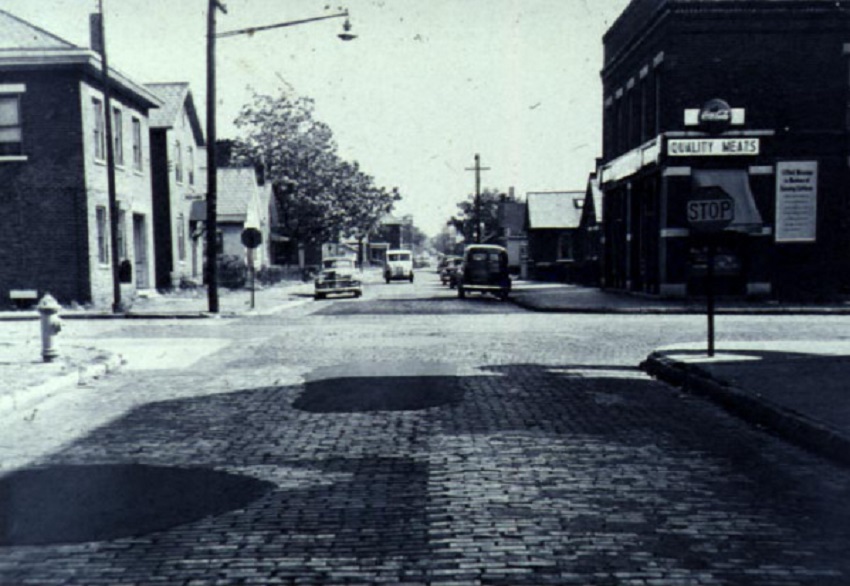
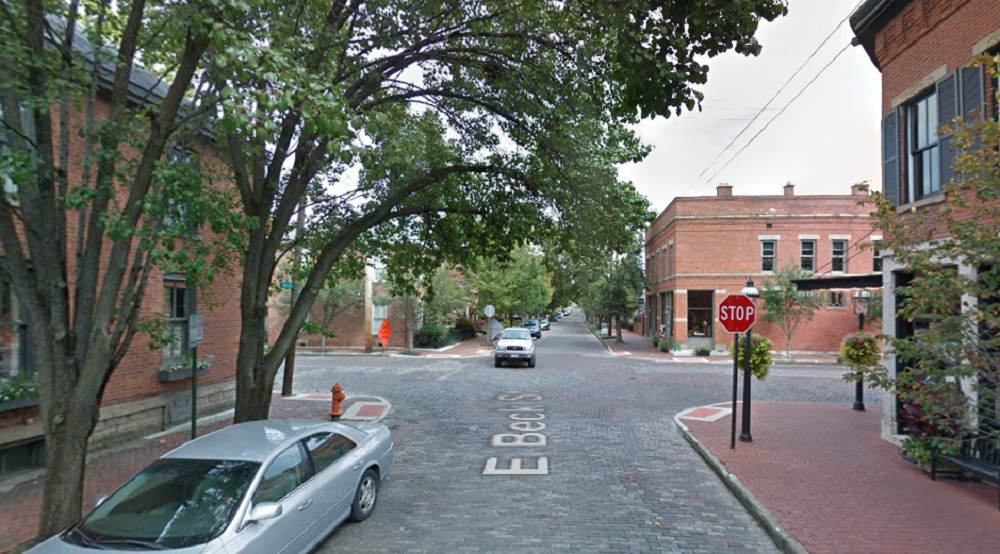
Before: Beck Street and Mohawk, looking east, in 1950. After: 2017 German Village was considered a “slum” by 1950, so the before photo would’ve been around the time of the neighborhood’s low point.
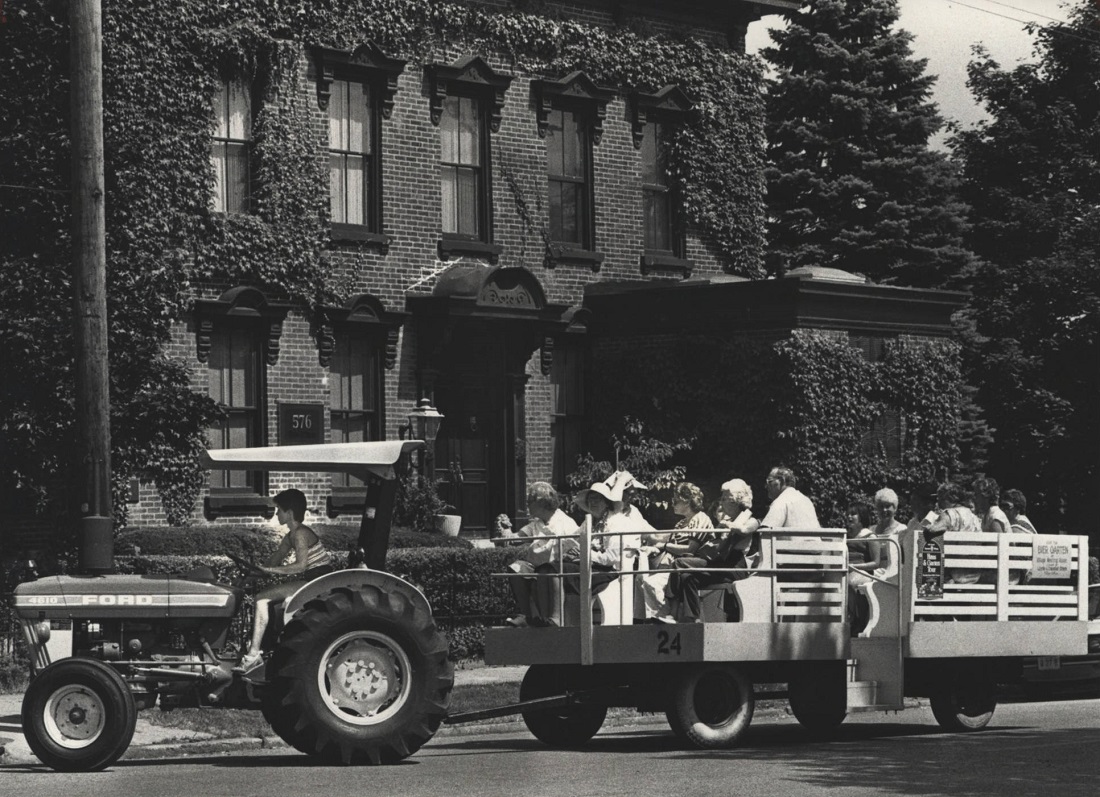
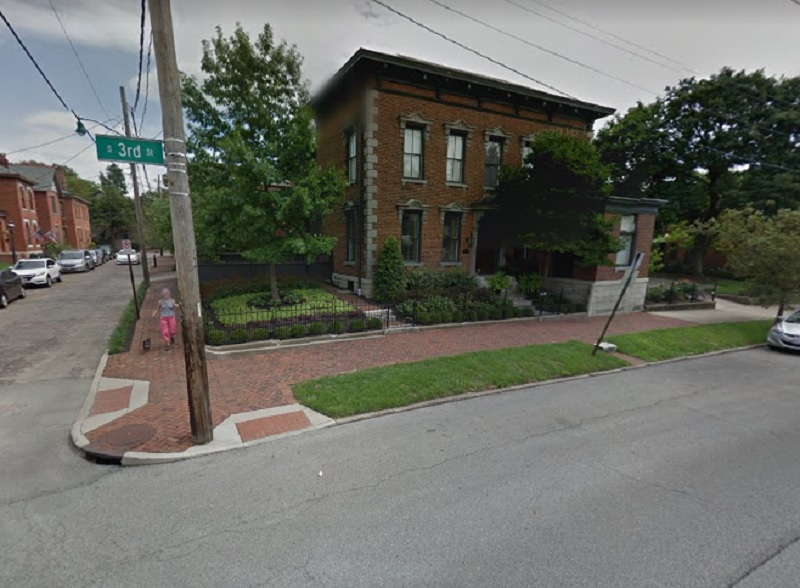
Before: Third Street and Beck, looking east, in 1981. After: 2016 The photo shows a German Village “Haus and Garten Tour” through the neighborhood.
A little more than 4 years ago, I posted numbers on the recovery of Ohio downtowns, and what that might mean for the future. That post has proven to be one of the site’s most popular. I figured it was time to take a look at their continuing changes.
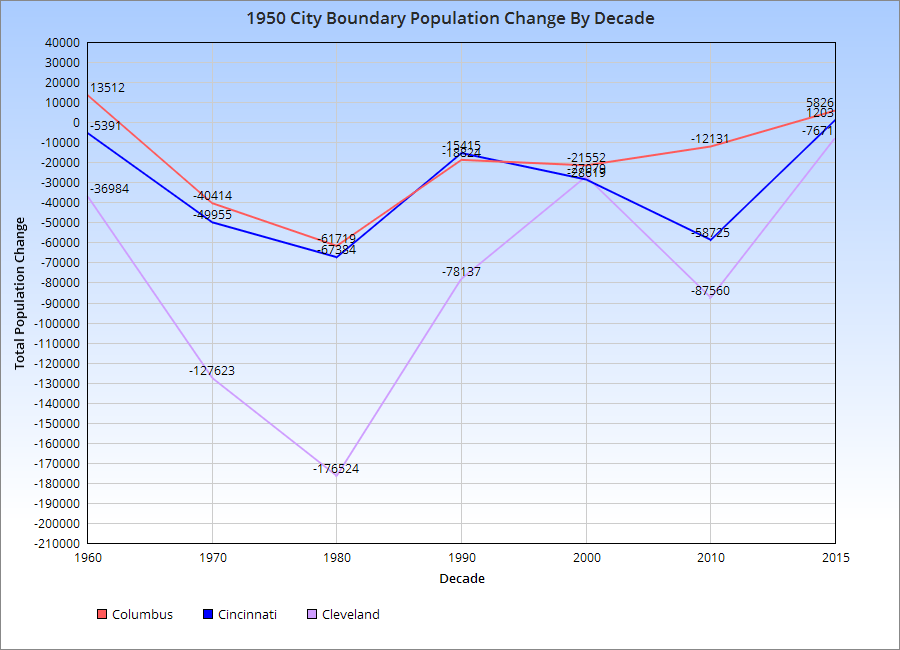
You can see by the chart for the 1950 Boundary population, the urban core of each city, that all 3-Cs suffered population losses post-1950. However, the rate of losses gradually declined, and 2 of the cities, Columbus and Cincinnati, appear to be growing in this boundary since at least 2010. Cleveland continues to lose.
This is shown further by the chart below.
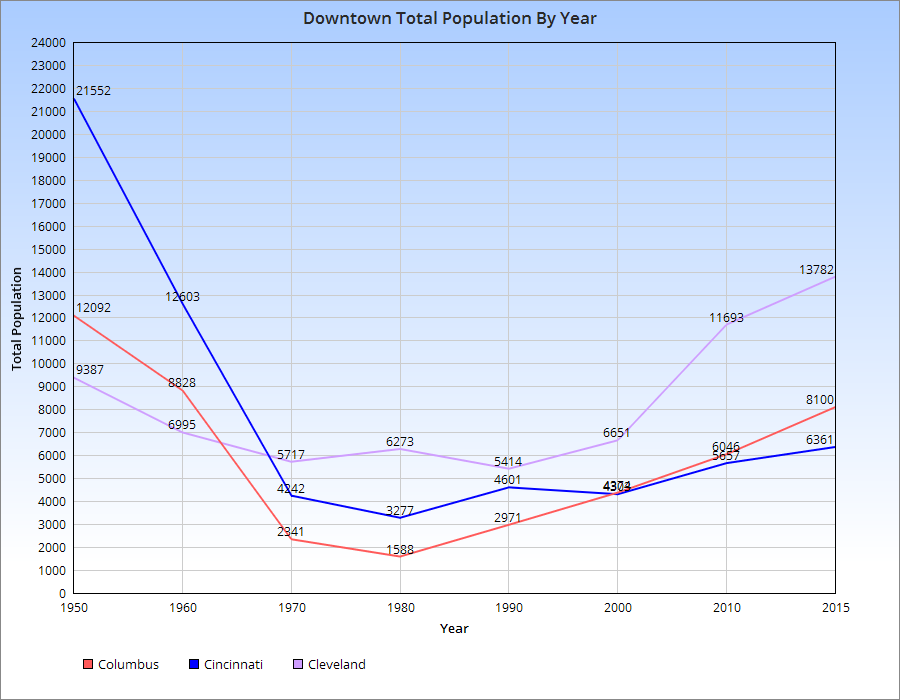
As far as the actual Downtowns of each, here are the population trends.
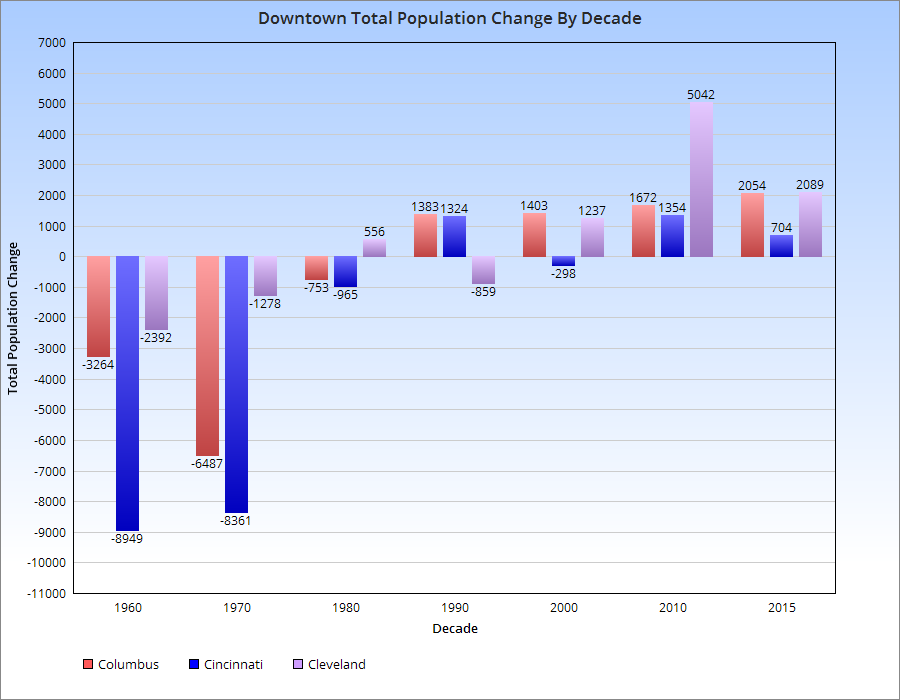
For the most part, population declines in the 3-Cs peaked around 1980, give or take a decade. Since then, all of them have seen increases, with Cleveland seeing the most rapid increase and Cincinnati the least. Columbus has seen steady, but increasingly rapid growth with each subsequent decade since 1980.