El Niño and Columbus Winter History


Columbus winter history El Niño

A small snow event should affect the Columbus area today into tomorrow morning, with forecasts calling for up to 2″ of snow when all’s said and done. While by no means a significant event, it could end up being one of the largest snowfalls of the entire 2023-2024 winter season. The reason- El Niño.

El Niño winters in Ohio tend to be much warmer than normal with much below normal snowfall. This is especially true when the El Niño is moderate to strong, as it is now. Let’s take a look back at how different ENSO states (or El Nino Southern Oscillation) produced different results in Columbus winter history.

ENSO conditions come in 3 different forms- El Niño, which is when the Equatorial Pacific is warmer than normal, Neutral, when the waters are neither cold nor warm, and La Niña, which features colder than normal Equatorial Pacific waters.
Since the 1950-1951 season, there have been 24 Neutral seasons, 25 La Niña seasons and 25 El Niño seasons, so the breakdown has been very even. Because there is a lag because Pacific water temperatures and atmospheric response, the conditions that affect winter weather can typically be traced back to Fall water temperatures rather than winter. To see how 2023-2024 might shape up, we have to look at the September-October-November Pacific water temperature anomalies. During that time, the anomaly was +1.8. Which seasons had an anomaly of +1.5 to +2 during September-October-November? As it turns out, not very many- only 1965, 1972, 1982 and 1987.

How were those 4 subsequent winters in terms of temperature and snowfall?
Mean Temperature
1965-1966: 29.4
1972-1973: 32.8
1982-1983: 34.7
1987-1988: 30.5
Avg: 31.9
Temperatures overall were somewhat split, with 2 winters being slightly below normal and 2 winters with well-above normal temperatures, with the average of the 4 being slightly above.
Snowfall
1965-1966: 17.5″
1972-1973: 24.5″
1982-1983: 11.5″
1987-1988: 23.9″
Avg: 19.4″
Snowfall was well below normal in all 4 seasons, with an average of about 8″ below normal.
The snowfall that did fall typically came in 1-2 moderate events with very little otherwise.
1965-1966
5.9″ 1/22/66
3.7″ 2/1/66
1.2″ 1/29/66
1965-1966 had a few moderate events, but the 3 days here were the only 3 days during the entire winter that featured an inch or more of daily snowfall. This winter also occurred during a generally snowier, colder decade.
1972-1973
6.3″ 4/12/1973
4.0″ 11/30/1972
2.1″ 3/17/1973
1972-1973 again featured a few moderate events as well that contained the bulk of the season’s snow. The interesting thing about this winter is that those events occurred outside of the main December-January-February heart of winter.
1982-1983
1.9″ 2/6/1983, 3/11/1983
1.1″ 1/15/1983
1.0″ 12/10/1982
1982-1983 ended up being what’s called a Super ENSO event, with a very strong El Niño. Temperatures were very warm the entire winter, and snowfall was less than 50% of normal.
1987-1988
4.7″ 1/25/1988
1.8″ 12/3/1987
1.6″ 2/11/1988
1987-1988 only had a single moderate event, with most other snowfalls during the season amounting to a few tenths.

Bottom line: Don’t expect major snowfalls this winter.

Now, these are just 4 seasons. Other slightly stronger or weaker El Niño seasons produced very different results. Furthermore, the orientation of where the warmest water is in the Pacific can have very different outcomes. For example, if the warmer water is hugging the coast of South America, winters tend to be warmer and snowless, but if that warmer water is centered further west in the Pacific, winters can be very cold and snowy. For example, both the winters of 2002-2003 and 2009-2010 were west-based El Niño seasons, and they were historically snowy and cold winters. 2023-2024 is decidedly an east-based Niño, however, so it’s unlikely we will see anything but a rather boring winter with warmer than normal temperatures and below average snowfall. Obviously, depending on your viewpoint, that could be a very good thing.
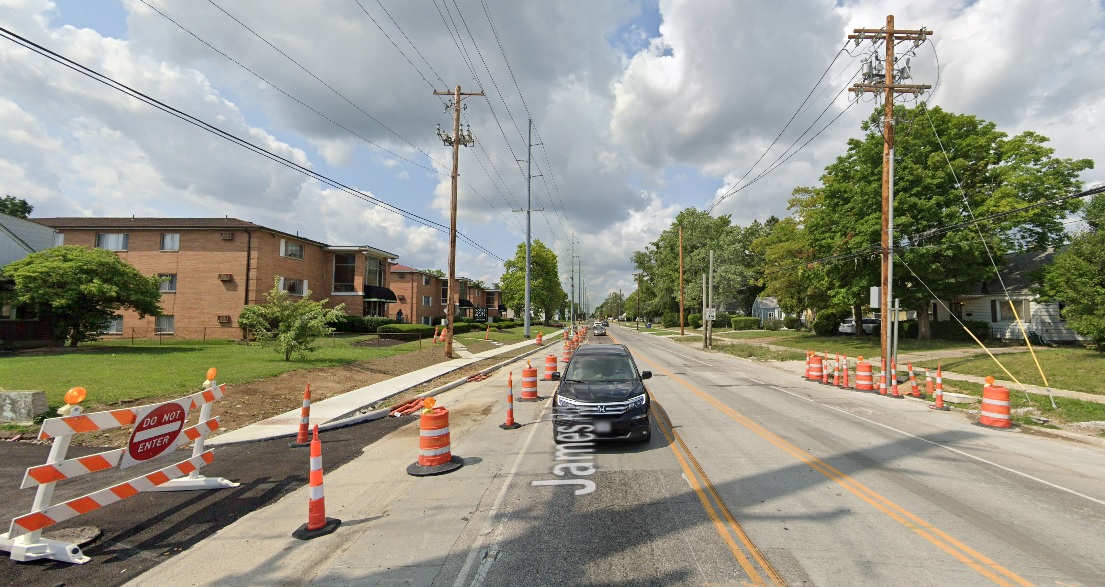
Random Columbus Photos 10


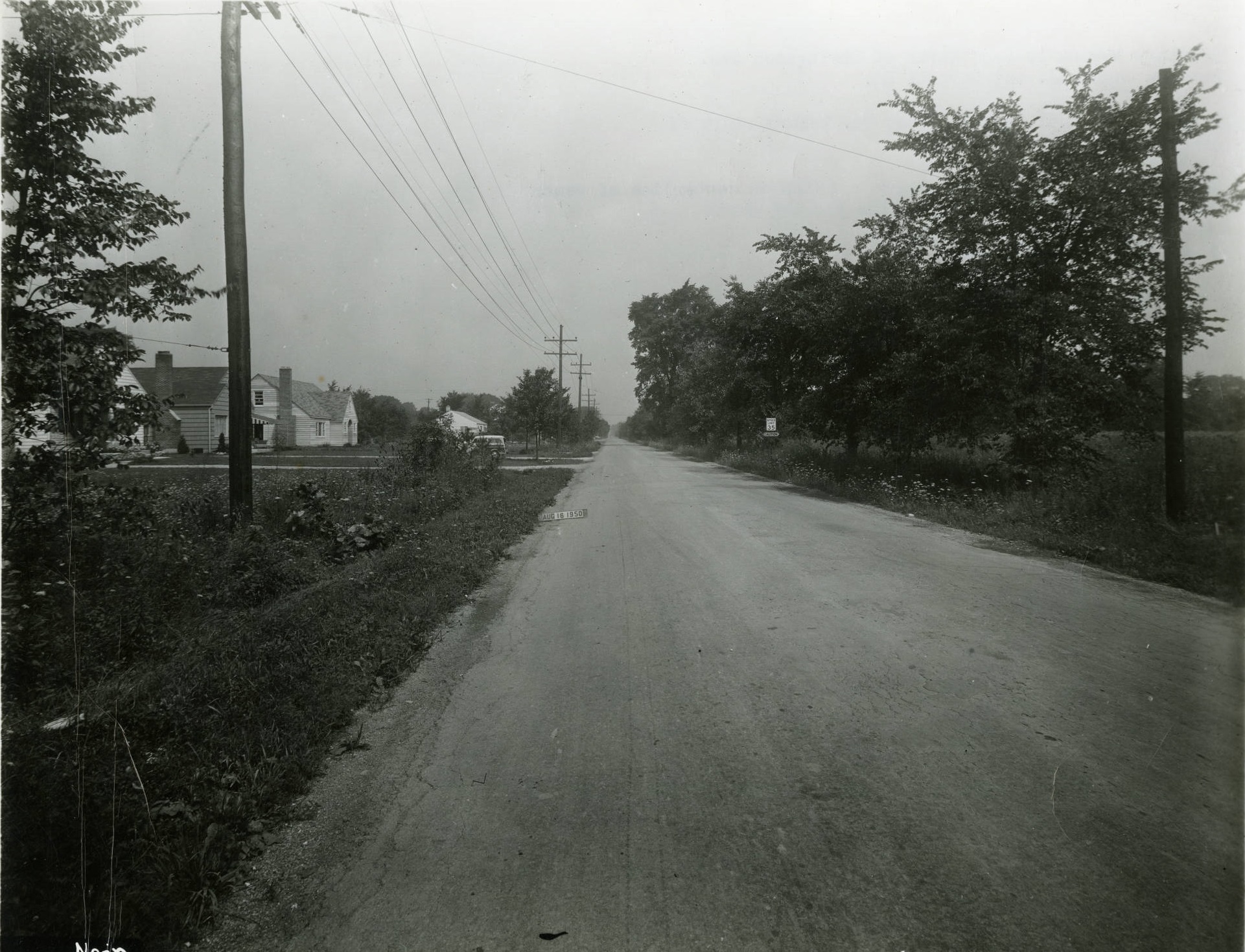
In Random Columbus Photos 10, we look toward the East Side.

Photo Location: James Road, looking north from Livingston Avenue.
Photo Date: August 16, 1950
Photo History: This photo of a very primitive James Road was taken by the City in preparation for installing a sewer system in the area. There were very few homes and other buildings on James at the time, and the area was still mostly farmland. The homes on the left side of the photo had only just been completed, and were the first of large-scale, small-home subdivisions that now dominate this part of the city and neighboring Whitehall. By 1953, the entire area seen in the photo would be fully developed and unrecognizable.
Random Columbus Photos #10 Columbus, Ohio
The same view today:
Random Columbus photos #10 Columbus, Ohio

Thousands of historic before and after photos from across the city can be found on the Historic Building Database.

Random Columbus Photos 8

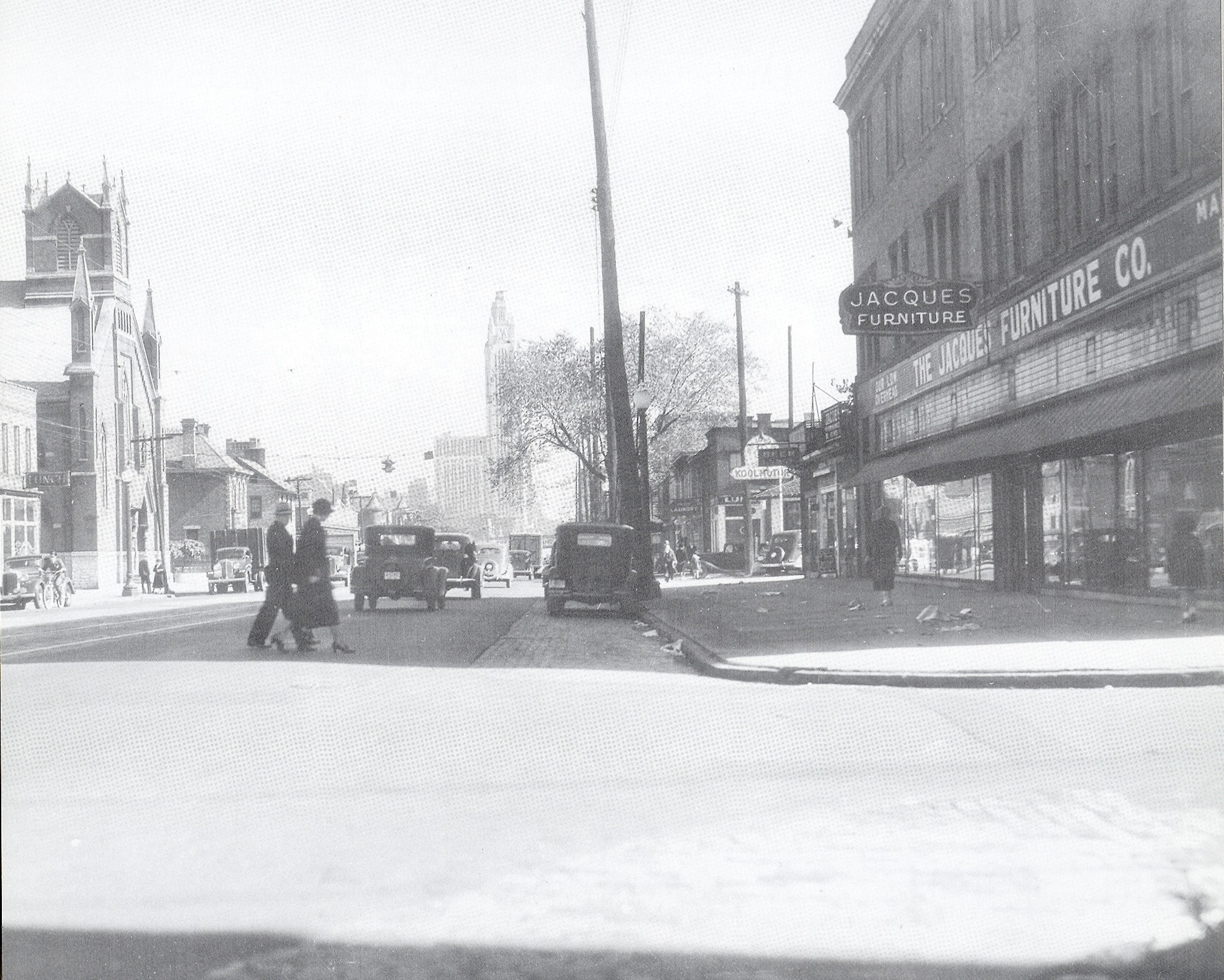
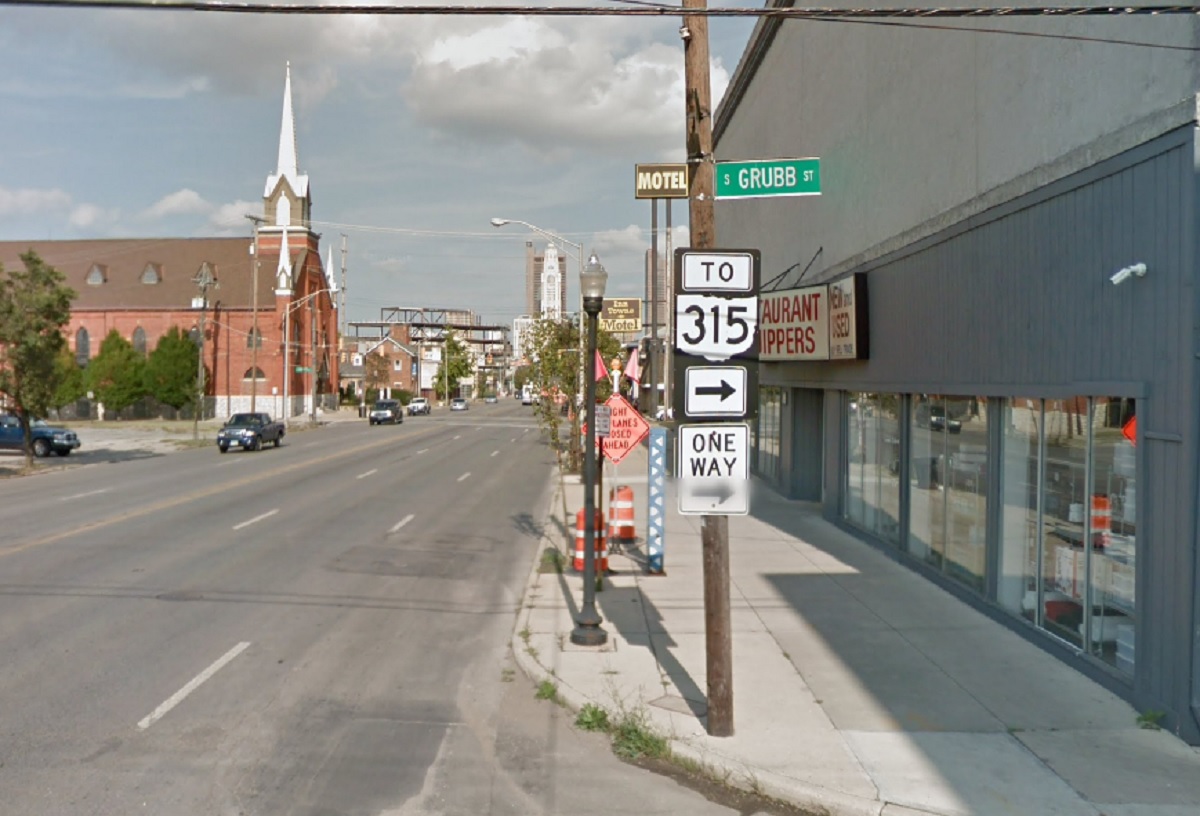
Photo Location: West Broad Street at Grubb Street, looking east.
Photo Date: 1937
Photo History: Franklinton was bustling in this pre-WWII era-photo of Broad Street. It had been 24 years since the Great Flood, and the neighborhood was reaching for its historic population high along with the rest of the urban core. Unfortunately, within 2 decades, the neighborhood would be devastated by yet another flood and would be followed by 50 years of stagnation and decline.
Random Columbus Photos #8 Columbus Ohio

The same view now.


Random Columbus Photos 6


A new Random Columbus Photos after a multi-year absence!

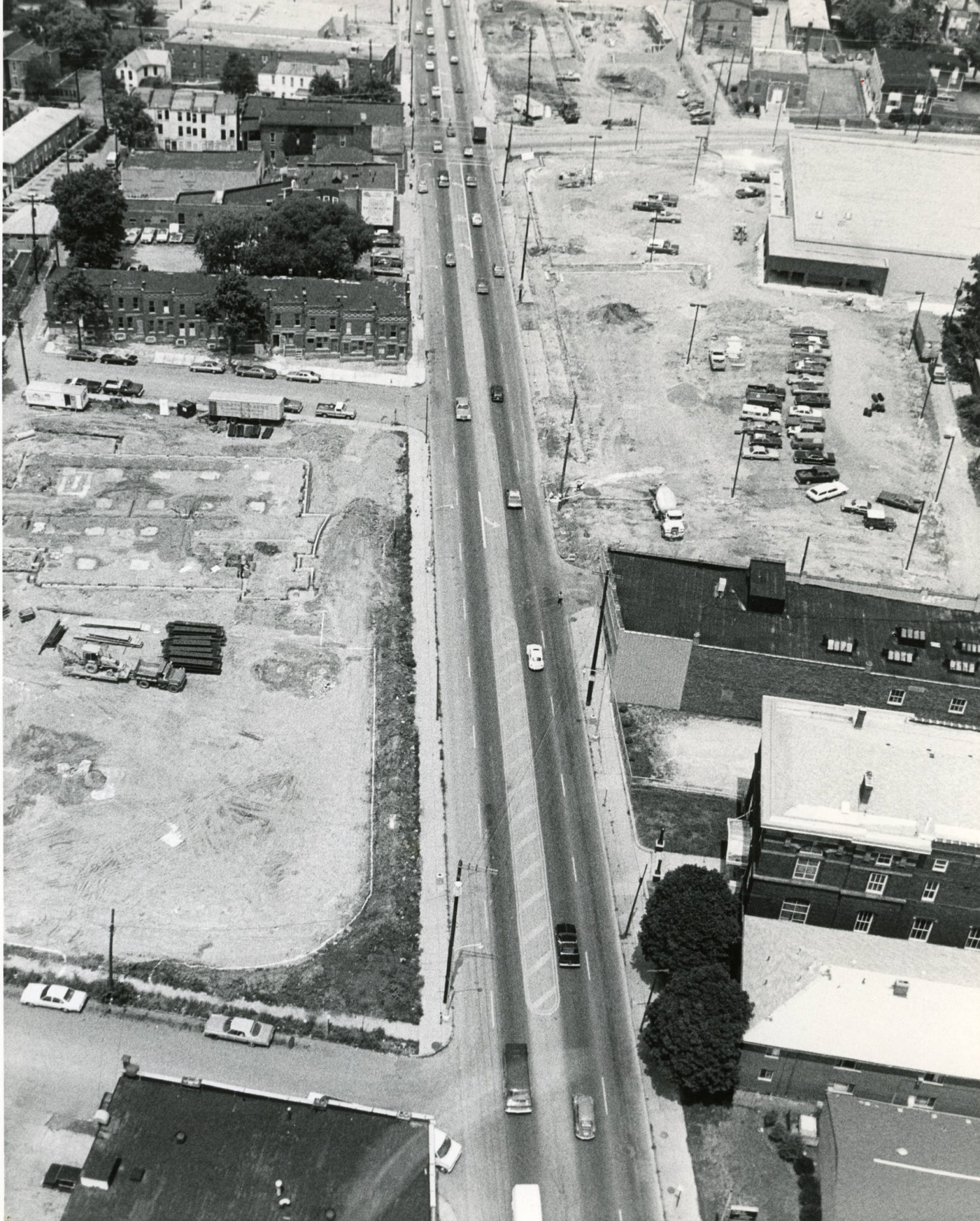
Photo Location: Aerial photo of North High Street between Smith Place and 7th Avenue.
Photo Date: Around 1985
Photo History: Located just north of the Short North and south of the OSU Campus, this part of High Street was often left out of revitalization and development efforts. By the 1980s, much of the urban fabric had already been torn down, leaving mostly parking lots and vacant lots, with only a smattering of buildings.
Random Columbus photos 6 Columbus, Ohio

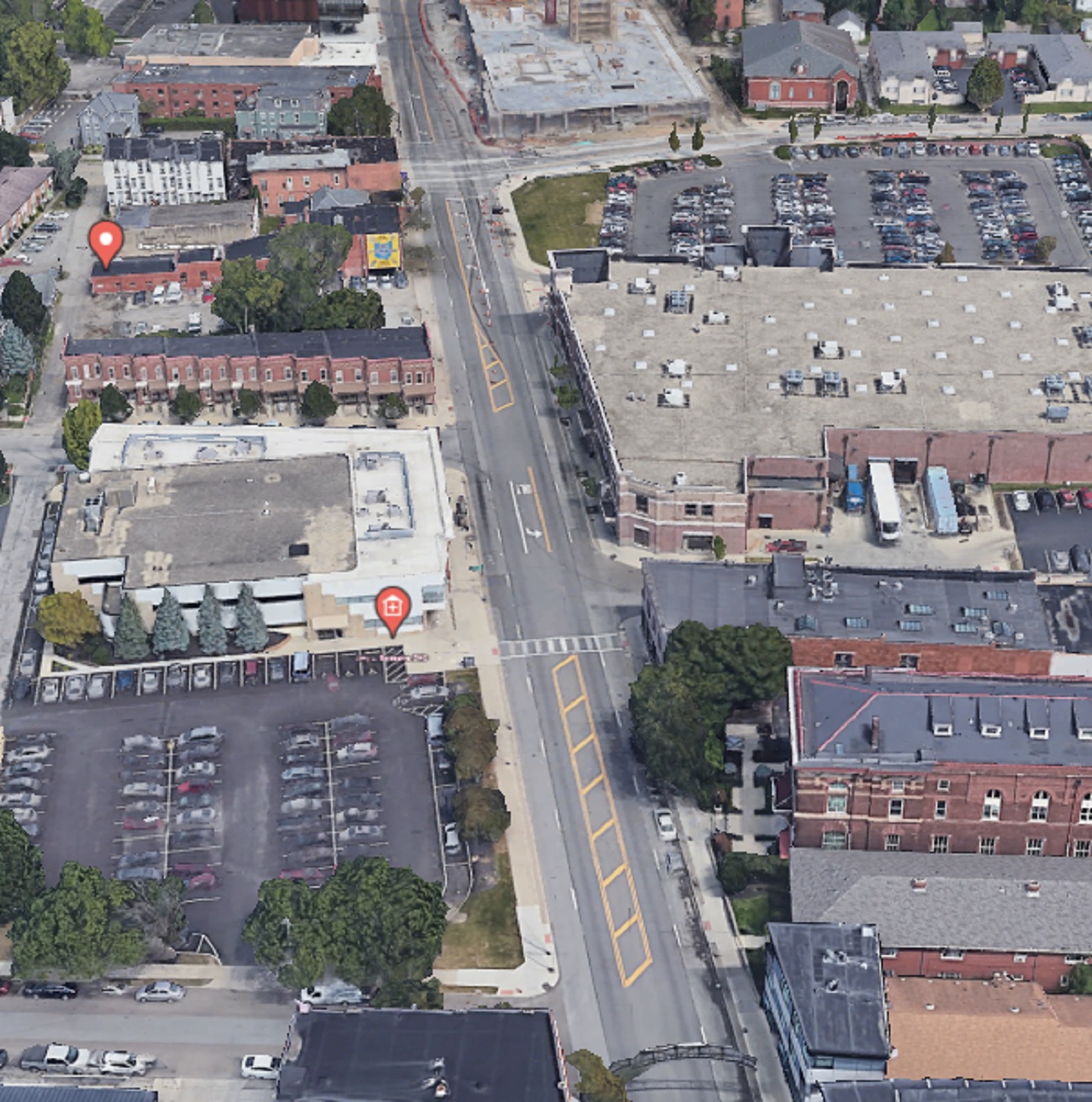
And the same view today.

The Kroger, while realigned and larger, still retains a large surface parking lot, as does the business across the street, but otherwise, the area is significantly more filled in than it was in the 1980s. That trend will continue with more- and larger- projects planned for the stretch.

More Historic Building Preservation Results


More historic building preservation results

A few years back, I wrote about the outcomes of Columbus Landmarks’ historic buildings under threat from development or demolition. A few of the buildings had already been lost, a few had been saved, but several had no resolution. Since then, however, the list has seen more historic building preservation results arrive.
Additionally, other buildings that were not on the Columbus Landmarks list of endangered buildings have recently come under threat.

Columbus Landmarks List Buildings

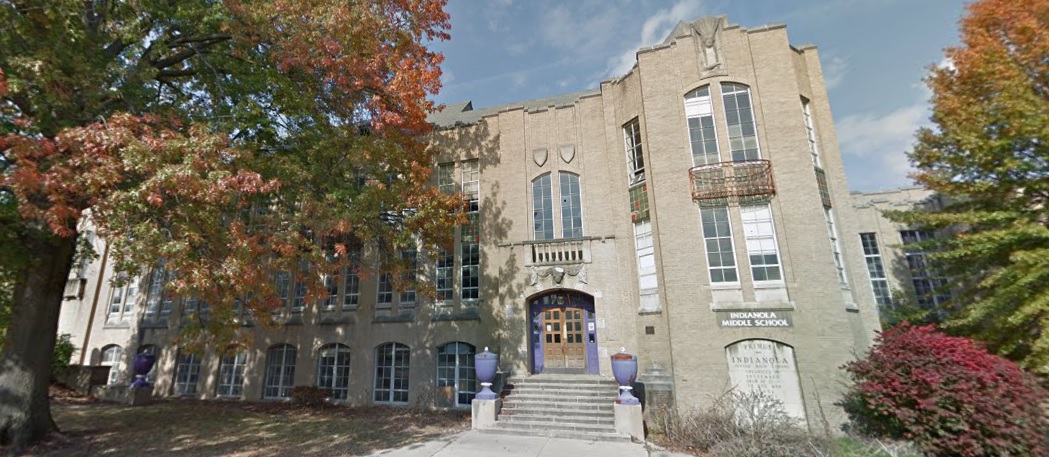
Indianola Junior High School
Address: 420 E. 19th Avenue
Built: 1929
Status as of April 2022: Existing, with a Renovation Plan

Indianola in 2015.

Some good news for the very first Junior High building in the United States. An independent STEM school chain, Metro Schools, announced in May of last year that they will be renovating the old school for grades 6-12. Through April of this year, renovation does not appear to have started, however.

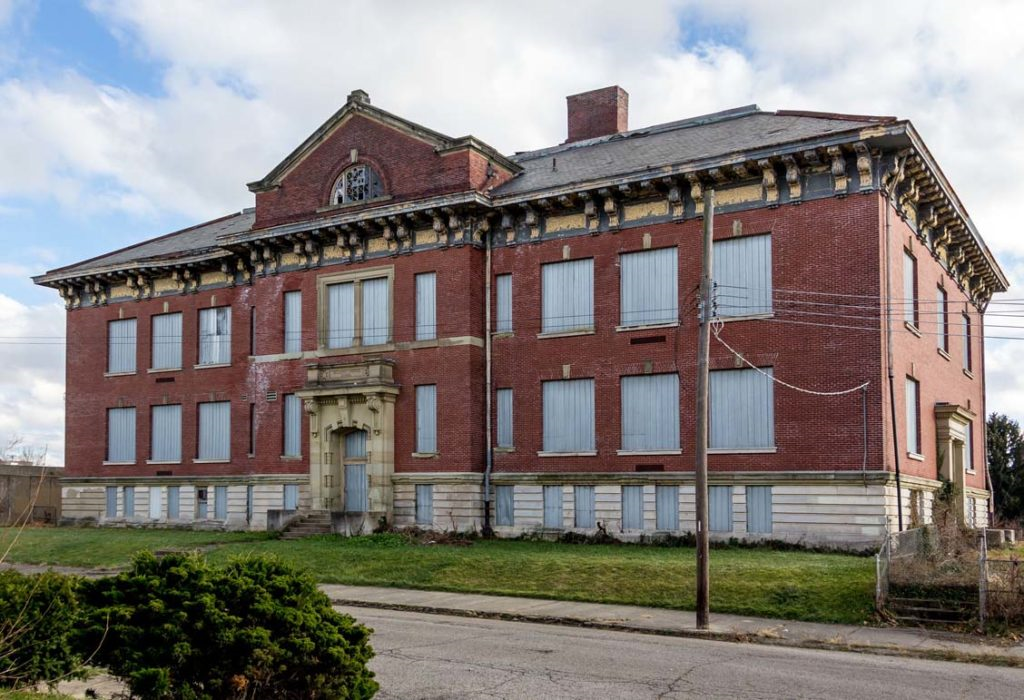
Bellows Avenue Elementary
Address: 725 Bellows Avenue
Built: 1905
Status as of April 2022: Existing, with a Renovation Plan


In November of 2021, Columbus City Council approved redevelopment plans that would renovate the school into a mix of office space and apartments. Additionally, the remaining school site land would be filled with new townhomes. Work has yet to begin on this project, however.

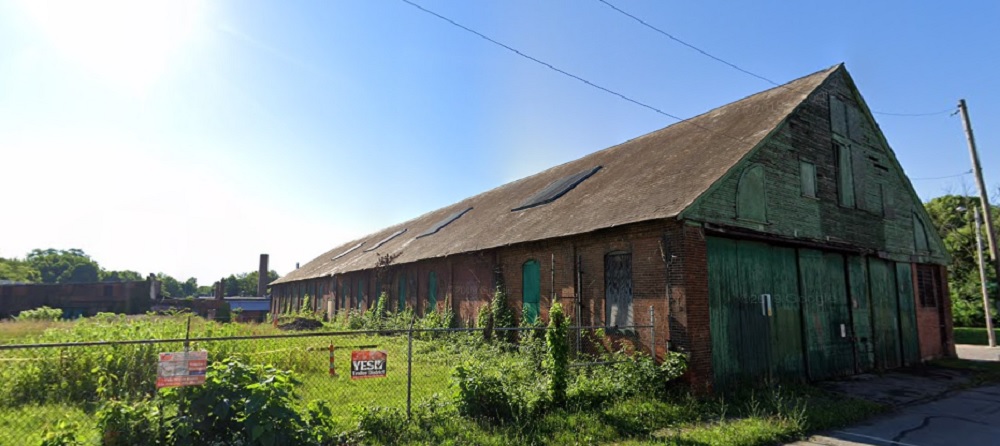
Near East Trolley Barn Complex
Address: 1600 Oak Street
Built: 1880-1900
Status as of April 2022: Renovated

The main trolley barn and grounds in 2019.

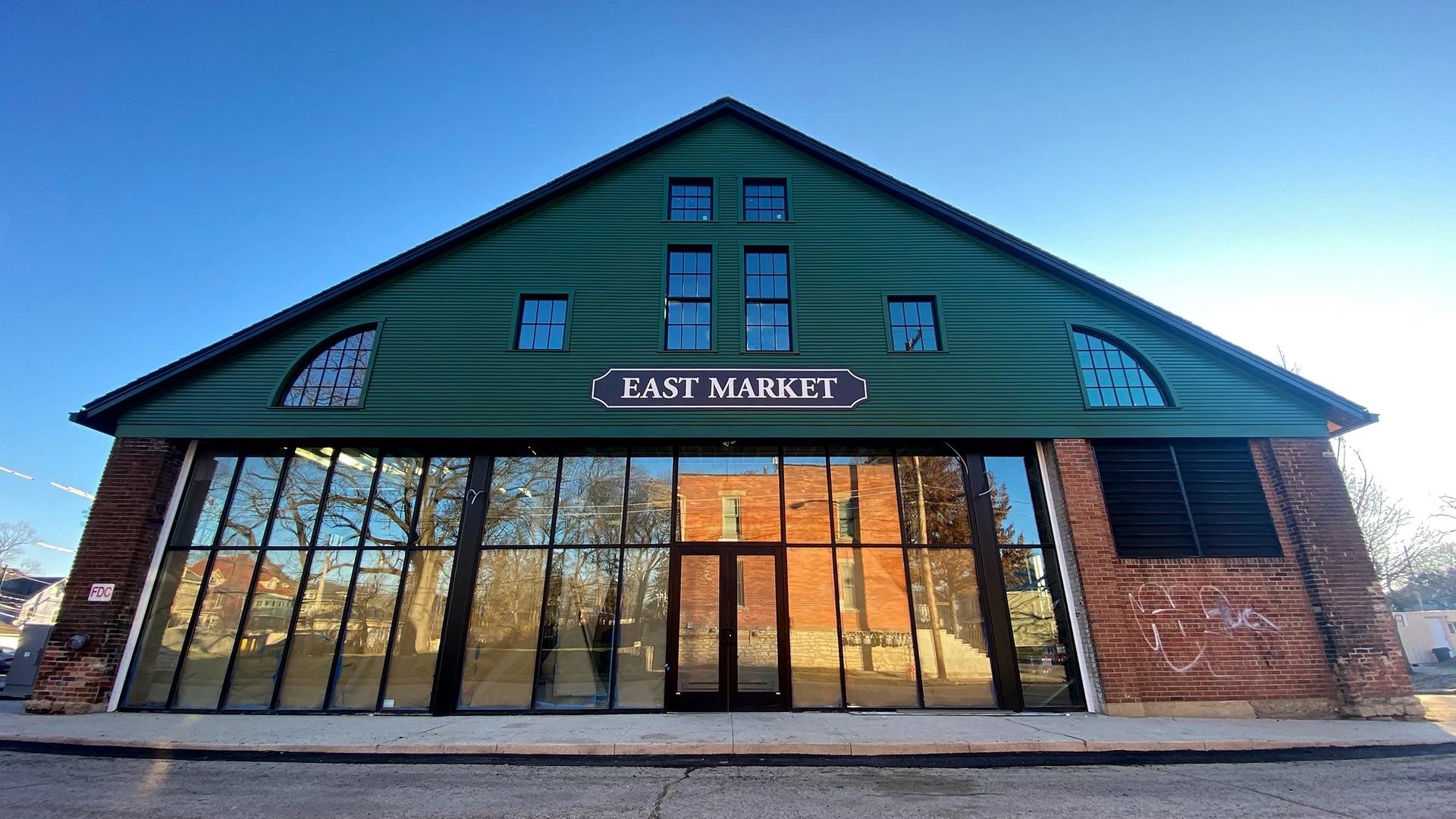
The old trolley barn as of April 2022.

A renovation to turn the trolley barn into East Market has more or less been completed, and the surrounding grounds have also been rebuilt.

Kessler’s Corner Grocery
Address: 553-555 W. Town Street
Built: 1884
Status as of April 2022: Existing, but to be Demolished

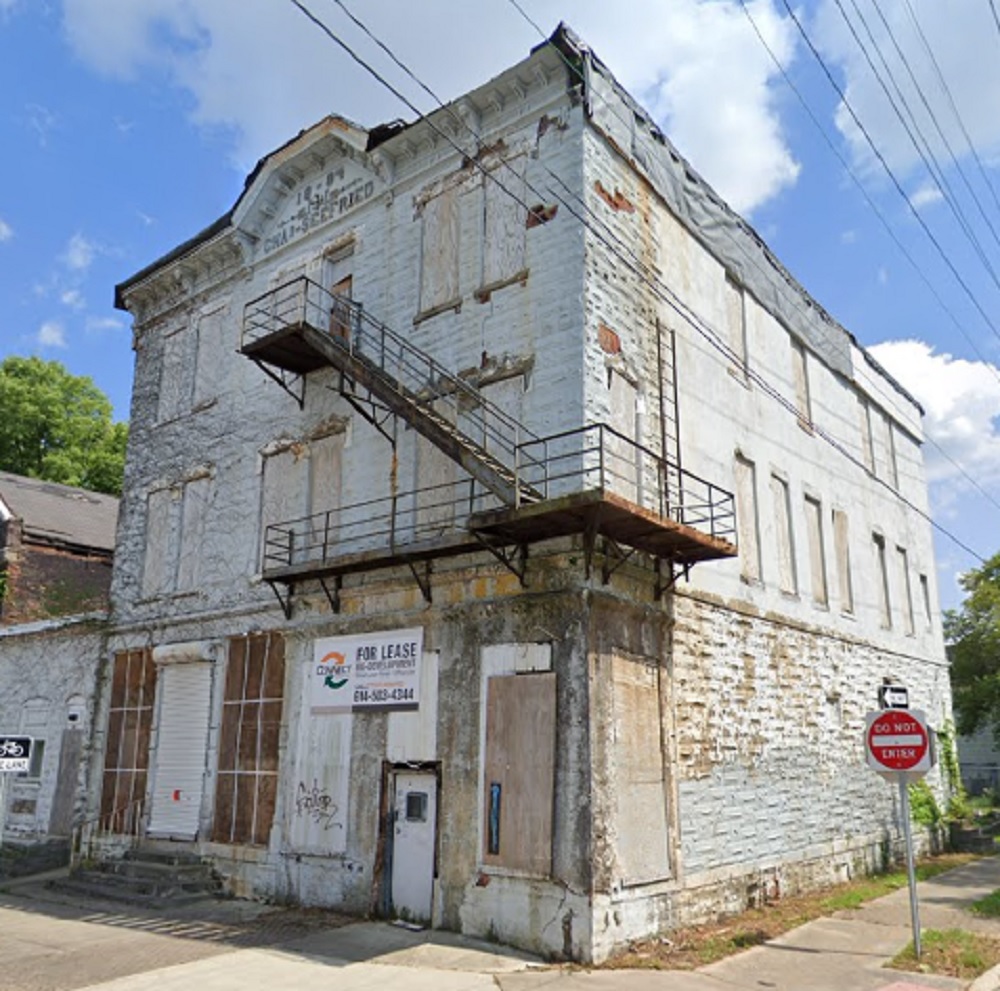
Kessler’s in 2019.

The building had been vacant for more than 30 years, with a slew of owners not spending a dime on maintaining the structure- and apparently the city doing nothing about it. Ironically, the current owner has some history with restoring buildings like this, but claim the building is too far gone to save. The reality, however, is that only very rarely can a building not be saved. It largely comes down to the cost-return analysis, meaning that restoring this building would likely cost more than the return the owner wants to get out of it. They will say it’s beyond saving, but really it’s just beyond what they want to spend. And so, another piece of Columbus history is lost.

The Main Bar
Address: 16 W. Main Street
Built: 1880s
Status as of April 2022: Demolished

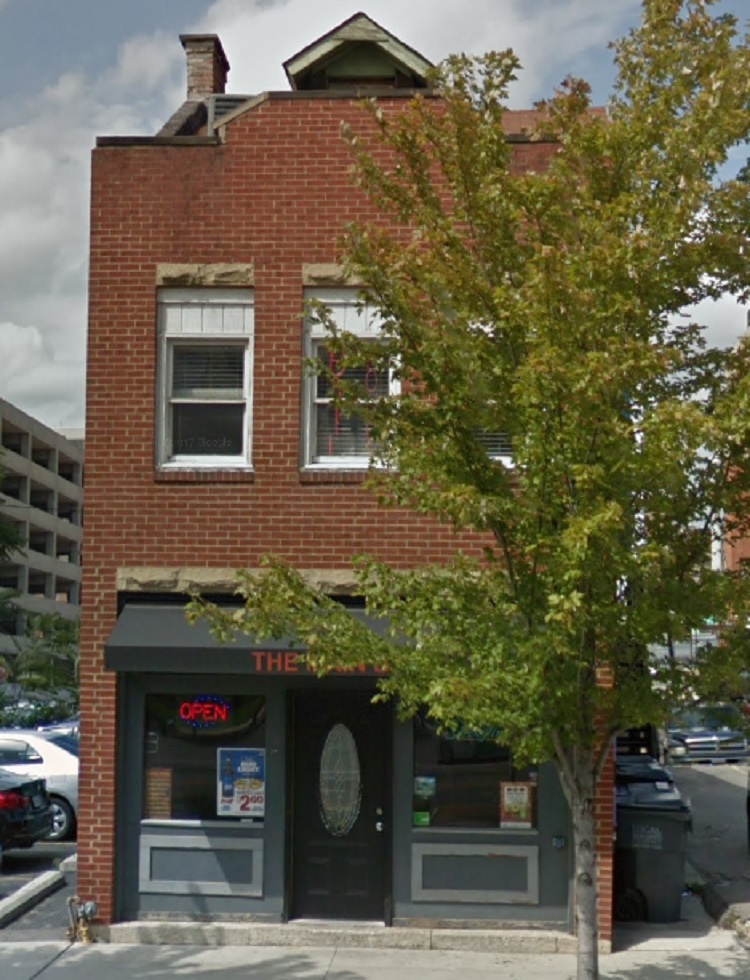
The Main Bar building in 2016.

This one really irks me. The Main Bar building was a small, historic building that was in great condition. It was demolished in 2021 not because of a proposed development project or because it was unsafe or in poor condition. Nope, it was torn down… for parking. The Downtown Commission allowed the demolition despite the fact that their own development standards forbid demolition without a replacement project planned, and also forbids it solely for surface parking space. Yet it happened, anyway. Why? At this point, who knows. Downtown development standards are rarely enforced by the Downtown Commission. Half the recently-built projects along High Street shouldn’t have been allowed as built, so the fact that they weren’t followed here, either, is no surprise. The owner promised that there would eventually be a development proposal for the site, but they didn’t have one at the time of demolition and still don’t.

Macon Hotel Building
Address: 366 N. 20th Street
Built: 1888
Status as of April 2022: Existing, with a Renovation Plan

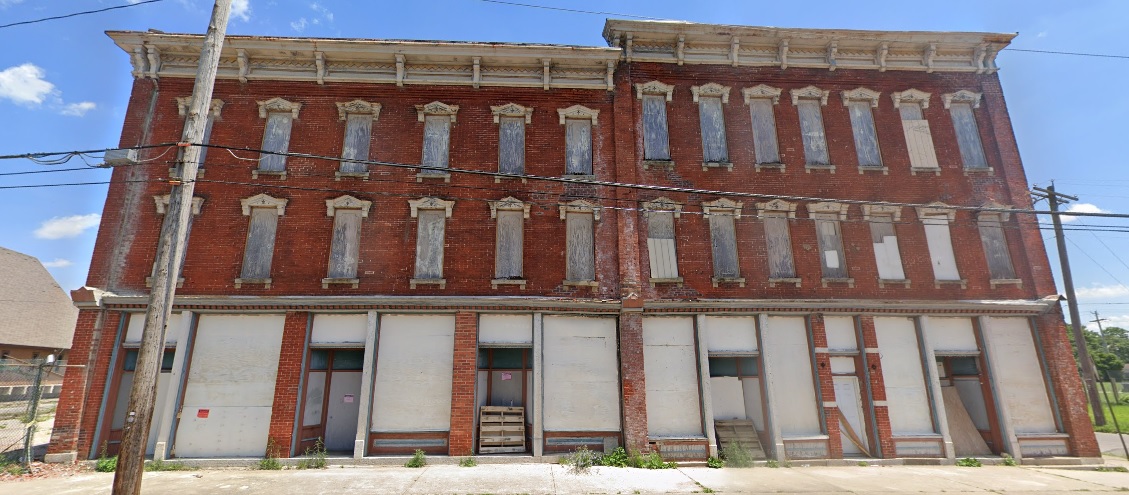
The Macon in 2019.

This old building, famous for its jazz history, has been vacant for decades. Various redevelopment and renovations proposals have come and gone. A new one from the summer of 2021, and hopefully one that we see finally come to fruition, wants to renovate the structure back into a hotel with first-floor retail and restaurant space. No movement, however, has occurred on this project.

Kroger Bakery Building
Address: 457 Cleveland Avenue
Built: 1914
Status as of April 2022: Existing, with a Renovation Plan


A proposal from last spring seeks to renovate the structures into a mix of uses with apartments and retail, with more apartment buildings proposed around the historic bakery buildings. This project has been approved, but work has yet to begin.

Threatened Buildings Not on the Columbus Landmarks List

South Dormitory
Address: 240 Parsons Avenue
Built: 1935
Status as of April 2022: Existing, likely to be Saved

The South Dormitory in 2021.

This building was one of the dormitory buildings that were part of the old Institution for the Blind building that is now used by the City of Columbus. The City had been using it for offices, but claimed that it no longer functioned well for their purposes, so they proposed tearing it down for expanded parking space. Ironically, the complex already has a very large parking lot and garage that could be expanded upwards without requiring any demolition. Because the building itself is in good condition and because of the reason for the proposed demolition, there was immediate and heavy criticism of the plan. So much so that funding was pulled. While a new parking proposal hasn’t been released publicly, given the outcry, it seems unlikely that the City will move forward with the demolition itself.

South Side Learning Center
Address: 255 Reeb Avenue
Built: 1927
Status as of April 2022: Existing, but with Demolition Plan

255 Reeb in 2019.

The former South Side Learning Center is being proposed to be demolished as part of Nationwide Realty’s Healthy Homes affordable housing company. The existing building is in good condition, but Healthy Homes says that it can be best renovated only into 1 bedroom units and efficiencies, but they prefer to build 2-3 bedroom units. That’s it… that’s the reasoning. So as with the Main Bar, there is nothing really wrong with the historic building other than that it can’t accommodate the specific desired unit size. If Healthy Homes only owned this specific lot, I could see how that may be an issue. However, they also own the few vacant lots to the west along Reeb and the land back to the rear alley. The overall site is more than large enough to build 3-4 multi-unit new buildings each with 2-3 bedroom units in addition to renovating the existing structure into 1-bedroom units, creating a dense pocket of necessary housing for all potential parties. In fact, such a proposal could potentially more than double the units actually proposed. Yet for some inexplicable reason, Healthy Homes doesn’t want to do that despite the claim that they need more housing.

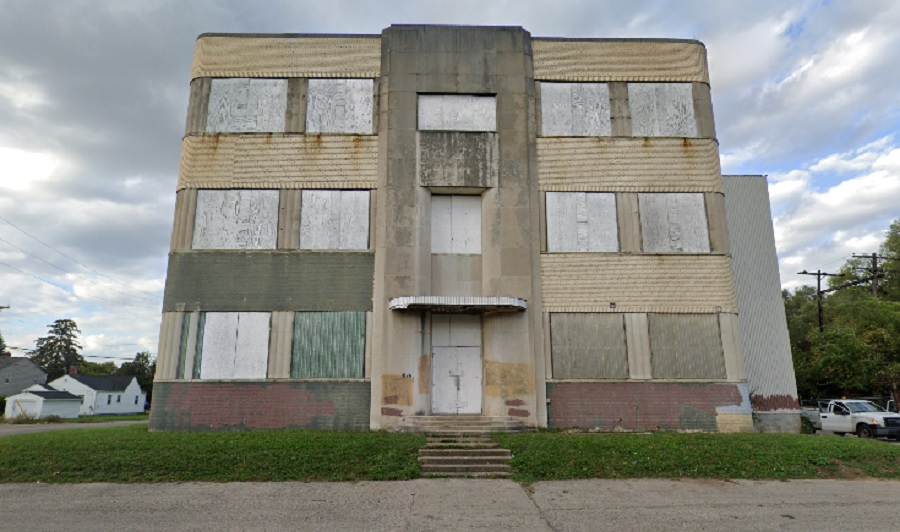
Jersey Farm Bakery Building
Address: 1826 E. Livingston Avenue
Built: 1949
Status as of April 2022: Existing, but with Demolition Plan

The bakery building in 2021.

While not as old as some of the other buildings on this list, this large art-deco style factory building still has some architectural interest and history attached. Woda Companies initially planned to renovate the building into residences, but now want to tear it down and replace it with a 4-story affordable housing complex with some retail space. Unfortunately, the latest proposal is fairly generic and somewhat garish with the choice of colors. A project that would’ve at least incorporated the Livingston-facing part of the building would’ve gone a long way to make this project more interesting. The overall site is very large at nearly 3.3 acres, so there was plenty of space to do something unique here. This seems like a huge missed opportunity.

Columbus and the greater region are set to change significantly in the coming years, with its trajectory of population growth only meaning greater pressure to build. But as those projects come, more and more old buildings could be lost if forward thinking fails.

To explore other proposals around Columbus, the best place is here.