2017 County Population Estimates


2017 county population estimates

Early this morning, the Census released the most recent population figures for counties, Metropolitan Statistical Areas and Consolidated Statistical Areas. The 2017 county population estimates, among others, cover the year from July 1, 2016 to July 1, 2017.


Here are Ohio’s 88 counties and their population Census 2010, July 1, 2016 and July 1, 2017.

Census 2010——————————July 1, 2016————————-July 1, 2017
1. Cuyahoga: 1,280,122———–1. Franklin: 1,269,998———–1. Franklin: 1,291,981
2. Franklin: 1,163,414————2. Cuyahoga: 1,253,454——–2. Cuyahoga: 1,248,514
3. Hamilton: 802,374 ————–3. Hamilton: 810,087————-3. Hamilton: 813,822
4. Summit: 541,781—————-4. Summit: 540,394—————4. Summit: 541,228
5. Montgomery: 535,153——5. Montgomery: 531,395——–5. Montgomery: 530,604
6. Lucas: 441,815——————6. Lucas: 432,562—————–6. Lucas 430,887
7. Stark: 375,586——————-7. Butler: 377,933——————7. Butler: 380,604
8. Butler: 368,130——————8. Stark: 373,528——————8. Stark: 372,542
9. Lorain: 301,356—————–9. Lorain: 306,590——————9. Lorain: 307,924
10. Mahoning: 238,823———10. Mahoning: 230,169————10. Lake: 230,117
11. Lake: 230,041—————–11. Lake: 229,270——————11. Mahoning: 229,796
12. Warren: 212,693————-12. Warren: 226,476—————12. Warren: 228,882
13. Trumbull: 210,312———–13. Clermont: 203,016————13. Clermont: 204,214
14. Clermont: 197,363———–14. Trumbull: 201,701————-14. Delaware: 200,464
15. Delaware: 174,214———–15. Delaware: 196,777————15. Trumbull: 200,380
16. Medina: 172,332————-16. Medina: 176,903—————16. Medina: 178,371
17. Licking: 166,492————–17. Licking: 171,822—————17. Licking: 173,448
18. Greene: 161,573————–18. Greene: 165,109—————-18. Greene: 166,752
19. Portage: 161,419————-19. Portage: 162,162—————19. Portage: 162,277
20. Fairfield: 146,156————20. Fairfield: 152,681—————-20. Fairfield: 154,733
21. Clark: 138,333—————–21. Clark: 134,621——————–21. Clark: 134,557
22. Wood: 125,488—————22. Wood: 129,704——————-22. Wood: 130,492
23. Richland: 124,475————23. Richland: 121,167—————-23. Richland: 120,589
24. Wayne: 114,520————–24. Wayne: 116,422——————24. Wayne: 116,038
25. Columbiana: 107,841——-25. Miami: 104,382——————–25. Miami: 105,122
26. Allen: 106,331—————-26. Columbiana: 103,744————26. Allen: 103,198
27. Miami: 102,506————–27. Allen: 103,626——————27. Columbiana: 103,077
28. Ashtabula: 101,497———28. Ashtabula: 98,169————–28. Ashtabula: 97,807
29. Geauga: 93,389————-29. Geauga: 93,848—————–29. Geauga: 93,918
30. Tuscarawas: 92,582——–30. Tuscarawas: 92,485————30. Tuscarawas: 92,297
31. Muskingum: 86,074———31. Muskingum: 85,929————-31. Muskingum: 86,149
32. Scioto: 79,499—————-32. Ross: 76,910———————32. Ross: 77,313
33. Ross: 78,064—————–33. Scioto: 76,240——————–33. Scioto: 75,929
34. Erie: 77,079——————34. Hancock: 75,590—————–34. Hancock: 75,754
35. Hancock: 74,782————35. Erie: 74,944———————–35. Erie: 74,817
36. Belmont: 70,400————-36. Belmont: 68,568—————–36. Belmont: 68,029
37. Jefferson: 69,709————37. Jefferson: 66,914—————37. Athens: 66,597
38. Marion: 66,501—————38. Athens: 66,320——————38. Jefferson: 66,359
39. Athens: 64,757—————39. Marion: 65,334——————39. Marion: 64,967
40. Lawrence: 62,450———–40. Knox: 60,832———————40. Knox: 61,261
41. Washington: 61,778———41. Lawrence: 60,729————–41. Washington: 60,418
42. Sandusky: 60,944————42. Washington: 60,535———–42. Lawrence: 60,249
43. Knox: 60,921——————43. Sandusky: 59,281————–43. Sandusky: 59,195
44. Huron: 59,626—————–44. Huron: 58,391——————-44. Huron: 58,494
45. Seneca: 56,745—————45. Pickaway: 57,530—————45. Pickaway: 57,830
46. Pickaway: 55,698————-46. Union: 55,456——————-46. Union: 56,741
47. Ashland: 53,139—————47. Seneca: 55,357—————–47. Seneca: 55,243
48. Darke: 53,139—————–48. Ashland: 53,417—————–48. Ashland: 53,628
49. Union: 52,300——————49. Darke: 51,636——————-49. Darke: 51,536
50. Shelby: 49,423—————–50. Shelby: 48,726—————–50. Shelby: 48,759
51. Auglaize: 45,949————–51. Auglaize: 45,797—————-51. Auglaize: 45,778
52. Logan: 45,858—————–52. Logan: 45,171——————-52. Logan: 45,325
53. Brown: 44,846—————–53. Holmes: 43,832—————–53. Madison: 44,036
54. Crawford: 43,784————-54. Brown: 43,644——————-54. Holmes: 43,957
55. Highland: 43,589————-55. Madison: 43,354—————–55. Brown: 43,576
56. Madison: 43,435————-56. Highland: 42,993—————–56. Highland: 42,971
57. Fulton: 42,698—————-57. Fulton: 42,325——————–57. Fulton: 42,289
58. Holmes: 42,366————–58. Crawford: 42,037—————–58. Clinton: 42,009
59. Preble: 42,270—————-59. Clinton: 41,881——————-59. Crawford: 41,746
60. Clinton: 42,040—————60. Preble: 41,105——————–60. Preble: 41,120
61. Ottawa: 41,428—————61. Mercer: 40,710——————-61. Mercer: 40,873
62. Mercer: 40,814—————62. Ottawa: 40,495——————-62. Ottawa: 40,657
63. Champaign: 40,097———63. Guernsey: 39,200—————63. Guernsey: 39,093
64. Guernsey: 40,087———–64. Champaign: 38,737————-64. Champaign: 38,840
65. Defiance: 39,037————65. Defiance: 38,121—————–65. Defiance: 38,156
66. Williams: 37,642————66. Williams: 36,921——————66. Williams: 36,784
67. Coshocton: 36,901———-67. Coshocton: 36,644————-67. Coshocton: 36,544
68. Perry: 36,058—————–68. Perry: 36,019——————–68. Perry: 36,024
69. Morrow: 34,827————–69. Morrow: 34,827——————69. Morrow: 34,994
70. Putnam: 34,499————–70. Putnam: 34,016—————–70. Putnam: 33,878
71. Jackson: 33,225————-71. Jackson: 32,534—————–71. Jackson: 32,449
72. Hardin: 32,058—————72. Hardin: 31,407——————-72. Hardin: 31,364
73. Gallia: 30,934—————-73. Gallia: 29,996———————73. Gallia: 29,973
74. Hocking: 29,380————-74. Fayette: 28,662——————74. Fayette: 28,752
75. Fayette: 29,030————–75. Hocking: 28,386—————–75. Hocking: 28,474
76. Carroll: 28,836—————76. Pike: 28,237———————–76. Pike: 28,270
77. Van Wert: 28,744————77. Van Wert: 28,166—————-77. Van Wert: 28,217
78. Pike: 28,709——————-78. Adams: 27,832——————-78. Adams: 27,726
79. Adams: 28,550—————79. Carroll: 27,637——————–79. Carroll: 27,385
80. Henry: 28,215—————-80. Henry: 27,269———————80. Henry: 27,185
81. Meigs: 23,770—————-81. Meigs: 23,177———————81. Meigs: 23,080
82. Wyandot: 22,615————-82. Wyandot: 22,042—————-82. Wyandot: 22,029
83. Paulding: 19,614————83. Paulding: 18,839——————83. Paulding: 18,845
84. Harrison: 15,864————-84. Harrison: 15,257——————84. Harrison: 15,216
85. Morgan: 15,054————–85. Morgan: 14,762——————-85. Morgan: 14,709
86. Noble: 14,645—————–86. Noble: 14,443———————86. Noble: 14,406
87. Monroe: 14,642————–87. Monroe: 14,097——————–87. Monroe: 13,946
88. Vinton: 13,435—————-88. Vinton: 13,021———————88. Vinton: 13,092

Columbus’ counties tended to move up in the rankings 2010-2017.


Let’s now take a look at total growth for the periods July 1, 2016-July 1, 2017 and Census 2010 to July 1, 2017.
Census 2010-July 1, 2017————————-July 1, 2016-July 1, 2017

1. Franklin: +128,452—————————–1. Franklin: +21,983
2. Delaware: +26,275—————————–2. Hamilton: +3,735
3. Warren: +16,049——————————–3. Delaware: +3,687
4. Butler: +12,474———————————-4. Butler: +2,671
5. Hamilton: +11,435——————————5. Warren: +2,406
6. Fairfield: +8,556——————————–6. Fairfield: +2,052
7. Licking: +6,956———————————7. Greene: +1,643
8. Clermont: +6,862——————————-8. Licking: +1,626
9. Lorain: +6,555———————————–9. Medina: +1,468
10. Medina: +6,038——————————-10. Lorain: +1,334
11. Greene: +5,178——————————-11. Union: +1,285
12. Wood: +5,003———————————12. Clermont: +1,198
13. Union: +4,482———————————13. Lake: +847
14. Miami: +2,621———————————14. Summit: +834
15. Pickaway: +2,152—————————–15. Wood: +788
16. Athens: +1,833——————————–16. Miami: +740
17. Holmes: +1,593——————————–17. Madison: +682
18. Wayne: +1,522———————————18. Knox: +429
19. Hancock: +965———————————19. Ross: +403
20. Portage: +856———————————-20. Pickaway: +300
21. Madison: +598———————————21. Athens: +277
22. Geauga: +508———————————-22. Muskingum: +220
23. Ashland: +489———————————23. Ashland: +211
24. Knox: +331————————————-24. Hancock: +164
25. Morrow: +167———————————25. Mercer: +163
26. Lake: +67————————————–26. Ottawa: +162
27. Muskingum: +63—————————–27. Logan: +154
28. Mercer: +59———————————-28. Montgomery: +147
29. Perry: -15————————————-29. Clinton: +128
30. Clinton: -28———————————–30. Holmes: +125
31. Auglaize: -171——————————-31. Portage: +115
32. Noble: -239———————————–32. Champaign: +103
33. Fayette: -273——————————–33. Huron: +103
34. Tuscarawas: -285————————–34. Fayette: +90
35. Vinton: -338———————————35. Hocking: +88
36. Morgan: -347——————————-36. Vinton: +71
37. Coshocton: -354—————————37. Geauga: +70
38. Fulton: -409———————————38. Van Wert: +51
39. Pike: -432———————————–39. Morrow: +40
40. Van Wert: -526—————————-40. Defiance: +35
41. Logan: -529———————————41. Pike: +33
42. Summit: -554——————————-42. Shelby: +33
43. Wyandot: -586——————————43. Preble: +15
44. Putnam: -618——————————-44. Paulding: +6
45. Highland: -629—————————–45. Perry: +5
46. Harrison: -646——————————46. Wyandot: -13
47. Shelby: -659——————————–47. Auglaize: -19
48. Meigs: -687———————————48. Highland: -22
49. Hardin: -696——————————–49. Gallia: -23
50. Monroe: -696——————————-50. Fulton: -36
51. Ross: -752———————————-51. Noble: -37
52. Paulding: -770——————————52. Harrison: -41
53. Jackson: -777——————————53. Hardin: -43
54. Ottawa: -777——————————-54. Morgan: -53
55. Adams: -826——————————-55. Clark: -64
56. Williams: -864—————————–56. Brown: -68
57. Defiance: -875—————————-57. Henry: -84
58. Hocking: -899—————————–58. Jackson: -85
59. Gallia: -973——————————–59. Sandusky: -86
60. Guernsey: -998————————–60. Meigs: -97
61. Henry: -1,030—————————–61. Coshocton: -100
62. Huron: -1,131—————————–62. Darke: -100
63. Preble: -1,139—————————-63. Adams: -106
64. Champaign: -1,253———————64. Guernsey: -107
65. Brown: -1,267—————————-65. Seneca: -114
66. Washington: -1,360———————66. Washington: -117
67. Darke: -1,433—————————-67. Erie: -127
68. Carroll: -1,451—————————68. Williams: -137
69. Seneca: -1,499————————-69. Putnam: -138
70. Marion: -1,534————————–70. Monroe: -151
71. Sandusky: -1,751———————-71. Tuscarawas: -188
72. Crawford: -2,039———————–72. Carroll: -252
73. Lawrence: -2,199———————-73. Crawford: -291
74. Erie: -2,249—————————–74. Scioto: -311
75. Belmont: -2,373————————75. Ashtabula: -362
76. Stark: -3,050—————————-76. Marion: -367
77. Allen: -3,128—————————-77. Mahoning: -373
78. Jefferson: -3,350———————-78. Wayne: -384
79. Scioto: -3,568————————–79. Allen: -428
80. Montgomery: -3,634——————80. Lawrence: -480
81. Ashtabula: -3,681———————81. Belmont: -539
82. Clark: -3,790—————————82. Jefferson: -555
83. Richland: -3,887———————-83. Richland: -578
84. Columbiana: -4,764——————84. Columbiana: -667
85. Mahoning: -9,011———————85. Stark: -986
86. Trumbull: -9,938———————-86. Trumbull: -1,321
87. Lucas: -10,928————————87. Lucas: -1,675
88. Cuyahoga: -31,595——————88. Cuyahoga: -4,940

Finally, let’s examine the components of population change, but top 15 only.

Top 15 Counties with the Most Births Census 2010-July 1, 2017 and July 1, 2016-July 1, 2017
Census 2010-July 1, 2017——————————–July 1, 2016-July 1, 2017

1. Franklin: +134,9580———————————–1. Franklin: +19,039
2. Cuyahoga: +107,949———————————-2. Cuyahoga: +14,637
3. Hamilton: +79,087————————————-3. Hamilton: +10,787
4. Montgomery: +48,275——————————–4. Montgomery: +6,576
5. Summit: +44,151—————————————5. Summit: +5,945
6. Lucas: +40,874—————————————–6. Lucas: +5,494
7. Butler: +32,888—————————————–7. Butler: +4,531
8. Stark: +30,188——————————————8. Stark: +4,163
9. Lorain: +24,497—————————————-9. Lorain: +3,329
10. Warren: +17,492————————————-10. Mahoning: +2,382
11. Mahoning: +17,312———————————11. Warren: +2,376
12. Clermont: +16,980———————————-12. Clermont: +2,307
13. Lake: +16,465—————————————–13. Lake: +2,244
14. Delaware: +15,662———————————-14. Delaware: +2,146
15. Trumbull: +15,153———————————–15. Trumbull: +2,059

Top 15 Counties with the Fewest Births Census 2010-July 1, 2017 and July 1, 2016-July 1, 2017
Census 2010-July 1, 2017——————————–July 1, 2016-July 1, 2017

1. Noble: +1,020——————————————-1. Noble: +131
2. Morgan: +1,050—————————————–2. Monroe: +135
3. Vinton: +1,051——————————————-3. Morgan: +139
4. Monroe: +1,083—————————————–4. Vinton: +144
5. Harrison: +1,150—————————————-5. Harrison: +149
6. Paulding: +1,595—————————————-6. Paulding: +213
7. Meigs: +1,762——————————————-7. Meigs: +228
8. Wyandot: +1,849—————————————8. Wyandot: +240
9. Carroll: +2,011—————————————–9. Carroll: +271
10. Hocking: +2,282————————————-10. Henry: +291
11. Henry: +2,295—————————————–11. Hocking: +309
12. Van Wert: +2,373————————————-12. Adams: +322
13. Adams: +2,431—————————————-13. Pike: +328
14. Ottawa: +2,489—————————————-14. Van Wert: +328
15. Pike: +2,504——————————————–15. Ottawa: +334

Top 15 Counties with the Most Deaths Census 2010-July 1, 2017 and July 1, 2016-July 1, 2017
Census 2010-July 1, 2017——————————–July 1, 2016-July 1, 2017

1. Cuyahoga: -98,692———————————–1. Cuyahoga: -13,439
2. Franklin: -65,458————————————–2. Franklin: -9,542
3. Hamilton: -56,157————————————-3. Hamilton: -7,768
4. Montgomery: -42,353——————————-4. Montgomery: -5,883
5. Summit: -40,895————————————–5. Summit: -5,735
6. Lucas: -31,778—————————————-6. Lucas: -4,465
7. Stark: -29.531—————————————–7. Stark: -4,077
8. Butler: -22,747—————————————-8. Butler: -3,347
9. Mahoning: -22,021———————————–9. Lorain: -2,947
10. Lorain: -21,265————————————-10. Mahoning: -2,920
11. Trumbull: -18,189———————————-11. Trumbull: -2,459
12. Lake: -17,265—————————————-12. Lake: -2,444
13. Clark: -12,267—————————————-13. Warren: -1,785
14. Clermont: -11,924———————————-14. Clermont: -1,706
15. Warren: -11,411————————————-15. Clark: -1,680

Top 15 Counties with the Fewest Deaths Census 2010-July 1, 2017 and July 1, 2016-July 1, 2017
Census 2010-July 1, 2017——————————–July 1, 2016-July 1, 2017

1. Noble: -916————————————————1. Noble: -131
2. Vinton: -1,025———————————————2. Vinton: -147
3. Morgan: -1,215——————————————-3. Morgan: -152
4. Monroe: -1,260——————————————-4. Harrison: -186
5. Paulding: -1,405—————————————–5. Paulding: -186
6. Harrison: -1,449——————————————6. Monroe: -189
7. Wyandot: -1,756—————————————–7. Wyandot: -246
8. Meigs: -2,004———————————————8. Henry: -249
9. Henry: -2,007———————————————9. Carroll: -289
10. Hocking: -2,131—————————————10. Meigs: -290
11. Putnam: -2,153—————————————–11. Hocking: -294
12. Carroll: -2,191—————————————–12. Putnam: -303
13. Holmes: -2,191—————————————–13. Van Wert: -306
14. Van Wert: -2,275—————————————14. Morrow: -308
15. Hardin: -2,284——————————————-15. Fayette: -318

Top 15 Counties with the Highest Natural Increase (Births vs. Deaths) Census 2010-July 1, 2017 and July 1, 2016-July 1, 2017
Census 2010-July 1, 2017——————————–July 1, 2016-July 1, 2017

1. Franklin: +69,500————————————-1. Franklin: +9,497
2. Hamilton: +22,930————————————2. Hamilton: +3,019
3. Butler: +10,141—————————————-3. Cuyahoga: +1,198
4. Cuyahoga: +9,257————————————4. Butler: +1,184
5. Lucas: +9,096——————————————5. Lucas: +1,029
6. Delaware: +8,339————————————-6. Delaware: +1,013
7. Warren: +6,081—————————————-7. Montgomery: +693
8. Montgomery: +5,922——————————–8. Clermont: +601
9. Clermont: +5,056————————————-9. Warren: +591
10. Holmes: +3,410————————————–10. Holmes: +445
11. Fairfield: +3,380————————————-11. Guernsey: +414
12. Wayne: +3,313—————————————12. Licking: +408
13. Summit: +3,256————————————-13. Wayne: +406
14. Lorain: +3,232—————————————14. Lorain: +382
15. Licking: +3,173————————————–15. Fairfield: +378

Top 15 Counties with the Lowest Natural Increase (Births vs. Deaths) Census 2010-July 1, 2017 and July 1, 2016-July 1, 2017
Census 2010-July 1, 2017——————————–July 1, 2016-July 1, 2017

1. Mahoning: -4,709—————————————1. Mahoning: -538
2. Trumbull: -3,036—————————————-2. Trumbull: -400
3. Jefferson: -2,097—————————————–3. Jefferson: -276
4. Belmont: -1,370——————————————4. Lake: -200
5. Erie: -990————————————————–5. Belmont: -197
6. Ottawa: -977———————————————-6. Ottawa: -171
7. Columbiana: -891—————————————7. Washington: -134
8. Washington: -829—————————————8. Erie: -132
9. Lake: -800———————————————–9. Columbiana: -130
10. Clark: -694———————————————10. Clark: -119
11. Scioto: -493——————————————–11. Scioto: -68
12. Crawford: -363—————————————-12. Lawrence: -67
13. Ashtabula: -354—————————————13. Meigs: -62
14. Harrison: -299—————————————–14. Monroe: -54
15. Lawrence: -285—————————————15. Harrison: -37

Top 15 Counties with the Most Domestic Migration Census 2010-July 1, 2017 and July 1, 2016-July 1, 2017
Census 2010-July 1, 2017——————————–July 1, 2016-July 1, 2017

1. Franklin: +18,270———————————-1. Franklin: +5,861
2. Delaware: +15,671———————————2. Delaware: +2,346
3. Warren: +6,996————————————-3. Fairfield: +1,491
4. Fairfield: +4,106————————————4. Warren: +1,332
5. Licking: +3,332————————————-5. Licking: +1,137
6. Medina: +2,900————————————-6. Medina: +1,058
7. Union: +1,953—————————————7. Union: +871
8. Pickaway: +1,489———————————-8. Greene: +763
9. Wood: +1,447—————————————9. Lake: +748
10. Clermont: +1,372——————————–10. Butler: +668
11. Miami: +1,293————————————-11. Madison: +639
12. Ottawa: +224————————————–12. Miami: +547
13. Madison: +177————————————13. Clermont: +515
14. Morgan: -186————————————–14. Ross: +379
15. Lorain: -271—————————————-15. Ottawa: +337

Top 15 Counties with the Least Domestic Migration Census 2010-July 1, 2017 and July 1, 2016-July 1, 2017
Census 2010-July 1, 2017——————————–July 1, 2016-July 1, 2017

1. Cuyahoga: -65,672————————————-1. Cuyahoga: -10,087
2. Hamilton: -25,292—————————————2. Lucas: -3,249
3. Lucas: -23,401——————————————-3. Montgomery: -1,656
4. Montgomery: -16,752———————————-4. Hamilton: -1,533
5. Summit: -10,630—————————————–5. Stark: -1,232
6. Trumbull: -6,852—————————————–6. Trumbull: -923
7. Mahoning: -6,113—————————————7. Wayne: -897
8. Allen: -4,673———————————————–8. Allen: -618
9. Stark: -4,510———————————————-9. Richland: -613
10. Richland: -4,240—————————————-10. Columbiana: -528
11. Columbiana: -3,802————————————11. Portage: -425
12. Ashtabula: -3,779—————————————12. Ashtabula: -412
13. Scioto: -3,267——————————————–13. Lawrence: -392
14. Clark: -3,198———————————————14. Marion: -389
15. Portage: -2,797—————————————–15. Tuscarawas: -382

Top 15 Counties with the Most International Migration Census 2010-July 1, 2017 and July 1, 2016-July 1, 2017
Census 2010-July 1, 2017——————————–July 1, 2016-July 1, 2017

1. Franklin: +40,914—————————————1. Franklin: +6,584
2. Cuyahoga: +24,799————————————2. Cuyahoga: +3,961
3. Hamilton: +14,063————————————–3. Hamilton: +2,288
4. Montgomery: +7,418————————————4. Montgomery: +1,131
5. Summit: +7,132——————————————5. Summit: +1,101
6. Butler: +5,226——————————————–6. Butler: +839
7. Lorain: +3,810——————————————–7. Lorain: +641
8. Greene: +3,443——————————————8. Portage: +546
9. Portage: +3,281—————————————–9. Lucas: +539
10. Lucas: +3,247——————————————10. Warren: +499
11. Warren: +3,140—————————————-11. Greene: +473
12. Delaware: +2,178————————————-12. Delaware: +336
13. Athens: +2,081—————————————–13. Athens: +326
14. Mahoning: +1,917————————————-14. Mahoning: +326
15. Lake: +1,740——————————————–15. Lake: +314

Top 15 Counties with the Least International Migration Census 2010-July 1, 2017 and July 1, 2016-July 1, 2017
Census 2010-July 1, 2017——————————–July 1, 2016-July 1, 2017

1. Lawrence: -168——————————————1. Lawrence: -19
2. Belmont: -113——————————————–2. Belmont: -18
3. Jefferson: -108——————————————-3. Jefferson: -16
4. Columbiana: -44—————————————–4. Columbiana: -7
5. Williams: -40———————————————-5. Williams: -6
6. Brown: -39————————————————6. Brown: -4
7. Holmes: -16———————————————–7. Holmes: -3
8. Monroe: -5————————————————8. Monroe: -1
9. Vinton: -2————————————————–9. Van Wert: -1
10. Meigs: 0————————————————10. Harrison: 0
11. Trumbull: +2——————————————-11. Ottawa: 0
12. Harrison: +4——————————————-12. Vinton: 0
13. Adams: +7———————————————13. Meigs: +1
14. Van Wert: +10—————————————-14. Noble: +1
15. Noble: +10——————————————–15. Pike: +1
16. Morgan: +10

Top 15 Counties with the Most Net Migration Census 2010-July 1, 2017 and July 1, 2016-July 1, 2017
Census 2010-July 1, 2017——————————–July 1, 2016-July 1, 2017

1. Franklin: +59,184—————————————1. Franklin: +12,445
2. Delaware: +17,849————————————–2. Delaware: +2,682
3. Warren: +10,136—————————————-3. Warren: +1,831
4. Fairfield: +5,274—————————————–4. Fairfield: +1,686
5. Licking: +3,928——————————————5. Butler: +1,507
6. Lorain: +3,539——————————————–6. Greene: +1,236
7. Medina: +3,492——————————————-7. Licking: +1,225
8. Wood: +2,720———————————————8. Medina: +1,142
9. Butler: +2,527——————————————–9. Lake: +1,062
10. Union: +2,415—————————————–10. Lorain: +969
11. Greene: +2,038—————————————-11. Union: +952
12. Clermont: +1,975————————————-12. Hamilton: +755
13. Miami: +1,662——————————————-13. Madison: +679
14. Pickaway: +1,556————————————-14. Summit: +649
15. Athens: +1,285——————————————15. Clermont +609

Top 15 Counties with the Least Net Migration Census 2010-July 1, 2017 and July 1, 2016-July 1, 2017
Census 2010-July 1, 2017——————————–July 1, 2016-July 1, 2017

1. Cuyahoga: -40,873————————————1. Cuyahoga: -6,126
2. Lucas: -20,154——————————————2. Lucas: -2,710
3. Hamilton: -11,229————————————–3. Stark: -1,061
4. Montgomery: -9,334———————————–4. Trumbull: -918
5. Trumbull: -6,850—————————————-5. Wayne: -794
6. Allen: -4,504———————————————6. Allen: -596
7. Mahoning: -4,196————————————–7. Richland: -587
8. Richland: -4,087—————————————-8. Columbiana: -535
9. Columbiana: -3,846————————————9. Montgomery: -525
10. Summit: -3,496—————————————-10. Lawrence: -411
11. Stark: -3,408——————————————-11. Marion: -379
12. Ashtabula: -3,327————————————-12. Belmont: -341
13. Scioto: -3,064——————————————13. Ashtabula: -336
14. Clark: -3,032——————————————–14. Tuscarawas: -326
15. Huron: -2,359——————————————-15. Holmes: -319

So there you have it for counties. Visit here for the 2017 metro statistics.
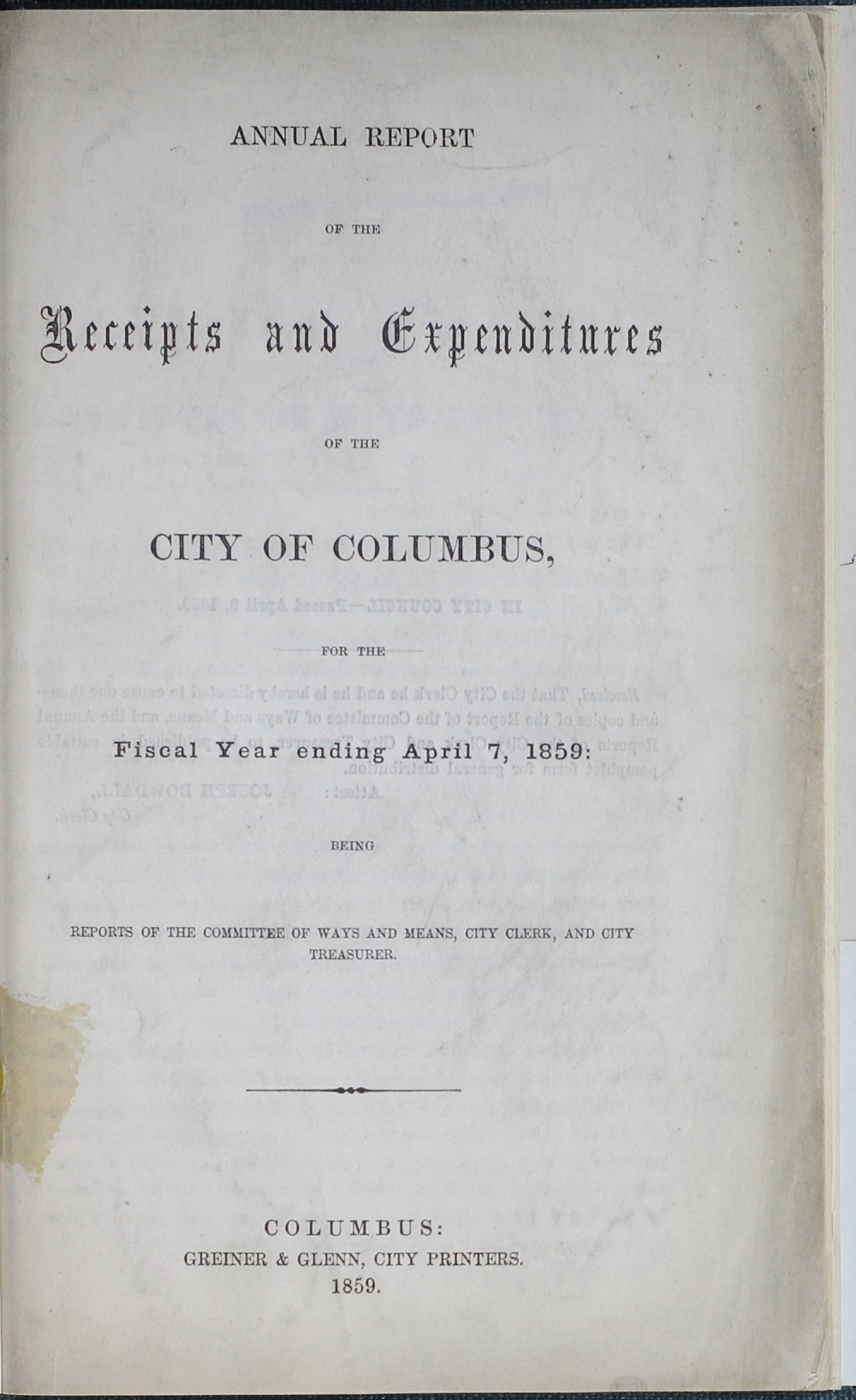


City of Columbus Annual Report 1858-1859


159 years ago, Columbus released its first (as far as I could find) annual report detailing all sorts of information on the state of the city. These reports were issued well into the 1980s, and while the first included mostly dry financial information such as tax receipts and expenditures, as the years passed, they would grow to include everything from annexation numbers to weather statistics and crime data. I will occasionally write about some of the more interesting highlights of these historic documents on the city’s past.

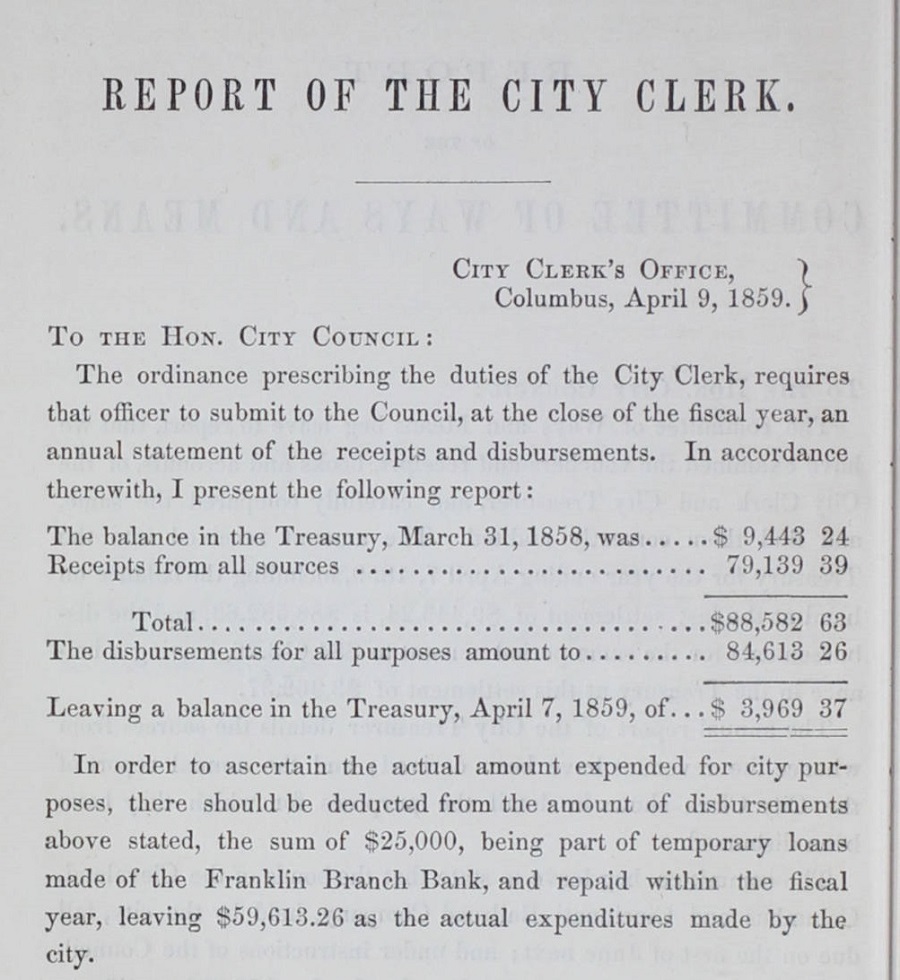
Let’s look at some highlights from the report. First up, Columbus’ finances.

Certainly much has changed in the city’s expenditures, with a budget that now exceeds $1 billion a year.

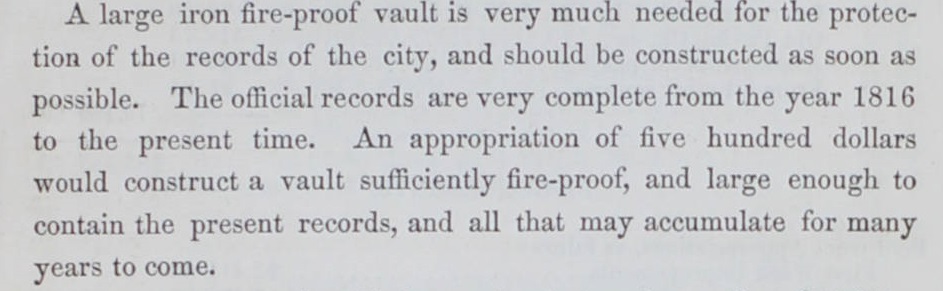
Next up is a plea from then City Clerk Joseph Dowdall about the need to protect the city’s records.

Dowdall would be the City Clerk through 1861. He would show up in the Columbus records through the early 1880s, when in 1880 he gained a permit to build a 2-story brick addition to a home.

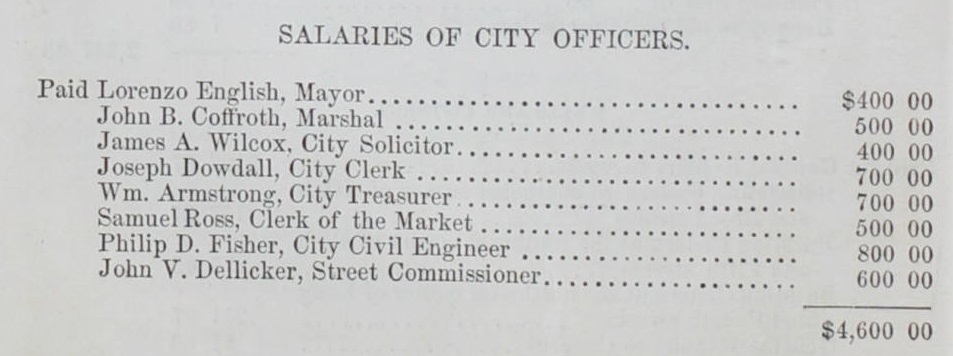
City leaders were paid a *little* less per year than they are now. Interesting that the mayor earned the lowest amount of all. Even with inflation over the years, the $400 salary would only have been about $11,300 in 2017. Clearly public service back then was not a lucrative proposition.

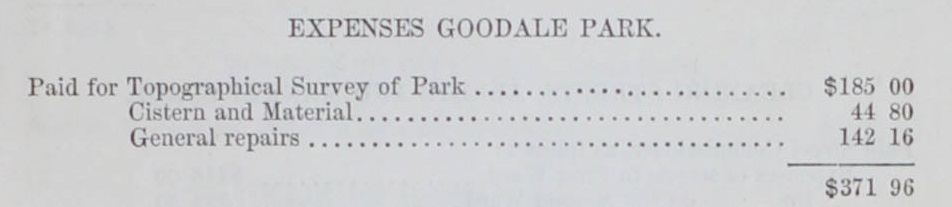
Only 7 years after the land was donated to the city, Goodale Park was still being surveyed.

The now infamous North Graveyard received a few repairs that year. North Graveyard was once on the northern fringes of Downtown, where North Market would eventually rise. Sometime after the graveyard was “moved” in 1872, its original location was all but forgotten. In the early 2000s, utility work at North Market made a grisly discovery not so dissimilar to the Poltergeist movie- bodies. It seems that in the hasty movement of the cemetery, through outright intent, neglect or lost records, many bodies had simply never been moved at all. There has long been the belief that many more remains are still in the ground under the area. The upcoming Market Tower project has a good chance of finding at least some of them.

So there you have it, an early look into Columbus’ financial history.

Columbus Domestic Migration Origins


Columbus domestic migration origins

Most people seem to recognize that the Columbus domestic migration origins are often based in Ohio. Many rural counties and downtrodden cities are seeing residents move to Columbus and the greater metro for better economic and other opportunities. But how much of that domestic migration is actually from Ohio?


Top 30 Largest Net Domestic In-Migration Origins (Ohio Counties and States)

Numbers are based on estimates. Updated 1/24/2018 with 2011-2015 data.

2006-2010————————2009-2013—————————-2011-2015
1. Cuyahoga: 1602———-1. Cuyahoga: 1905————–1. Cuyahoga: 1842
2. Montgomery: 1020——-2. Michigan: 1425—————-2. Michigan: 1239
3. Michigan: 893————-3. Montgomery: 1123————3. Montgomery: 1088
4. Maryland: 745————-4. Summit: 744——————–4. Summit: 764
5. Lorain: 740—————–5. Lorain: 715———————-5. Lucas: 626
6. Virginia: 636—————6. Indiana: 694———————6. New Jersey: 608
7. Mahoning: 603————7. Lucas: 569———————–7. New York: 575
8. Stark: 584——————8. Maryland: 512——————-8. Medina: 572
9. Lucas: 554—————–9. Hamilton: 504——————–9. Stark: 484
10. Summit: 531————-10. Clermont: 466—————–10. Trumbull: 465
11. Highland: 499———–11. Stark: 466———————–11. Maryland: 464
12. New Jersey: 497——-12. Arizona: 463——————–12. Allen: 406
13. Hamilton: 483———–13. Alabama: 431——————-13. Washington (state): 399
14. New York: 419———-14. Trumbull: 401——————-14. Erie: 386
15. Allen: 384—————-15. Mahoning: 387——————15. Indiana: 386
16. Tennessee: 375——–16. Fayette: 354———————16. Massachusetts: 384
17. Logan: 328—————17. Washington (state): 353—–17. Pennsylvania: 371
18. Trumbull: 325————18. Coshocton: 346—————-18. Kentucky: 368
19. Coshocton: 310———19. Medina: 322——————–19. W. Virginia: 339
20. Jefferson: 290———–20. Allen: 302————————20. Lake: 316
21. Scioto: 259—————21. Erie: 290————————-21. Belmont: 314
22. Belmont: 254————22. Highland: 270——————-22. Wayne: 298
23. Huron: 245—————23. Puerto Rico: 265—————23. Fayette: 290
24. Darke: 217—————24. Adams: 260———————24. Mahoning: 289
25. Lake: 212—————-25. Warren: 260———————25. New Hampshire: 288
26. Tuscarawas: 202——-26. Massachusetts: 259———-26. Alaska: 282
27. Iowa: 200—————–27. Wayne: 259———————27. Alabama: 280
28. Shelby: 199————–28. Morgan: 255——————–28. Lorain: 277
29. Medina: 196————-29. Tuscarawas: 253————–29. Tuscarawas: 277
30. Massachusetts: 192—30. Ashtabula: 244—————–30. Geauga: 261

Top 30 Largest Net Domestic Out-Migration Destinations (Ohio counties and States)
2006-2010——————————-2009-2013—————————-2011-2015

1. Texas: -1371———————-1. Georgia: -1024—————-1. Florida: -1333
2. Knox: -942————————-2. Florida: -1013——————2. Missouri: -703
3. North Carolina: -782————3. Greene: -524——————-3. Georgia: -680
4. Georgia: -718———————4. Missouri: -516——————4. Athens: -607
5. Athens: -679———————-5. Colorado: -448—————–5. Knox: -506
6. Kentucky: -516——————-6. California: -436—————–6. Tennessee: -442
7. South Carolina: -499———–7. South Carolina: -431———-7. Colorado: -435
8. California: -364——————-8. Knox: -418———————-8. California: -391
9. Florida: -360———————-9. North Carolina: -417———-9. Greene: -388
10. Wood: -351———————10. Wisconsin: -395————–10. South Carolina: -362
11. Richland: -344——————11. Athens: -336——————11. Marion: -329
12. Greene: -239——————–12. Minnesota: -308————-12. Hamilton: -312
13. West Virginia: -236————13. Utah: -290———————13. Logan: -306
14. Missouri: -219——————-14. Richland: -266—————14. Utah: -300
15. Crawford: -209——————15. Portage: -265—————–15. Wood: -282
16. Hardin: -179———————16. Kentucky: -257—————16. Scioto: -249
17. Noble: -177———————-17. Logan: -242——————-17. Seneca: -183
18. Muskingum: -175—————18. Pennsylvania: -242———18. Champaign: -174
19. Butler: -173———————-19. Tennessee: -200————19. Oregon: -158
20. Holmes: -163——————–20. Oregon: -187—————-20. New Mexico: -157
21. Marion: -138———————21. Wood: -166——————21. Meigs: -150
22. Portage: -134——————-22. Sandusky: -157————–22. Mississippi: -146
23. Ottawa: -131——————–23. Mississippi: -151————-23. Portage: -142
24. Sandusky: -124—————-24. Jefferson: -127—————24. Idaho: -137
25. Oregon: -120——————-25. Kansas: -98——————-25. Minnesota: -125
26. Indiana: -116——————-26. Delaware (state): -88——-26. North Dakota: -112
27. Idaho: -115———————27. Idaho: -74———————-27. Wisconsin: -111
28. Utah: -103———————- 28. Crawford: -73—————–28. Darke: -103
29. Fayette: -93———————29. Hardin: -68——————–29. Texas: -95
30. Kansas: -90———————30. Seneca: -66——————-30. Hardin: -87

Top 25 Largest Positive Swings Between 2006-2010 and 2011-2015
1. Texas: +1276
2. North Carolina: +982
3. Kentucky: +884
4. West Virginia: +575
5. Indiana: +502
6. Washington (state): +466
7. Knox: +436
8. Richland: +406
9. Butler: +395
10. Fayette: +383
11. Medina: +376
12. Alaska: +364
13. Michigan: +346
14. Alabama: +298
15. Clinton: +282
16. Erie: +263
17. New Hampshire: +261
18. Lawrence: +241
19. Cuyahoga: +240
20. Summit: +233
21. Wayne: +226
22. Crawford: +221
23. Muskingum: +211
24. Clermont: +198
25. Nevada: +197

Top 25 Largest Negative Swings Between 2006-2010 and 2011-2015
1. Florida: -973
2. Tennessee: -817
3. Hamilton: -795
4. Logan: -634
5. Colorado: -598
6. Scioto: -508
7. Highland: -491
8. Missouri: -484
9. Lorain: -463
10. Virginia: -437
11. Darke: -320
12. Mahoning: -314
13. Champaign: -310
14. Jefferson: -301
15. Maryland: -281
16. New Mexico: -261
17. Minnesota: -249
19. Coshocton: -233
20. Washington (county): -208
21. Ashland: -202
22. Utah: -197
23. Marion: -191
24. Seneca: -181
25. Iowa: -158

Total Counts By Period
Positive Ohio Counties

2006-2010: 53
2009-2013: 57
2011-2015: 50

Positive States, including DC and Puerto Rico
2006-2010: 21
2009-2013: 24
2011-2015: 28

Total Net In-Migration
Ohio

2006-2010: +8,008
2009-2013: +11,366
2011-2015: +7,895

Outside Ohio
2006-2010: -1,158
2009-2013: -466
2011-2015: +1,598

Ohio and Outside Ohio
2006-2010: +6,850
2009-2013: +10,900
2011-2015: +9,493

All these figures show that the Columbus metrohas net positive domestic migration. While the majority of that comes from within the state, Columbus’ previously negative net total from outside the state has more recently become positive as well. For a long time, Columbus’ relative success was not well-known outside of the state, but perhaps word is finally getting out.

Failed Project: The Big Darby Creek Reservoirs


failed project: the big darby creek reservoirs

This edition of Failed Project, we review the proposed Big Darby Creek reservoirs and why they never happened.
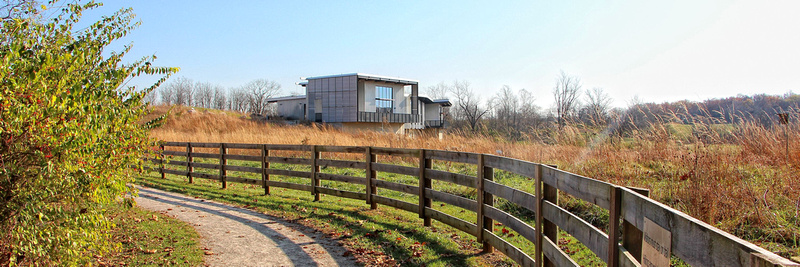
The Big Darby Creek watershed is one of the best natural areas of Franklin County. Designated a national and state scenic river, Big Darby Creek is one of Ohio’s most pristine waterways, and is home to several endangered species. Battelle Darby Creek Metro Park has grown to become the crown jewel of the Metro Parks system, encompassing more than 7,000 acres of forests, waterways and prairie.

The river’s history, however, has not always been so tranquil.

All the way back in 1943, Ohio State University zoologist Milton Trautman discovered a tiny catfish in Big Darby, the Scioto Madtom. The fish only exists in the Big Darby, and was an early clue as to the biological diversity that can be found there, now known to be home to more than 100 species of fish and more than 40 species of mussels.

By 1950, a small park of 34 acres had formed, the beginning of what would become the Battelle Darby. Development pressures, however, were already threatening the system. I-70 cut through the middle of the system in the early 1960s, and the construction of I-270 allowed for the suburban explosion. Without significant intervention, the watershed would’ve been inevitably developed. Ironically, a plan to largely destroy the Big Darby ultimately helped saved it.

While most major rivers and streams in the state had been dammed or altered for flood control by the 1960s, Big Darby remained free-flowing. Two separate proposed projects would’ve changed that irrevocably. The first was a proposal by the Army Corps of Engineers to build what would’ve been called the Lower Darby Dam, in west-central Franklin County, near the heart of the current Battelle Darby park. The high dam proposal would’ve flooded at least 3,000 acres of land, and the Corps began to buy the land in preparation for the project. This was in the late 1960s, coinciding with the beginning of the development boom in western suburbs like Hilliard. Instead of prime real estate along the river being developed with single-family housing and strip malls, the dam plan had the opposite effect by making the land essentially unmarketable and off limits to developers. A coinciding proposal by the City of Columbus to build another dam, the Upper Darby Dam, had the same effect on areas at that proposed site in Brown Township further to the north. The 2-dam proposal had effectively removed the majority of Franklin County’s Big Darby Creek off the market.

As development pressure was removed, environmental groups rose up to stop the Lower Darby Dam project itself. This fight was waged until 1973, when the plan was finally abandoned by the Army Corps of Engineers. They still owned the land, however, and with uncertainty of the dam project resurfacing someday, development interests continued to stay away. Three years later, in 1976, Columbus Metro Parks received a $1 million grant from the Battelle Memorial Foundation, which was then matched with an additional $1 million grant from the U.S. Department of the Interior Land and Water Conservation Fund. Suddenly flush with cash, Metro Parks began a land-buying spree along the Big Darby, particularly targeting the land that the Corps had set aside for the reservoir, pushing the size of the park from roughly 400 acres in 1976 to about 3,000 acres by 1984.

That year, on June 22, 1984, 82 miles of the Big and Little Darby creeks were designated as state scenic rivers. The designation more or less ended any remaining plans for the Upper Darby Dam. It had been shelved since 1979 when the Department of Natural Resources and environmental groups managed to stop that dam project as well. Just 4 years after the scenic river designation, during the extremely dry, hot summer of 1988, the idea of the dam was revived. Former Columbus Service Director Walter “Hap” Cremean, whose name today is on some city facilities, considered the Big Darby key to Columbus’ future water needs. The city was searching for a source of water that could provide the city with an additional 30 million gallons of water a day by 2000, not a small task. Cremean himself had been the city’s service director at the time that Columbus was pushing for the dam project in the 1960s.
On July 12, 1988, Cremean was quoted saying, “In 1968, we instituted the acquisition of property along Big Darby. We were spending $1 million a year for what we considered the next major reservoir site for Franklin County,” Cremean said. “In my opinion, it is impossible to talk about full development of the West Side without (Big Darby).”

The search for new sources of water for Columbus continued into the early 1990s, but by 1990, the Big Darby reservoir option was losing favor due to its long history of opposition. The city had drafted a study called Water Beyond 2000, which was finished on September 26, 1991. At least 20 options for expanding water sources had been on the table, including the Big Darby reservoir, but the study had narrowed down the choices to just 7. Among the choices eliminated from consideration was the Big Darby plan, an option that the study concluded was going to be one of the most expensive, at $280 million. For all intents and purposes, the idea of a Big Darby reservoir was finally dead… or sort of. While a reservoir directly on the Darby was off the table, a reservoir in the watershed using the Darby’s water was still very much on.

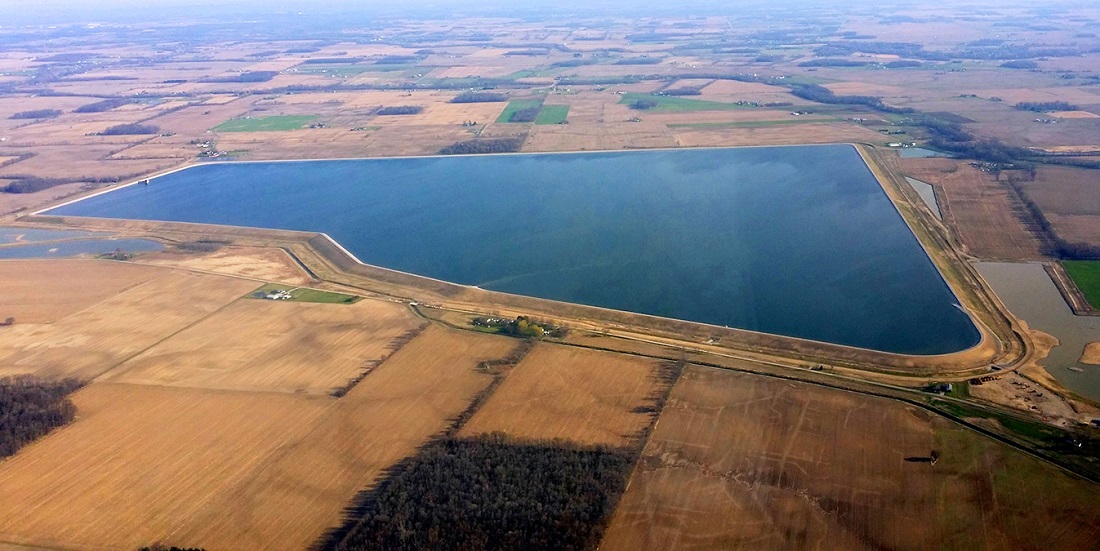
Through the rest of 1991 and into the first half of 1992, residents waited for the list of 7 options to be narrowed down further. On July 6, 1992, that final list came out. The Big Darby option was eliminated completely. No reservoir would be built anywhere near it. In the end, the Columbus Upground Reservoir was built just to the southeast of Richwood, along with new wells drilled along the Pickaway-Franklin County line. Combined, they provided more than enough water to serve the city long into the future.

Columbus’ Upground Reservoir

The following year, in 1993, the Big and Little Darby were given National Scenic River status, the highest designation a US river can receive. Battelle Darby Creek Metro Park has continued to expand beyond 7,000 acres and will continue to grow even larger in the future, with the ultimate goal of having the entire 75 miles of Big Darby as part of a continuous park. Development pressures remain in the area, and in recent years, there have been the occasional fish and mussel die-offs, suggesting that the Big Darby is still under threat. What we do with this beautiful natural resource is up to us. Though dams are no longer in the picture, other dangers lurk.
In the early 1990s during the height of the water search, the Big Darby was not the only waterway under threat. A similar dam project was under proposal for the Scioto River in Delaware County. My family was moving at the time and we looked at a house near the small town of Prospect, not far from where the proposed dam would’ve gone. On the trip there, a series of roadside signs caught our attention, and I still remember the rhyme:
A flooded valley,
We don’t deserve,
Because Columbus,
Can’t conserve.
The rhyme was referring strictly to water conservation, but it seems to me that saving water- and indeed all natural resources- does not just mean using less. The Big Darby, along with all our waterways and natural areas, deserve our lasting protection. Had better heads not prevailed, Battelle Darby would’ve been under 50 feet of water today, and Columbus- and Ohio- would be without one of its best natural areas.

The Gay and Front Office Tower and the
1985 High Street Road Diet are just a handful of the other failed or Canceled Development around Columbus.
Maps, trail information, amenity information and more about the fantastic Battelle Darby Creek Metro Park can be found on the Metro Parks website.


The Great Thanksgiving Blizzard of 1950


The Great Thanksgiving Blizzard of 1950

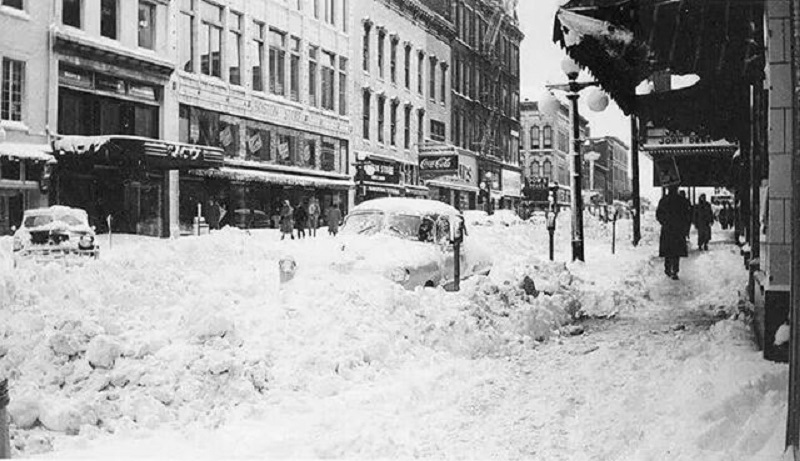
Springfield, Ohio after the storm.

Exactly 67 years ago today, the Great Thanksgiving Blizzard of 1950 began. It was the biggest snowstorm for Columbus, and indeed most of Ohio, during the 40-year period of 1920-1960. That period, especially from the mid-1920s through the mid-1950s, had the lowest rates of cold and snowy winters of any comparable period. The average seasonal snowfall during that period was just 19.1″, a full 9″ below the average the 1980s-2010s have had to date. Still, the period was not without its memorable winters, including 1935-36, 1939-40 and 1947-48. None of those winters, however, had a snow event nearly as big as November 1950.

October 1950 had generally been very warm, ranking historically as the 19th warmest October in Columbus. Highs reached 65 or higher on 21 days of the month. This warmth lasted through early November, and the 80 degrees recorded on November 1st, 1950 remains tied for the warmest November temperature ever recorded. After that, the month seesawed up and down until a strong cold front and rainstorm on the 19th-20th dropped temperatures 25-30 degrees across the state, from the upper 50s-low 60s on the 20th to the low-mid 30s on the 21st. This front would be one of the catalysts for one of Ohio’s greatest winter weather events in its history.

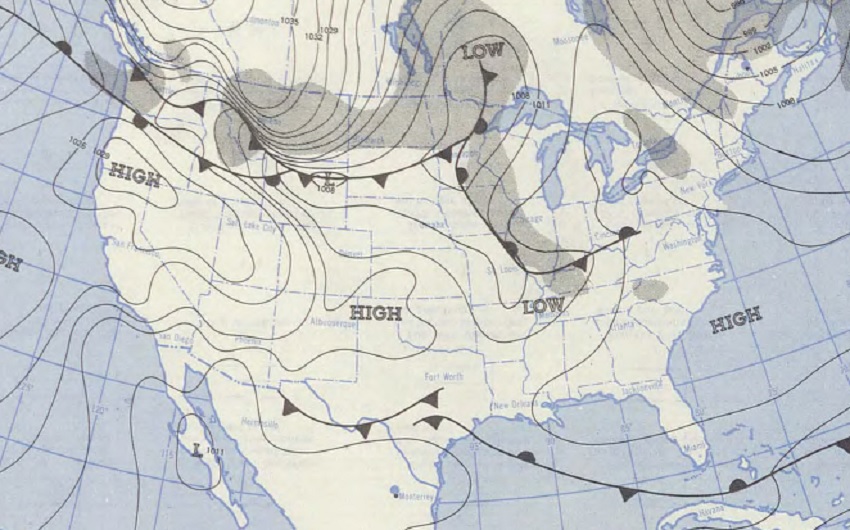
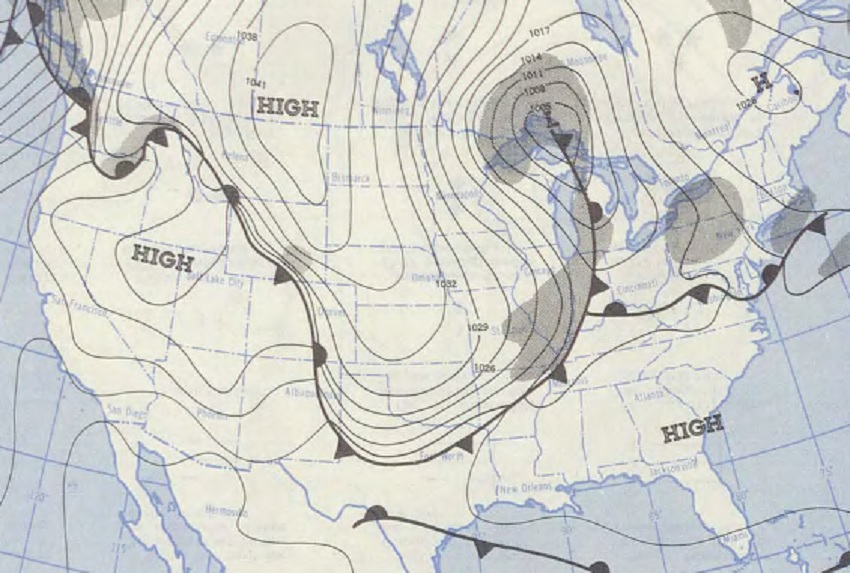
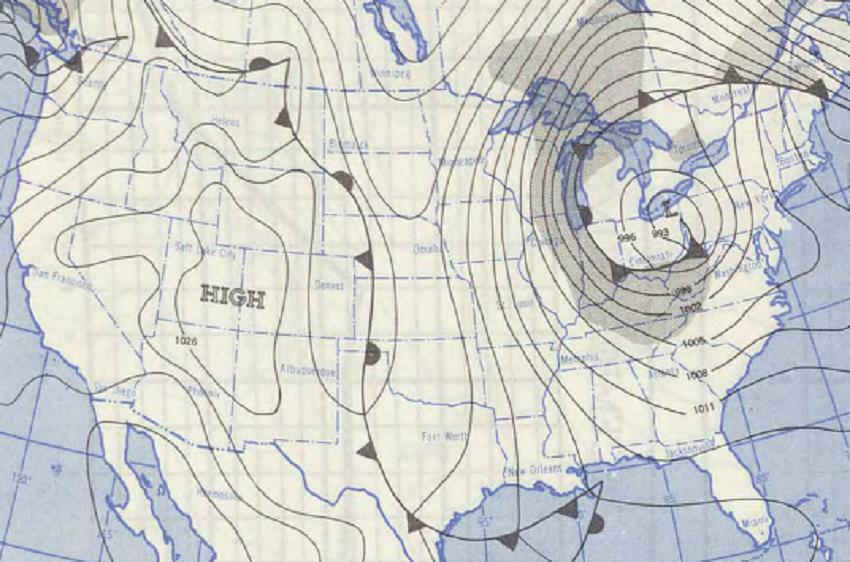
Snow began in Columbus and other parts of Ohio on Thanksgiving, Thursday, November 23rd as a low moved through the Great Lakes and weakened. Behind that system, another cold high pressure was diving south out of Canada.

Thursday, November 23rd 1950 National Map

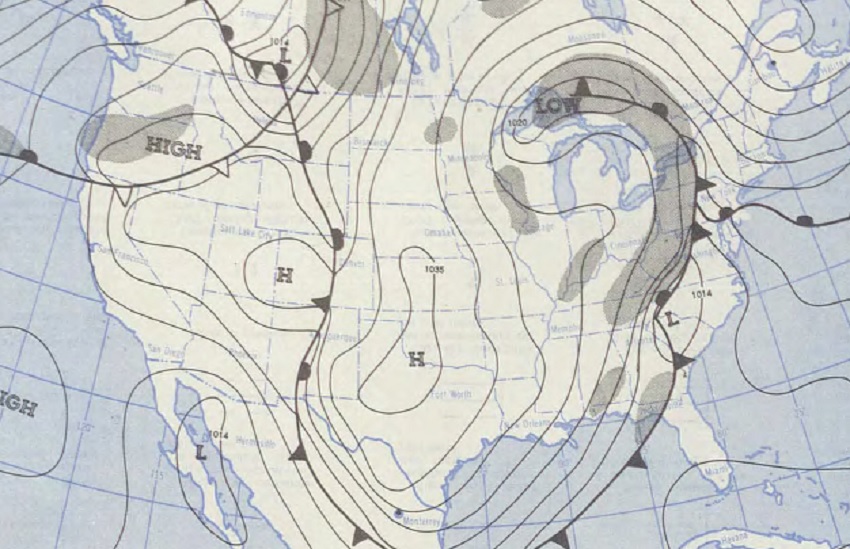
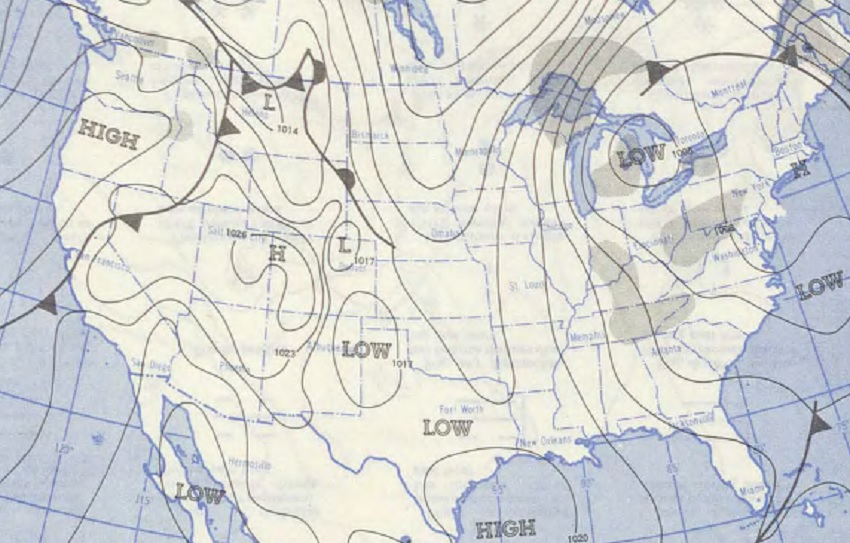
On Friday the 24th, a low formed on the stalled cold front that had moved through Ohio a few days earlier. Initially forming in southeastern North Carolina, this low would’ve normally gone out to see or moved up the East Coast as a Nor’easter. Instead, the strong, cold high pressure was moving into the Ohio Valley at the same time, and the little low exploded and as it began to move north. The strong push of cold was very evident in Ohio, as temperatures plunged from the upper-30s to upper 40s on Thanksgiving afternoon to single digits and low teens by early Friday morning.

Friday, November 24th, 1950 National Map

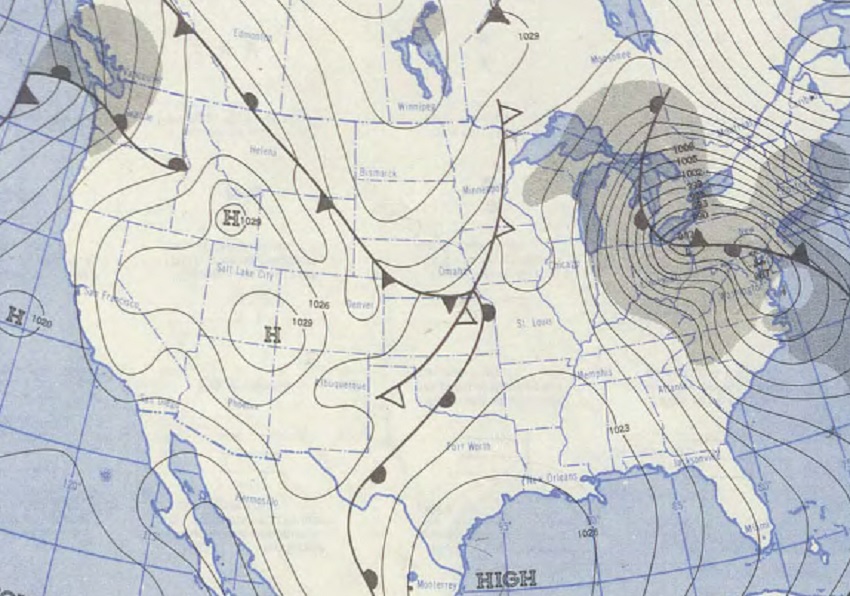
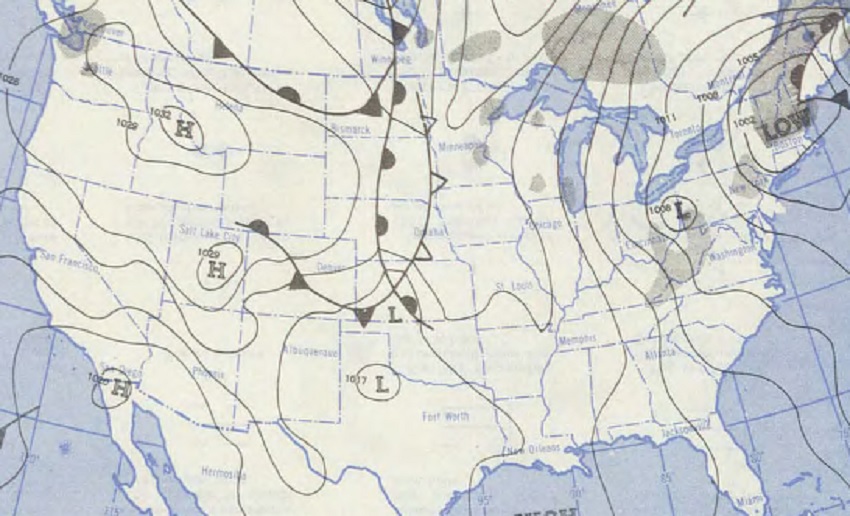
The low moved into southern Pennsylvania by the morning of the 25th, and then began to do something few other storms ever do- it began to retrograde toward the west and Ohio, continuing to strengthen as it went. The unusual west movement was caused by a blocking high pressure system parked over Maine.

Saturday, November 25th, 1950 National Map

Light snow that had been ongoing in Ohio on the 24th quickly intensified from east to west across the state as the low moved westward from Central Pennsylvania to Northern Ohio by the end of the day on the 25th. With it arrived winds of 40-60 miles per hour, causing blinding white-outs and drifting.
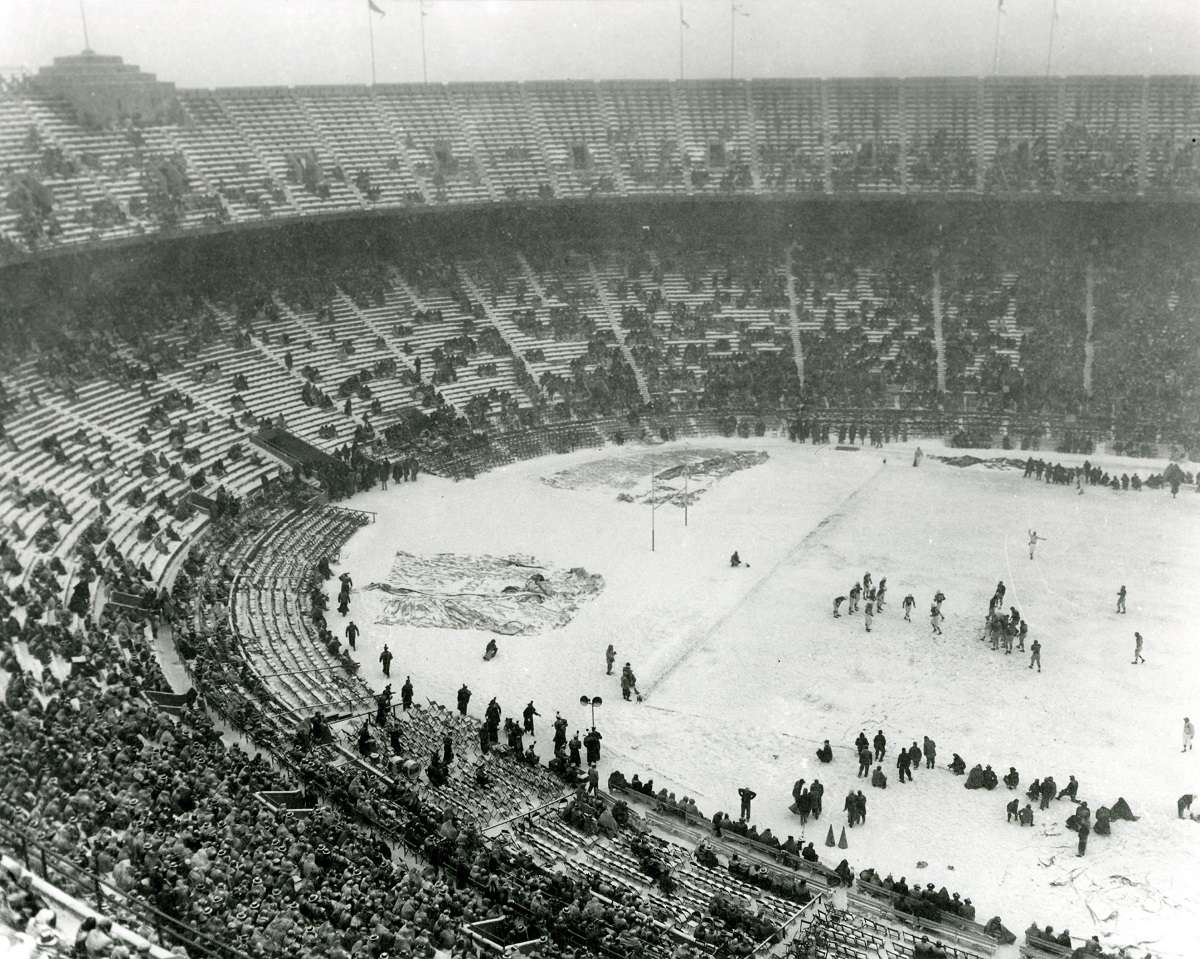
Saturday the 25th was the height of the storm as the low pressure bottomed out at 978mb, a pressure normally associated with hurricanes. This day was, coincidentally, the famed Ohio State-Michigan rivalry football game, now famously known as the “Snow Bowl” for its terrible weather conditions.

With temperatures on Saturday morning in the single digits, wind chills well below zero and with heavy snow, there was debate about cancelling the game altogether, which was the Big Ten Championship. Ironically, despite the fact that Ohio State would’ve gone on to the Rose Bowl had the game been cancelled (Michigan did not want to reschedule), it was Ohio State’s athletic director who ultimately refused to cancel the game, much to the rest of the staff’s disappointment. Perhaps after the fact, considering Ohio State lost 9-3, that decision was regretted, especially in front of the more than 50,000 die-hard fans that managed to show up for the game.

Columbus would receive 7.5″ at the airport, with eastern suburbs getting up to 10″, just on that Saturday alone.

Due to the blocking high pressure, the storm didn’t budge for days, and it continued through the 26th and 27th before slowly dying out. The last accumulating snowflakes from this system fell on the 29th, 6 days after the snow began.

Sunday, November 26th, 1950 National Map

Monday, November 27th, 1950 National Map

Tuesday, November 28th, 1950 National Map

Wednesday, November 29th, 1950 National Map

All in all, the storm was a record-breaker. Snow totals reached 10″ or more across most of the state except the far northwest and far southwest. In Central Ohio, snow had piled up between 10″-20″, with Columbus officially reporting 15.2″ for the duration of the event. This was the second-heaviest snowstorm in Columbus on record to that time, falling just shy of the 15.3″ that occurred February 17-18, 1910. Both of these storms would be surpassed by the February 14-17, 2003 snowstorm of 15.5″, which itself was surpassed by March 7-8th, 2008’s 20.5″.

Other totals in the state included up to 22″ in Cleveland, 27″ in Marietta, and reports of 44″ in Steubenville in far eastern Ohio. Totals of 25″-30″ were common throughout the eastern 1/3rd of the state. These totals are some of the highest the state has ever seen, coming close to those seen in the eastern Ohio snowstorm of April 1901.

In addition to the snow, record cold temperatures in Columbus of 5 degrees on the 25th (along with a record low maximum of 20) made this one of the greatest early winter events of all time.

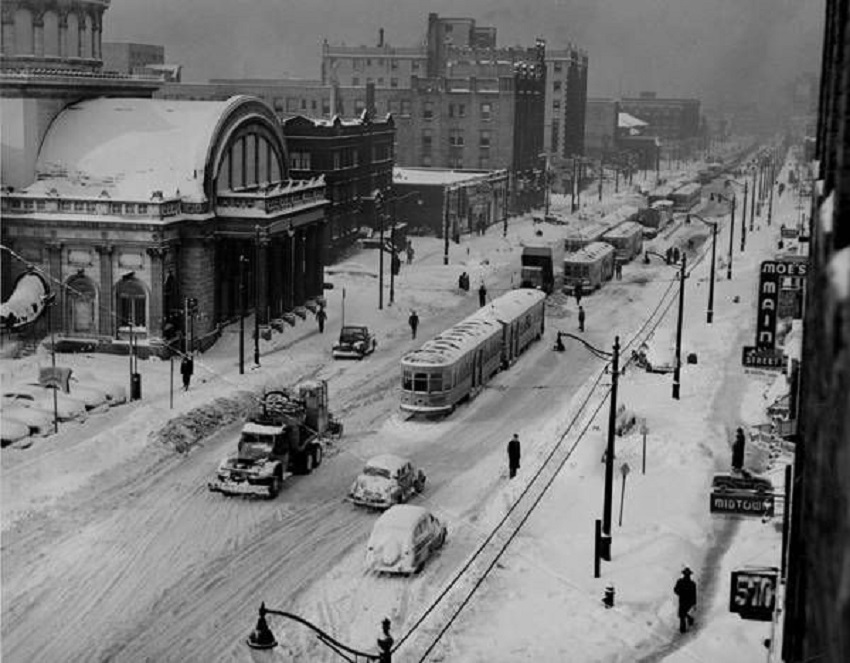
Cleveland after the storm.

For more November weather records, go here: November Weather