Christmas Day Climatology


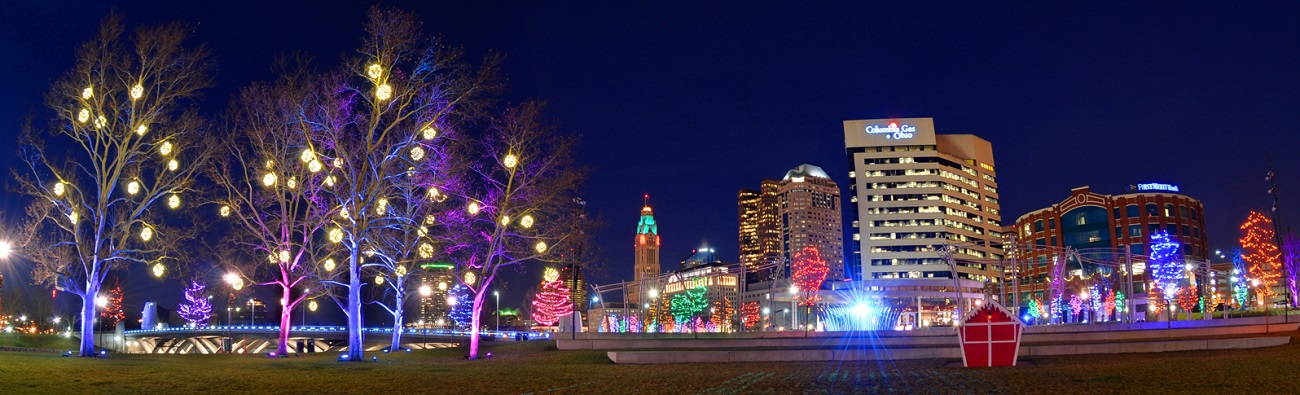
Christmas Day climatology Columbus, Ohio

Columbus, Ohio weather is has varied wildly over the 143 years of records, and the holidays are no different. It’s seen record warmth into the 60s, and record cold well below zero, as well as heavy snow and driving rainstorms. The records below break down Columbus’ historic Christmas Day climatology.

Normals 1991-2020
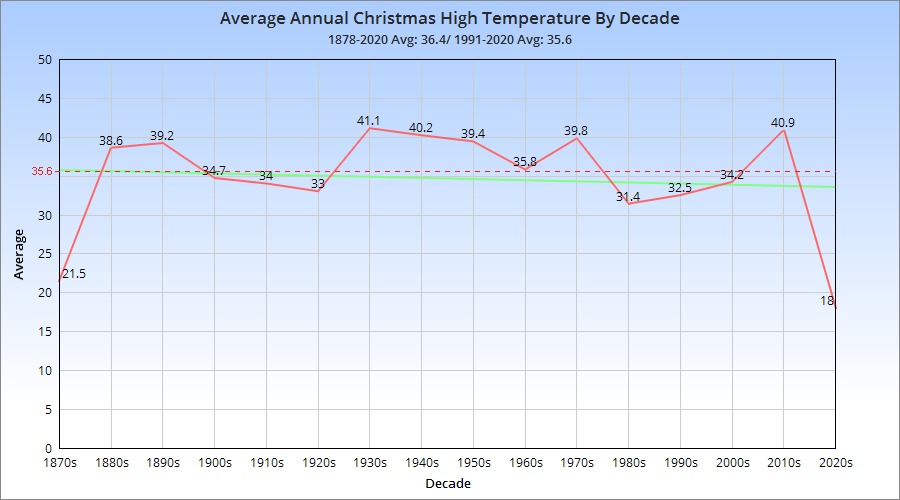
High: 35.6
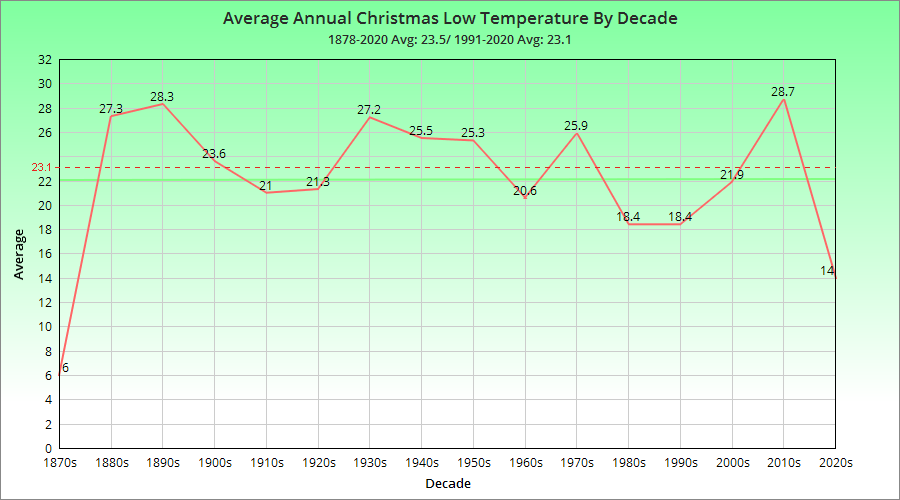
Low: 23.1
Mean: 26.8
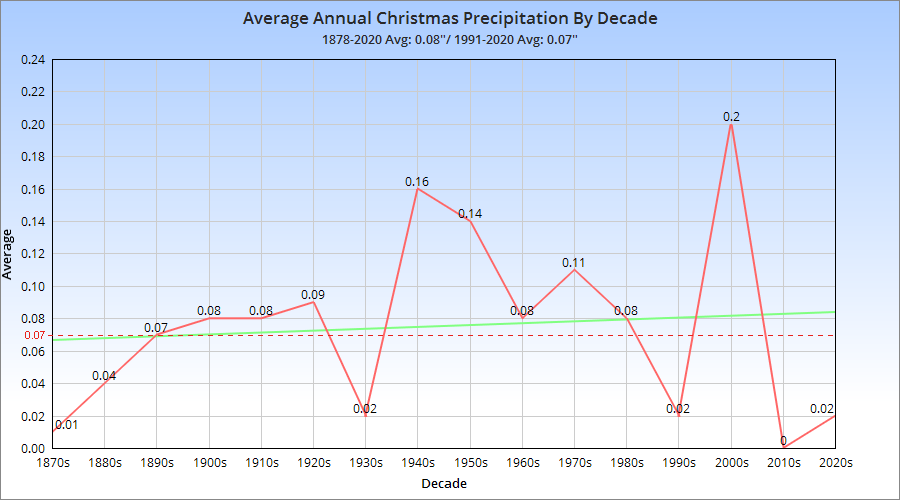
Precipitation: 0.10″
Snowfall: 0.1″

1878-2020 Averages
High: 36.4
Low: 23.5
Mean: 30.1
Precipitation: 0.08″
Snowfall: 0.3″

First, let’s take a look at the temperature breakdowns for the holiday.

Top 10 Coldest Highs
1. 1983: 1
2. 1878: 10
3. 1924: 11
4. 1980: 15
5. 1902: 16
6. 1985: 17
7. 2020: 18
8. 1884, 2000: 19
9. 1899, 1906, 1914:20
10. 1950, 1968: 22
Top 10 Coldest Lows
1. 1983: -12
2. 1980: -5
3. 1935: -4
4. 1924: -3
5. 1878: -2
6. 2004: -1
7. 1985: 1
8. 2000: 2
9. 1884: 4
10. 1914, 1999: 7
Top 10 Warmest Highs
1. 1893: 64
2. 1982: 63
3. 1932, 1940: 62
4. 1889: 60
5. 1964: 58
6. 1895, 1955: 57
7. 2019: 56
8. 1891: 55
9. 1936, 2015: 53
10. 1888, 1915, 1987: 52

Top 10 Warmest Lows
1. 1889, 1982: 55
2. 1895: 52
3. 1893: 49
4. 1891: 45
5. 2015: 43
6. 1932, 1940: 40
7. 1888, 1964, 1973: 39
8. 1987: 38
9. 1922, 1941, 2009, 2016: 37
10. 1936, 1972: 36

Number of Christmases with High Temperature
Less than 10: 1
10-19: 8
20-29: 24
30-39: 54
40-49: 36
50-59: 12
60 or Higher: 5

Number of Christmases with Low Temperature
Less than 0: 6
0-9: 7
10-19: 36
20-29: 47
30-39: 38
40-49: 5
50 or Higher: 4



Now let’s example precipitation and snowfall records.

Top 10 Wettest
1. 2009: 0.79″
2. 1944: 0.77″
3. 1926: 0.69″
4. 1951: 0.58″
5. 2006: 0.57″
6. 1945: 0.54″
7. 1957: 0.52″
8. 1987, 2005: 0.51″
9. 1915: 0.48″
10. 1909: 0.47″
Number of Christmases with Precipitation Amount
0.00″: 46
Trace: 27
0.01″-0.24″: 55
0.25″-0.49″: 6
0.50″-0.74″: 7
0.75″-0.99″: 2
1.00″ or More: 0

Top 10 Snowiest
1. 1890: 7.0″
2. 1909: 5.7″
3. 1950: 3.0″
4. 1917: 2.5″
5. 1969: 2.3″
6. 1884: 2.2″
7. 1976: 1.9″
8. 1880: 1.8″
9. 1935: 1.3″
10. 1944: 1.2″

Most Snow on the Ground (Since 1940)
1. 1960: 9″
2. 1961, 1963, 1989, 1995: 4″
3. 1969, 1980, 2004: 3″
4. 1947, 1950, 2000: 2″
5. 1944, 1945, 1951, 1956, 1962, 1990, 1992, 1993, 2010, 2017: 1″

Number of Christmases with Snowfall Amount
0.0″: 75
Trace: 23
0.1″-0.4″: 20
0.5″-0.9″: 9
1″-2.9″: 7
3″ or More: 3

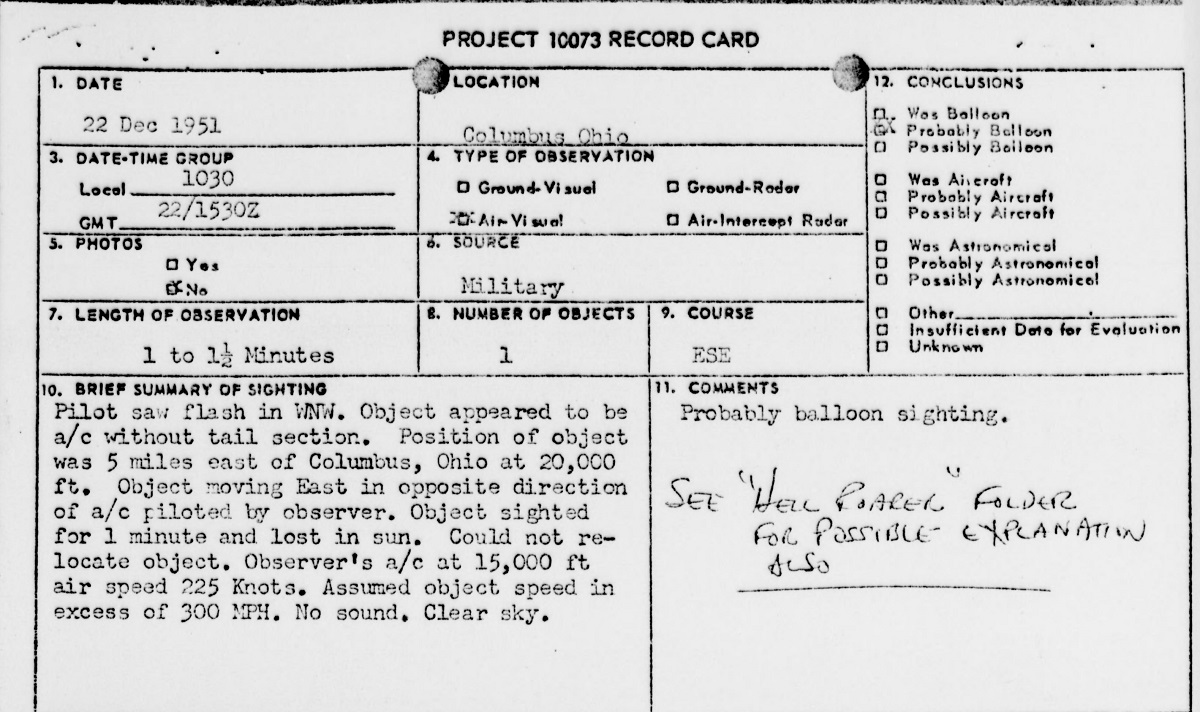
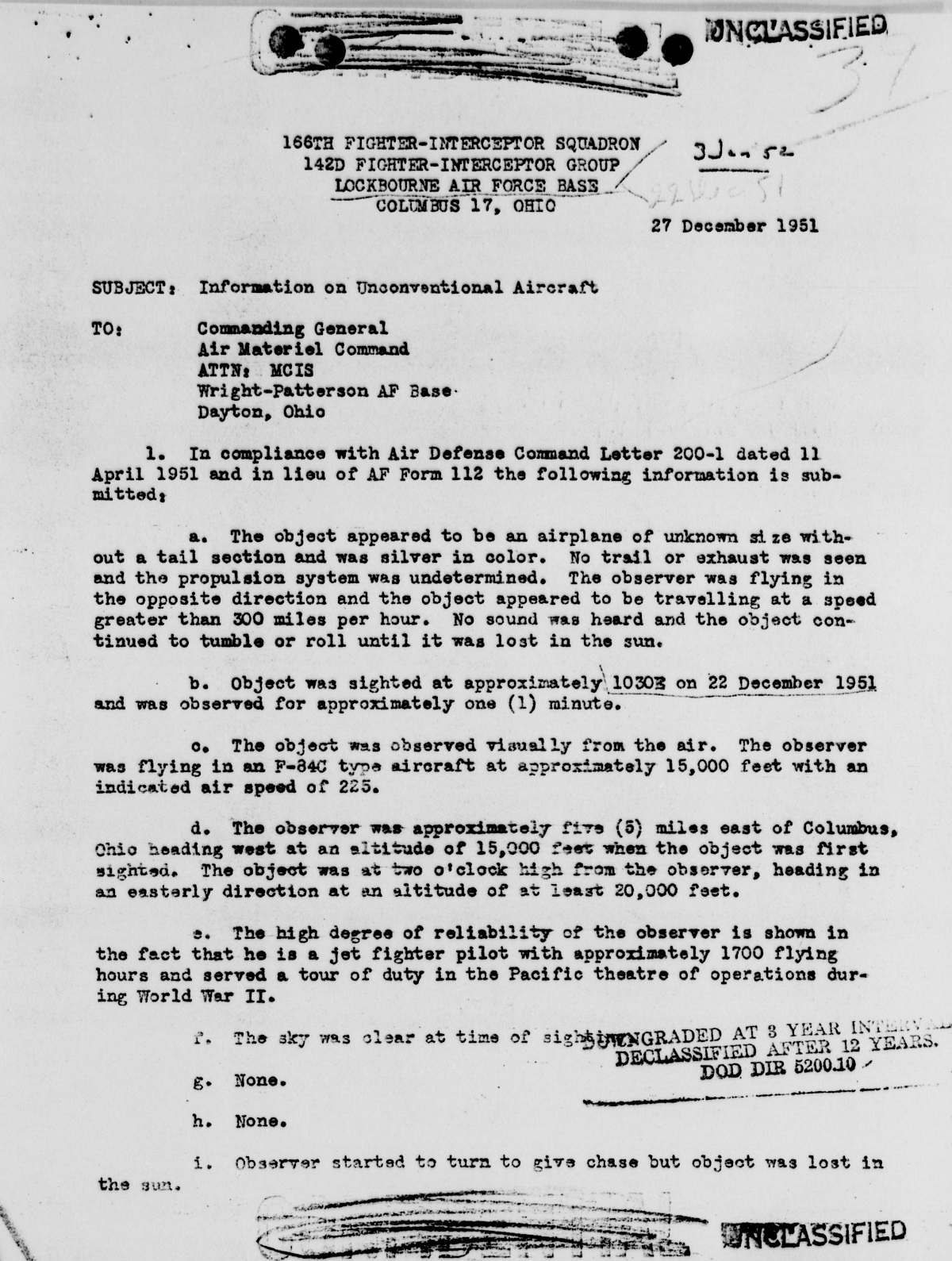
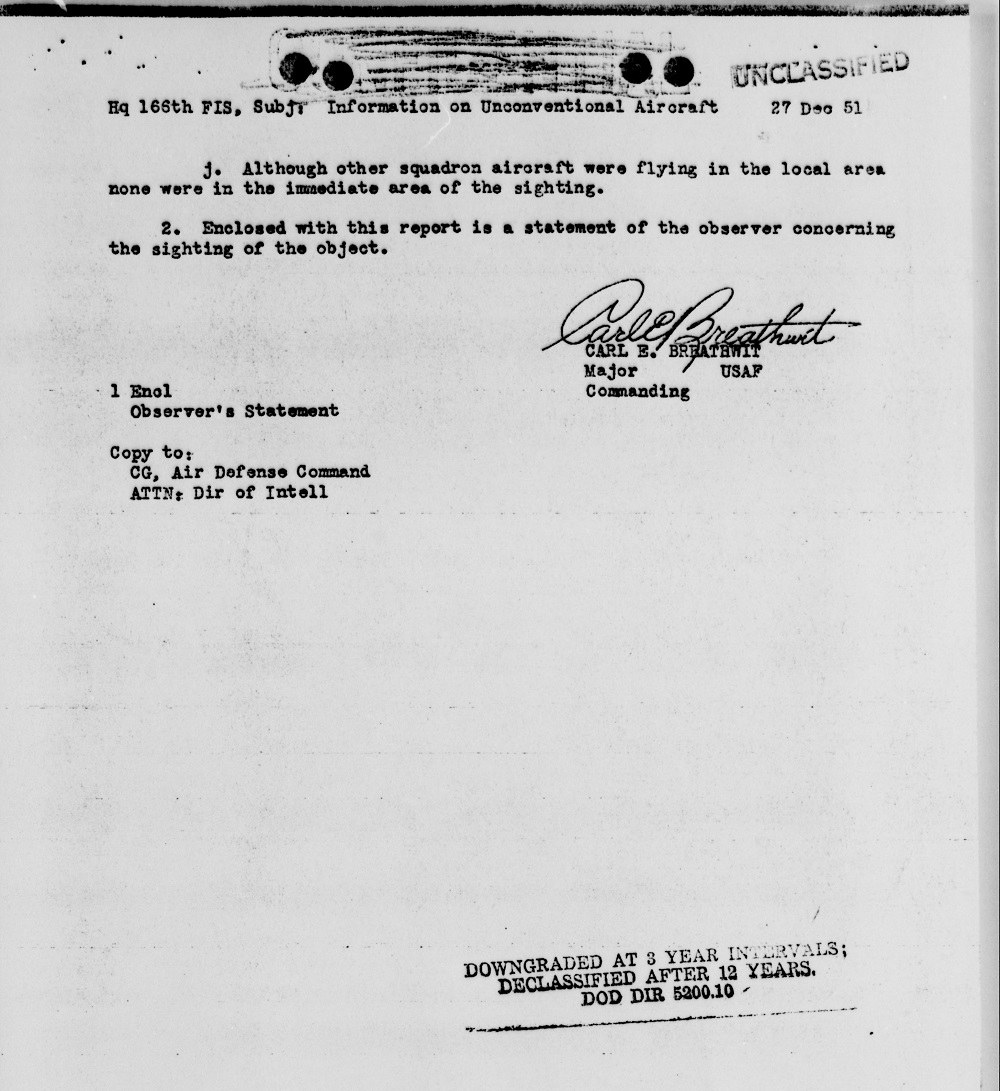
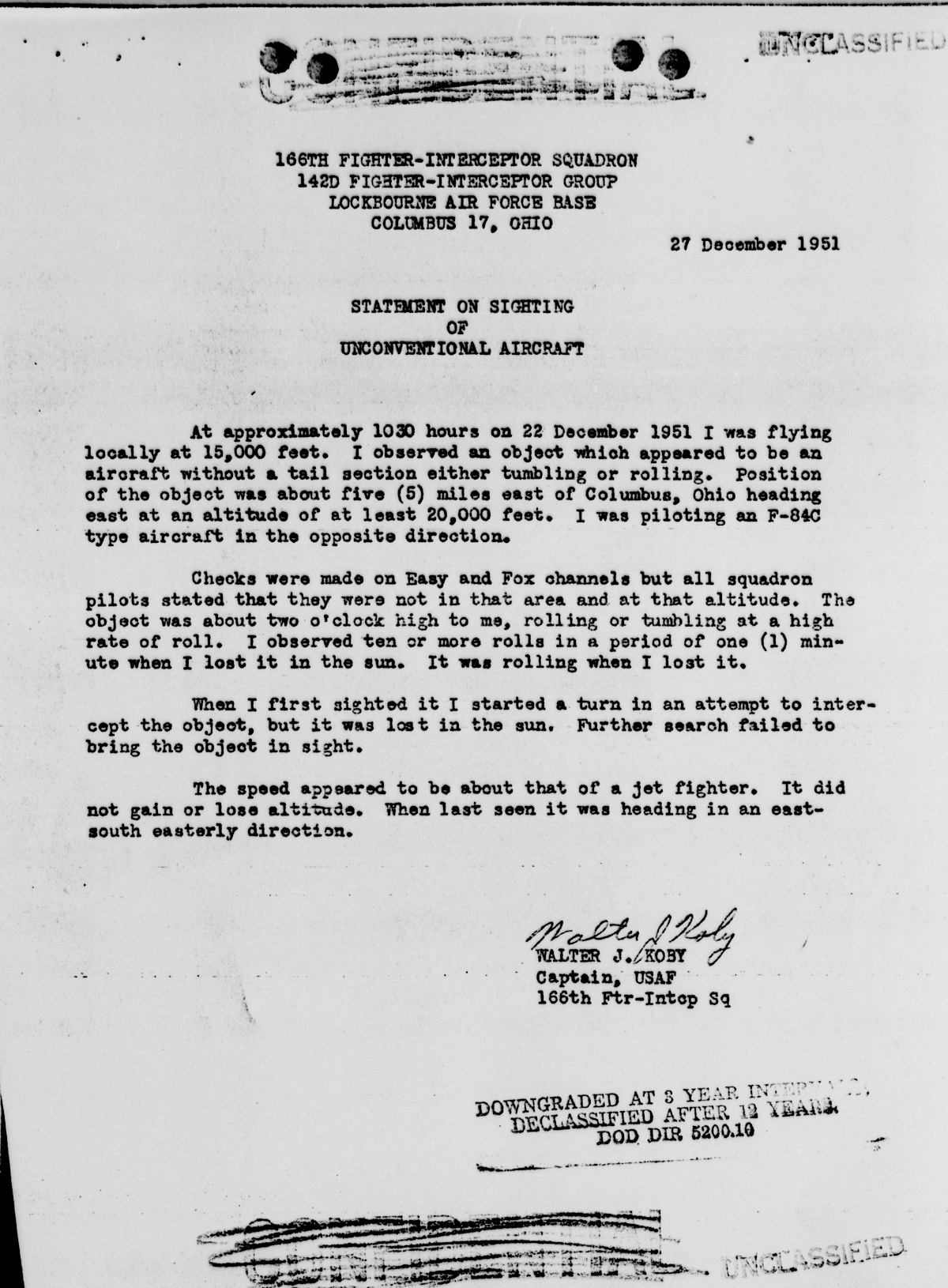
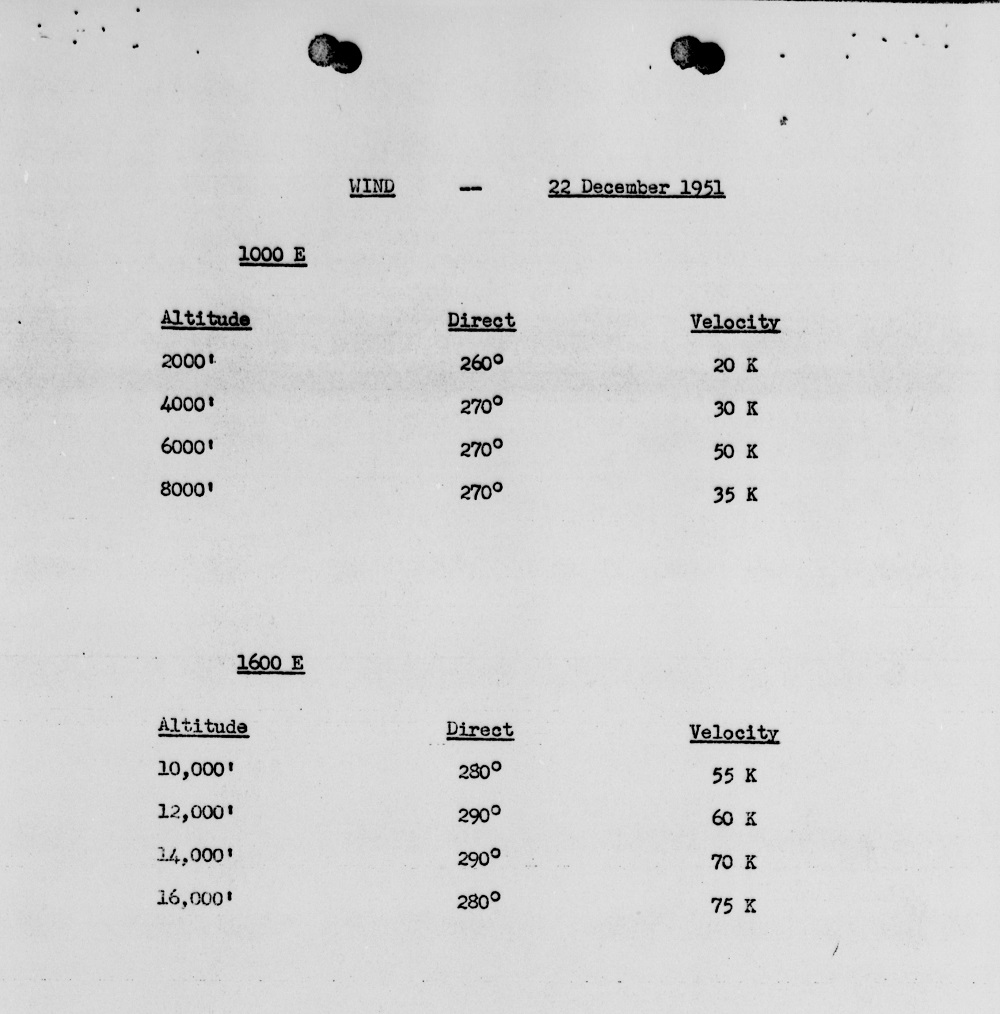
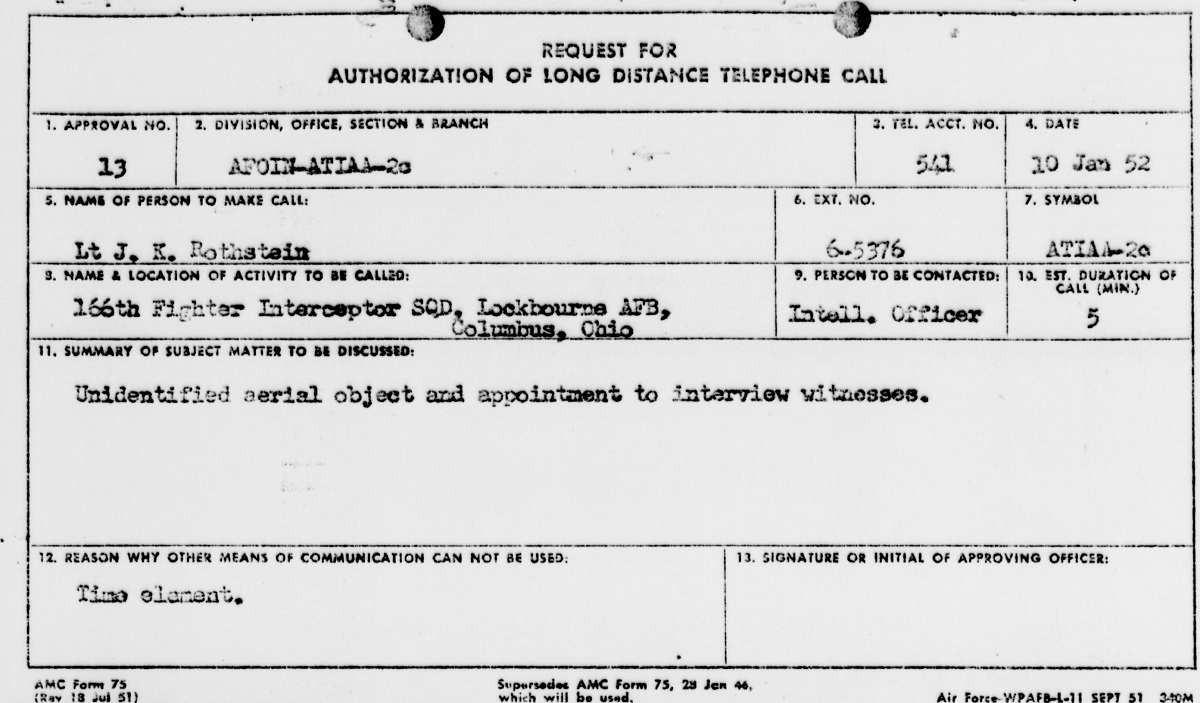
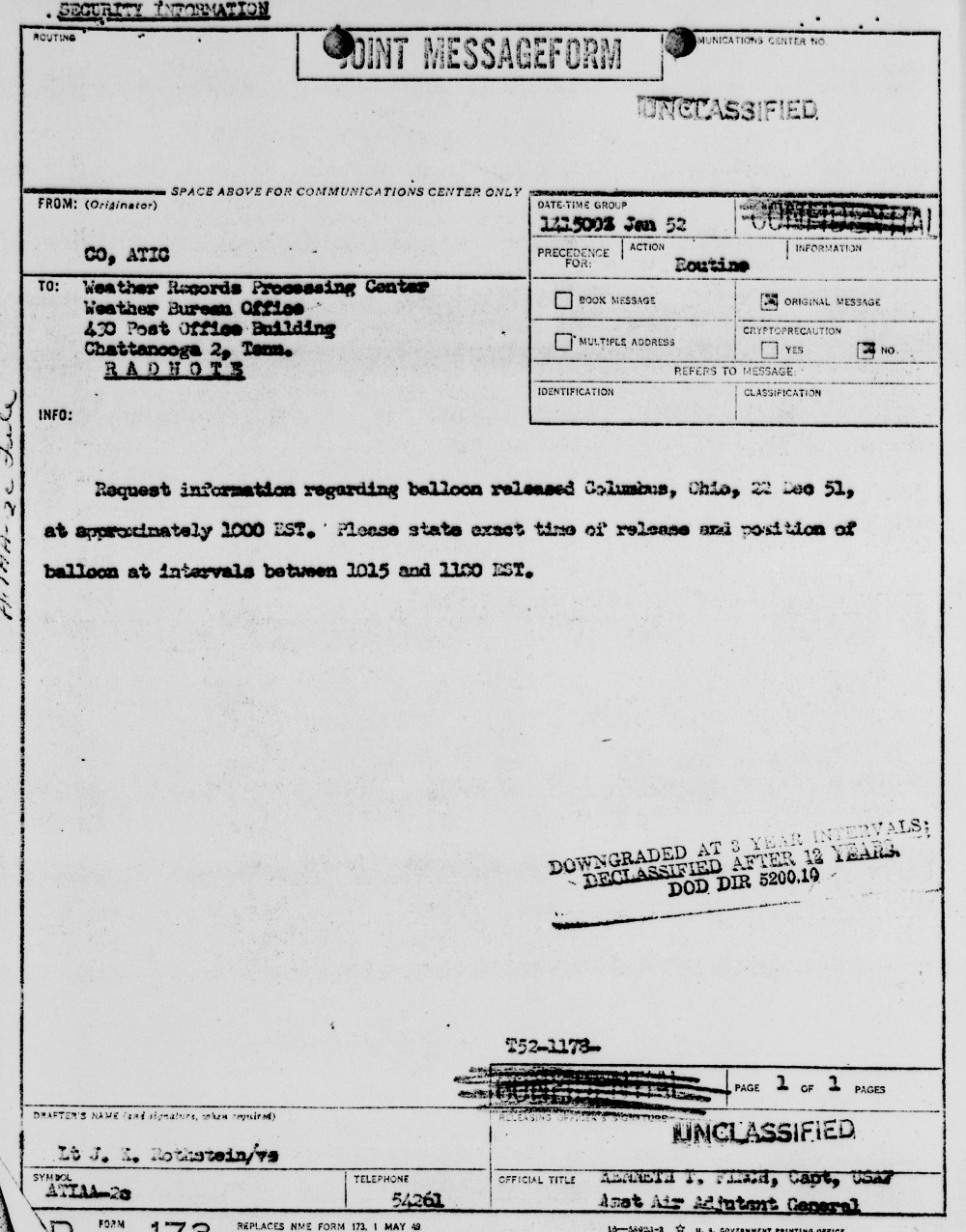
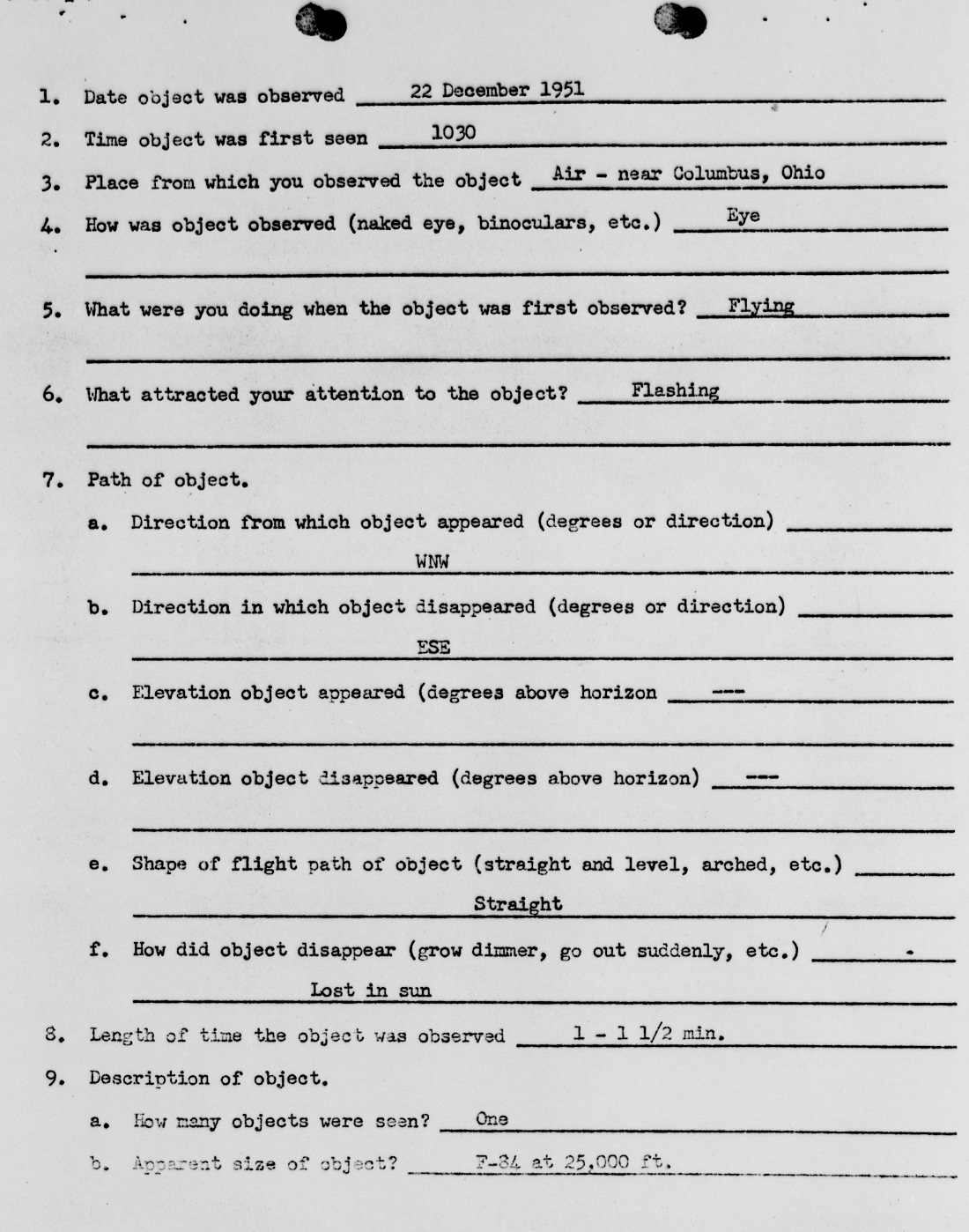
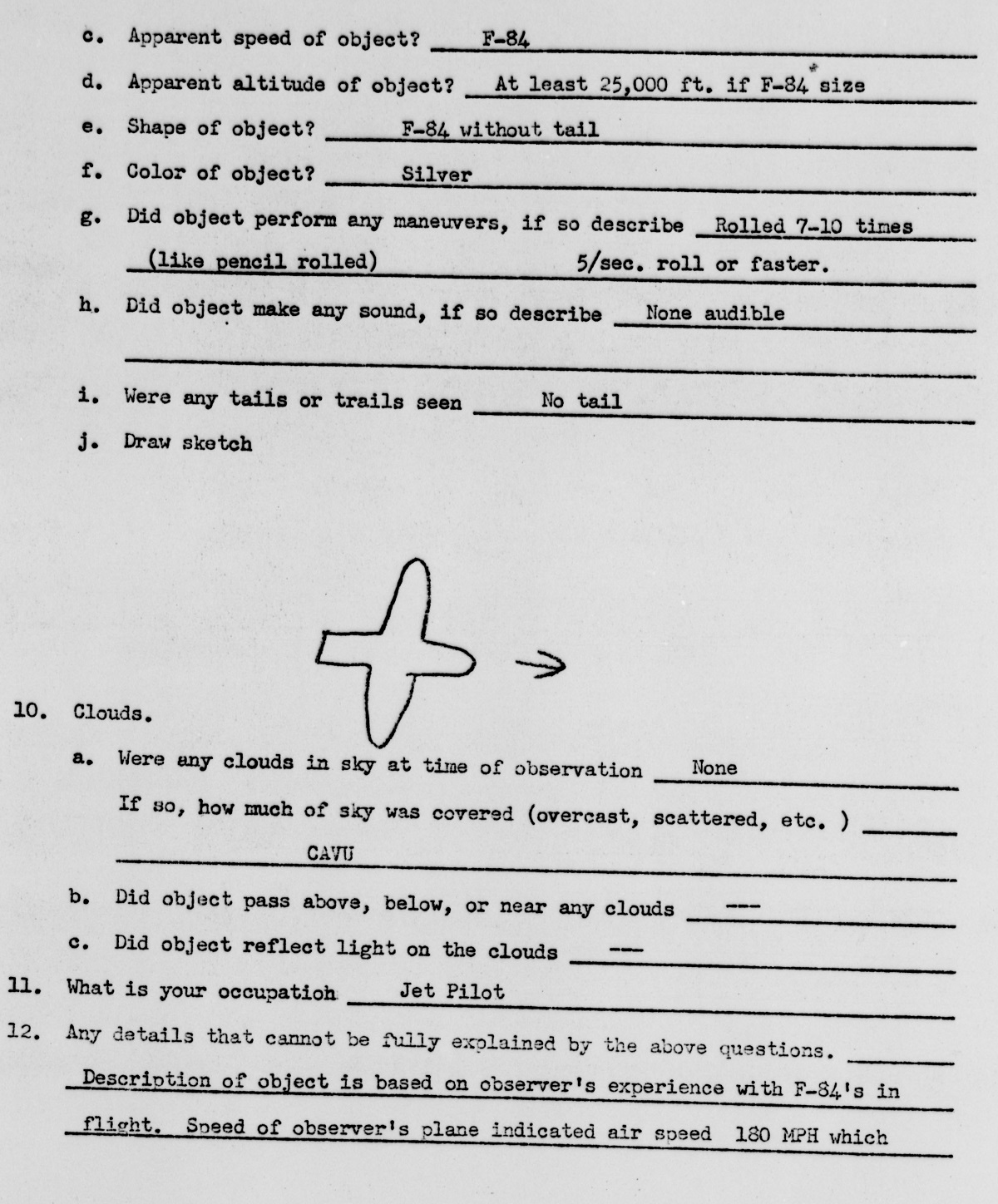
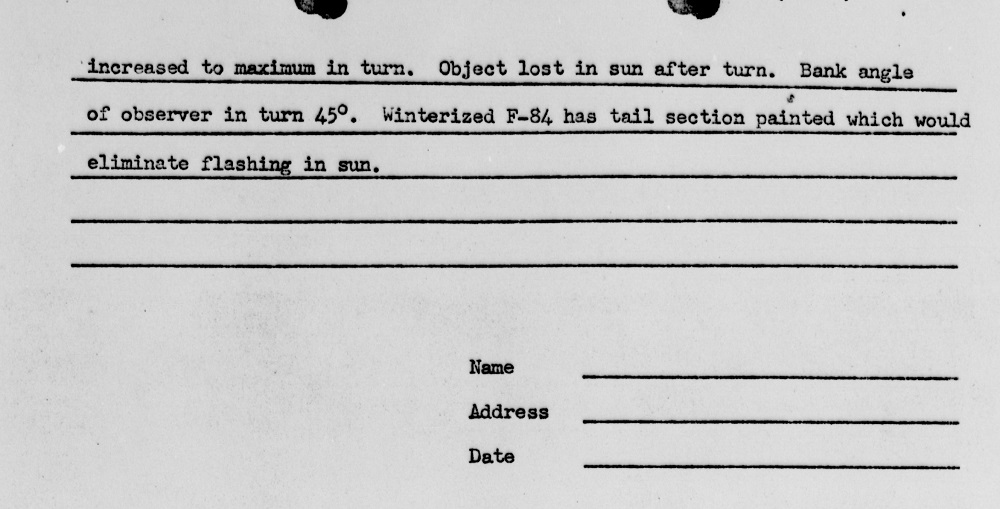
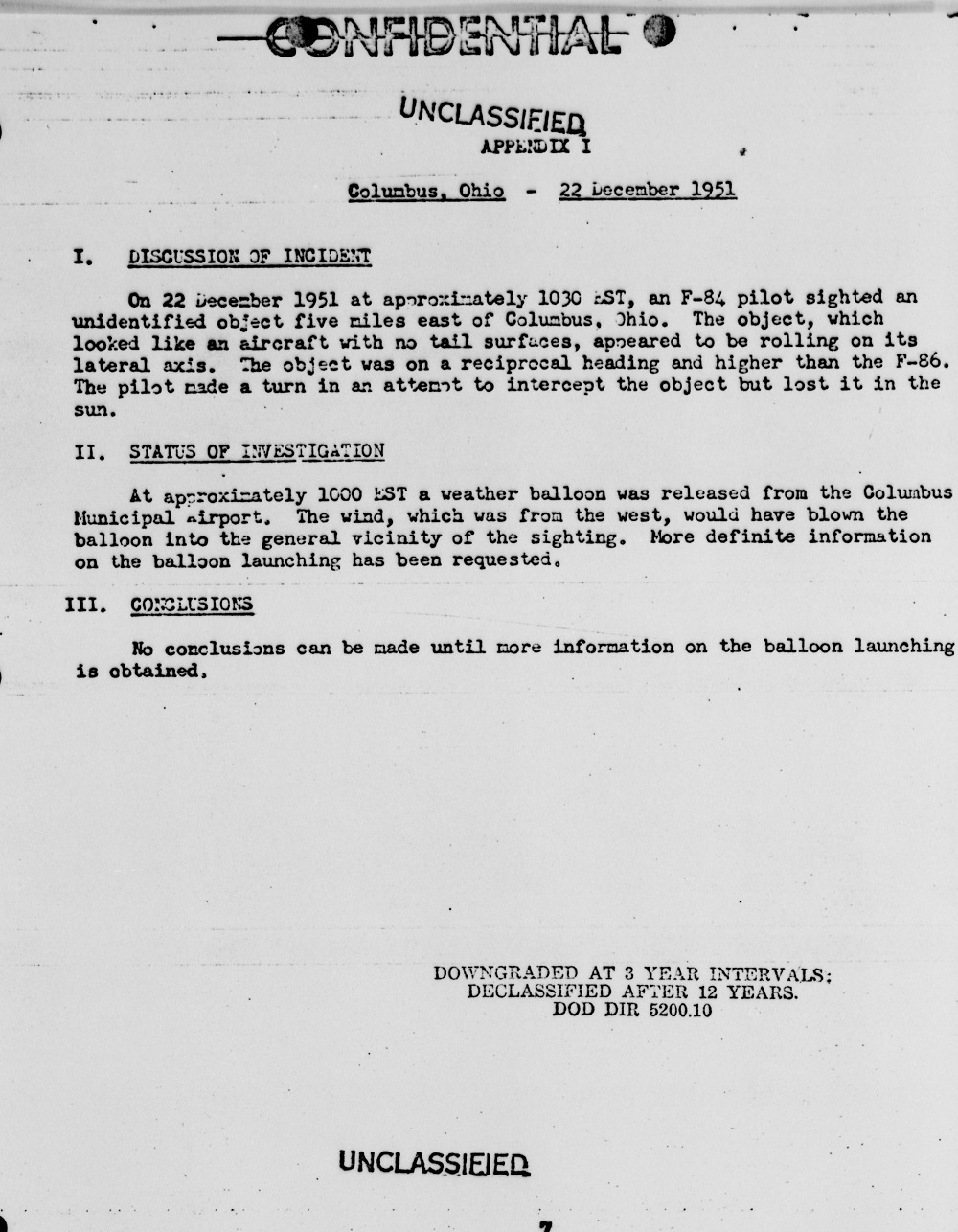
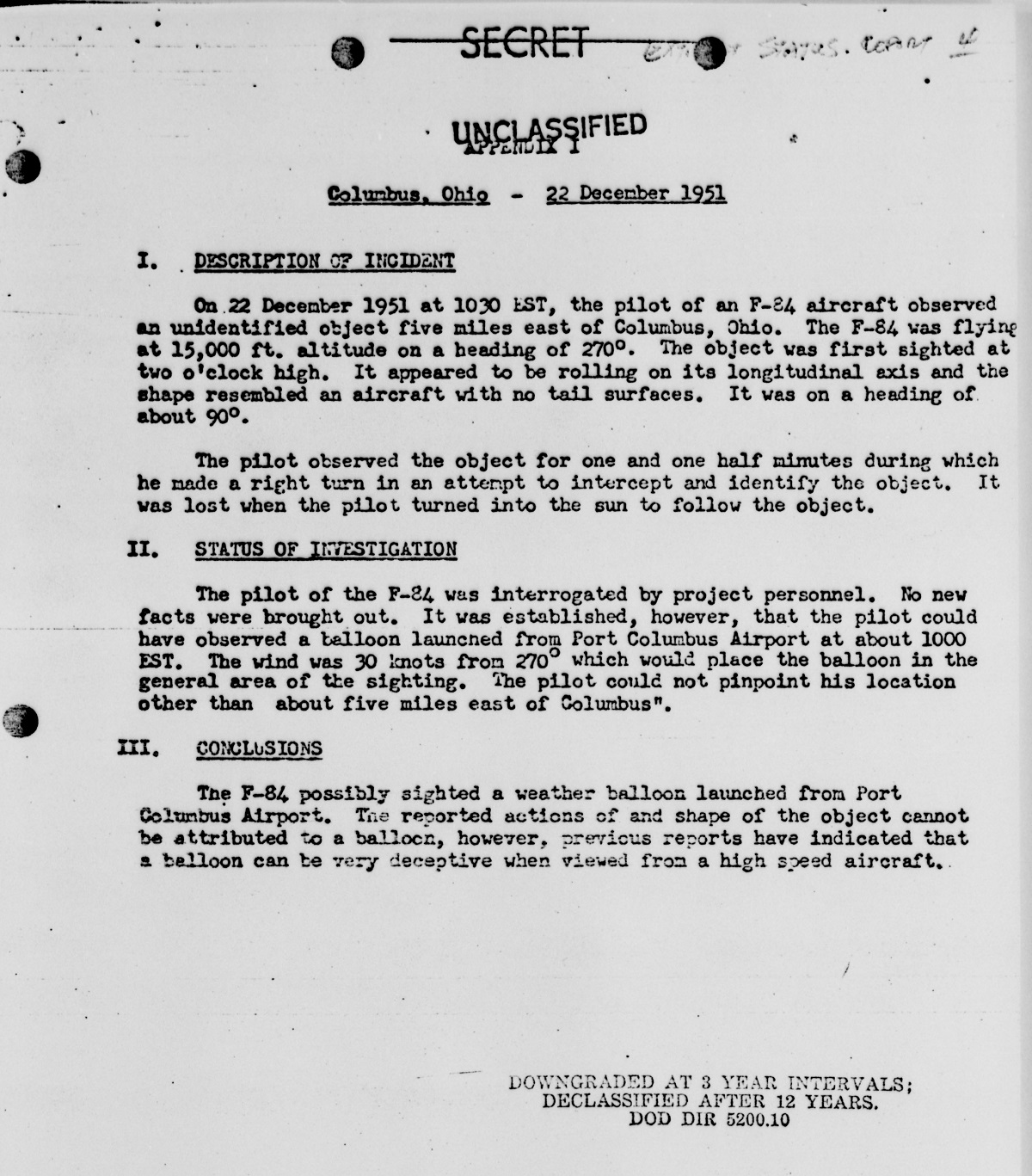
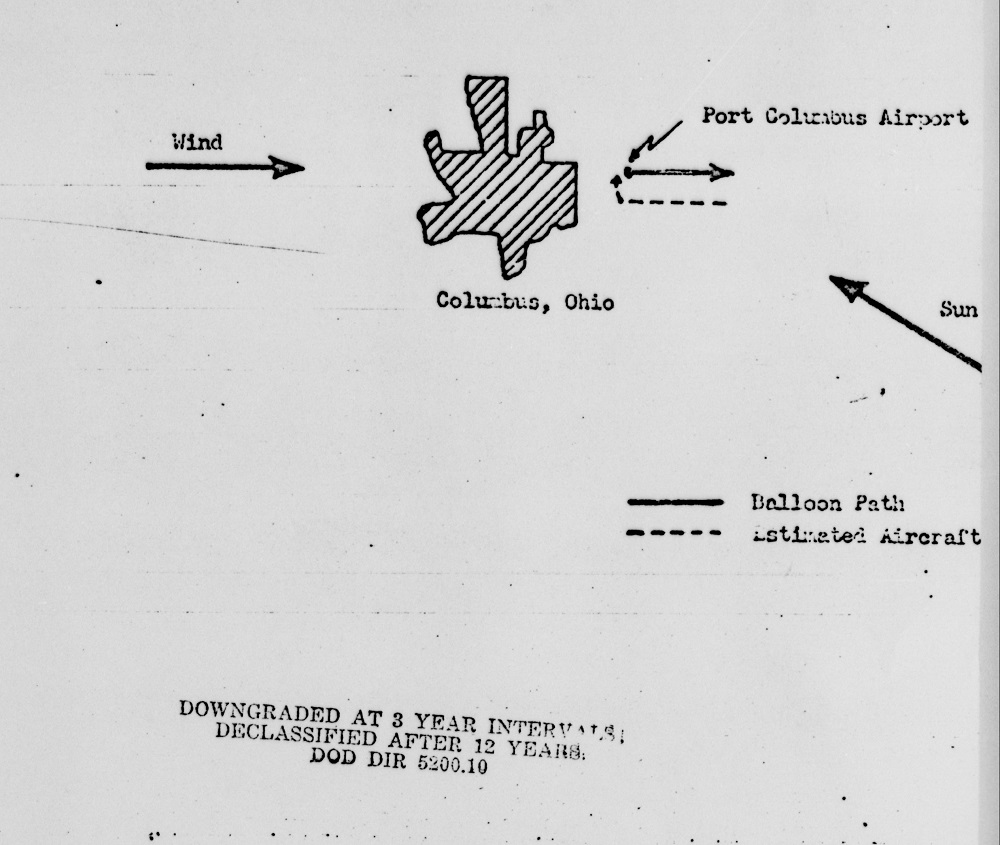
Strange Columbus December 22, 1951 UFO


Strange Columbus December 22, 1951 UFO Columbus, Ohio

From the files of Project Blue Book. This event was extensively investigated due to the military source of the report. The conclusion was that it was “probably” a balloon.


For more incidents around the world, visit the following links.
UFO Database
Mutual UFO Network
National UFO Reporting Center


The Very Cold Christmas of 1872


The very cold Christmas of 1872

The very cold Christmas of 1872 began on December 19-20, 1872, when a significant storm system moved northwestward through the Great Lakes. Chicago reported numerous train delays coming from the west, and streets were blocked with drifts in some places. Further east, the storm brought heavy rains to places like Pittsburgh, which saw its river shipping wharfs flooded. Similar to the events of February 1899 and January 1994, this storm seems to have been the catalyst for a major arctic outbreak.

Temperatures began plummeting in the Upper Midwest. By December 21st, reports from Minnesota put temperatures at well below -20, but temperatures were already well below freezing in Ohio. On the 22nd, ice on the Ohio River broke several barges loose from their moorings in Cincinnati and sank them.

Official records of daily weather did not begin in Columbus until the summer of 1878. However, the cold weather did not go unreported. The entire week leading into Christmas was cold, but the arctic air seems to have reached its height on Christmas Eve and Day. Temperatures fell well below zero, with thermometers hitting -10 to -20 across Central Ohio on Christmas Eve.
Temperatures continued below zero on Christmas Day. The Columbus Dispatch, barely a year into its first year of publication, wrote about the cold spell on December 26th.

“A cold spell, a tidal wave, so to speak, has been sweeping all around and over us for the last 48 hours. It was a wave not fully reported by ‘Probabilities’ at Washington, but came through the air, without telegraphic warning, from some frigid region adjacent to the North Pole. This morning we hear of various figures below zero. It is well to shut up the doors, double-bank the windows, pile on the coal, wrap up in furs, and make ready for an Esquimaux winter.
This morning, the wave brought “beautiful snow”, but it did not tarry long enough to settle down to a steady habit and snow us up. The snow breeze passed on. We are pleased that it delayed, no longer. Three such days were enough, even though one of them was Christmas. We will be content if we never see its like again this winter.”

Temperatures were cold across the Great Lakes during the period. In Cleveland, where Lake Erie normally modifies the temperature, it fell to -12 on the 22nd and was -2 on Christmas morning.

After the Christmas Week cold spell, the rest of the winter had several more bouts of severe cold. In some places in the Midwest and Great Lakes, it was one of the coldest winters ever. In Minneapolis, the average temperature over the 3 winter months was just 7.9 degrees, putting it as one of the top 5 coldest winters ever even today.


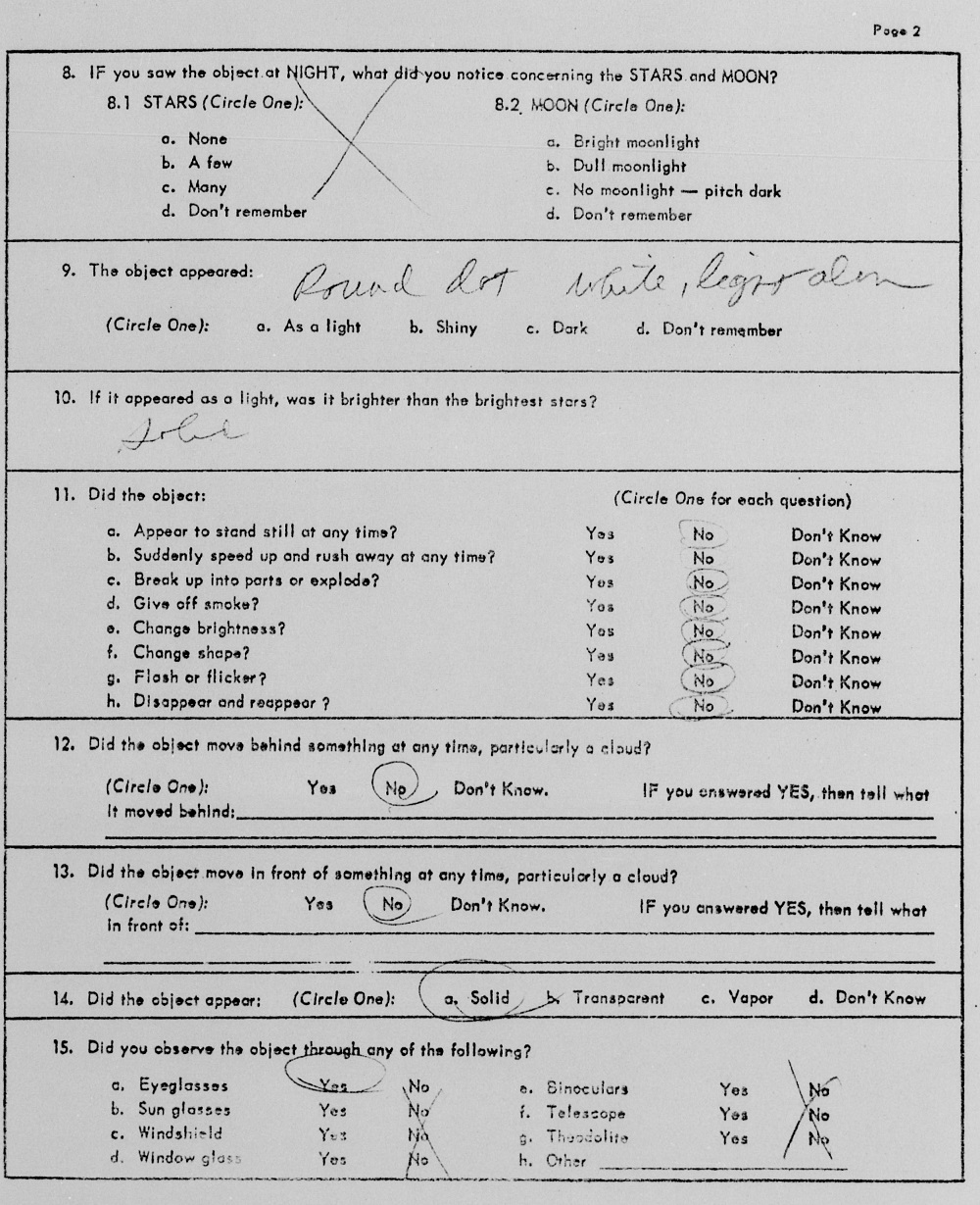
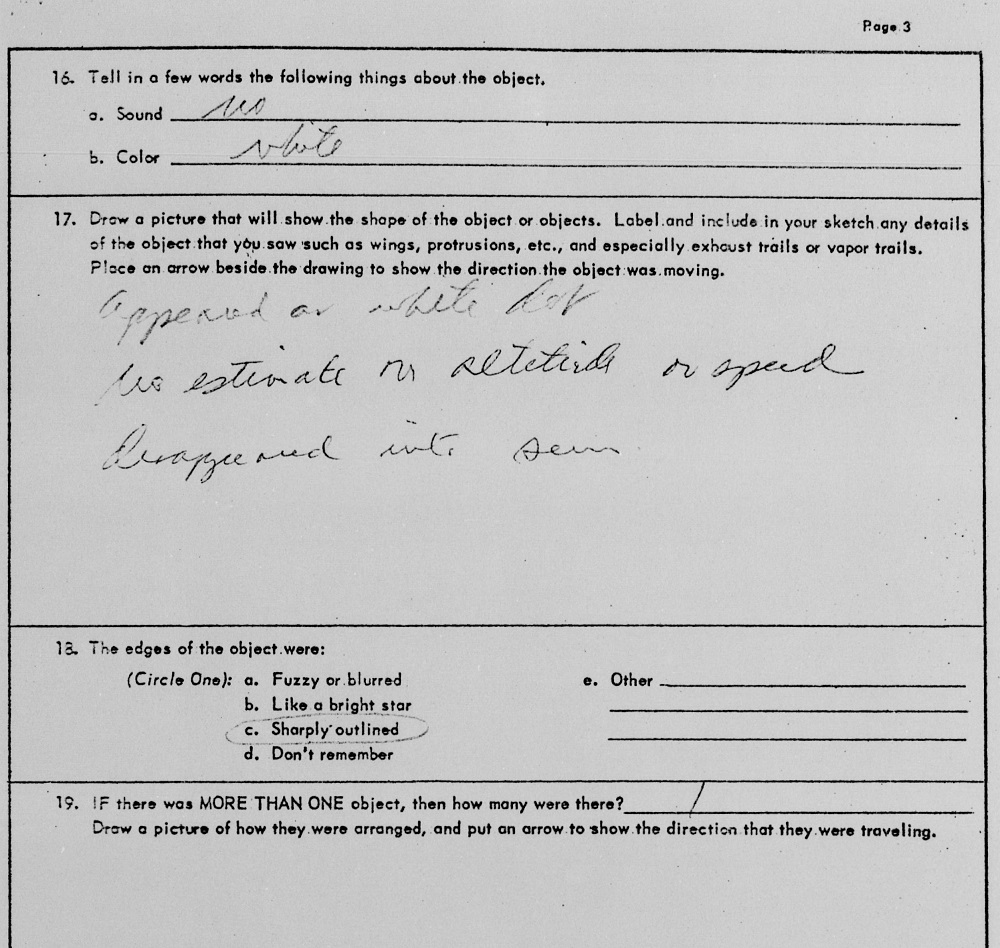
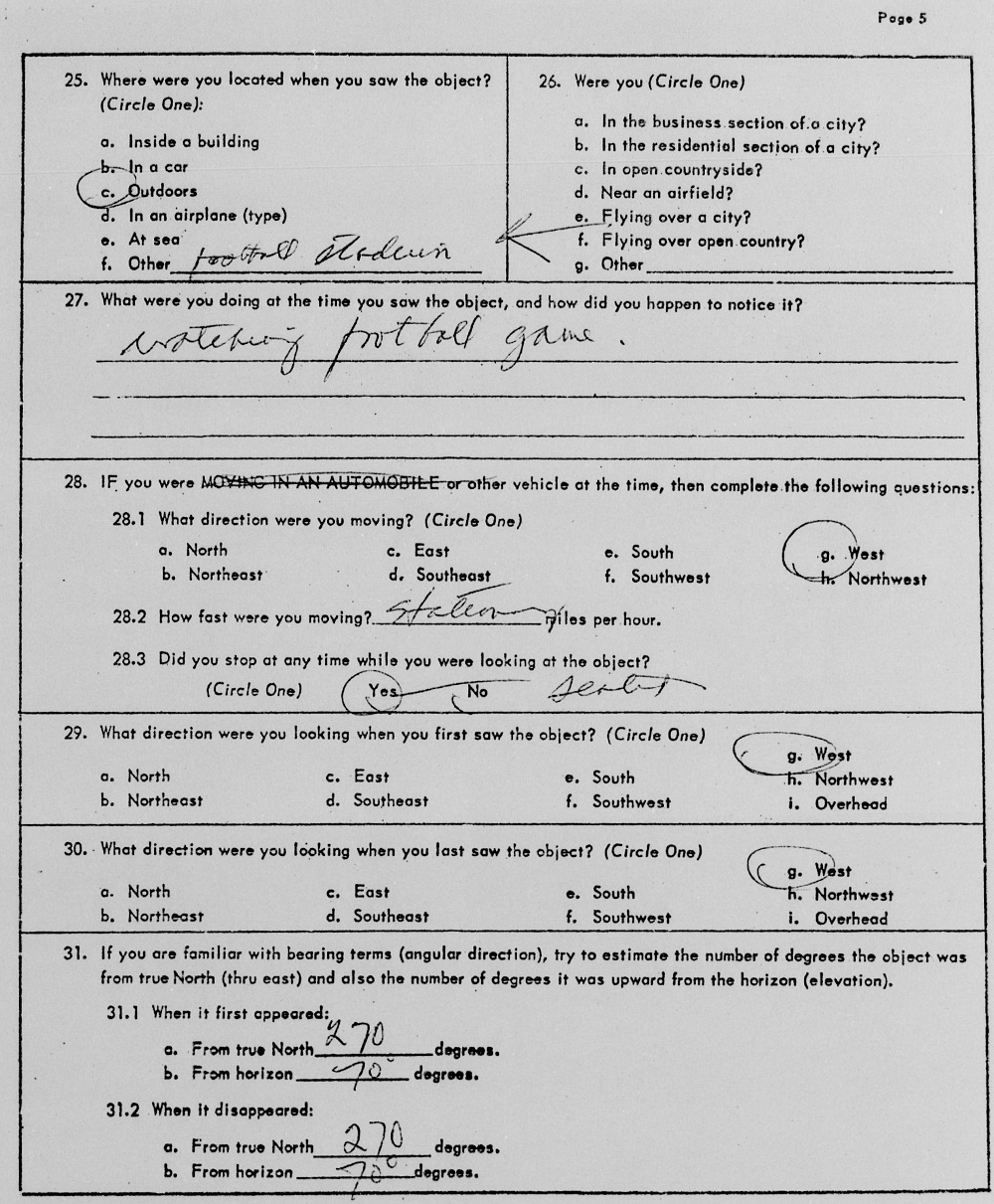
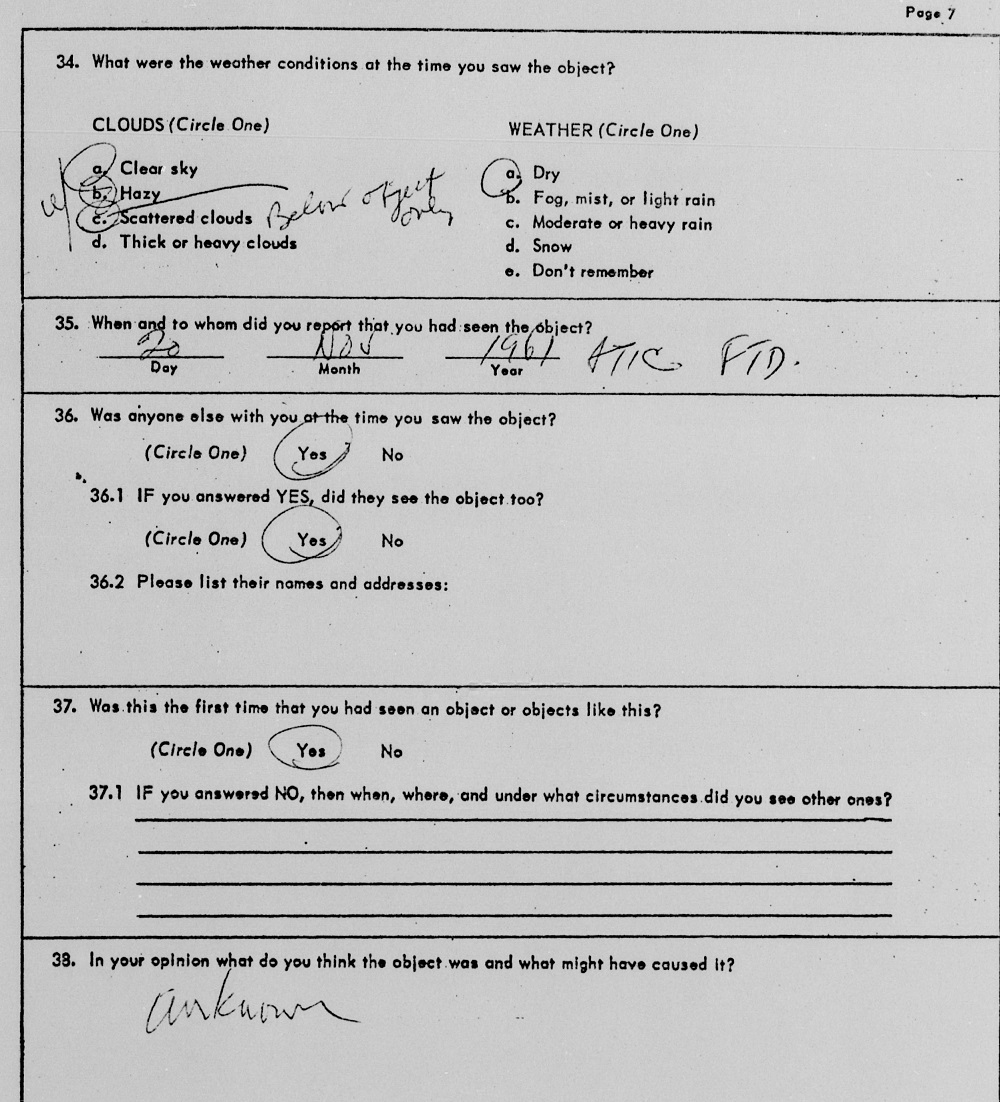
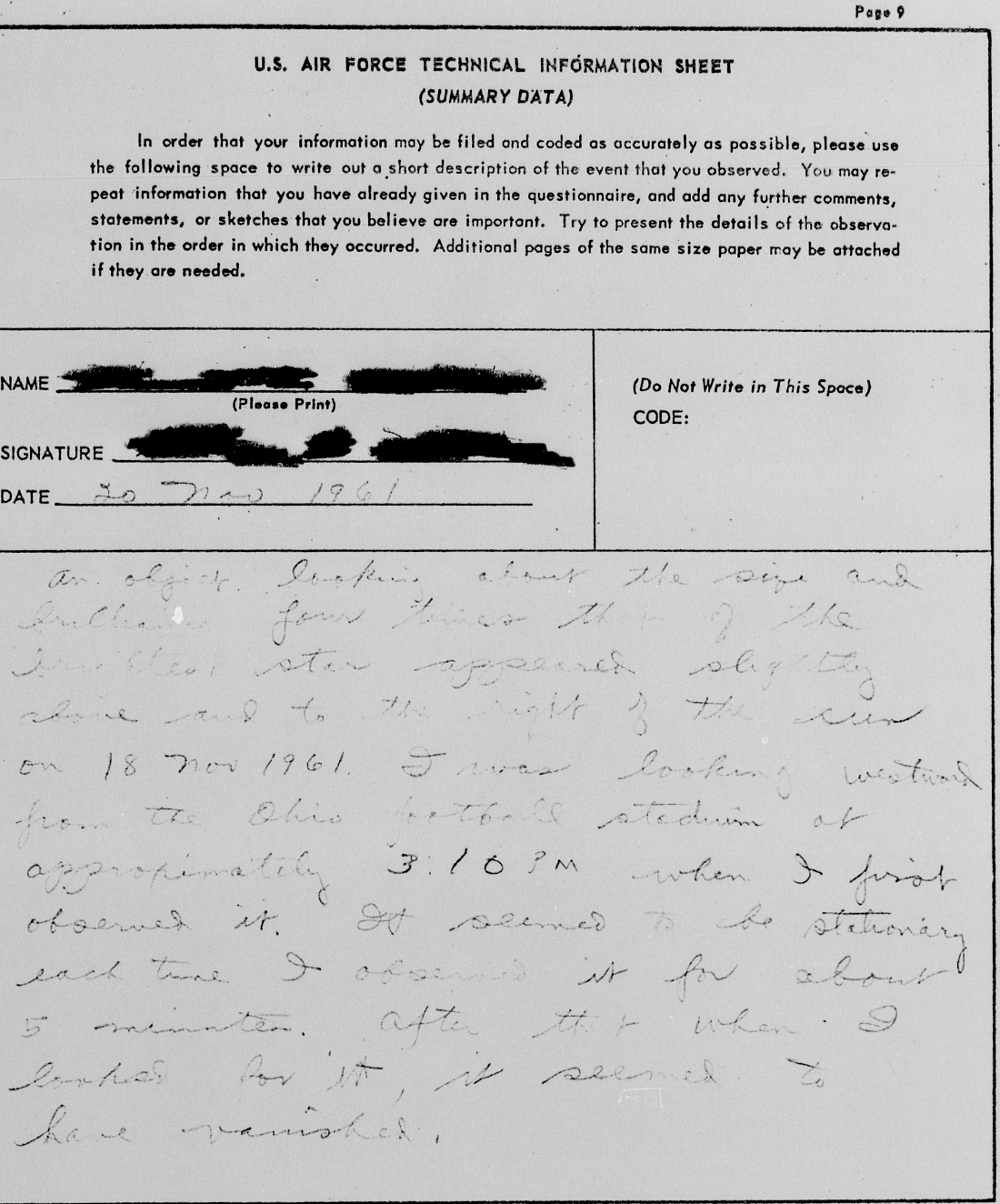
Strange Columbus 1961 Ohio Stadium UFO


Strange Columbus 1961 Ohio Stadium UFO Columbus, Ohio

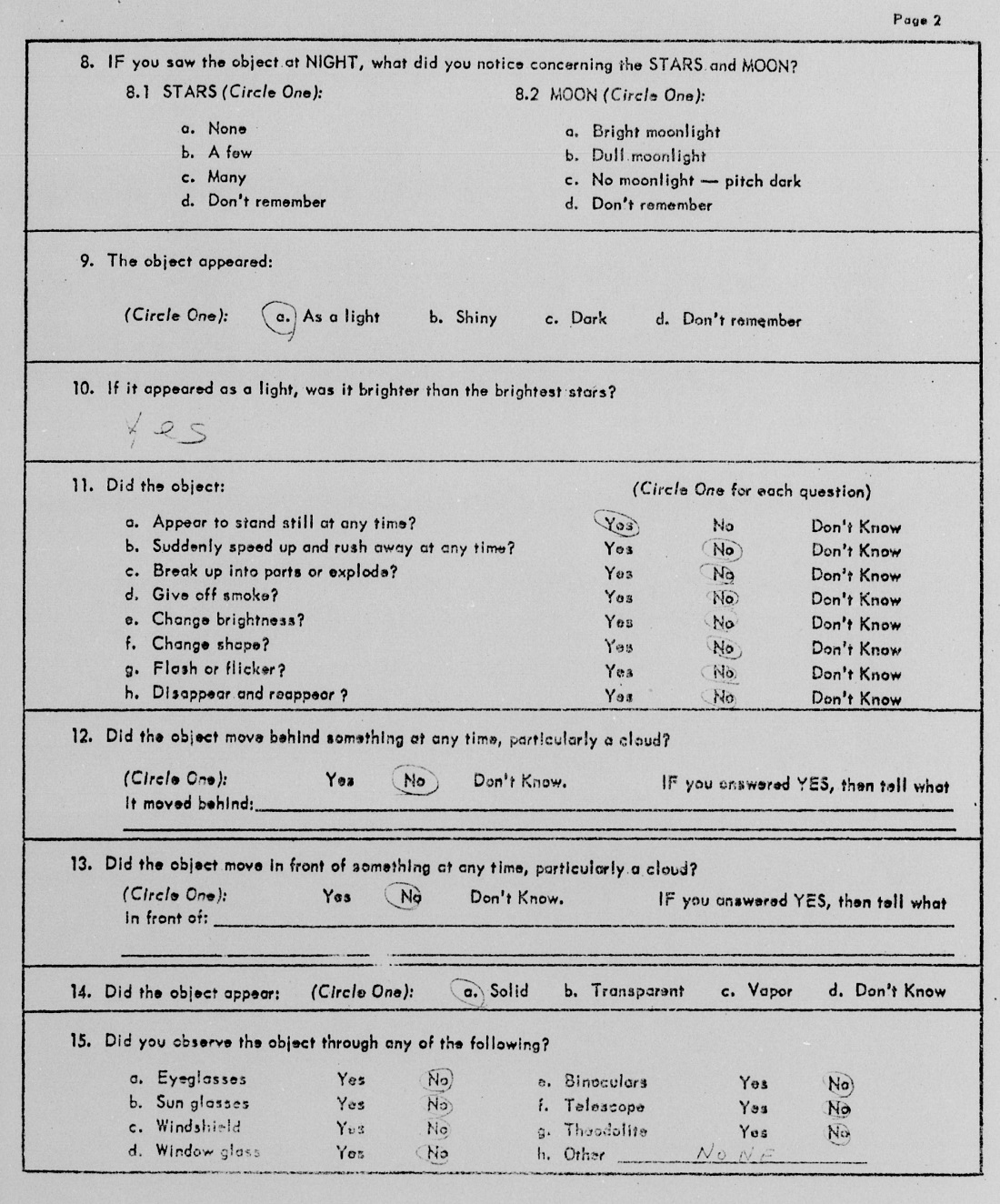
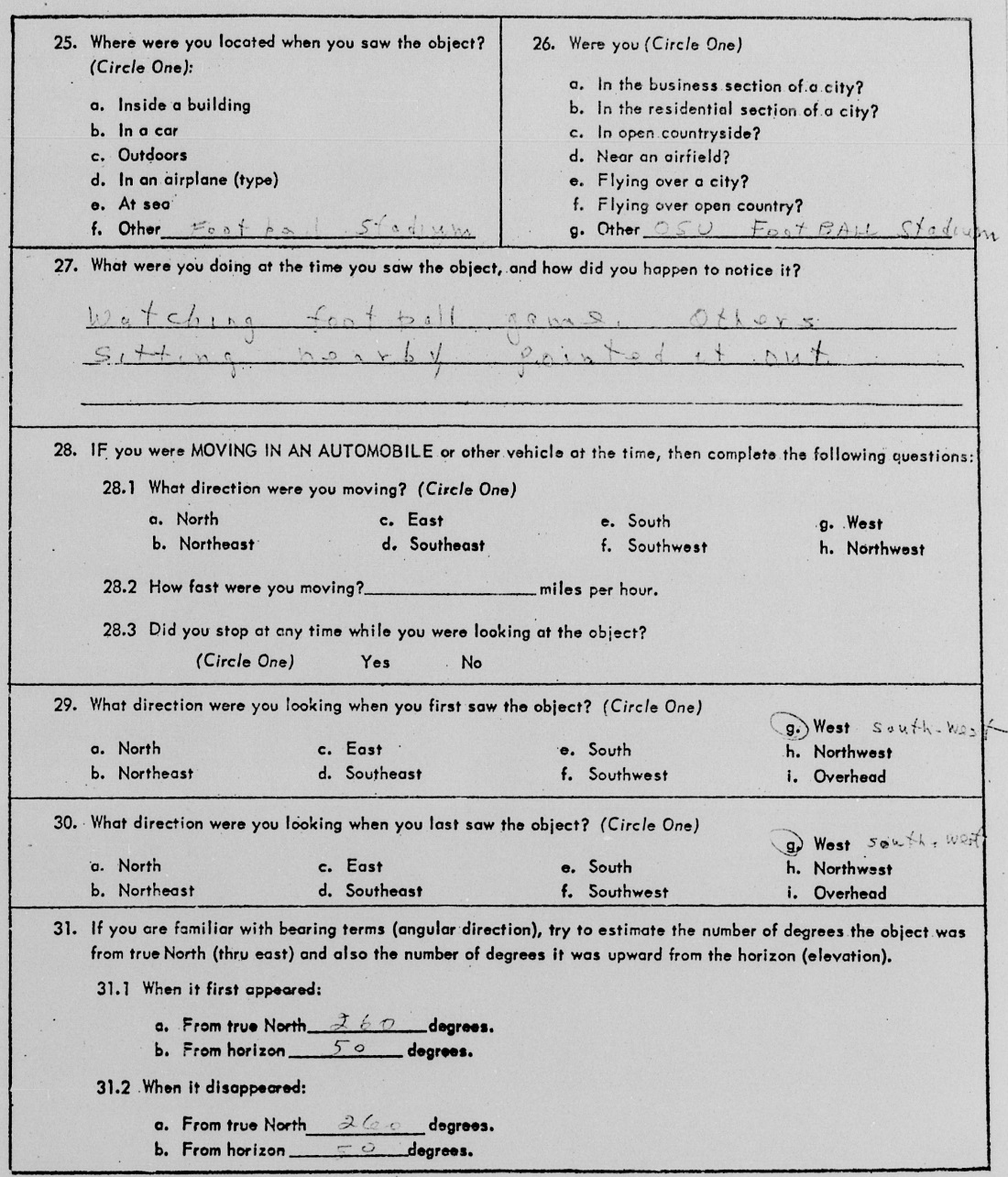
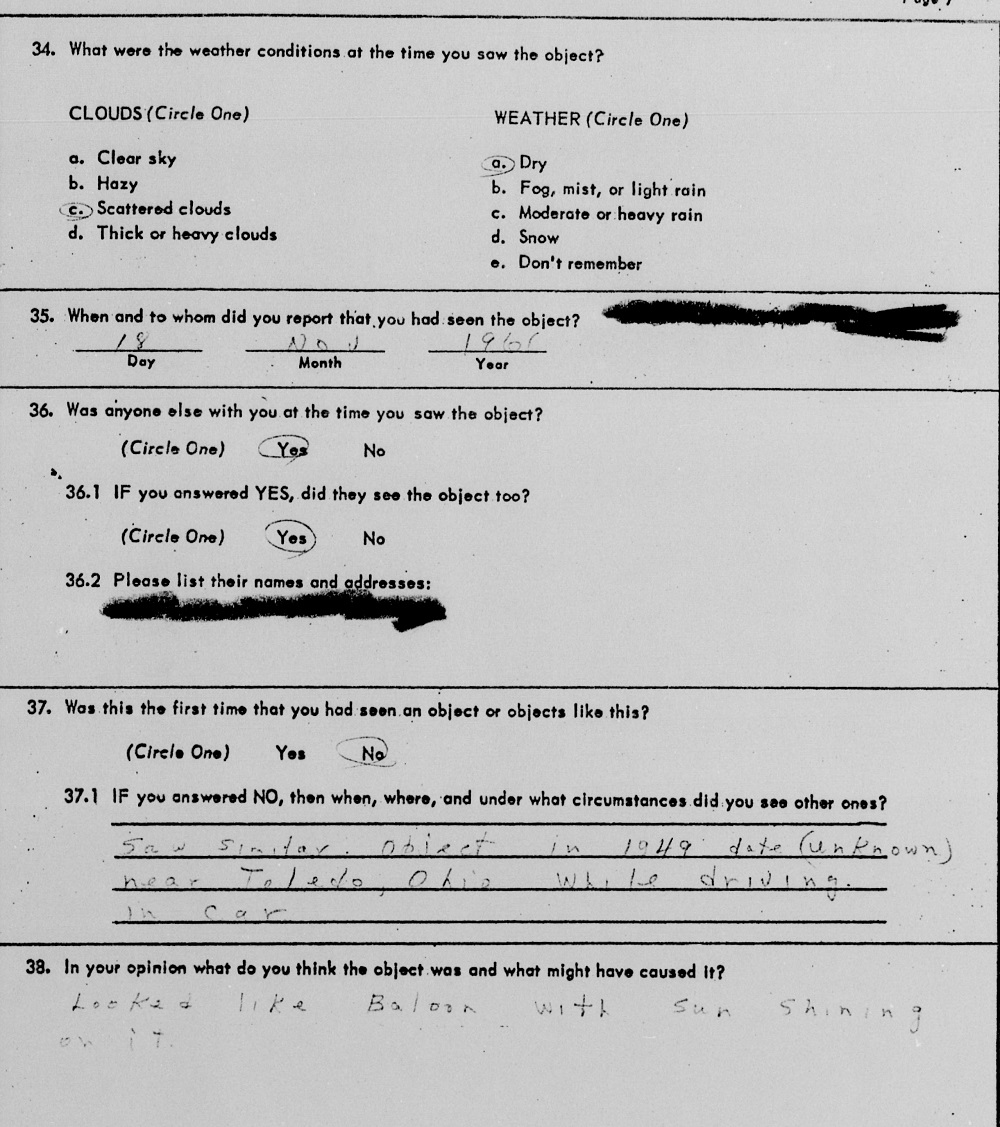
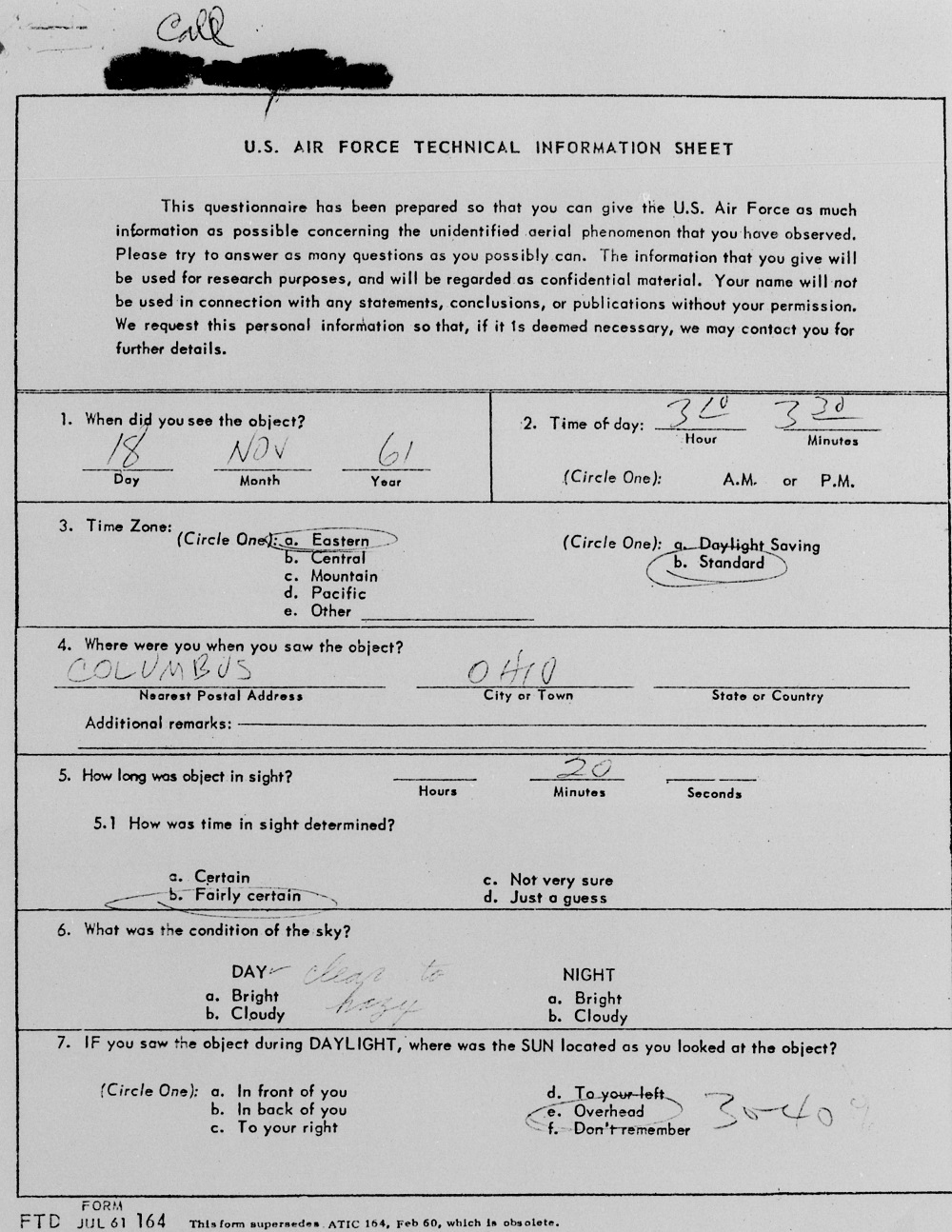
From the files of Project Blue Book. This incident occurred during an Ohio State home football game and could be viewed from the stadium. The object had multiple witnesses, whose accounts are in the pages below. The object was thought to be a balloon, but was never positively identified.


For more incidents around the world, visit the following links.
UFO Database
Mutual UFO Network
National UFO Reporting Center


Things Developers Say


On occasion, city leaders and developers say some absurd, ridiculous and hilariously tone-deaf comments regarding development and other urban issues in and around Columbus. And sometimes, as is the case with this example, those comments will highlight the often underwhelming results compared to the rhetoric.

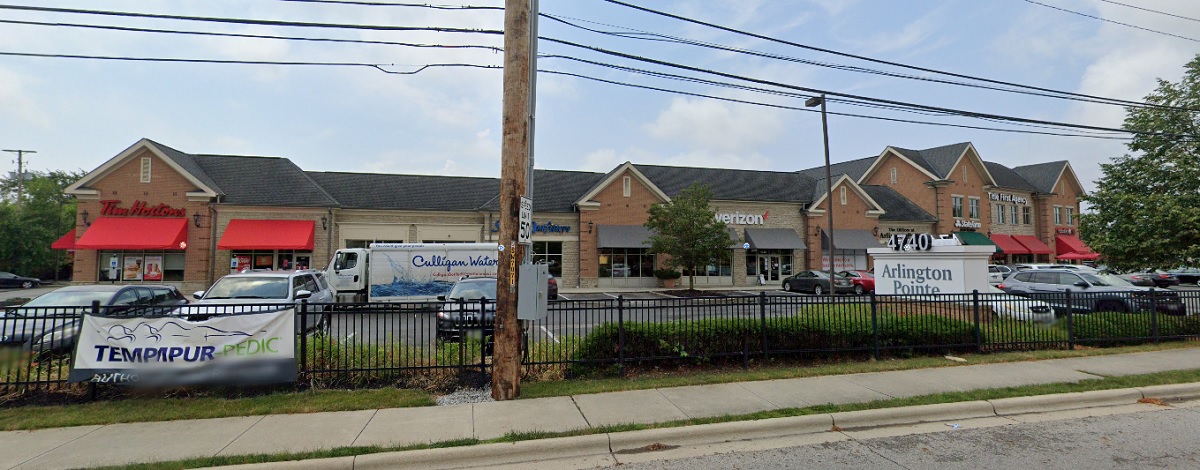
15 years ago, the southeast corner of West Henderson and Reed Road was filled with a family-owned Italian restaurant called Da Vinci’s Ristorante. The restaurant had sat at the location since the mid-1970s and had become something of a local institution for the area.

For reasons that have been lost if ever reported, Da Vinci’s was closed and torn down in the spring of 2006. The family, it seems were either tired of the restaurant business, or had decided that a prominent location such as theirs could be a better money-making operation if it was redeveloped. Hence, Arlington Pointe, the current development on the site, came into being.

In a Dispatch article from that time, the developer- Ruscilli Real Estate Services- talked about the development in somewhat glowing terms.
“We wanted something that had more of a streetscape appeal,” said Ruscilli Real Estate President Tim Kelton. “There’s a lot of parking in the back and a hallway in the center. We wanted the shops and restaurants and everything very close to Henderson Road to fit into the neighborhood better.”

And what exactly did this development with lots of “streetscape appeal” look like? Yeah, it was just a standard strip center, the same kind that has been built 100,000x over across Ohio and the country, and now dominate the suburbs.
Things developers say Columbus, Ohio
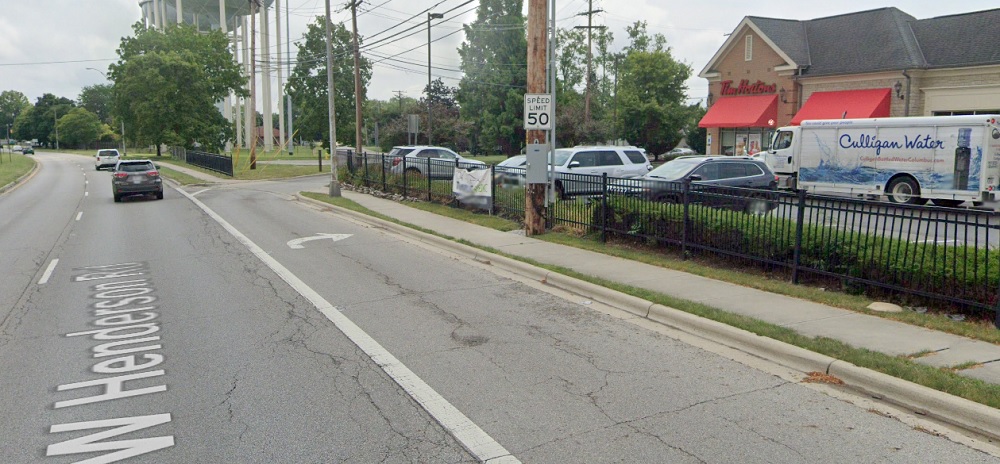
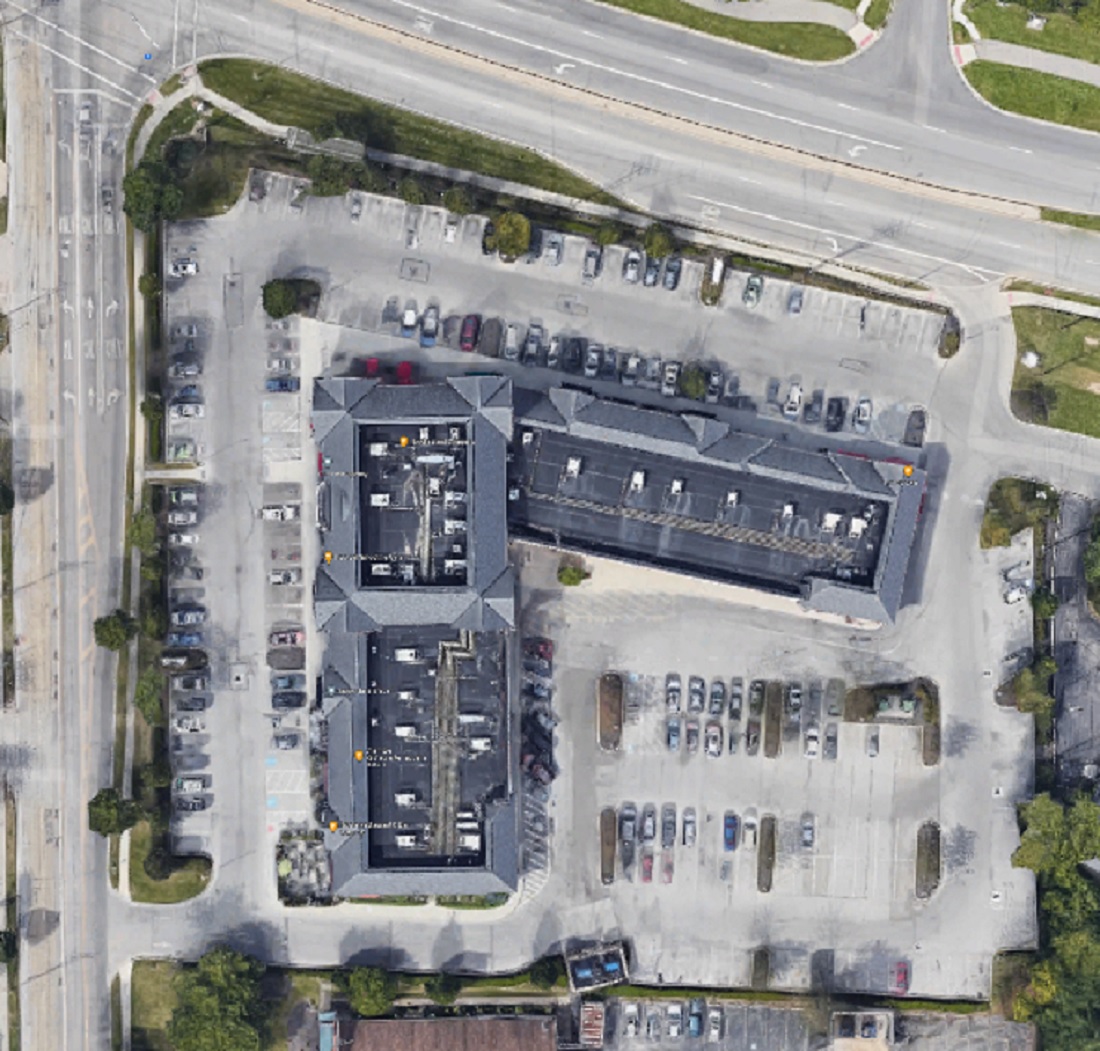
Do the shops look close to Henderson? They are set well back from Henderson, actually, and a large parking lot wraps the entire way around the building. In fact, there is more parking fronting Reed and Henderson than there is in the lot behind the building, as can be seen from the aerial.

Like so many of these suburban strip centers, getting to the shops and office space by any means other than a car was completely ignored. In fact, the development caters to cars so thoroughly that it actually has its own mini-off ramp from Henderson.

Now, there are sidewalks around, but the chances that anyone actually uses them in what must be an unpleasant, loud and dangerous walk seem slim.

Ruscilli did get one thing correct, though- the project did fit in with the area given that the vast majority of neighboring development is much the same.

You can peruse the Proposed Development for upcoming projects.