In this global crisis, there’s a ton of sites out there to monitor the situation. Here are some of the ones I think are most useful for Ohio Covid-19 information.
This is the best global case counter I know of. The World Meters site seemingly updates live, and has a running total of every single confirmed case by nation and territory, as well as the numbers of recovered, active cases and deaths. All the numbers are sourced at the bottom of the page. https://www.worldometers.info/coronavirus/
Here’s a link the CDC, which does a daily update on the situation. https://www.cdc.gov/
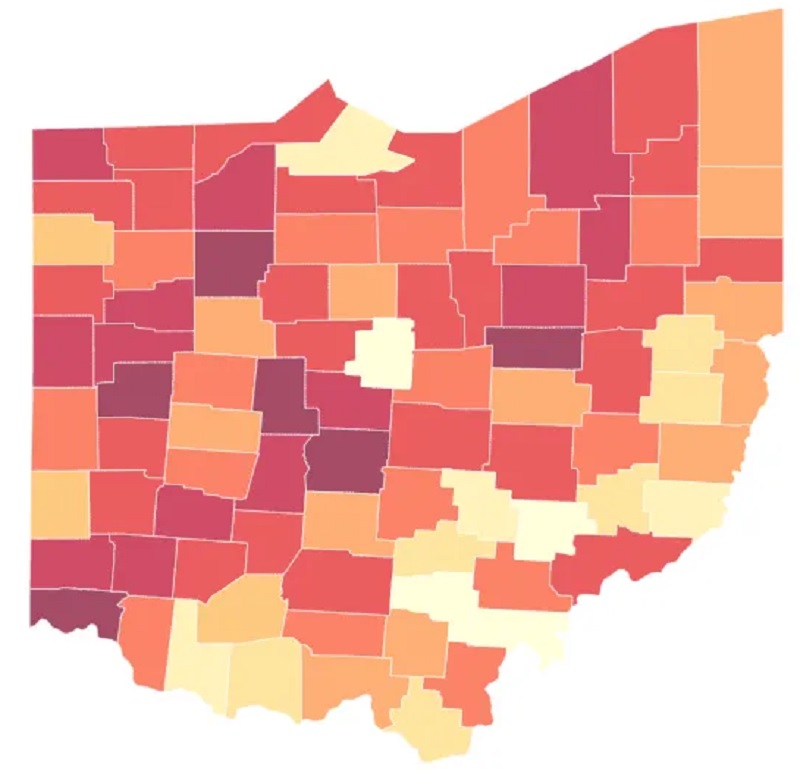
This is another map site, with information on testing numbers and positives near a given location. https://covidnearyou.org/#!/
First up is a link to a story on the growing housing crisis across Ohio, with a focus on the Columbus area. https://kevinverhoff.com/index.php/2020/02/13/ohios-housing-crisis/ The article uses an interesting metric to quantify just how bad the housing shortage is in counties across the state- the number of jobs versus the number of available housing units. In Columbus, there is only about 0.7 units per 1 job, leading to a Central Ohio shortage of more than 200,000 units!
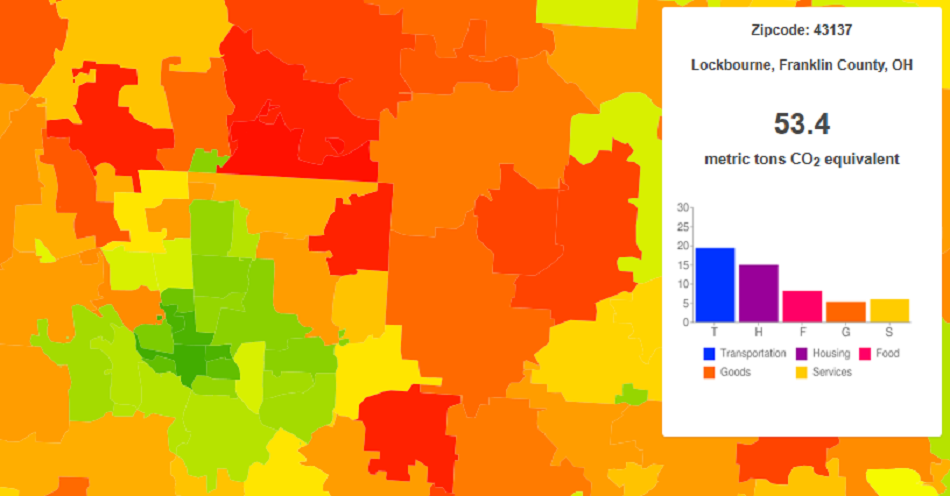
Second, here is a link that gives the average annual carbon footprint of all US zip codes. In general, it seems that the most urban zip codes have the lowest footprints, along with far rural areas. The highest footprints seem to be in suburban and exurban areas. In the Columbus area, the zip code with the highest carbon footprint is 43021, which contains much of Westerville. Second highest is 43054, which contains New Albany. Take a look at the interactive maps here: https://coolclimate.org/maps
The Transportation Climate Impact Indexmeasures how the 100 largest US metros rank in terms of climate impact from everything from walkability to vehicles miles.
Ohio cities don’t rank highly, unfortunately. Columbus clocks in at #85, with its worst ranking coming from how much its residents drive. Columbus’ bus system only goes so far, and without any other form of transit, much of the area is completely car-dependent.
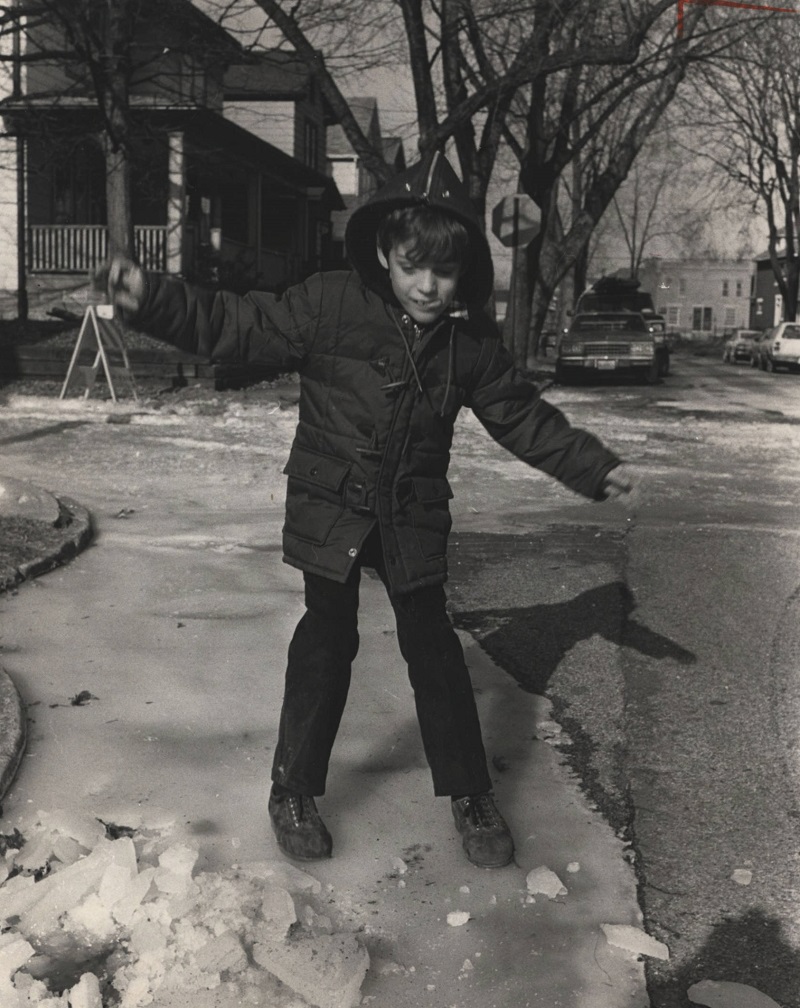
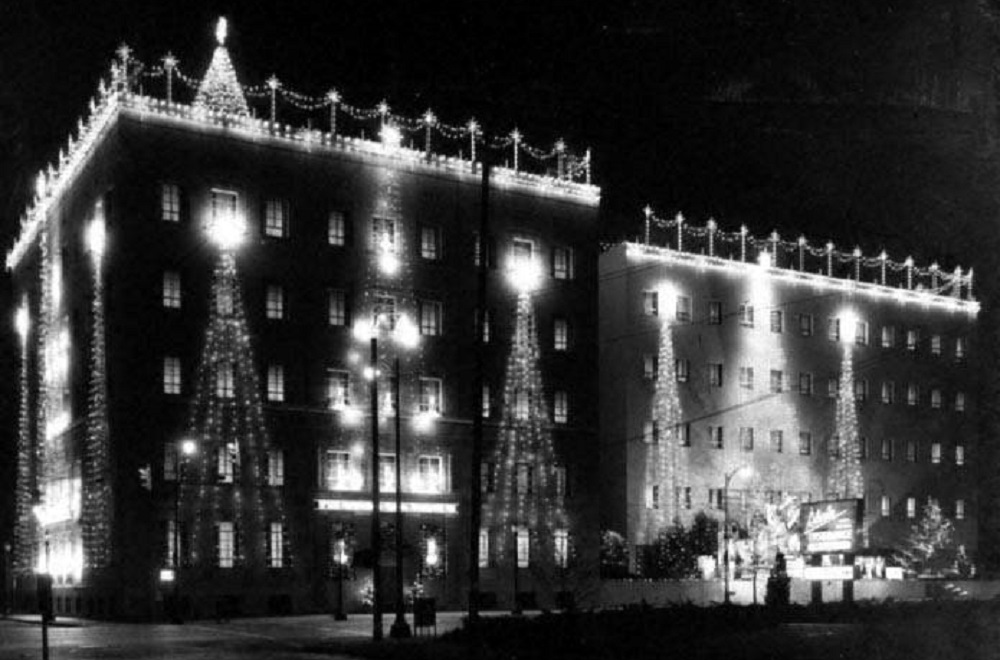
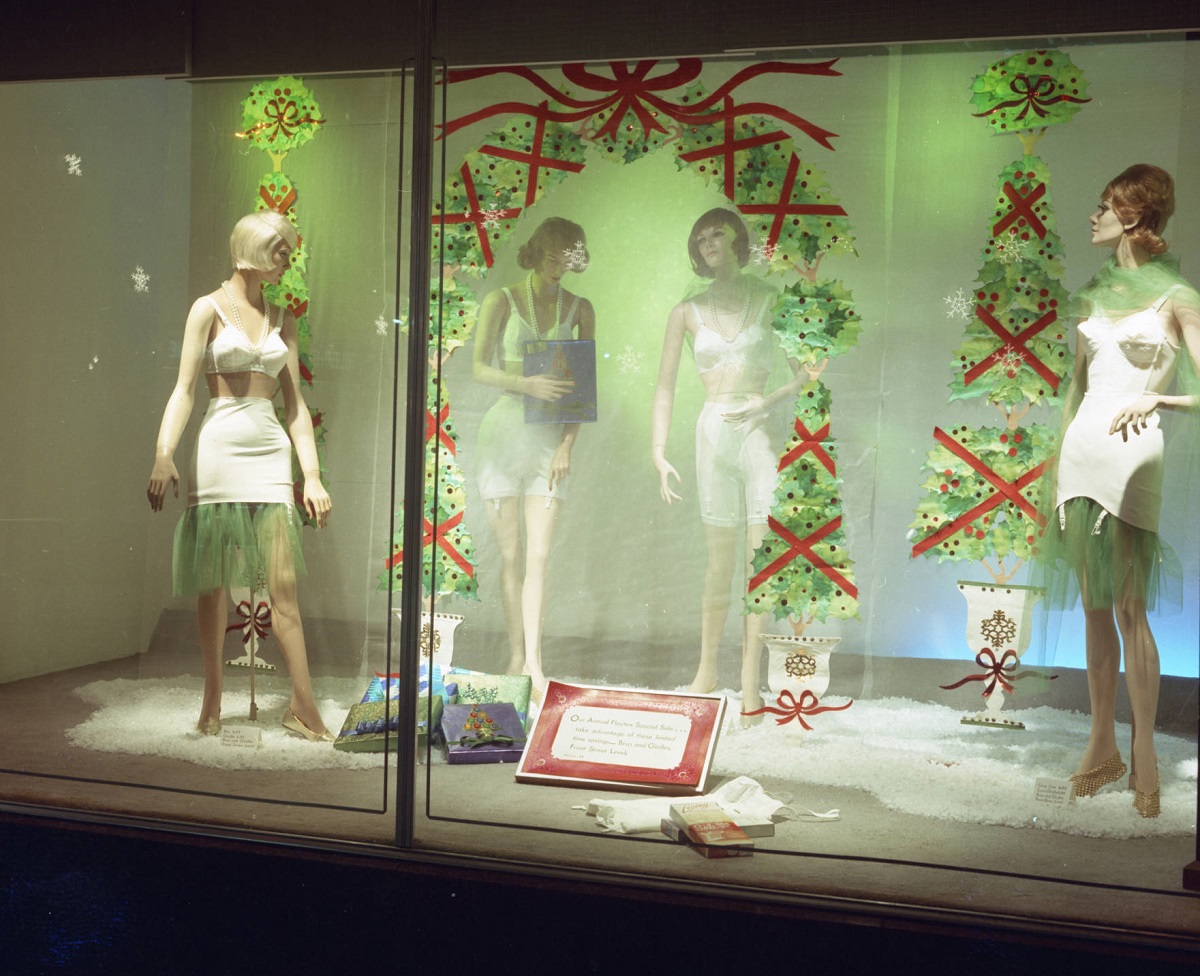
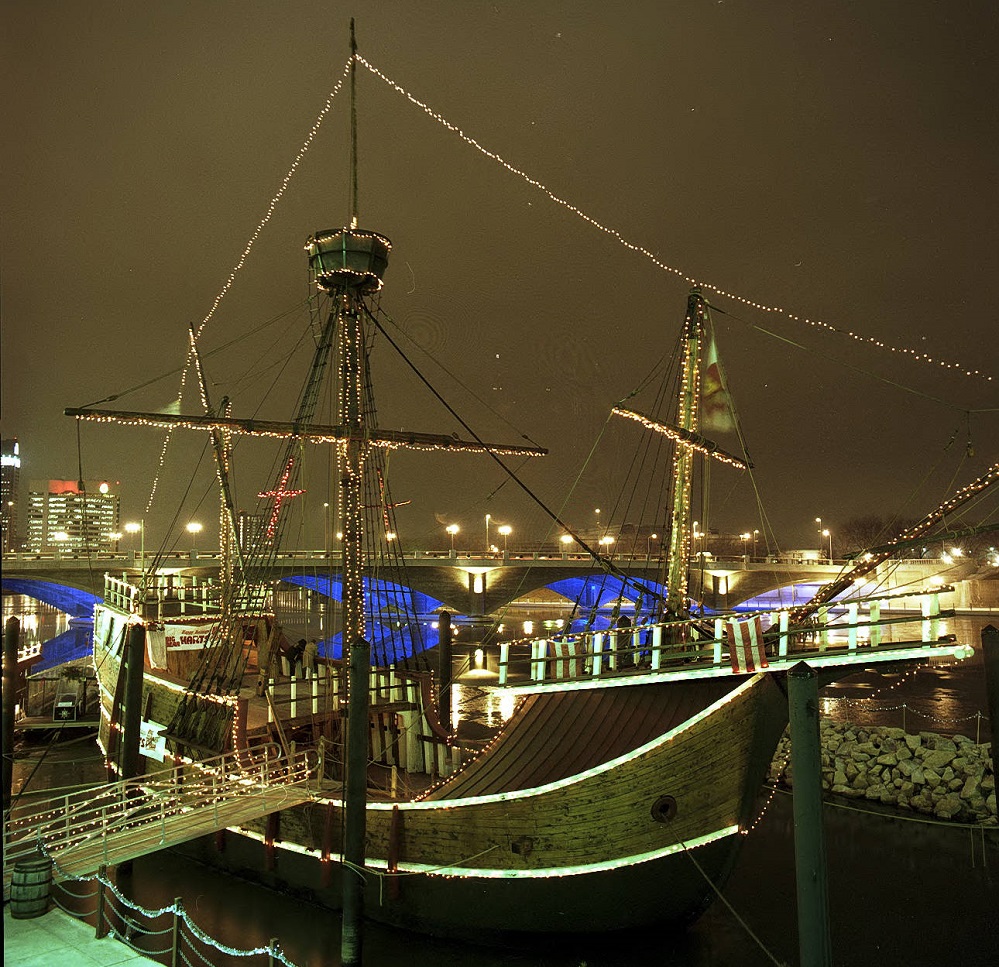
These Columbus Christmases past photos give a short walk down memory lane of one of the most popular and favorite holidays.
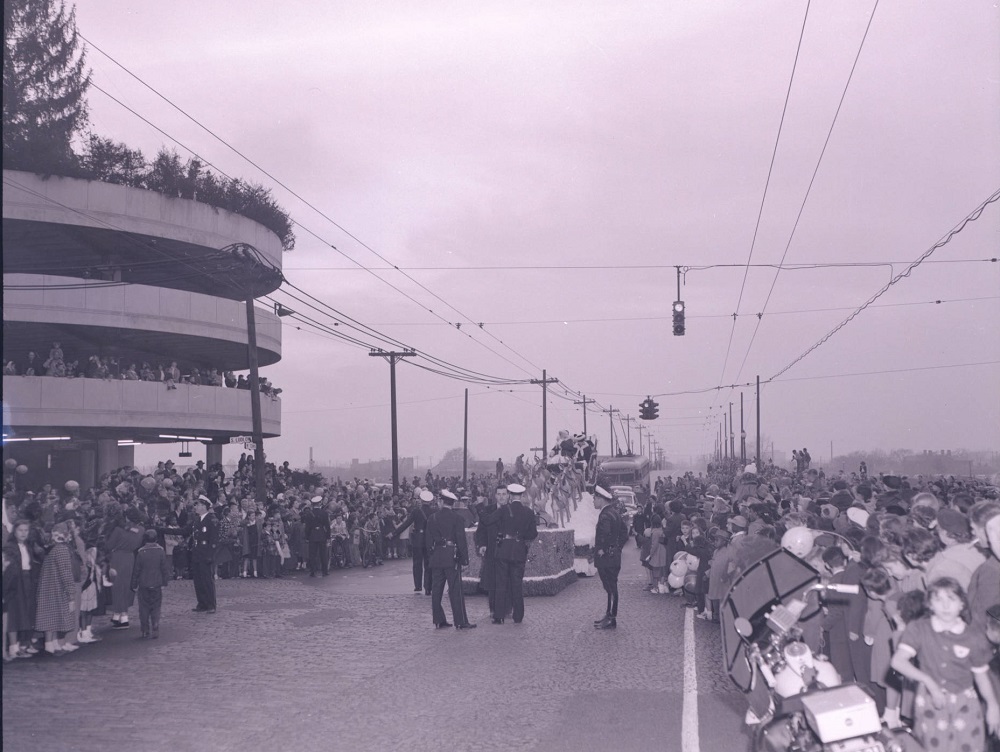
Date: 1952 Location: Corner of W. Town Street and S. Ludlow Street along the Scioto River. Santa and Mrs. Claus ride on a float in the annual Lazarus Christmas parade.
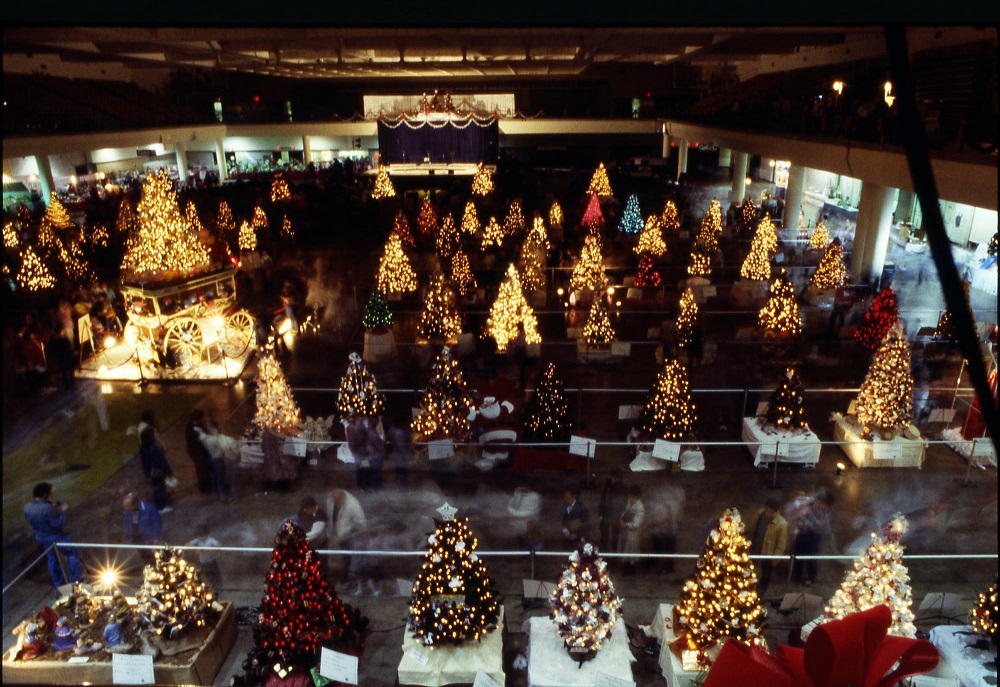
Date: 1980 Location: Ohio Expo Center Multipurpose Building at 717 E. 17th Avenue. The Festival of Trees was an annual event sponsored by Children’s Hospital and Nationwide for charities. In 1980, there were 82 themed Christmas trees on display, which people could buy for at prices up to $1,000 each.
Date: Christmas Day, 1983 Location: Corner of Ebner and Columbus Street, German Village Christmas 1983 was one of the coldest on record, with a high of just 1 degree above zero and an average temperature of -6. The cold caused water mains to burst in several locations, including in German Village, which some children took advantage of for a little fun.
Date: 1965 Location: 518 E. Broad Street State Auto Mutual Insurance began holding a Christmas lighting event every year beginning in 1931.
Date: Around 1955 Location: Lazarus Department Store, South High Street Lazarus was famous for its window Christmas displays for well over 100 years, with many being very elaborate. The Christmas displays continued until the 2000s.
Date: 1992 Location: Scioto Riverfront, Downtown The replica of Christopher Columbus’ Santa Maria, decorated for Christmas in the photo, sat in Battelle Riverfront Park from 1991 until it was permanently dismantled during construction of Scioto Greenways in 2014.
As mentioned in the previous post, the Columbus Landmarks Foundation has been creating a Most Endangered List for historic buildings under threat of demolition since 2014. What has happened to those buildings? This post seeks to find out. While I did not research every building on the lists, I managed to get most of those that were inside I-270 and were built prior to 1950. Here are those Columbus Landmarks endangered list buildings.
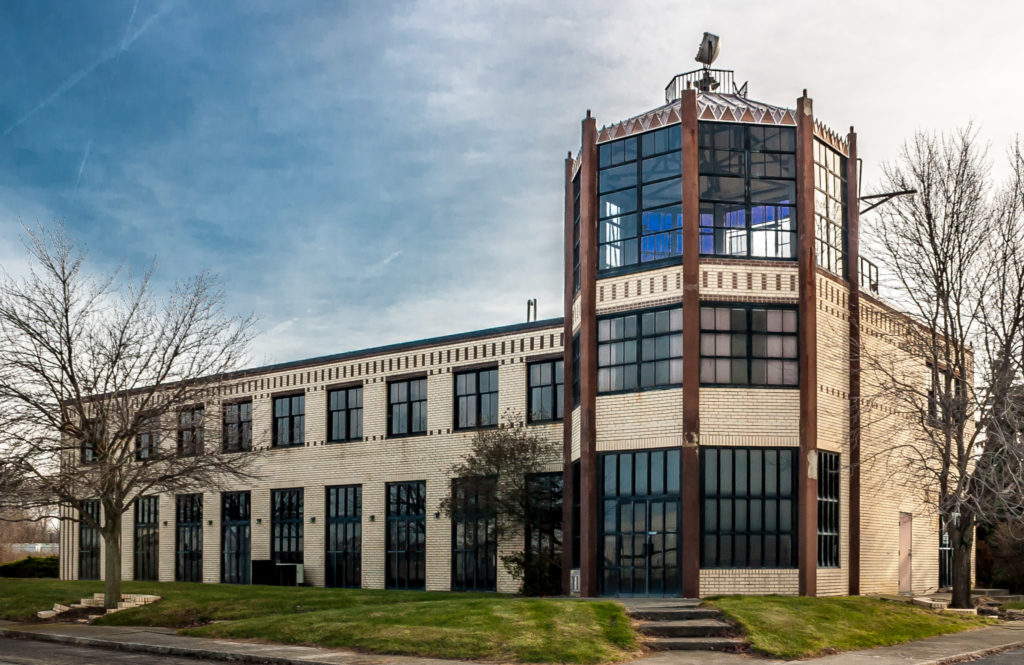
Original Port Columbus Terminal Tower Address: 4920 E. 5th Avenue Built: 1920 List Appearances: 2014, 2015, 2016 Status: Renovated and Saved
Original Port Columbus Terminal.
This terminal building predates Port Columbus by a full 9 years, and is a very rare example of early air architecture. In 2015, Heartland Bank planned to build its HQ inside, but after performing some of the work, abandoned the project due to renovation complications. This caused concern that the building would be unable to find a new buyer. Eventually, though, new owers scraped together some funding to turn it into an aviation museum.
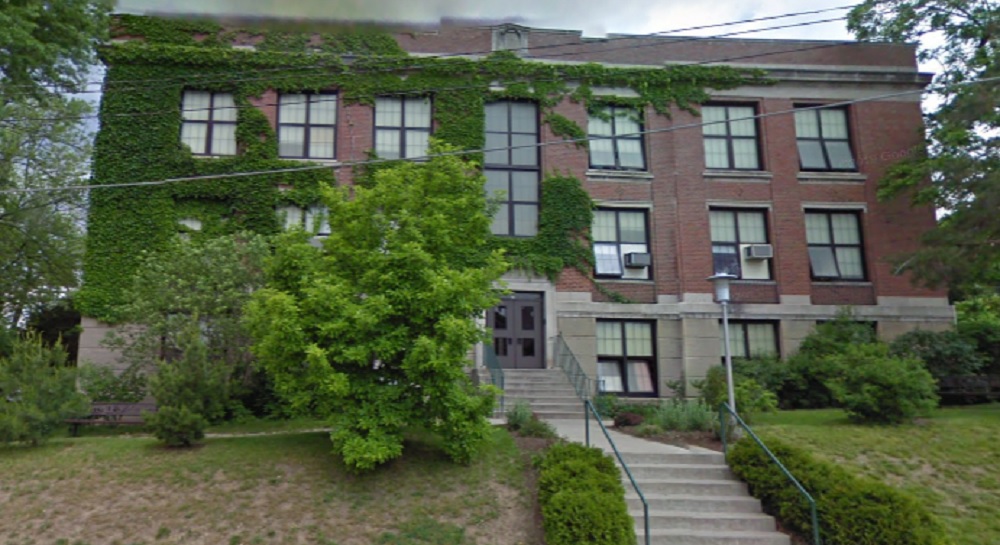
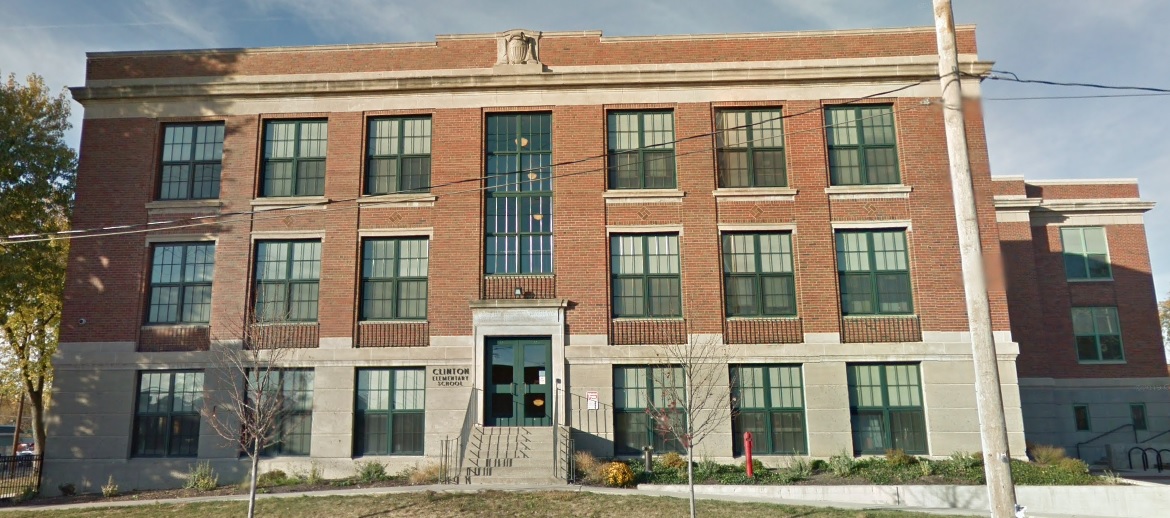
Clinton Avenue School Address: 10 Clinton Heights Avenue Built: 1895 List Appearances: 2014 Status: Renovated and Saved
The school building in 2009.
The school after renovation.
This old school sat in a prime location along North High Street, and after sitting disused for several years, there was concern that Columbus City Schools would demolish it or sell the site to developers. Luckily, that didn’t happen. In 2015, the district renovated and expanded the school into Clinton Elementary.
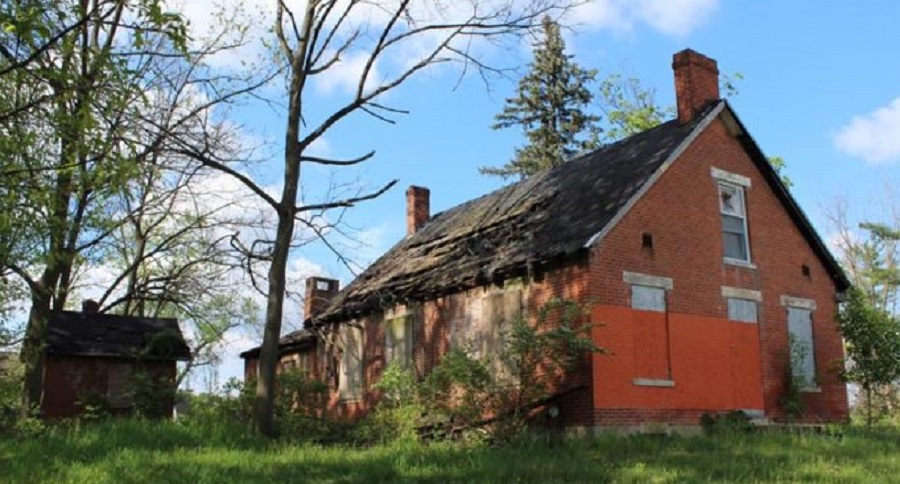
Elam Drake Farm Address: 2738 Ole Country Lane Built: Around 1850 List Appearances: 2014, 2015, 2016, 2017 Status: Existing, but Deteriorating Elam Drake was one of Columbus’ earliest masons and many of his buildings are still on the National Register of Historic Places. The farm is owned by the Columbus Regional Airport Authority. While it is unlikely to be demolished by the airport due to being on the opposite side of I-670, it is close enough to the highway (you can see it very easily on the right heading west) to be under constant threat of highway expansion. Because it is abandoned, the structure also continues to deteriorate and may just be demolished eventually due to poor condition.
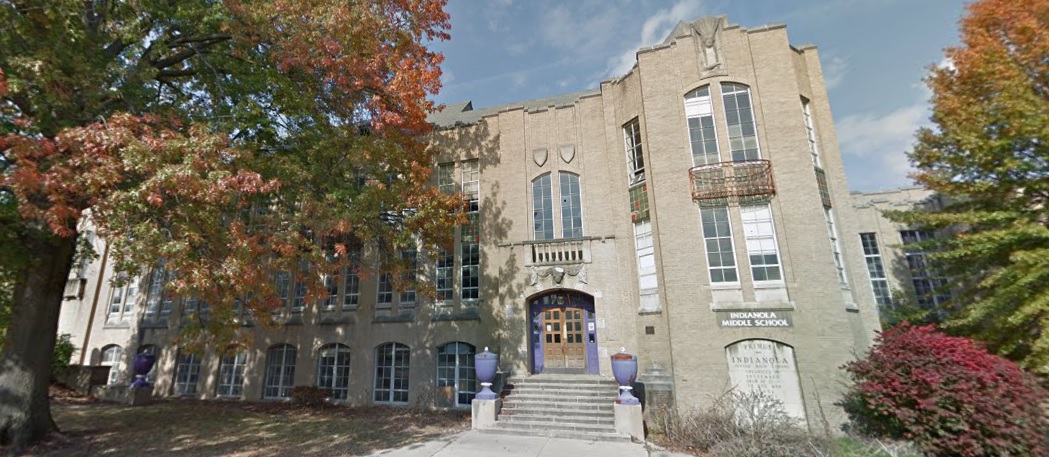
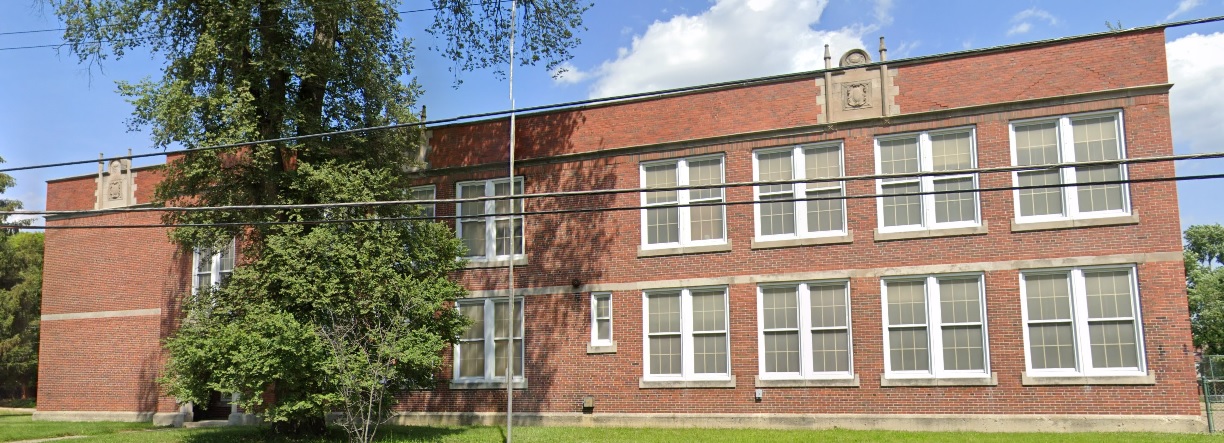
Indianola Junior High School Address: 420 E. 19th Avenue Built: 1929 List Appearances: 2014, 2015, 2016 Status: Existing, but Deteriorating
Indianola in 2015.
Indianola has the honor of being the very first middle school in the United States, and many districts eventually copied the model. The building was abandoned in 2010, and over the next several years, vandalism and neglect slowly damaged the building. Columbus City Schools tried to sell the building, but wasn’t successful until 2018, when Ohio State purchased it. As of the end of 2019, there have been no formal plans announced for the future of the building, and it continues to fall into disrepair. Since the university has never been big on saving old buildings, the future could be grim.
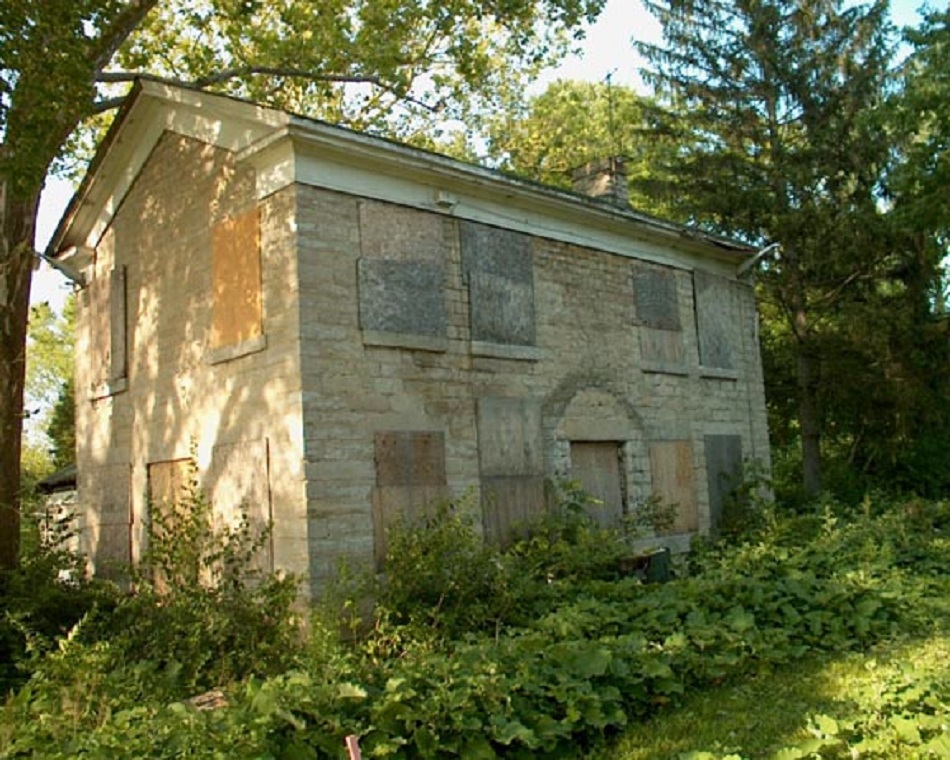
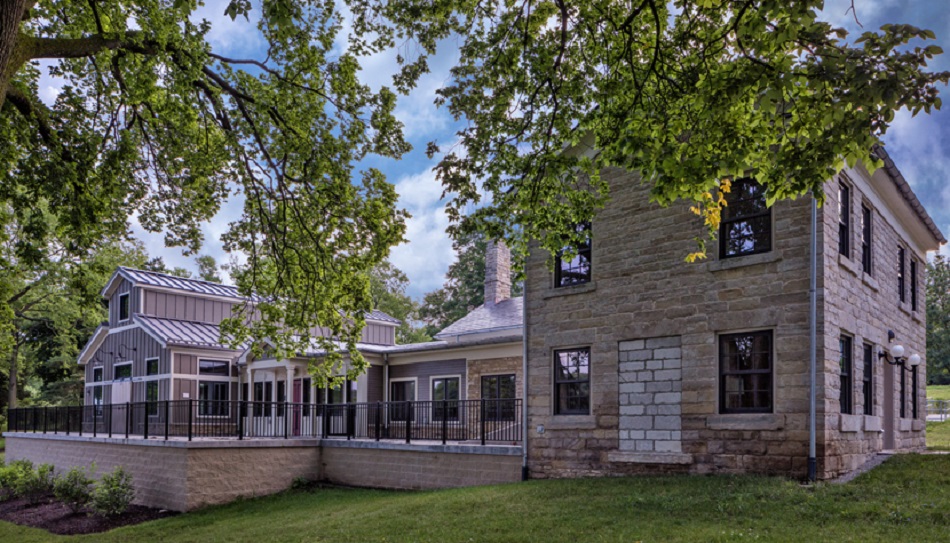
Griggs Reservoir Dam Tender House Address: 2933 Riverside Drive Built: 1816 List Appearances: 2014 Status: Renovated, Saved
The dam tender house in 2003.
After renovation.
Originally the home of the Richards family on land deeded by John Adams, it became the home of the dam tender for Griggs in 1908. The dam tender manually controlled valves to allow water through the dam. After automation eliminated that job, the home stood abandoned for many years. Eventually, though, the building was renovated in 2015 to be event space for Griggs Reservoir Park.
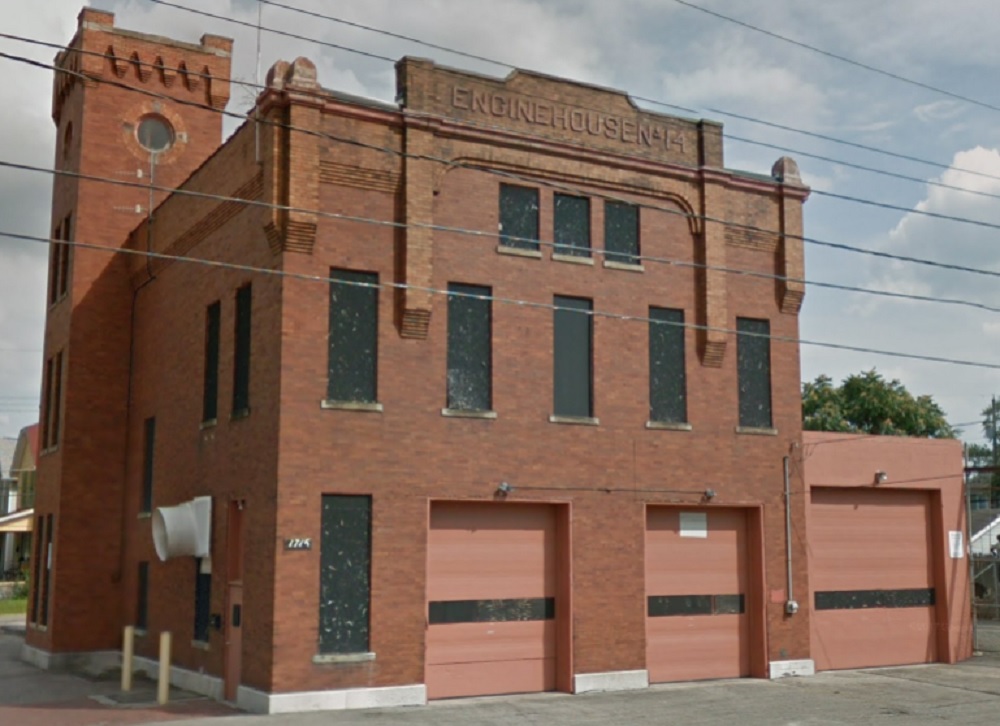
Engine House #14 Address: 1716 Parsons Avenue Built: Before 1900 List Appearances: 2014, 2015 Status: Existing, Stable
The firehouse in 2017.
Not much seems to be known about this building other than that it’s an interesting example of an old Columbus firehouse. The building has been empty for many years and has been for sale off and on recently. Currently, the building remains idle with no serious buyers lined up. As the area sees more revitalization, particularly along Parsons, the firehouse could come under threat by redevelopment pressures.
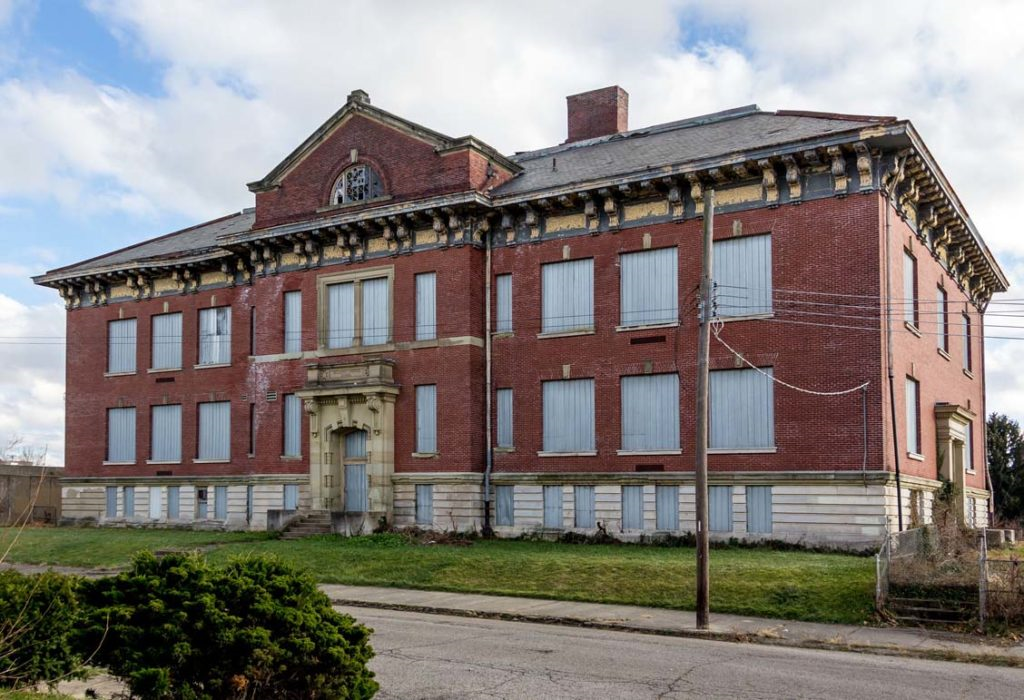
Bellows Avenue Elementary Address: 725 Bellows Avenue Built: 1905 List Appearances: 2014, 2015 Status: Existing, Stable This old elementary school operated until the 1970s and has been abandoned since. It narrowly escaped construction of 315, but a planned rework of the highway intersection threatens its eventual demolition. Despite that, a plan to renovate the school and build apartments or condos on the grounds popped up a few years back, but aside from some stabilization efforts to the school to prevent further building decline, nothing else has occurred.
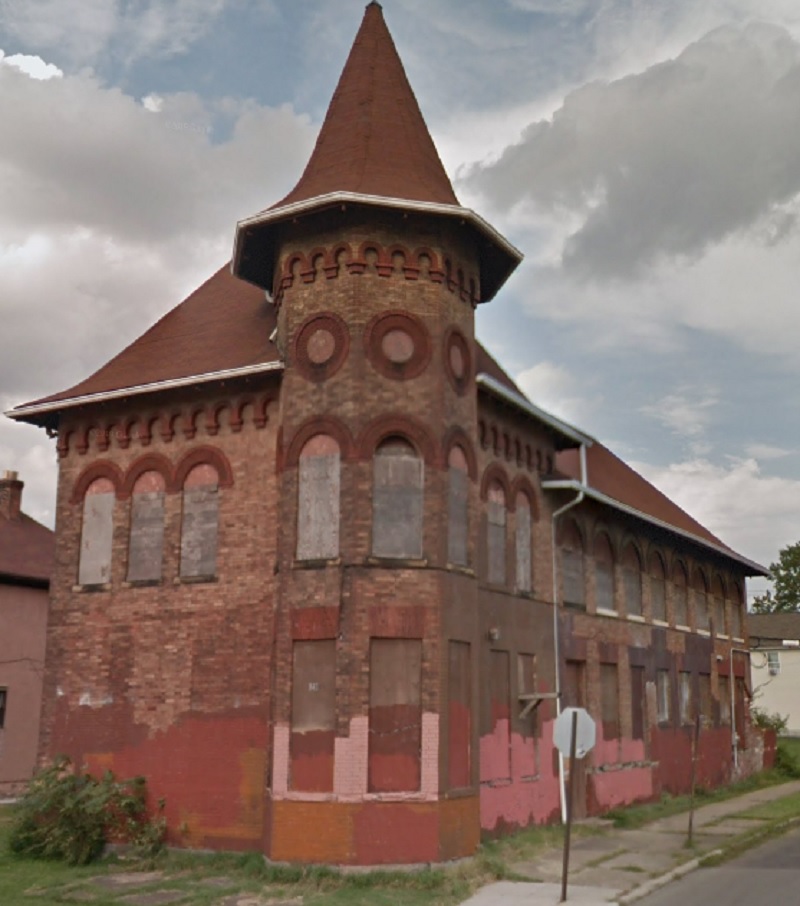
Columbus Railway Power and Light Company Building Address: 838 Cleveland Avenue Built: 1915 List Appearances: 2014, 2015, 2016 Status: Existing, but Deteriorating
The building in 2017.
This building was part of the Columbus Central Street Railway Car Depot and Power House once located at this intersection. It has been abandoned for a long time with no plans to do anything with the building.
Near East Trolley Barn Complex Address: 1600 Oak Street Built: 1880-1900 List Appearances: 2014 Status: Existing, Deteriorating but with Redevelopment Plans
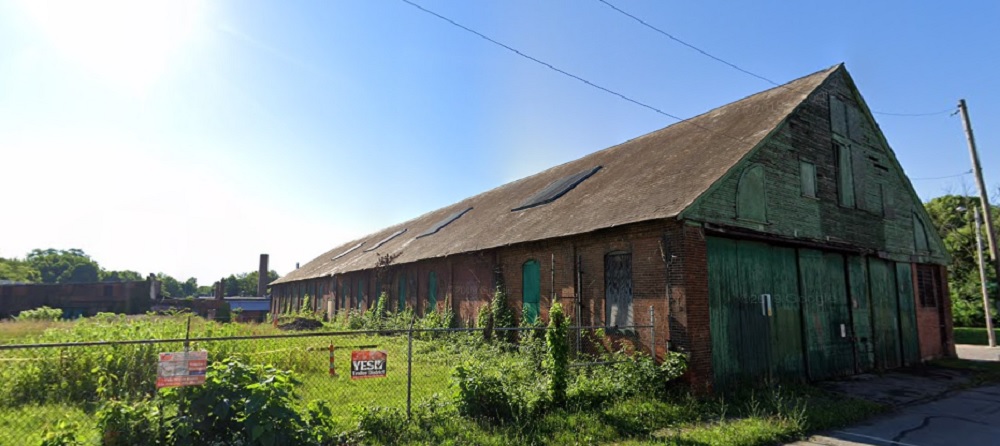
The main trolley barn and grounds in 2019.
This complex was used by trolley car lines for decades to store and repair trolley cars, but has been in disuse for more than half a century. The good news is that a long-awaited revitalization plan is now in the works to turn the complex into a mixed-use development complete with a market, retail space and apartments.
O’Shaughnessy Funeral Home Address: 405 E. Town Street Built: 1853 List Appearances: 2014 Status: Existing and Stable
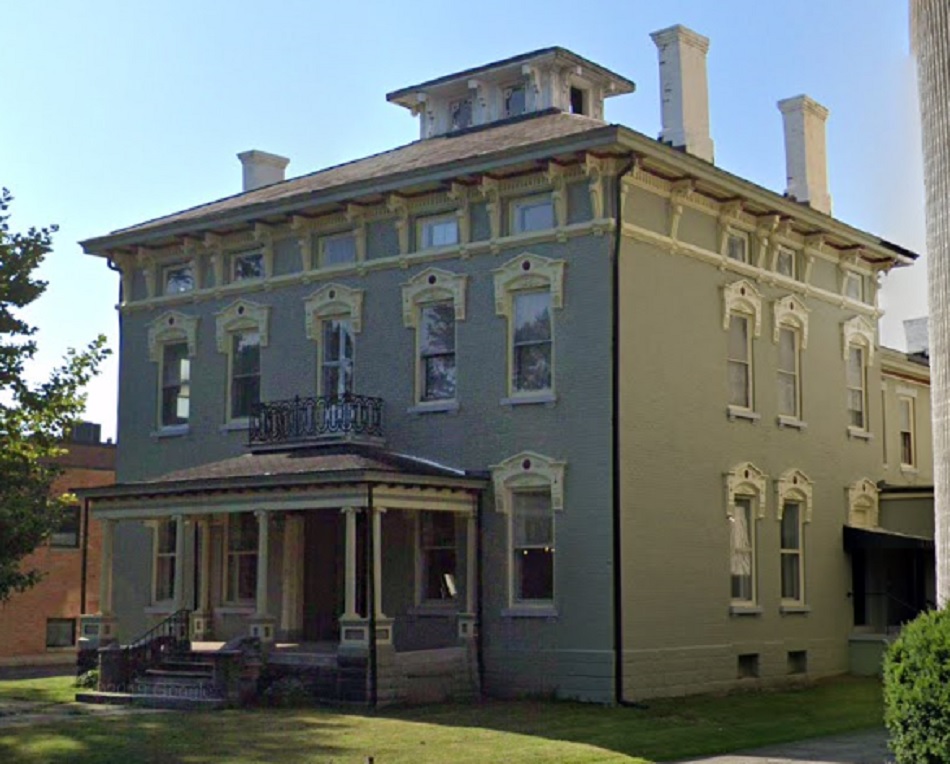
The home in 2019.
One of the oldest remaining homes Downtown, this building has been used as a funeral home, offices and other functions over the years, but has been abandoned for decades. The home apparently needs significant interior renovations, so it remains a tough sell.
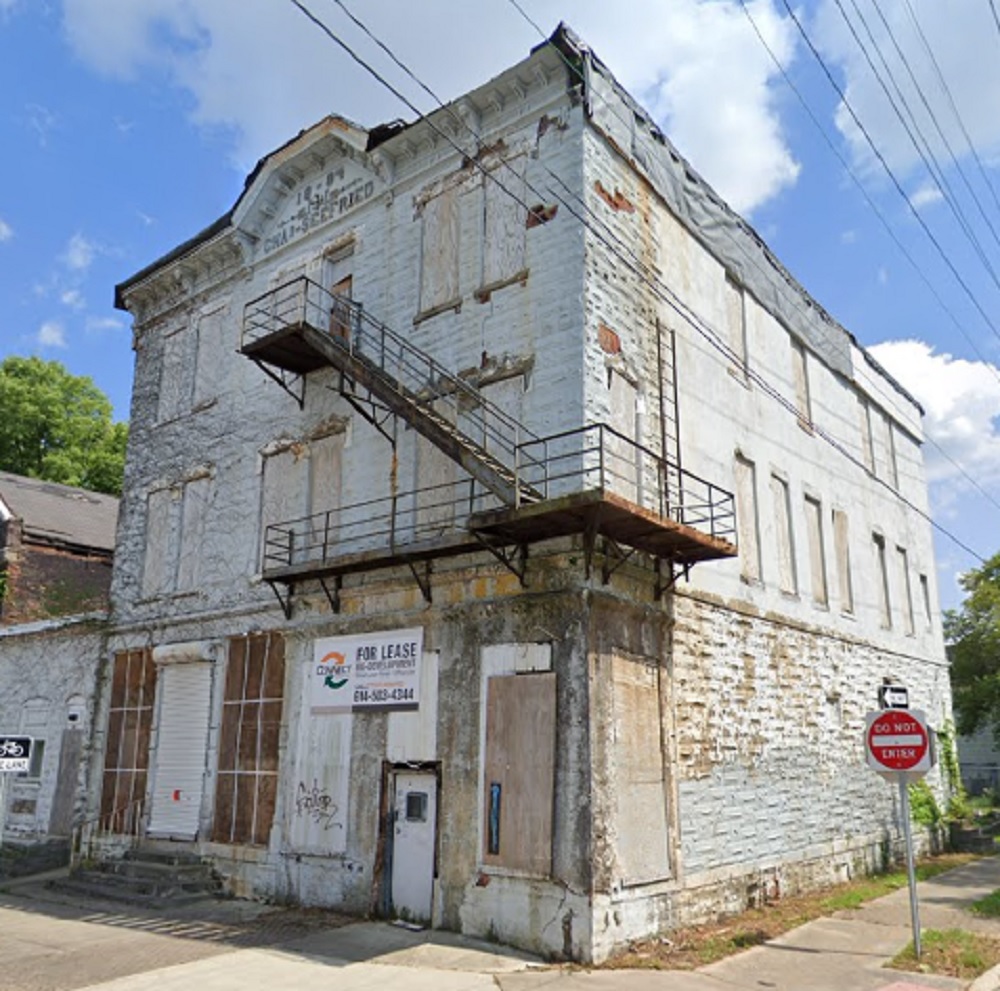
Kessler’s Corner Grocery Address: 553-555 W. Town Street Built: 1884 List Appearances: 2015 Status: Existing, but Deteriorating
Kessler’s in 2019.
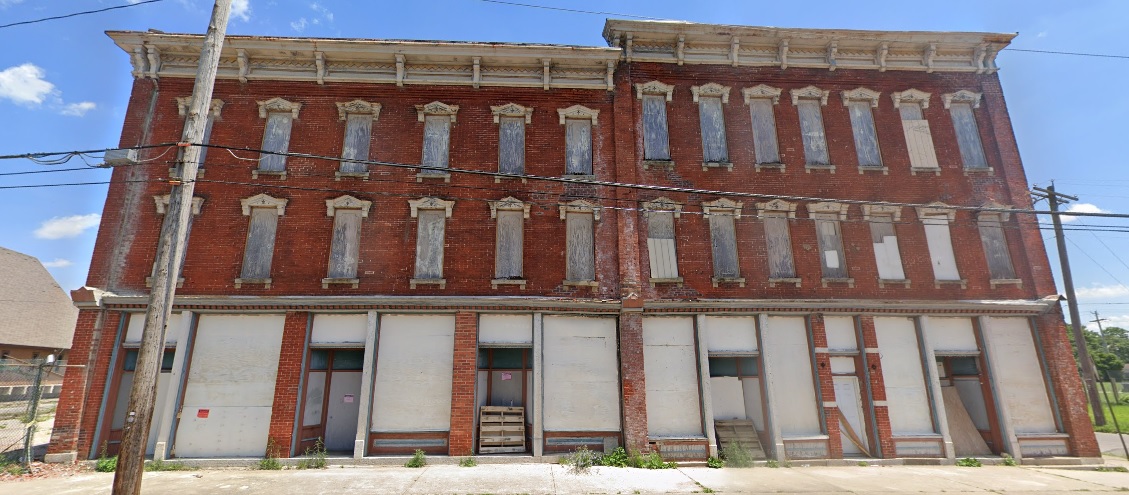
One of just 4 masonry buildings that survived the Great Flood of 1913 in this part of Franklinton, the building has been abandoned for a few decades at least. East Franklinton, in which this building sits, is fast becoming one of the hottest neighborhoods in the city, with a large number of new construction projects coming up. This could serve to save the building through renovation, or put pressure towards its eventual demolition. Without stabilization efforts, renovation may come too late, anyway.
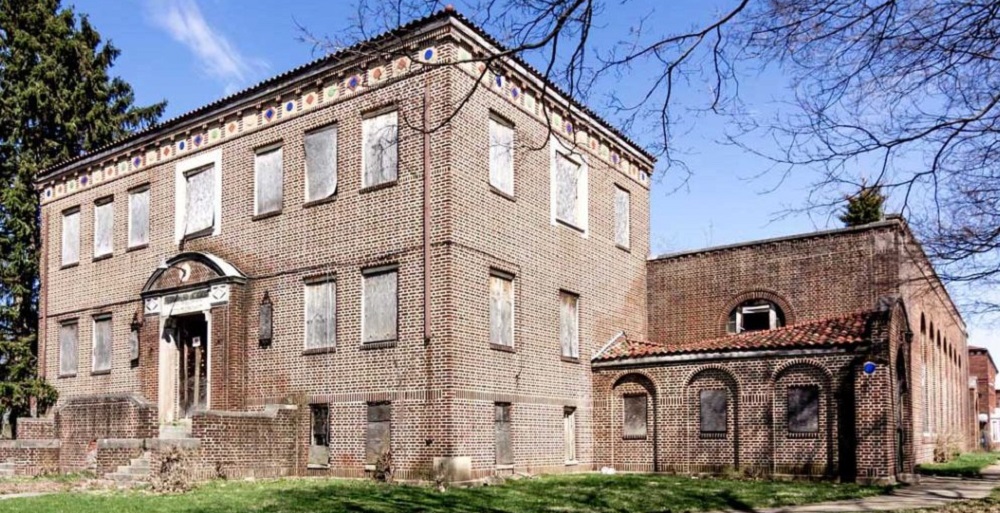
Holy Rosary Roman Catholic High School Address: 498 Berkeley Road Built: 1928 List Appearances: 2015, 2016, 2017, 2018 Status: Existing, but Deteriorating The school was used through the 1960s as part of the Holy Rosary Church complex. There are no current plans for the building.
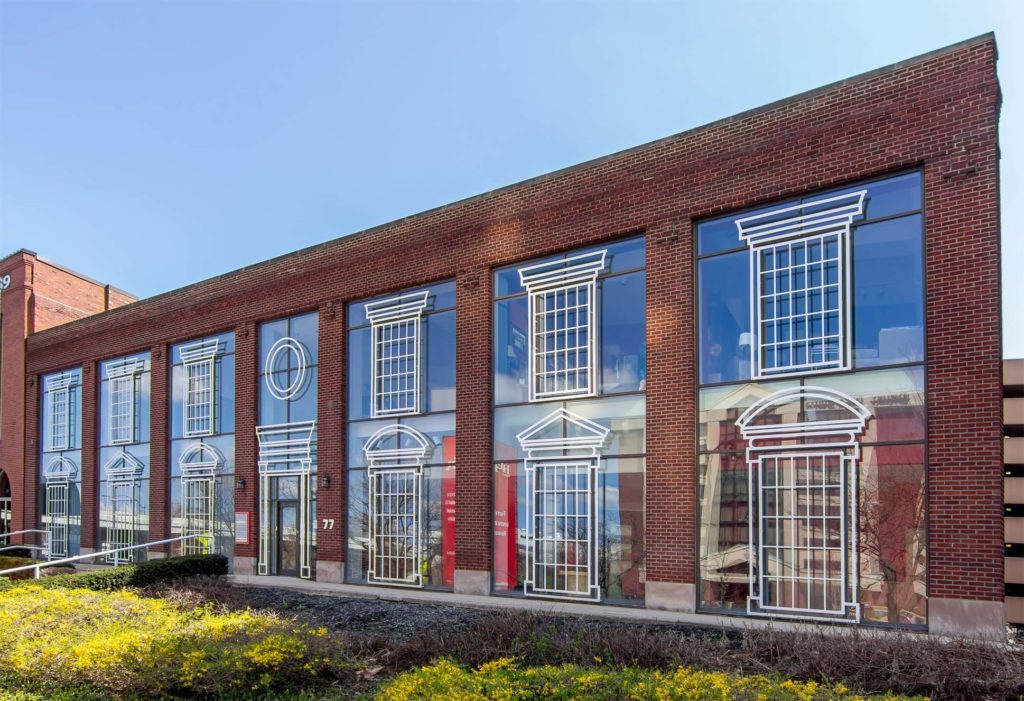
Trott & Bean Architects, Inc. Building Address: 77 E. Nationwide Boulevard Built: 1910 List Appearances: 2015 Status: Demolished This former plating and silvering plant was later renovated by Trott & Bean as offices. It was demolished to build the Canopy Inn Hotel in 2017. The hotel built a similar looking facade to the original building on lower floors, but no part of the building was used.
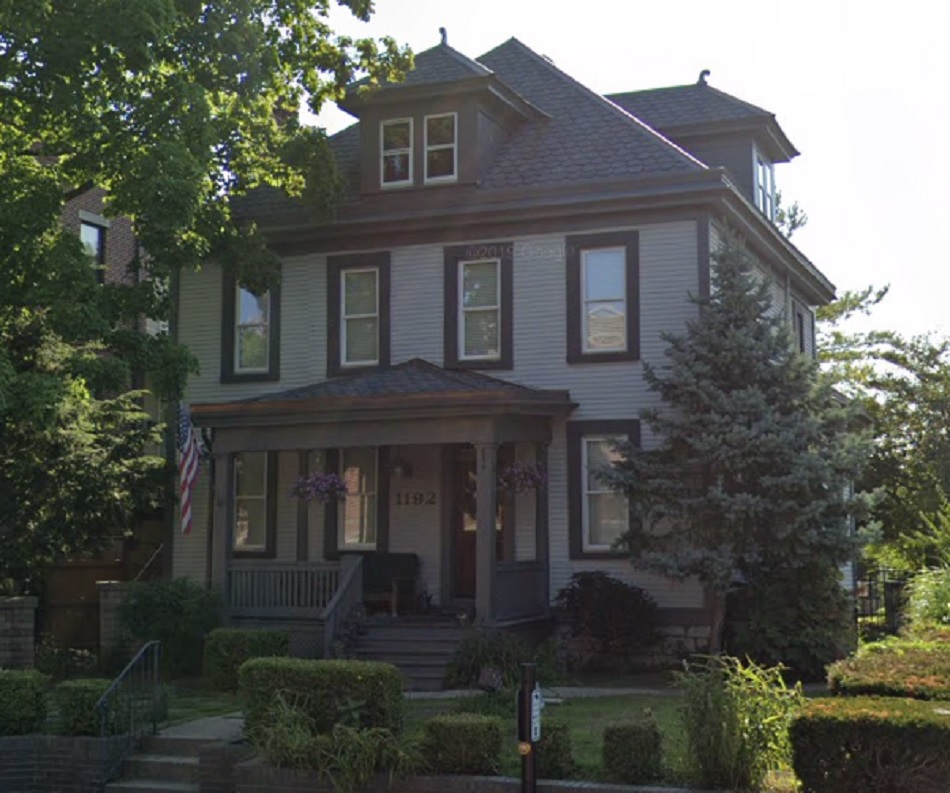
One of the original homes in the Grandview Heights area, the Salzgaber family sold produce at North Market for many years. It came under threat in 2014 and early 2015 from a condo proposal. That proposal was later rejected and a new buyer preserved the house.
East Pilgrim Elementary School Address: 440 Taylor Avenue Built: 1921 List Appearances: 2015, Status: Existing and Stable
East Pilgrim Elementary in 2019.
Built as an overflow for the growing East Side student population, this school was abandoned in 2004. Columbus City Schools sold the build to Partners Achieving Community Transformation, or PACT, around 2010. PACT had originally proposed to renovate the building for adult educational purposes, but later determined that renovation would cost more than tearing it down. However, community leaders were divided on the demolition plan, with many being opposed. So far, it seems no firm redevelopment plans have appeared, and the building continues to sit empty.
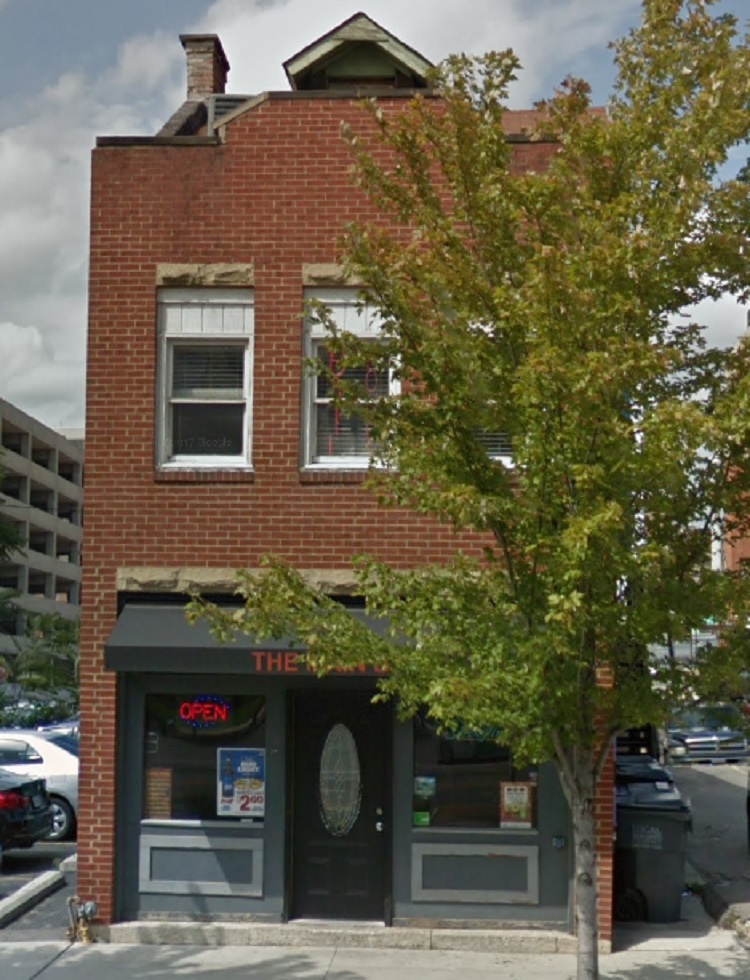
The Main Bar Address: 16 W. Main Street Built: 1880s List Appearances: 2015 Status: Existing and Stable
The Main Bar building in 2016.
One of only 2 remaining 19th Century buildings on Main Street between 3rd Street and Front Street Downtown, this building has been used as a saloon, offices, bar and residences over the years. The RiverSouth area has been steadily redeveloped in recent years, and though no specific project is planned for the site yet, it’s only a matter of time.
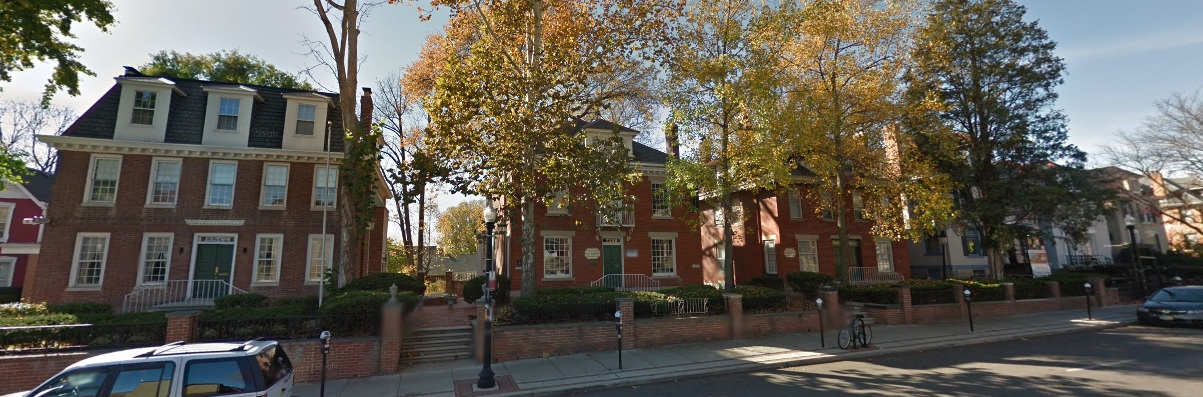
Pavey Block Address: Between West Northwood and and West Oakland Avenues along North High Street Built: Between 1900-1905 List Appearances: 2016 Status: Renovated and (Mostly) Saved
The Pavey Block in 2015.
The Pavey Block is named after Charles Pavey, a horse breeder, who built his home here at 2259 N. High Street. The block was one of the last intact original residential blocks on High Street south of Clintonville. In late 2015, a developer proposed a mixed-use development on the whole block called Pavey Square, which would have required the demolition of all 6 High Street homes, along with 2 additional homes on Oakland and Northwood and an old commercial building. After local residents and area commission members rejected the demolition, the developer eventually modified the project to incorporate all 6 main homes in their entirety to preserve the High Street streetscape.
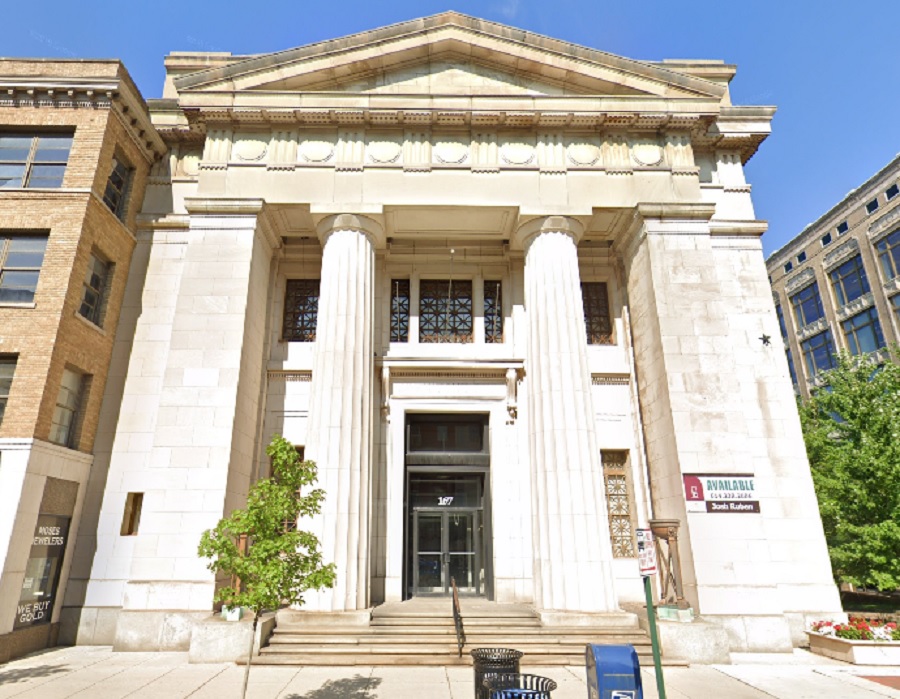
Ohio National Bank Address: 167-169 S. High Street Built: Early 1900s List Appearances: 2016 Status: Existing and Stable
The bank building in 2019.
This bank building has been abandoned since the 1990s. Though no plans have emerged for it, the surrounding part of Downtown has been booming with new development, which could eventually threaten the property.
Macon Hotel Building Address: 366 N. 20th Street Built: 1888 List Appearances: 2016, 2018 Status: Existing, but Deteriorating
The Macon in 2019.
Built as a hotel, the site was a popular hotel for jazz musicians visiting the city before WWII, and the building later became a club and lounge. In 2017, there was a proposal to renovate the building into residential units, but so far, nothing has come of that proposal beyond some gut work on lower floors.
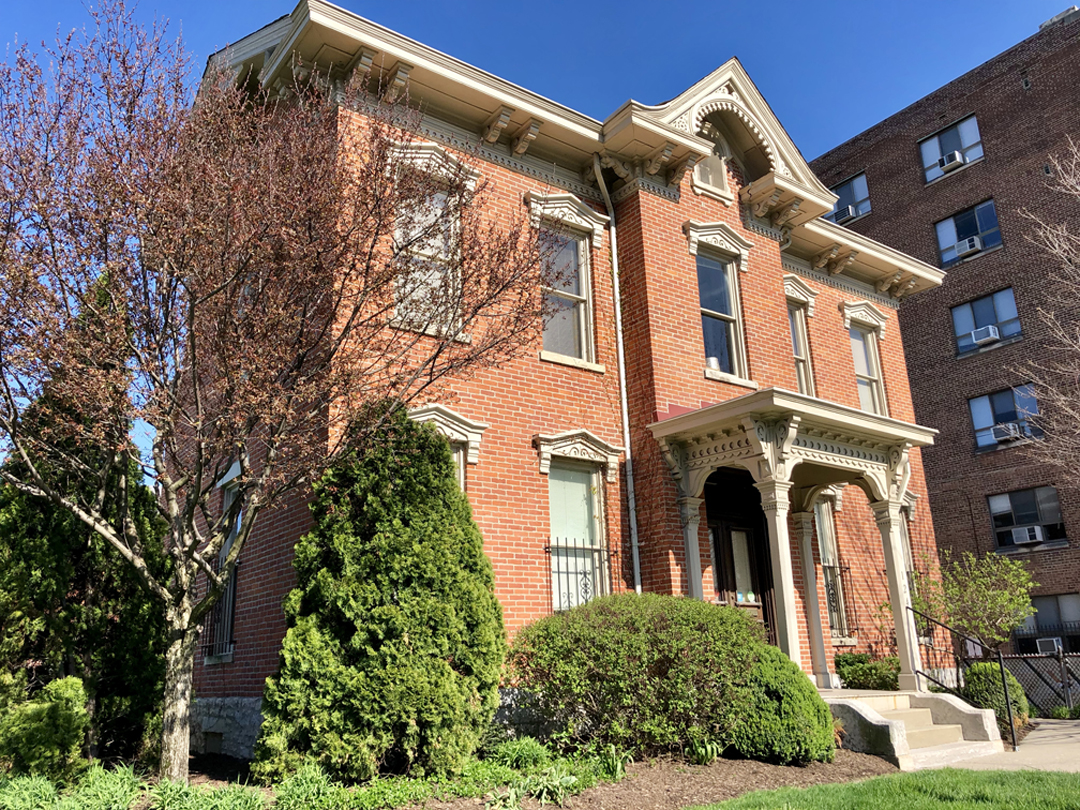
124 South Washington House Address: 124 S. Washington Street Built: 1869 List Appearances: 2016 Status: Existing and Stable This old home, one of the few remaining Downtown on Washington Street, is threatened by plans by Motorists Mutual to develop the site and nearby areas with mixed-use projects around Topiary Park. Planning maps have shown the house being demolished in the future.
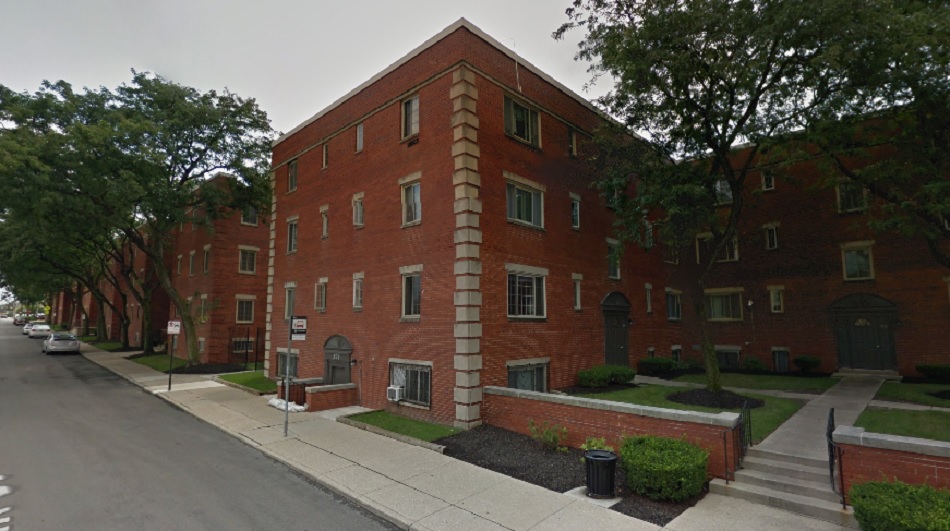
Grant-Oak Apartments Address: Intersection of Oak and Grant Built: 1942 List Appearances: 2016 Status: Partially Saved, Partially Demolished
The apartments in 2016.
These WWII-era apartments were some of the last historic apartment blocks Downtown. Columbus Metropolitan Library bought the apartments in 1992, and in 2017 in partnership with Pizzuti, proposed demolishing all 7 of the buildings to construct a new, mixed-use development on the site. In 2019, after some pushback by community leaders, it was decided that 4 of the 7 buildings would be saved and renovated, while 3 of the remaining would be demolished for the mixed-use project. Those 3 were demolished over the summer of 2019.
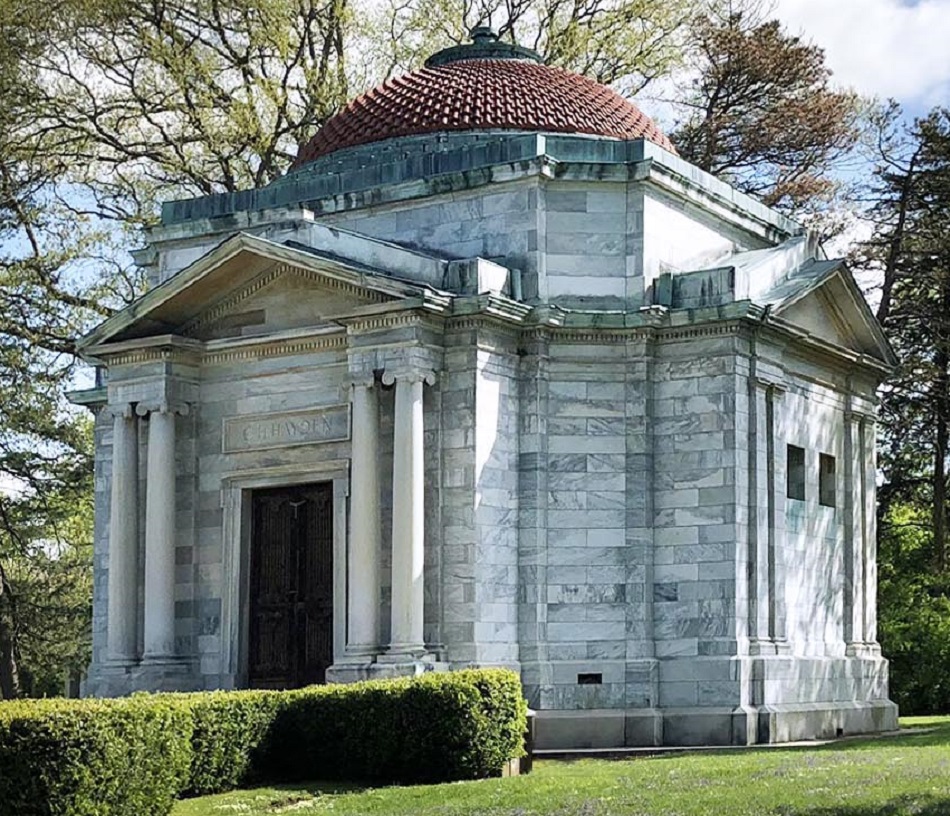
Hayden Mausoleum Address: 1000 Green Lawn Cemetery Built: 1920 List Appearances: 2019 Status: Existing, but Deteriorating A recent entrant on these lists, Hayden Mausoleum was design by Frank Packard as the largest single-family mausoleum in Central Ohio. It is threatened due to the poor condition of its roof and increasing water damage, that without renovation, could cause it to collapse.
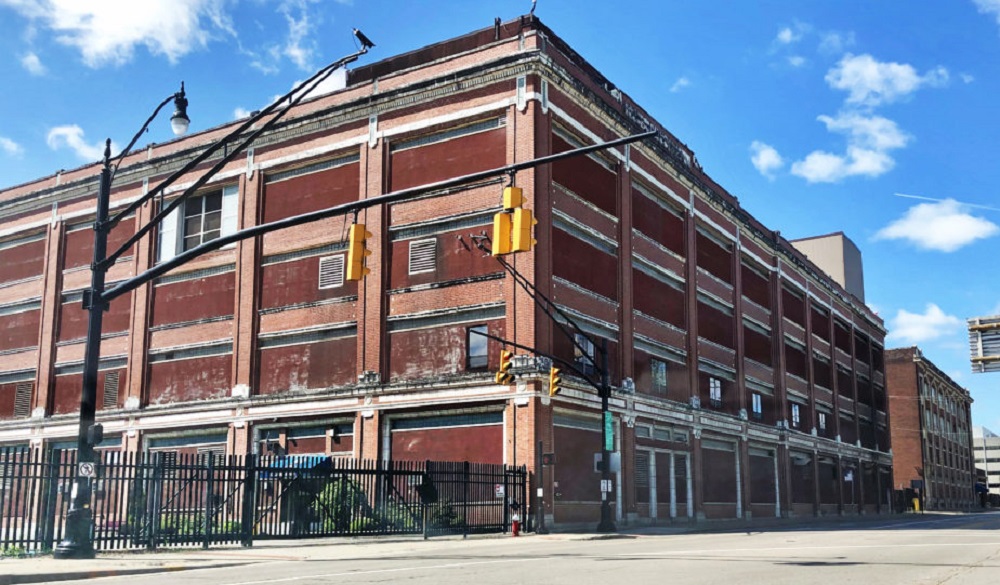
Kroger Bakery Building Address: 457 Cleveland Avenue Built: 1914 List Appearances: 2019 Status: Existing and Stable Another recent entry on to the endangered, this original Ford Motor Company assembly plant was long used as part of the Kroger Bakery. Kroger closed the factory earlier in 2019 and the building is now for sale. Given that the whole area is steadily improving, the site could either be bought and renovated into other uses, or demolished altogether for new development.
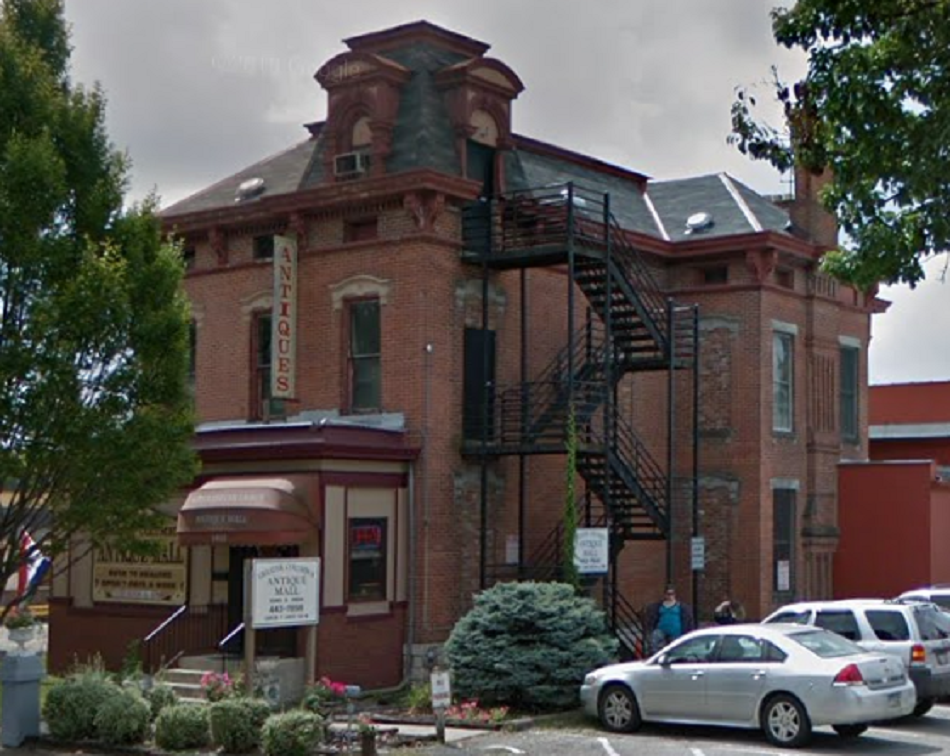
Greater Columbus Antiques Mall Address: 1049 S. High Street Year Built: 1889 List Appearances: 2018 Status: Existing and Saved The George Stanton house came under threat early in 2018 when Schiff Properties wanted to tear it down and put in a fast food outlet. The longtime owner and antiques seller wanted out of the business, and the home existed outside of historic area protections. Fortunately, there was enough public backlash to cause Schiff to pull the proposal. As to what might happen to this property remains to be seen. Some proposals have called for it to be moved to a new location, so it still could end up threatened again.
Overall, the vast majority of these buildings have fared well. While plenty are in dire condition and need desperate renovations to save them, that opportunity remains for most. Still many others did, indeed, receive the attention they needed and were saved from the wrecking ball. Of course, Columbus Landmarks Foundation only highlights perhaps a dozen or so buildings each year, and there are dozens more that never make the list at all and end up lost. It’s an important reminder that the best way to save these historic structures is by drawing as much attention to them as possible.