Do you enjoy a good scare combined with learning about local history? This Columbus Ghost Tours link may be for you. Now that Halloween is just around the corner, it’s as good a time as any to go on a guided tour through some of Columbus’ best haunts and hear creepy stories about people and events from days gone by.
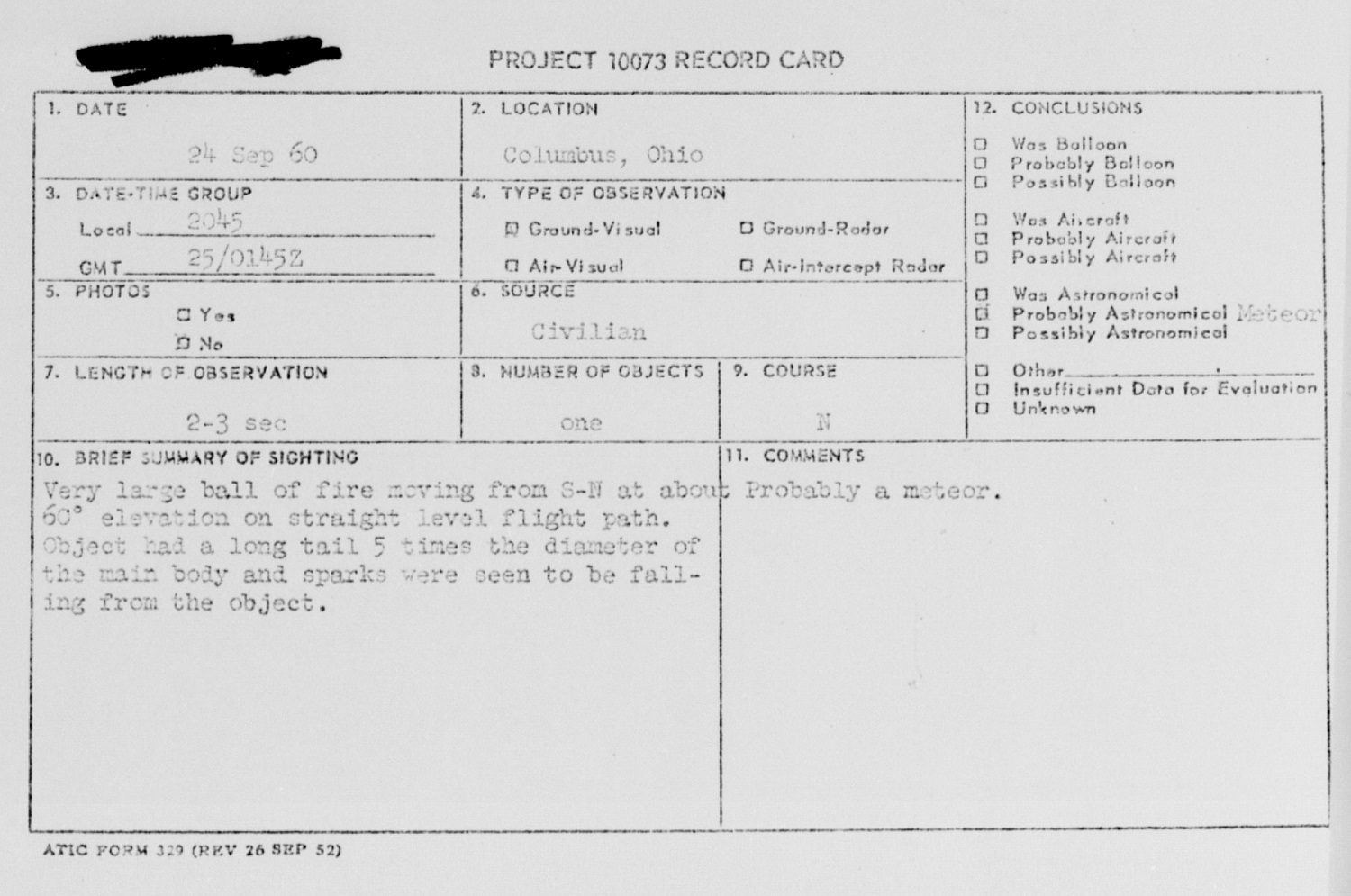
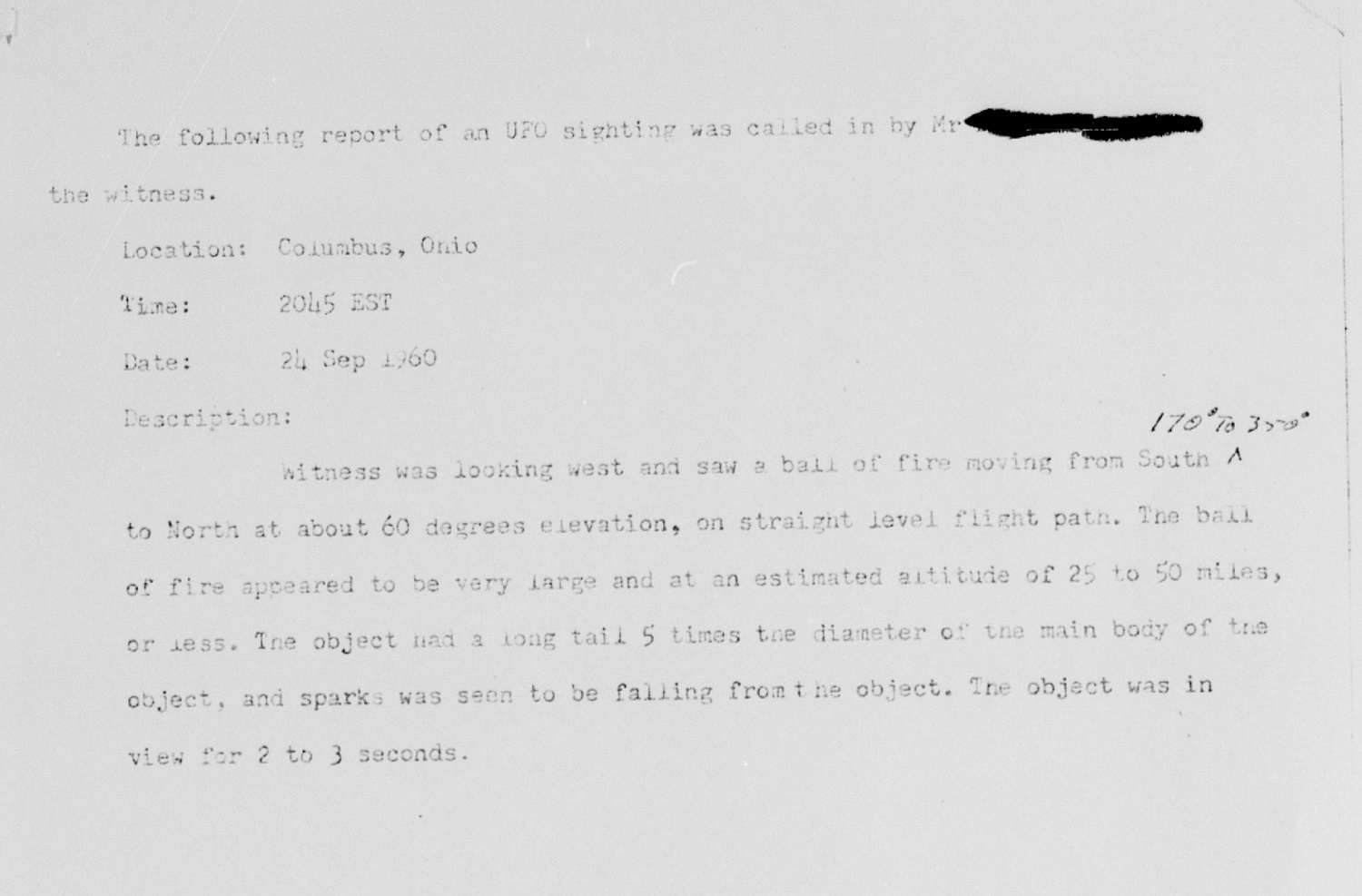
In this episode of Strange Columbus Things, we have the September 24, 1960 UFO case that involved a reported fireball. Investigators concluded that was a probable meteor.
To view more incidents around the world, visit this link. UFO Database
Part 2 is now available for more great before and after comparisons.
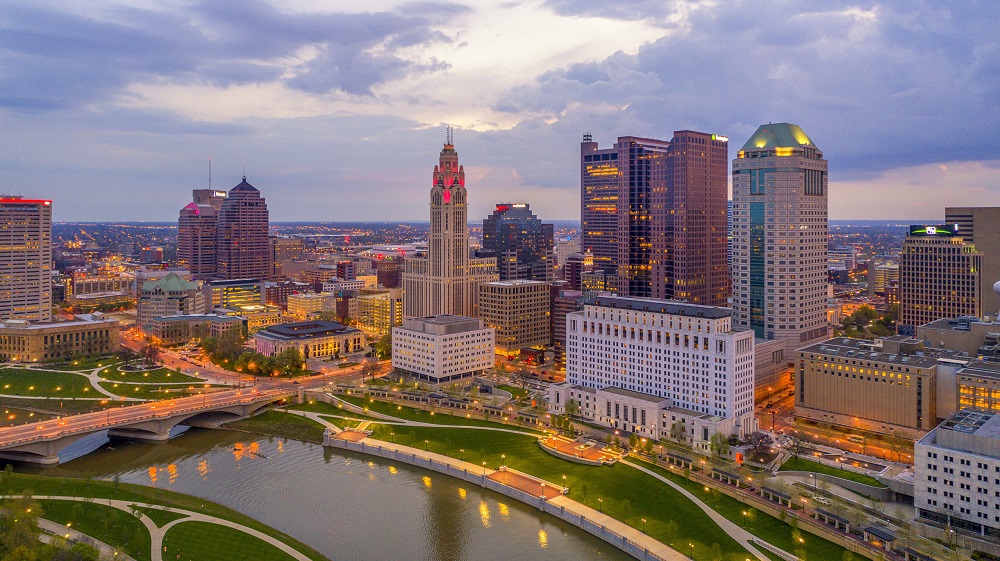
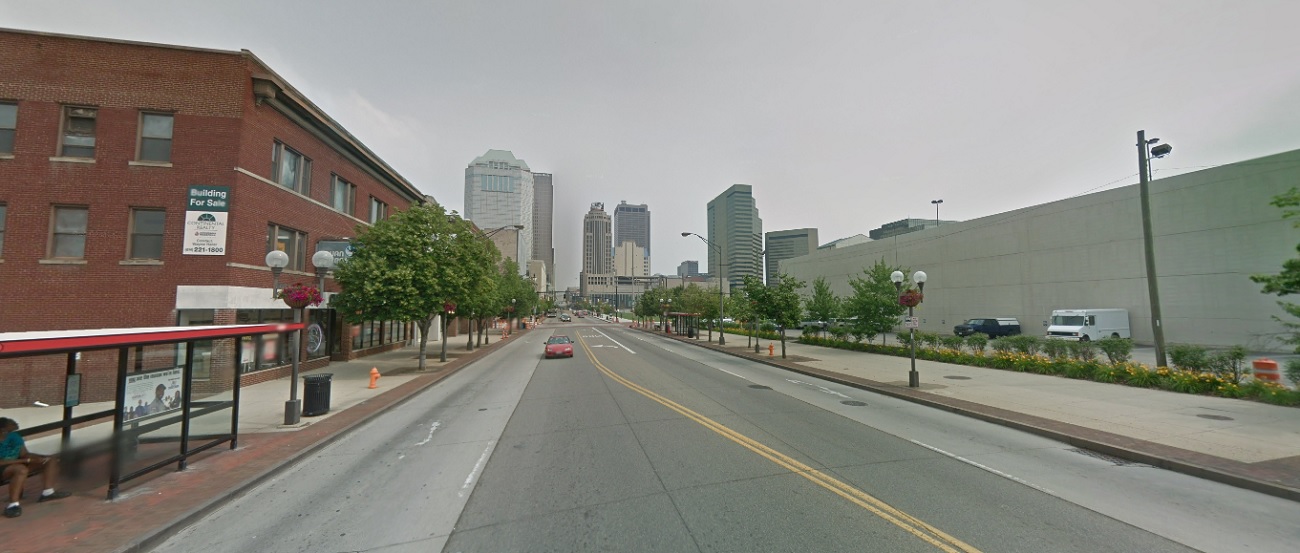
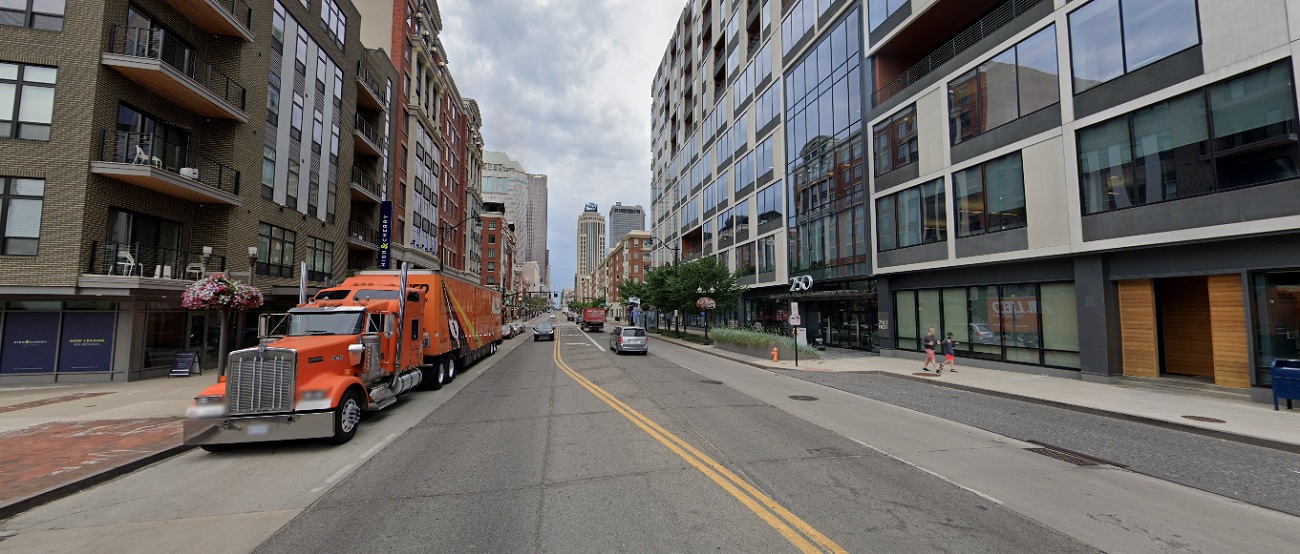
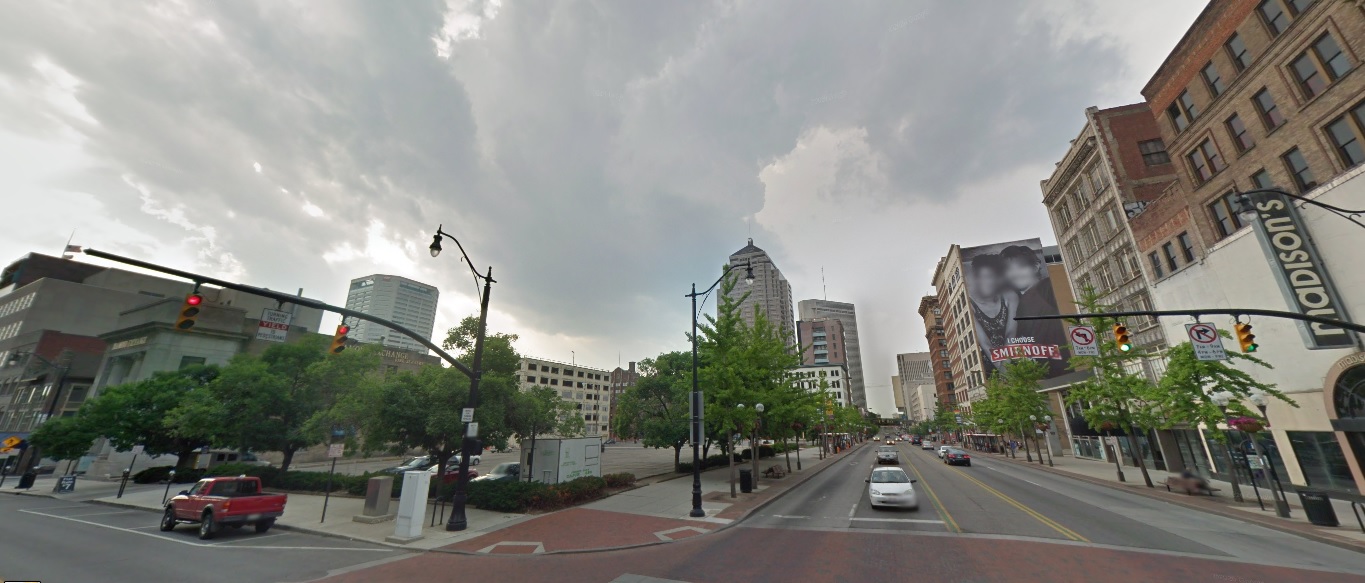
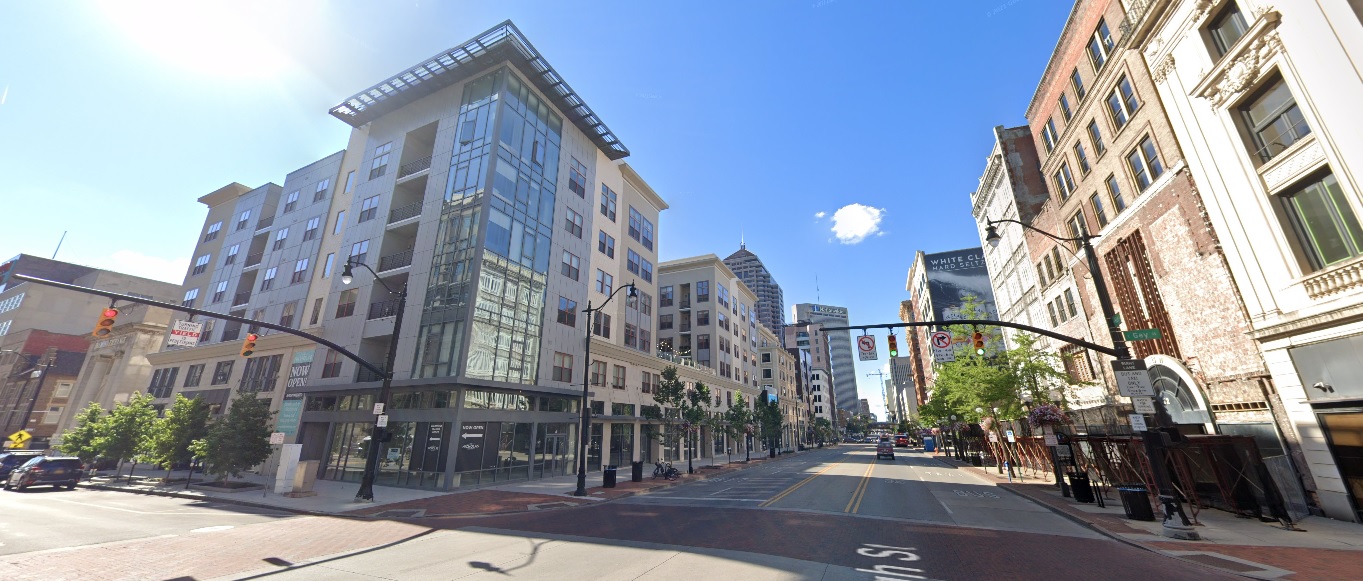
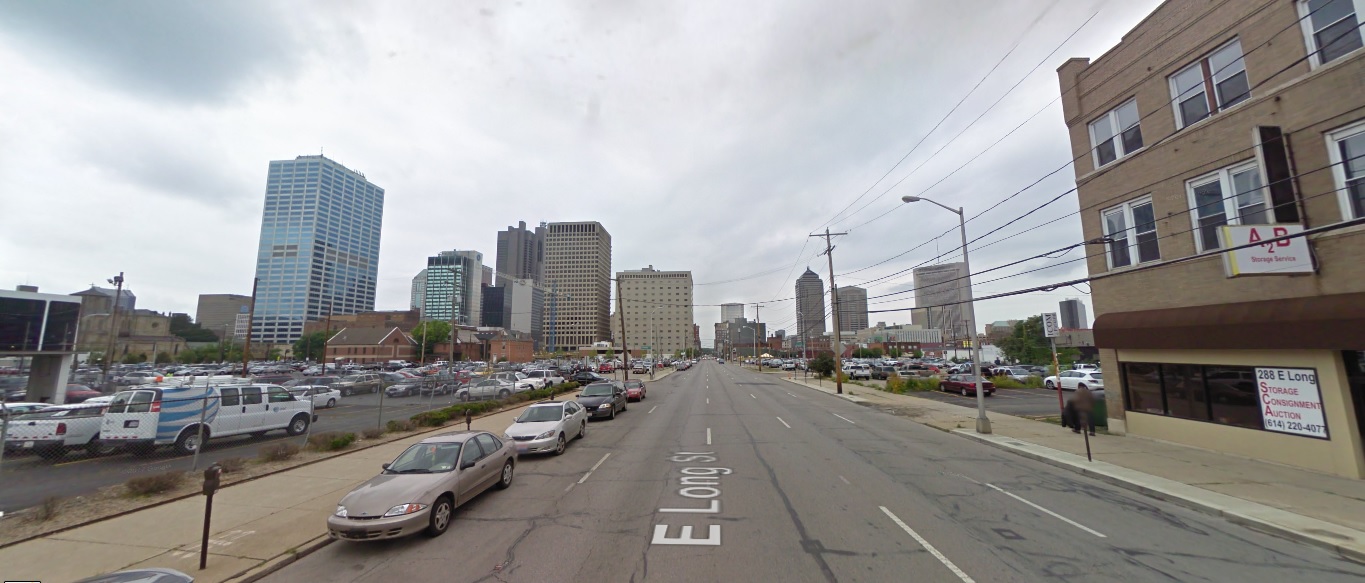
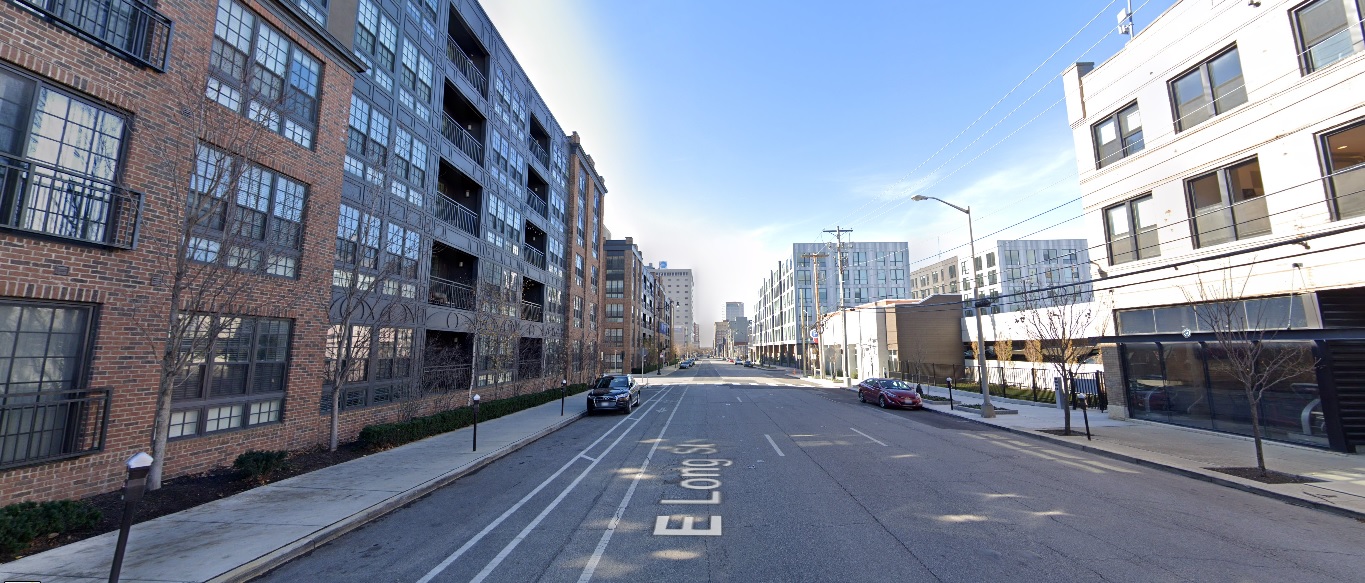
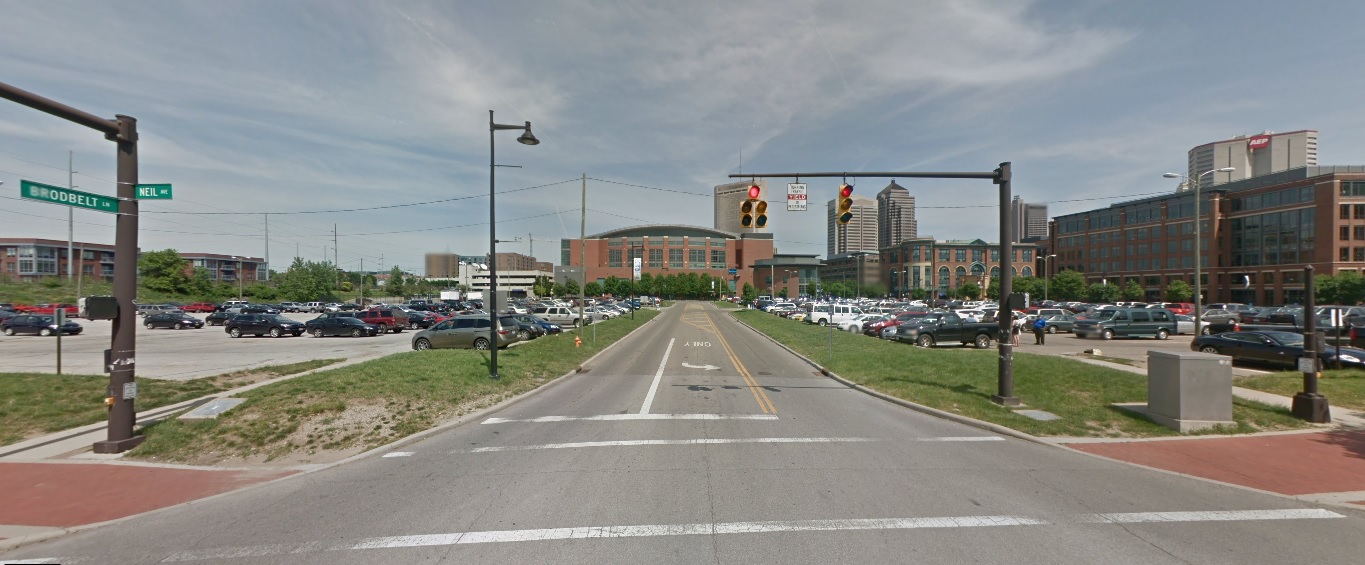
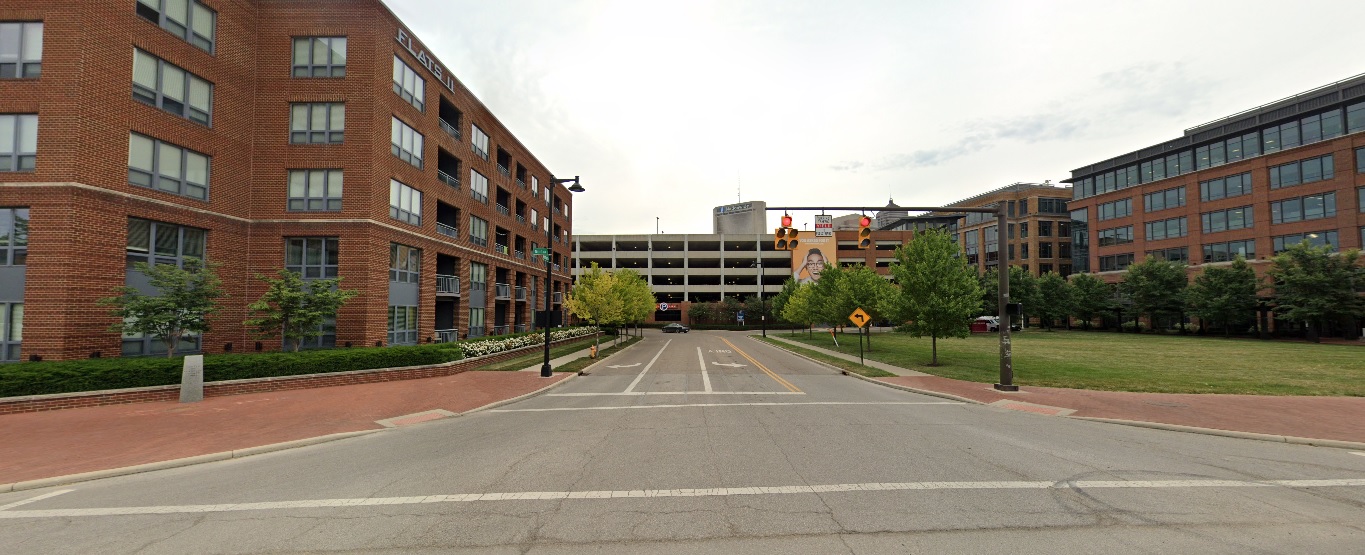
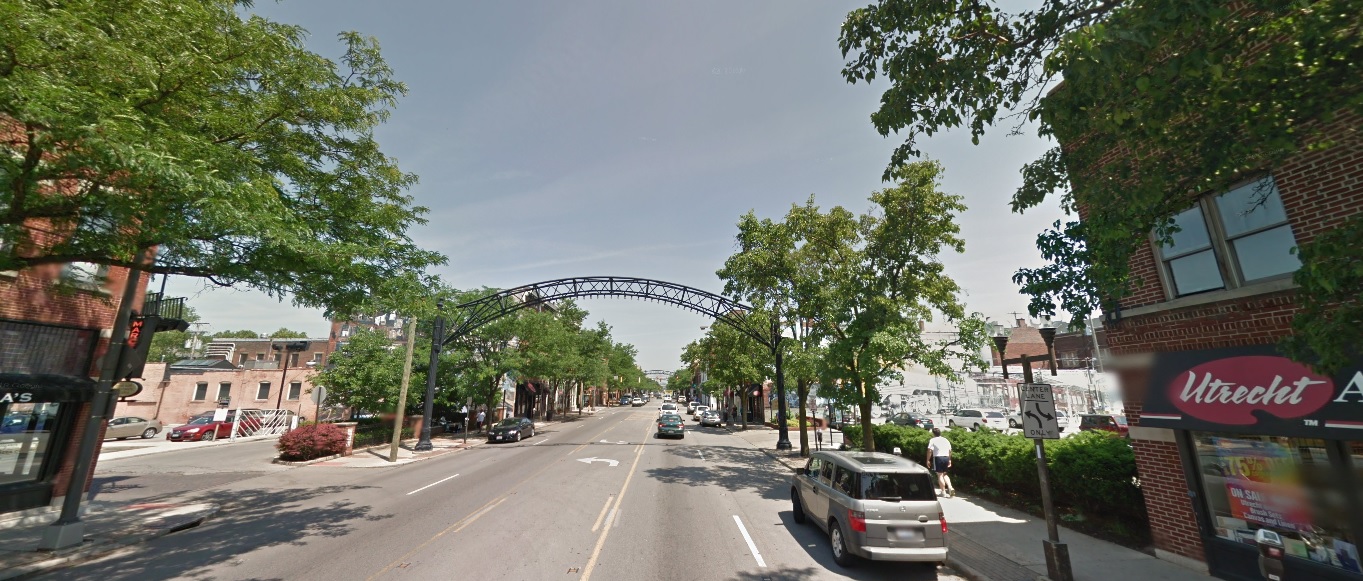
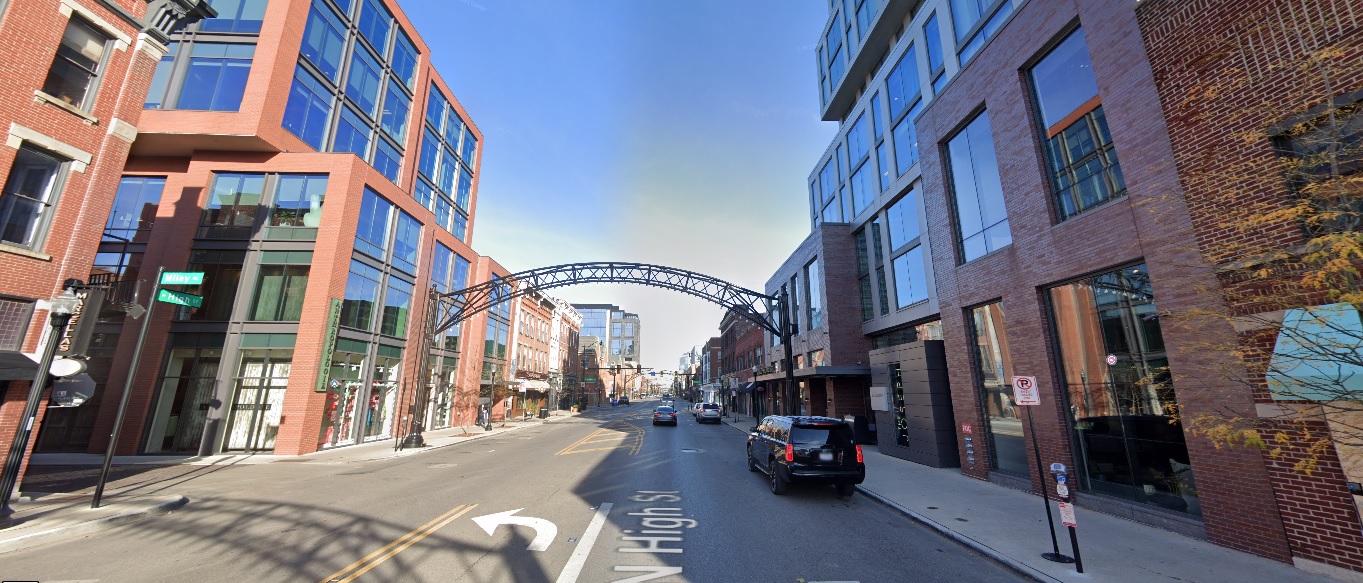
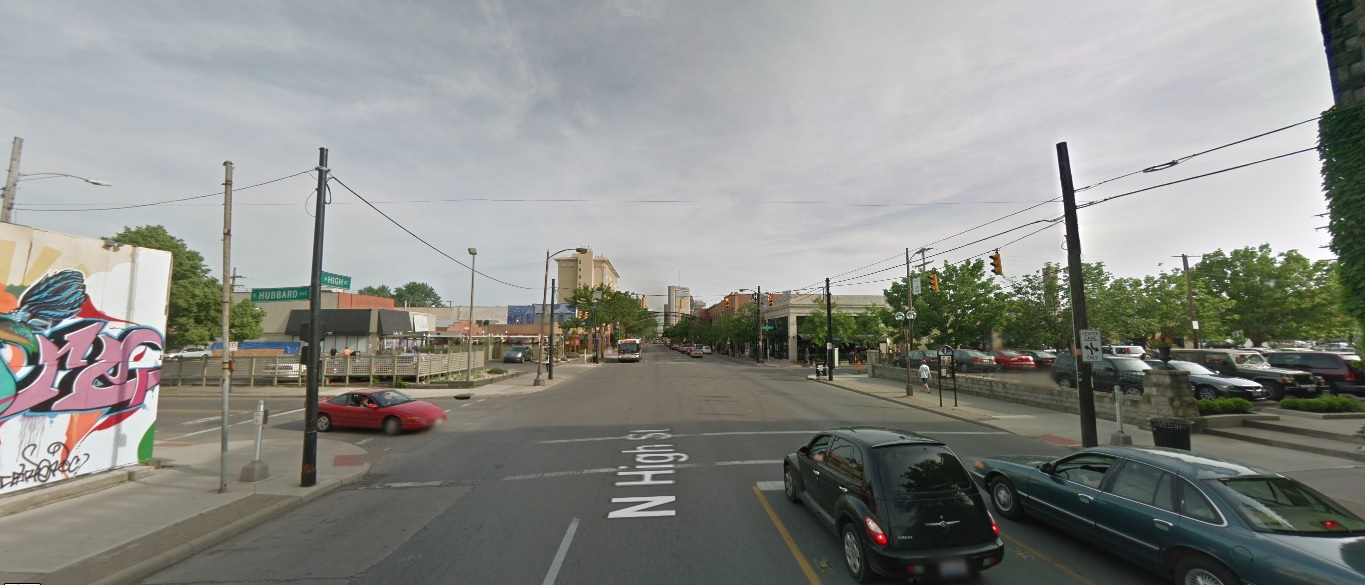
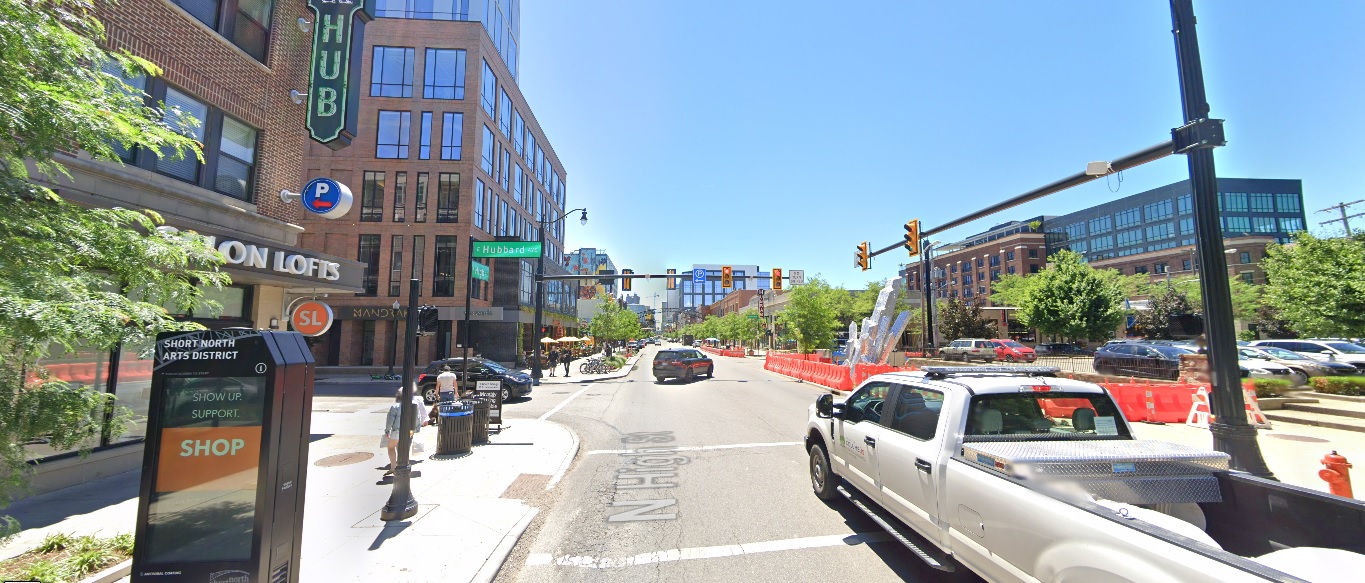
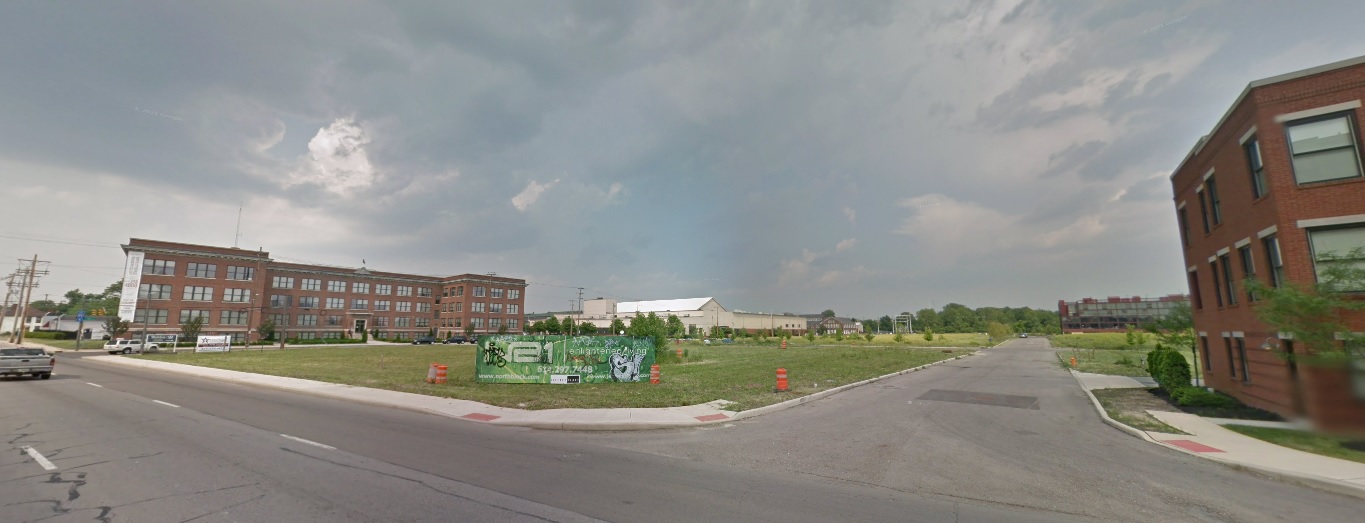
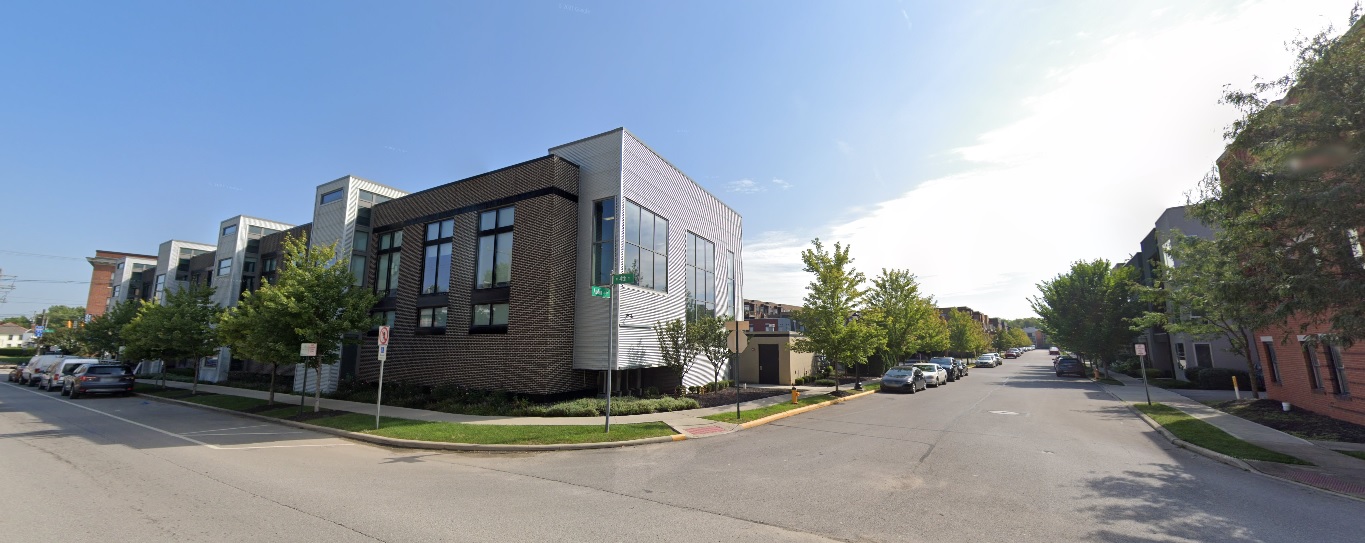
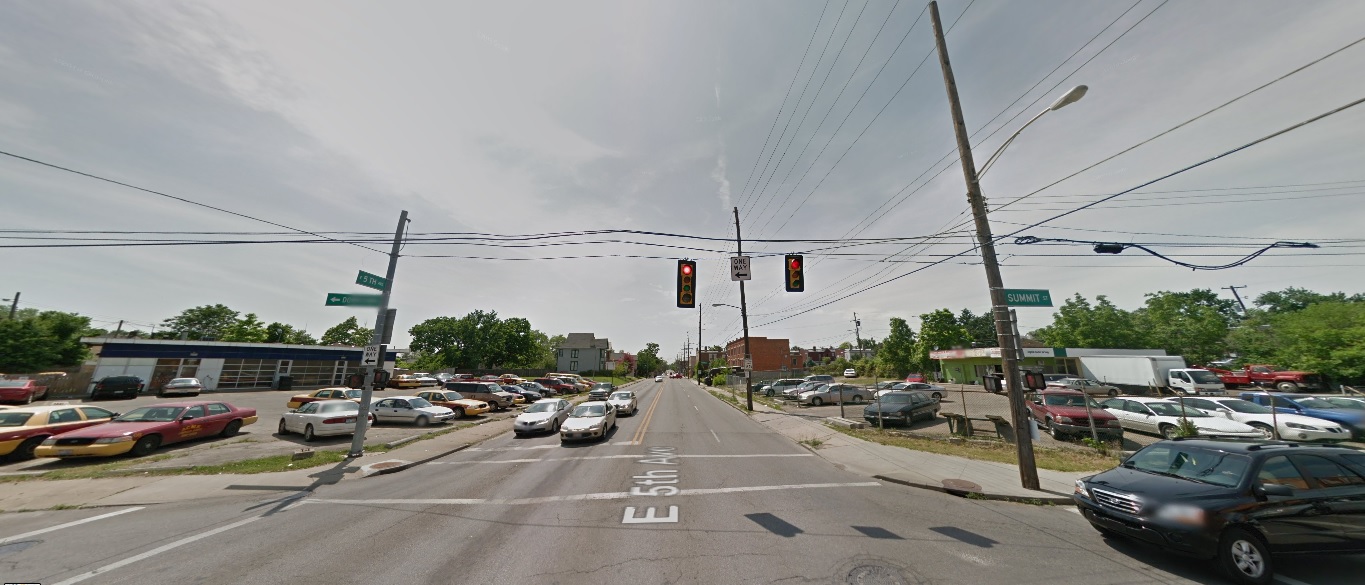
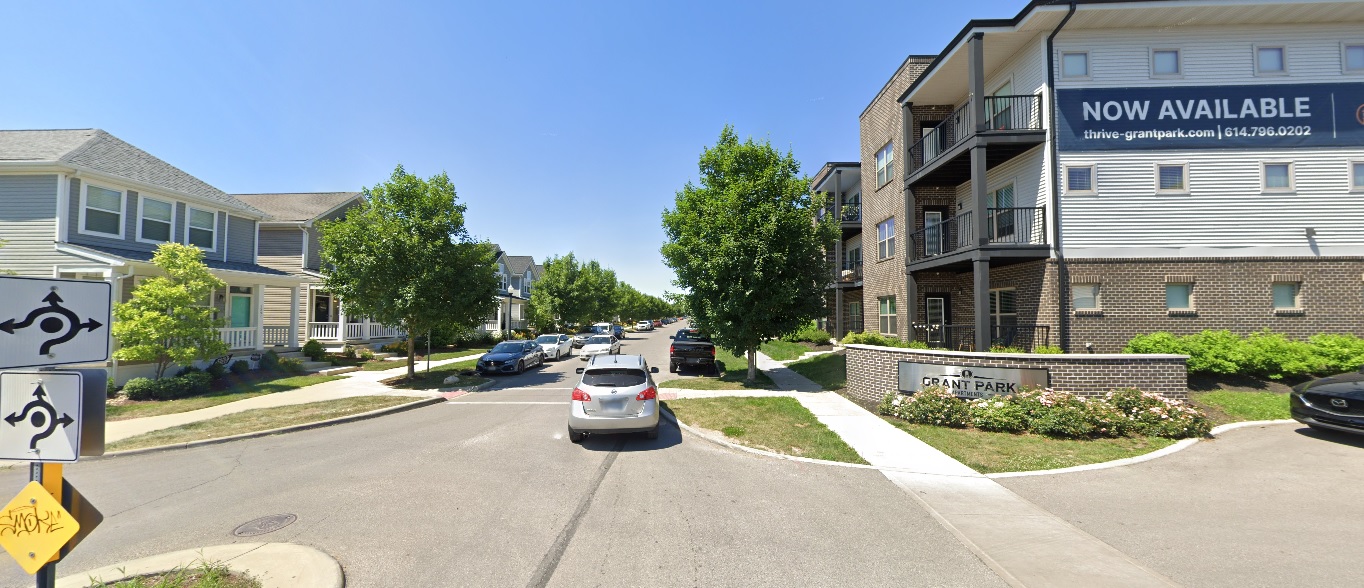
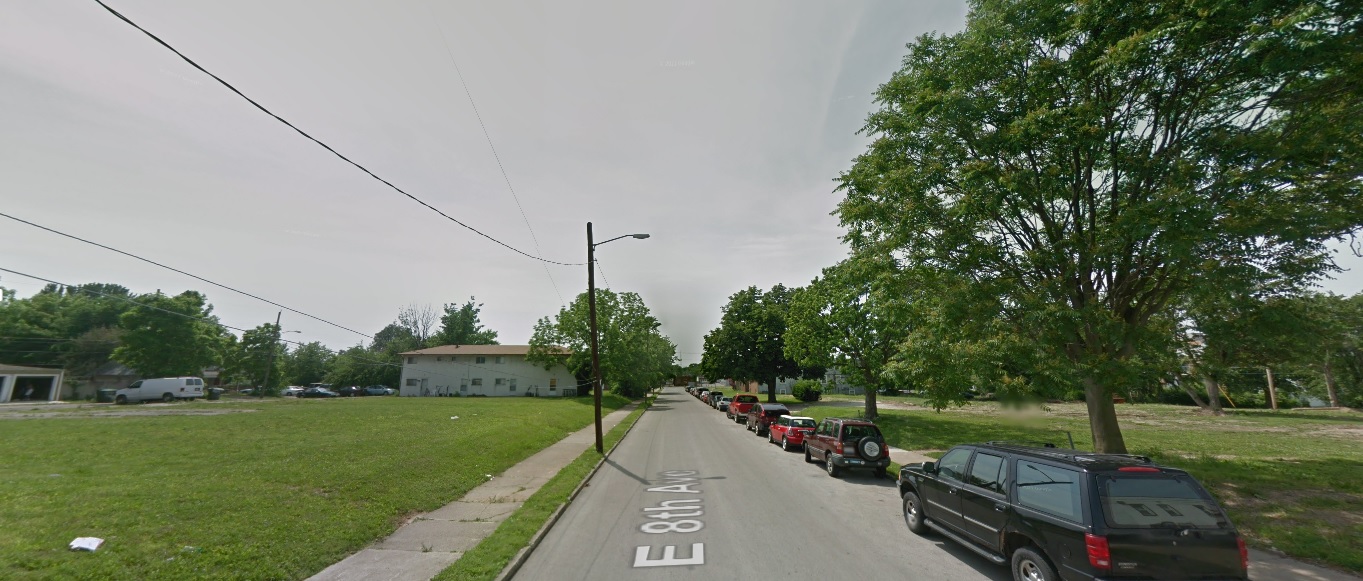
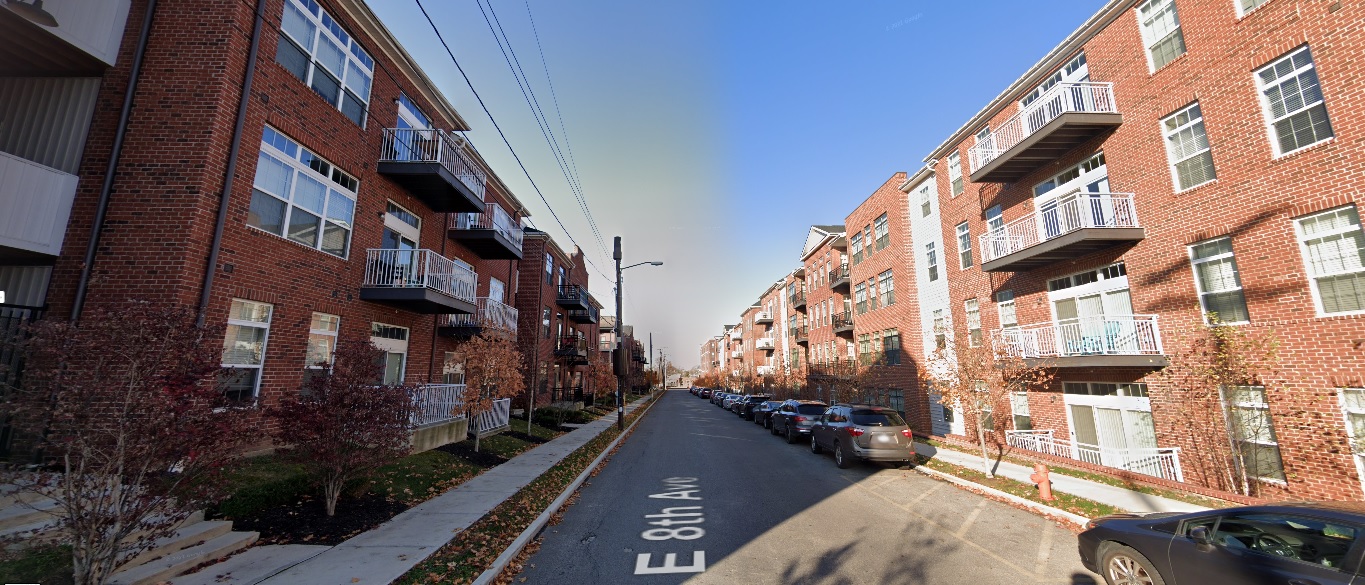
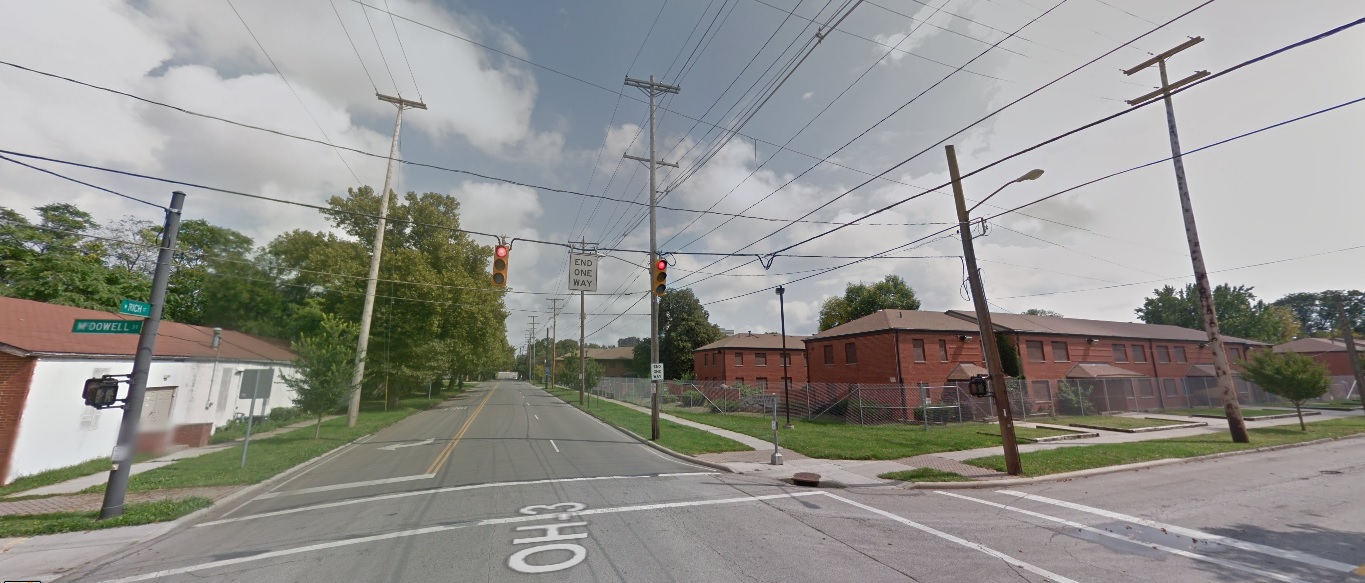
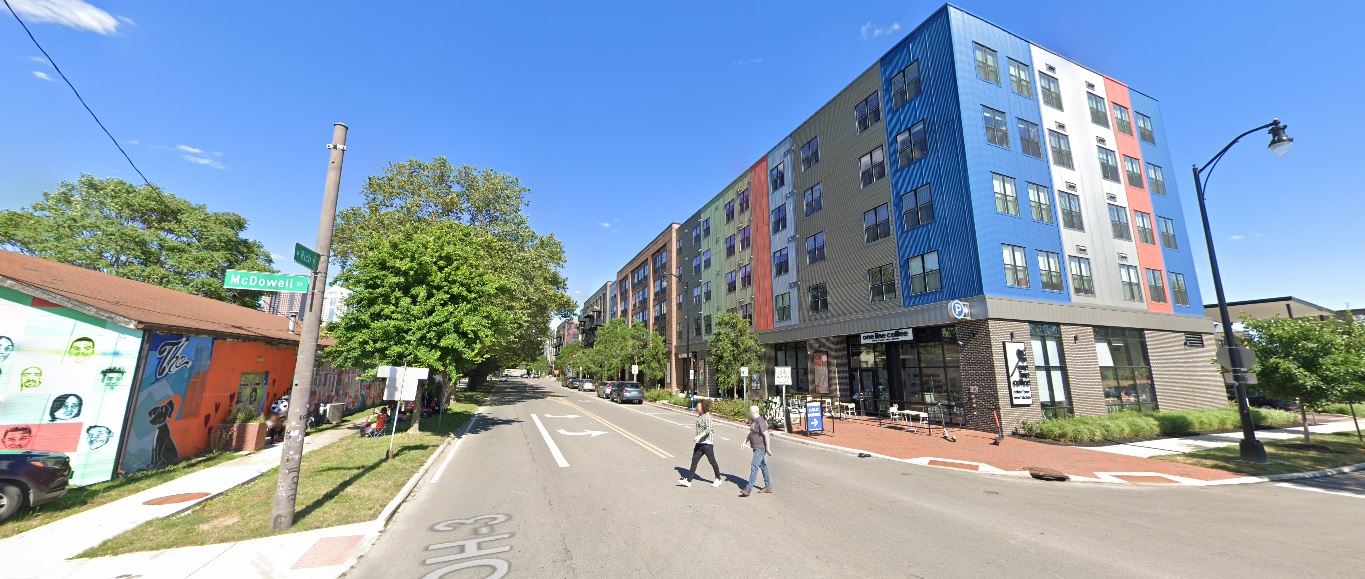
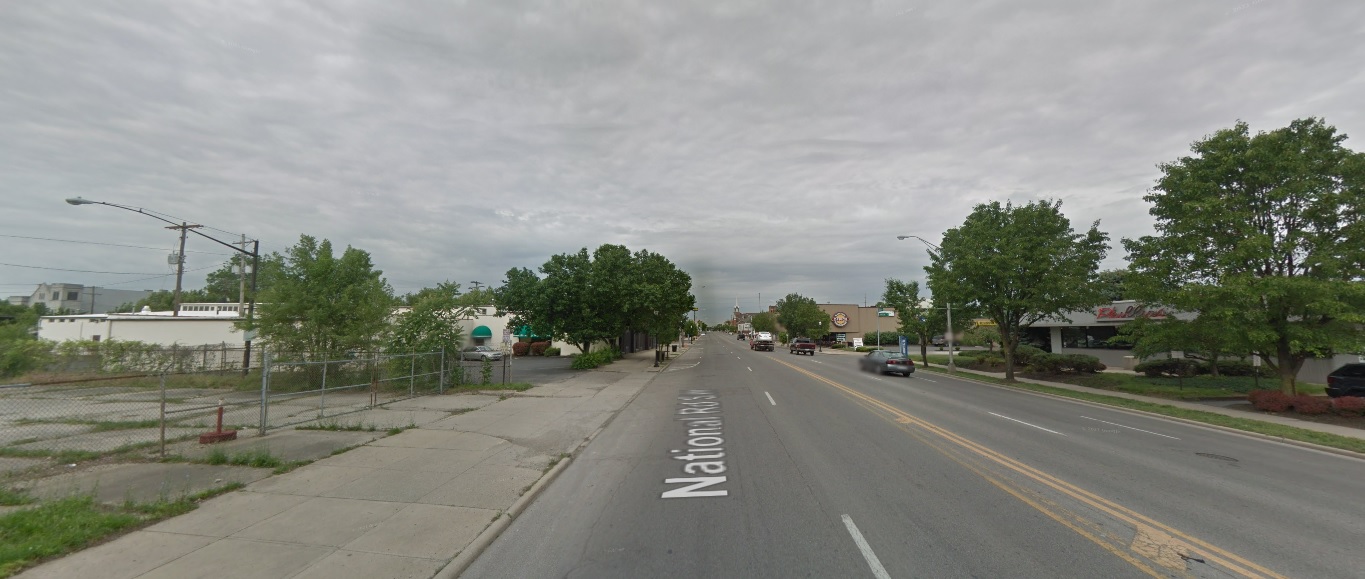
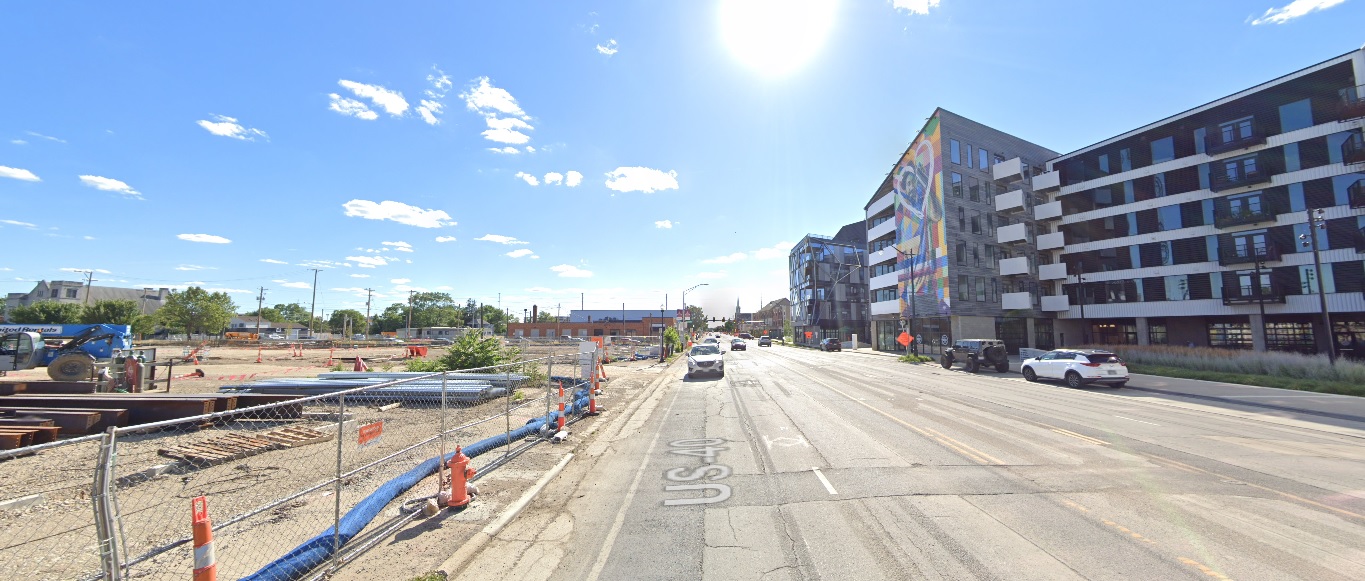
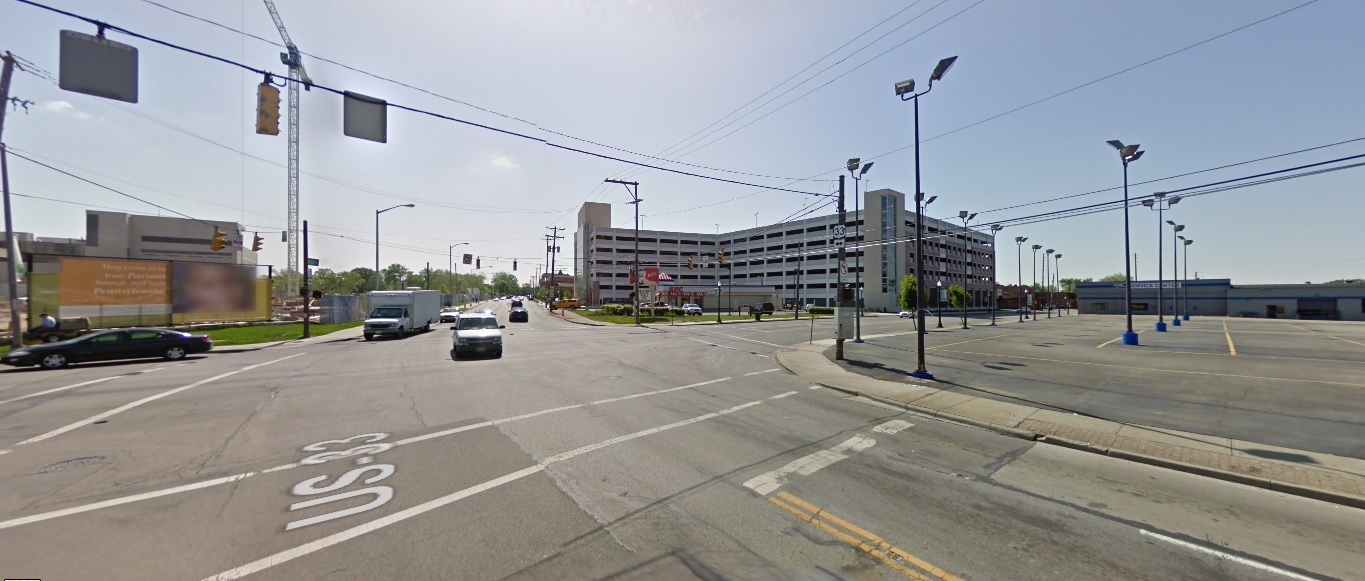
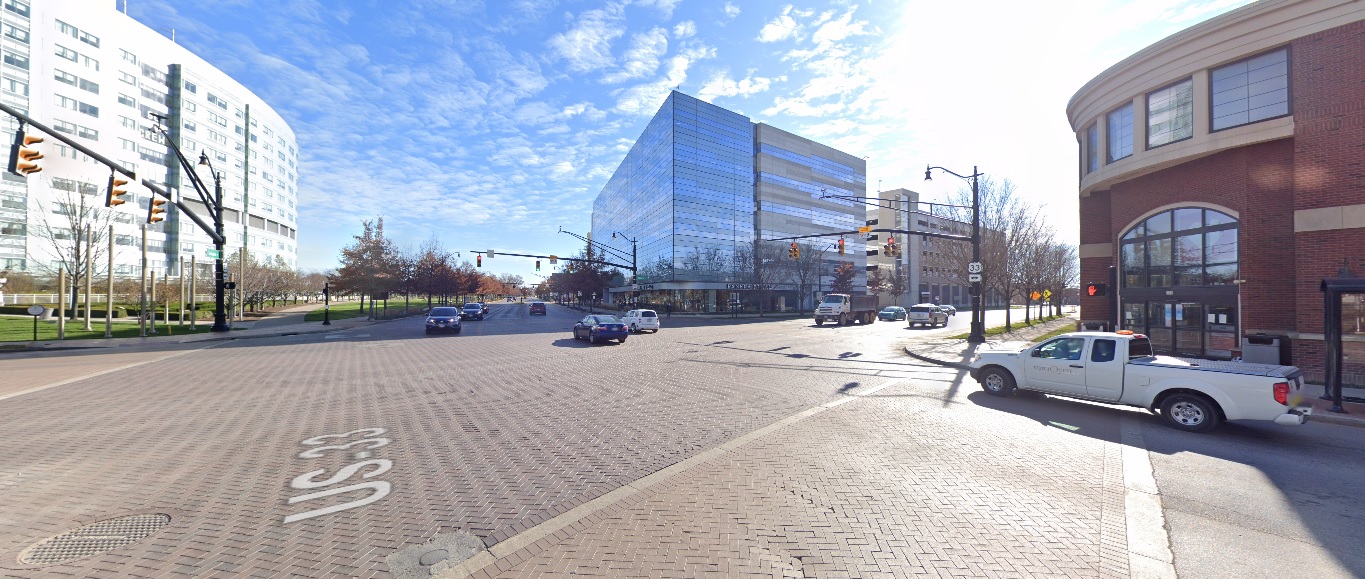
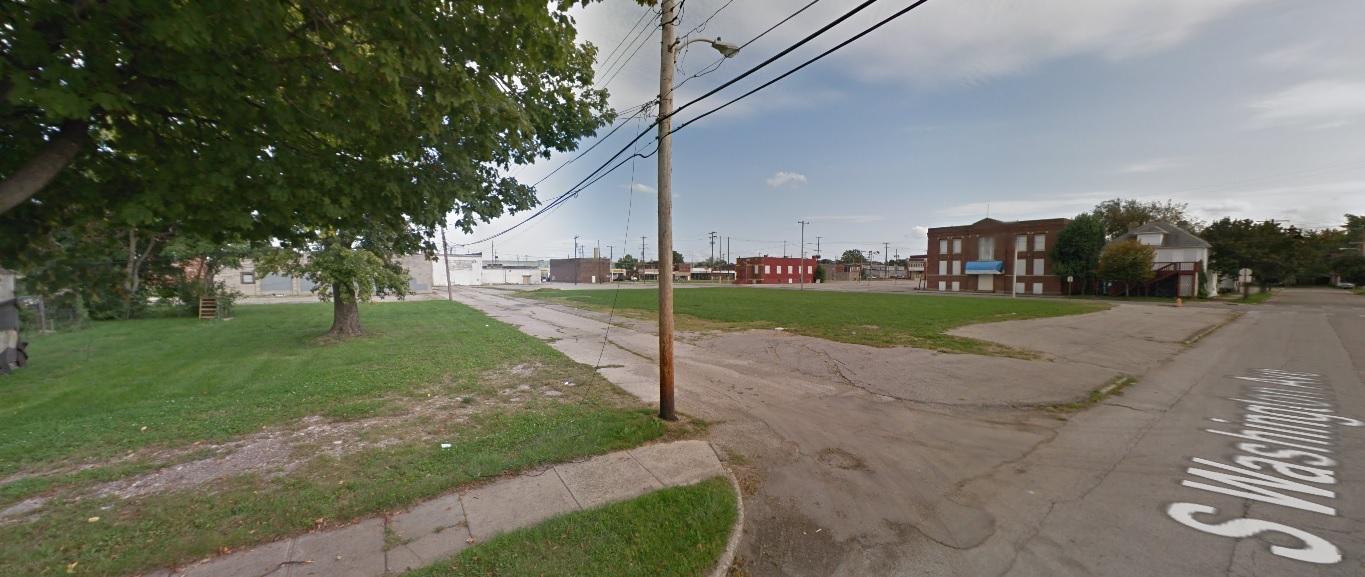
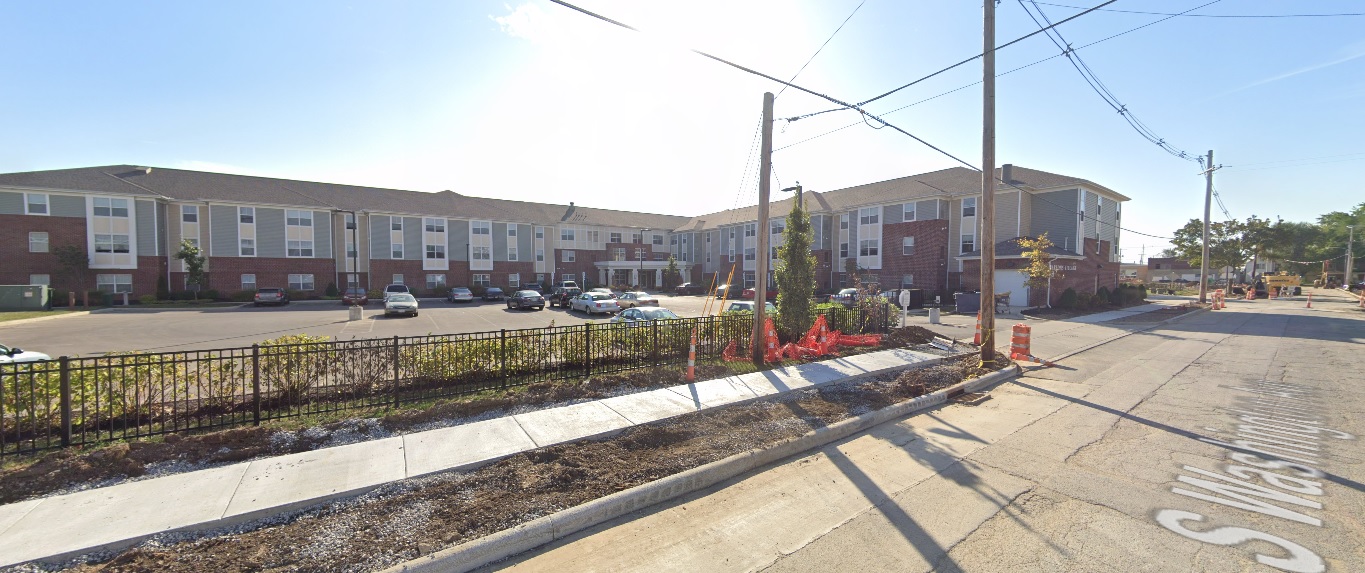
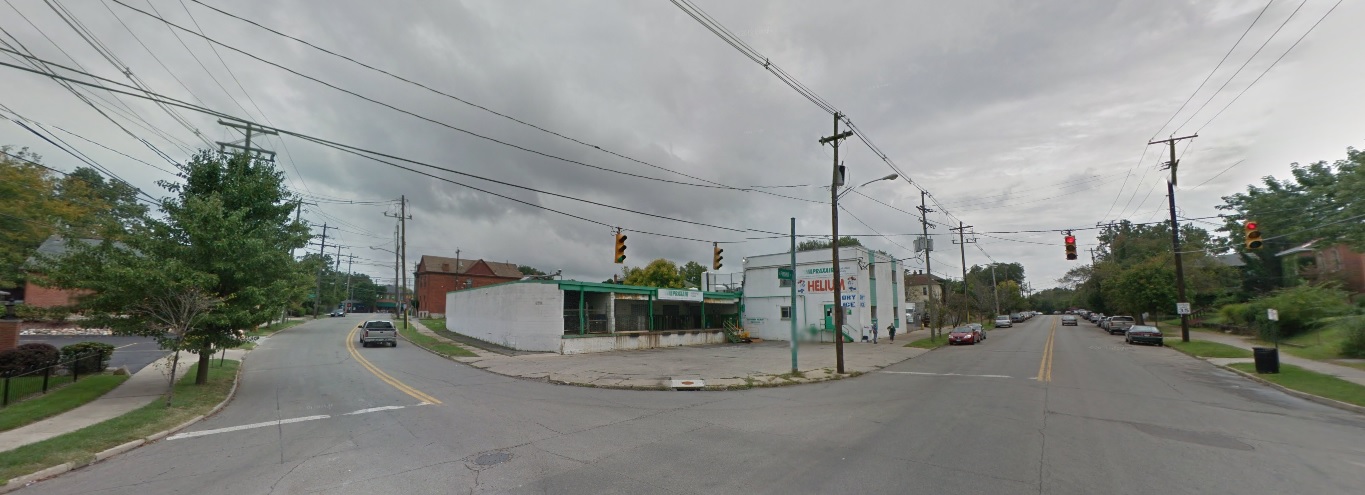
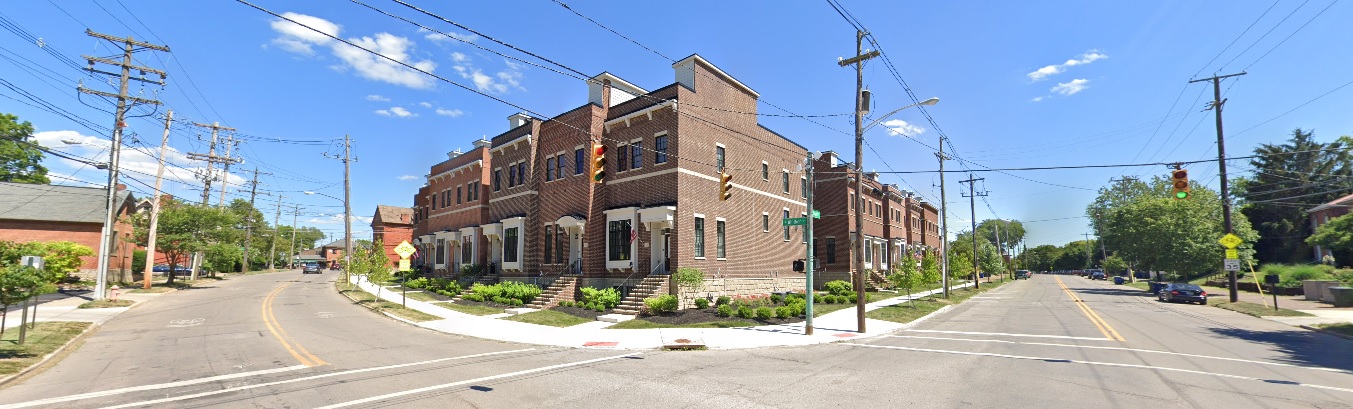
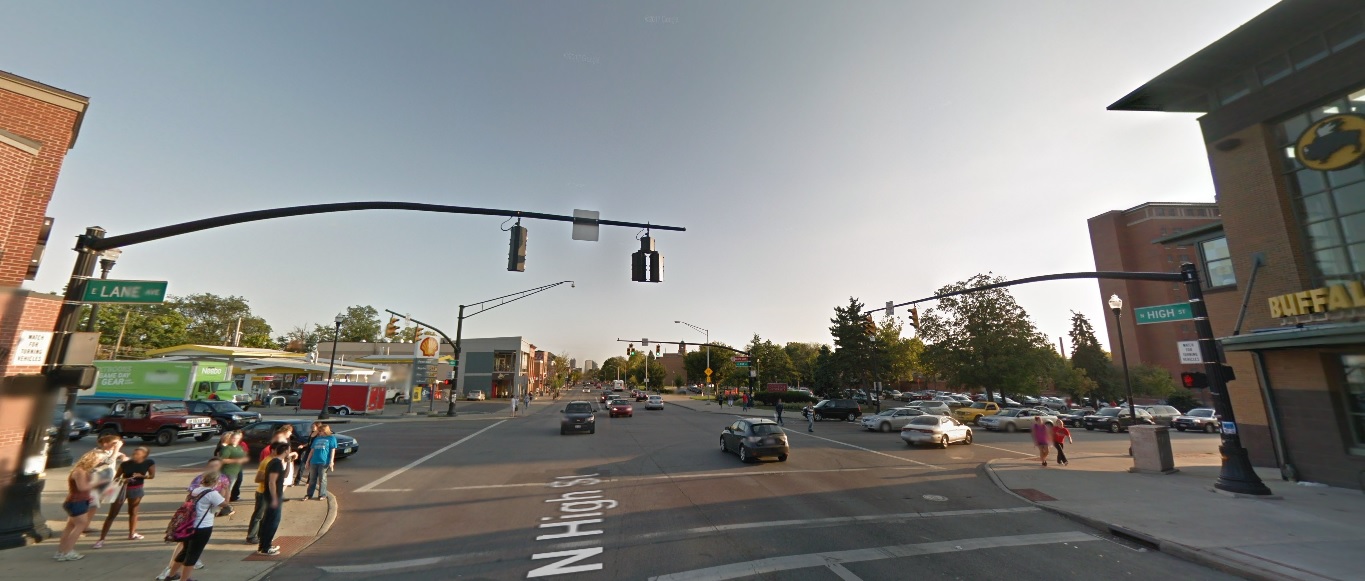
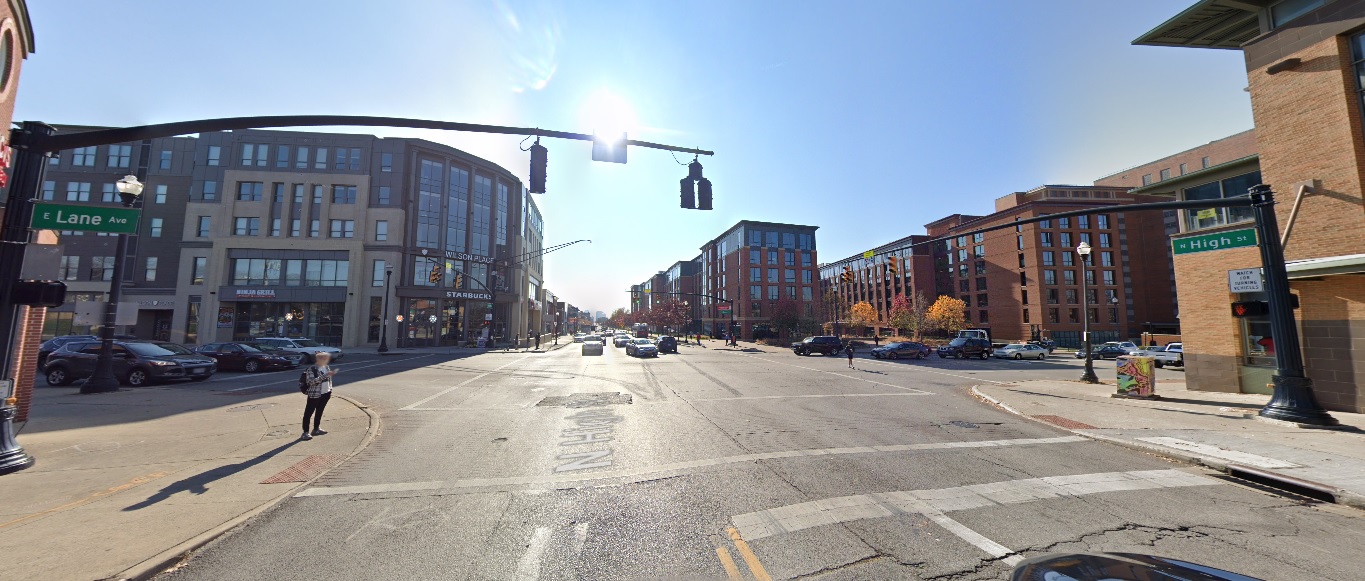
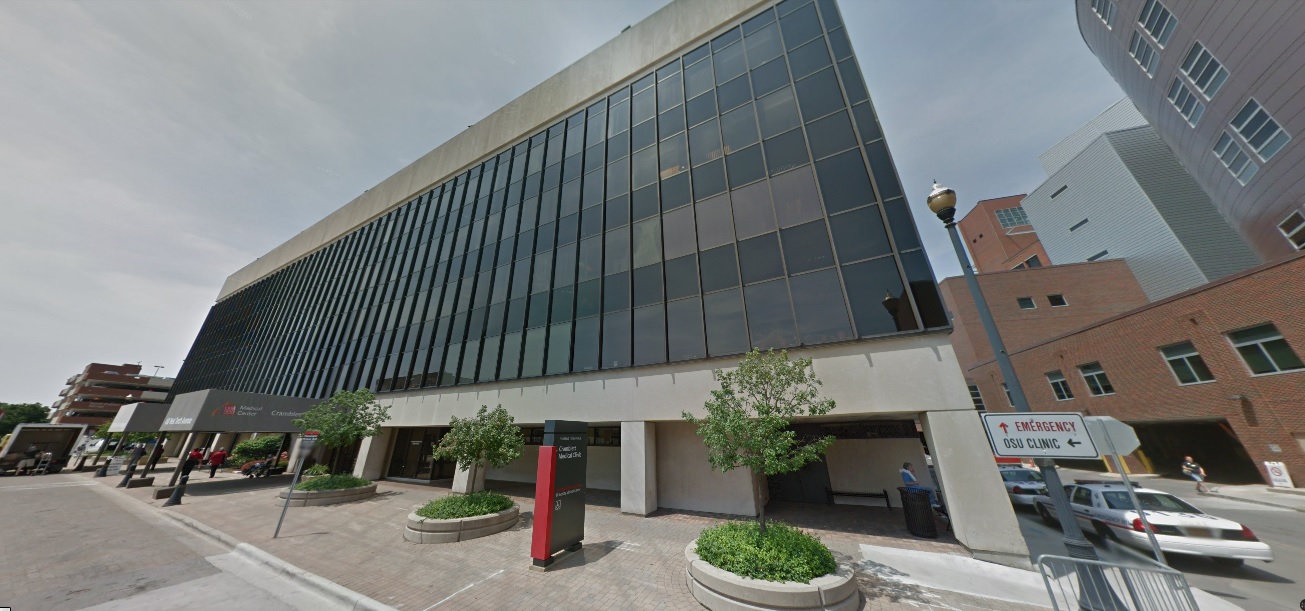
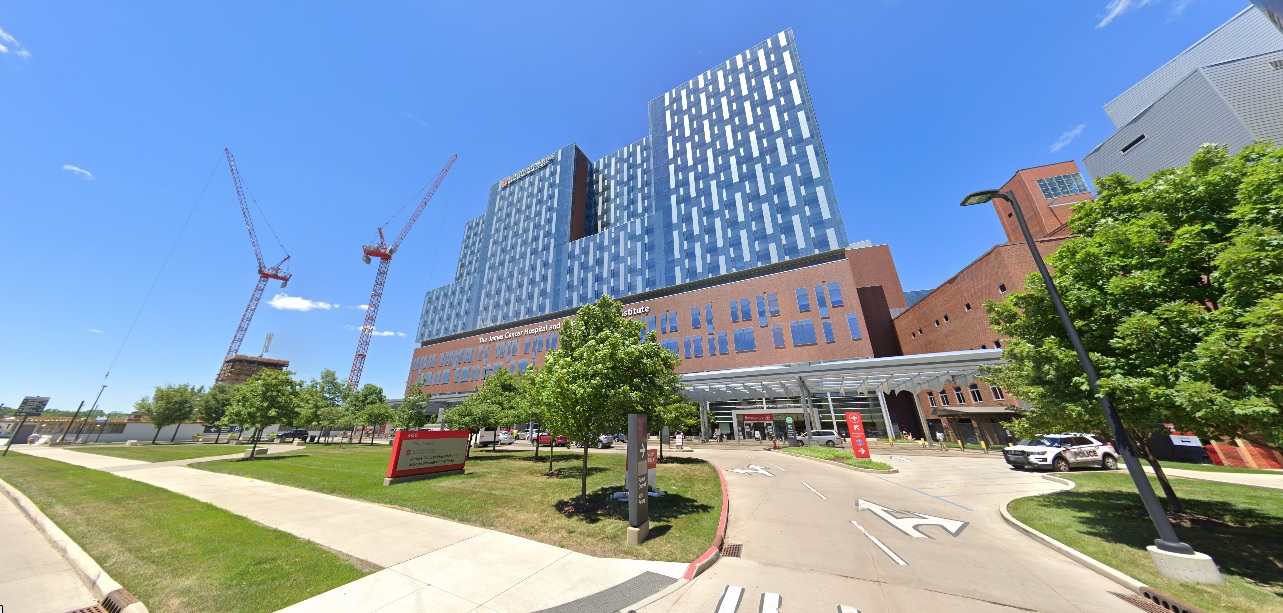
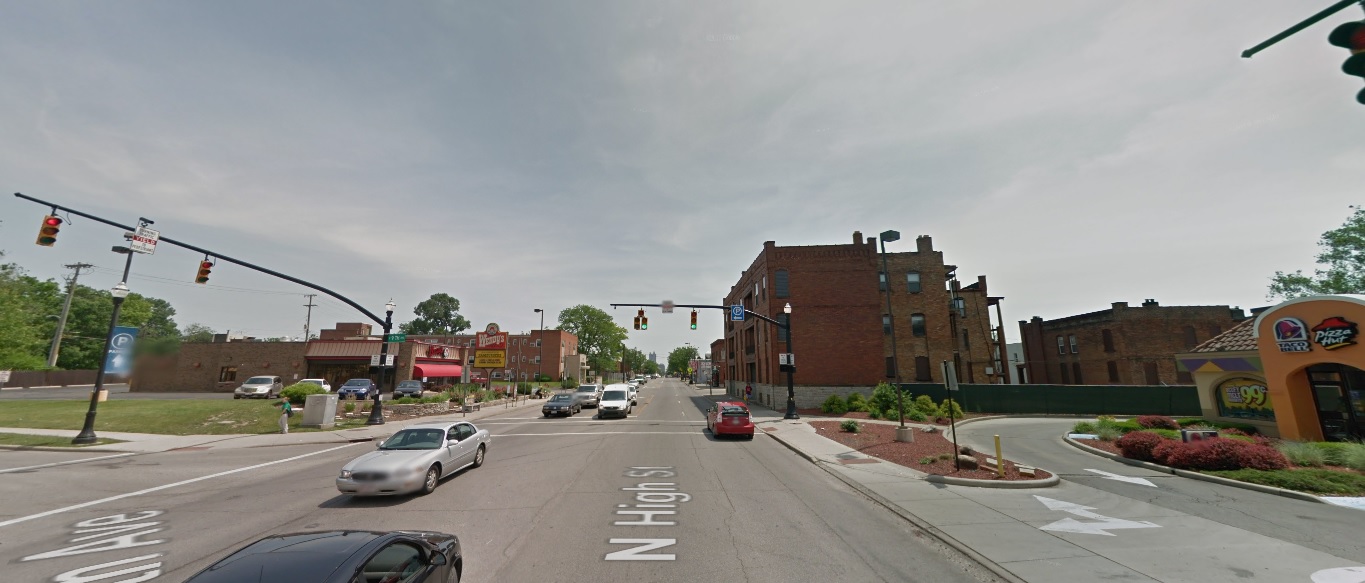
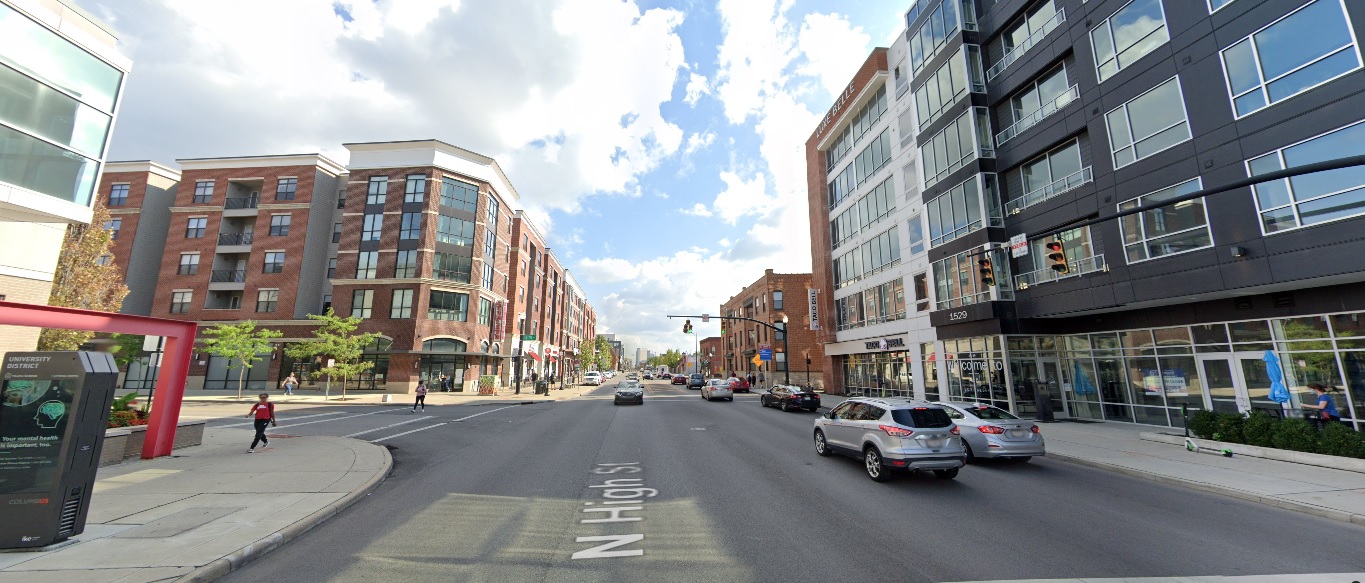
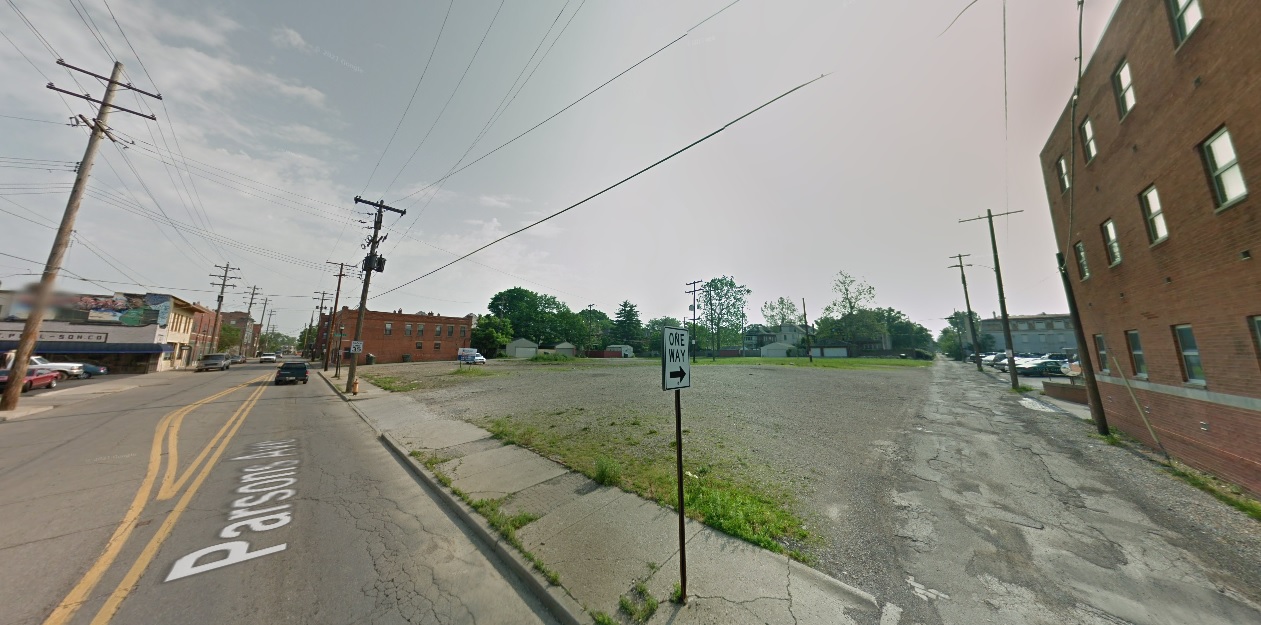
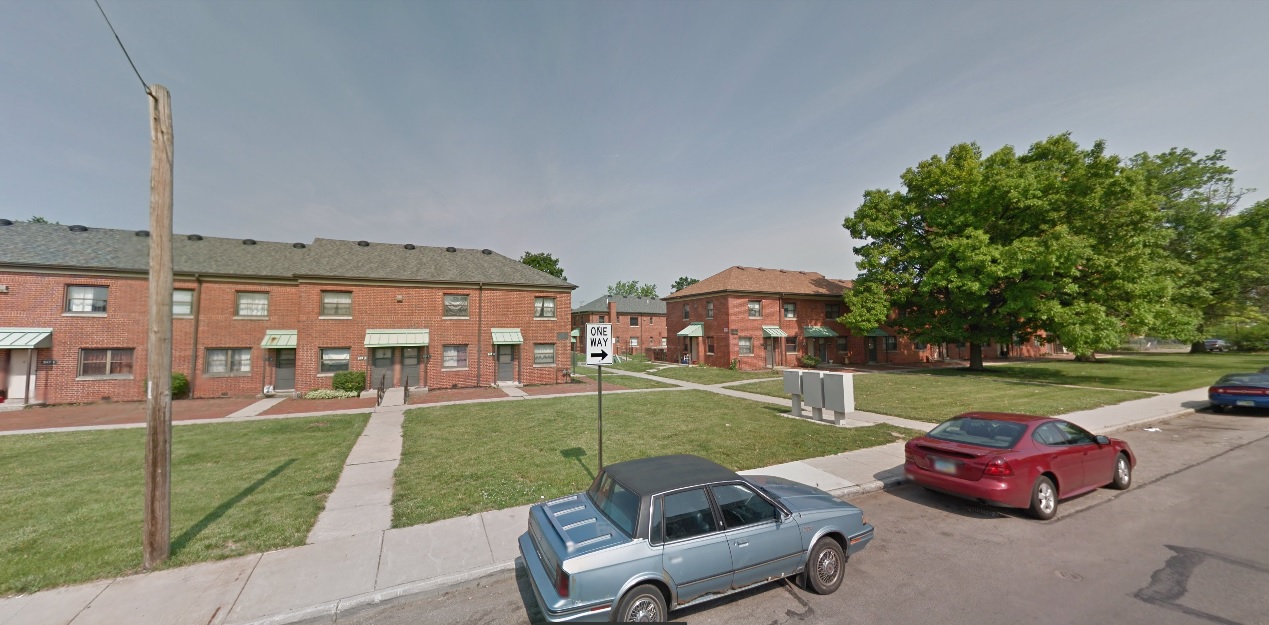
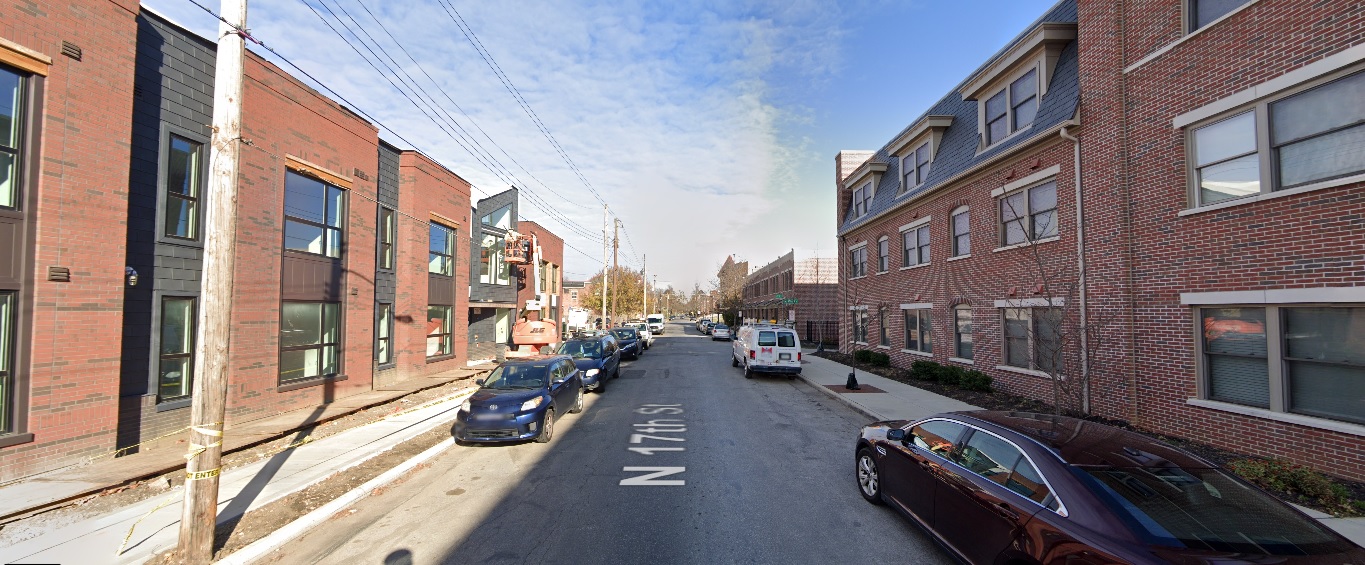
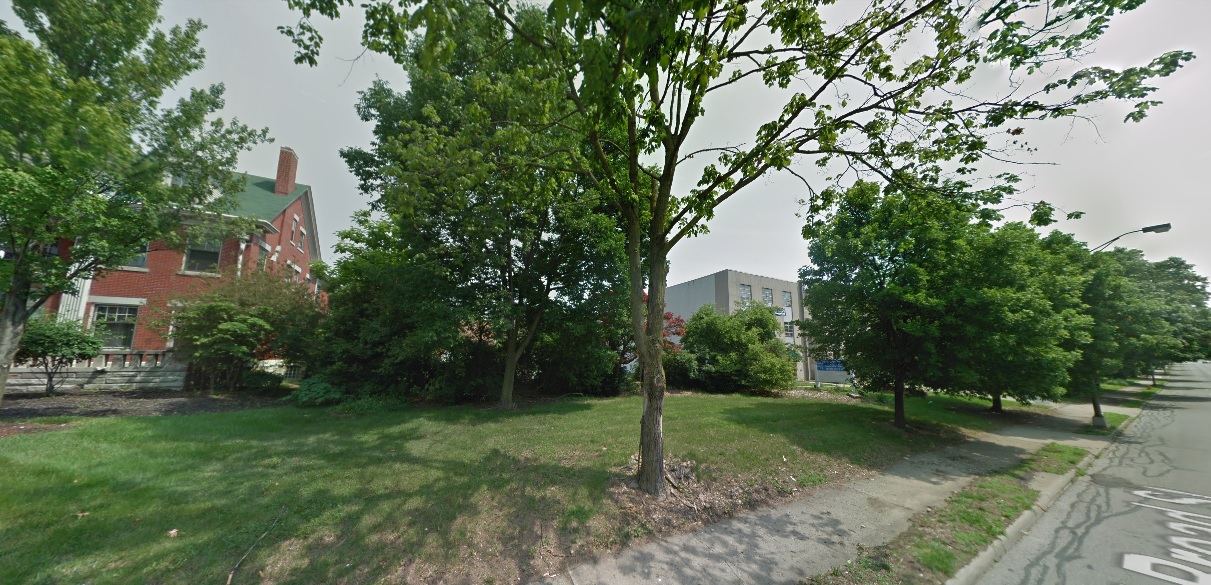
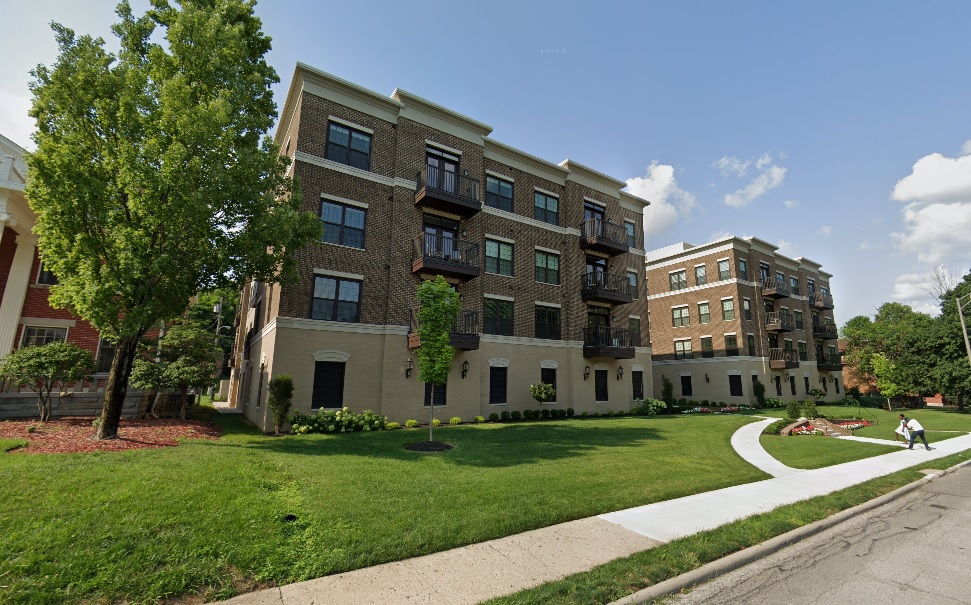
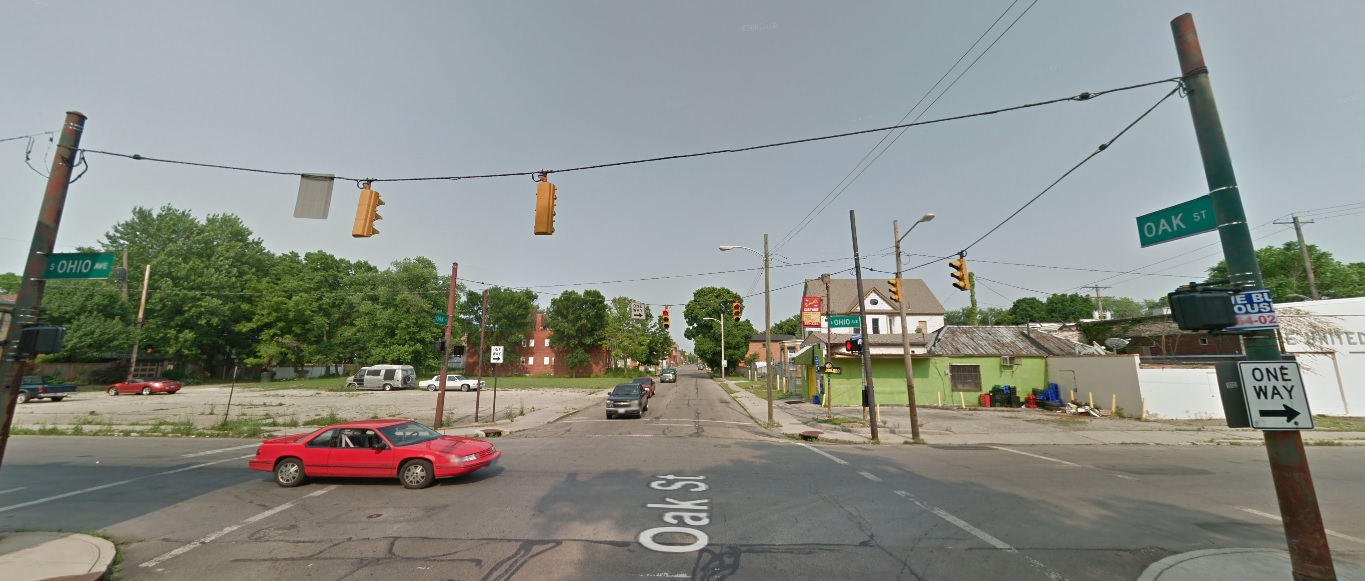
How Columbus has changed in 10 years is not always easily quantifiable. Columbus added more people in the past decade than during any previous similar period in its history. I’ve posted a lot about the 2020 Census data and updated many pages worth of information to the site. However, examining only population change through numbers is just one part of the story. How has that population growth manifested in terms of how the city appears in its built environment? This before and after look shows how the city has been transformed on a visual scale, and shows how some of the hottest neighborhoods have been radically altered in a short time.
Downtown High Street, looking north from Rich Street Before: 2011 After: 2021 High Street, looking north from Gay Street Before: 2011 After: 2021
Long Street, looking east from 6th Street Before: 2011 After: 2020
Neil Avenue, looking east at Broadbelt Lane Before: 2011 After: 2021
The Short North High Street, looking north from Milay Alley Before: 2011 After: 2020
High Street, looking south from Buttles Avenue Before: 2011 After: 2021
Fourth Street, looking east at Auden Avenue Before: 2011 Before: 2021
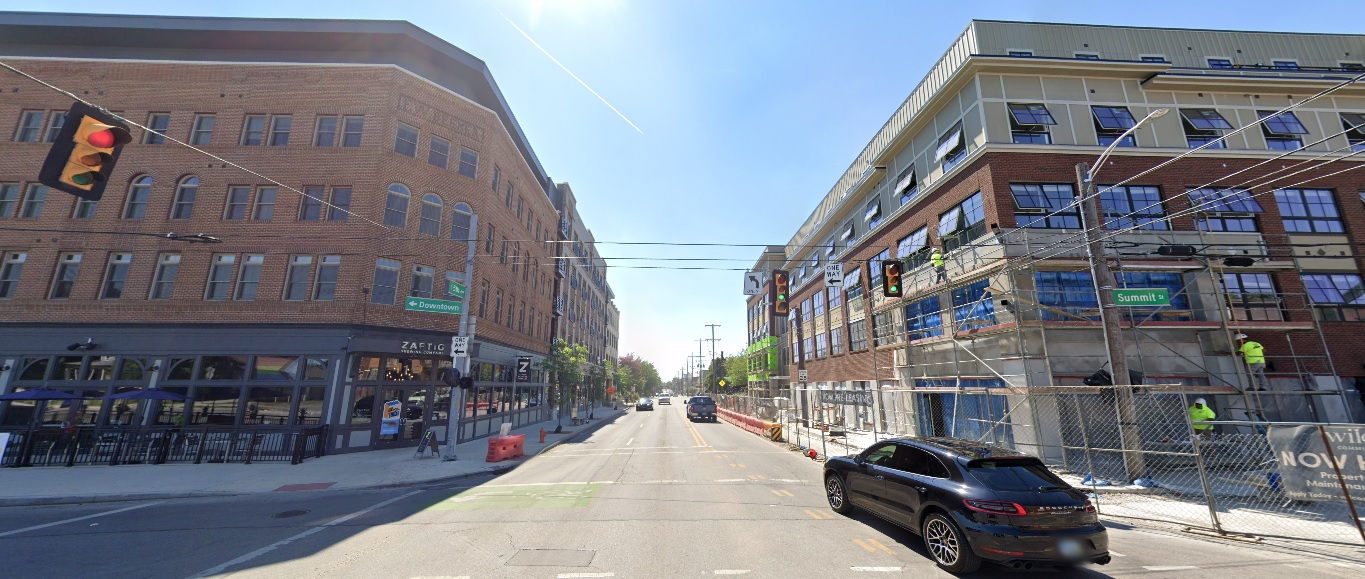
Summit Street, looking west at 5th Avenue Before: 2011 After: 2021
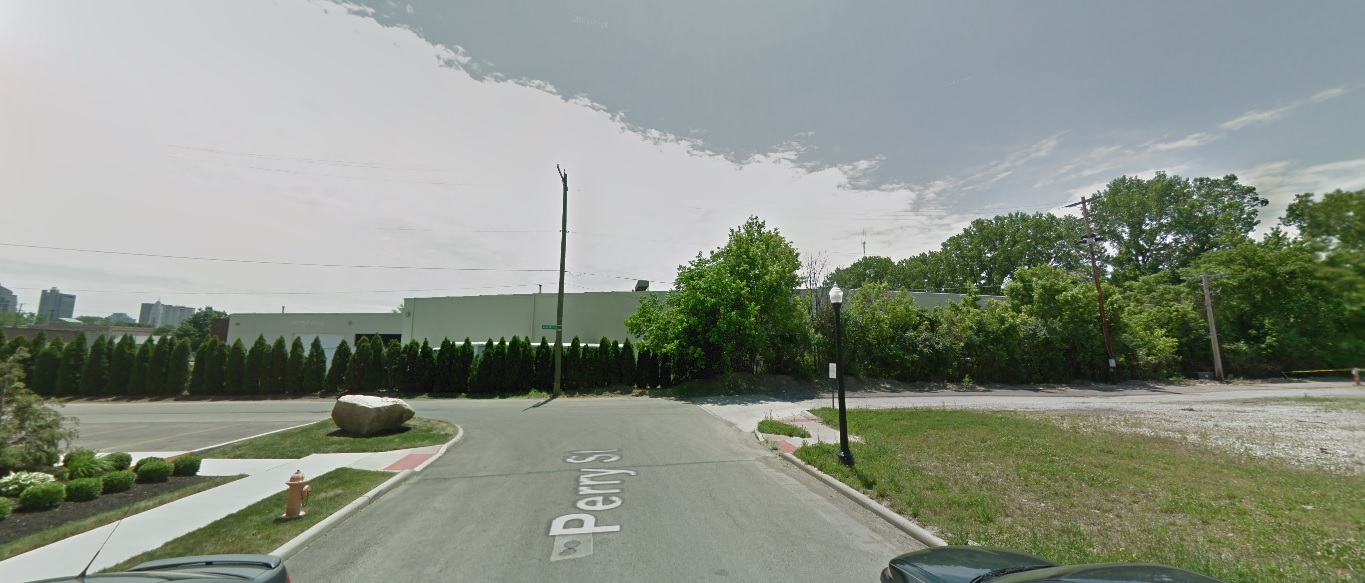
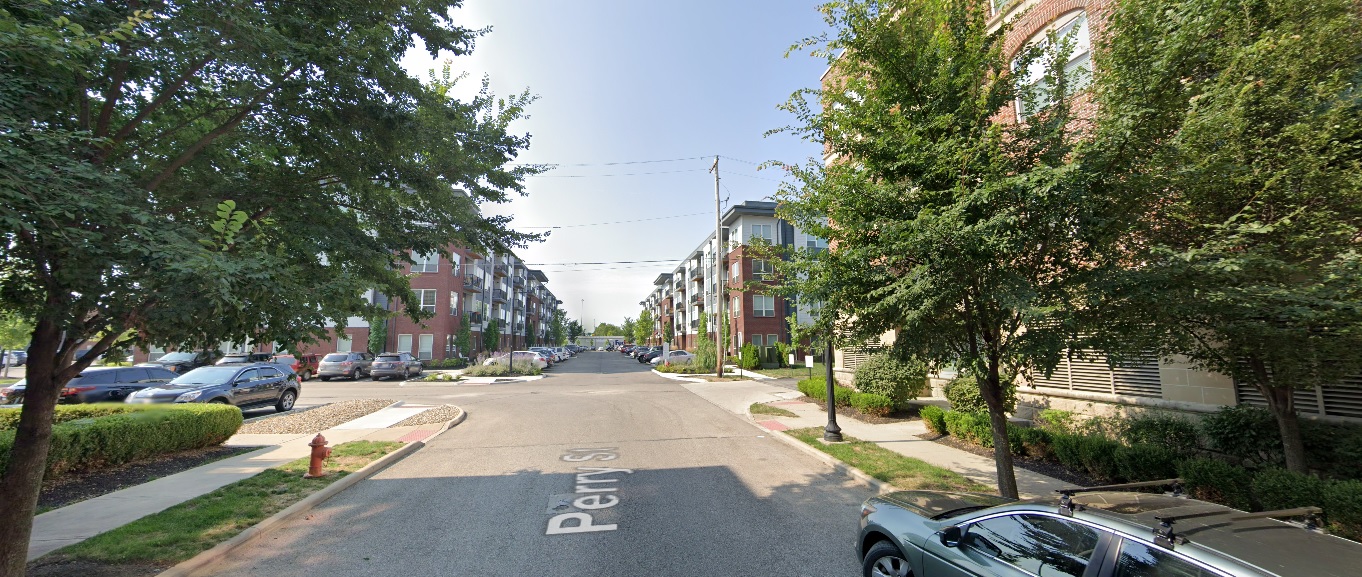
Perry Street, looking south at Quality Place Before: 2011 After: 2021
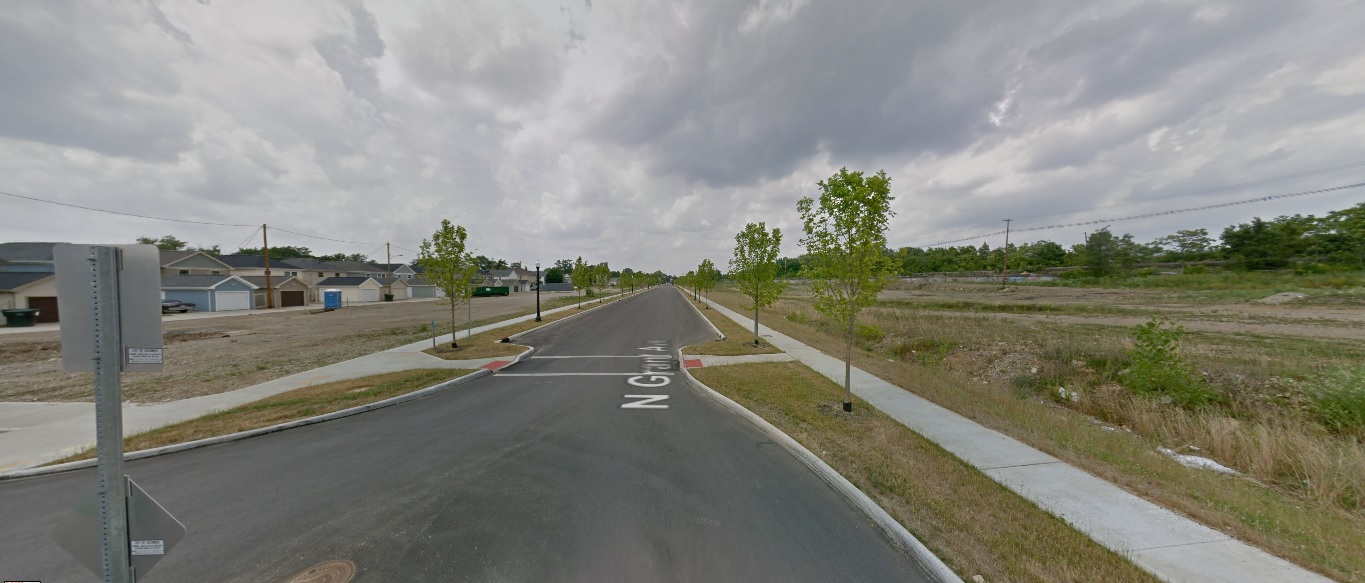
Weinland Park Grant Avenue, looking north from 7th Avenue Before: 2012 After: 2021
Eighth Avenue, looking west from Section Alley Before: 2011 After: 2020
Franklinton Rich Street, looking east from McDowell Street Before: 2011 After: 2021
Broad Street, looking west from the railroad tracks. Before: 2011 After: 2021
South Side Livingston Avenue, looking east at Parsons Avenue Before: 2009 After: 2020
Washington Avenue, looking southeast from Innis Avenue Before: 2011 After: 2020
Front Street, looking south at Whittier Street Before: 2011 After: 2021
Campus High Street, looking south from Lane Avenue Before: 2011 After: 2020
High Street, looking south from 8th Avenue Before: 2011 After: 2021
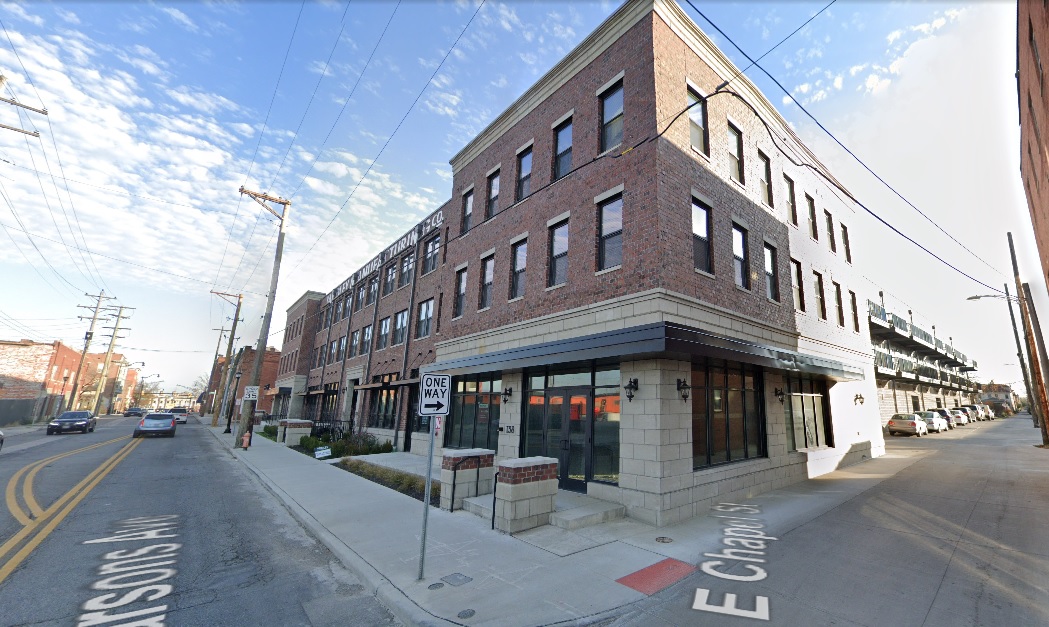
West Side Parsons Avenue, looking northeast from Chapel Street Before: 2011 After: 2020
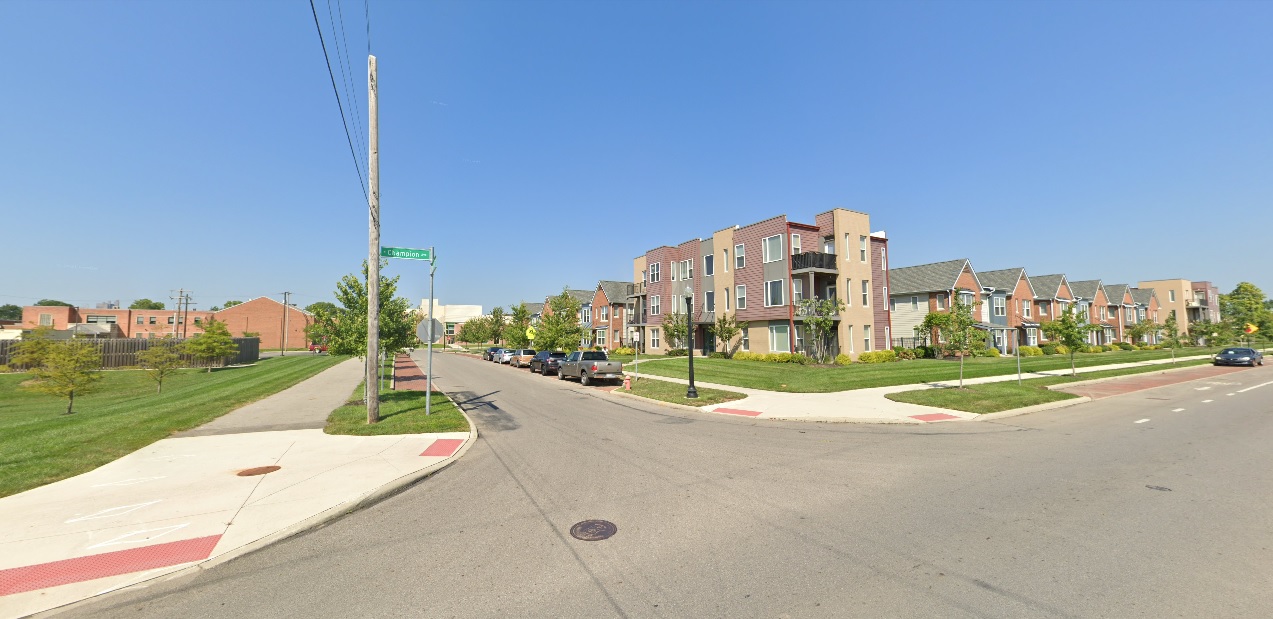
Champion Avenue, looking northwest at Phale D. Hale Drive Before: 2011 After: 2021
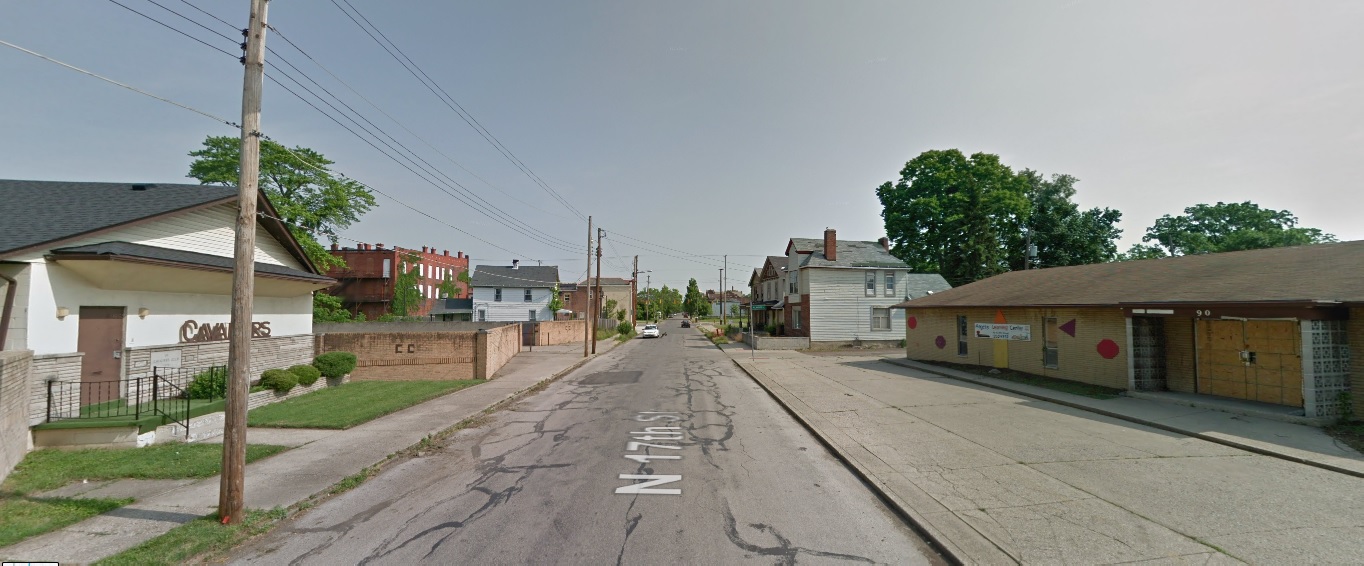
17th Avenue, looking north from Gay Street Before: 2011 After: 2020
Broad Street, looking northeast west of Woodland Avenue Before: 2011 After: 2021
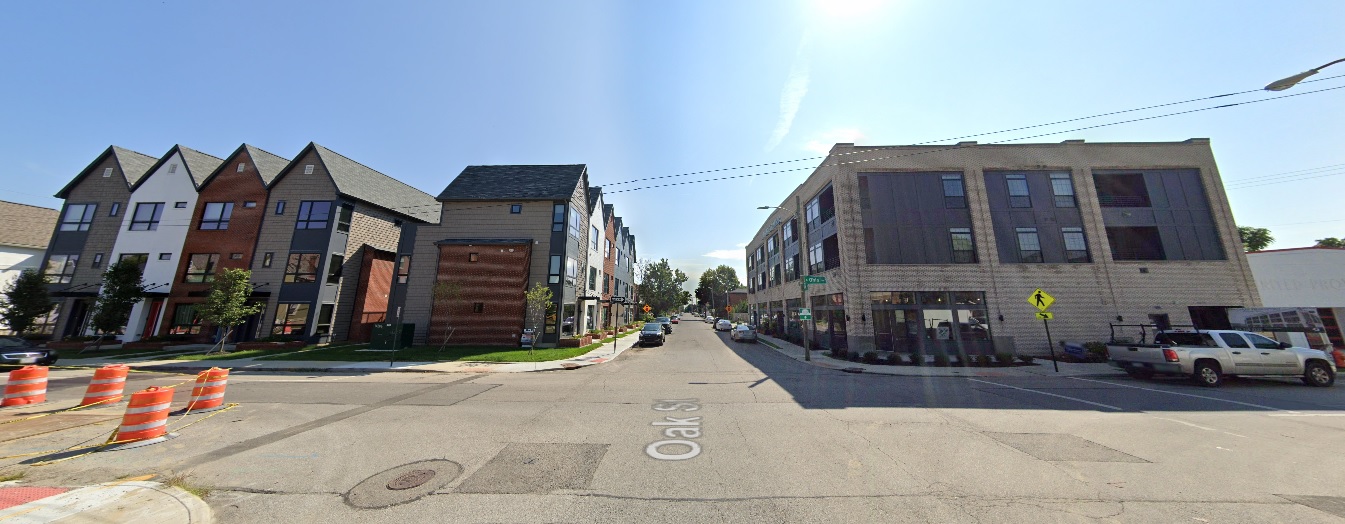
Oak Street, looking east from Ohio Avenue Before: 2011 After: 2021
These images represent just a small fraction of the development and changes that have occurred in and around the city, and don’t even include the large developments in suburban areas like Grandview Yard in Grandview or Bridge Park in Dublin. The next 10 years looks to be even more significant, with new mixed-use towers for Downtown, potential skyscrapers for Easton, and large numbers of infill development projects continuing in central neighborhoods from Franklinton to Linden to the South Side. With them, the city will continue to grow more dense and more vibrant and- with any luck- will also help spur much needed change to Columbus’ underwhelming transit system.
These Columbus development links show many of the projects seen in the photos, as well as projects that are still just in the proposal stages. The City provides a master list of area development commissions to keep track of the latest proposals.
From the files of Project Blue Book, this event was thought to have been an aircraft, but never confirmed. An eyewitness letter is included in the files, but the writing has become so faint as to be mostly unreadable.
Continuing with the data from the 2020 Census, we break down the population rank for every community and census-designated place in the Columbus metro area. Census-designated places are areas with concentrations of population, but are not part of incorporated villages, towns or cities.
The main story with the 2020 census numbers is that smaller communities in rural counties generally declined the past decade. This followed a similar story with non-metro counties, not only in Ohio, but nationally. Population continues to concentrate closer to more urban areas, which tend to be the job centers. If such population declines continue in the decades ahead, many of these small towns and villages may die out.
These trends also have potential impacts on the upcoming state redistricting. With conservative, rural areas emptying out and more liberal cities and urban areas growing, how will this affect how congressional districts get drawn?