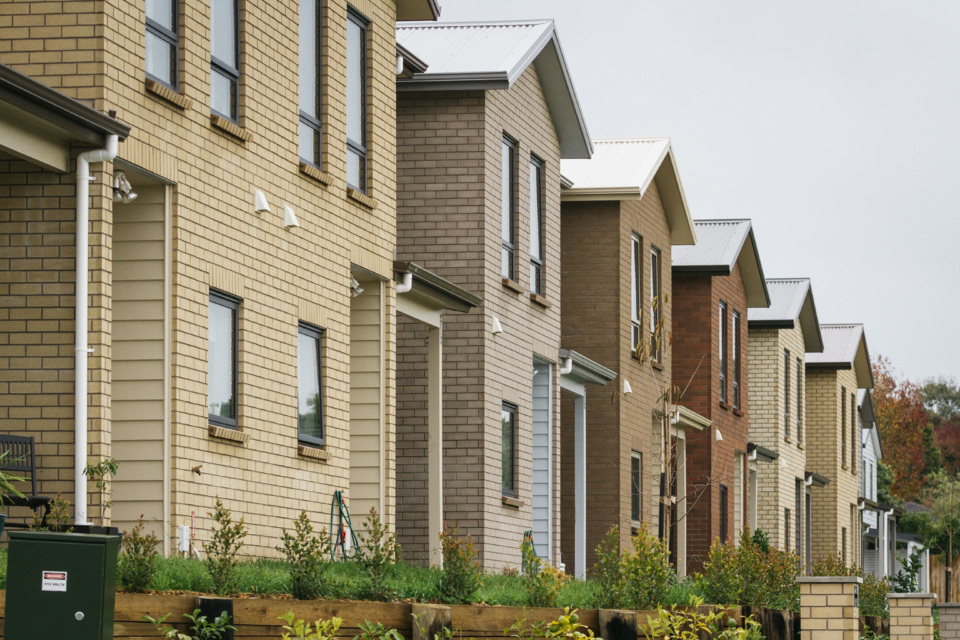
Columbus Housing Market October 2013


Columbus Housing Market October 2013

The latest numbers for the Columbus housing market from Columbus Realtors.

LSD=Local school district
CSD=City school district

Top 15 Most Expensive Locations by Median Sales Price in October 2013
1. New Albany: $445,900
2. Upper Arlington CSD: $358,000
3. Downtown: $330,000
4. Powell: $305,000
5. Dublin: $302,125
6. Jefferson LSD: $292,500
7. Olentangy LSD: $288,500
8. Granville CSD: $272,000
9. New Albany Plain LSD: $262,500
10. Worthington: $249,900
11. Buckeye Valley LSD: $246,250
12. Big Walnut LSD: $238,500
13. Beechwold/Clintonville: $230,000
14. Bexley: $225,875
15. German Village: $217,500

Top 15 Least Expensive Locations by Median Sales Price in October 2013
1. Whitehall: $42,500
2. Lancaster CSD: $75,250
3. Hamilton LSD: $83,450
4. Columbus CSD: $84,200
5. Newark CSD: $87,450
6. Groveport Madison LSD: $90,150
7. London CSD: $94,500
8. South-Western CSD: $95,000
9. Columbus: $104,500
10. Circleville CSD: $110,250
11. Blacklick: $134,251
12. Obetz: $134,950
13. Canal Winchester CSD: $135,000
14. Grove City: $135,000
15. Reynoldsburg CSD: $136,200

Overall Metro Median Sales Price in October 2013: $149,302
Median Sales Price Change October 2012-October 2013: -$3,183

Top 15 Locations with the Highest Median Sales Price % Growth Between October 2012-October 2013
1. Hamilton LSD: +85.4%
2. Jefferson LSD: +69.8%
3. Downtown: +63.8%
4. Reynoldsburg CSD: +54.4%
5. Obetz: +51.8%
6. Jonathan Alder LSD: +50.4%
7. Sunbury: +36.5%
8. Beechwold/Clintonville: +28.6%
9. Westerville CSD: +20.2%
10. Minerva Park: +19.4%
11. Marysville CSD: +19.4%
12. Lithopolis: +19.0%
13. Northridge LSD: +17.4%
14. Circleville CSD: +16.7%
15. Granville CSD: +15.6%

Top 15 Locations with the Lowest Median Sales Price % Growth Between October 2012-October 2013
1. German Village: -16.3%
2. Lancaster CSD: -16.3%
4. Buckeye Valley LSD: -14.9%
5. New Albany Plain LSD: -14.6%
6. Canal Winchester CSD: -14.6%
7. Grandview Heights: -14.2%
8. Hilliard: -12.8%
9. South-Western CSD: -11.4%
10. London CSD: -11.3%
11. Dublin CSD: -10.8%
12. Dublin: -10.3%
13. Whitehall: -7.6%
14. Gahanna Jefferson CSD: -5.6%
15. Johnstown Monroe LSD: -3.7%

Overall Metro Median Price % Change October 2012-October 2013: -2.1%

Top 10 Locations with the Most New Listings in October 2013
1. Columbus: 1,107
2. Columbus CSD: 691
3. Westerville CSD: 177
4. South-Western CSD: 169
5. Hilliard CSD: 158
6. Olentangy LSD: 157
7. Dublin CSD: 123
8. Groveport Madison LSD: 91
9. Worthington CSD: 79
10. Dublin: 73

Top 10 Locations with the Fewest New Listings in October 2013
1. Valleyview: 0
2. Lithopolis: 0
3. Minerva Park: 2
4. Jefferson LSD: 5
5. Obetz: 5
6. Sunbury: 5
7. Northridge LSD: 9
8. Jonathan Alder LSD: 9
9. German Village: 9
10. Grandview Heights: 10

Overall Metro New Listings in October 2013: 2,693
New Listings % Change October 2012-October 2013: +5.9%

Top 10 Fastest-Selling Locations by # of Days Homes Remain on the Market Before Sale in October 2013
1. Johnstown Monroe LSD: 30
2. Powell: 31
3. Buckeye Valley LSD: 32
4. Grandview Heights: 39
5. Minerva Park: 42
6. Beechwold/Clintonville: 45
7. Northridge LSD: 45
8. Olentangy LSD: 46
9. Westerville: 46
10. Jonathan Alder LSD: 47

Top 10 Slowest-Selling Locations by # of Days Homes Remain on the Market Before Sale in March 2013
1. Circleville CSD: 118
2. London CSD: 107
3. Lancaster CSD: 106
4. Obetz: 105
5. Hamilton LSD: 96
6. New Albany CSD: 91
7. Granville CSD: 84
8. Jefferson LSD: 82
9. Big Walnut LSD: 81
10. Hilliard: 78
11. Reynoldsburg: CSD: 78

Overall Metro Average # of Days on Market Before Sale: 74.7

Top 10 Locations with the Best Change in # of Days on the Market Before Sale October 2012-October 2013
1. Lithopolis: +522.2%
2. Minerva Park: -77.25
3. Johnstown Monroe LSD: -74.6%
4. Buckeye Valley LSD: -71.7%
5. Jonathan Alder LSD: -69.1%
6. Grandview Heights: -64.2%
7. Powell: -62.7%
8. German Village: -61.2%
9. Northridge LSD: -54.5%
10. Pickerington LSD: -47.0%

Top 10 Locations with the Worst Change in the # of Days on the Market Before Sale October 2012-October 2013
1. Hamilton LSD: +190.9%
2. Obetz: +150.0%
3. Lancaster CSD: +86.0%
4. Sunbury: +50.0%
5. Circleville CSD: +45.7%
6. London CSD: +27.4%
7. New Albany: +14.6%
8. Worthington: +13.7%
9. Granville CSD: +9.1%
10. New Albany CSD: +8.3%

Overall Metro # of Days on Market Before Sale % Change October 2012-October 2013: -24.9%


Columbus Housing Market September 2013


Columbus housing market September 2013

According to Columbus Realtors, September continued one of the Columbus area’s longest positive streaks when it came to housing sales, although sales were down a bit from earlier this year. Overall, sales were up 13.1% and prices were up 4.2%.

For the housing report, I look at the 21 major areas of the Franklin County area (11 urban, 10 suburban). Here is what the September market looked like.

Top 10 September Sales Totals
1. Columbus: 820
2. Dublin: 72
3. Westerville: 59
4. Upper Arlington: 53
5. Grove City: 49
6. Hilliard: 49
7. Clintonville: 47
8. Gahanna: 45
9. Reynoldsburg: 34
10. Canal Winchester: 29

Top 10 September Sales Increases Over September 2012
1. Whitehall: +142.9%
2. Westerville: +96.7%
3. Obetz: +66.7%
4. Canal Winchester: +38.1%
5. Reynoldsburg: +36.0%
6. Pataskala: +35.7%
7. Grove City: +32.4%
8. Gahanna: +28.6%
9. New Albany: +28.6%
10. Minerva Park: +25.0%

Top 10 Total YTD Sales Through September
1. Columbus: 8,019
2. Dublin: 636
3. Upper Arlington: 588
4. Clintonville: 554
5. Westerville: 495
6. Grove City: 487
7. Hilliard: 460
8. Gahanna: 414
9. Reynoldsburg: 381
10. Pickerington: 254

Top 10 YTD Sales Increases Through over September 2012
1. Minerva Park: +47.6%
2. Whitehall: +45.9%
3. Hilliard: +36.1%
4. Pataskala: +33.1%
5. Westerville: +33.1%
6. Bexley: +32.4%
7. Gahanna: +31.8%
8. Reynoldsburg: +31.8%
9. Clintonville: +28.5%
10. German Village: +27.6%

Average Sales September 2013
Urban: 91.6
Suburban: 39.2
Urban without Columbus: 18.8

Average % Change September 2013 vs. September 2012
Urban: +10.6%
Suburban: +30.3%
Urban without Columbus: +10.5%

Average Sales YTD Through September
Urban: 923.2
Suburban: 370.1
Urban without Columbus: 213.6

Average % Change YTD vs. YTD 2012 (Through September)
Urban: +19.2
Suburban: +24.7%
Urban without Columbus: +18.5%

Top 10 Average Sales Price September 2013
1. New Albany: $512,564
2. Upper Arlington: $402,771
3. Dublin: $359,925
4. Bexley: $293,331
5. Downtown: $259,331
6. Grandview Heights: $244,433
7. German Village: $235,557
8. Worthington: $234,716
9. Hilliard: $220,823
10. Clintonville: $206,610

Top 10 Average Sales Price % Increases vs. September 2012
1. Whitehall: +99.3%
2. Obetz: +98.1%
3. Minerva Park: +51.3%
4. Upper Arlington: +20.6%
5. New Albany: +20.2%
6. Gahanna: +18.5%
7. Dublin: +13.5%
8. Hilliard: +10.5%
9. Pickerington: +10.2%
10. Reynoldsburg: +9.4%

Top 10 Average Sales Price YTD
1. New Albany: $543,445
2. Upper Arlington: $364,187
3. Bexley: $347,444
4. Dublin: $333,741
5. German Village: $302,753
6. Downtown: $281,729
7. Worthington: $246,663
8. Grandview Heights: $222,115
9. Hilliard: $219,302
10. Gahanna: $201,444

Top 10 Average YTD Sales Price % Change vs. YTD 2012
1. Whitehall: +23.2%
2. Minerva Park: +18.2%
3. Downtown: +13.5%
4. Upper Arlington: +13.3%
5. Gahanna: +12.9%
6. Reynoldsburg: +9.6%
7. New Albany: +9.4%
8. Canal Winchester: +6.6%
9. Bexley: +6.0%
10. Worthington: +5.7%

Average Price September 2013
Urban: $210,653
Suburban: $222,473
Urban without Columbus: $219,161

Average Price % Change vs. September 2012
Urban: +23.7%
Suburban: +7.7%
Urban without Columbus: +25.9%

Average Price YTD
Urban: $215,336
Suburban: $223,809
Urban without Columbus: $224,046

Average Price % Change YTD vs. YTD 2012
Urban: +6.2%
Suburban: +5.2%
Urban without Columbus: +6.4%

Top 10 Fastest Selling Markets September (based on # of Days listings sell)
1. Worthington: 26
2. Minerva Park: 29
3. Clintonville: 34
4. Obetz: 34
5. Upper Arlington: 34
6. Hilliard: 41
7. Westerville: 42
8. New Albany: 44
9. Pickerington: 45
10. Whitehall: 45

Top 10 Fastest Selling Markets YTD
1. Worthington: 37
2. Upper Arlington: 45
3. Grandview Heights: 48
4. Clintonville: 52
5. Hilliard: 53
6. Westerville: 53
7. Bexley: 58
8. Gahanna: 58
9. Dublin: 61
10. Grove City: 61

Average # of Days before Sale, September 2013
Urban: 48.0
Suburban: 51.8
Urban without Columbus: 47.1

Average # of Days before Sale, YTD
Urban: 60.7
Suburban: 61.1
Urban without Columbus: 60.3

Top 10 Lowest Housing Supplies (based on # of months to sell all listings), September 2013
1. Worthington: 1.9
2. Upper Arlington: 2.3
3. Bexley: 2.4
4. Hilliard: 2.6
5. Westerville: 2.6
6. Clintonville: 2.7
7. Grandview Heights: 2.9
8. Gahanna: 3.2
9. Dublin: 3.4
10. Whitehall: 3.7

Average # of Months to Sell All Listings
Urban: 3.5
Suburban: 4.1
Urban without Columbus: 3.4

Average % Change of Single-Family Home Sales, September 2013 vs. September 2012
Urban: +23.7%
Suburban: +31.0%
Urban without Columbus: +24.7%

Average % Change of Condo Sales, September 2013 vs. September 2012
Urban: -23.5%
Suburban: +48.4%
Urban without Columbus: -25.3%

Average % Change of Single-Family Home Sales YTD vs. YTD 2012
Urban: +13.0%
Suburban: +24.7%
Urban without Columbus: +11.7%

Average % Change of Condo Sales YTD vs. YTD 2012
Urban: +35.8%
Suburban: +26.2%
Urban without Columbus: +36.7%


Random Columbus Photos 1

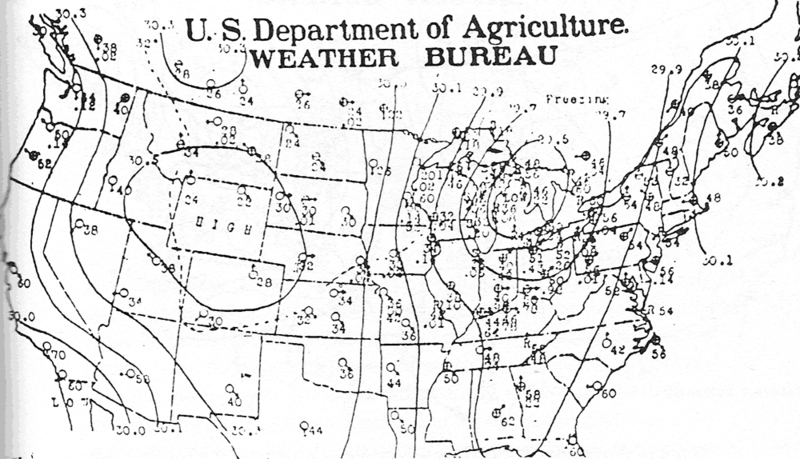
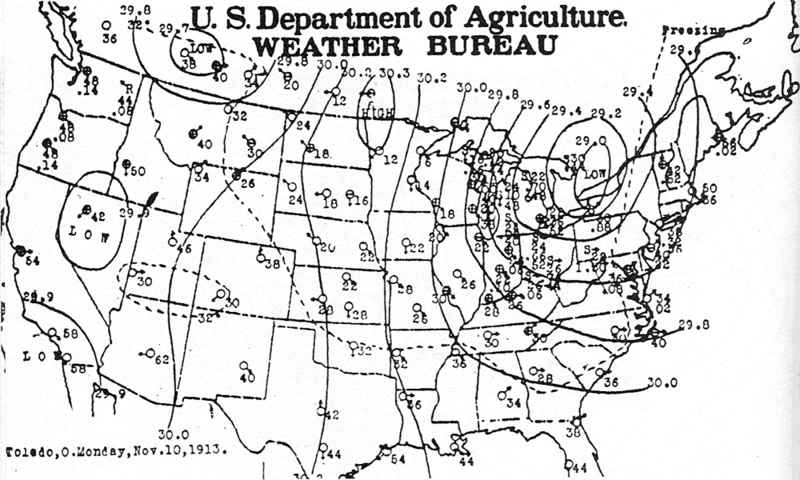
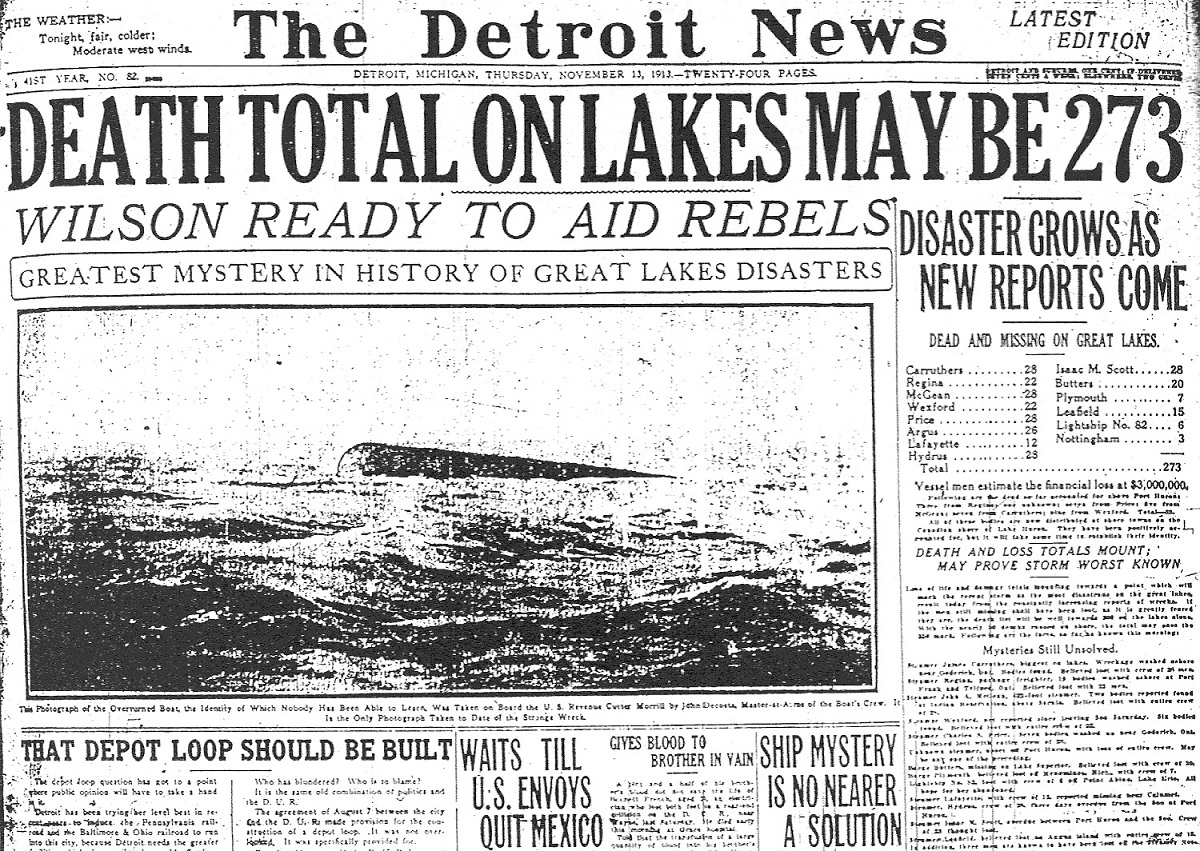
On the hot, summer day of August 21, 1947, a thunderstorm hit the Columbus area that would produce a memorable and tragic event. A bolt of lightning struck the southwestern corner of the Broad Street Bridge in Downtown. Perhaps because of the extreme heat or structural deficiencies, the lightning caused part of the bridge to seemingly explode, and large chunks of the bridge collapsed into the Scioto River. While no cars fell off the bridge as a result, 4 pedestrians did. One of those pedestrians died the following day from sustained injuries. The bridge itself had been built as the replacement for the one destroyed during the great flood of 1913. After the incident in 1947, the bridge was repaired and continued to serve as the main Scioto River crossing at Downtown for another 43 years. In 1990, it was demolished and replaced by the current (and very similar looking) Discovery Bridge, completed in 1992 in time for the celebration of the 500th anniversary of the “discovery” of America by the city’s namesake, Christopher Columbus.

Random Columbus photos 1

The damaged bridge.


Is Columbus Walkable?


Is Columbus Walkable

“Walkability” is the new buzzword when it comes to urban neighborhoods and what new generations want. Based on the WalkScore criteria, and with scores from 0-100 (100 being the most walkable), here are Columbus’ most walkable neighborhoods.

Top 25 Most Walkable Neighborhoods and Total Score
1. Downtown: 86
2. Dennison Place (Short North): 85
3. Italian Village (Short North): 85
4. Weinland Park (Just northeast of Short North): 85
5. Indiana Forest (Northeast Campus Area): 84
6. Necko (South Campus): 81
7. Victorian Village (Short North): 81
8. Old North Columbus: 80
9. Glen Echo (North Columbus): 80
10. North Campus: 80
11. German Village: 79
12. Tri-Village (5th Avenue West): 79
13. Brewery District: 78
14. OSU: 77
15. Iuka Ravine (North Columbus): 76
16. Clintonville: 75
17: King-Lincoln (Near East Side): 74
18. Schumacher Place (Near South Side): 73
19. Busch (Northwest Columbus): 72
20. Indianola Terrace (North Columbus): 71
21. Merion Village: 69
22. Governours Square (Bethel and Henderson): 68
23: Harrison West (Hilltop): 67
24. Old Beechwold (North Columbus): 67
25. Olde Towne East: 67

Together, the top 25 neighborhoods contain a little over 100,000 people.

Overall Columbus Neighborhood Walkability Score Breakdown
90-100 (Walker’s Paradise-daily errands do not require a car): 0
70-89 (Very Walkable- most errands can be done on foot): 20
50-69 (Somewhat Walkable- some errands cand be done on foot): 72
0-49 (Car Dependent- most or all errands require a car): 120
Average Columbus Score: 47

So less than half of Columbus’ neighborhoods are walkable, and only a small amount are very walkable, where most tasks do not require a car. The overall score shows that Columbus is still largely a car-dependent city.

Walkability, however, is just part of the picture. There are also scores for biking and mass transit access, both of which are also measured on the 0-100 scale.

Top 25 Bikeable Neighborhoods
1. North Campus: 89
2. Harrison West: 88
3. Northmoor (North Columbus): 80
4. Old North Columbus: 80
5. Clintonville: 77
6. OSU: 75
7. Brewery District: 74
8. Dennison Place: 74
9. Glen Echo: 74
10. Victorian Village: 74
11. Indiana Forest: 72
12. Iuka Ravine: 72
13. Necko: 71
14. Italian Village: 70
15. Merion Village: 68
16. Tri-Village: 68
17. Weinland Park: 67
18. Downtown: 66
19. Indianola Terrace (North Columbus): 66
20. North Hilltop: 66
21. Whetstone: 66
22. German Village: 64
23. Mount Vernon (Near East Side): 64
24. Riverview (North Columbus): 63
25. Schumacher Place: 63

The majority of Columbus’ most bikeable neighborhoods are also the most walkable.

Bikeable Neighborhood Score Breakdown
90-100: 0
70-89: 14
50-69: 45
0-49: 153
Average Columbus Bikeable Score: 45

Similar to its walkability, the majority of Columbus’ neighborhoods are not particularly bikeable. This has a lot to do with the further out and newer suburban areas of the city being built almost exclusively for cars. Only in the last 10 years has the city become more interested in promoting bike use. The city is adding several hundred miles of bike lanes and bike infrastructure, and it recently launched its own bike-share system.

Finally, we have the transit scores, which are based on access to mass transit options.

Top 25 Most Transit-Friendly Neighborhoods
1. Downtown: 64
2. Brewery District: 57
3. Italian Village: 57
4. German Village: 55
5. Victorian Village: 55
6. Dennison Place: 54
7. Weinland Park: 54
8. Necko: 52
9. Olde Towne East: 52
10. Schumacher Place: 52
11. Indiana Forest: 50
12. Harrison West: 49
13. King-Lincoln: 49
14. North Campus: 49
15. OSU: 49
16. Franklin Park (Near East Side): 49
17. Beechwood: 47
18. Iuka Ravine: 47
19. Milo-Grogan: 47
20. South of Main (Near East Side): 47
21. Livingston Park North (Near South Side): 46
22. Mount Vernon: 46
23. Old North Columbus: 46
24. Woodland Park (Near East Side): 46
25. Franklinton: 45

Transit Score Neighborhood Breakdown
90-100: 0
70-89: 0
50-69: 11
0-49: 201
Average Columbus Transit Score: 29

Clearly, based on these numbers, the city’s transit system needs a ton of improvement. COTA, or the city’s bus system, is really the only form of mass transit available, and beyond a few areas near Downtown, seems to struggle to provide access. The city is currently studying BRT (Bus Rapid Transit) with a first line proposed from Downtown and up along Cleveland Avenue to the North Side, with future lines coming after that. This will help, but there is still much to be done. Some type of rail system should also be part of near future development, as the city remains one of the largest in the US without any type of passenger rail.

So what is the overall picture of the city? First, that too much of the city is built for car use only. The boom in urban development has been significant, but the vast majority of it is occurring in areas that have the highest scores. Correlation or coincidence? Densification of neighborhoods further from the core is entirely possible, and these areas can and should be built with walkability and transit in mind. The city is taking steps for improvement, but it is, at least in my opinion, one of the weakest points of Columbus.


Midwest GDP and Income Comparison


Midwest GDP and income comparison

The Bureau of Economic Analysis recently issued GDP numbers for 2012, along with revised data for previous years, so I thought it would be interesting to make a Midwest GDP and income comparison.

First, let’s look at how Ohio is doing in relation to the other Midwest states.

2012 Gross Domestic Product By State in Millions, Highest to Lowest
1. Illinois: $695,238
2. Ohio: $509,393
3. Michigan: $400,504
4. Indiana: $298,625
5. Minnesota: $294,729
6. Wisconsin: $261,548
7. Missouri: $258,832
8. Iowa: $152,436
9. Kansas: $138,953
10. Nebraska: $99,557
11. North Dakota: $46,016
12. South Dakota: $42,464

Total Midwest GDP in 2012 in Millions: $3,198,295

So Ohio has the 2nd largest economy in the Midwest, only behind Illinois and its Chicago powerhouse. Ohio has also reclaimed its spot as the 7th largest state economy after catching up to and surpassing New Jersey, which passed Ohio in 2006.

Ohio’s more than half-trillion economy is also growing faster than almost every state in the Midwest, as shown below.

Total GDP Change 2000-2012 in Millions, Highest to Lowest
1. Illinois: +$220,718
2. Ohio: +$128,498
3. Minnesota: +$105,911
4. Indiana: +$100,387
5. Wisconsin: +$84,193
6. Missouri: +$77,865
7. Michigan: +$63,045
8. Iowa: +$59,124
9. Kansas: +$53,231
10. Nebraska: +$42,224
11. North Dakota: +$27,750
12. South Dakota: +$18,426

Difference in Millions Between Ohio’s GDP and that of Other States 2000 and 2012
Ohio vs. Illinois
2000: -$93,865
2010: -$185,845
Ohio vs. Indiana
2000: $182,657
2010: $210,768
Ohio vs. Iowa
2000: $287,583
2010: $356,957
Ohio vs. Kansas
2000: $295,173
2010: $370,440
Ohio vs. Michigan
2000: $43,436
2010: $108,889
Ohio vs. Minnesota
2000: $192,077
2010: $214,664
Ohio vs. Missouri
2000: $199,928
2010: $250,561
Ohio vs. Nebraska
2000: $323,562
2010: $409,836
Ohio vs. North Dakota
2000: $362,629
2010: $463,377
Ohio vs. South Dakota
2000: $356,857
2010: $466,929
Ohio vs. Wisconsin
2000: $203,540
2010: $247,845

So Ohio has increased its GDP lead over every Midwest state except for Illinois.

Per-Capita GDP, however, is not Ohio’s strong point.

2012 Per-Capita GDP in Dollars, Highest to Lowest
1. North Dakota: $55,250
2. Minnesota: $47,028
3. Illinois: $46,161
4. Nebraska: $44,943
5. South Dakota: $43,181
6. Iowa: $42,222
7. Kansas: $41,070
8. Wisconsin: $39,308
9. Indiana: $39,065
10. Ohio: $37,690
11. Missouri: $36,815
12. Michigan: $35,298

Per-Capita GDP, does not tell us income, however.

2012 Per-Capita Income By State, Highest to Lowest
1. North Dakota: $51,893
2. Minnesota: $46,227
3. Illinois: $44,815
4. South Dakota: $43,659
5. Nebraska: $43,143
6. Iowa: $42,126
7. Kansas: $41,835
8. Wisconsin: $40,537
9. Ohio: $39,289
10. Missouri: $39,049
11. Michigan: $37,497
12. Indiana: $36,902

Ohio does slightly better here. The question would be, why is Ohio’s so low in comparison? It may have a bit to do with the overall cost of living, at least according to this cost of living index.m

Cost of Living Rank by State (out of 50), 2nd Quarter 2013
Nebraska: 2
Indiana: 5
Iowa: 9
Kansas: 11
Ohio: 13
Missouri: 16
Michigan: 19
Illinois: 20
Wisconsin: 23
North Dakota: 30
South Dakota: 31
Minnesota: 34

Ohio is less expensive to live in than 7 of the other Midwest states and is cheaper than 37 states in total. This almost certainly plays a role in wages. All in all, perhaps the state is far better off economically than the perception may indicate, at least by these metrics.