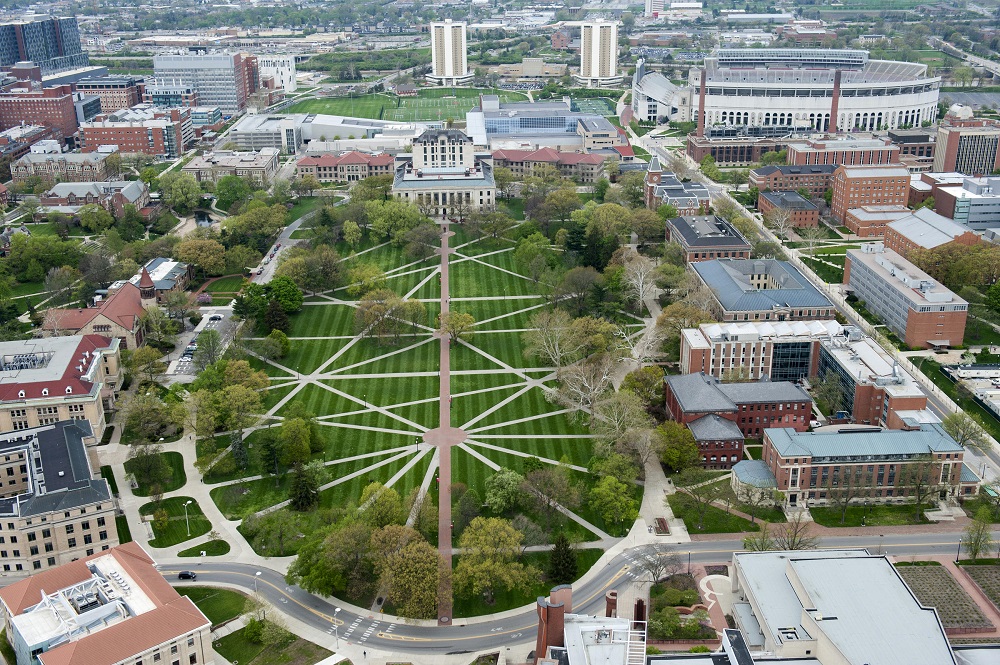
This link is a great repository of historic photographs of the Ohio State Campus area, including High Street and neighboring Weinland Park. There is also a lot of historical information on events, restaurants, buildings and a lot more.

This link is a great repository of historic photographs of the Ohio State Campus area, including High Street and neighboring Weinland Park. There is also a lot of historical information on events, restaurants, buildings and a lot more.
In Random Columbus Photos 10, we look toward the East Side.
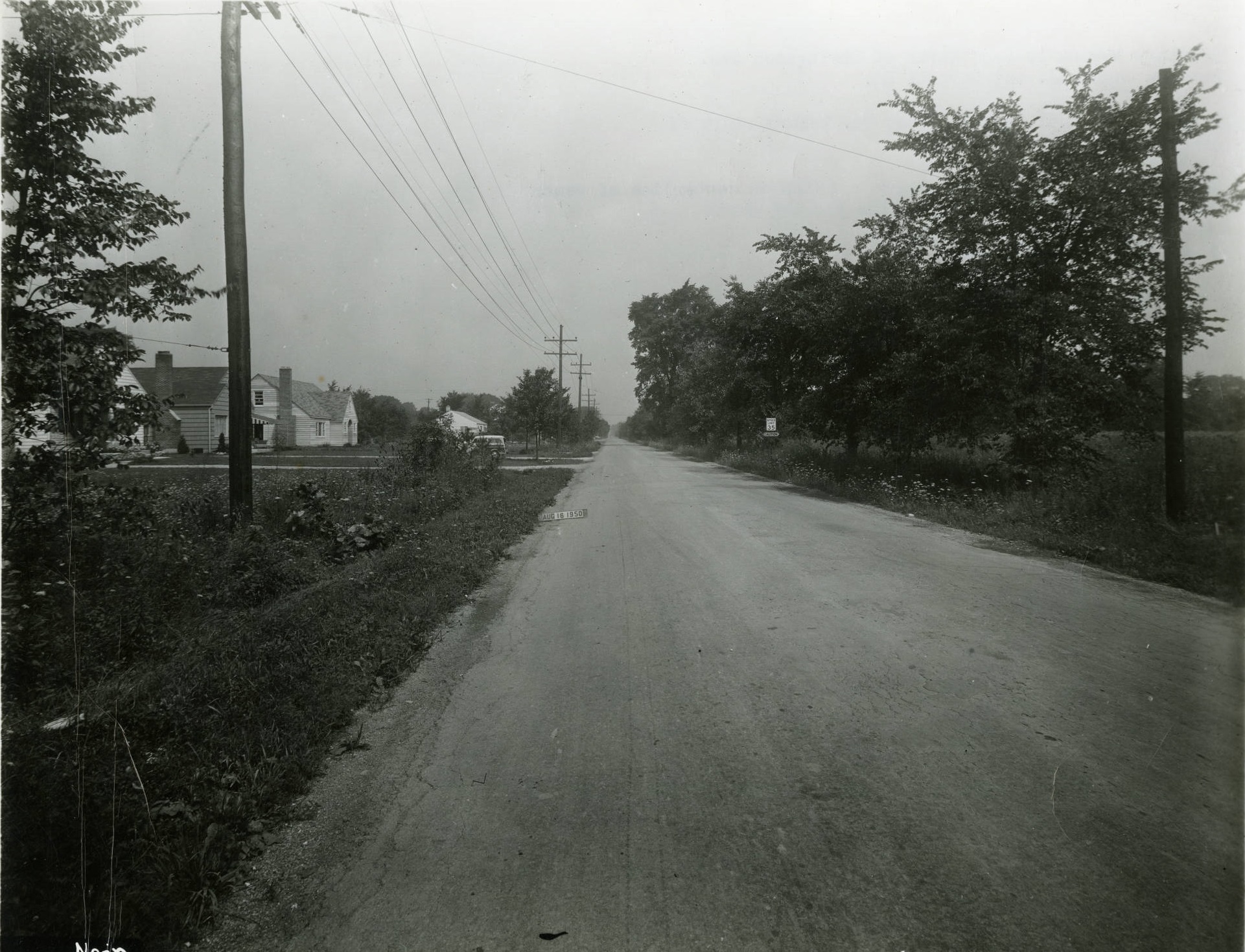
Photo Location: James Road, looking north from Livingston Avenue.
Photo Date: August 16, 1950
Photo History: This photo of a very primitive James Road was taken by the City in preparation for installing a sewer system in the area. There were very few homes and other buildings on James at the time, and the area was still mostly farmland. The homes on the left side of the photo had only just been completed, and were the first of large-scale, small-home subdivisions that now dominate this part of the city and neighboring Whitehall. By 1953, the entire area seen in the photo would be fully developed and unrecognizable.
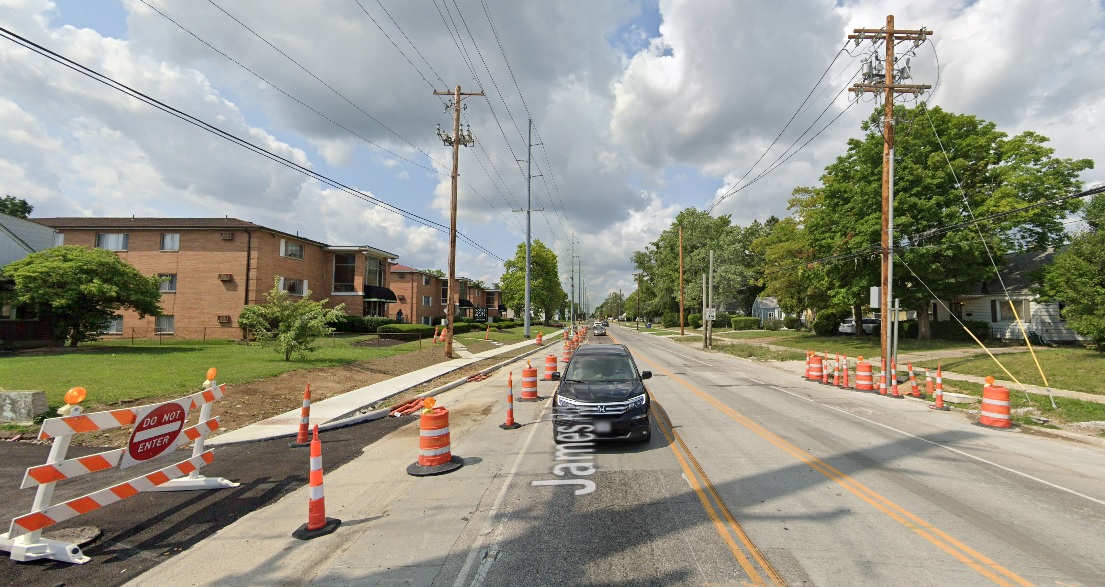
The same view today:
Thousands of historic before and after photos from across the city can be found on the Historic Building Database.
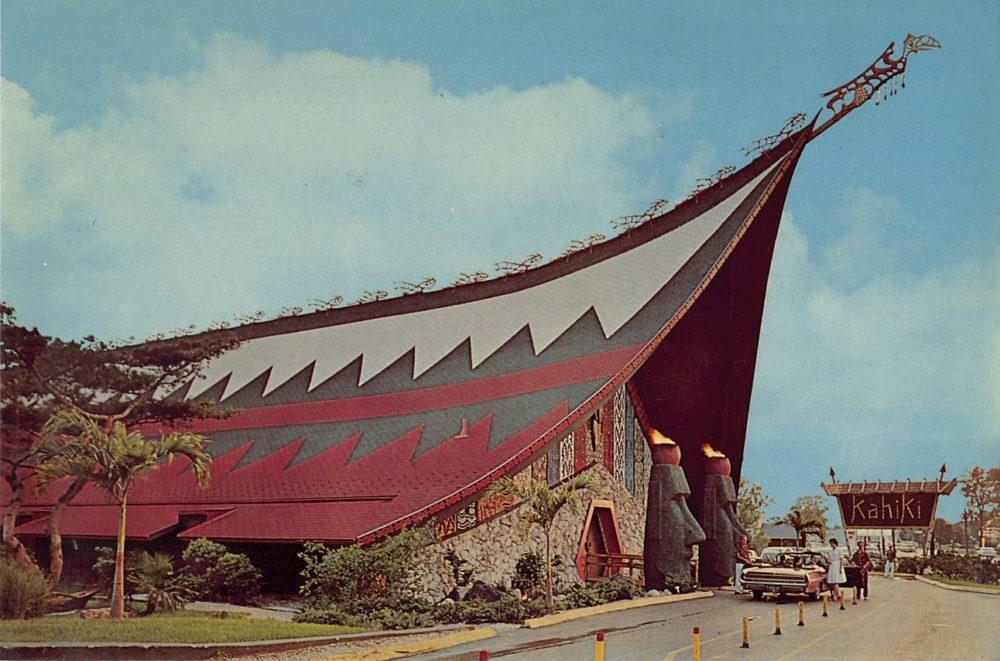
Ever looked at a building and wondered if it was ever a former Pizza Hut? Or wanted to know how long Kahiki was in business? Columbus Restaurant History is a fantastic link for all of the local area’s foodie history. Not only are there stories about individual restaurants and chains, but you can look up former restaurant locations, dates of existence, old menus and so much more! It’s just a really cool link for a niche part of Columbus’ history.
Take a look!

Streetcars in 1909.
In a January, 1900 debate on Columbus transit, a group of concerned Downtown Columbus residents and business owners voiced their opposition to the Columbus & Newark Traction Company being greenlit to build and operate a streetcar line on Mound Street. Today’s car-dominated environment means most arguments against transit projects would likely revolve around rail being too expensive or that few would ride them. In contrast, 1900 arguments involving transit options showed a very different attitude towards public transit in general.
The opposition group put out a list of 10 reasons why they objected to the project. They were:
1. We believe it to be the interest of prospective passengers of a street railroad from the east over the National Road, that the cars come into the city over the Main Street tracks.
2. Because it would be most direct to the center of the city.
3. Coming over the Main Street line would confine cars of the new line to the established rate of speed while in the city.
4. The proposed line on Mound Street would get but few city passengers.
5. It is not likely that reduced fares would be secured.
6. Transfers over old lines could not likely be had.
7. Cars would be far between.
8. A car line on Mound Street would be useless to residents of the city because too near Main Street where cars are much more frequent than could be expected on a suburban line.
9. Not getting city traffic, cars on the proposed line over Mound Street would run at a high rate of speed, making it dangerous for people in that part of the city and especially so for the residents of Mound Street.
10. We believe that it would be to the general interest of the city and the special interest of the southeastern part, also the interest of a new company that the proposed new line over the National Road from the east should come into the city two or three blocks from, if not on the Main Street line, but never over Mound Street.
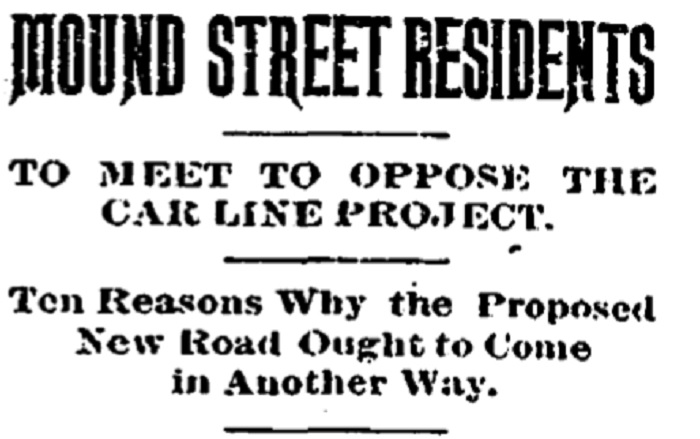
Besides being somewhat repetitive in places, the given reasons are more practical than the emotional anti-rail tirades often witnessed today. The group wasn’t so much opposed to rail- just the opposite. Instead, they didn’t like that there were too many lines in the same area, thereby making a new one redundant and financially infeasible. They didn’t bring up construction costs, but objections to the potential lack of transfer stops. They weren’t overly worried about the line interfering with other traffic, but whether the service would run enough cars.
Too often in the current transit debate, proposals tend to get bogged down in politics rather than the basic transit needs of the population. A century ago, even opposition groups seemed to fully understand that the issue was not rail itself, but in ensuring that what got built made the best sense possible. Columbus hasn’t had rail in more than 40 years. In its long absence, we’ve perhaps lost the plot on what really matters.
The opposition group lost the fight and Mound Street got its streetcar line. The East Mound section ended service in 1929 as the car became increasingly dominant.
The last streetcar trip in the city occurred on September 5, 1948.
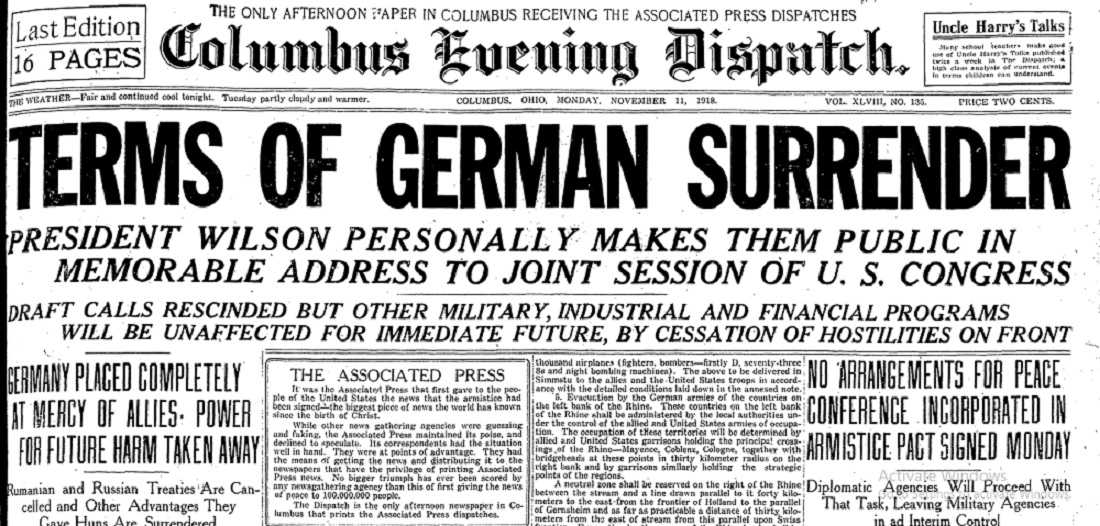
100 years ago today, World War 1 came to an end. Known as the Armistice, the agreement was officially completed on November 11, 1918. As in the rest of the nation, the mood in Columbus was celebratory.
In what was then said to be the “Greatest Demonstration in History”, Columbus citizens were up before dawn on that Monday morning, consumed in riotous celebration. At least 200,000 people marched through the streets of Downtown on Armistice Day, the crowd completely ignoring the ongoing Spanish Flu pandemic. An article on the event described the scene in poetic detail:
The lid that throttled pentup enthusiasm during the last few fateful days was blown off with a bang. Bellowing whistles, screeching sirens and jubilant shouts of early risers ushered in the greatest Monday in the world’s history. With each passing minute the pandemonium became greater.
An expanding, bulging, distending, heaving, heightening, thrilling crowd that by mid-morning numbered itself in the thousands, swirled, swayed and twisted itself in one long line of humanity through the ins and outs of High Street.
From every nook and cranny of the city’s far-lying borders came added increments of men, women and children, mad with joy, delirious with triumph, exalted as never before.

The Armistice being celebrated on High Street, November 11, 1918.
WWI had lasted from July 28, 1914 to November 11, 1918 and had taken about 20 million lives.