Before and After July 2014


The Before and After July 2014 edition shows a few famous Downtown buildings and what ultimately happened to them.

The Hippodrome Theater
Operated from October 26th, 1914 to December 31st, 1933.
Address: 77 N. High Street, Downtown
Seats: 300+
First movie shown: “The Nightingale” with Ethel Barrymore
Last movie shown: Unknown
Opening Admission: 10 cents

Photo of the entrance to the Hippodrome Theater, 1915.

The silent-era Hippodrome Theater was developed by G.E. Overton, who took over the Bonnett Jewelry store that occupied the building previously. News articles at the time of its opening described the décor in this way:

The little theater, which seats over 300, is neatly decorated in yellow. The lobby is attractive in white marble and the foyer is in yellow and gold. There is no stage; the picture being projected against a large screen as in most picture theaters.

The Hipp, as it was referred by, had a 6-piece orchestra under the direction of W.H. Claspill. It was the first movie theater in Columbus to have an orchestra.

There seems to be a bit of confusion on just when this theater opened. The official first movie shown there was in 1914, but by some accounts, the theater actually opened in April, 1910. Also, there is some mystery on the lone photograph above. Some list it as having been originally taken in 1915, but others have it listed from 1934, after the theater had closed.

The current view of the site.

View Larger Map

The Park Theater
Operated until November 24, 1893. The date it opened is unknown.
Address: 217 N. High Street, Downtown
Seats: Unknown

The Park Theater began operations sometime in the 1880s or very early 1890s, and may have operated long after 1893 if not for a disaster from the building just to its south, the Chittenden Hotel. In 1889, Henry Chittenden purchased the office building of the B&O Railroad, added 2 floors and spent $400,000 (an enormous sum at the time) converting and renovating the building into a luxury hotel. In 1890, a fire broke out and gutted the entire building, but spared neighboring businesses like the Park Theater.

The second Chittenden Hotel. The Park Theater building can be seen on the very right. The photo is from 1892.

Chittenden decided to rebuild, and the 2nd Chittenden Hotel was completed in 1892. This second hotel had its own theater, the Henrietta, which was still partially under construction on November 24th, 1893. That evening at around 8pm, a fire started during a performance there. The fire originated in the auditorium, in an area that was still under construction and spread into the seating area itself. Once the flames breached the theater, strong winds quickly spread the fire and began to burn the hotel as well as surrounding buildings, including the one that housed the Park Theater. By the time the fire burned itself out just the next morning, both theaters, the hotel, a drug store, saloon, shoe house and clothing shop were all completely destroyed.

The second Chittenden and Park Theater, November 1893.

The Park Theater, November 25th, 1893.

Improbably, despite 2 hotels in the same locating burning down, Chittenden rebuilt for yet a 3rd time, with the largest and grandest version of all- not to mention with far better fire-resistant construction. The third time, it seems, was the charm, and the hotel survived from its completion in 1895 to its final demolition in 1973.

The unlucky Park Theater itself never rebuilt, though the lot had a new commercial building in its spot by 1895. That building also faced the wrecking ball in 1973.

The current location of where the Chittenden and Park Theater once stood.
Random Columbus Photos 1

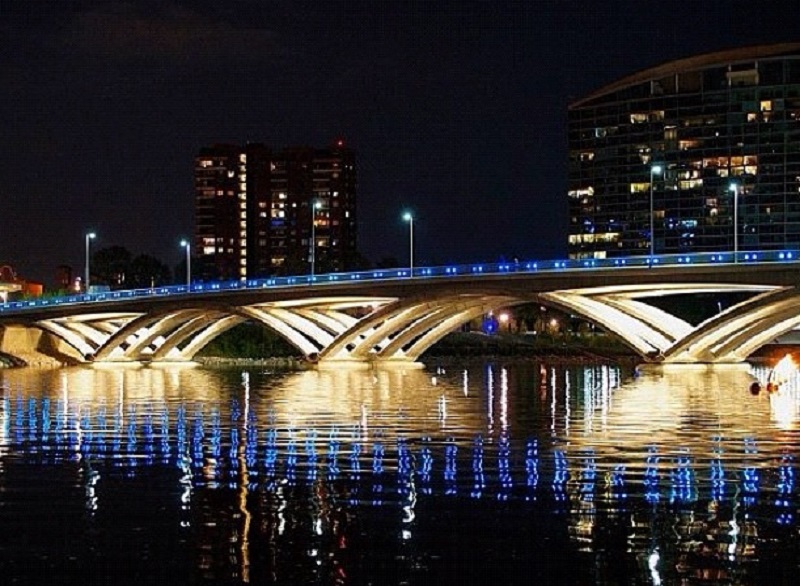
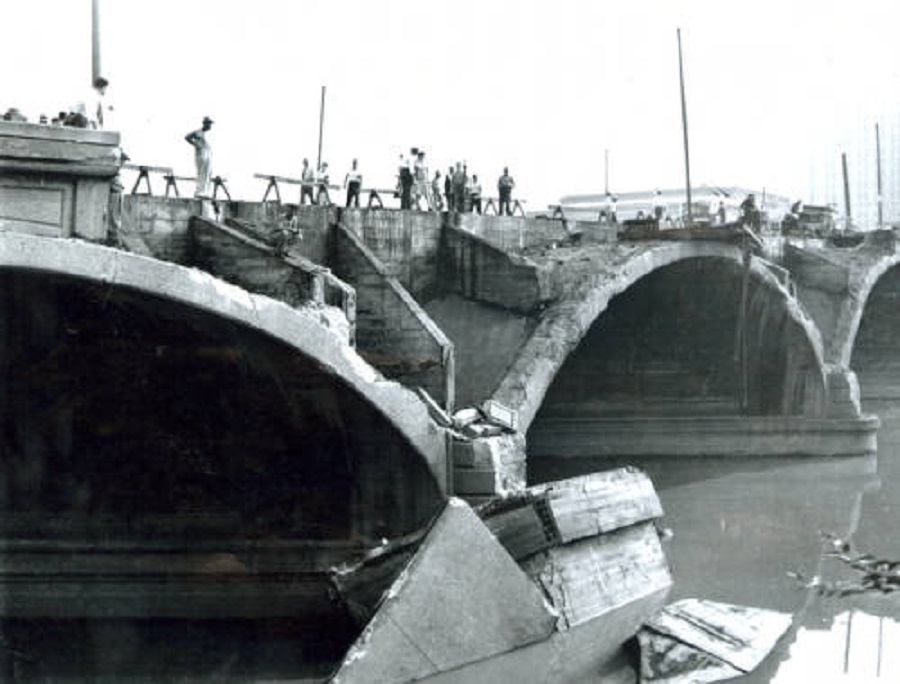
On the hot, summer day of August 21, 1947, a thunderstorm hit the Columbus area that would produce a memorable and tragic event. A bolt of lightning struck the southwestern corner of the Broad Street Bridge in Downtown. Perhaps because of the extreme heat or structural deficiencies, the lightning caused part of the bridge to seemingly explode, and large chunks of the bridge collapsed into the Scioto River. While no cars fell off the bridge as a result, 4 pedestrians did. One of those pedestrians died the following day from sustained injuries. The bridge itself had been built as the replacement for the one destroyed during the great flood of 1913. After the incident in 1947, the bridge was repaired and continued to serve as the main Scioto River crossing at Downtown for another 43 years. In 1990, it was demolished and replaced by the current (and very similar looking) Discovery Bridge, completed in 1992 in time for the celebration of the 500th anniversary of the “discovery” of America by the city’s namesake, Christopher Columbus.
Random Columbus photos 1

The damaged bridge.


Rise of RiverSouth


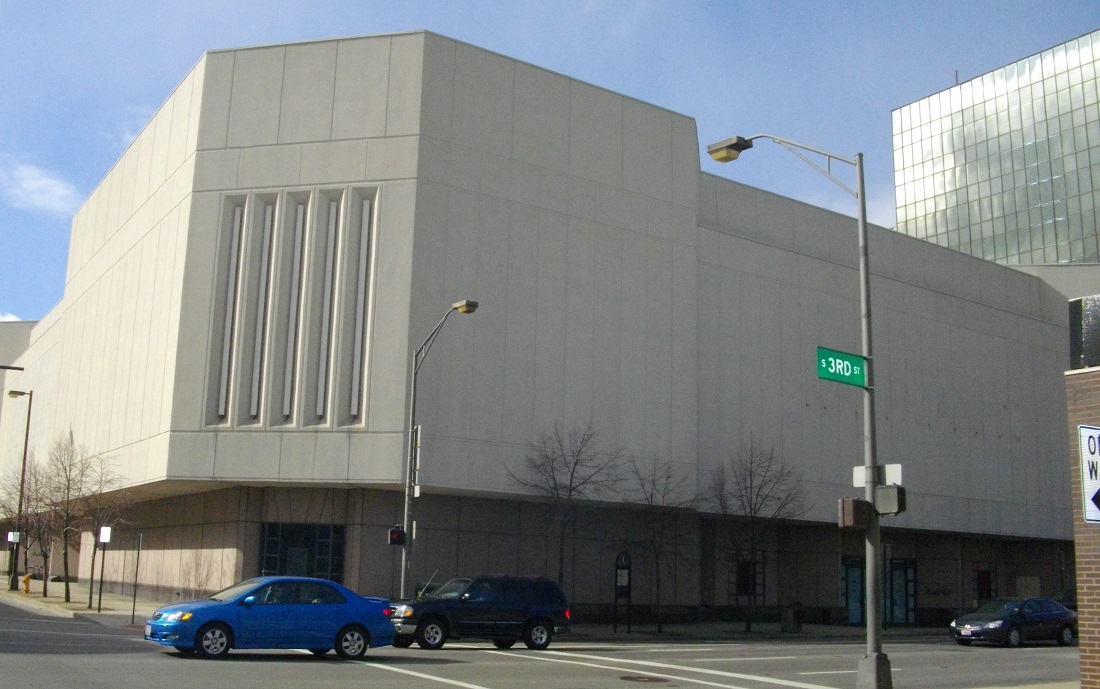
The RiverSouth area of Downtown was, not that long ago, the epitome of the disastrous Urban Renewal policy so popular during much of the mid-latter part of the 20th century. Bounded to the east by High Street, north by State Street, west by the Scioto River and south by I-70, this area, by the mid-1990s, had become a sea of surface parking lots, old storage warehouses, underutilized or empty storefronts and ugly infrastructure. The construction of City Center Mall in 1989, with its location directly across High Street, was supposed to help bring this neighborhood back with new development. Instead, as the mall did with the rest of Downtown, it helped suck the life out what retail and business existed there. Worse, the concrete, prison-like exterior of the mall lacked any type of street-level connection, so it functioned to keep people off the sidewalks and the streets were as abandoned as ever even as thousands of shoppers flooded the new mall every weekend.

Rise of RiverSouth Columbus, Ohio

The imposing structure of City Center.


As newer suburban competition gradually killed City Center itself, the city was left with the task of figuring out what to do with its hulking core. Proposals were put for from everything to government buildings to redesigning the building itself into an Easton-like outdoor shopping town center. However, the money and interest for such proposals just weren’t there, and so the city came up with another, much different plan. The 10-15 year development plan called for the complete demolition of the mall complex, replacing it with a new city park complete with an entertainment stage, carousel and eateries.

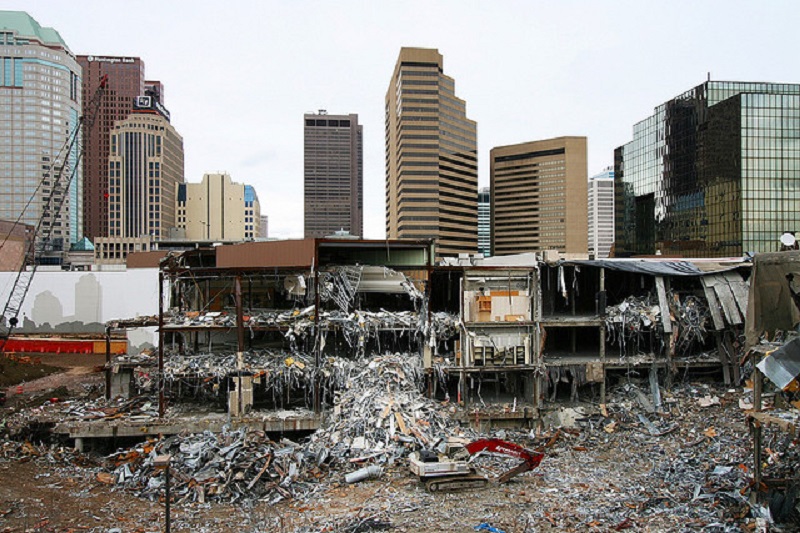
City Center being demolished in 2010.


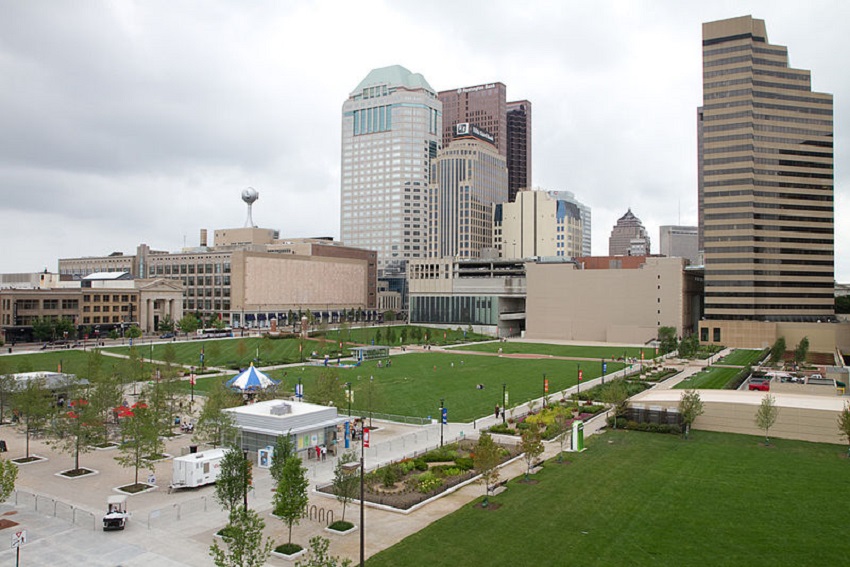
The mall was closed in 2009 and demolished the following year. This event seems to have marked the true beginning of the rise of RiverSouth. Columbus Commons and its 9 acres opened to the public in 2011. Despite a hugely negative expectation by some that the park would see little use and become a new place for vagrants and criminals, CC was an almost instant success. Hundreds of events were held there during its first year, and those numbers have grown every year since. Picnic with the Pops moved to the new park during the 2012 season, and the Columbus Food Truck Festival has attracted tens of thousands each of the last 2 years. The carousel, outdoor library and other events have been popular with kids and families. The park, with all its success, helped to bring about another important change to the area. It attracted development.

Columbus Commons before any development.


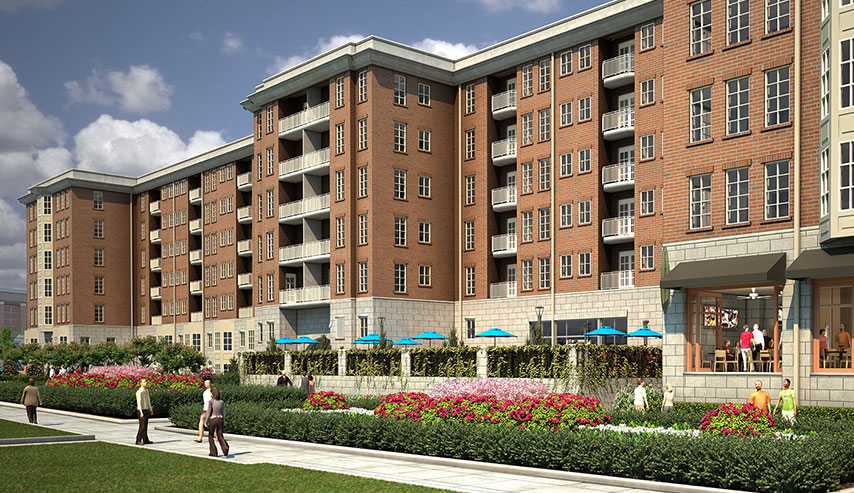
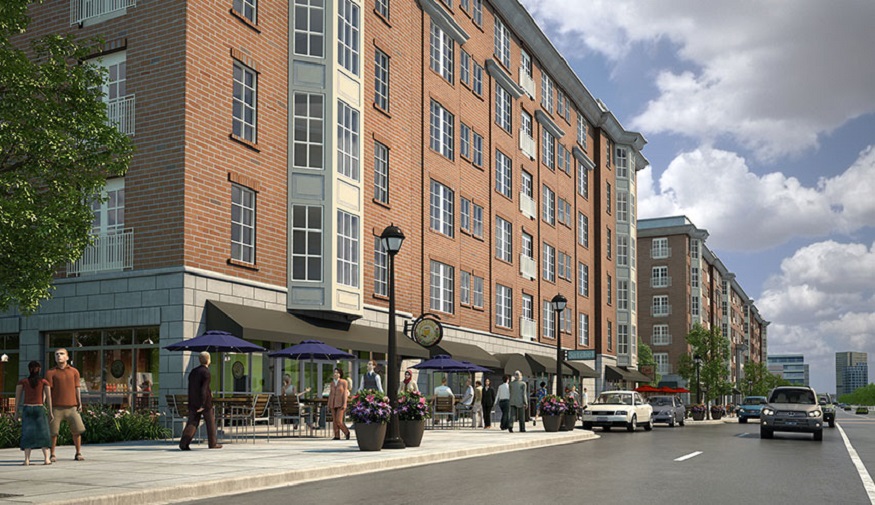
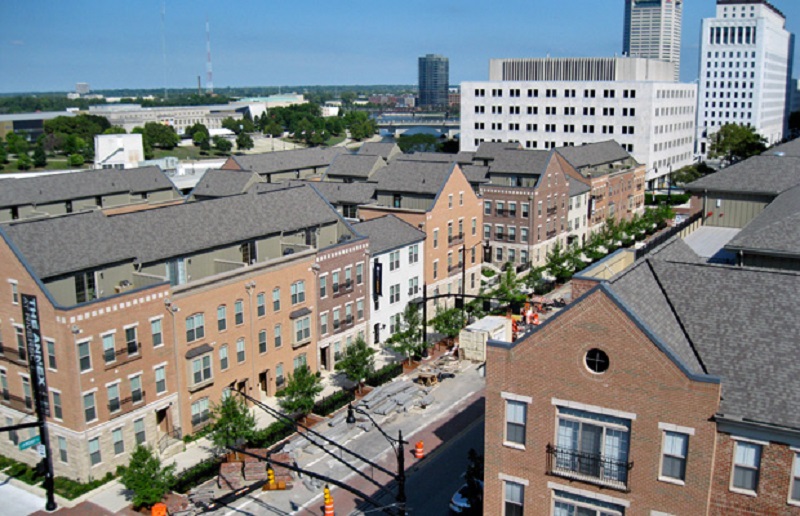
Originally, the park’s long-term plan was to have the grassy areas along High Street developed, but no one expected that to happen within a decade. Instead, a developer came forward less than a year after the park opened. High Point was that project, a pair of 6-story mixed-used buildings that would line the entire west side of the park from the corner of Rich and High. 302 new apartments, a handful of restaurants and ground floor retail lining High were all part of the project. Still under construction, this project should be complete in early 2014. Unfortunately, as the below pictures show (and the most flattering ones I could find at that) that the architecture is pretty horrendous. Despite that, the buildings will help fill in the gaps on High Street and bring hundreds of new residents, so the positives outweigh the negatives here.

Since the announcement of City Center’s demise, other projects have come about over the last few years that have helped raise the profile of RiverSouth.
-The Annex at RiverSouth replaced several surface parking lots along S. Front Street. This 214-unit, 4-story residential complex was originally planned to be a mix of condos and apartments, but became mostly apartments when the condo market died off. The complex was completed in 2010.

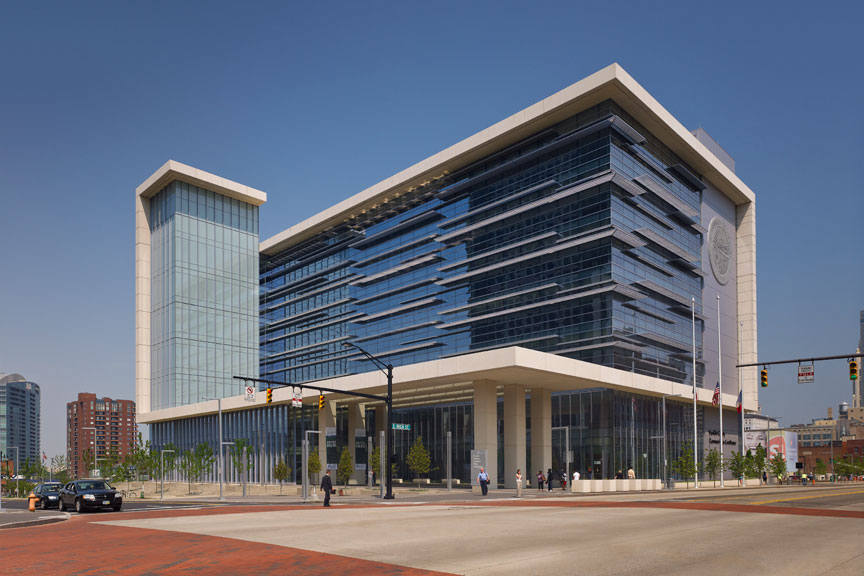
-The new Franklin County Courthouse, a $106 million, 7-story complex was completed in 2011 at the southwest corner of W. Main and S. High Streets.

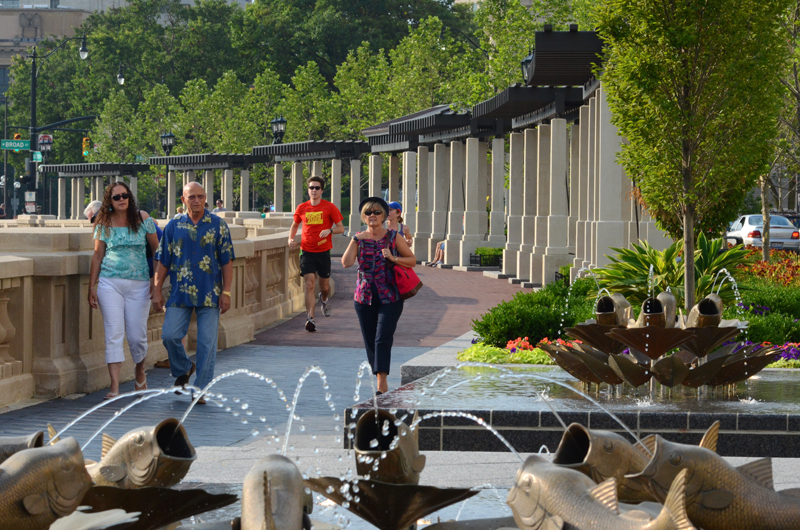
-The Scioto Mile, the $44 million riverfront park, was completed in 2011 complete with fountains, a restaurant, paths and an entertainment stage.

Scioto Mile

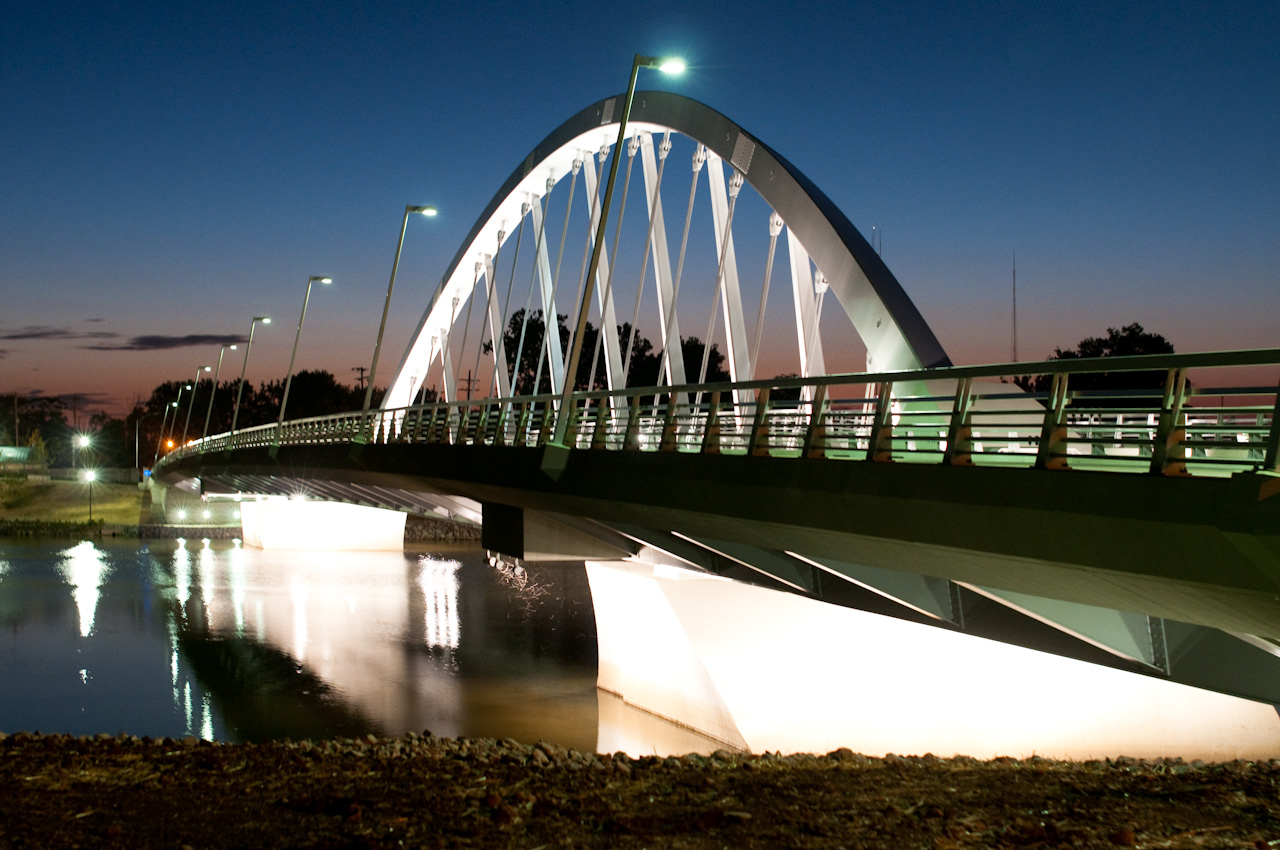
-Main Street Bridge was replaced with a signature, $60 million arched span in 2011.

-The Rich Street Bridge was also replaced in 2012 with a new $26 million open span.

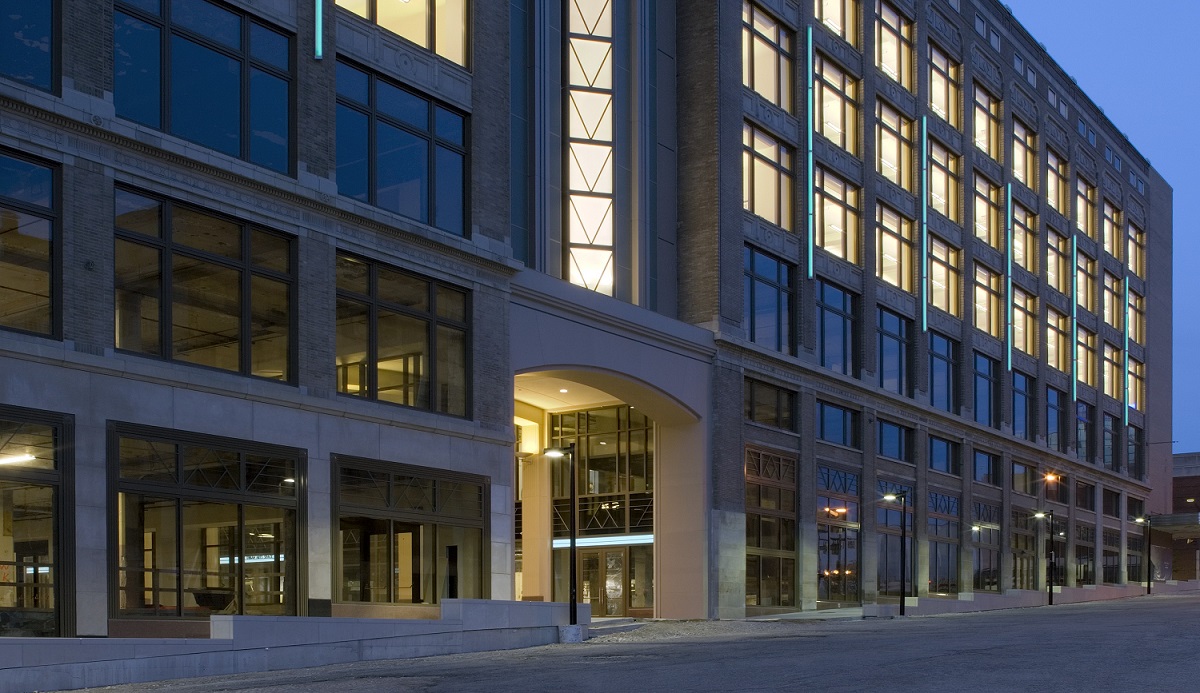
-The old Lazarus building, once connected to City Center by a massive skywalk, received a $60 million renovation in 2010 that converted the former retail building into an LEED green office building for the Ohio EPA and other organizations.

-Many of the streets in the area have been rebuilt with brick crossing and new landscaping.

So a lot has been done over the past few years, but what’s coming next? Beyond the High Point project, 3 more projects have recently been announced.

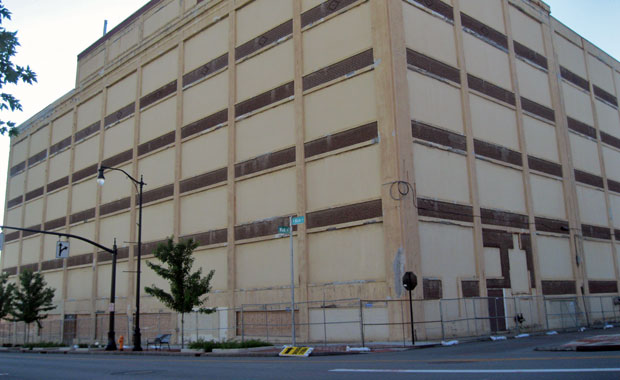
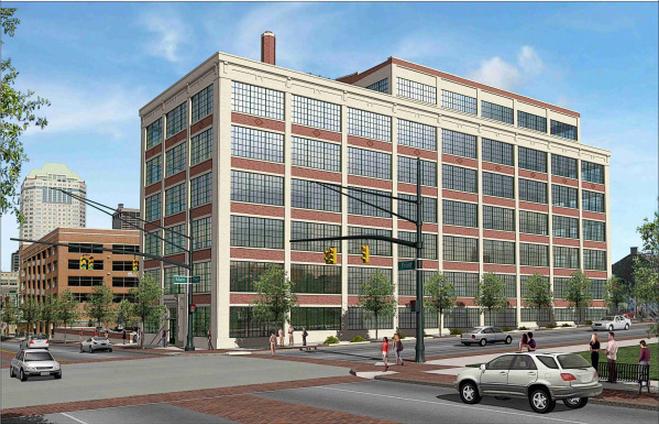
-The first is the conversion of the Secur-It warehouse building at the northeast corner of S. Front and W. Main Street. The century-old building was once used as a shoe factory, but was bricked over and used as a storage facility for many years. The current plan by Casto is to turn the building into about 90 residential units. The old warehouse windows will be restored, as well as the façade and interiors. The project should get started in the spring of 2014.

The current Secure-It building.


Proposed rendering for the Secure-It building.

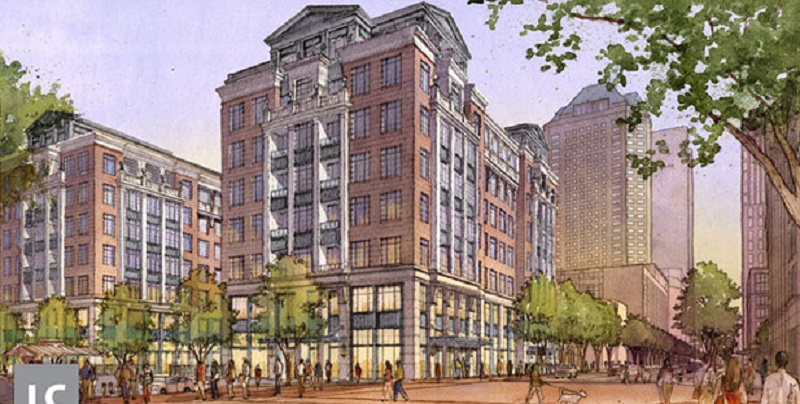
-Second, we have Lifestyle Communities LC at RiverSouth project. This 8-story, 102-unit residential building will occupy the northwest corner of S. High and W. Rich Streets, directly across from Columbus Commons. Construction should begin this fall and complete in early 2015.

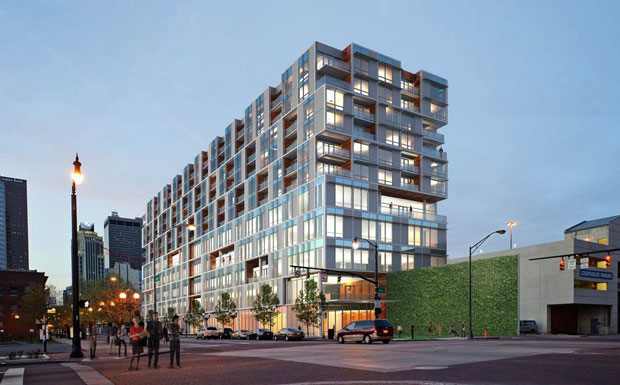
-And finally, we have the recently announced 250 High project. This $50 million, 12-story mixed-use tower would have ground floor retail, 4 floors of offices and 7 floors of residential totaling 156 units. This project will be built on the surface lot adjacent to the old City Center parking garage at 250 S. High Street. Construction on this project should also begin in the fall and complete sometime in early 2015.

These projects will no doubt spur others in the near future. Several surface lots still exist in RiverSouth, and a few of them are still along S. High Street just north of the new courthouse. Given the momentum of the neighborhood, expect to see development announcements on at least a few of these lots sooner than you think.


Before and After Downtown


Downtown, more than any other neighborhood, has seen major changes over the years. This edition of Before and After Downtown looks at just a few locations around the neighborhood that have seen massive transformation over the years. Some of these photos come from the Historic Building Database.

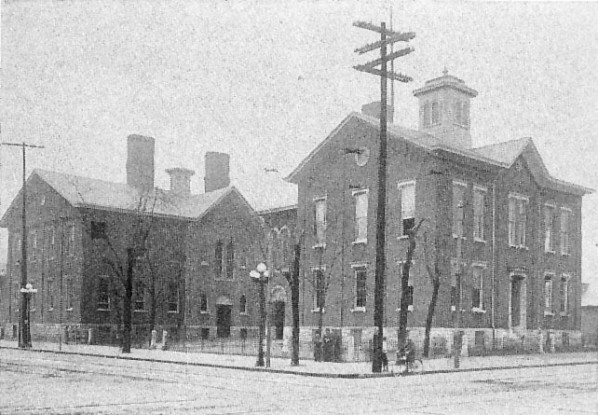
Before: The Central German School at 400 S. 4th Street in 1916

After: 2017
Before and after Downtown Columbus, Ohio
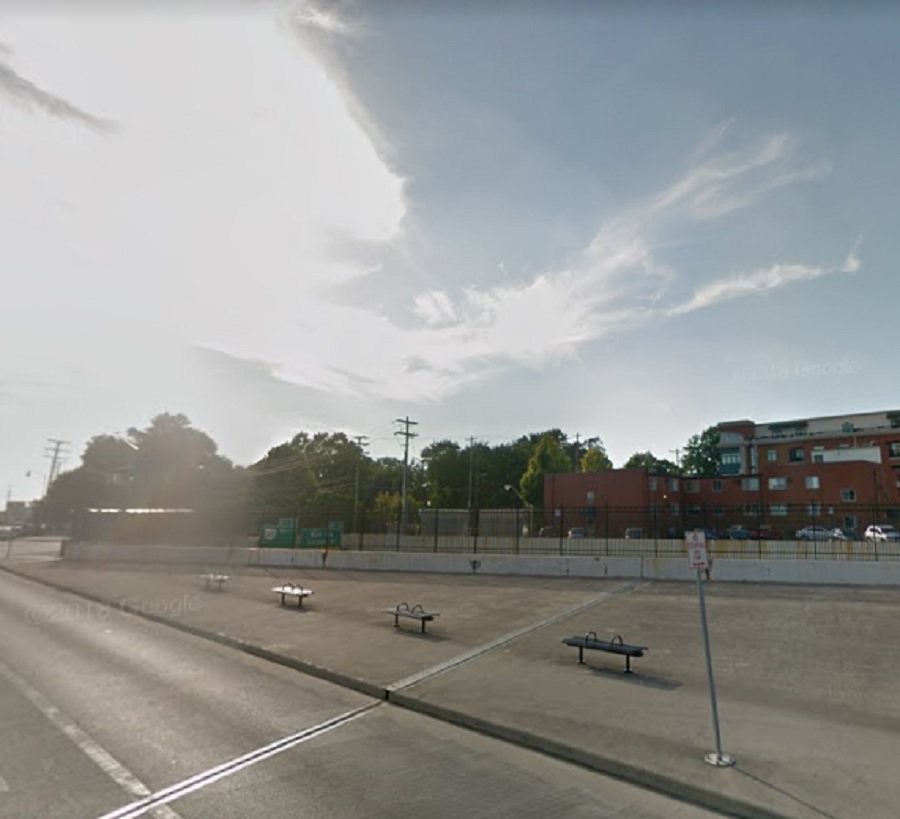
The school was originally opened in December, 1863. In 1920, the school began an expansion and opened as an institution for physically challenged children in March, 1922. The building met its demise in December, 1967 to clear the right of way for I-70/I-71. The highway split the northern sections of German Village off from the rest of the neighborhood. Eventually, almost every historic building left to the north of the highway was demolished. One of the few still remaining is the nearby Trinity Lutheran Church at the corner of S. 3rd and E. Fulton Street, which was dedicated on December 20, 1857.

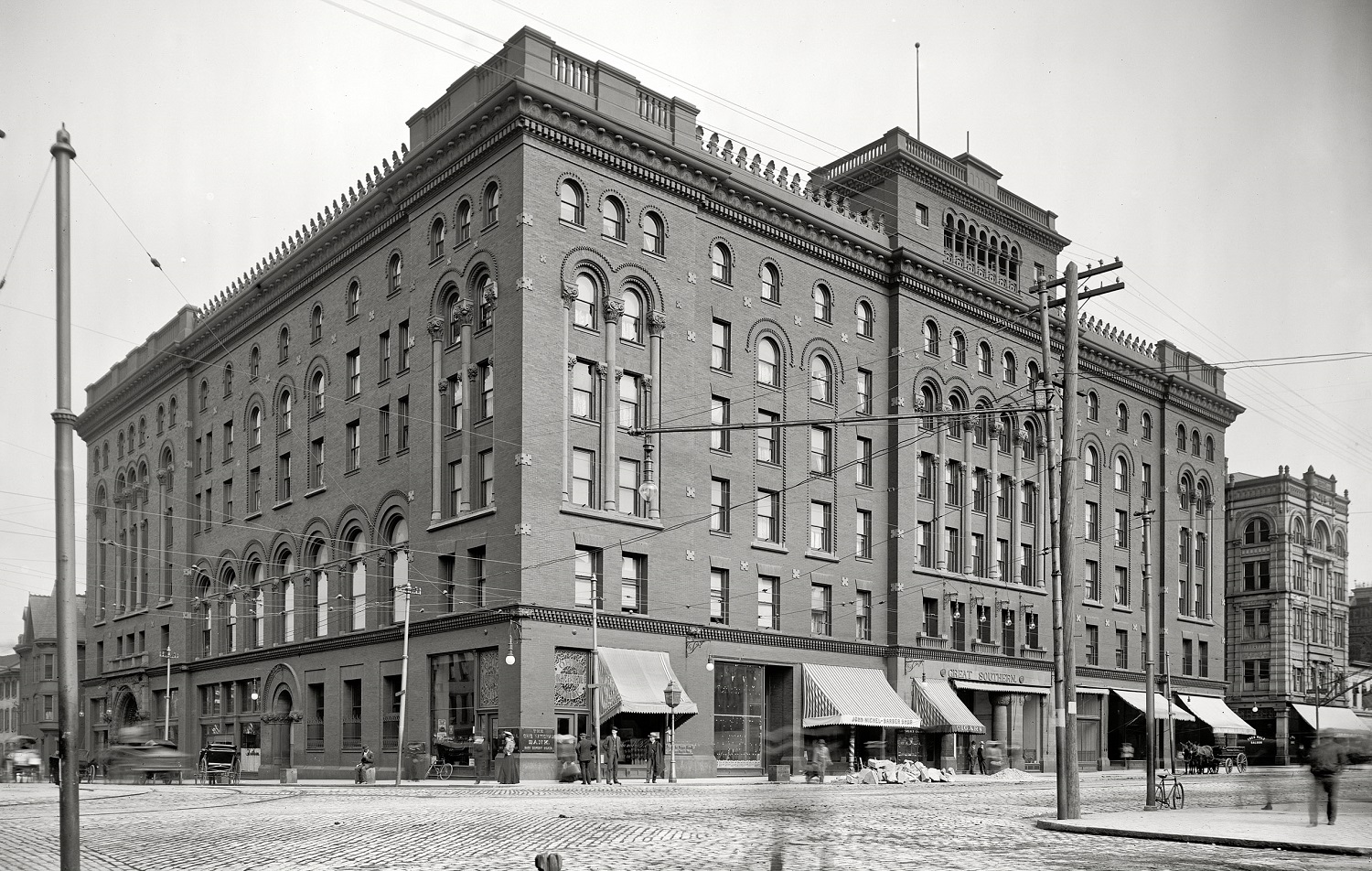
Before: Southern Theater in 1905

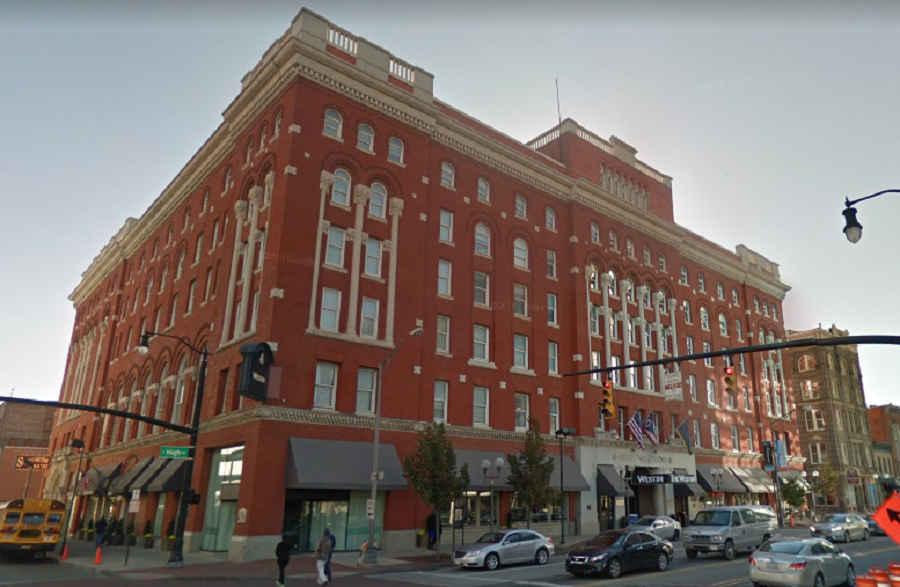
After: 2018

The Southern Theater came about out of the ashes of it’s predecessors. Fires had destroyed 5 separate Columbus theaters between 1889 and 1893, and with the sudden absence of major city theaters, the concept of the Southern Theater was born. The theater opened on September 21, 1896 and has changed very little over the years. Today, it is one of the oldest surviving theaters in Ohio. Very few other buildings can be seen in the old photo, but the 1895 building next door on High and Noble also survives.

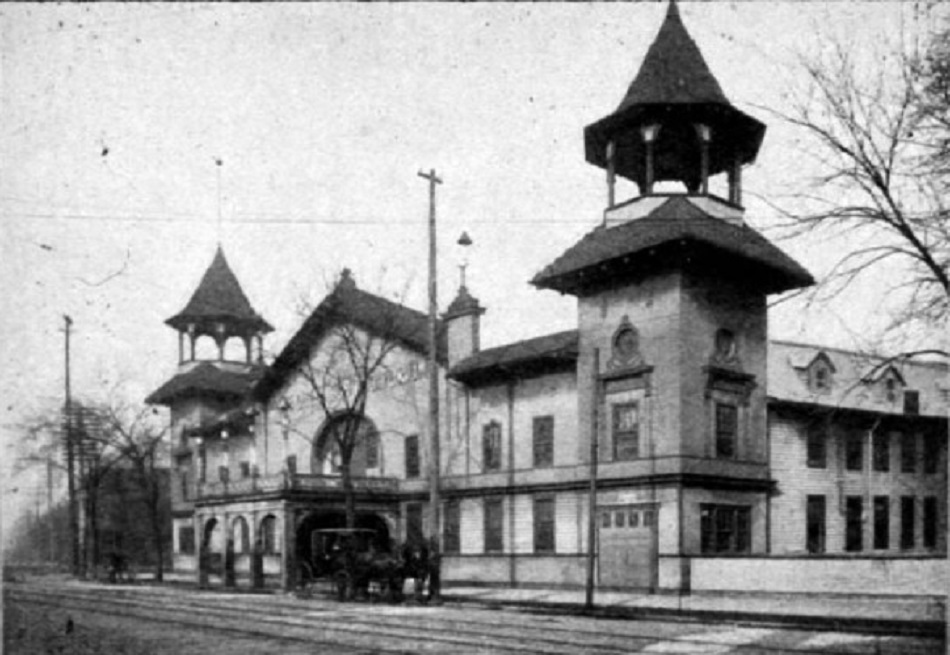
Before: The Columbus Auditorium at 570 N. Front Street in 1901

After: 2018

Opened on March 17, 1885, the Park Roller Skating Rink was a large, beautiful building across from where Nationwide Arena sits today. Originally for amusement, the rink only lasted a bit over a decade before being bought and remodeled to become the Columbus Auditorium in 1897. It’s large expanse of flat roof doomed the building however. After more than 15″ of snow fell on the city from February 16-18, 1910, the roof simply could not handle the load, and collapsed on the 18th. The building was deemed a total loss and was torn down not long after.

Before: The Ohio State Arsenal building at 139 W. Main Street in 1898

After: 2017

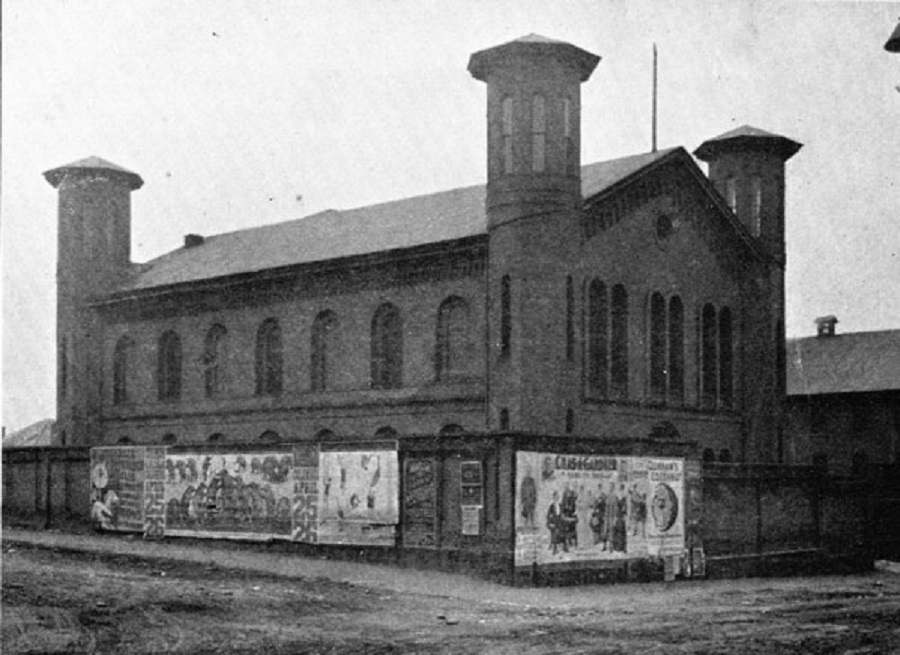
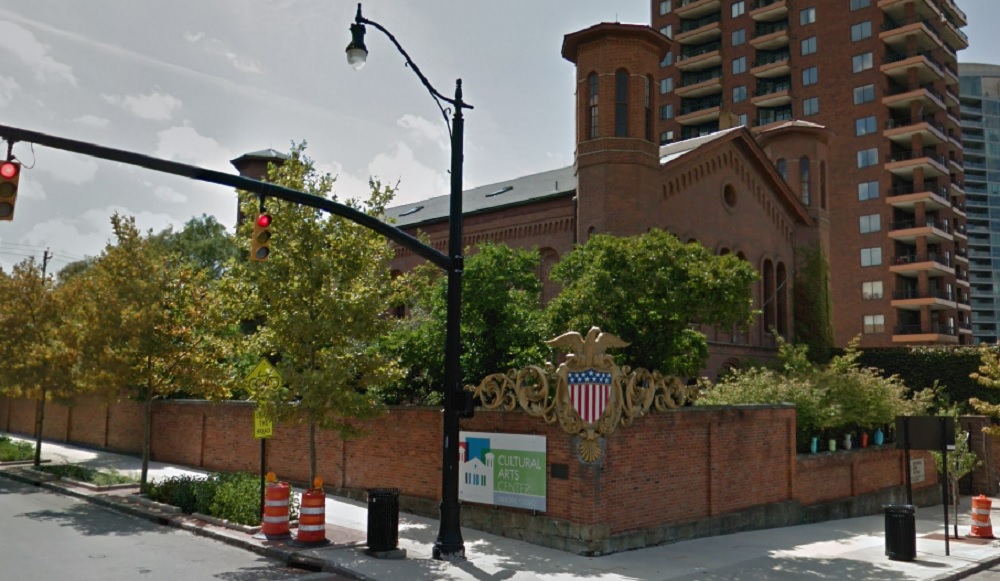
The Ohio State Arsenal building at 139 W. Main Street, seems to have a bit of disagreement as to when it was actually built (1861 vs. 1863), but regardless, it was a Civil War era arsenal that was used for this purpose for well over 100 years. It was put on the National Register of Historic Places in 1974, and became a cultural arts center in 1978, which it remains so to this day.


Before and After Franklinton


*Some photos have been updated since the time of the original post.

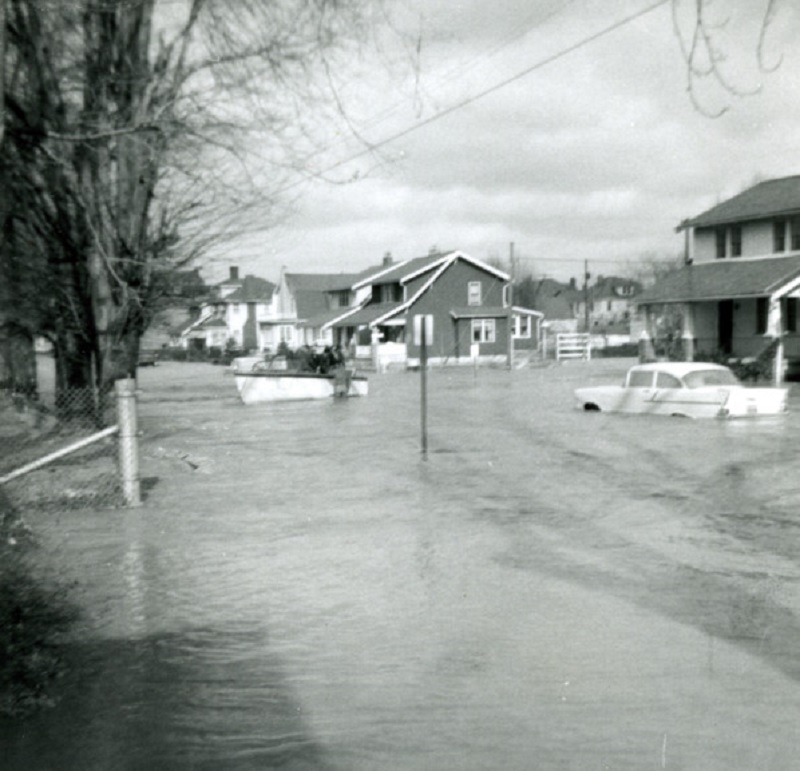
Before: South Central Avenue, looking north, during the flood of January 21-24, 1959.
Before and After Franklinton
After: 2015

The 1959 flood was the 2nd worst in the history of Franklinton after the 1913 disaster. The Frank Road crest on the Scioto River came on January 22, 1959 and was 27.22 ft, 3.22 ft above flood stage and a few feet below the 1913 crest. This crest would not cause serious flooding in Franklinton today, as the Franklinton Floodwall, completed in 2004, will protect the area to crests of up to 30.9 ft. Few people know that, prior to the wall’s completion, federal guidelines prohibited almost all types of construction in Franklinton, a contributing factor in the gradual decline it faced after the 1950s.

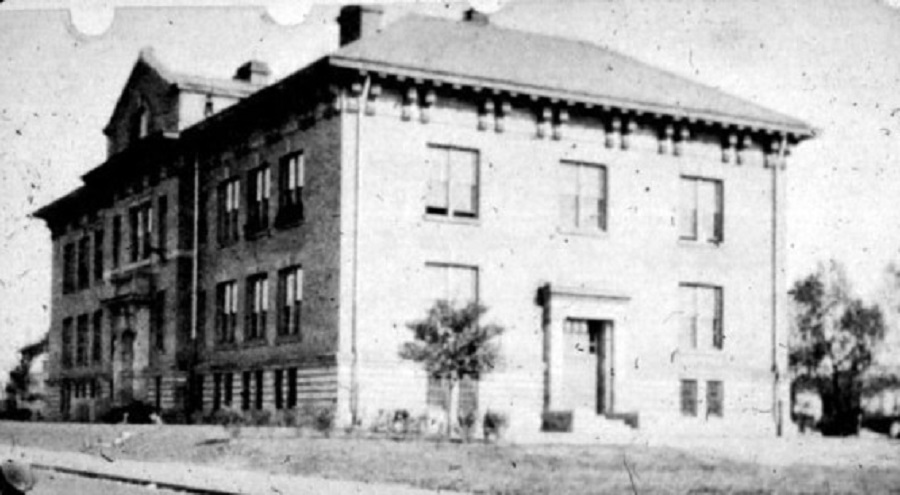
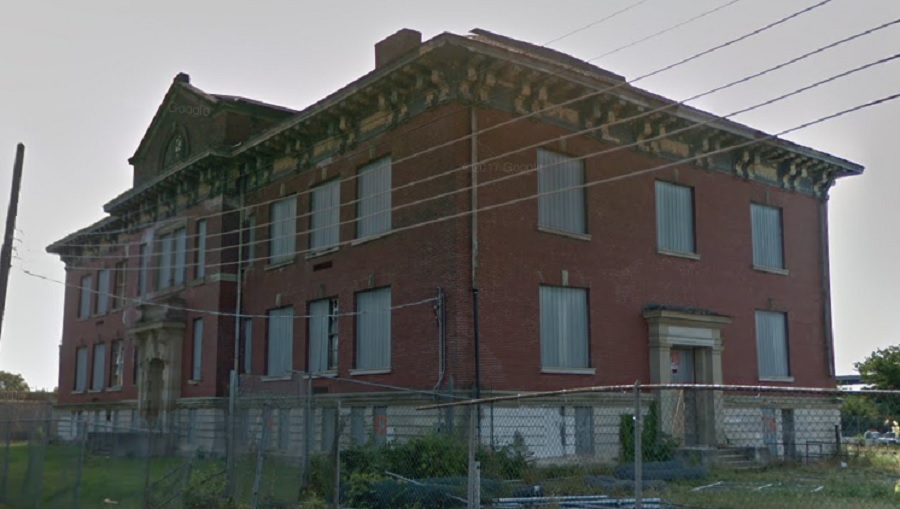
Before: Bellows Avenue Elementary on Bellows Avenue in 1922.

After: 2017

Bellows Elementary was opened in 1905 and barely escaped destruction during the I-70/315 highway construction. The building remained a school through the 1970s before closing and being sold by the city in 1984. It has remained vacant since then. Recent proposals to turn it into apartments, particularly as Franklinton has begun a massive revitalization, and the building has received a new roof, so further deterioration has been stopped for now. The building, however, is threatened by possible demolition once the 70/71 split is reconstructed in sometime in the mid-2020s.

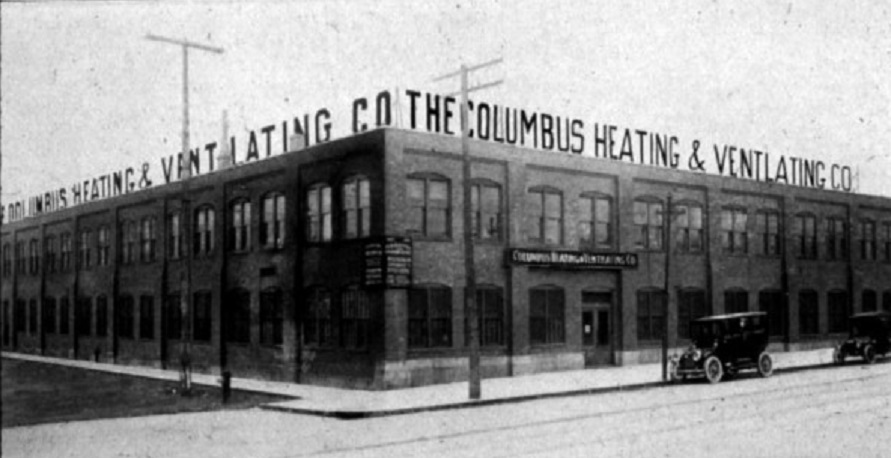
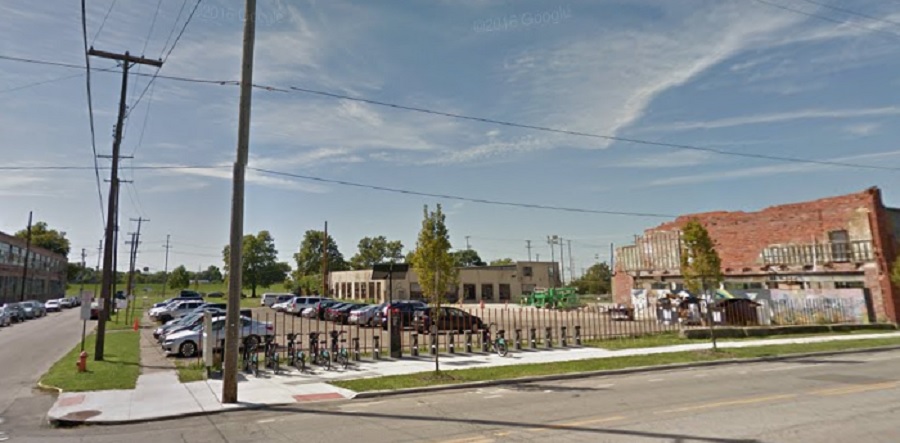
Before: The Columbus Heating and Ventilation Company building at 433 W. Town Street in 1916.

After: 2016

The Columbus Heating and Ventilating Company began in 1903 and still exists in the city, although obviously not at its original location. It later served as factories and parts of the complex were even used to enrich uranium for the Manhattan Project. The old building eventually went into severe disrepair and most of the roof had collapsed by the time it was demolished in 2011 as one of the first steps in the area’s rebirth. Multiple redevelopment plans have come and gone for the site, but so far, nothing has come of them.

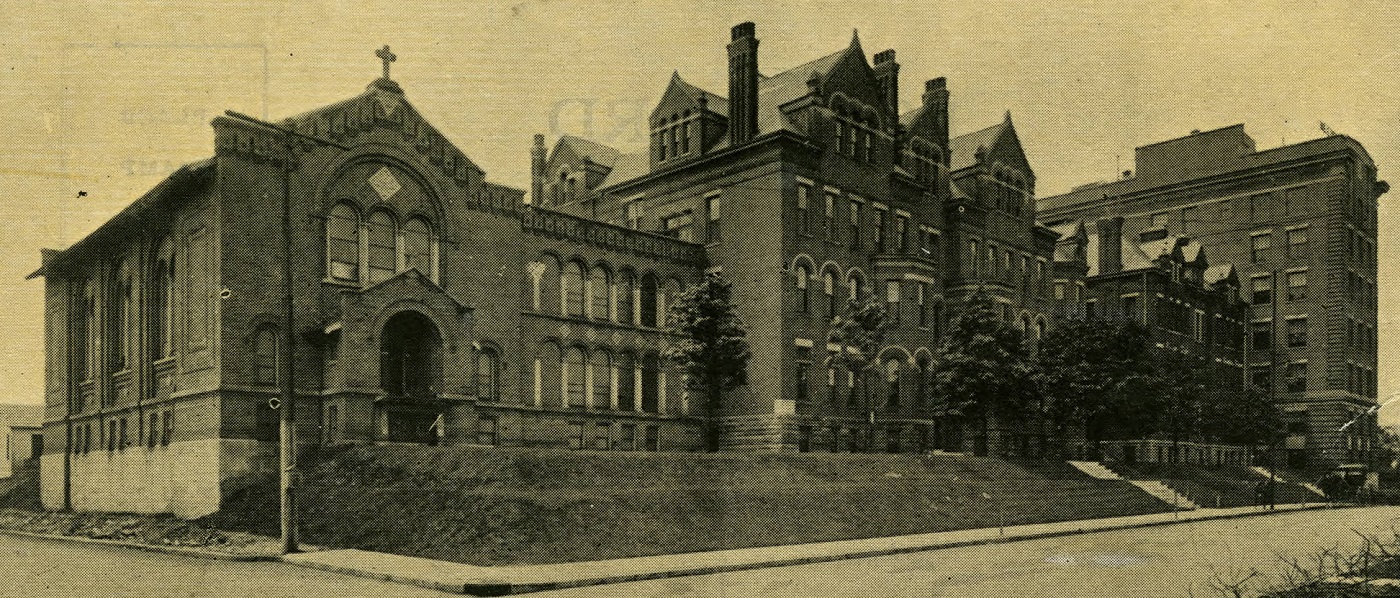
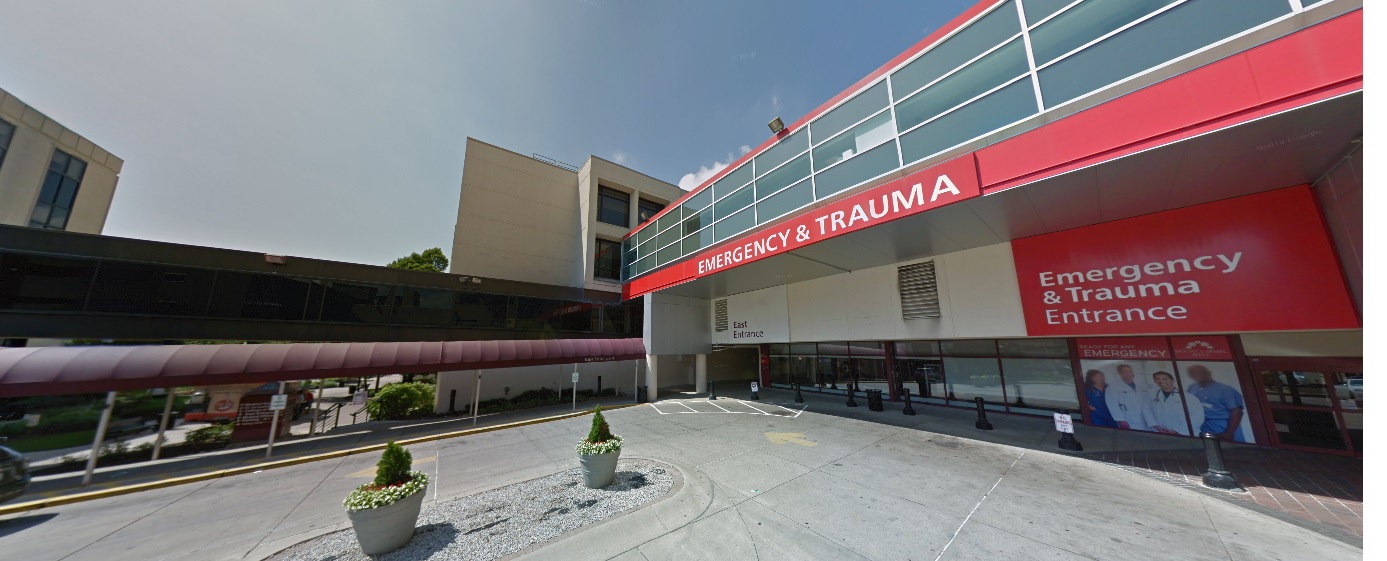
Before: Mt. Carmel Hospital, looking southwest on Davis, in 1909.

After: 2018

Mt. Carmel was originally known as Hawkes Hospital. The first section was completed in 1886, with later expansions in 1891 and 1908. Eventually, the old structures were deemed outdated for modern hospital purposes, and the entire complex was demolished in the late 1940s. Today, the site is very different, with the current buildings built on top of the old Davis and State Street intersection. The hospital moved most services to a new location in Grove City in recent years, with plans to demolish part of the complex to create a new mixed-use development.

For thousands more before and after photos from all parts of the city, click here:
Historic Building Database