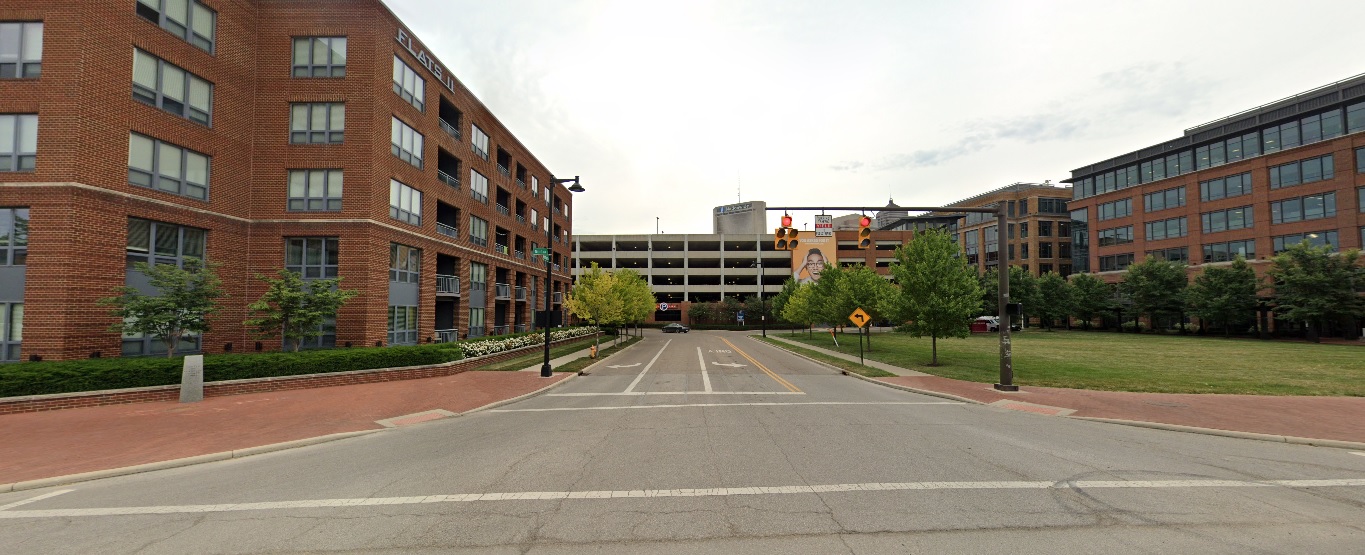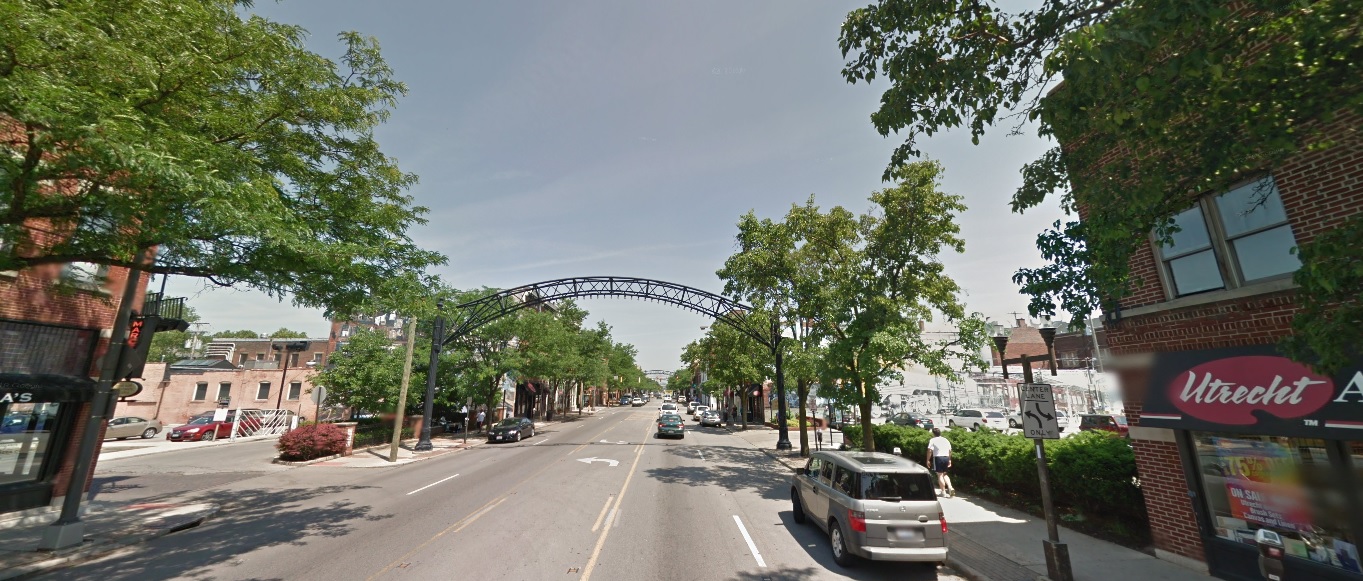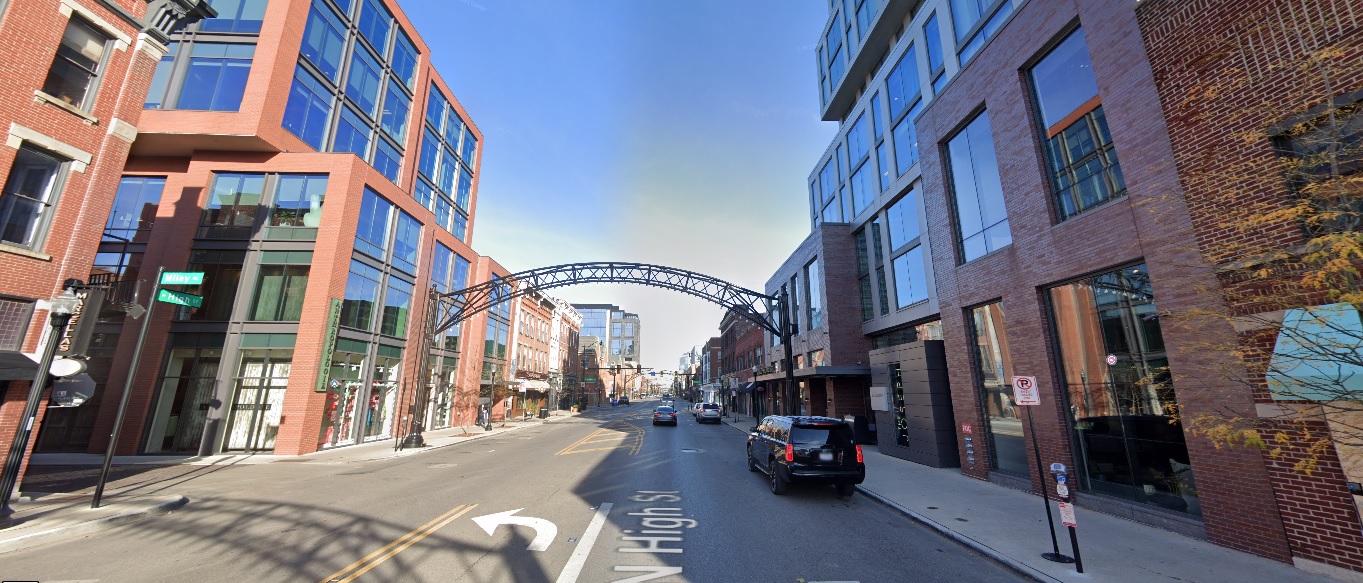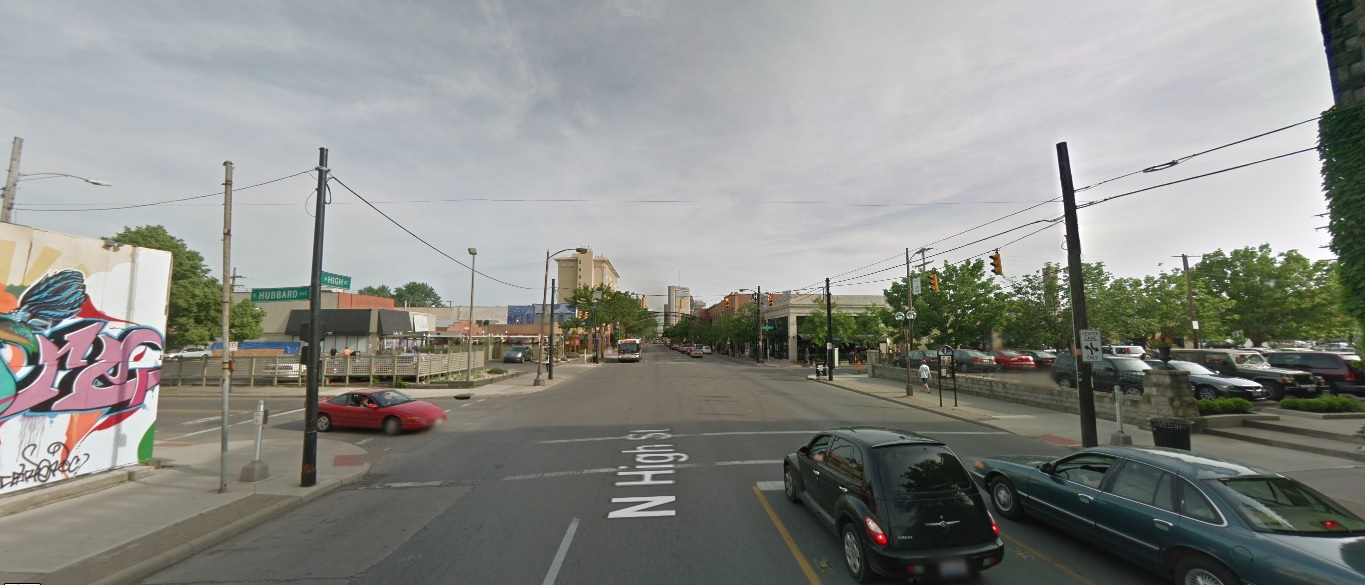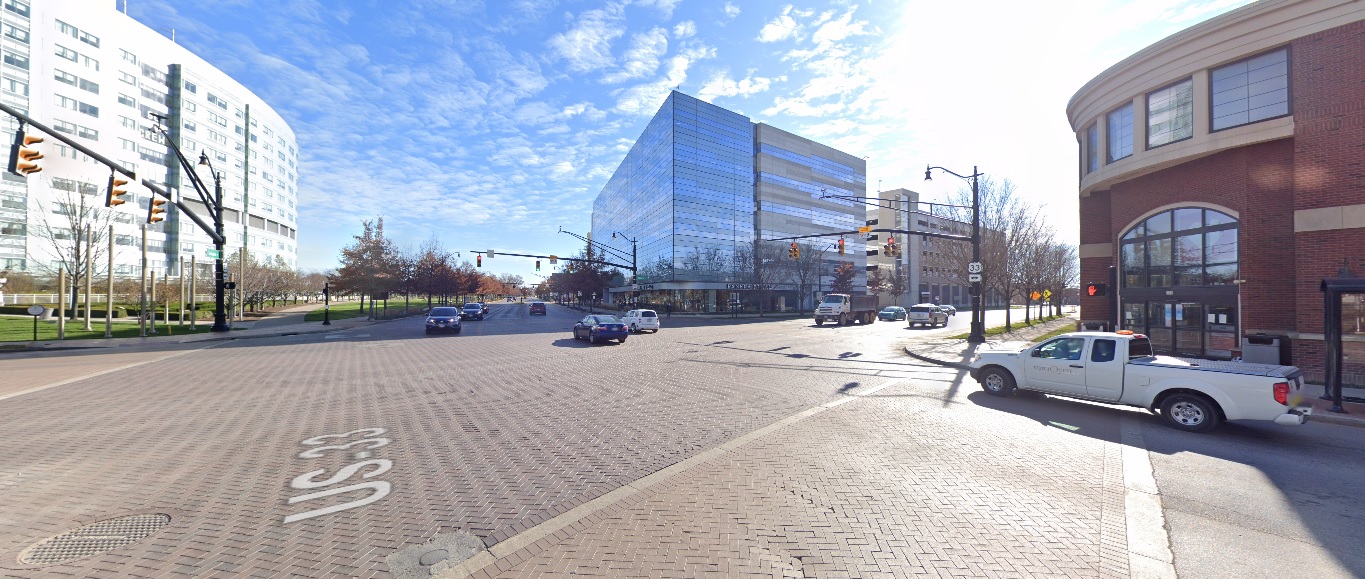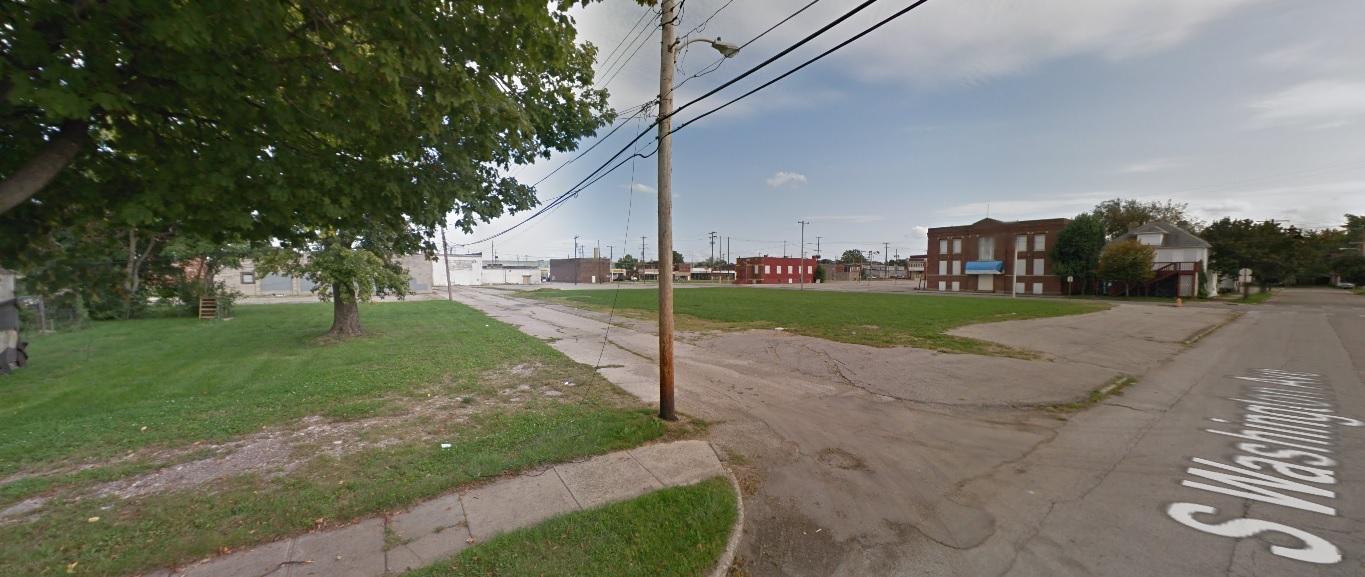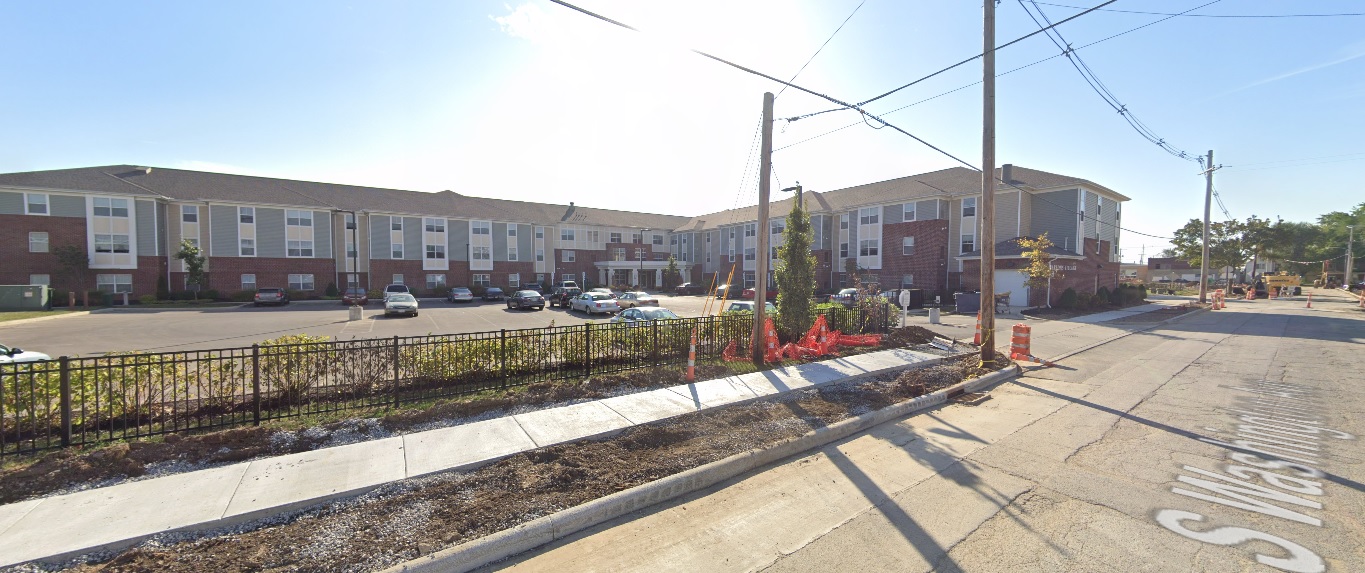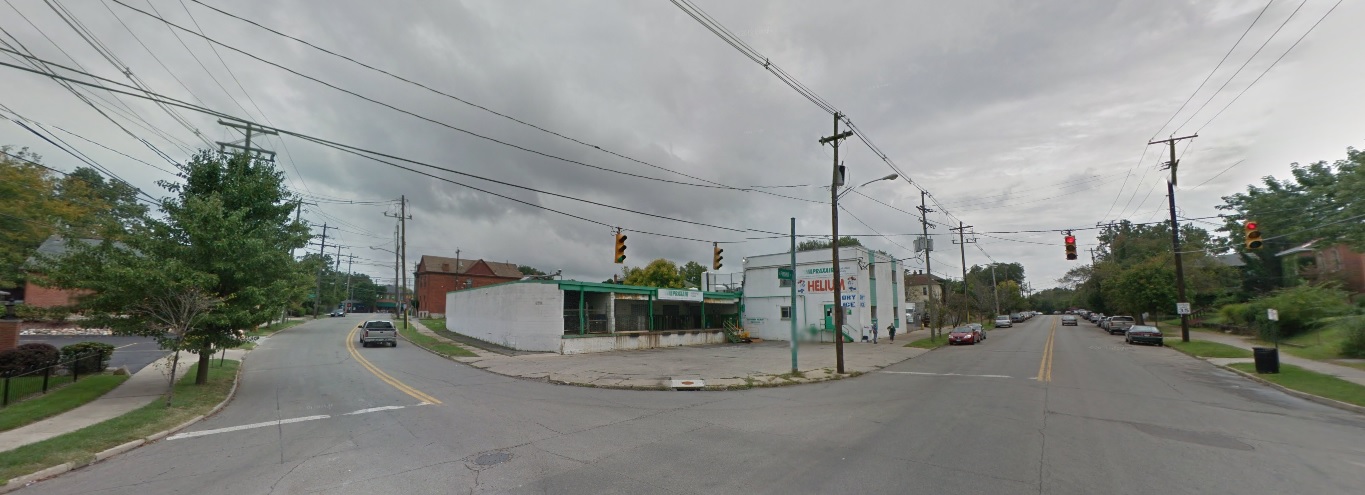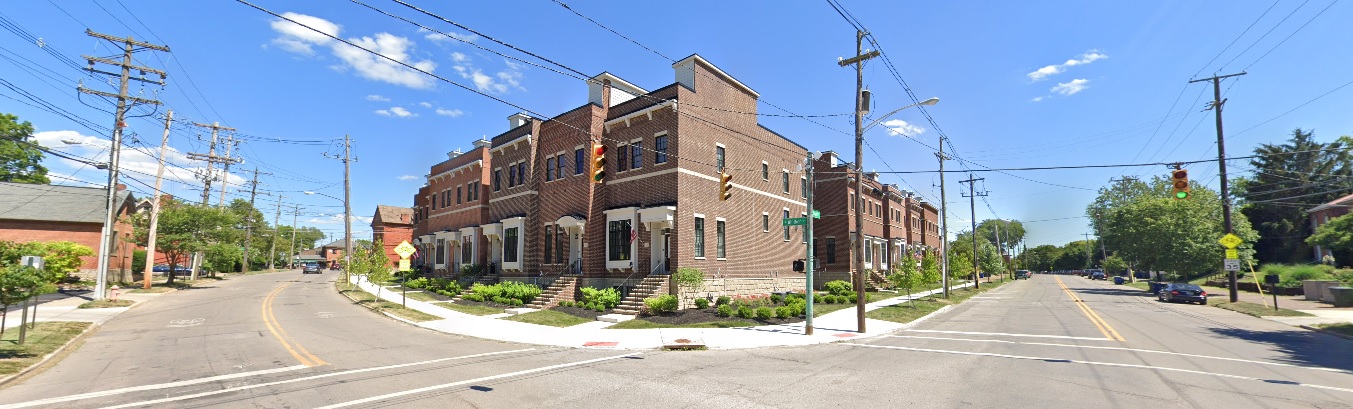
How Columbus Changed in 10 Years Part 2


how Columbus changed in 10 years part 2 Columbus, Ohio

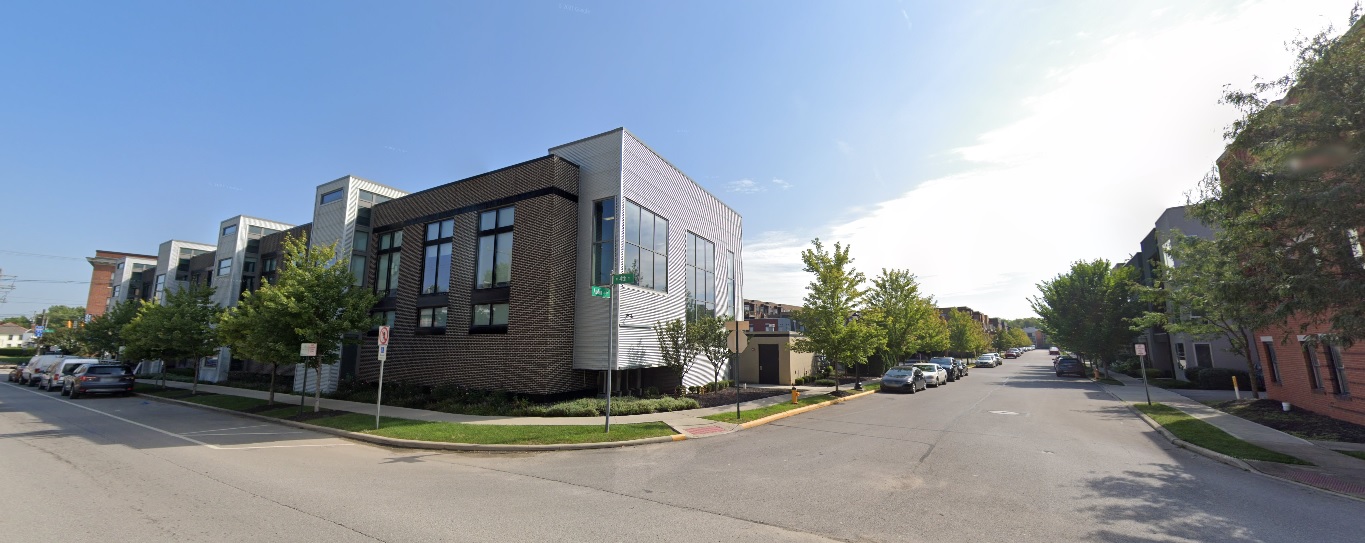
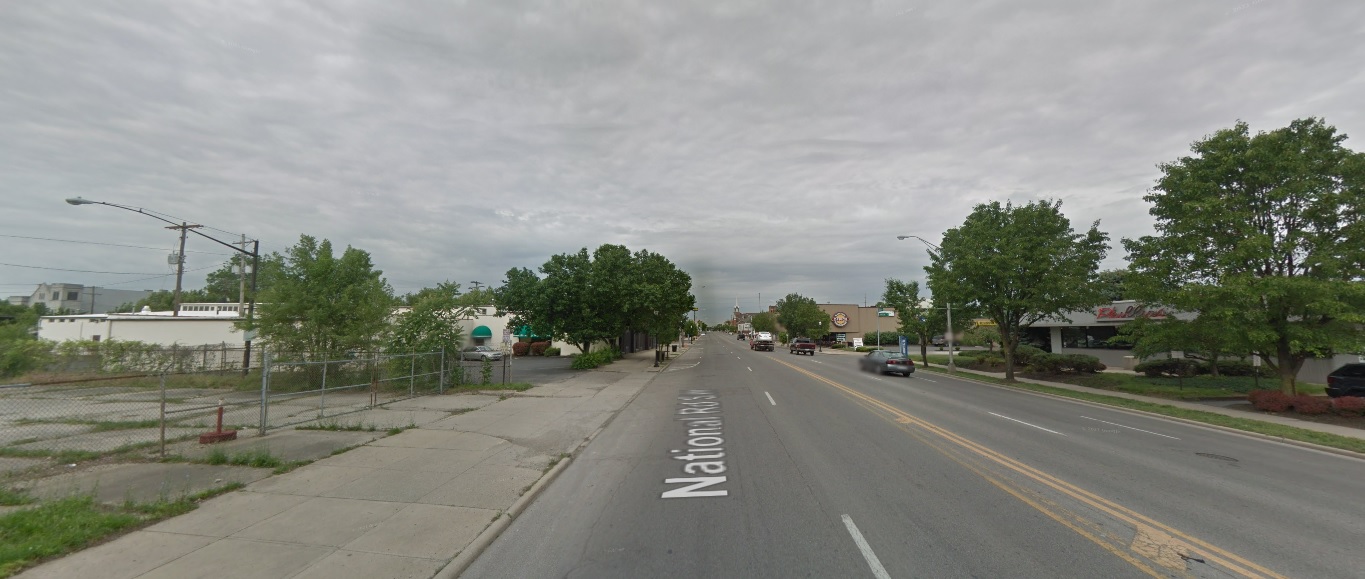
An overcast day in 2011.

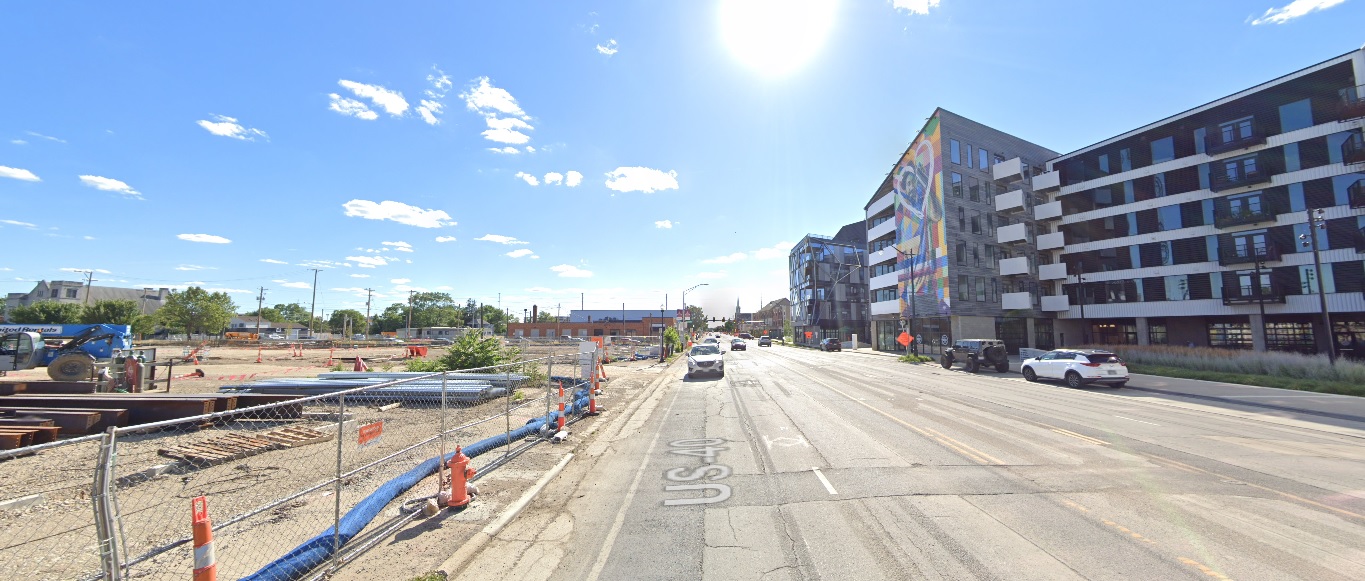
I received a massive positive response for the first version of this series, which was just a simple mashup of before and after photos of different parts of Columbus urban neighborhoods over the course of a decade. Because of that response, I have decided to do this How Columbus has changed in 10 years part 2 series. This time, besides adding more photos from core neighborhoods, I will expand the series out to other parts of the city and some suburbs, though still remaining within the 270 Outerbelt. In some ways, these before and after photos are even more drastic than the first set.

Downtown

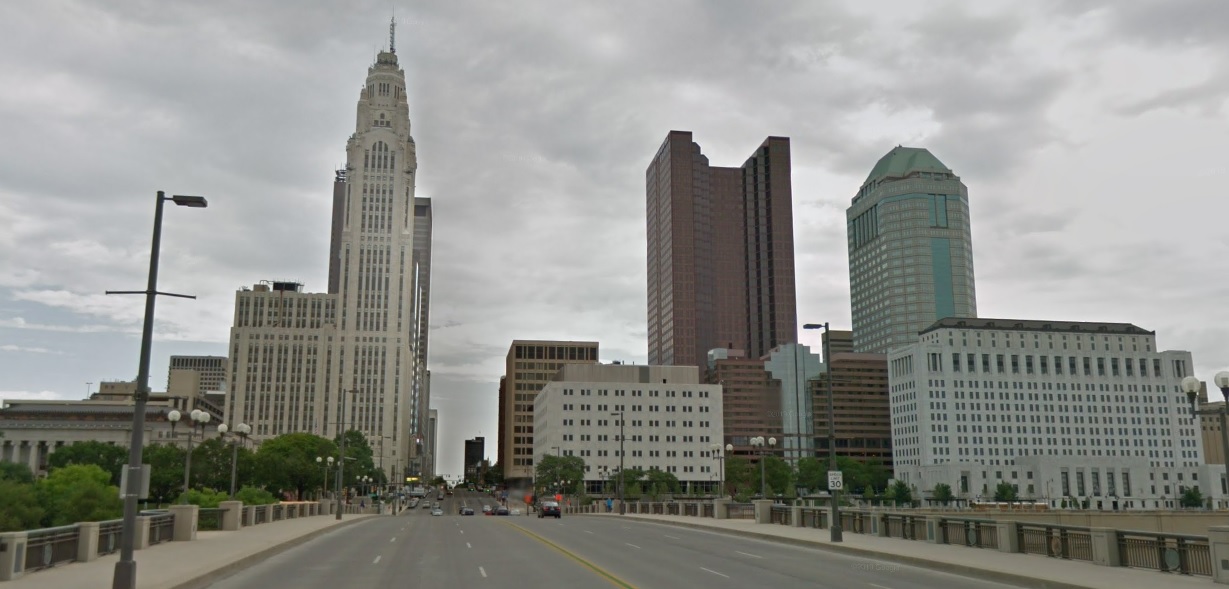
Front Street, looking north from Main Street.
Before: 2011
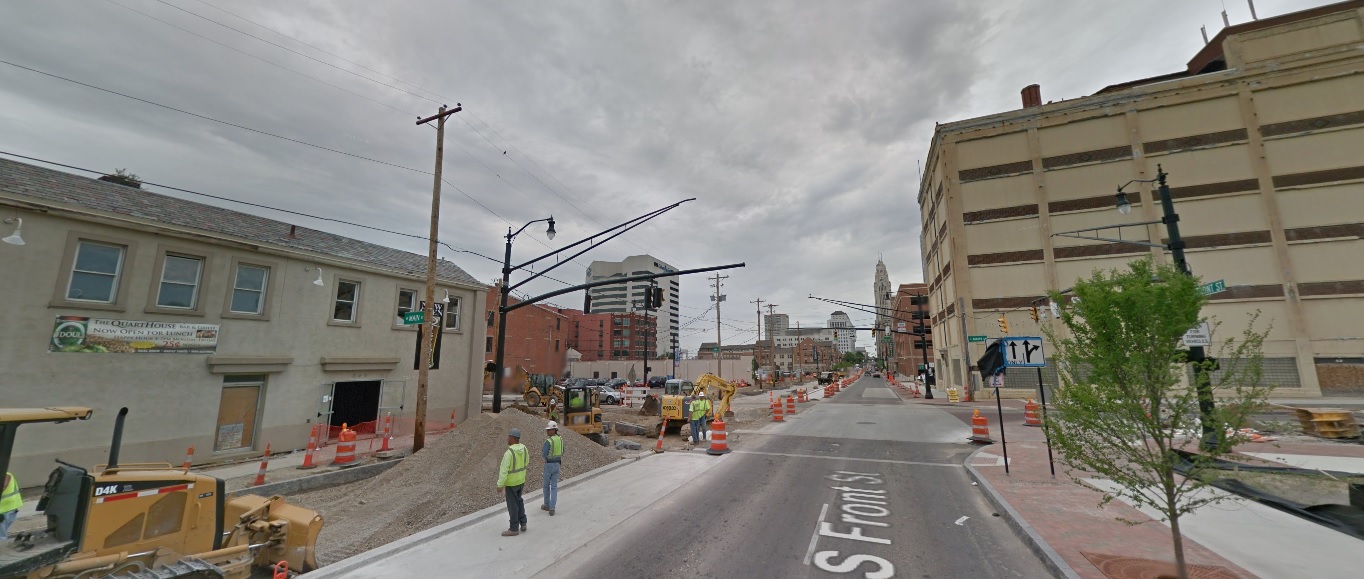
After: 2021
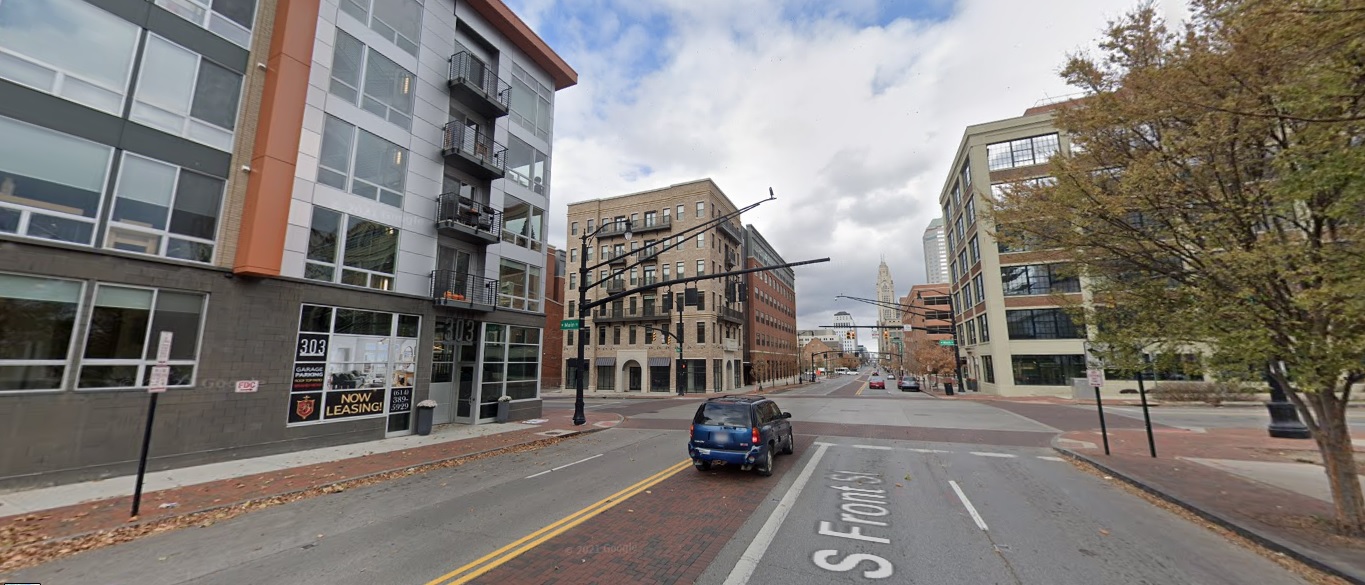
Gay Street, looking west from Front Street.
Before: 2011
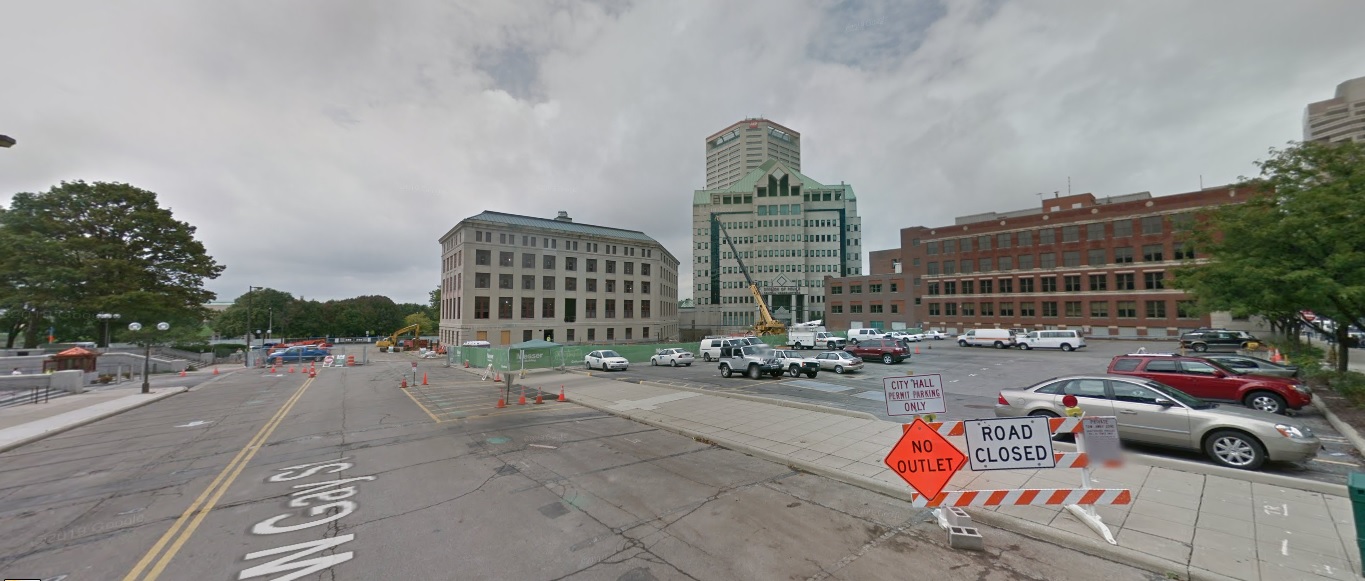
After: 2020
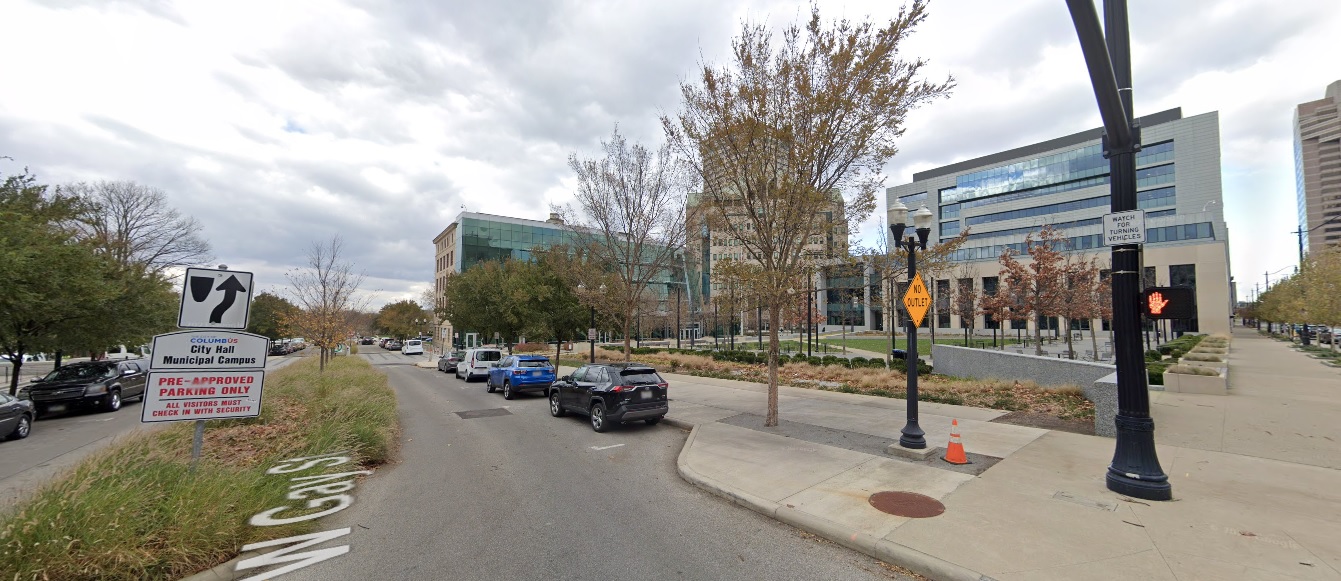
Gay Street, looking northeast from Normandy Avenue.
Before: 2011
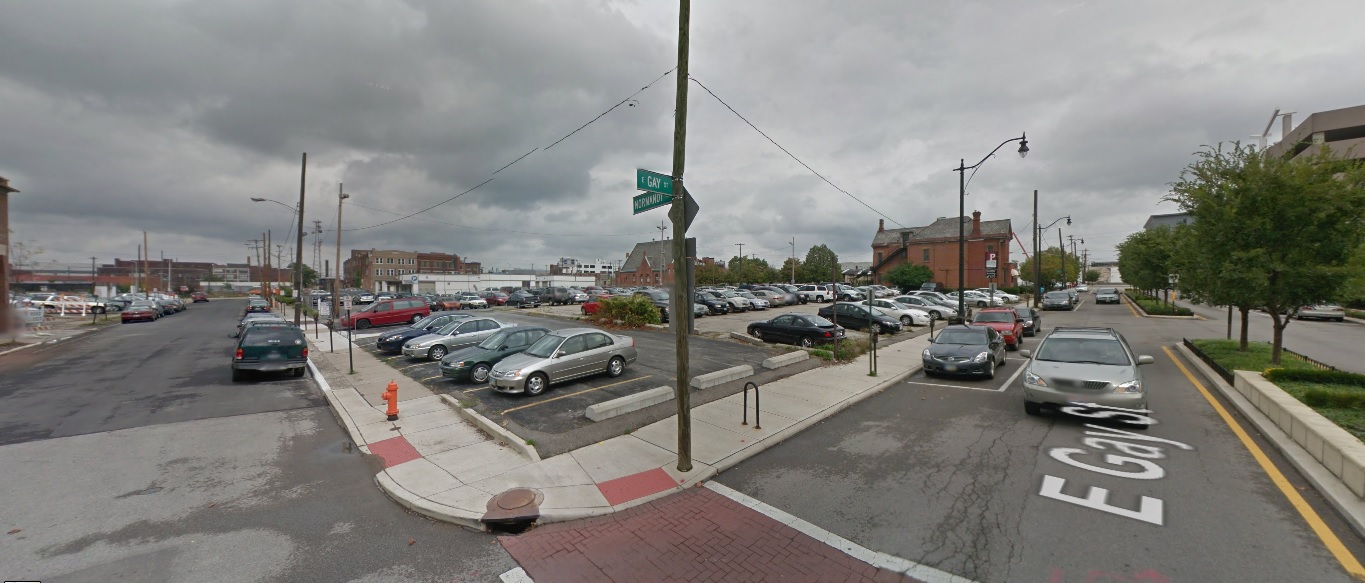
After: 2021
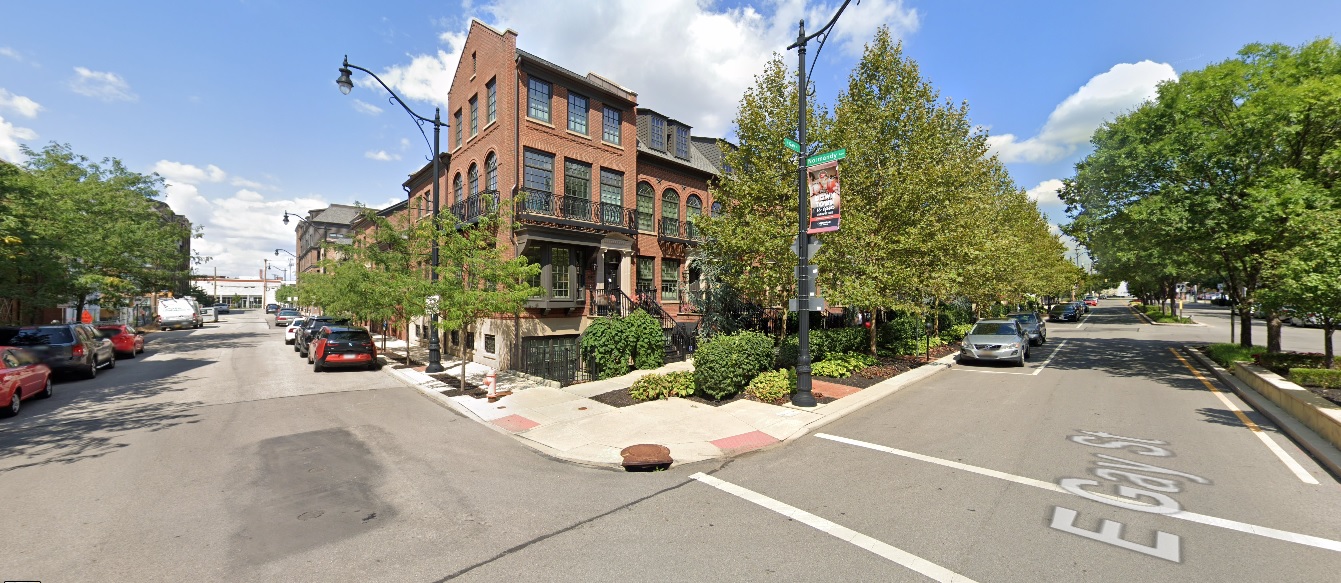
High Street, looking north at the Convention Center.
Before: 2011
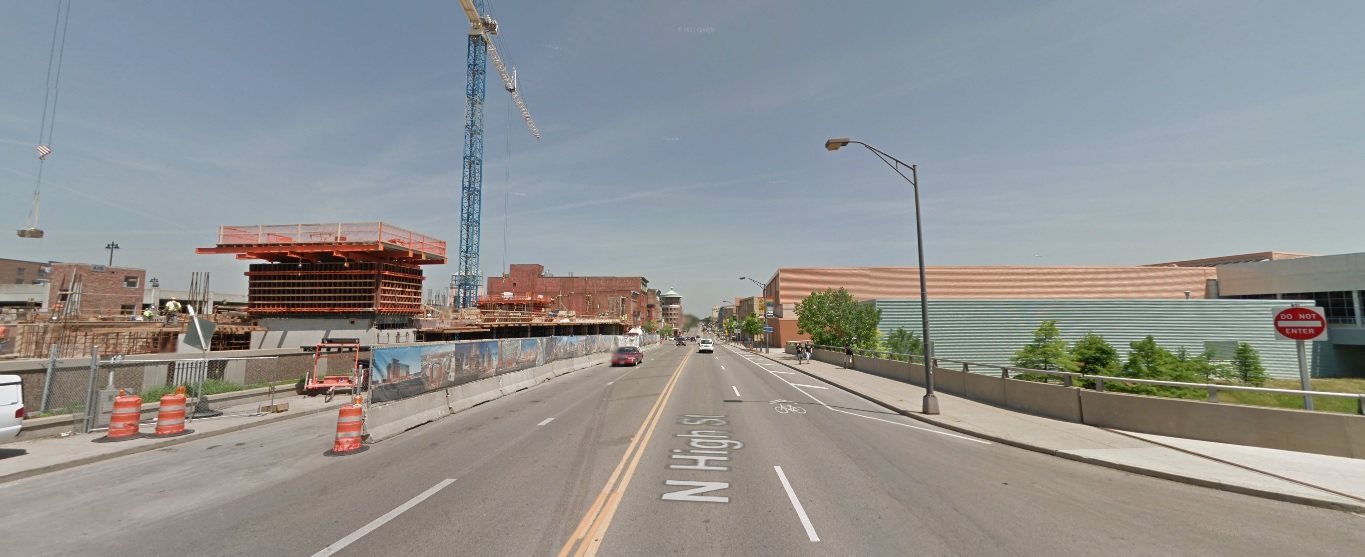
After: 2021
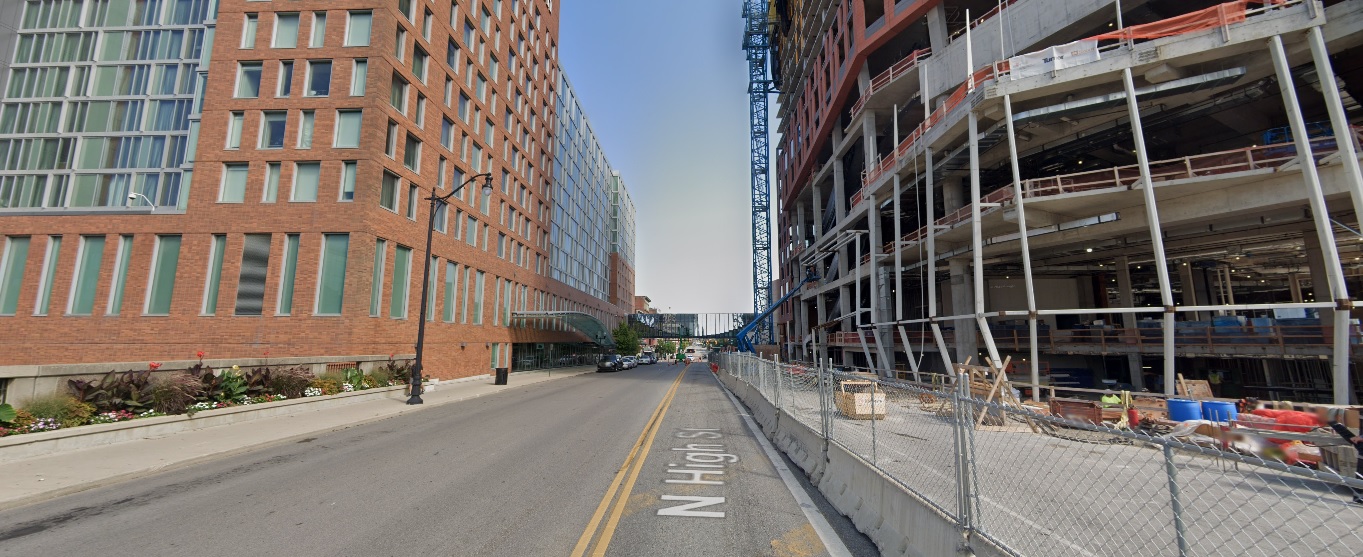
Nationwide Boulevard, looking north just east of Front Street.
Before: 2011
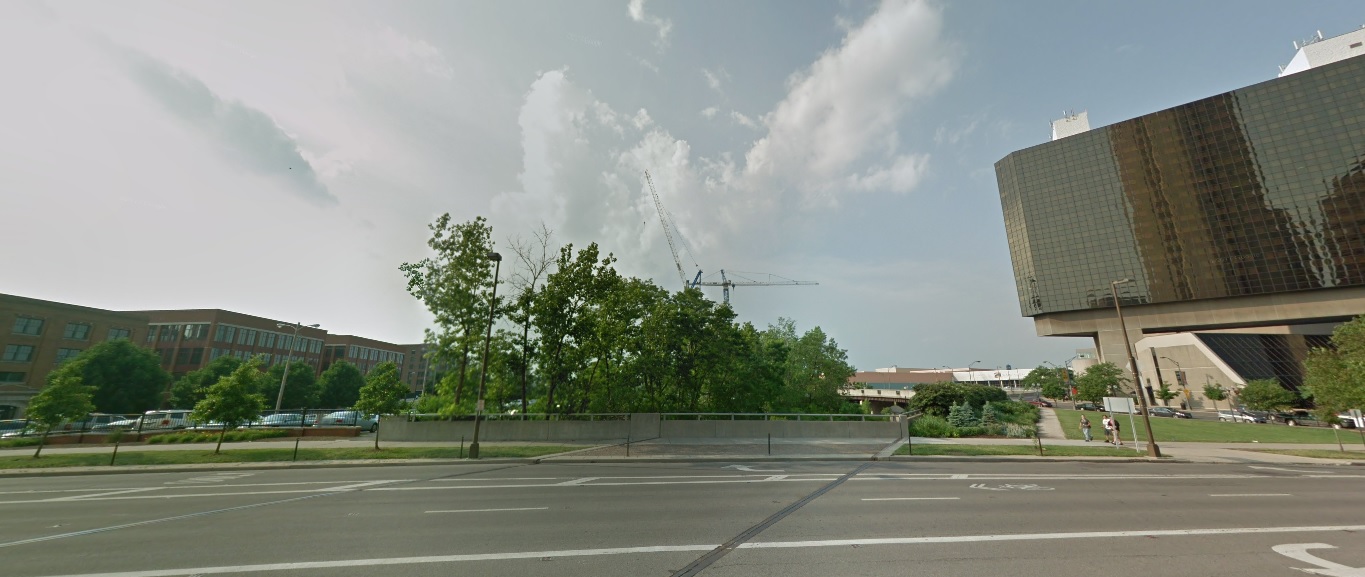
After: 2021
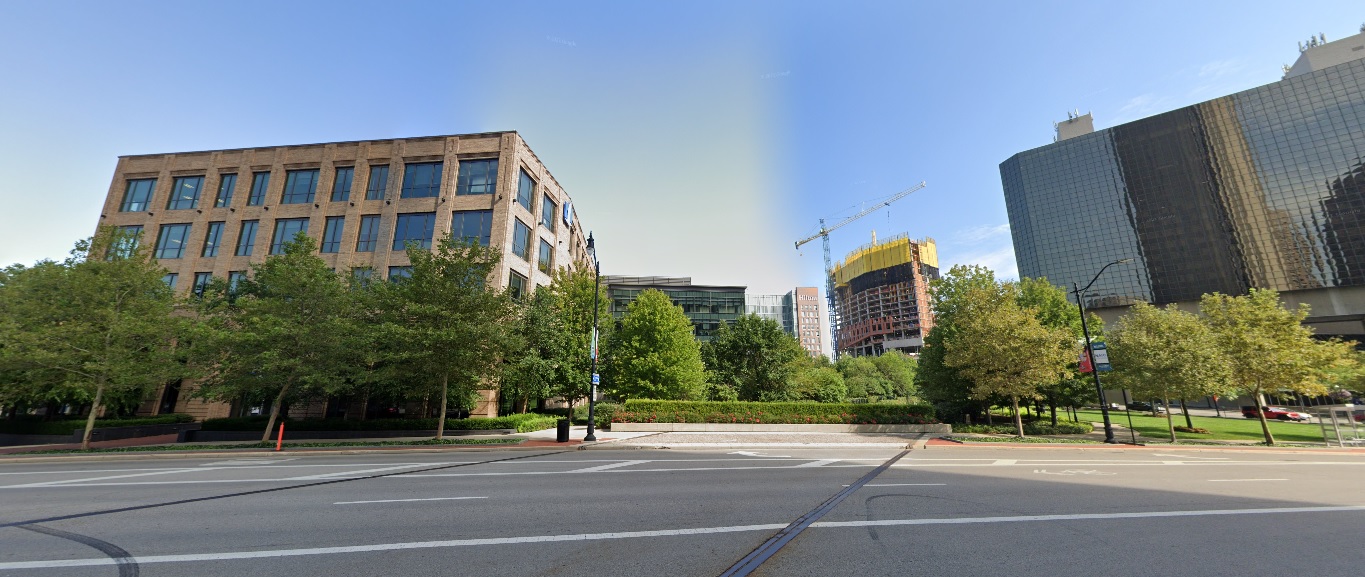
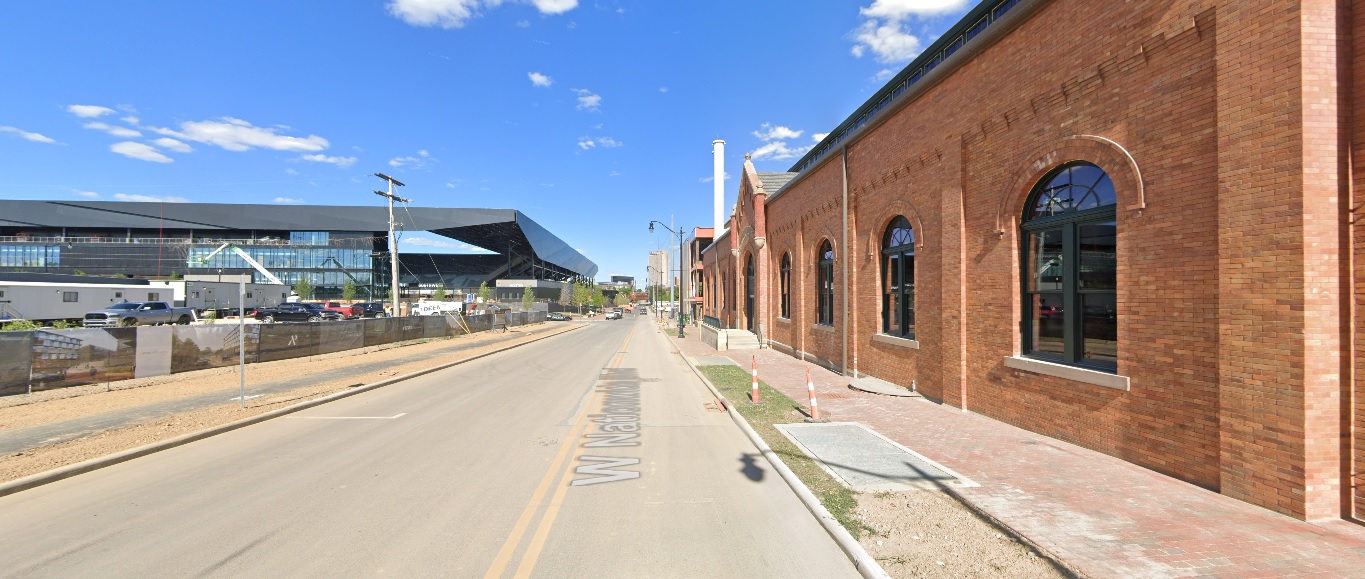
Nationwide Boulevard, looking east from the Olentangy River.
Before: 2011
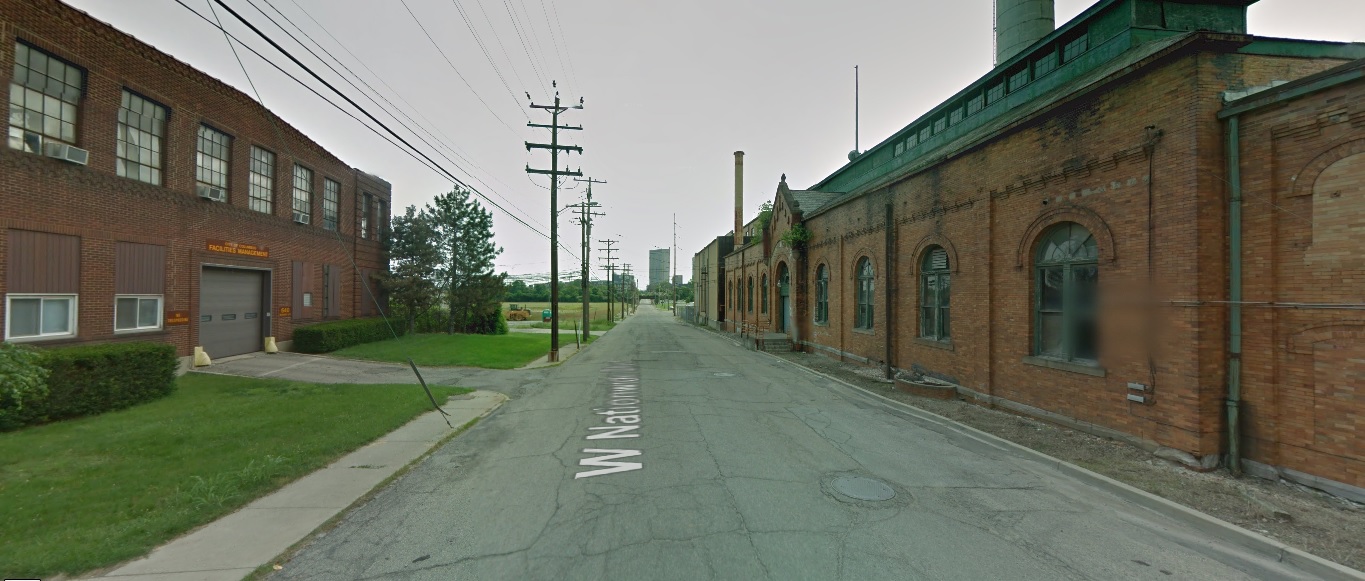
After: 2021
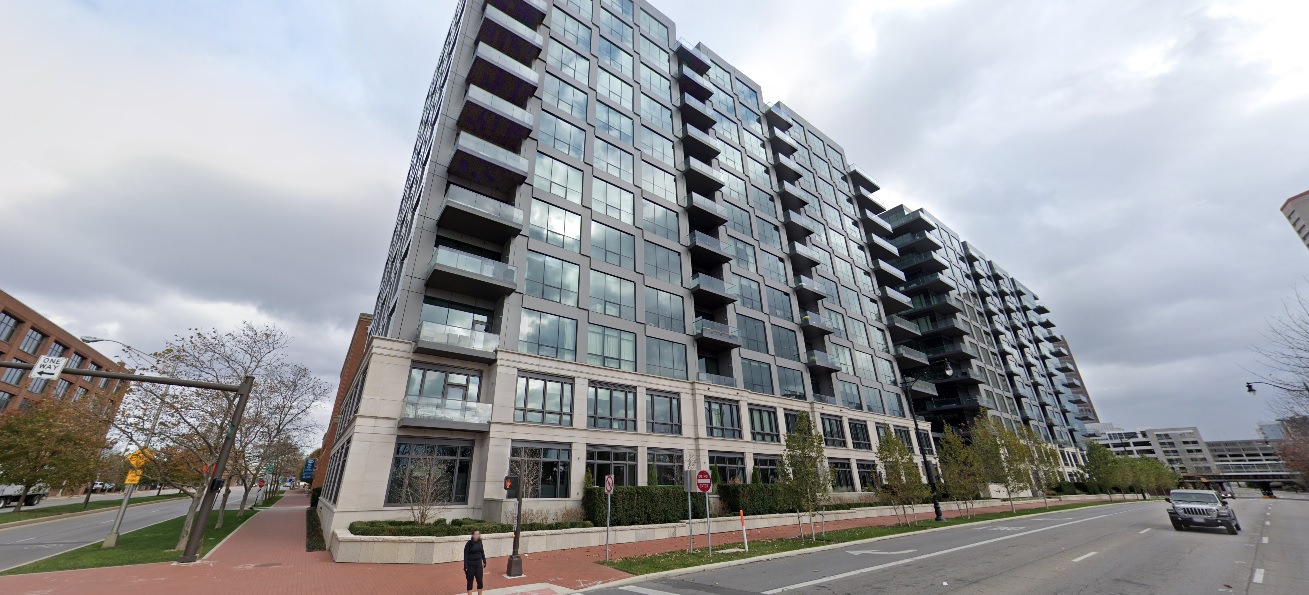
Spring Street, looking northeast from Neil Avenue.
Before: 2011
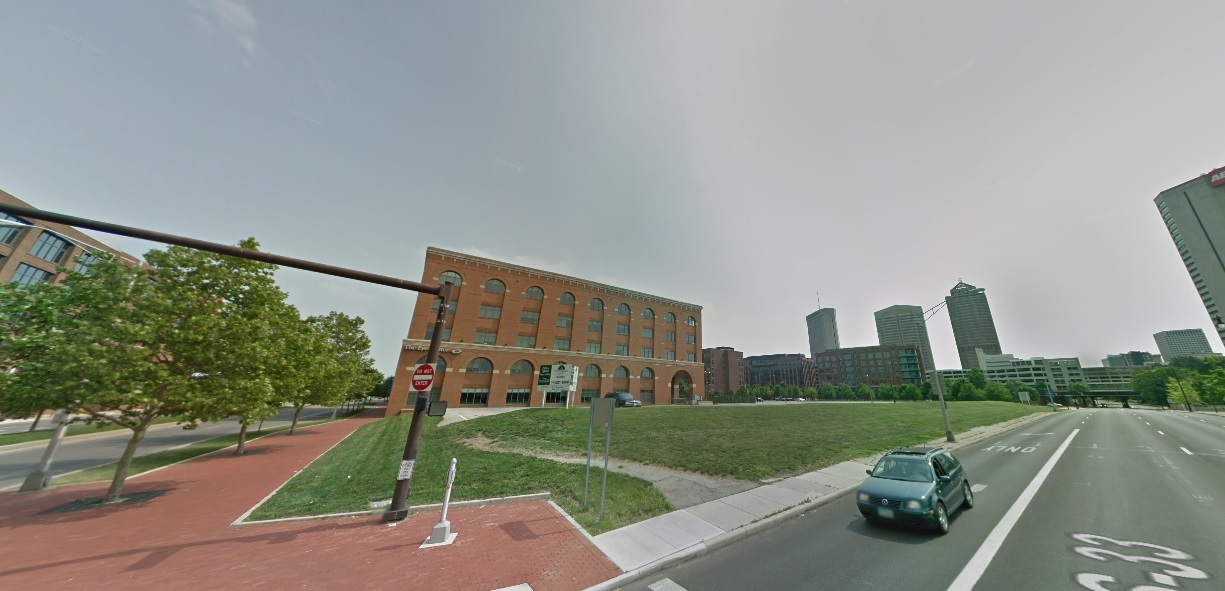
After: 2020
Spruce Street, looking south from 670.
Before: 2011
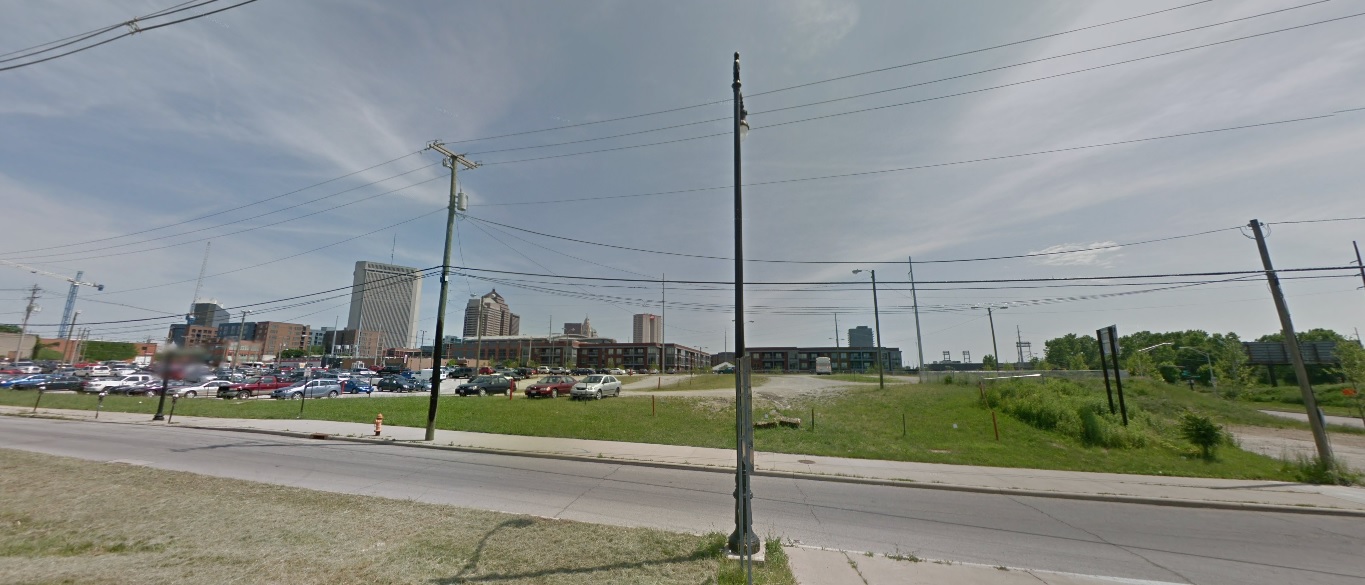
After: 2021
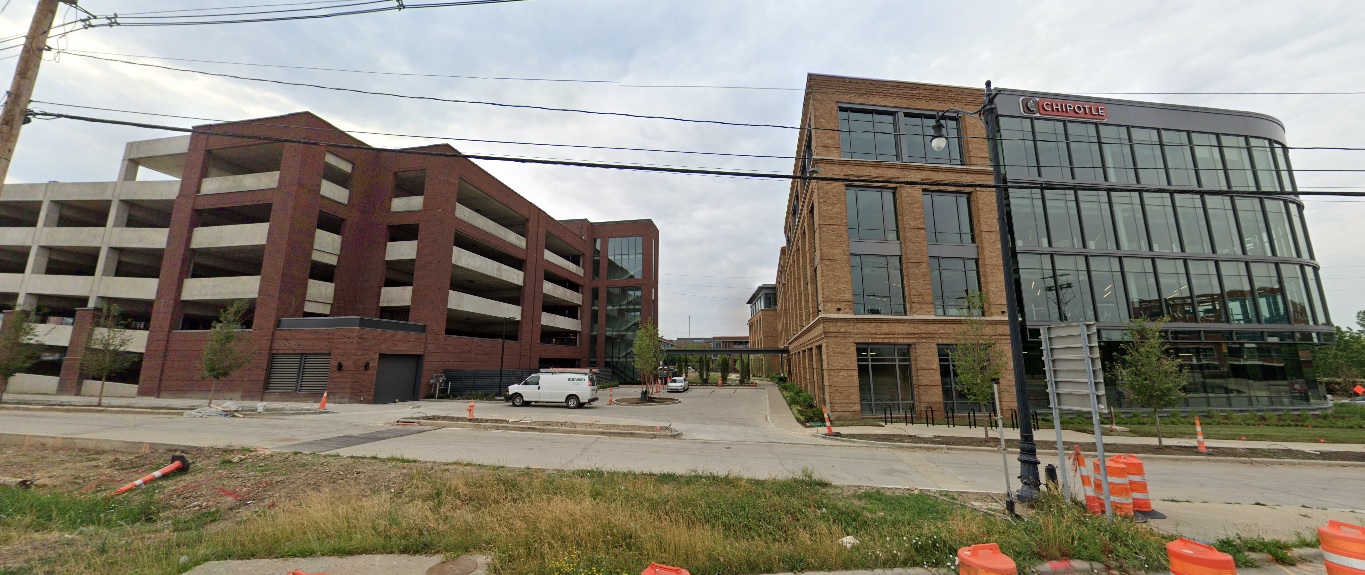
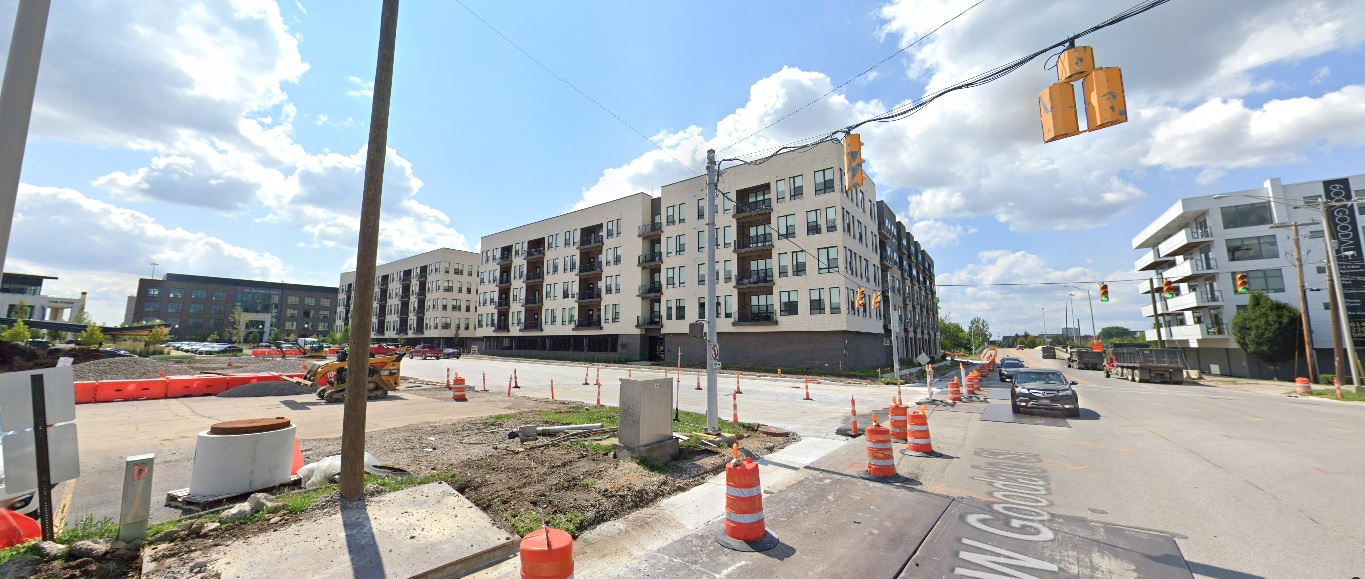
Goodale Street, looking west from the 315 Exit.
Before: 2011
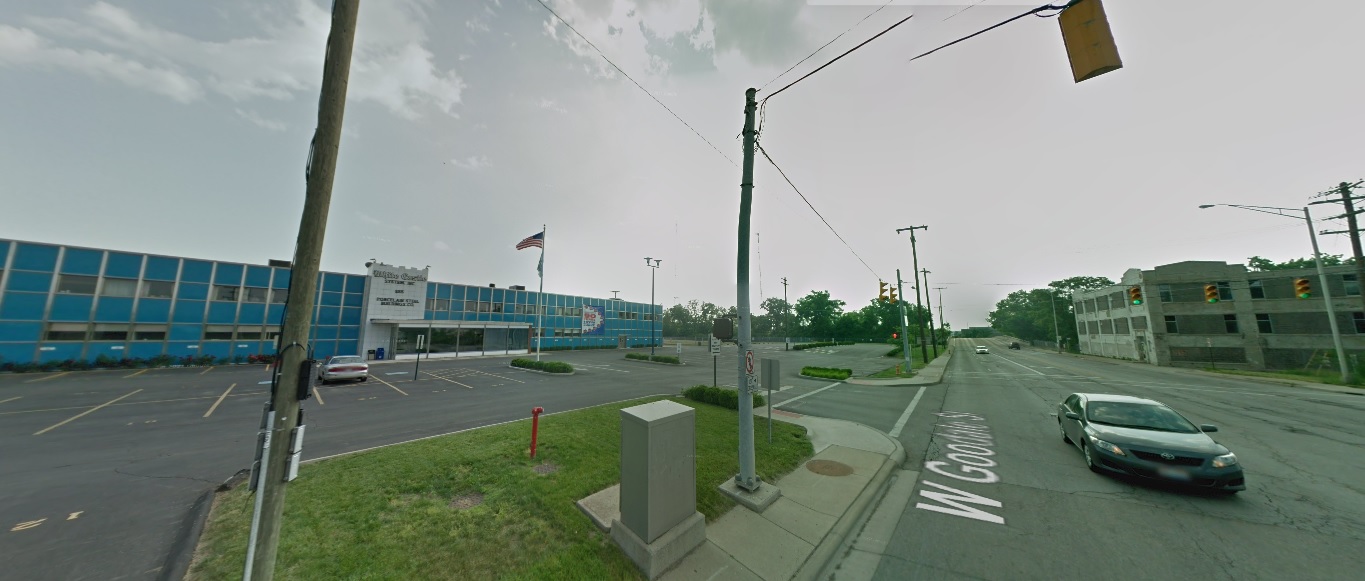
After: 2021
Short North

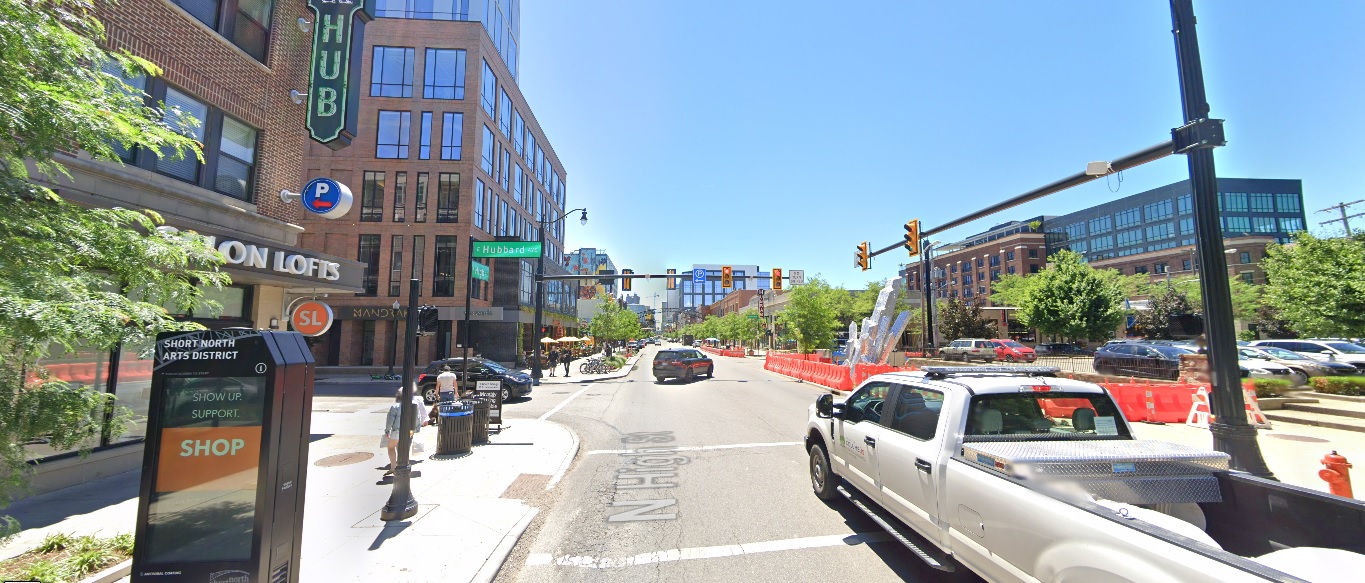
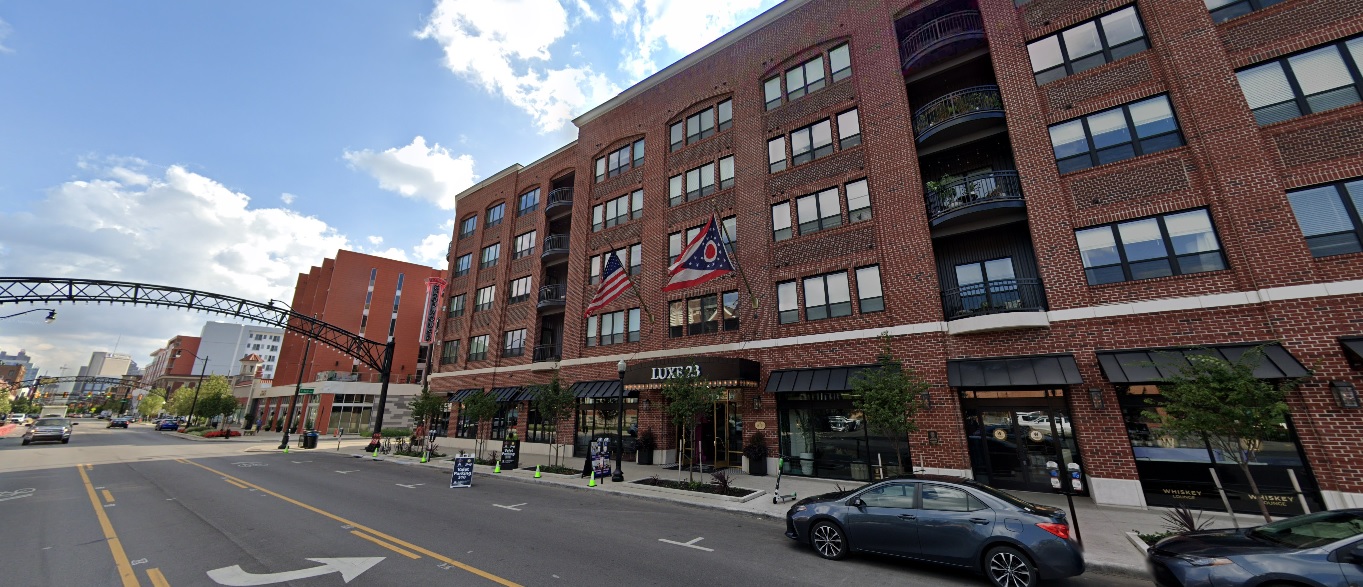
High Street, looking south just north of 3rd Avenue.
Before: 2009
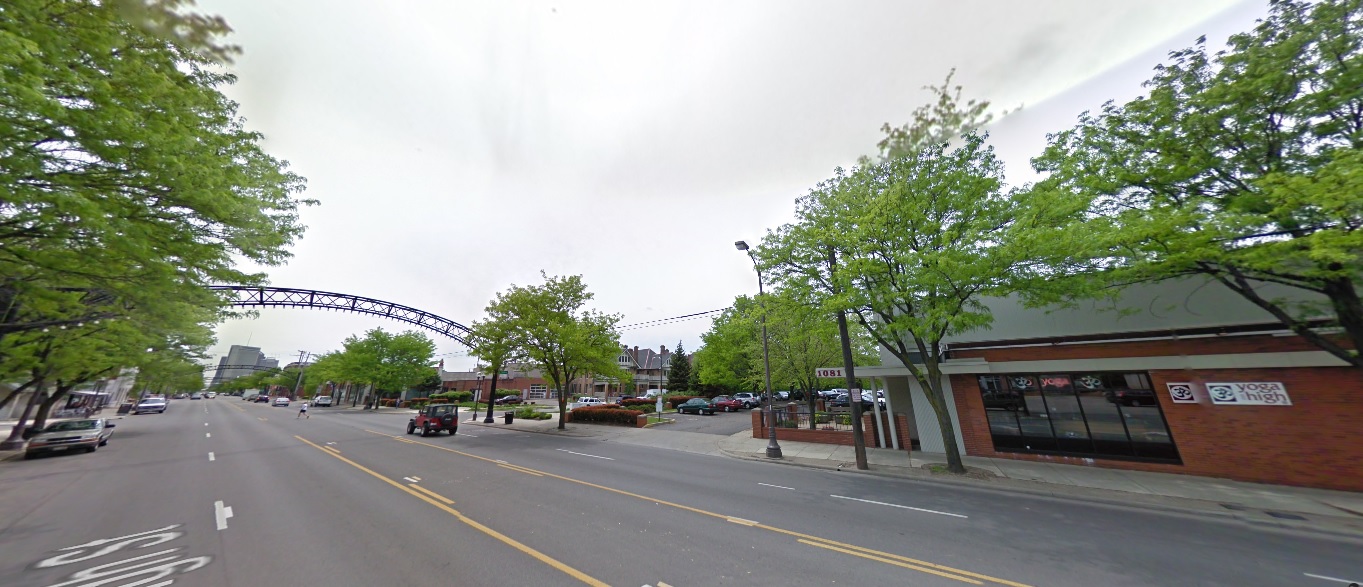
After: 2021
Weinland Park

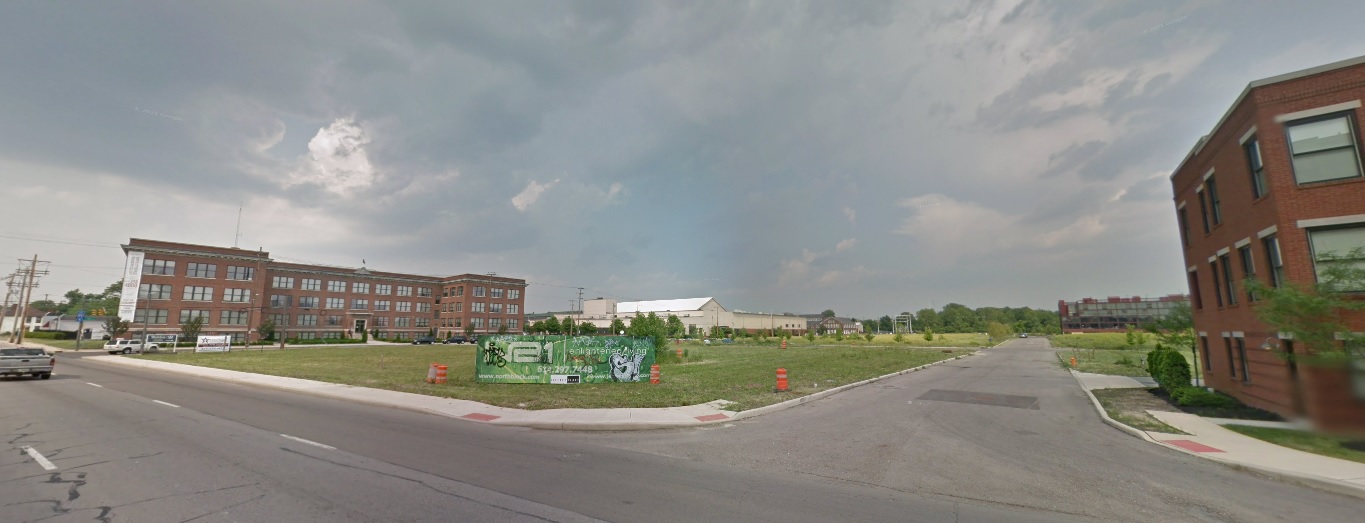
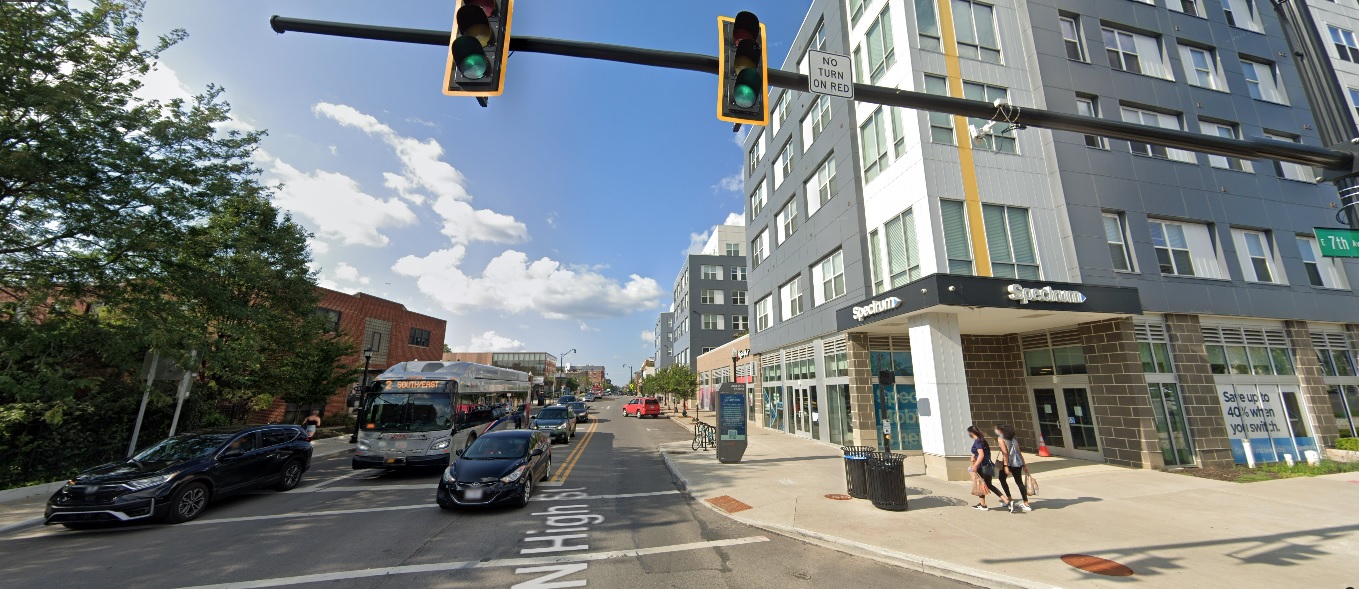
High Street, looking north at 7th Avenue.
Before: 2011
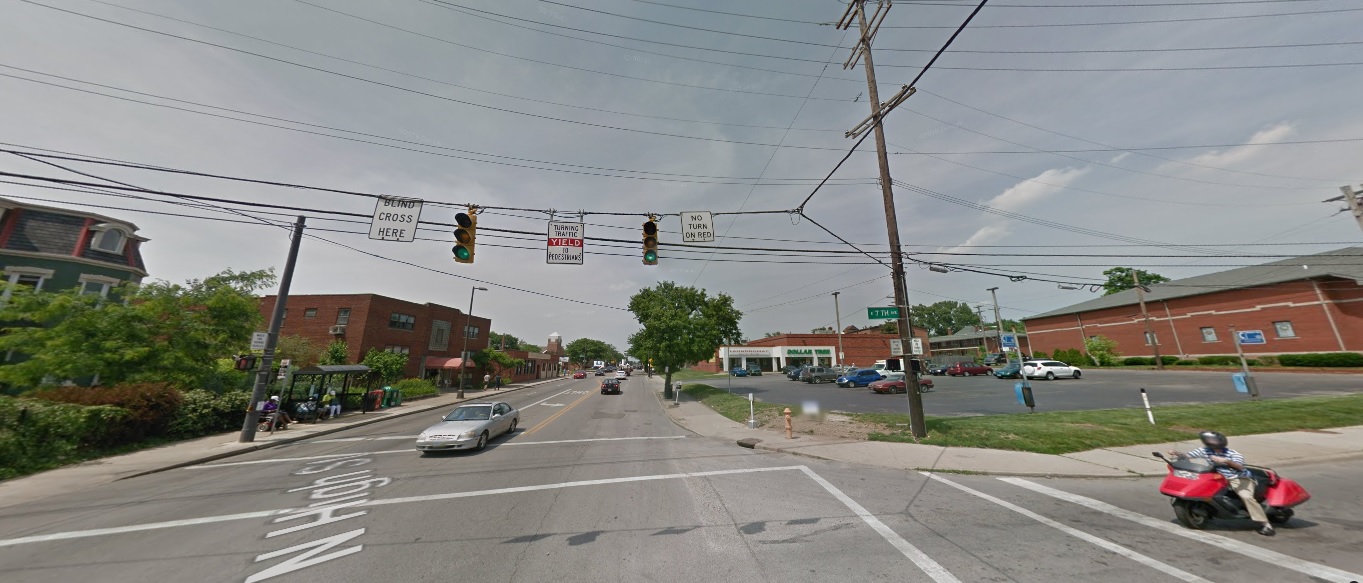
After: 2021
Italian Village

Detroit Avenue, looking east at Hamlet.
Before: 2009
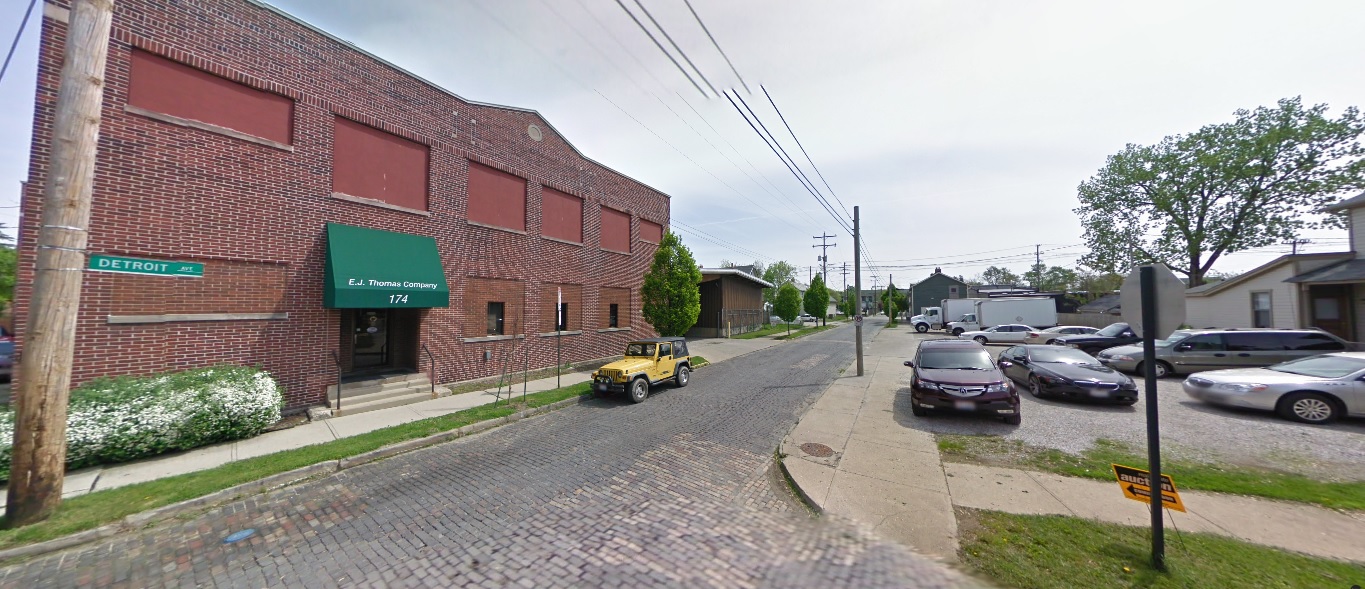
After: 2019
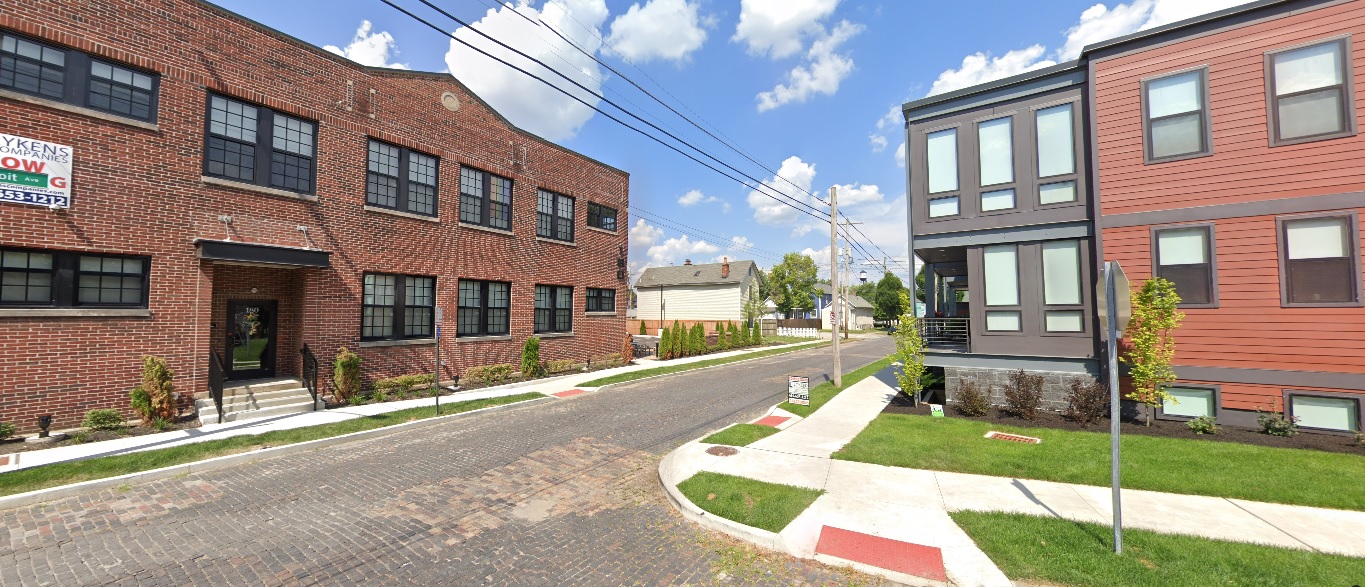
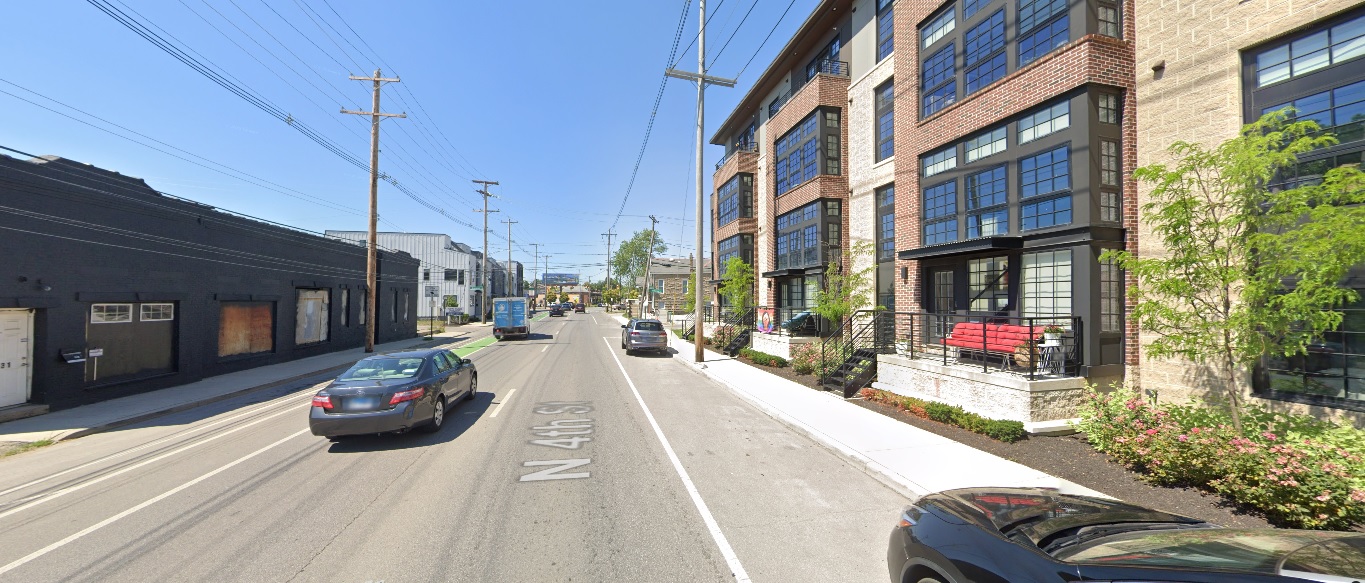
4th Street, looking north from 4th Avenue.
Before: 2011
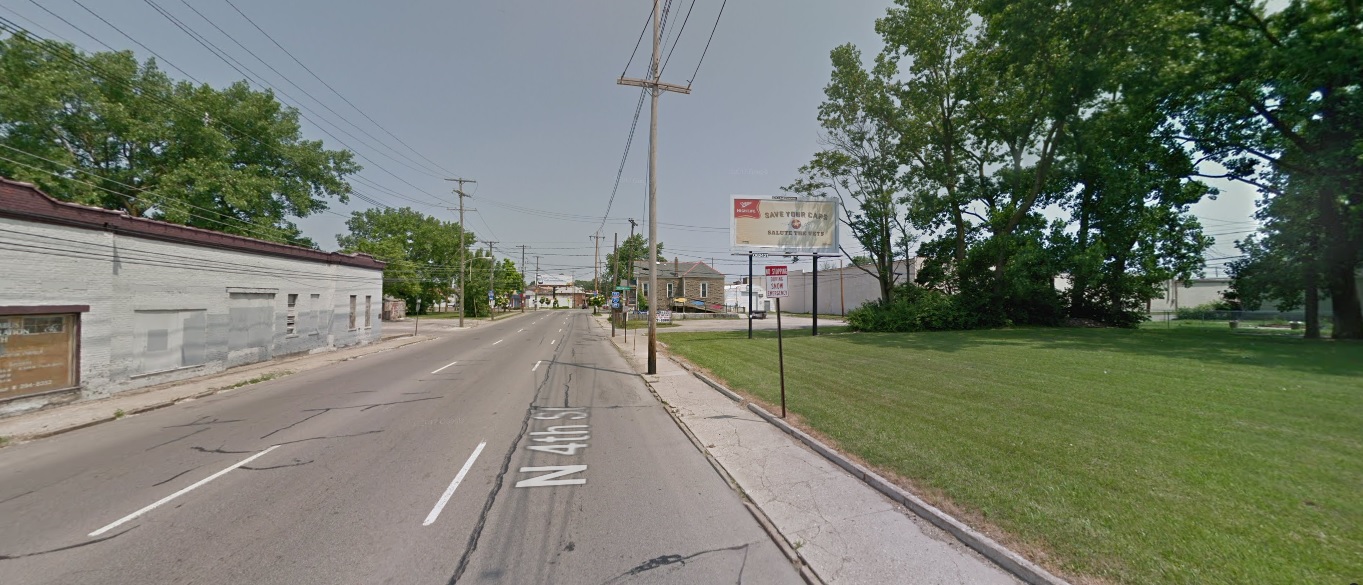
After: 2021
OSU Campus

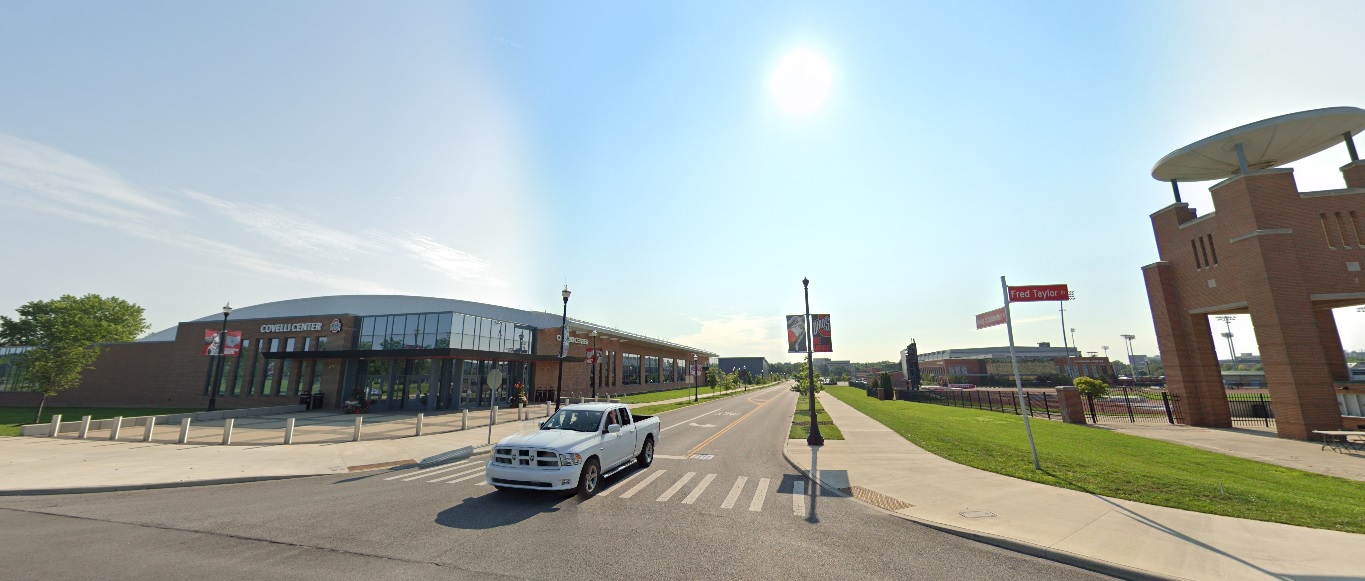
Fred Taylor Drive, looking east at Defiance Drive.
Before: 2011
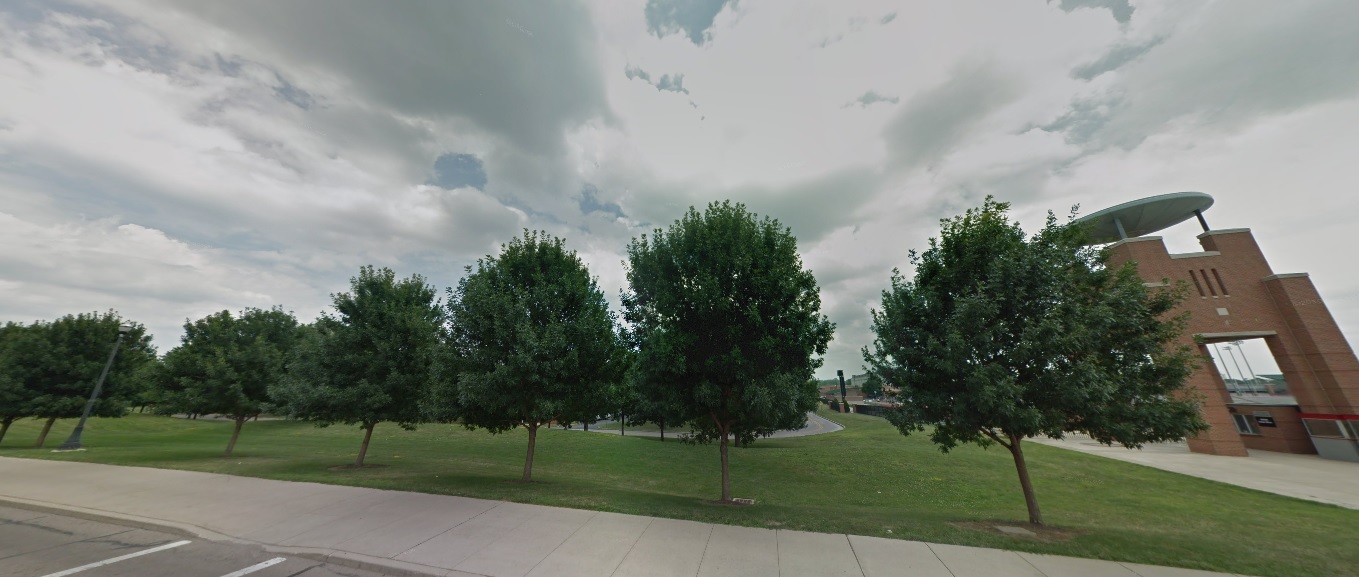
After: 2021
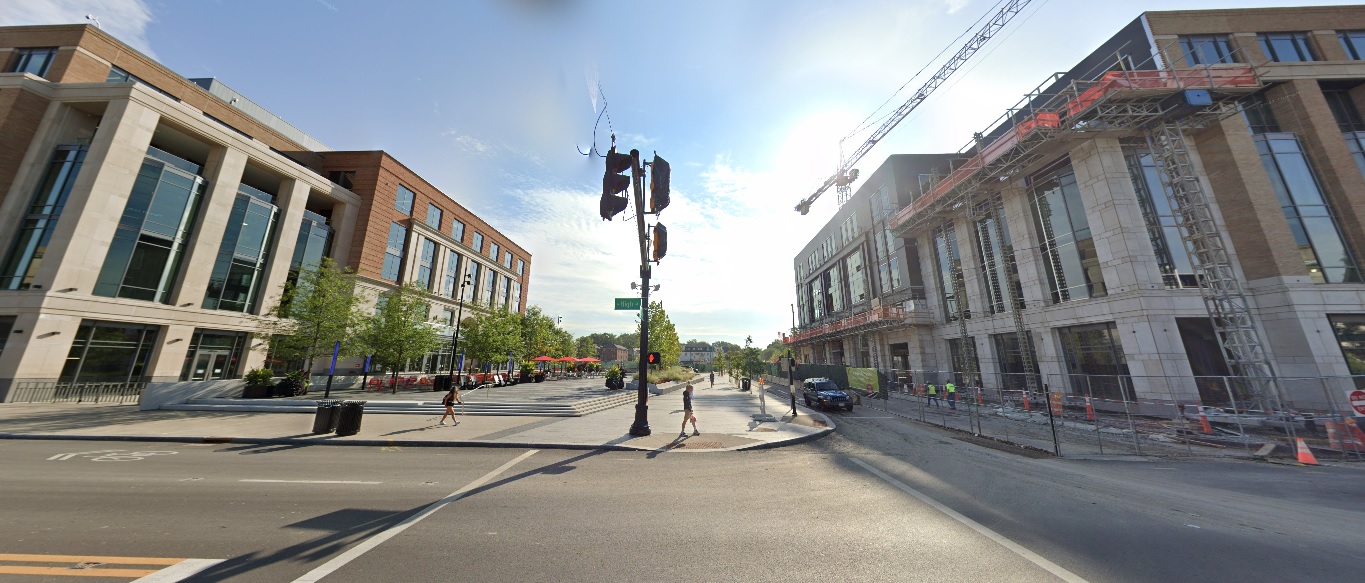
High Street, looking east at 15th Avenue.
Before: 2011
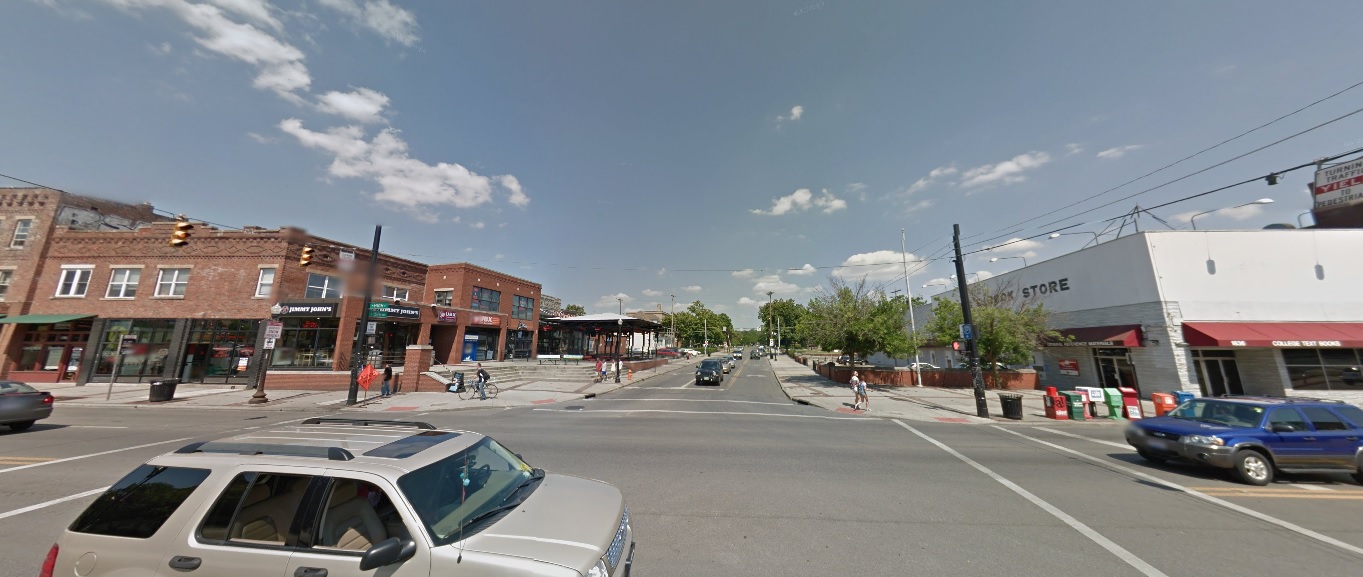
After: 2021
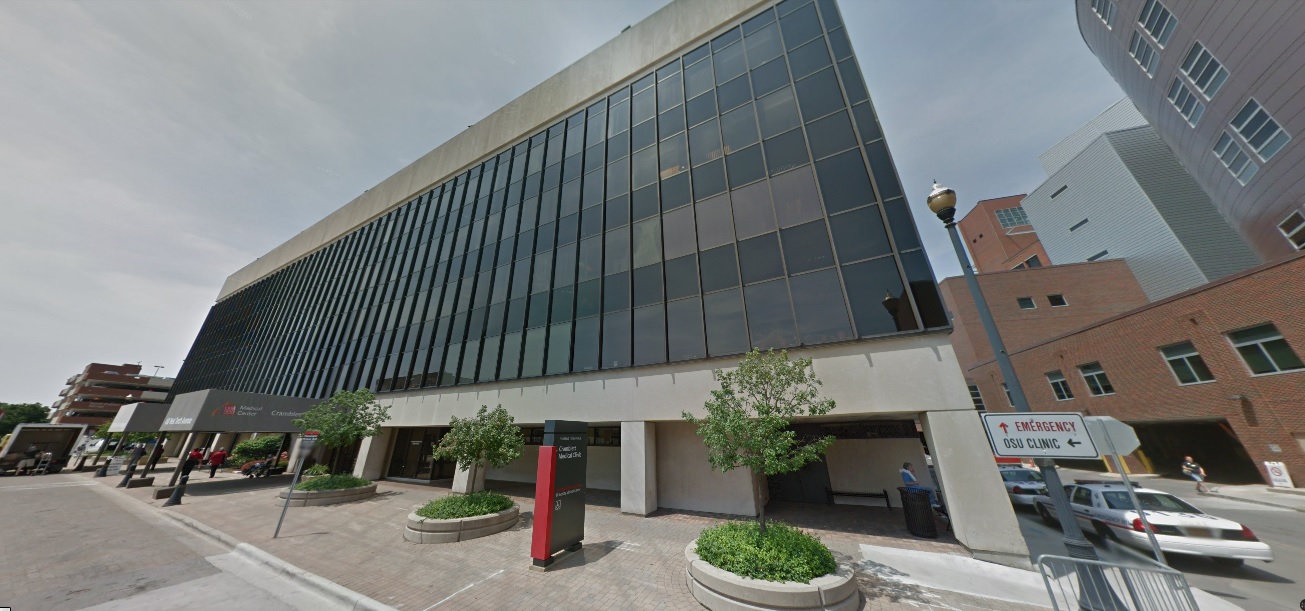
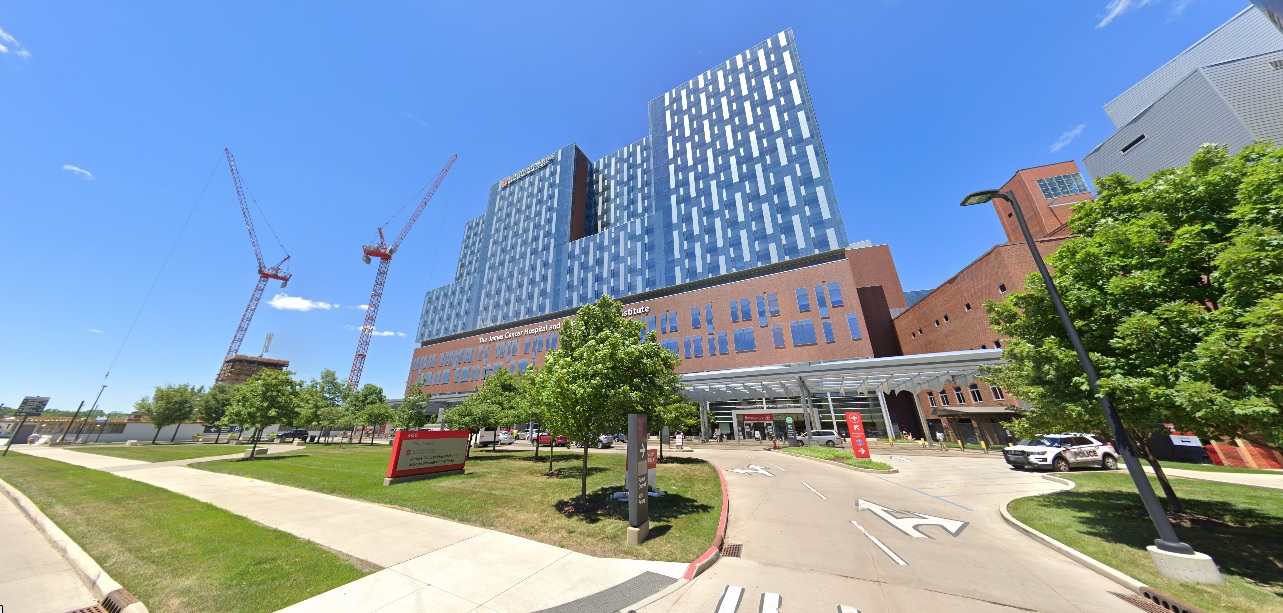
Medical Center Drive, looking north at Old Cannon Drive.
Before: 2009
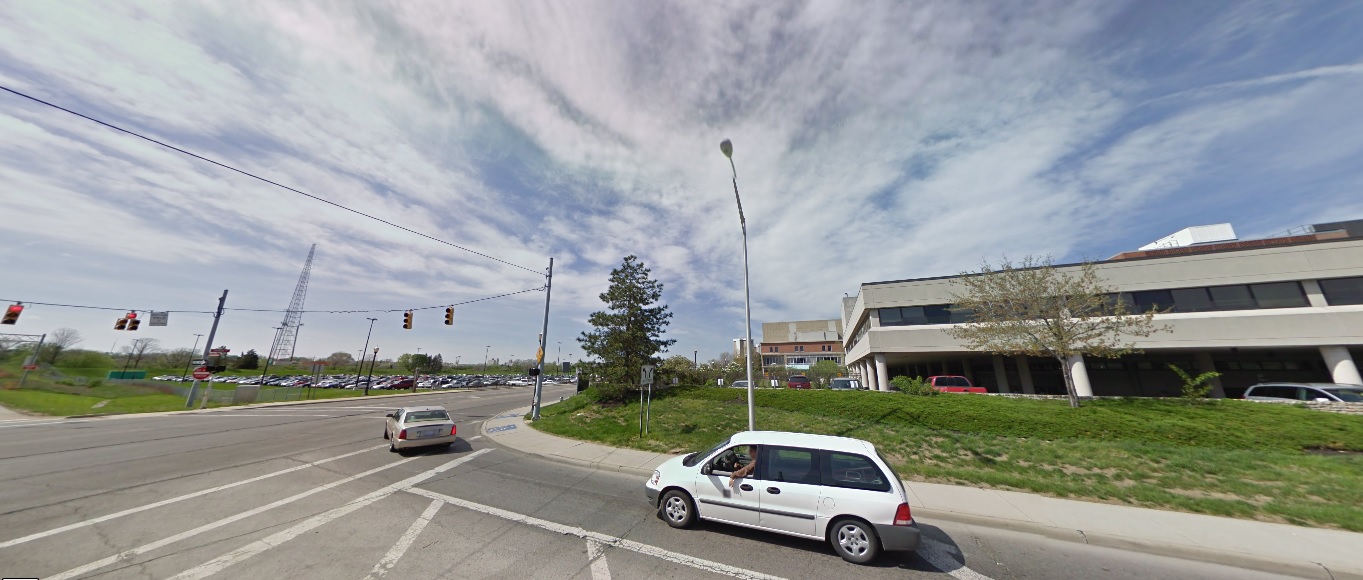
After: 2021
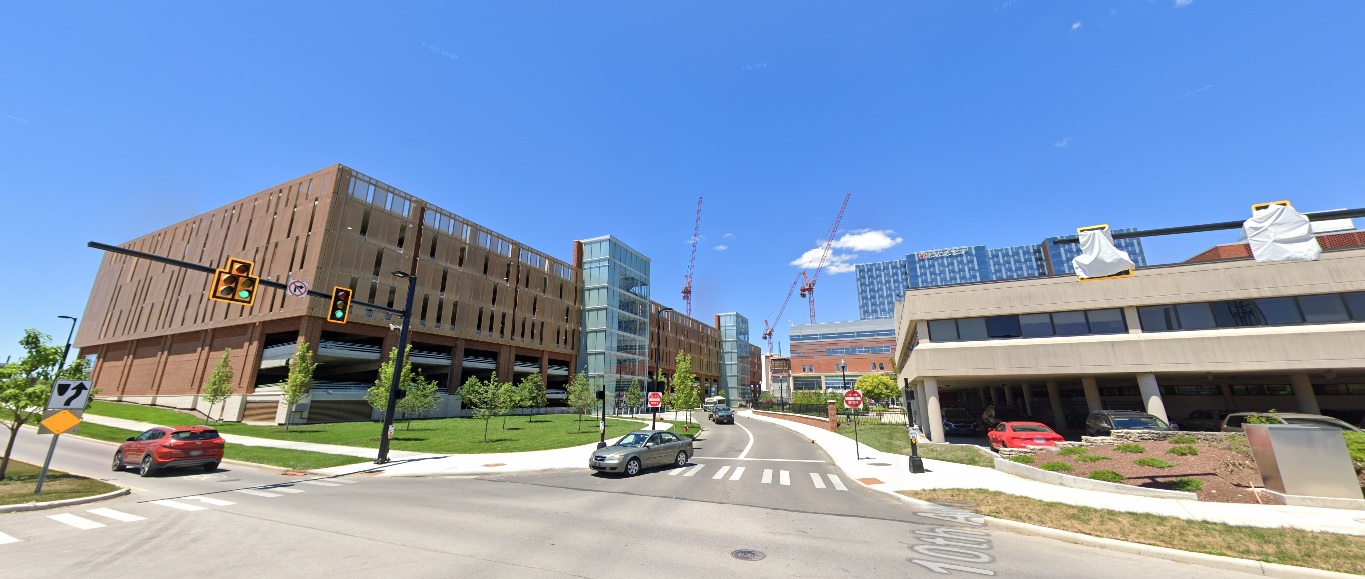
Olentangy River Road, looking west at J Edward Weaver Memorial Drive.
Before: 2011
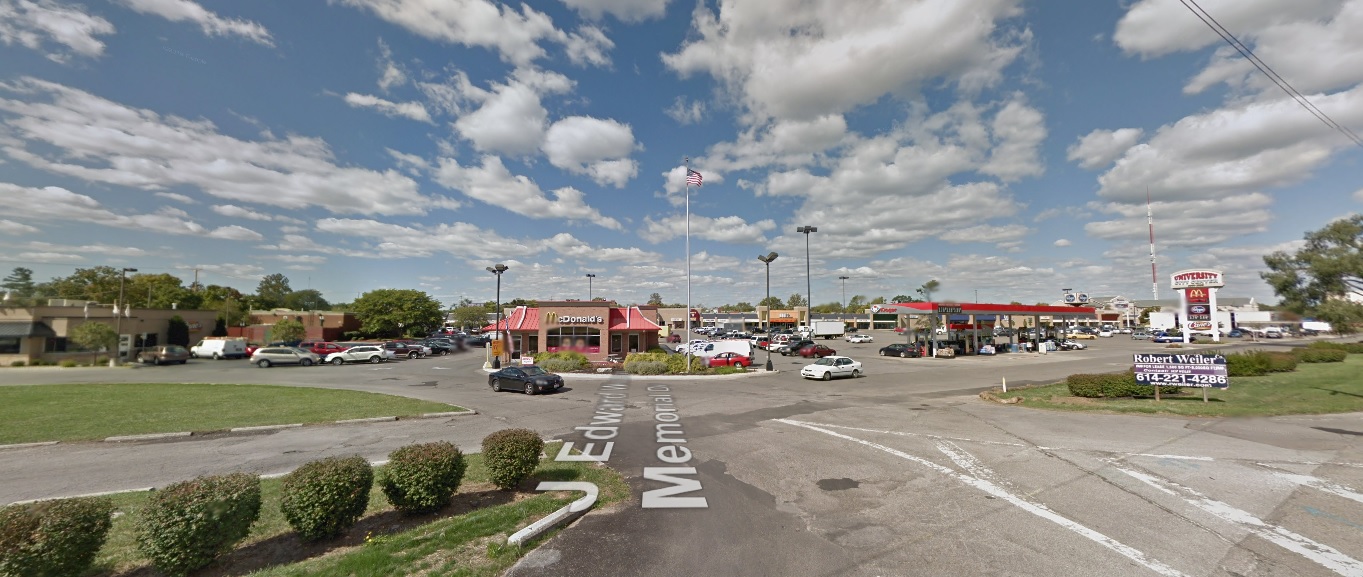
After: 2021
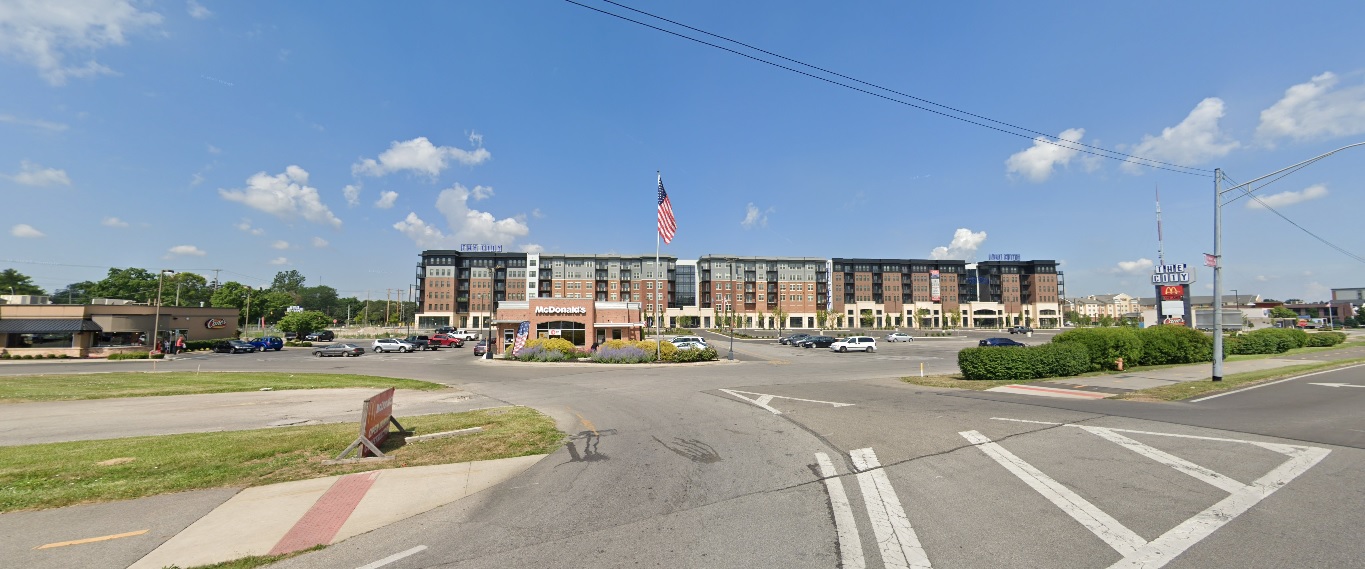
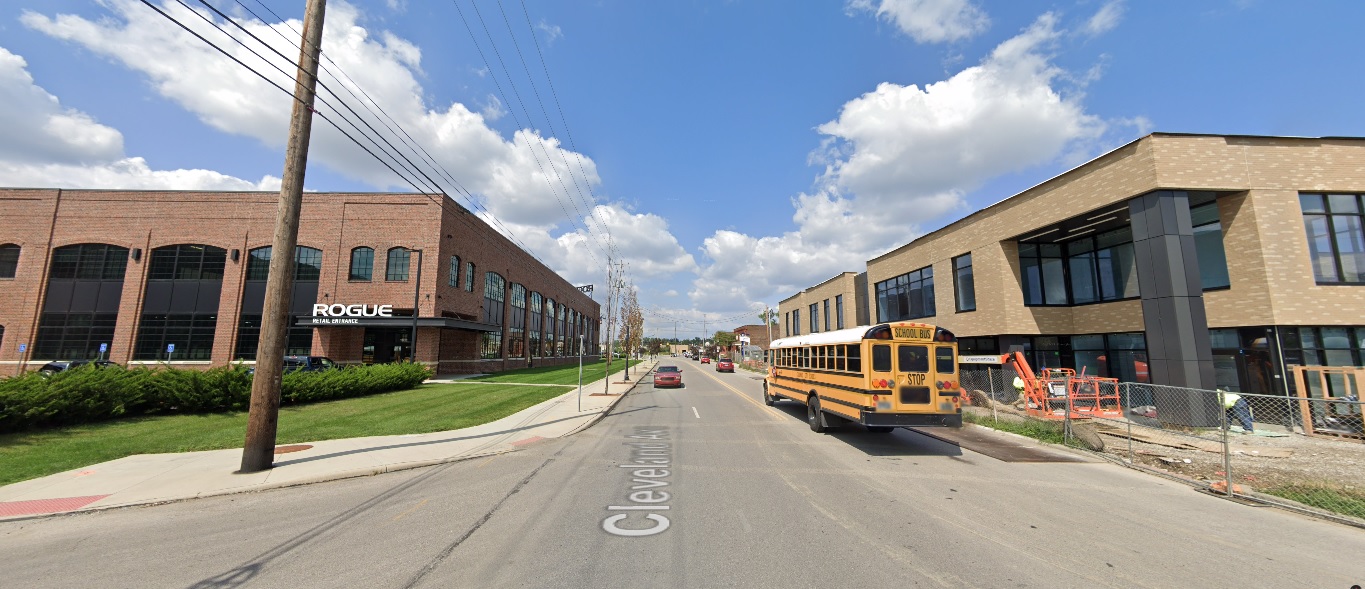
Milo-Grogan

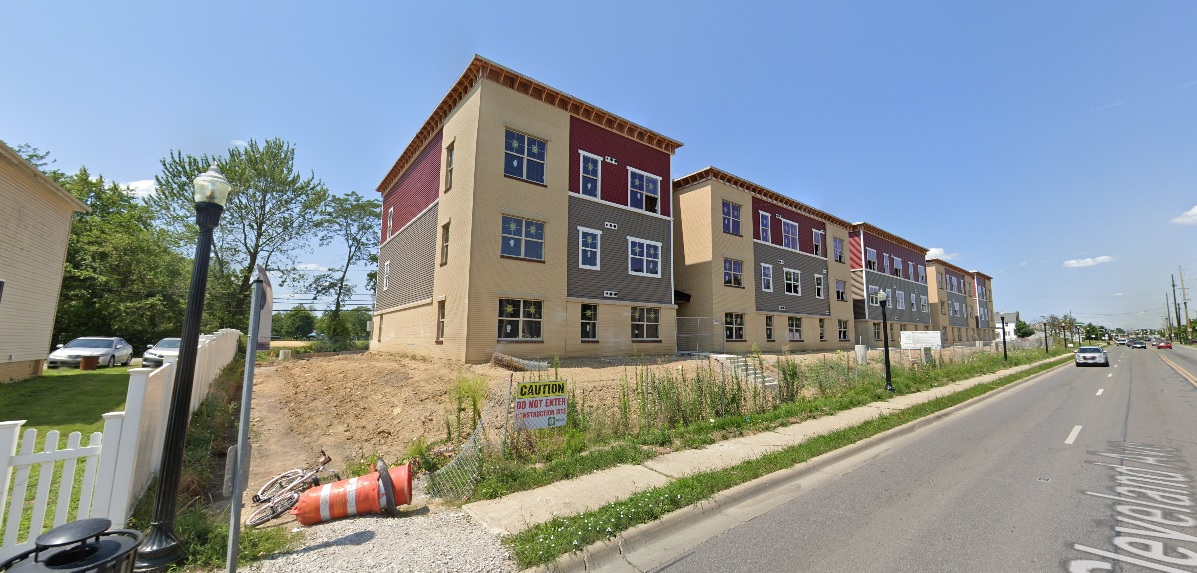
Cleveland Avenue, looking north towards 5th Avenue.
Before: 2011
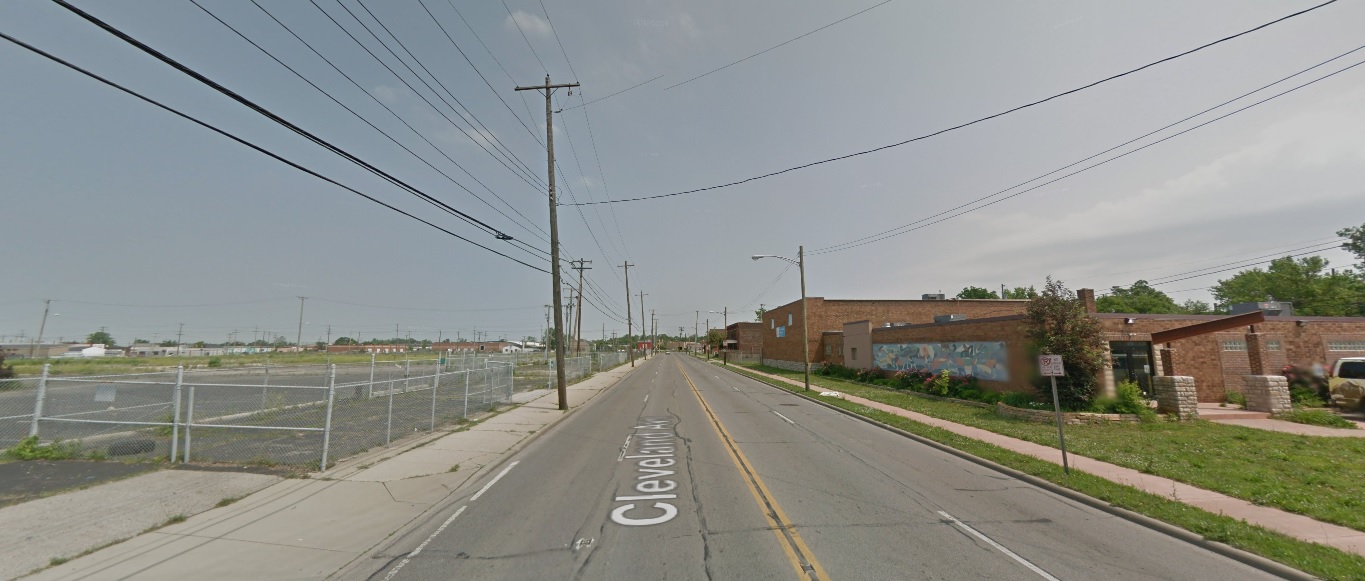
After: 2021
American Addition

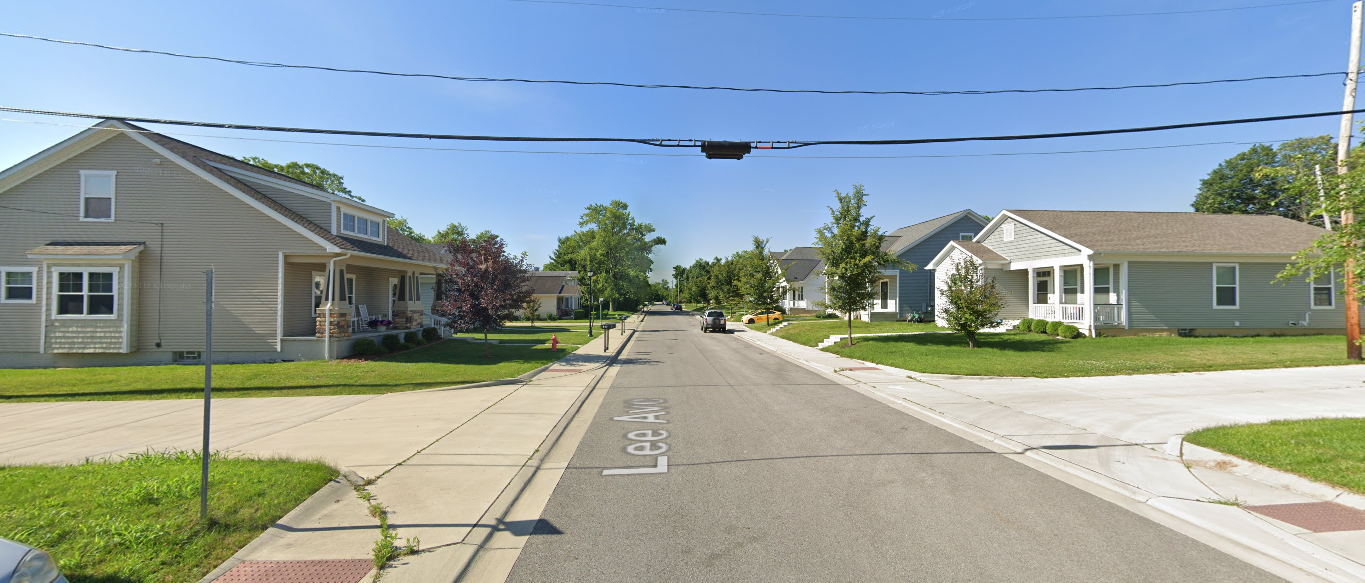
Lee Avenue, looking south from 12th Avenue.
Before: 2009
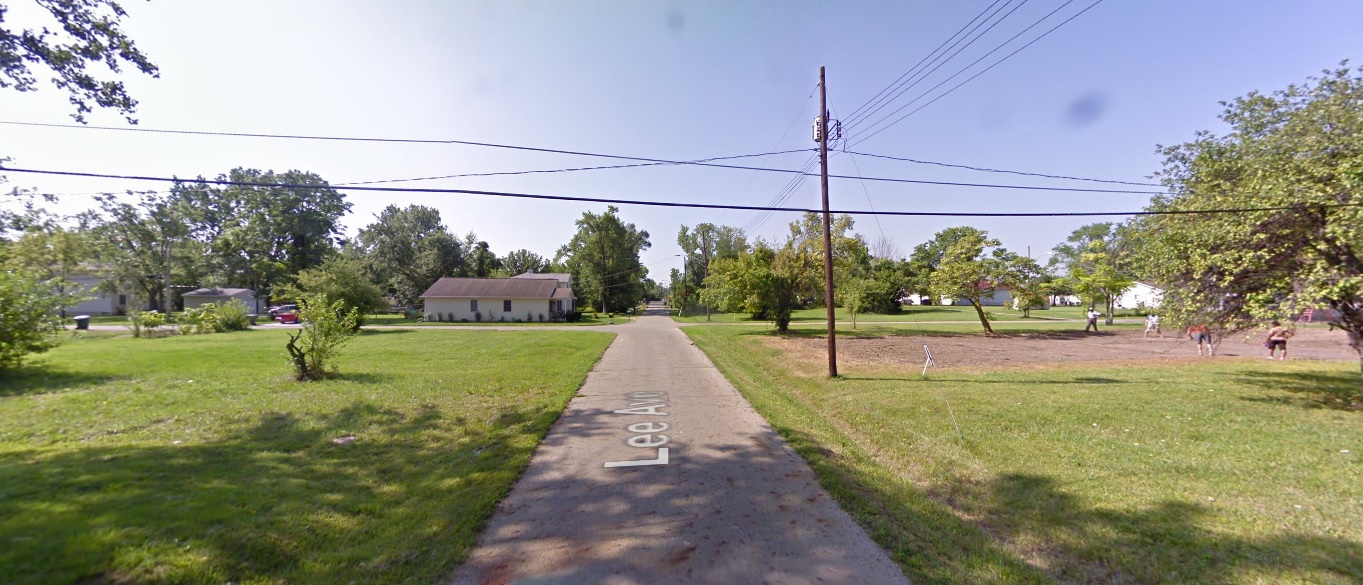
After: 2019
Linden

Cleveland Avenue, looking north at Agler Road.
Before: 2011
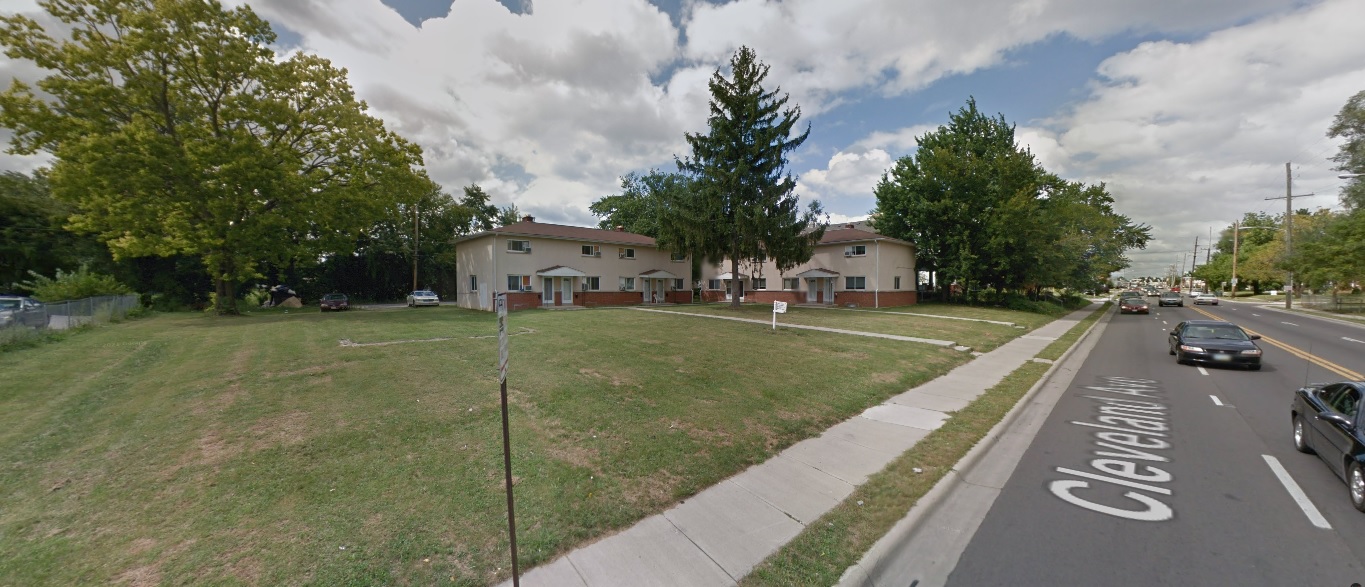
After: 2021
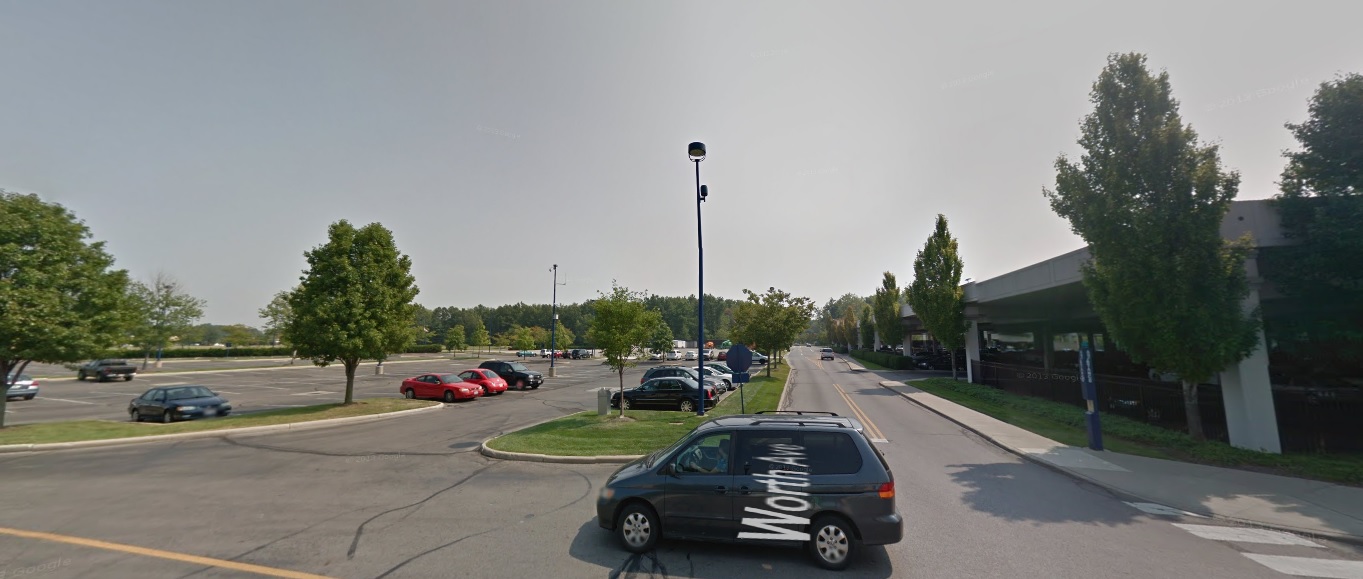
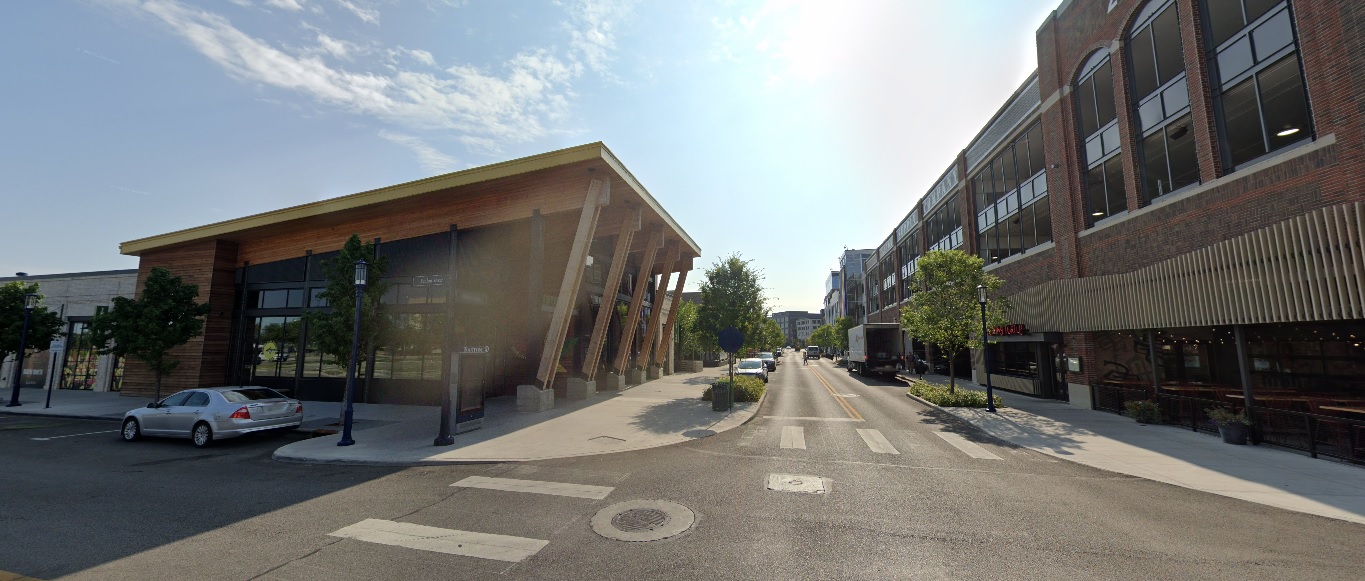
Easton

Worth Avenue, looking east from Fenlon Street.
Before: 2011
After: 2021
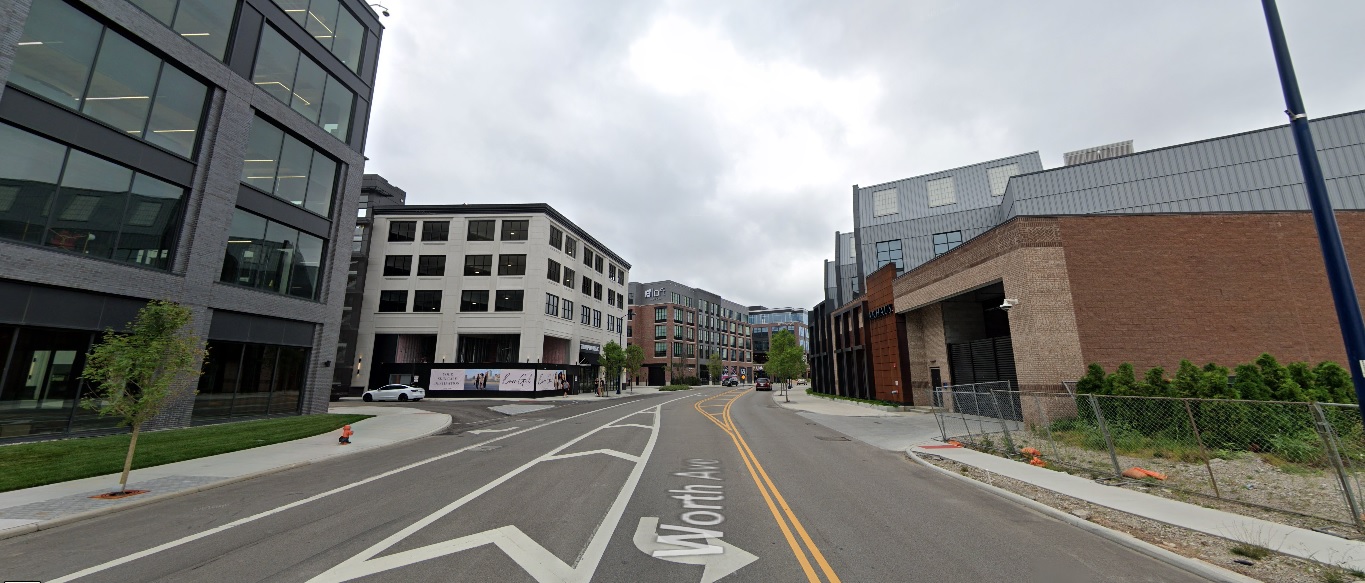
Worth Avenue, looking east from Stelzer Road.
Before: 2011
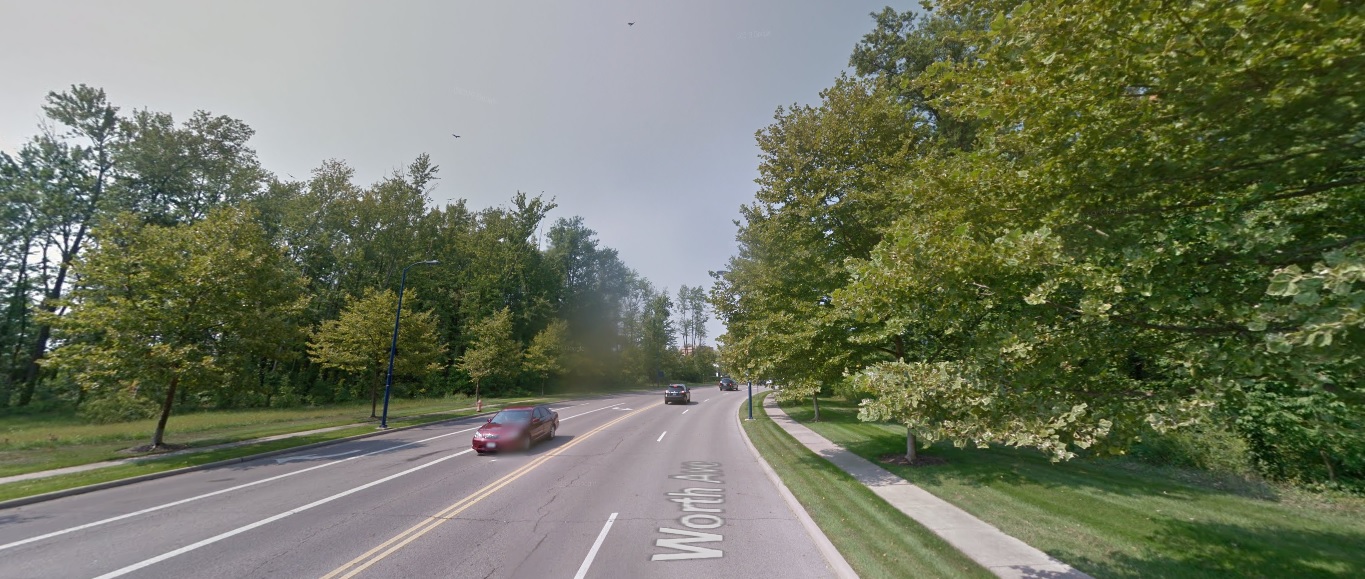
After: 2021
Franklinton

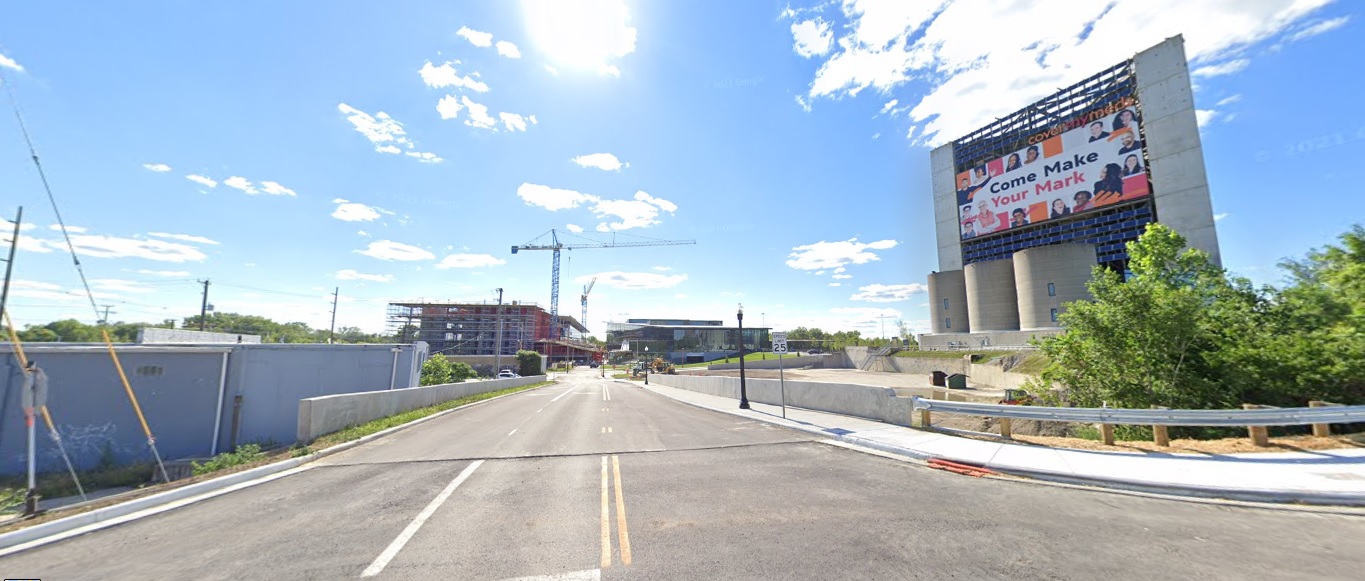
Souder Avenue, looking west just south of I-70.
Before: 2011
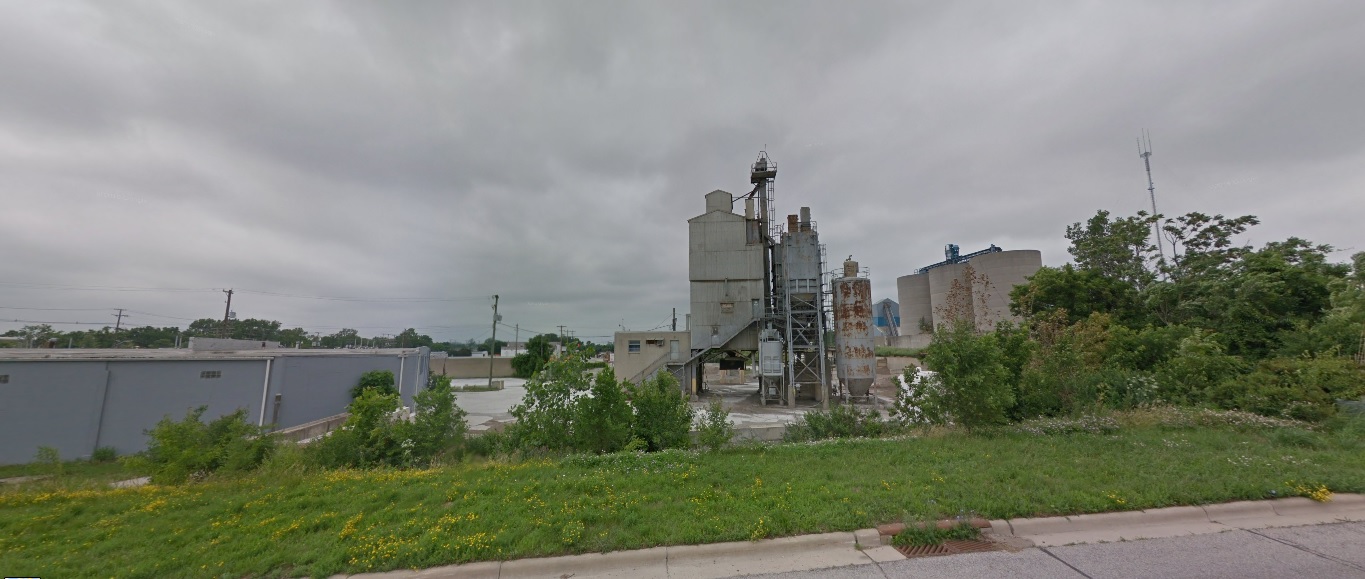
After: 2021
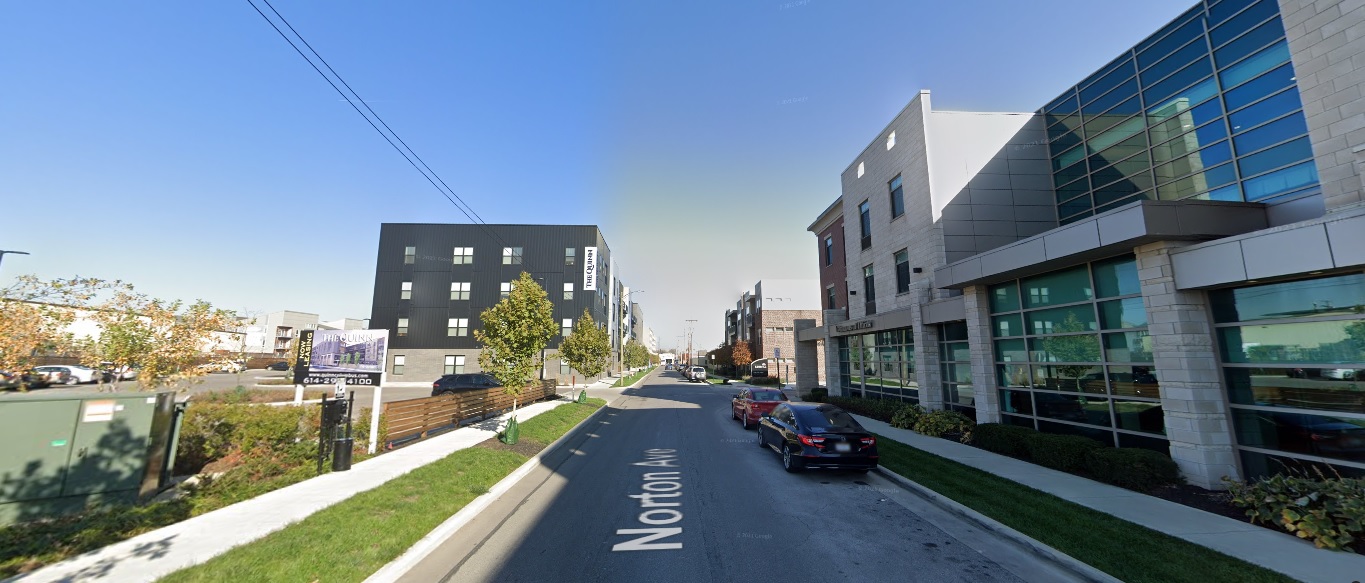
Fifth by Northwest

Norton Avenue, looking north halfway between 3rd and 5th.
Before: 2011
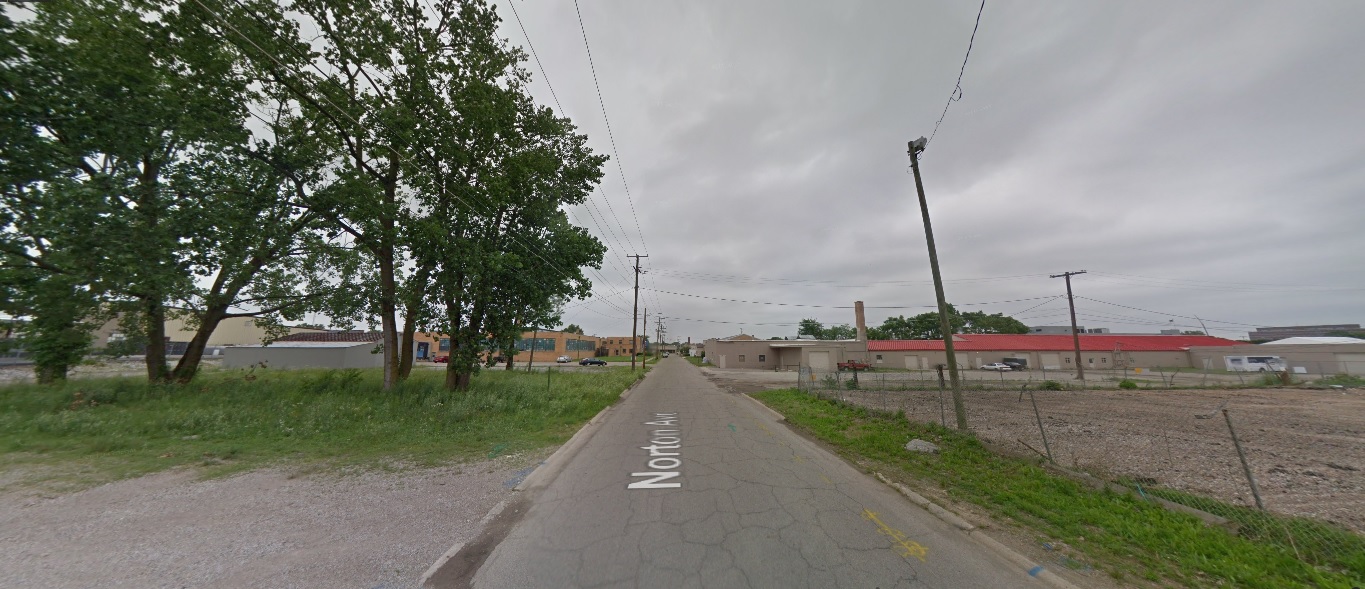
After: 2020
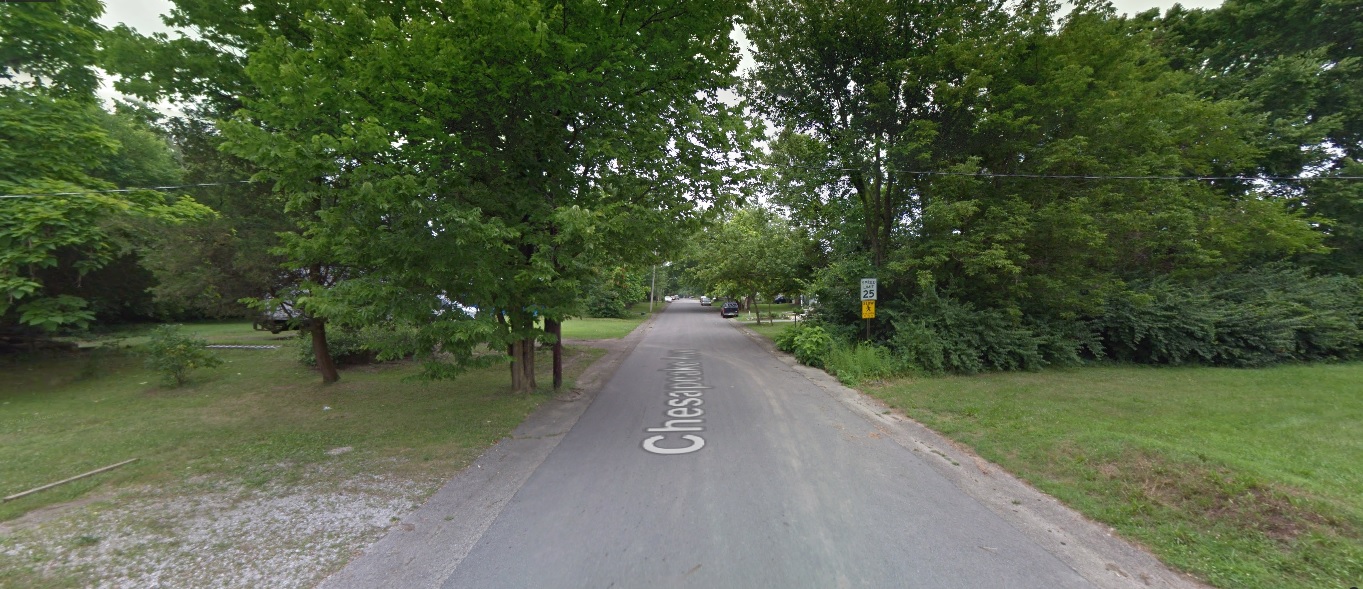
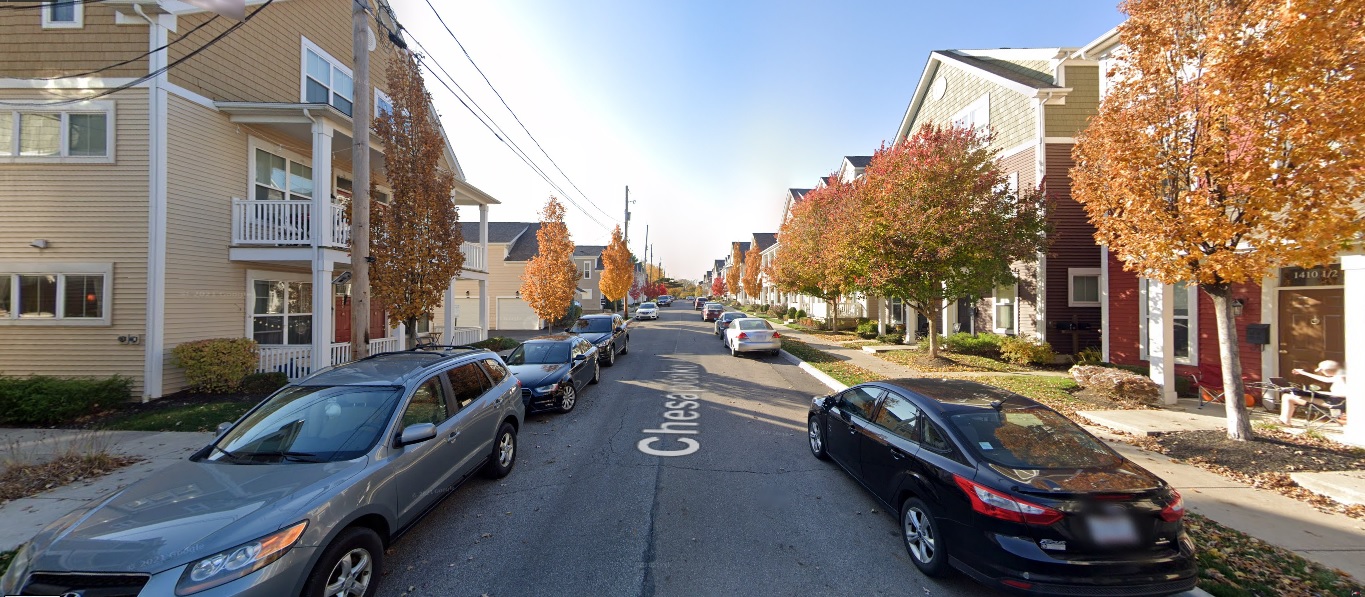
Chesapeake Avenue, looking west.
Before: 2011
After: 2020
King-Lincoln

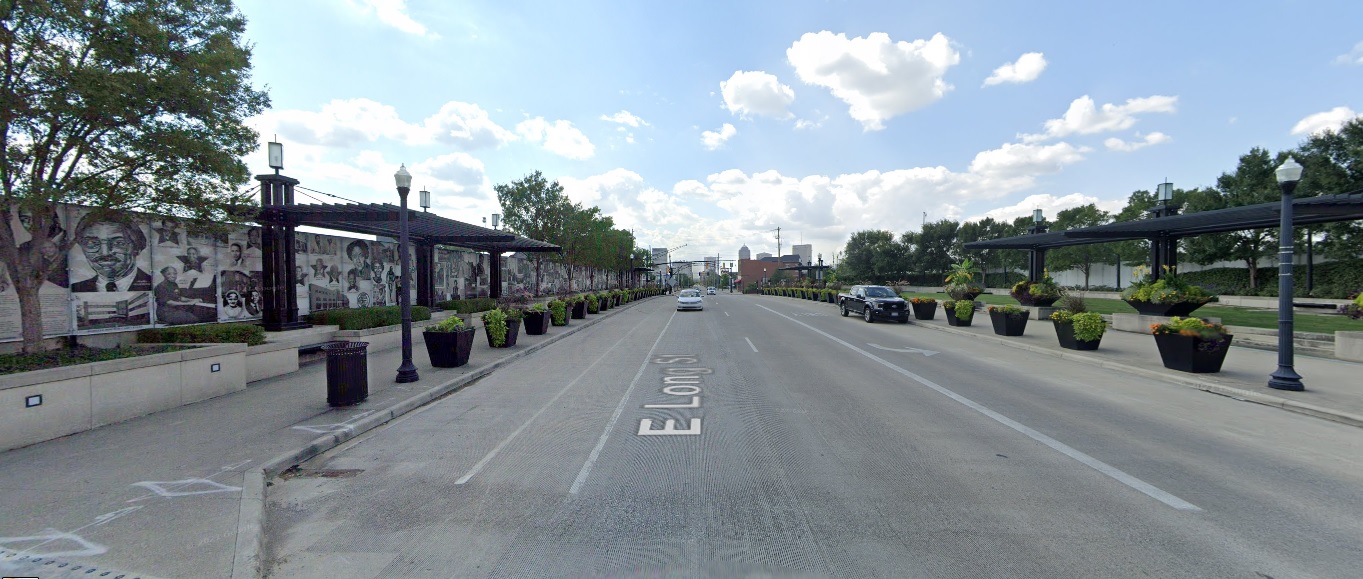
Long Street, looking west at I-71.
Before: 2011
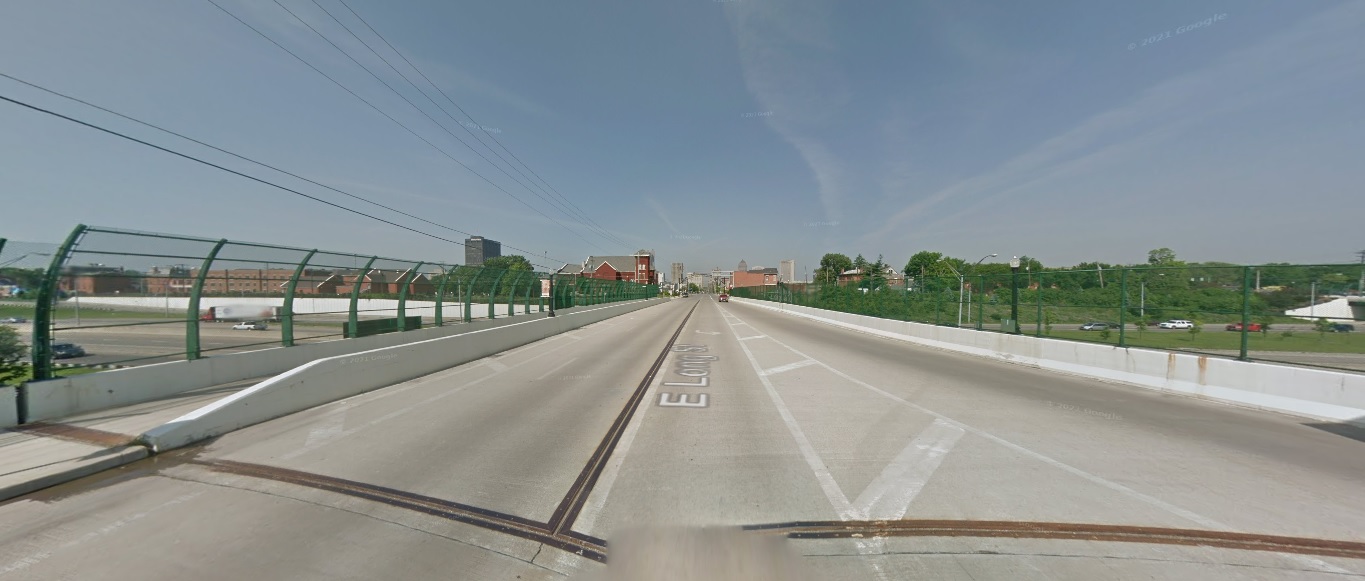

After: 2021
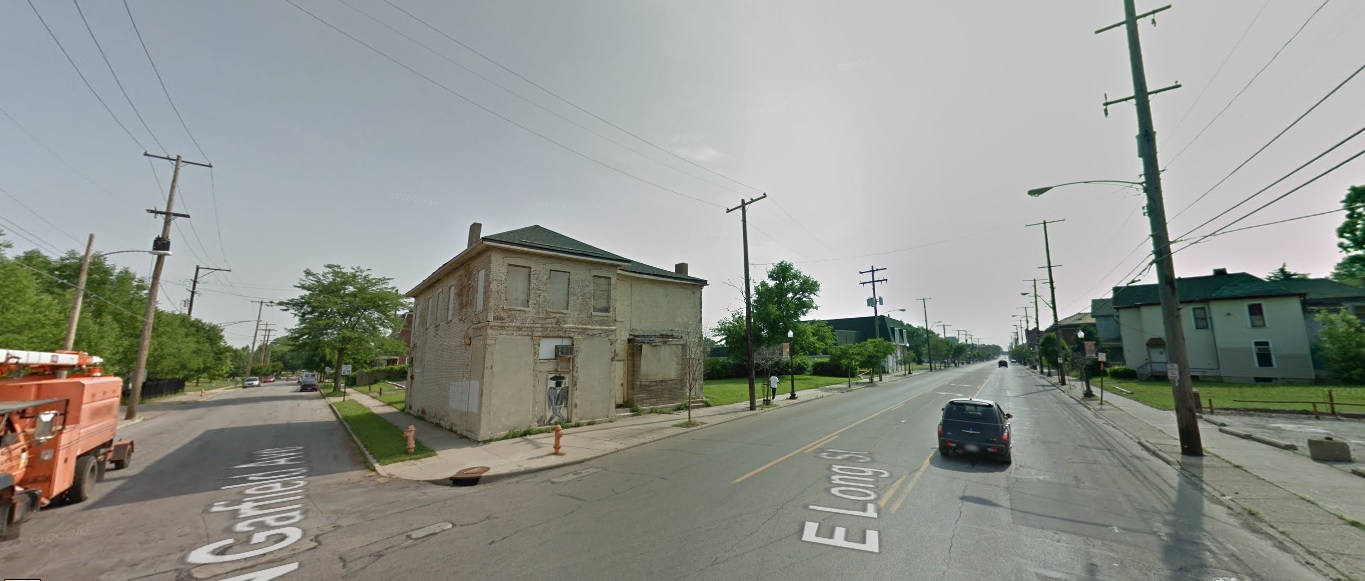
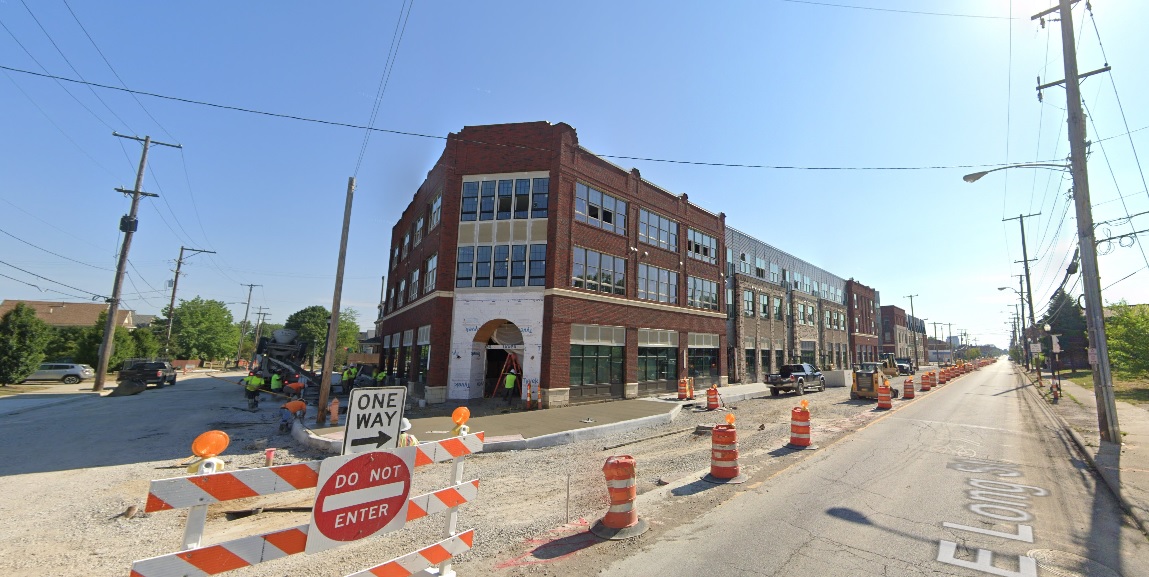
Long Street, looking northeast at Garfield Avenue.
Before: 2011

After: 2021
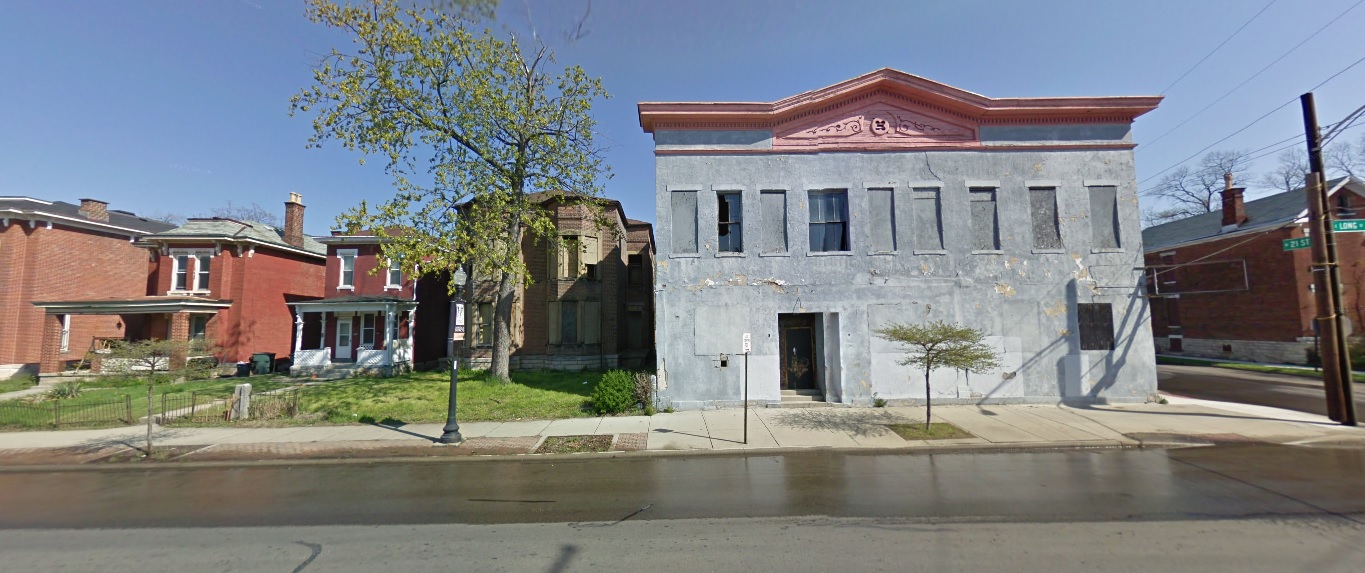
Long Street, looking north just west of 21st Street.
Before: 2011

After: 2021
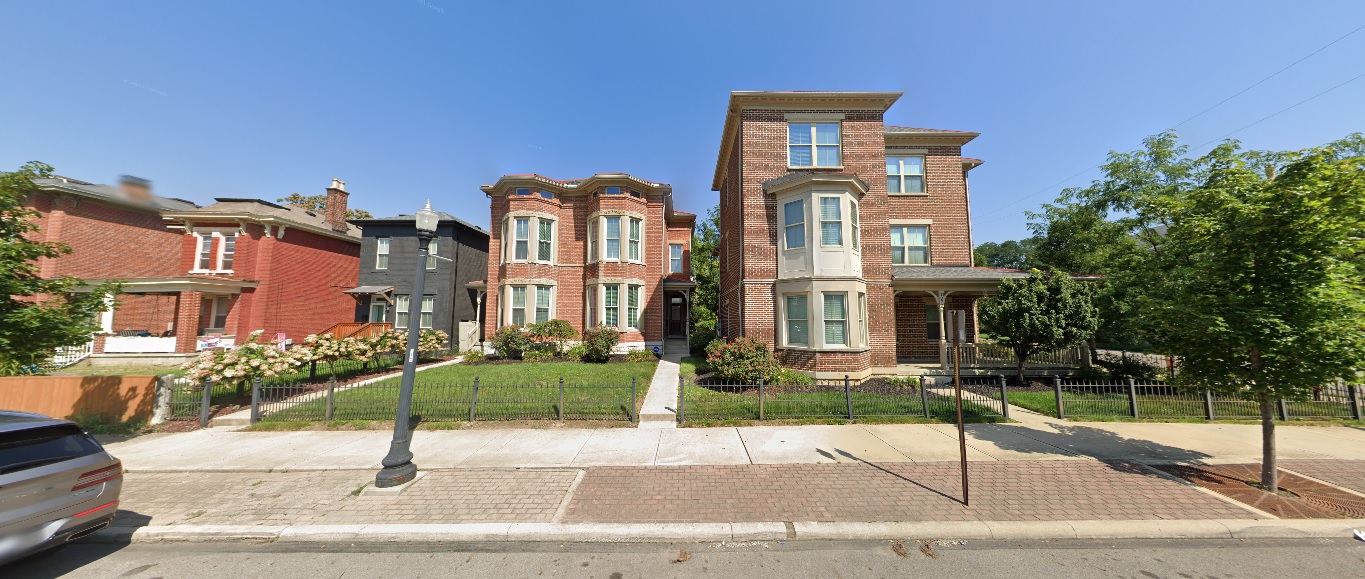
West Side

Georgesville Road, looking east south of Broad Street.
Before: 2011
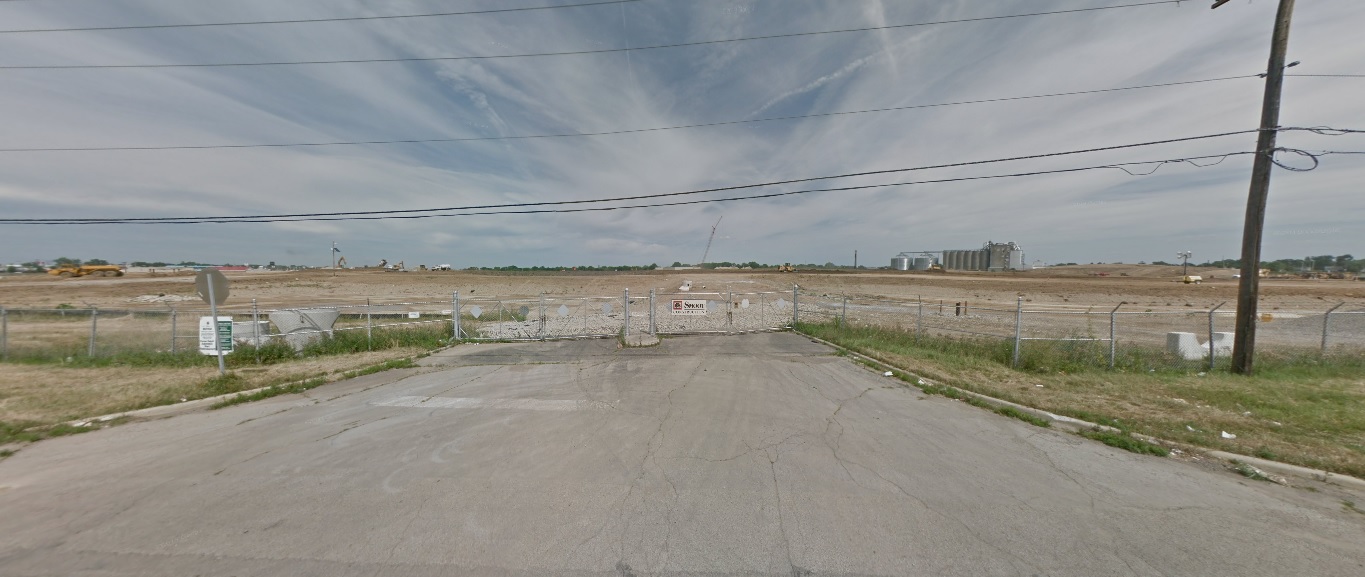
After: 2021
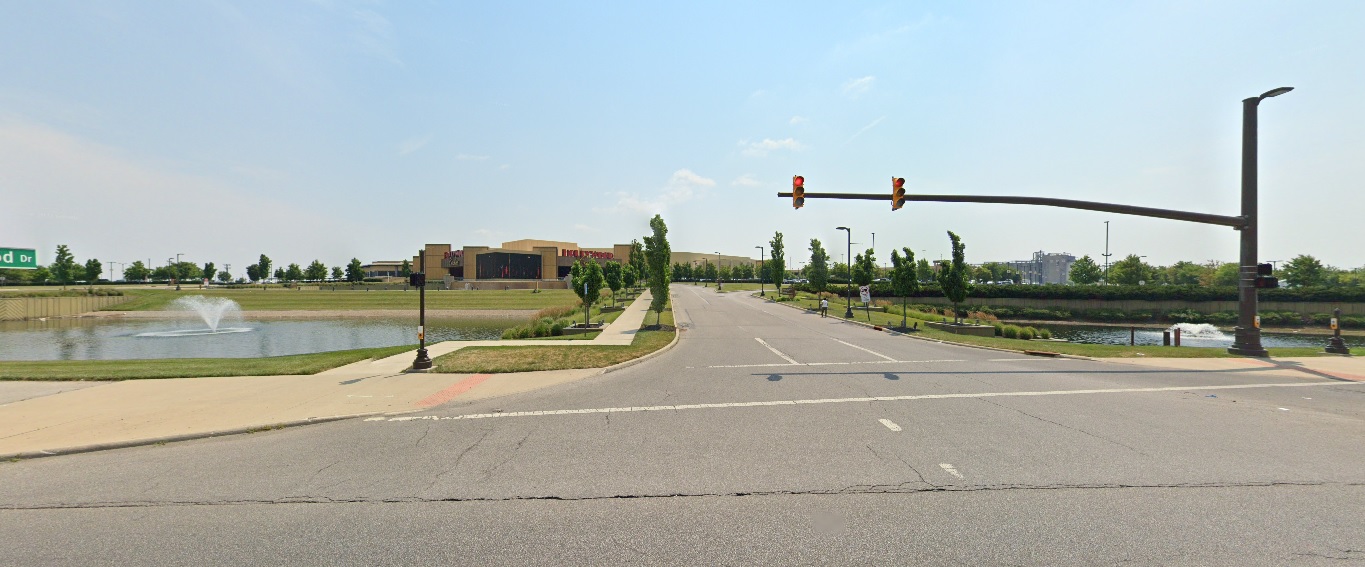


North Side

Wakeford Street, looking west from Olentangy River Road.
Before: 2011
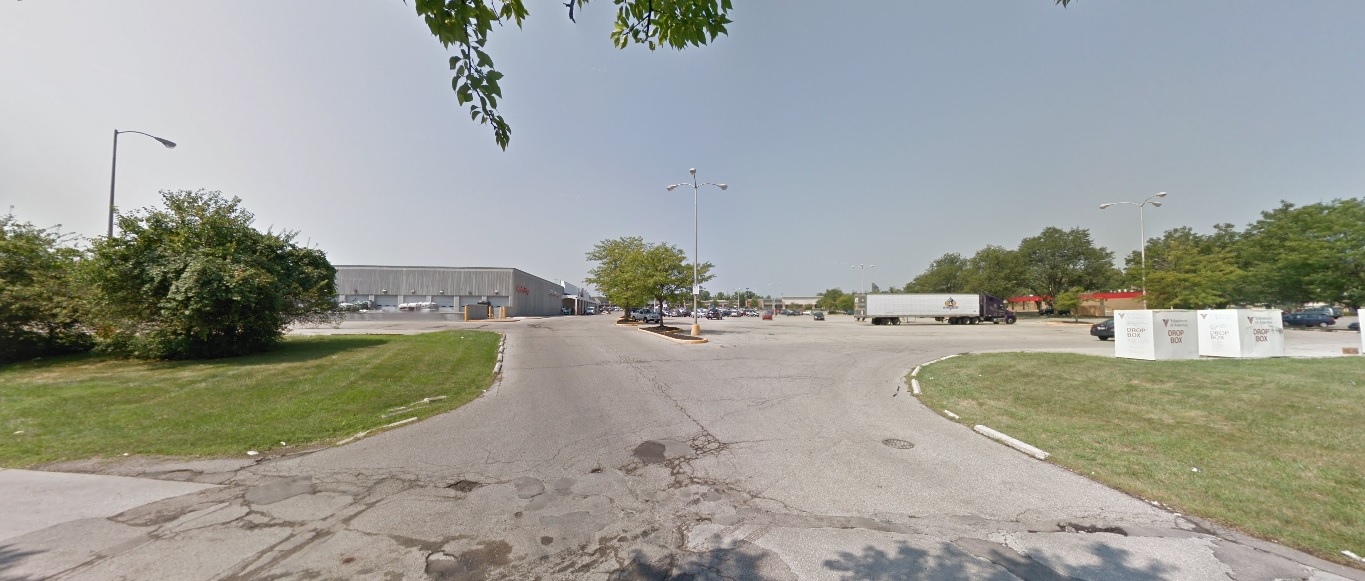
After: 2021
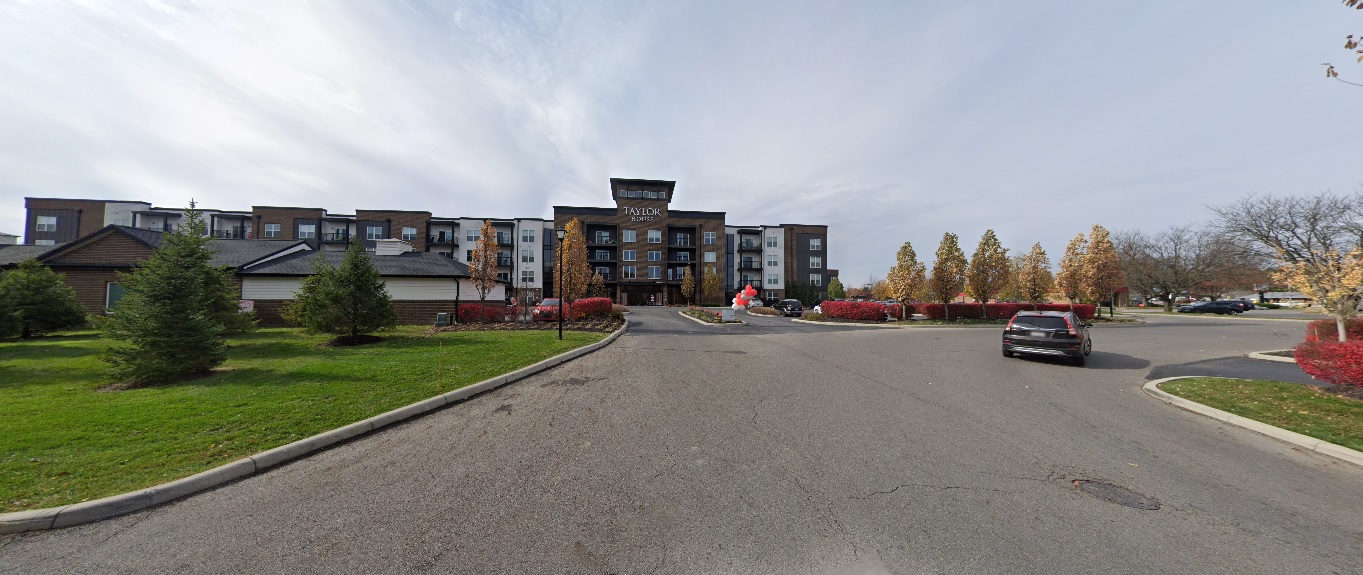
Ohio Health Parkway, looking north from Healthy Community Way.
Before: 2015
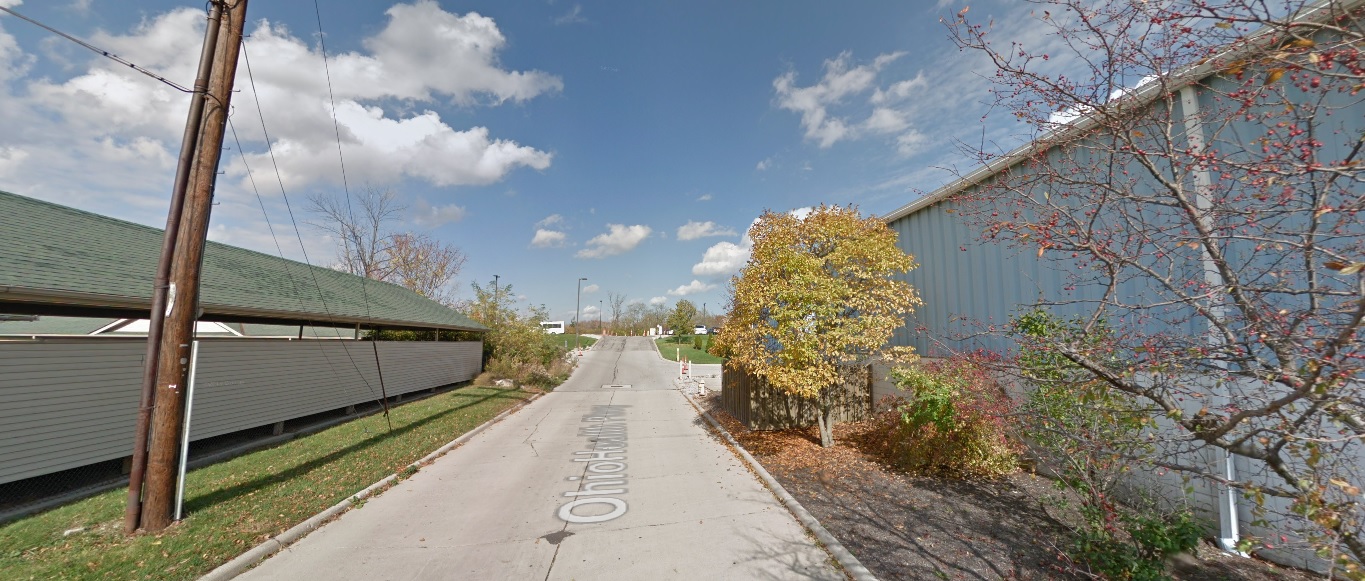
After: 2021
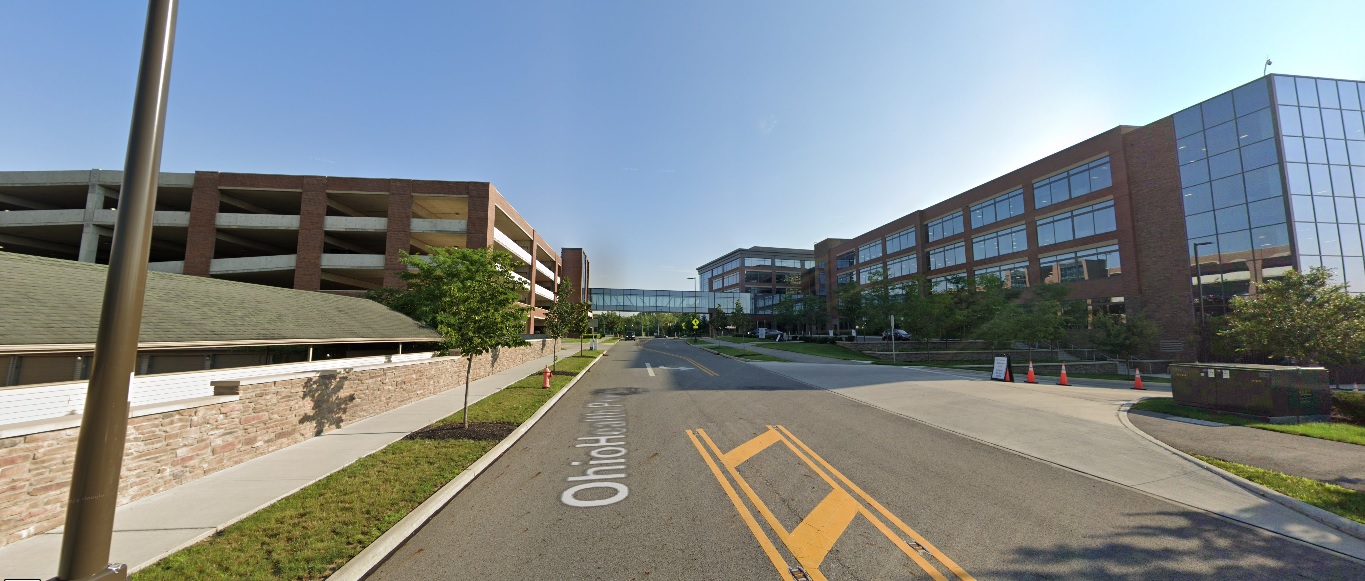
East North Broadway, looking north at 315.
Before: 2011
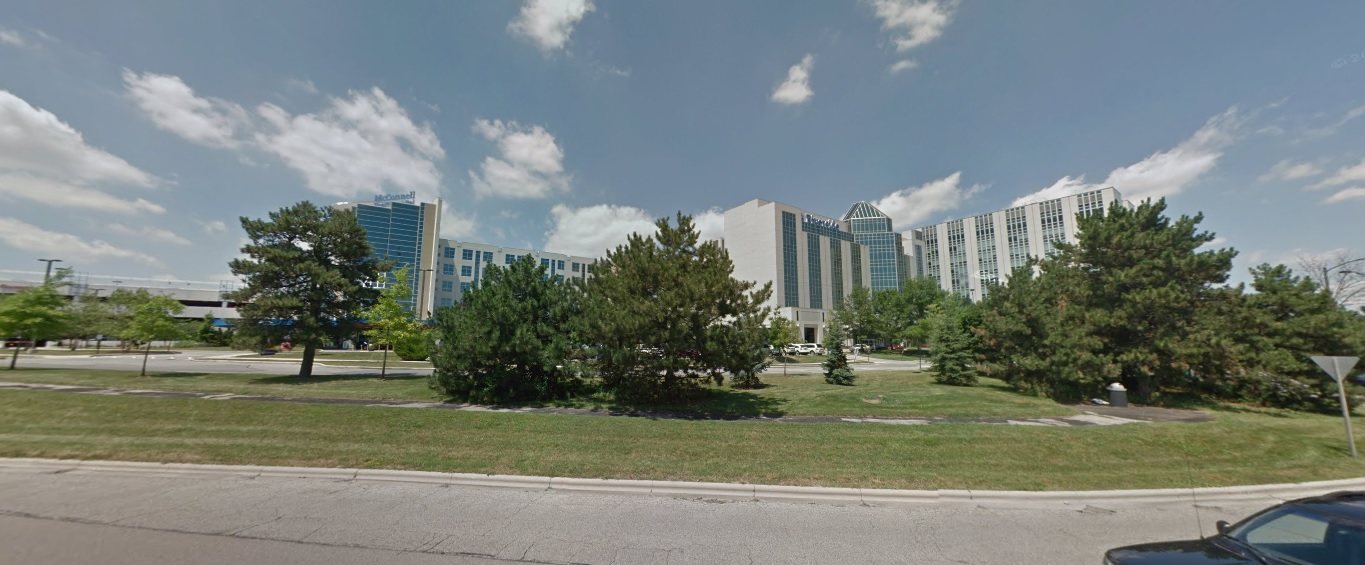
After: 2021
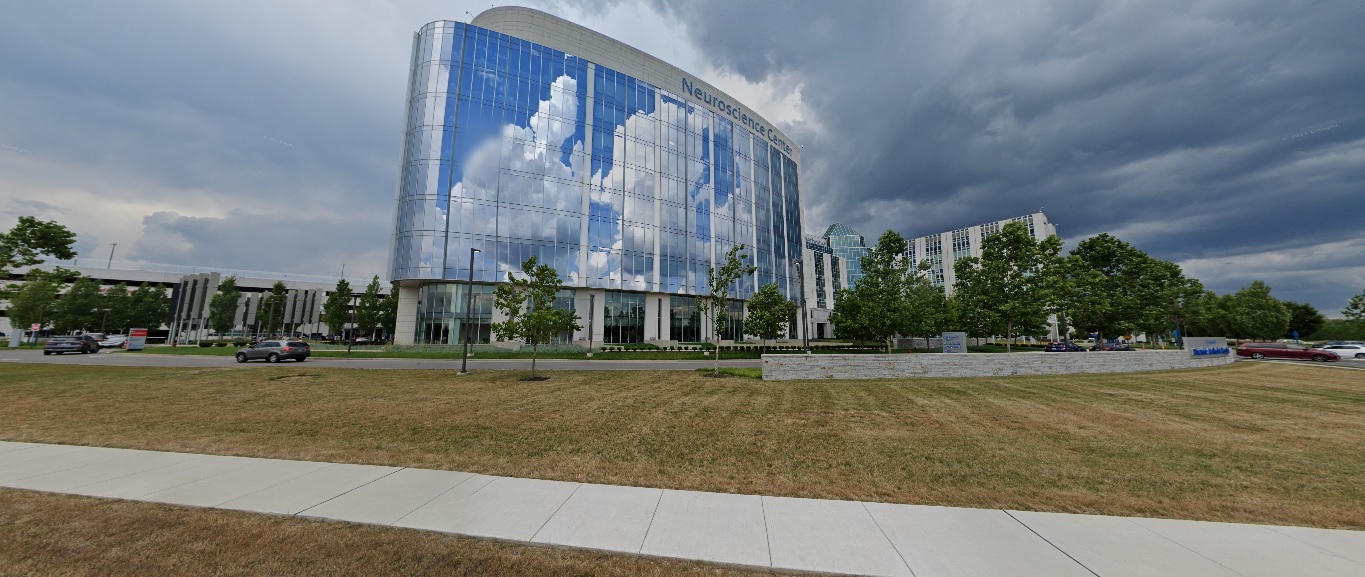
Grandview Heights

Yard Street, looking north from just south of Burr Avenue.
Before: 2011
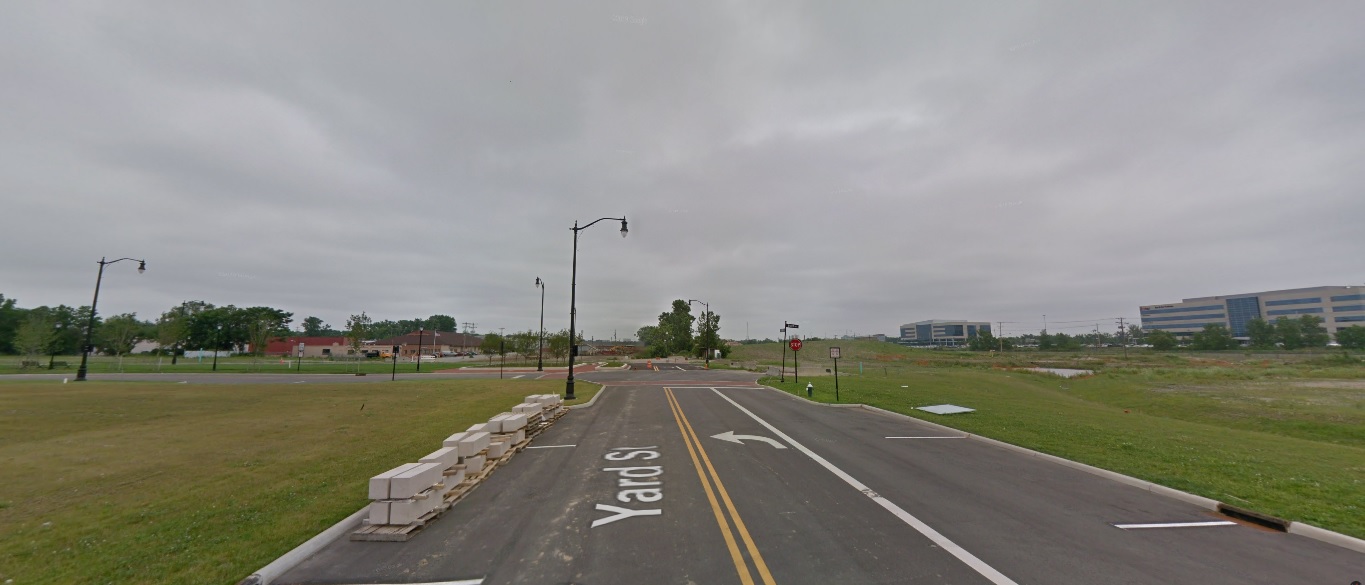
After: 2020
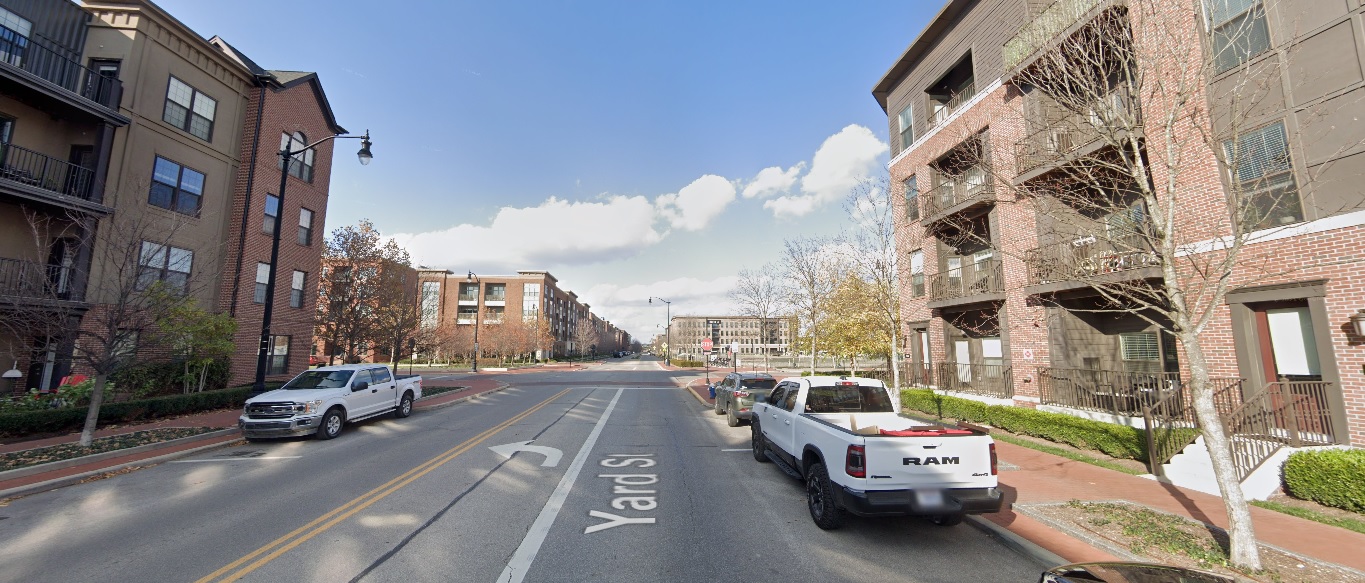
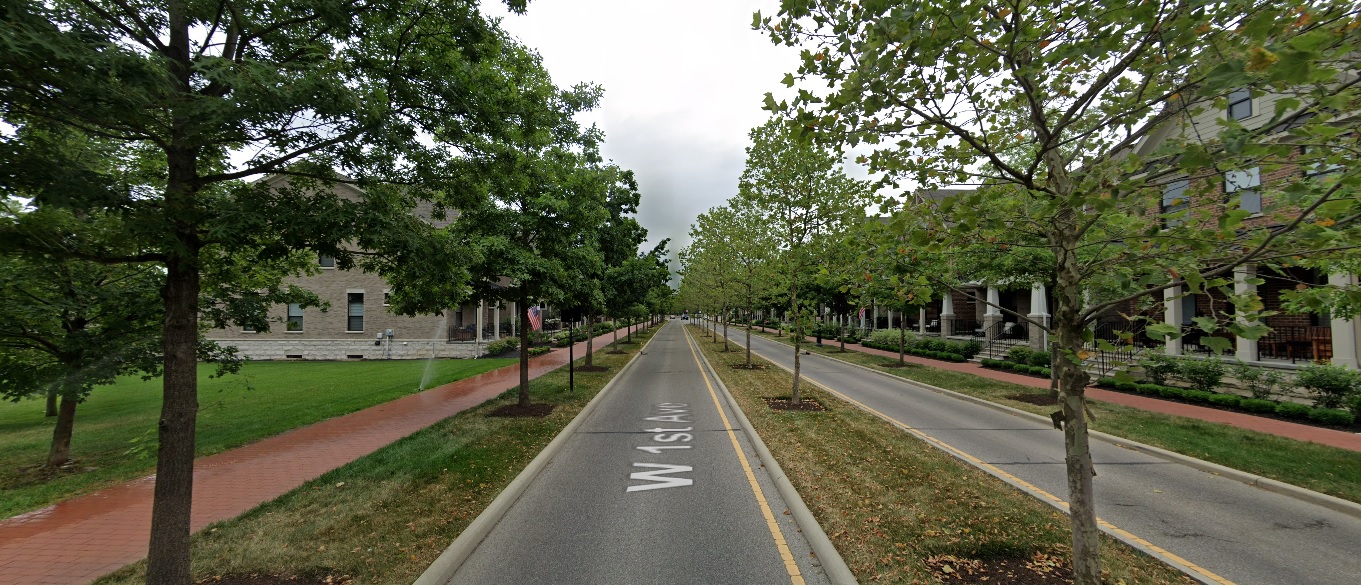
First Avenue, looking northeast at Edgehill Road.
Before: 2012
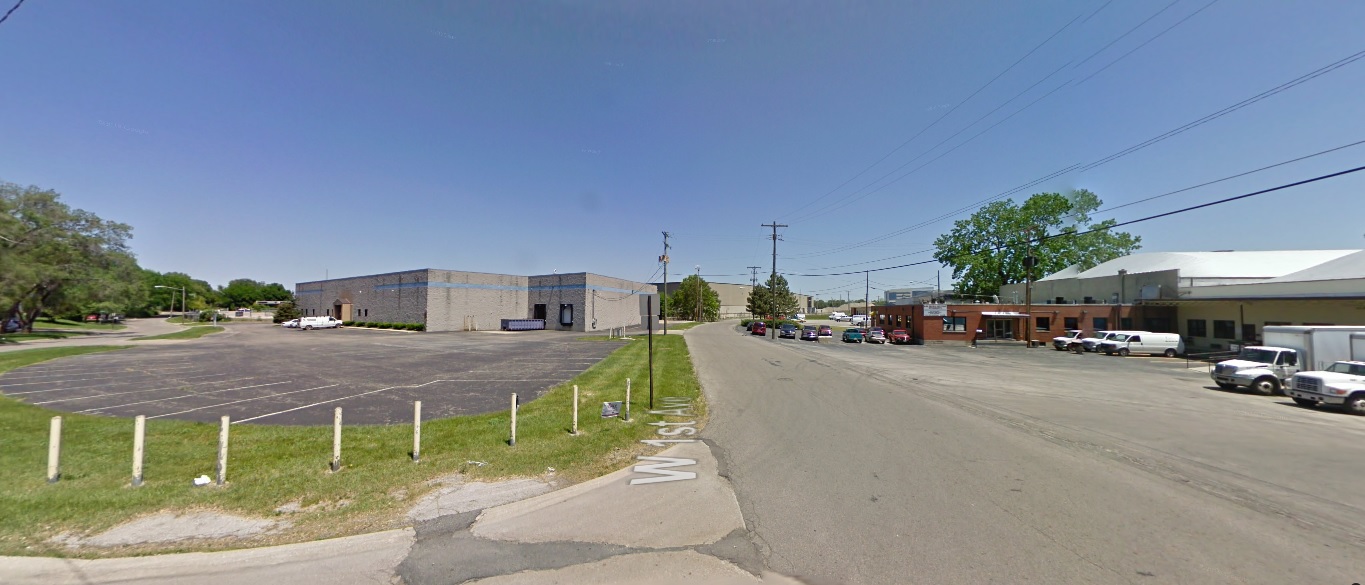
After: 2021
Dublin

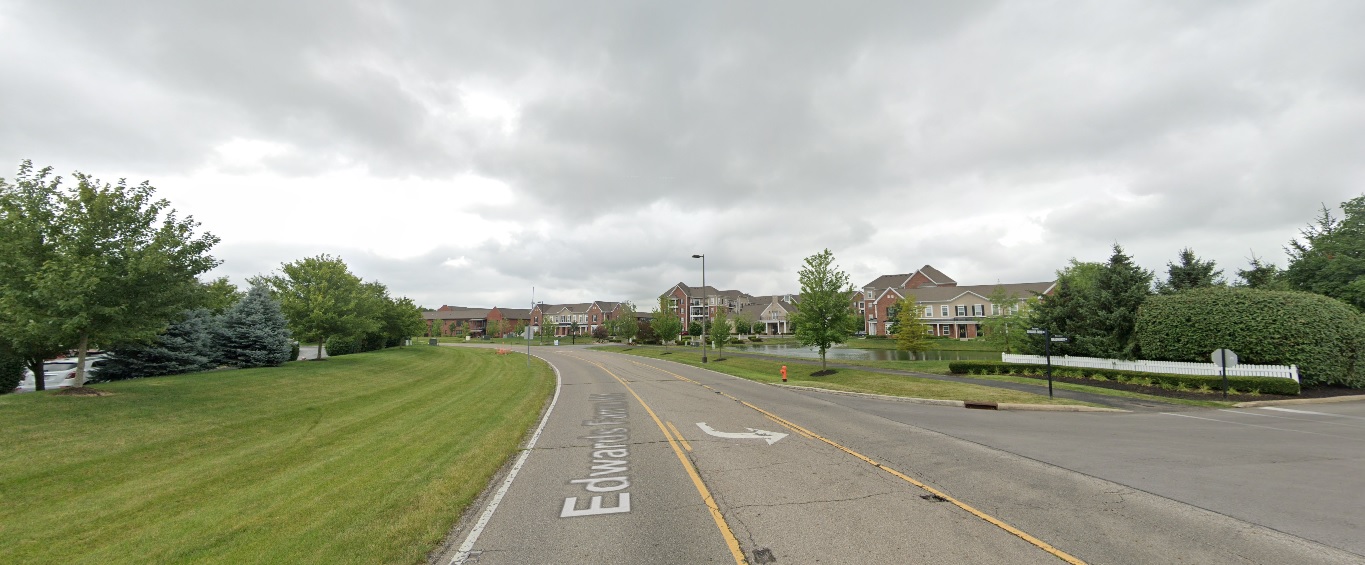
Edwards Farms Drive, looking south at Frawley Drive.
Before: 2011
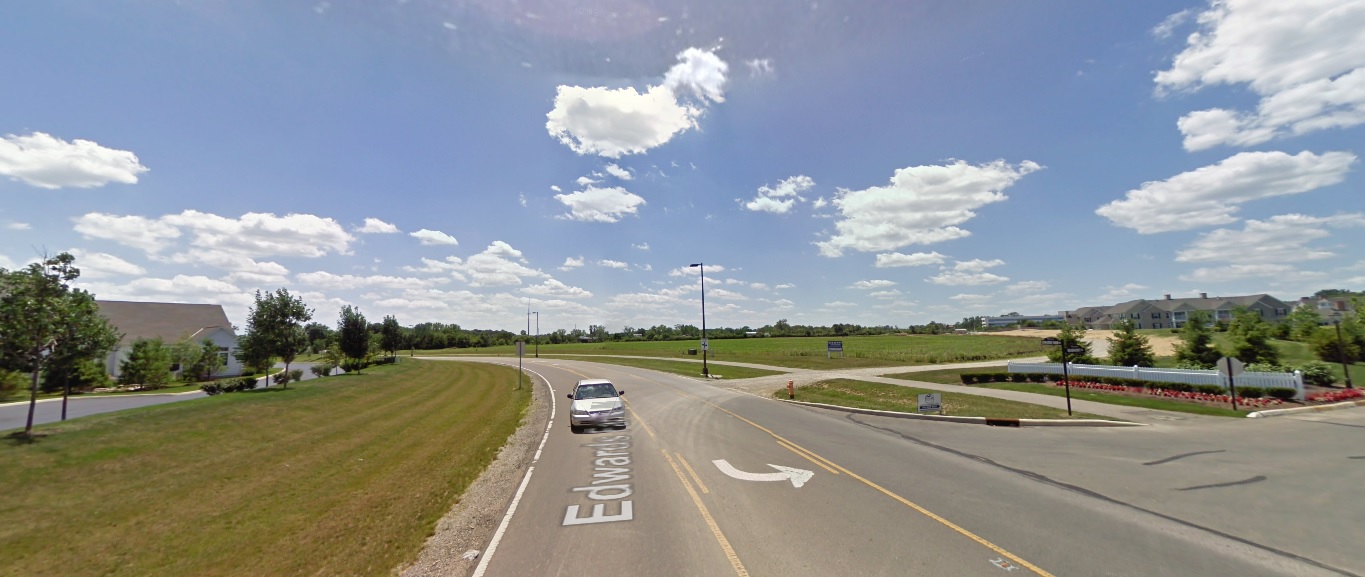
After: 2021
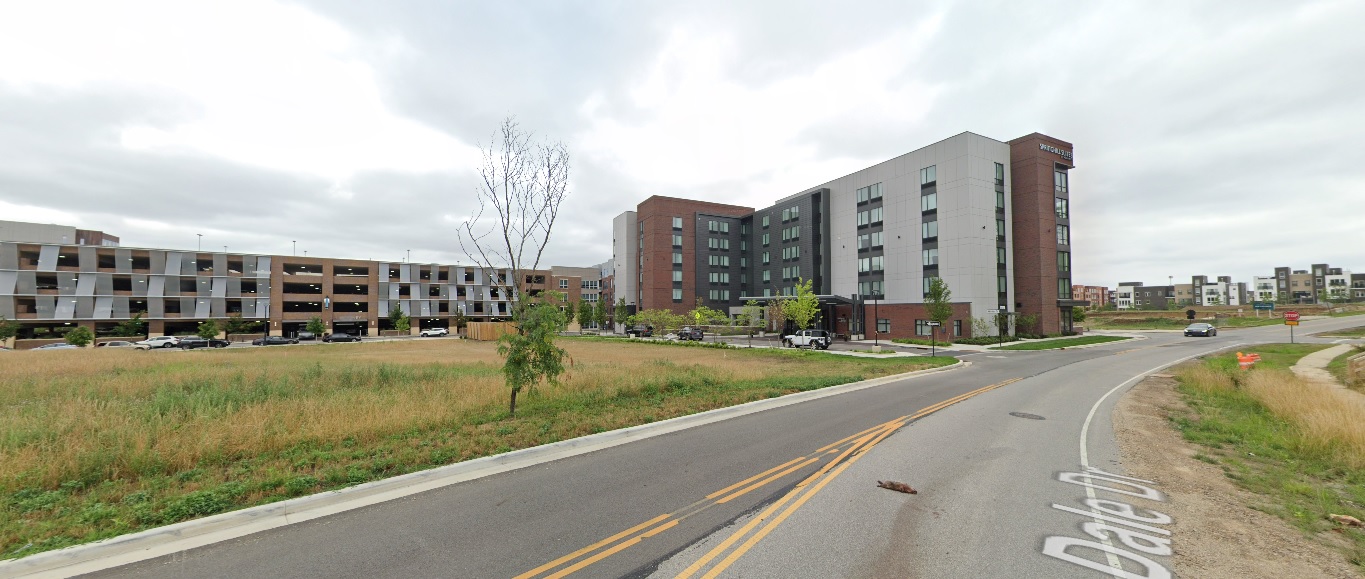
Dale Drive, looking northwest north of Banker Drive.
Before: 2011
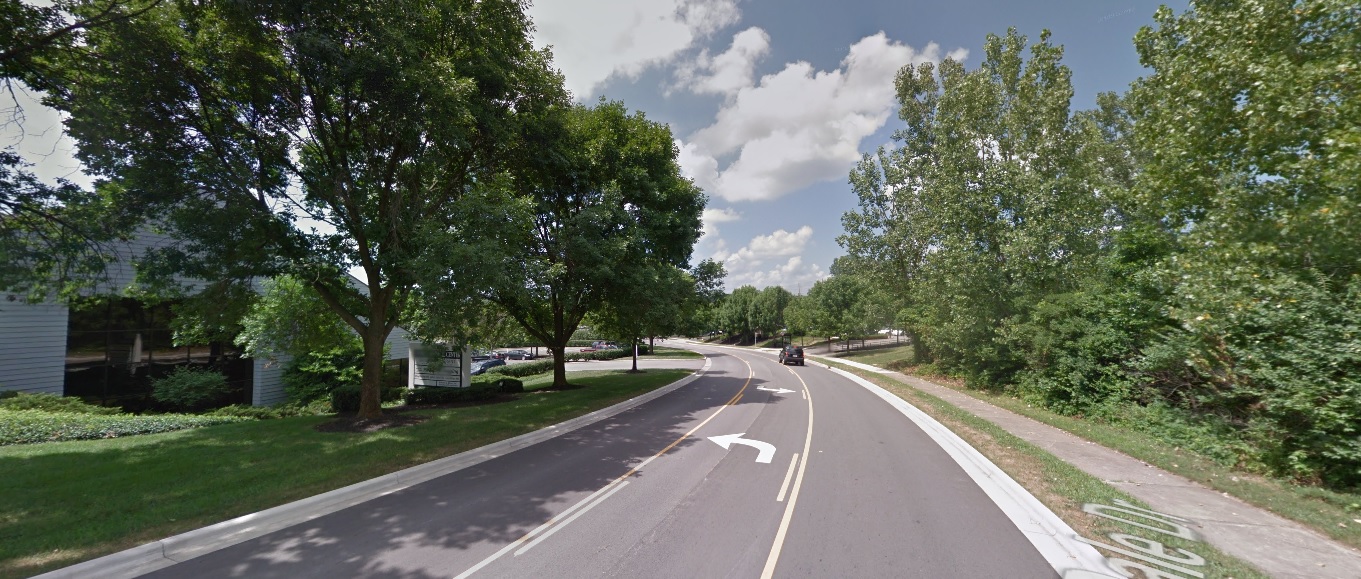
After: 2021
High Street, looking north from North Street.
Before: 2011
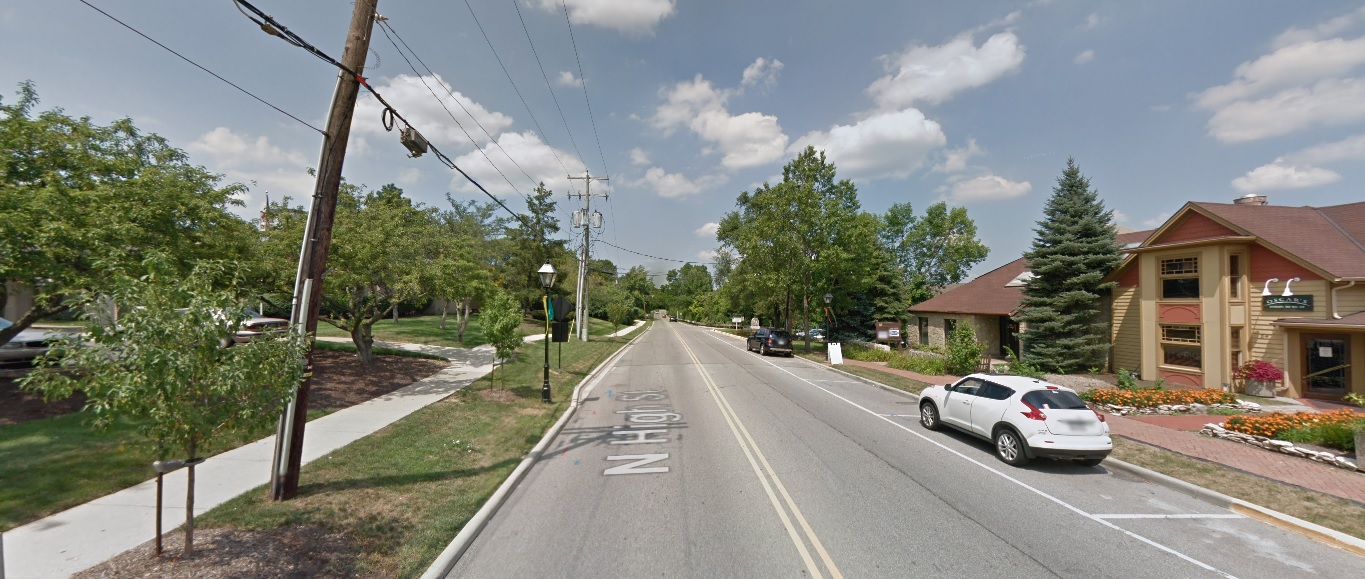
After: 2021
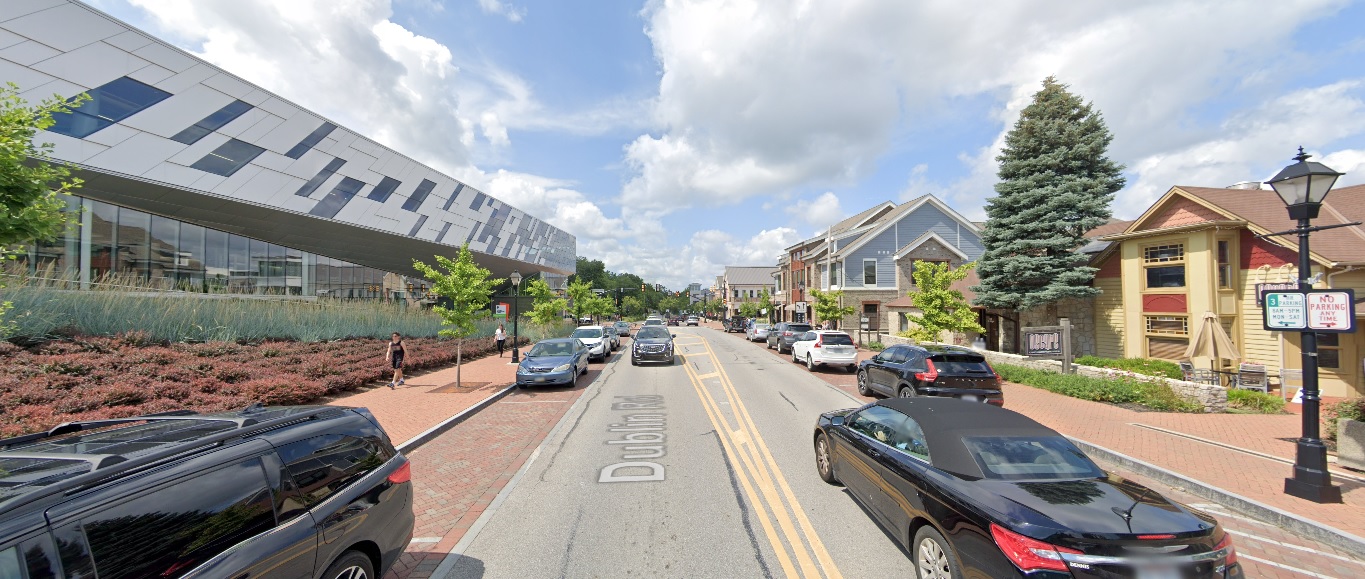
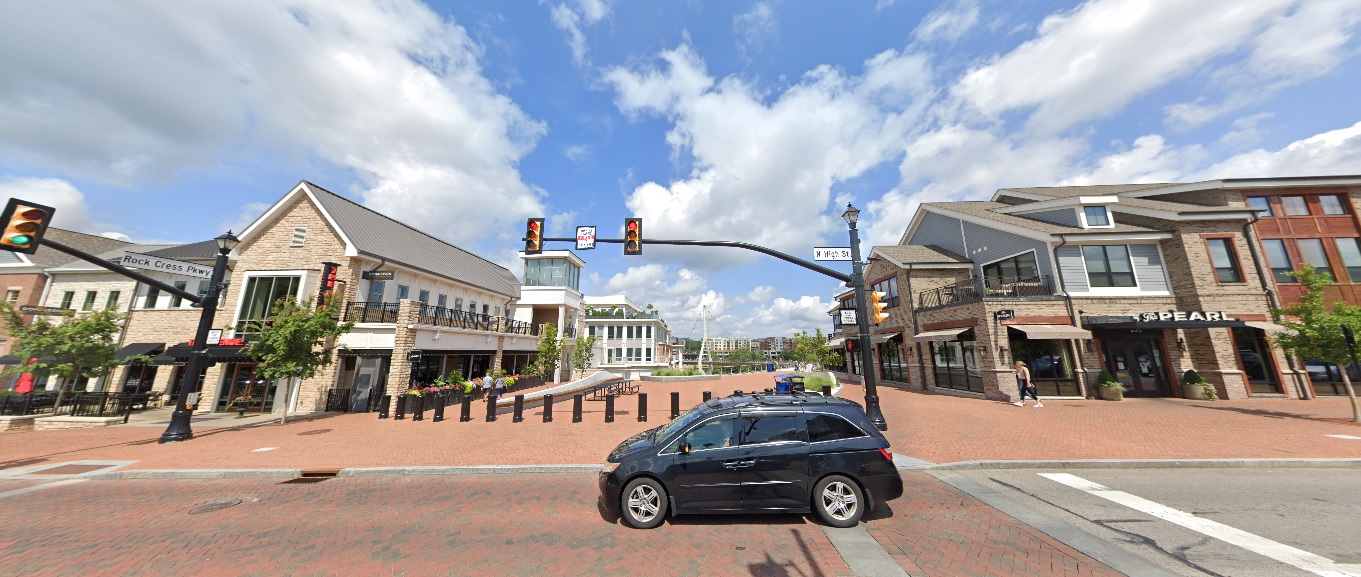
High Street, looking east at Rock Cress Parkway.
Before: 2011
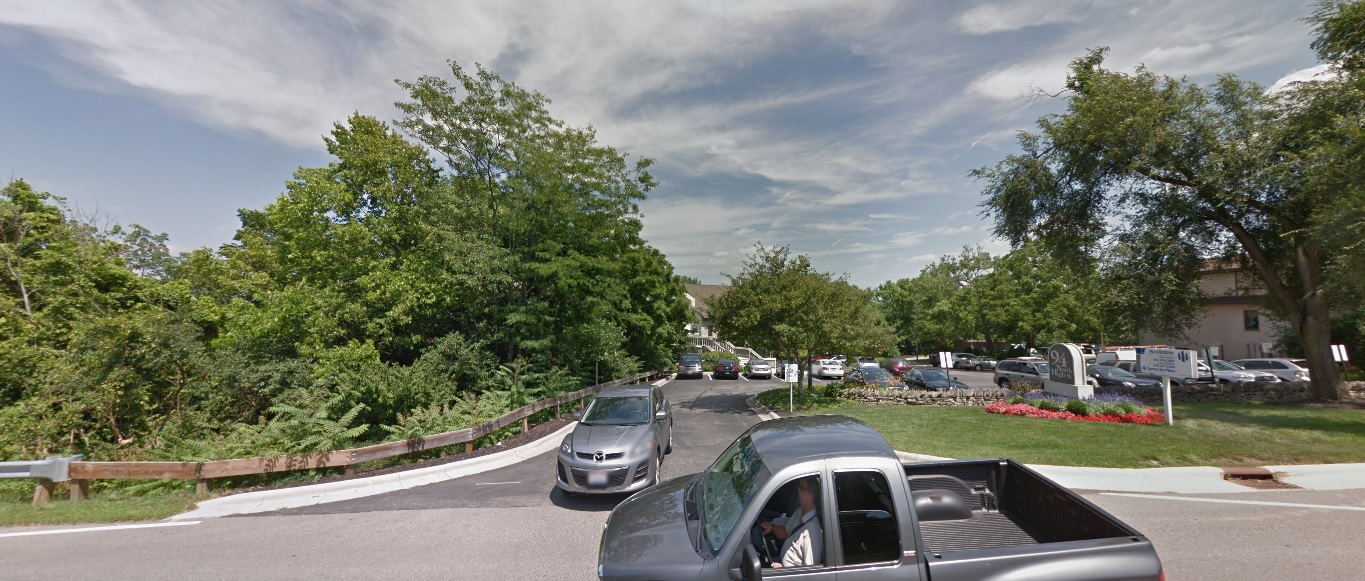
After: 2021
Upper Arlington

Riverside Drive, looking east just south of Bethel Road.
Before: 2011
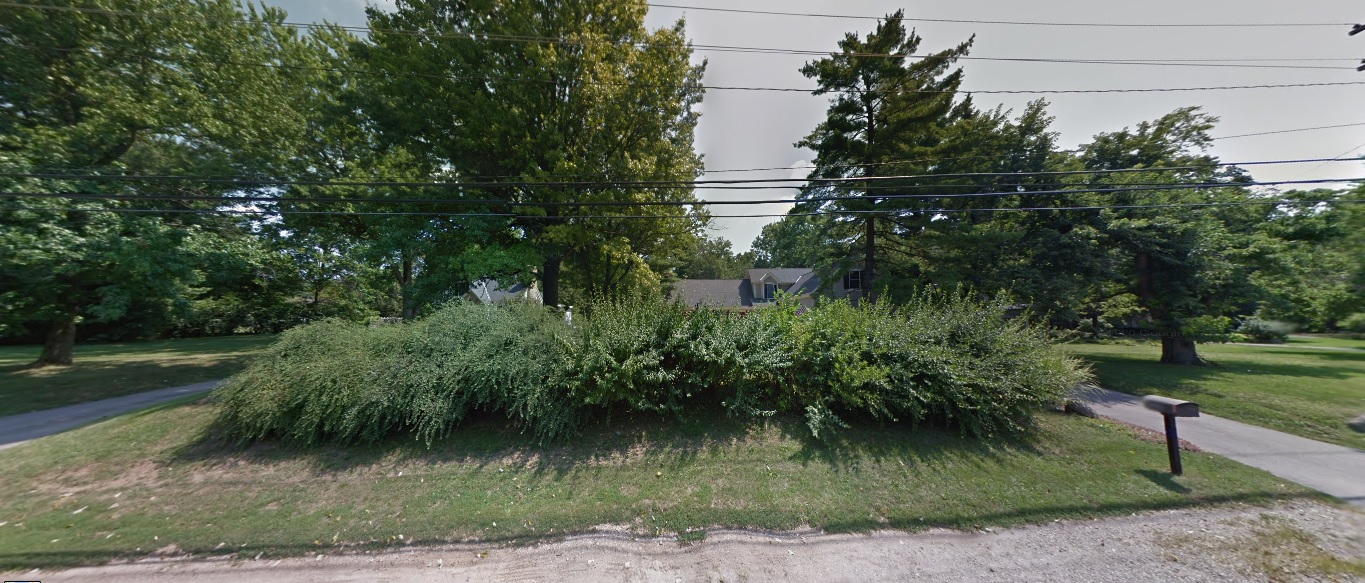
After: 2021
Bexley

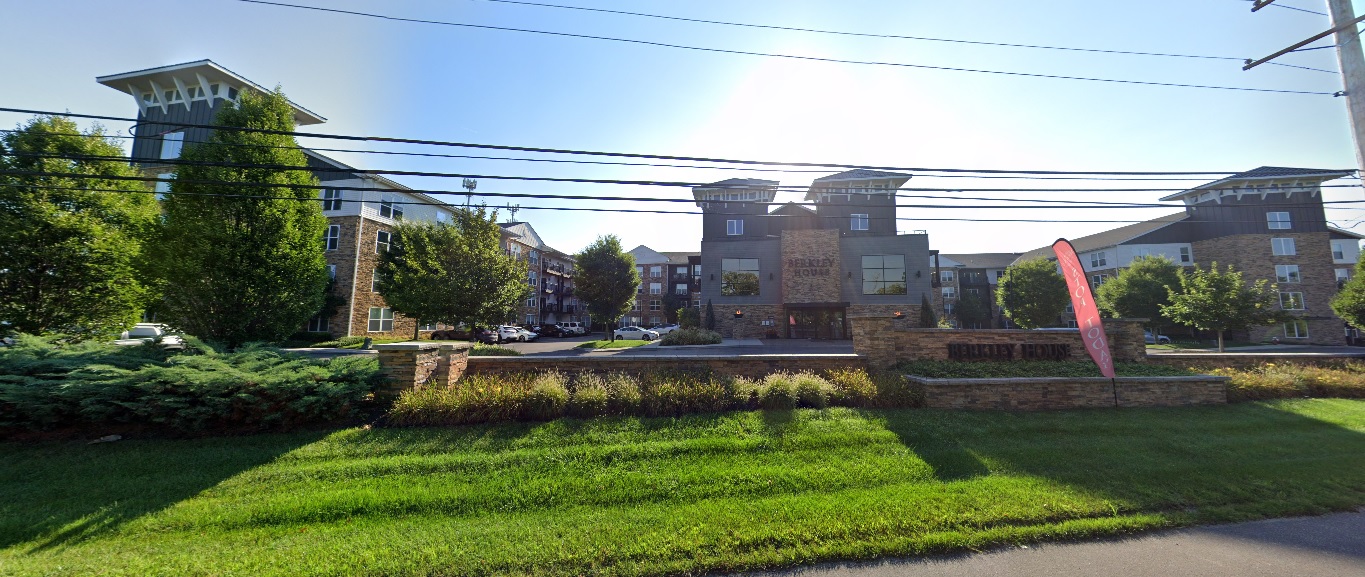
Parkview Avenue, looking southwest just north of Main Street.
Before: 2011

After: 2021

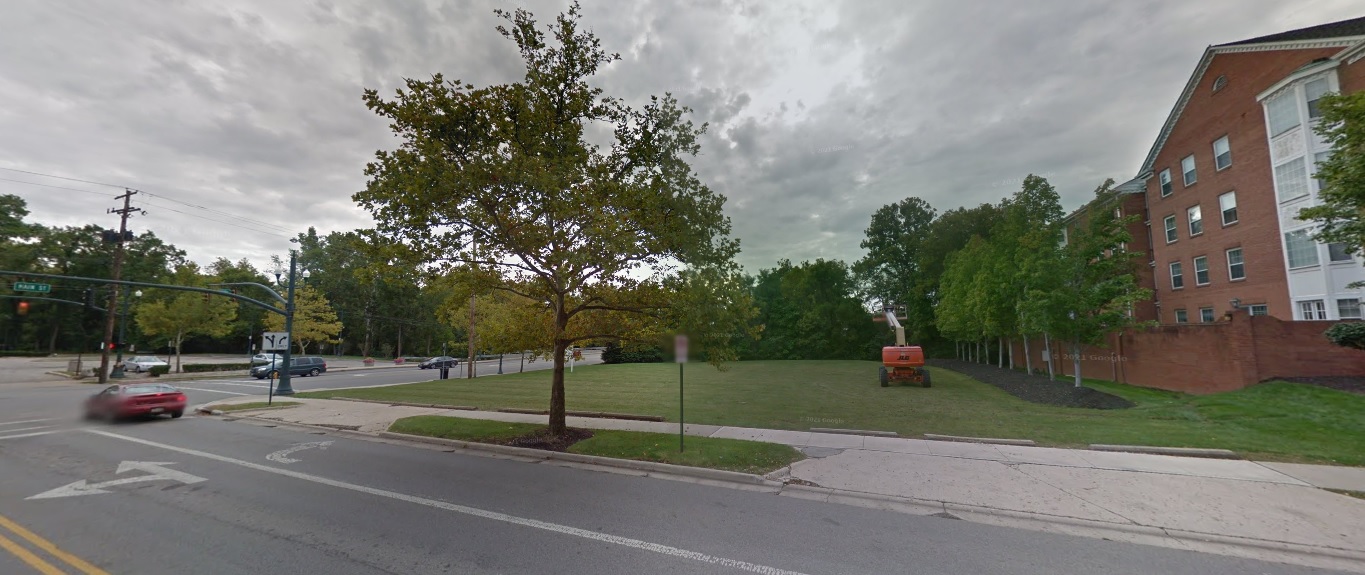
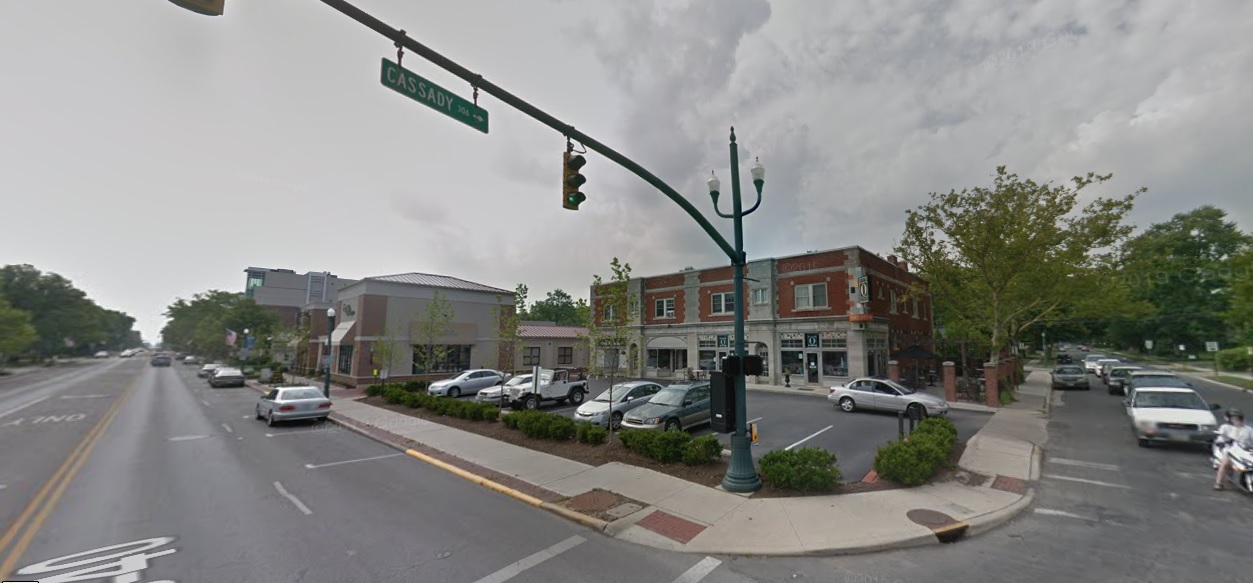
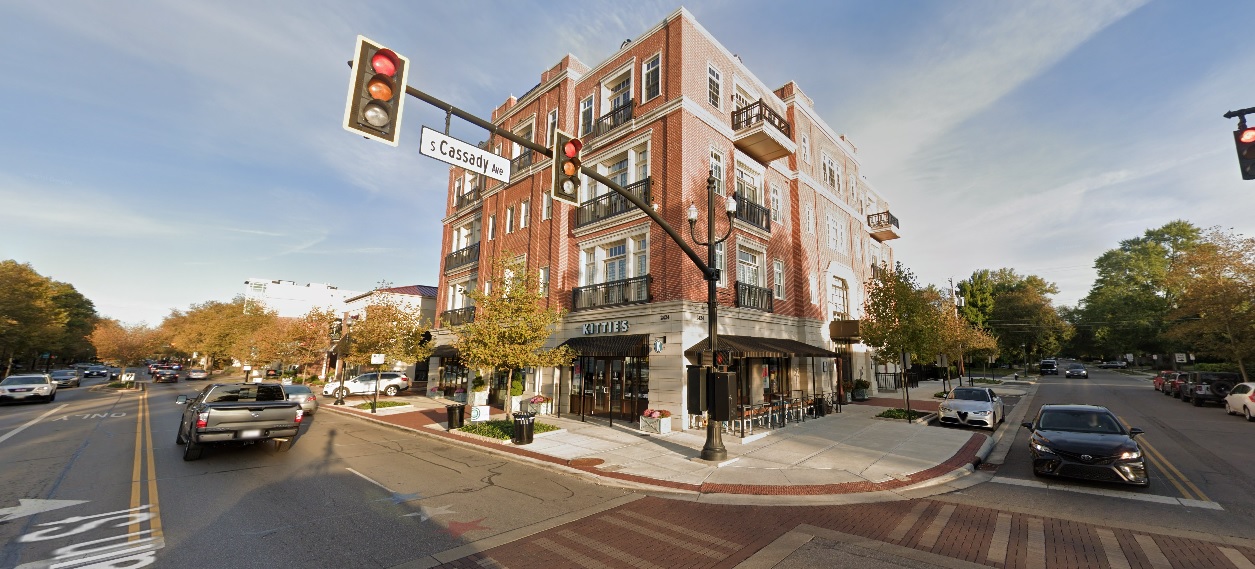
Main Street, looking northwest at Cassady Avenue.
Before: 2011

After: 2021
As I stated in the previous installment, these photos still just represent a small fraction of the development and changes that have occurred across the city and its suburbs in the past decade. These are meant to be representative of those changes, not to suggest that other neighborhoods not featured didn’t change as well. Either way, enjoy!

This 2-part before and after series highlights many projects that have changed the landscape around the city. Many other projects that will continue to transform the area for the next decade and beyond are still in development or construction phases. A list of local area commissions provide monthly updates on potential new projects around the city.
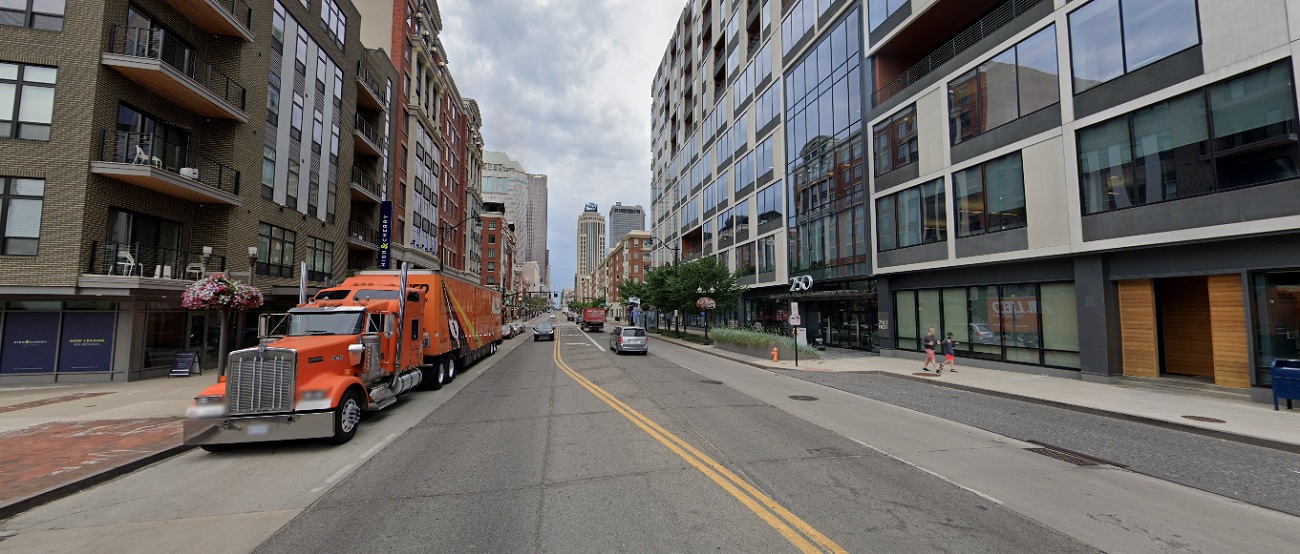
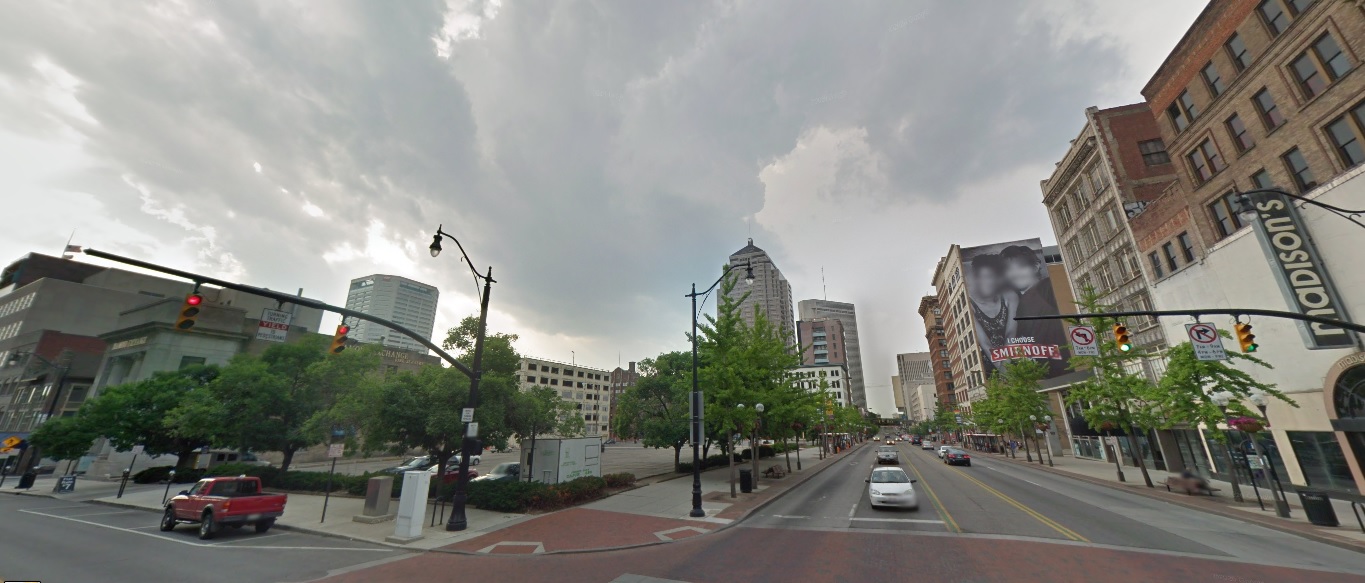
Before and After: How Columbus Changed in 10 Years


How Columbus changed in 10 years

Part 2 is now available for more great before and after comparisons.

How Columbus has changed in 10 years is not always easily quantifiable. Columbus added more people in the past decade than during any previous similar period in its history. I’ve posted a lot about the 2020 Census data and updated many pages worth of information to the site. However, examining only population change through numbers is just one part of the story. How has that population growth manifested in terms of how the city appears in its built environment? This before and after look shows how the city has been transformed on a visual scale, and shows how some of the hottest neighborhoods have been radically altered in a short time.
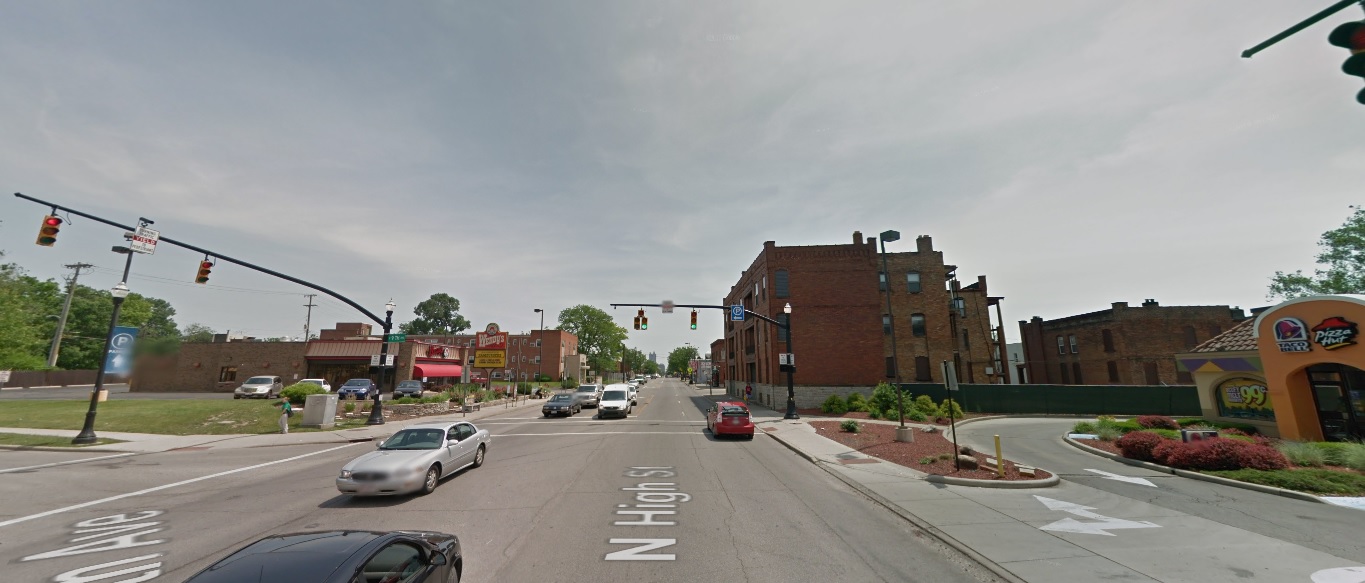
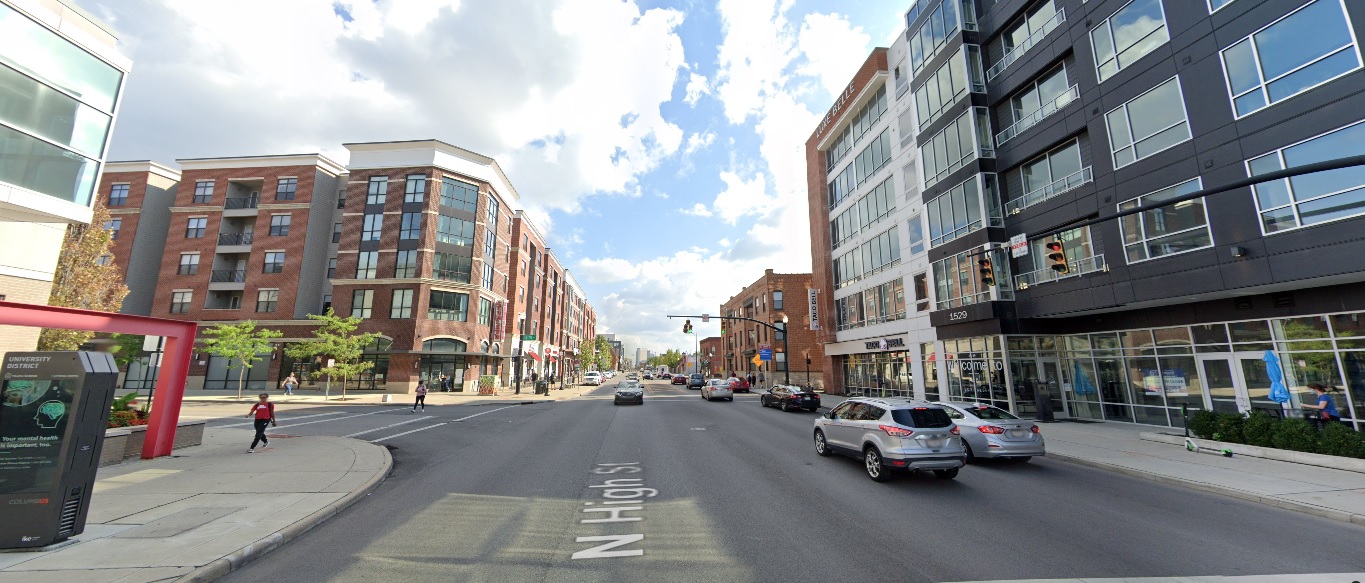
Downtown
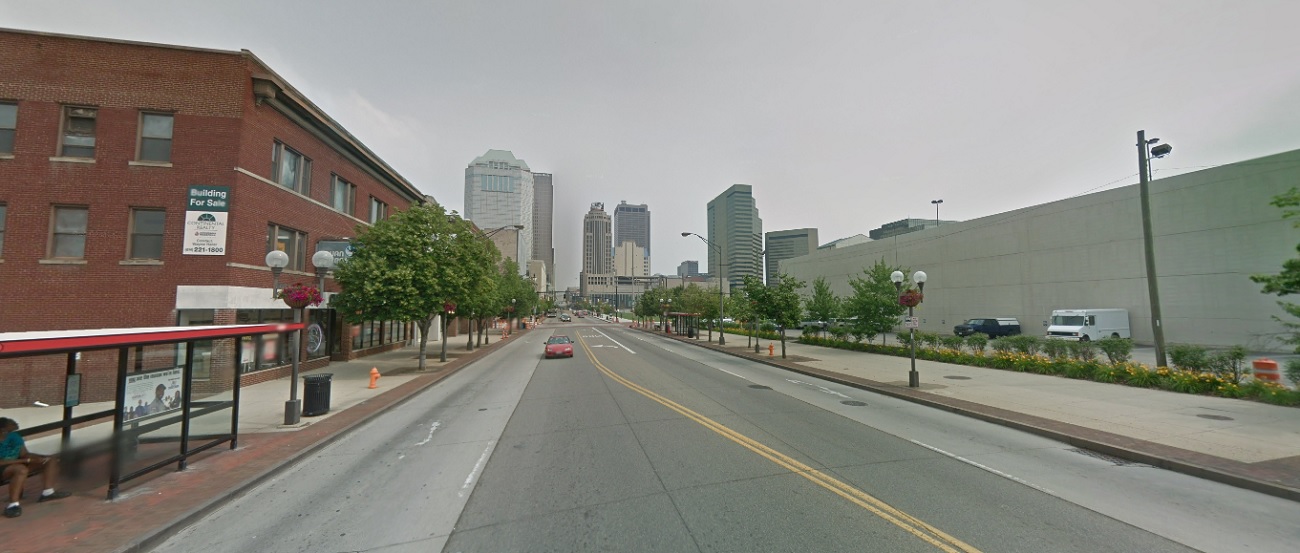
High Street, looking north from Rich Street
Before: 2011

After: 2021

High Street, looking north from Gay Street
Before: 2011

After: 2021

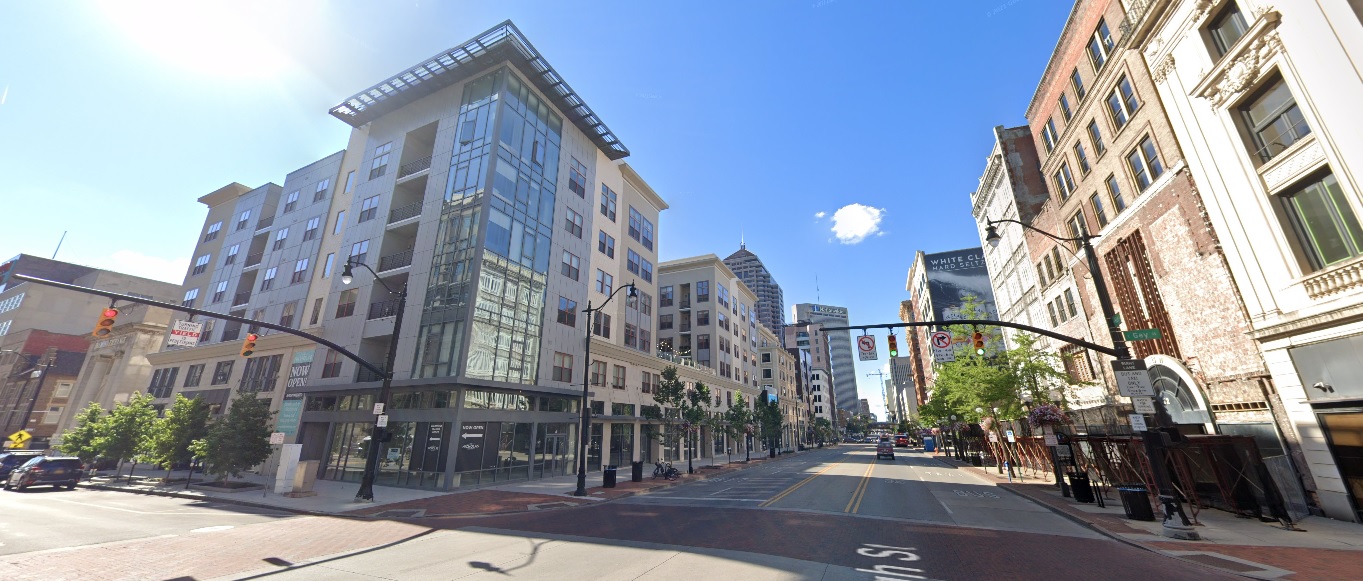
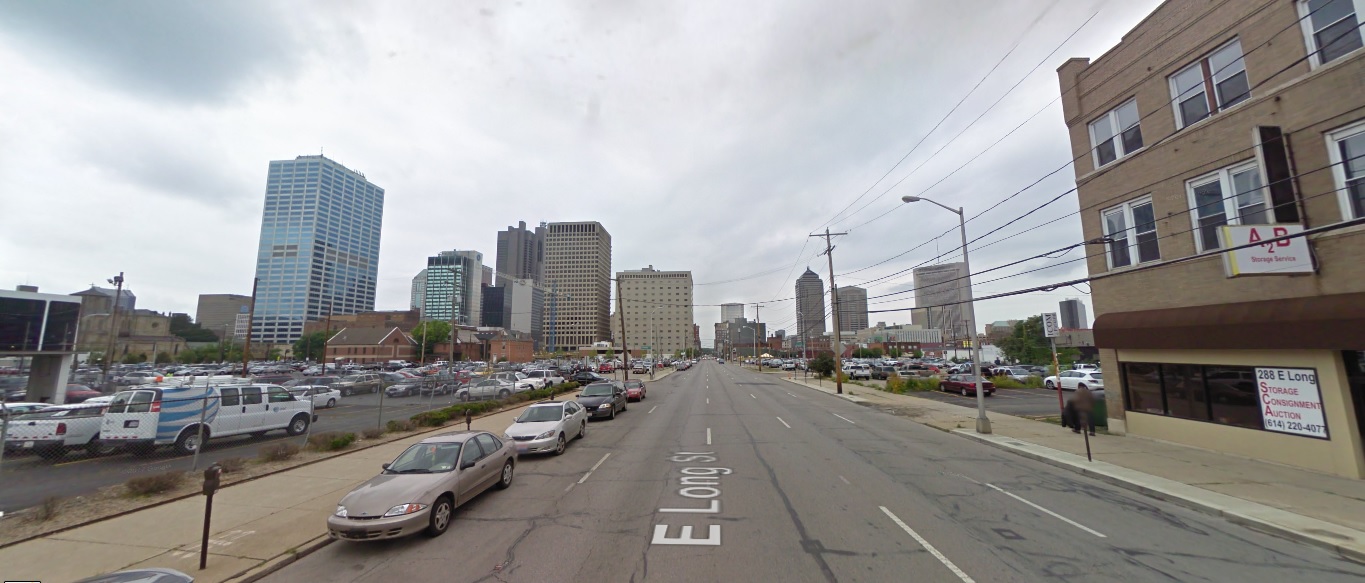
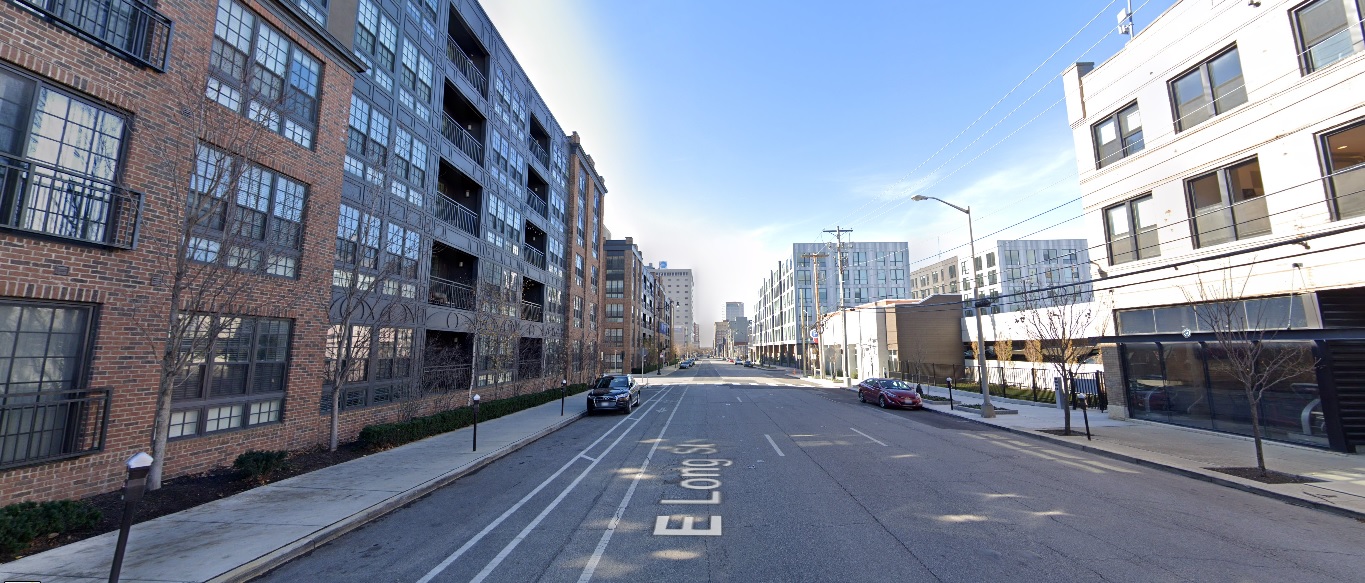
Long Street, looking east from 6th Street
Before: 2011

After: 2020

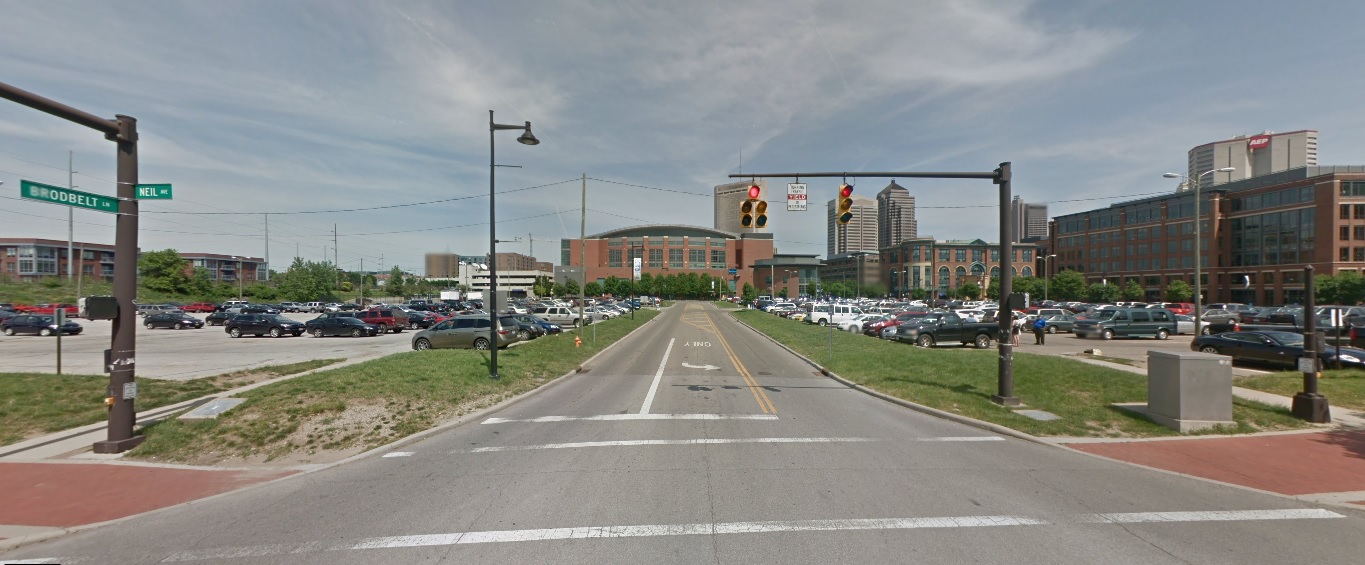
Neil Avenue, looking east at Broadbelt Lane
Before: 2011

After: 2021

The Short North
High Street, looking north from Milay Alley
Before: 2011

After: 2020

High Street, looking south from Buttles Avenue
Before: 2011

After: 2021

Fourth Street, looking east at Auden Avenue
Before: 2011

Before: 2021

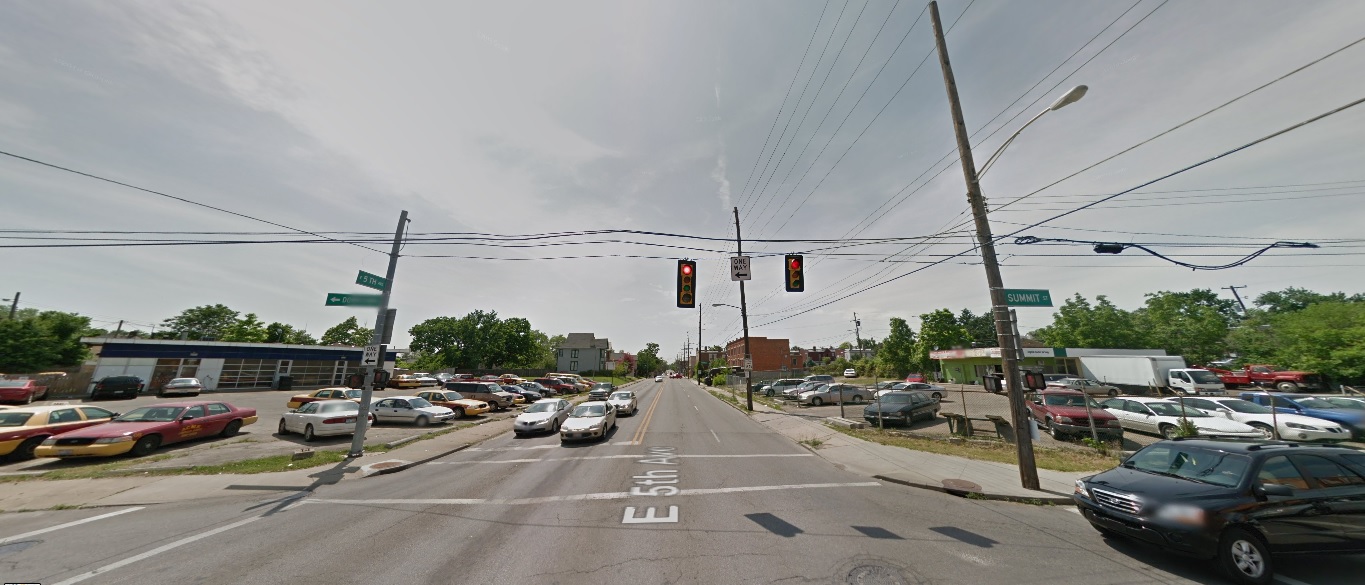
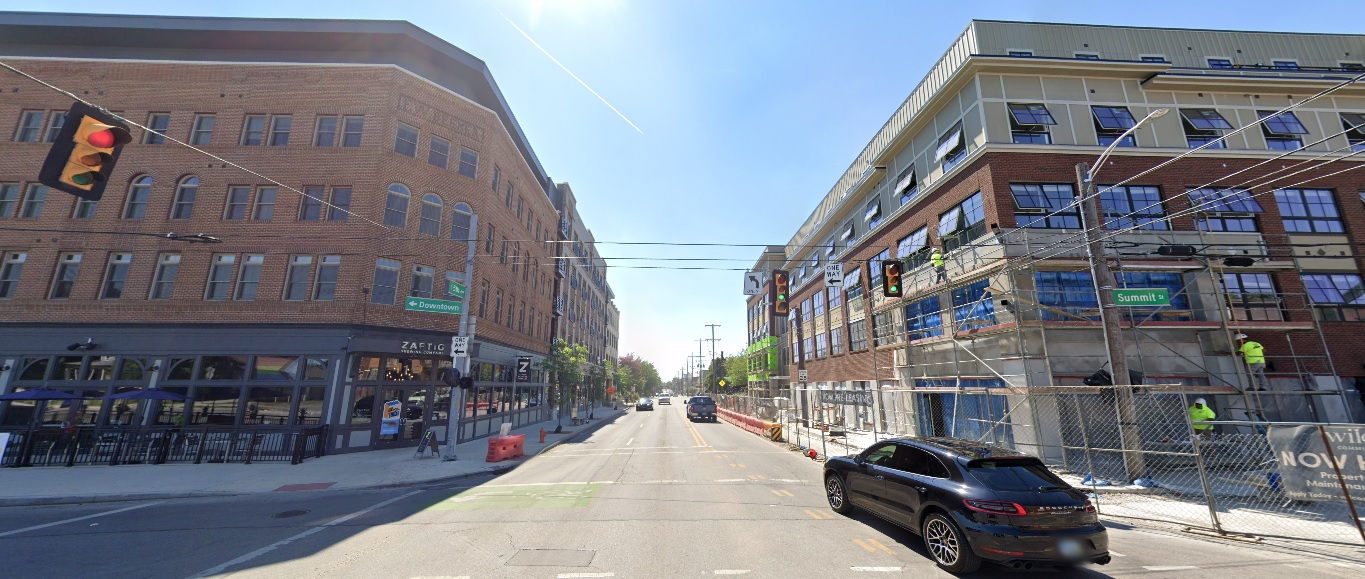
Summit Street, looking west at 5th Avenue
Before: 2011

After: 2021

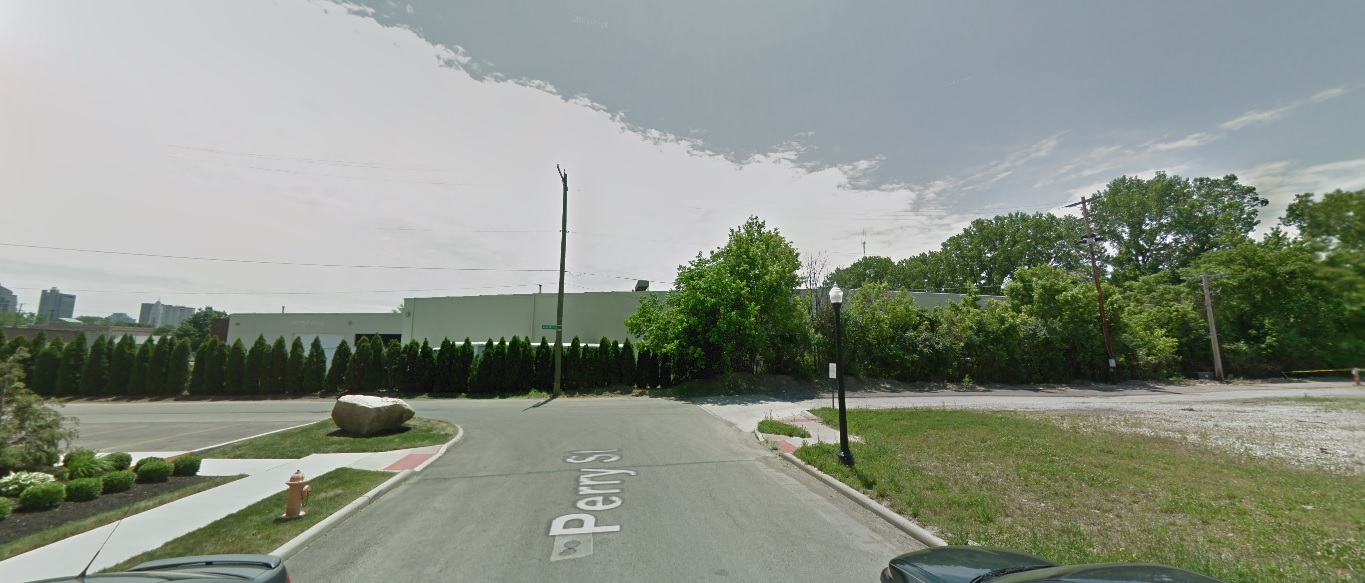
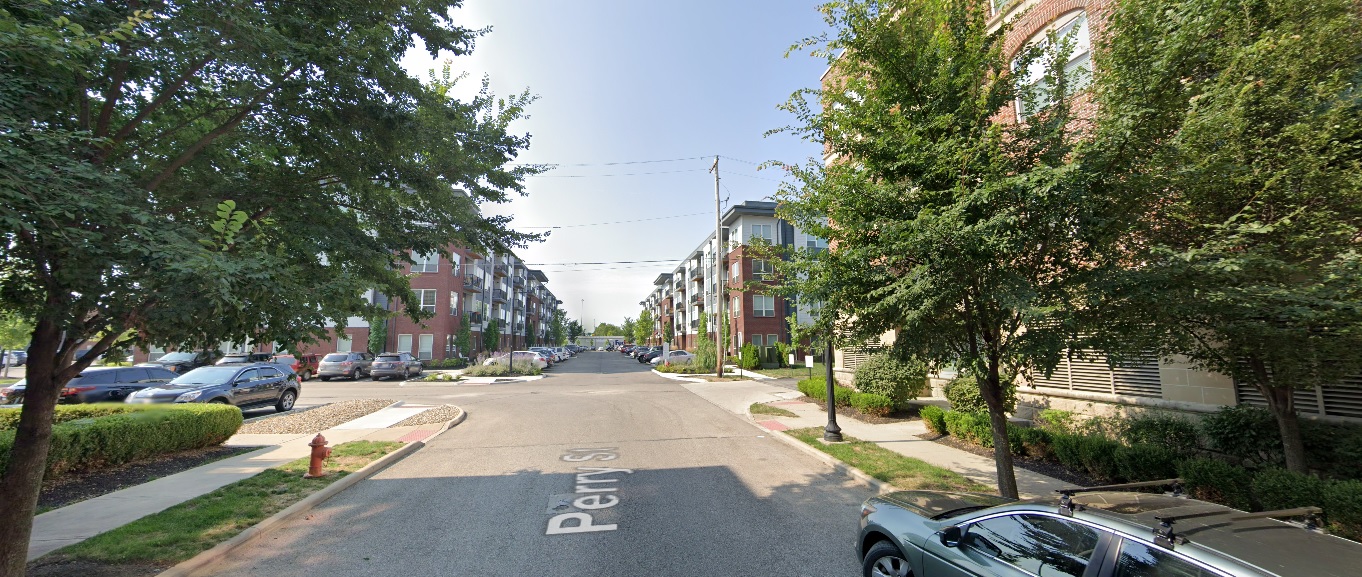
Perry Street, looking south at Quality Place
Before: 2011

After: 2021

Weinland Park
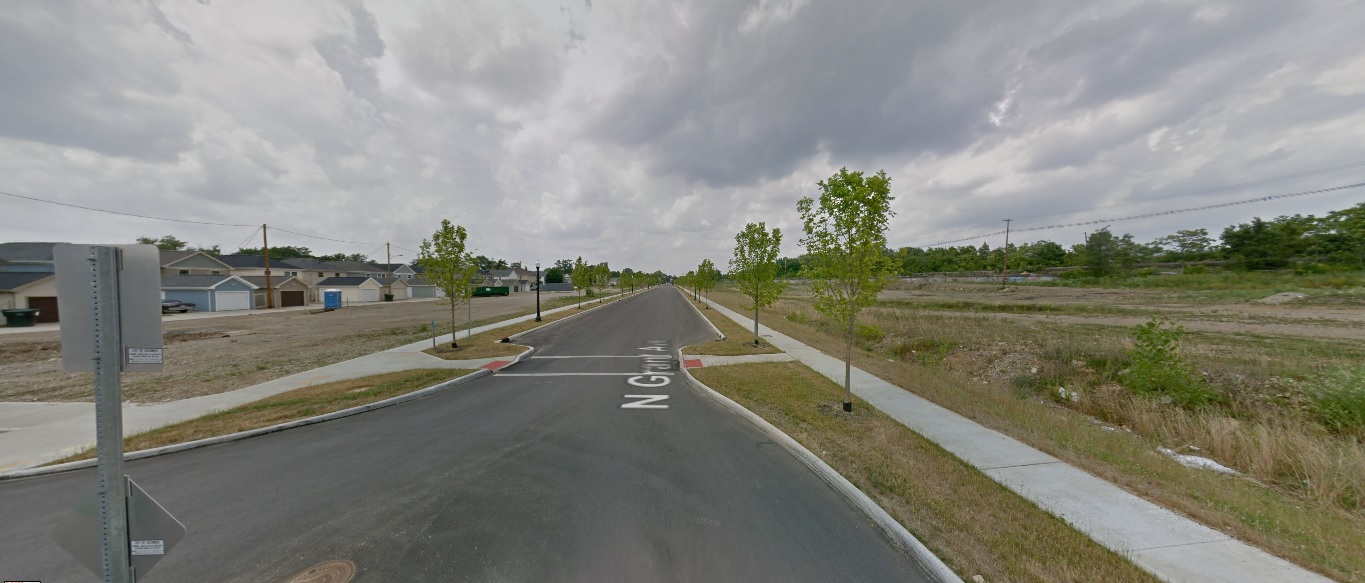
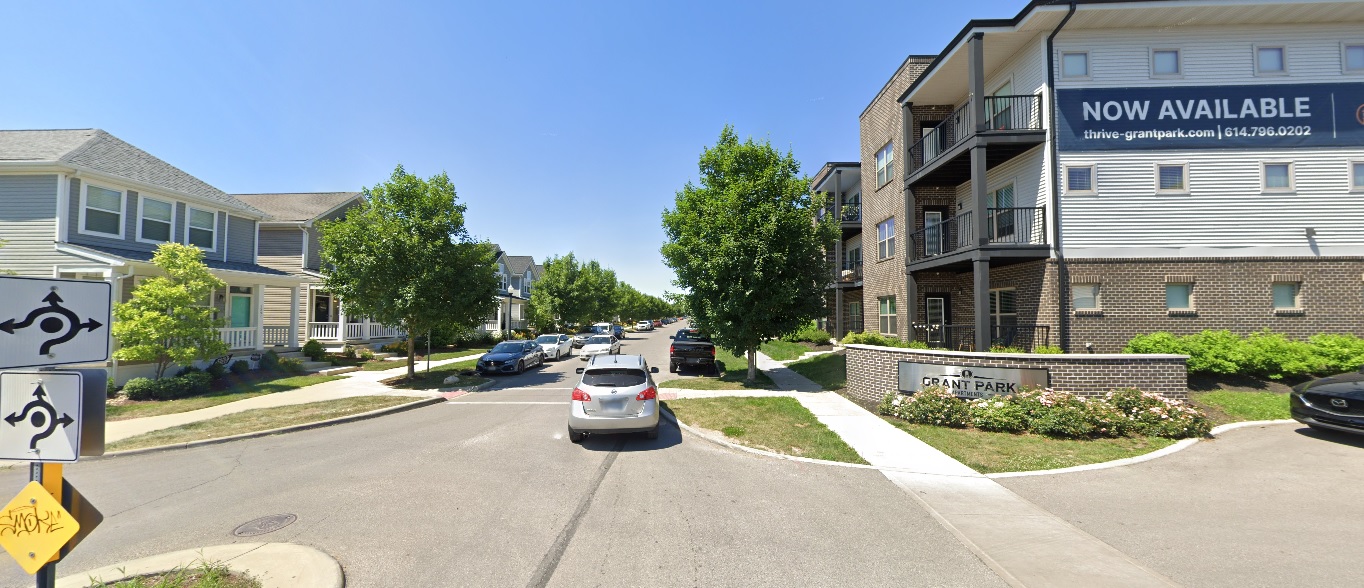
Grant Avenue, looking north from 7th Avenue
Before: 2012

After: 2021

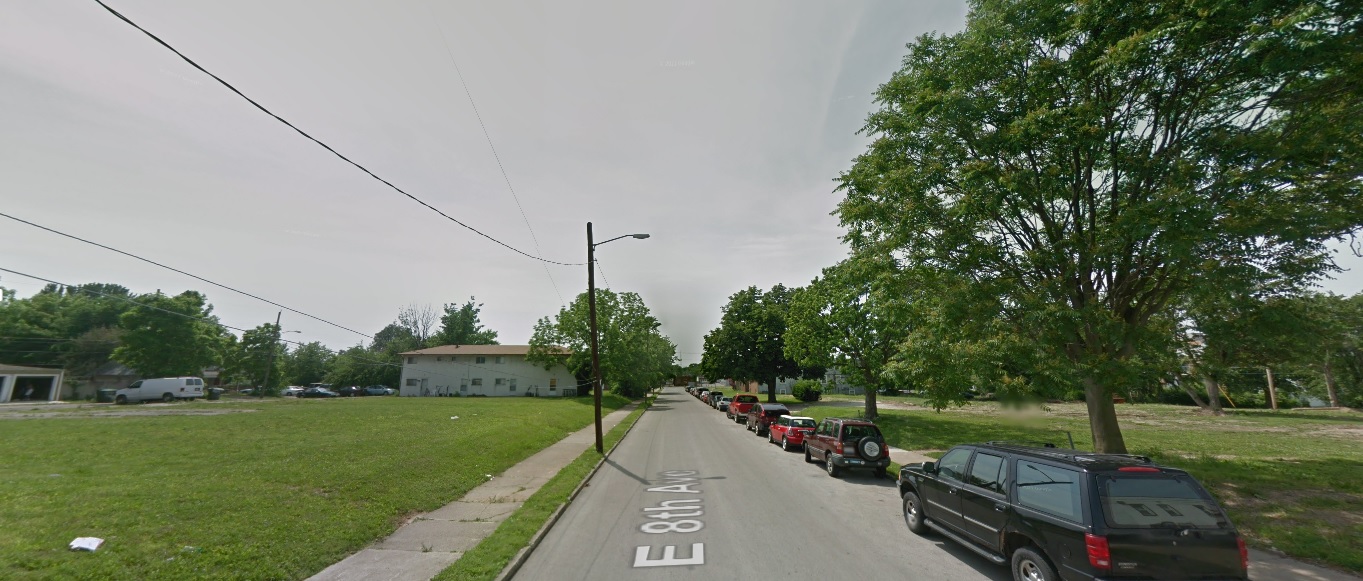
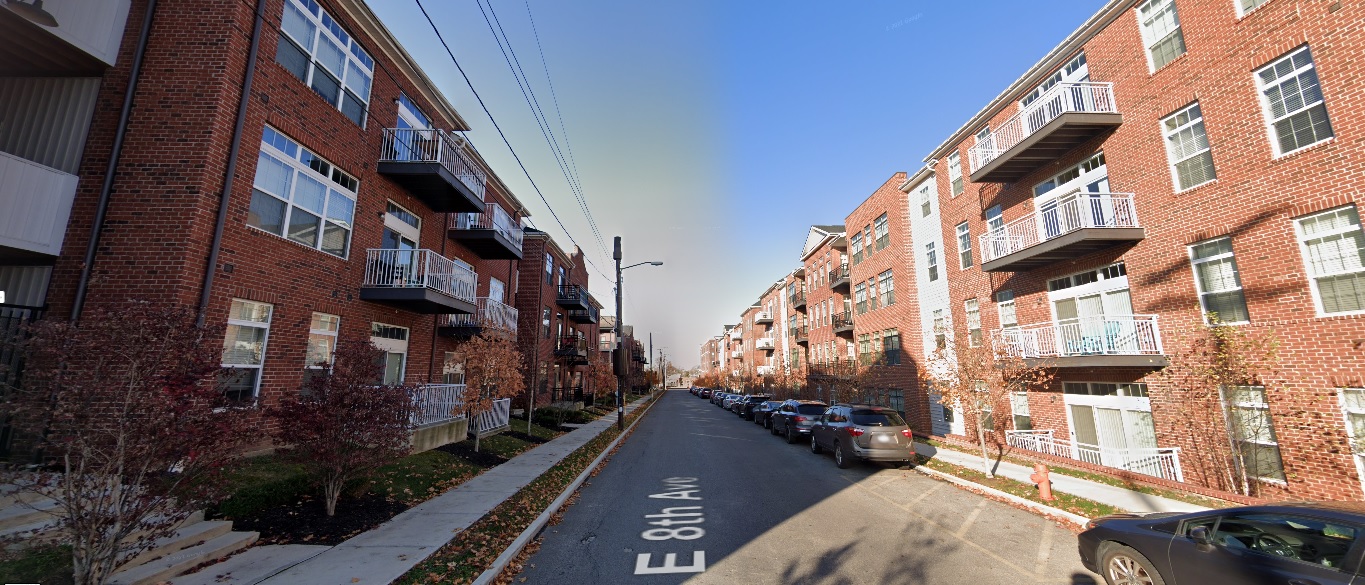
Eighth Avenue, looking west from Section Alley
Before: 2011

After: 2020

Franklinton
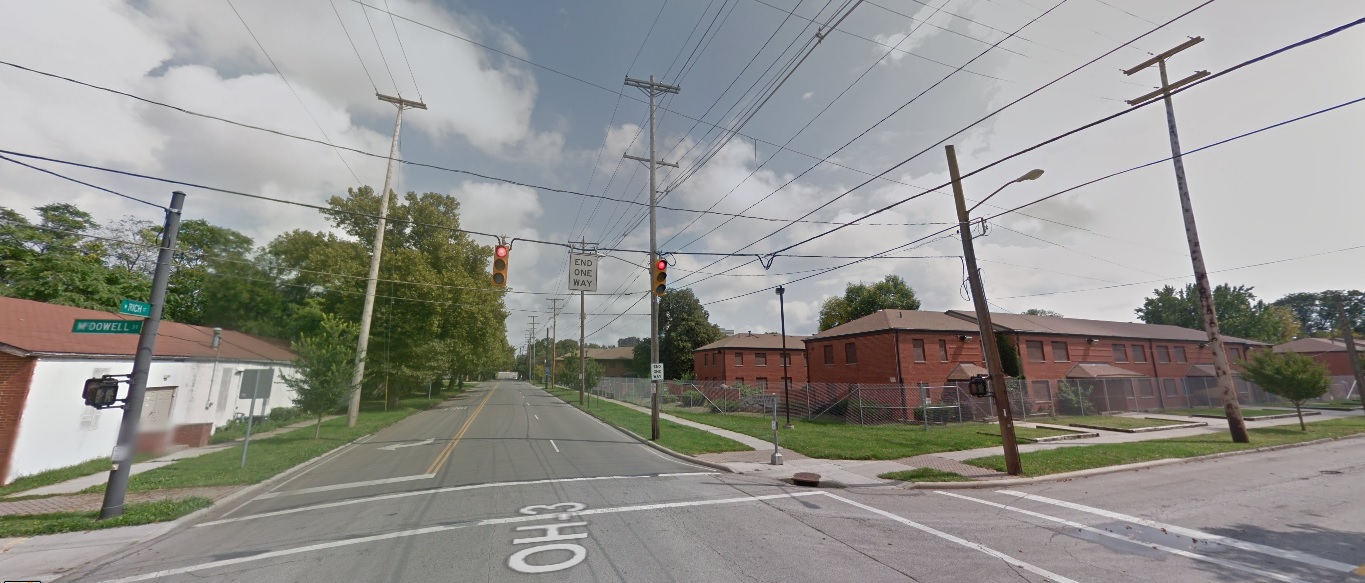
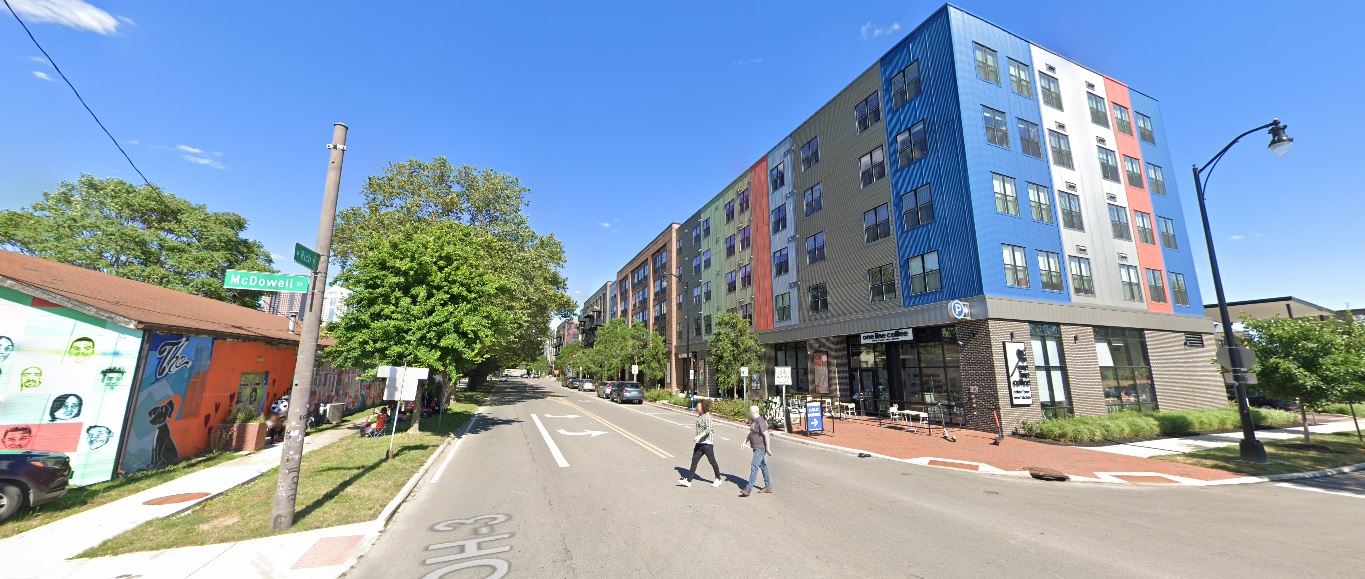
Rich Street, looking east from McDowell Street
Before: 2011

After: 2021

Broad Street, looking west from the railroad tracks.
Before: 2011

After: 2021

South Side
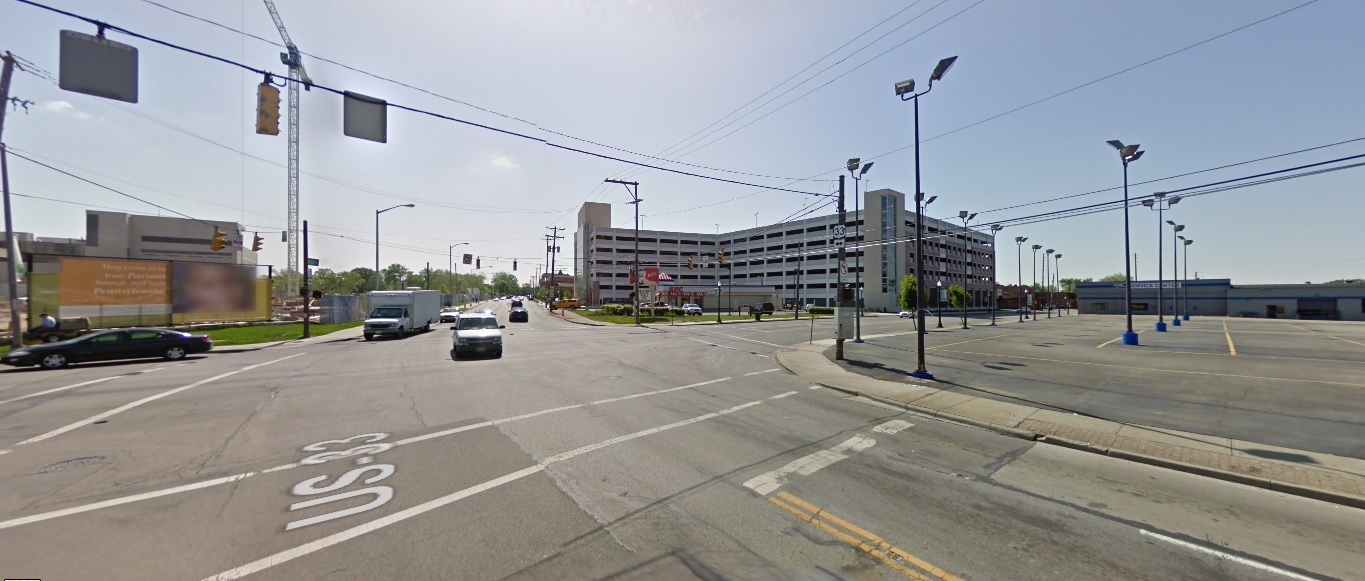
Livingston Avenue, looking east at Parsons Avenue
Before: 2009

After: 2020

Washington Avenue, looking southeast from Innis Avenue
Before: 2011

After: 2020

Front Street, looking south at Whittier Street
Before: 2011

After: 2021


Campus
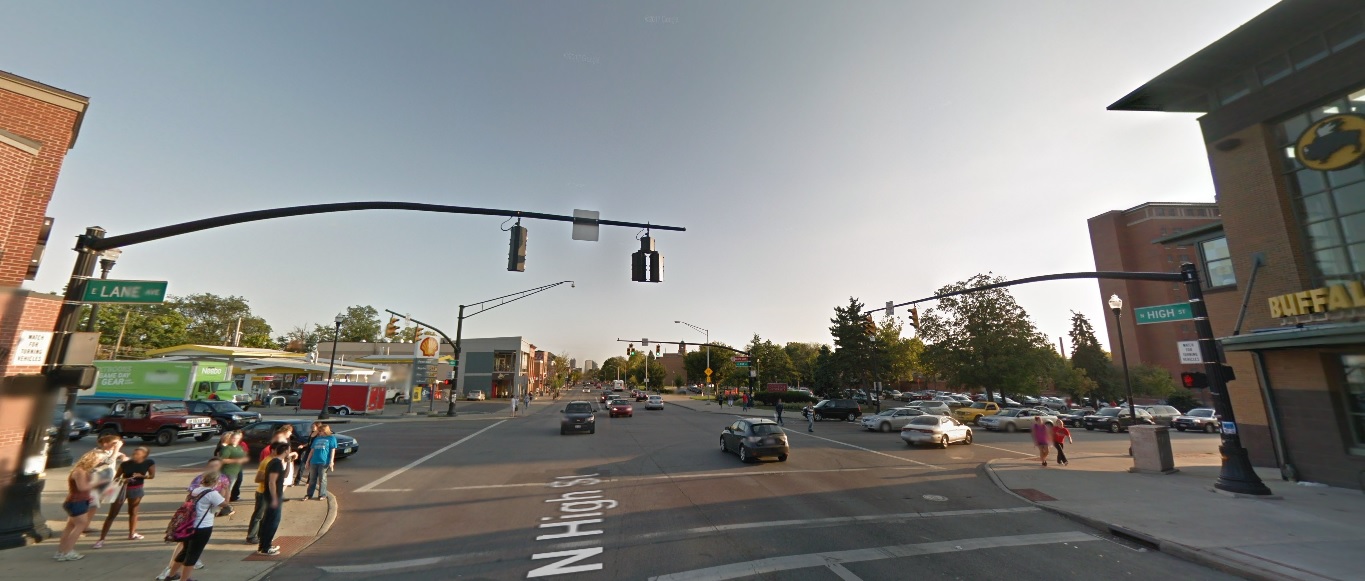
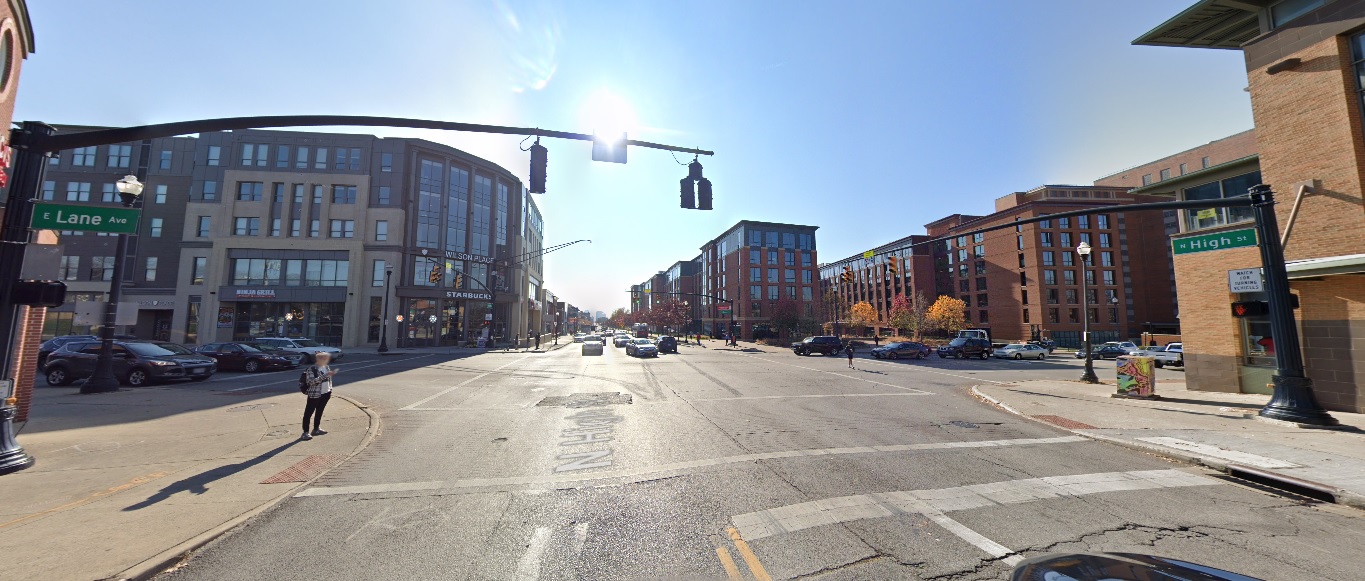
High Street, looking south from Lane Avenue
Before: 2011

After: 2020

10th Avenue near Dodd Drive, looking northwest.
Before: 2011

After: 2021

High Street, looking south from 8th Avenue
Before: 2011

After: 2021

West Side
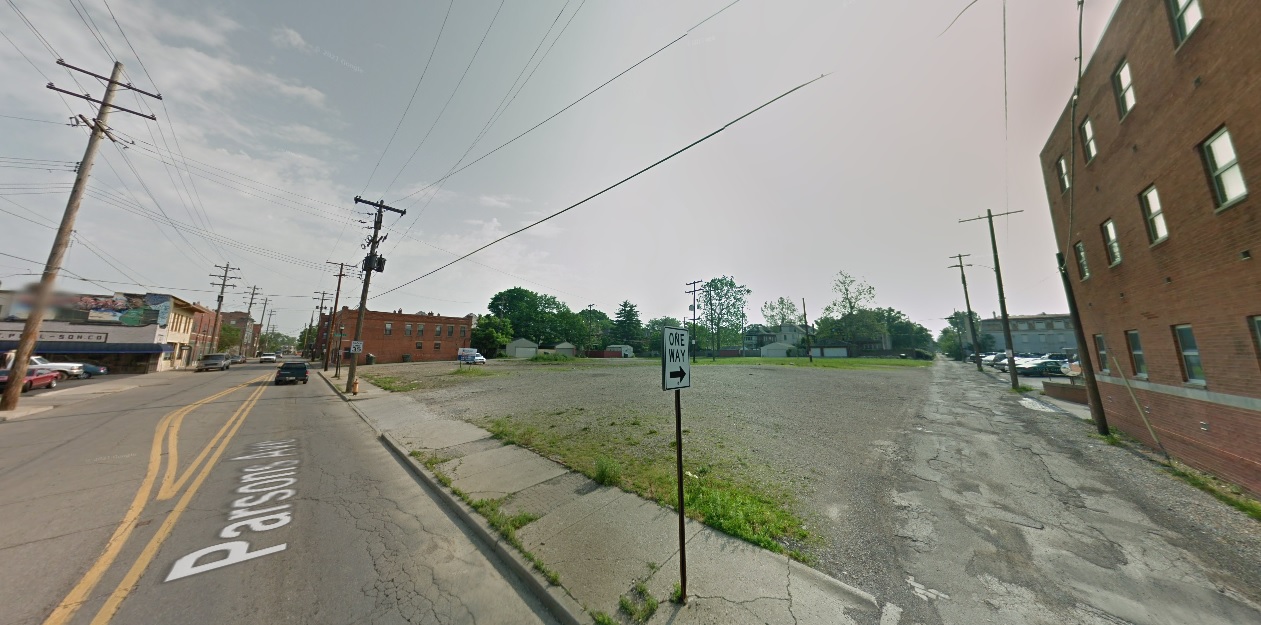
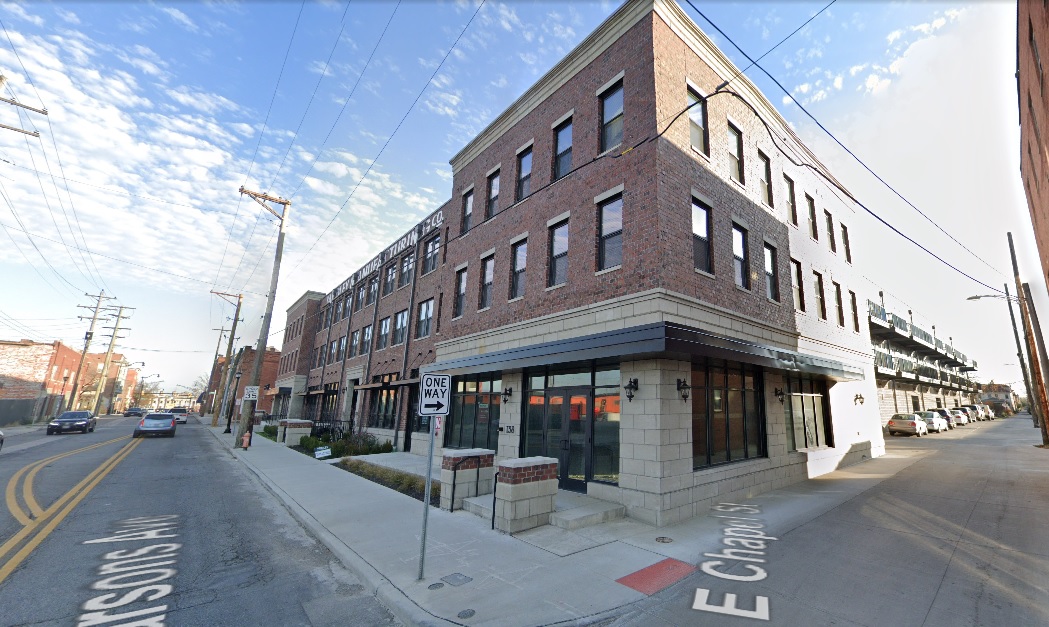
Parsons Avenue, looking northeast from Chapel Street
Before: 2011

After: 2020

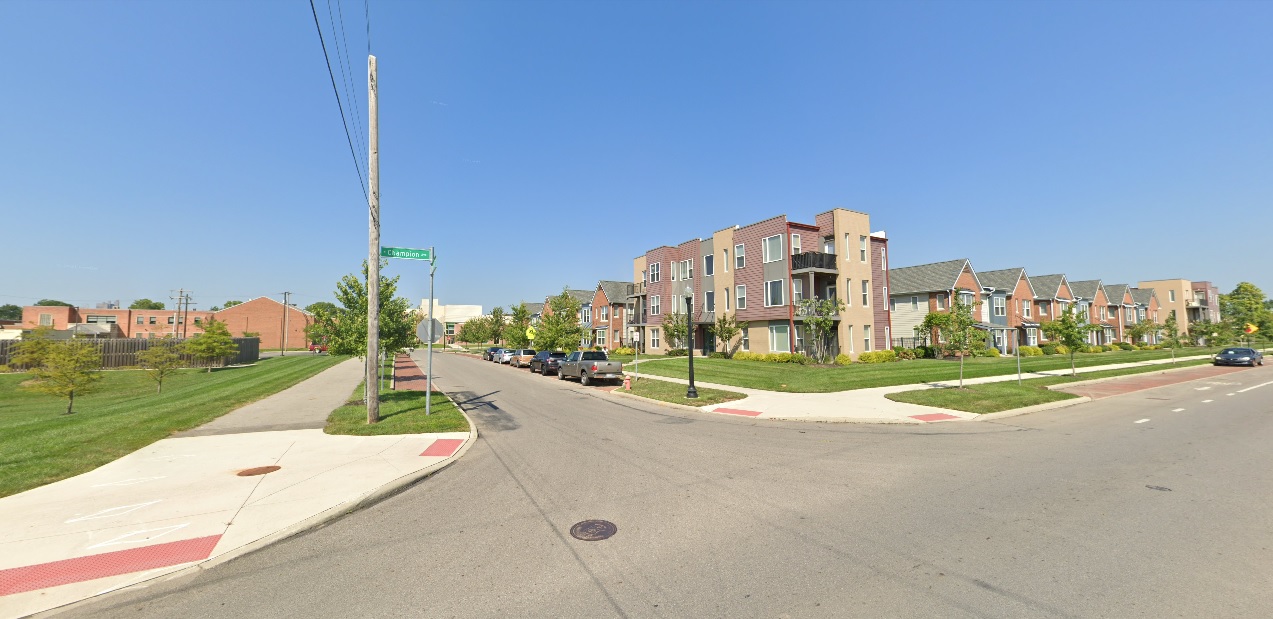
Champion Avenue, looking northwest at Phale D. Hale Drive
Before: 2011

After: 2021

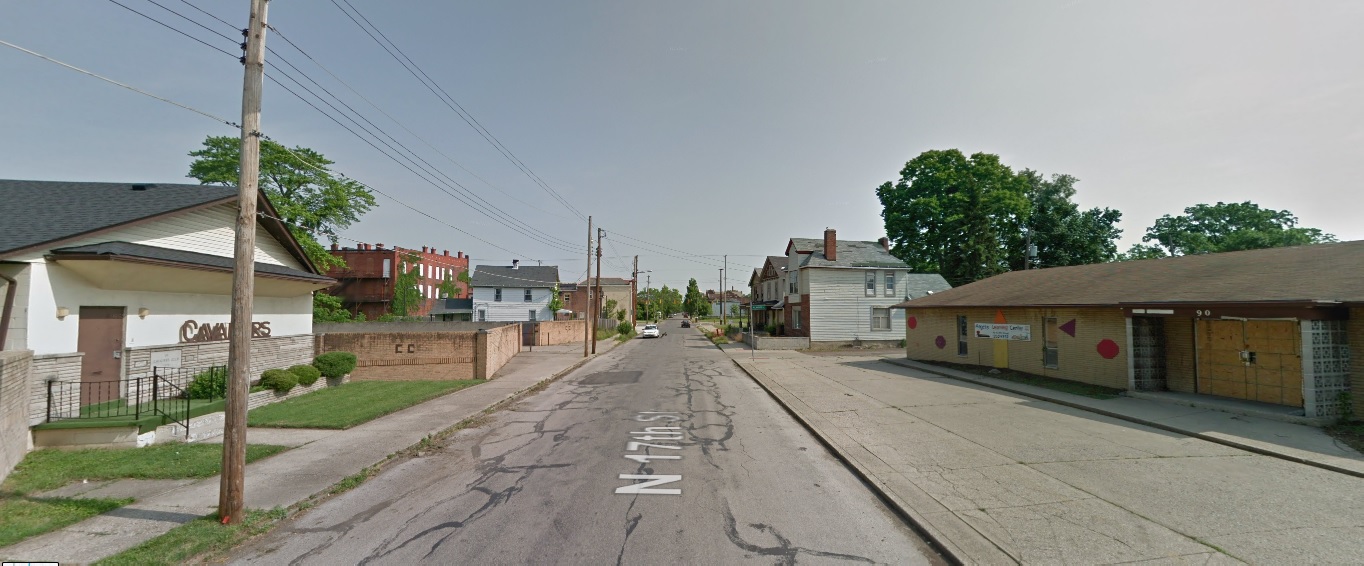
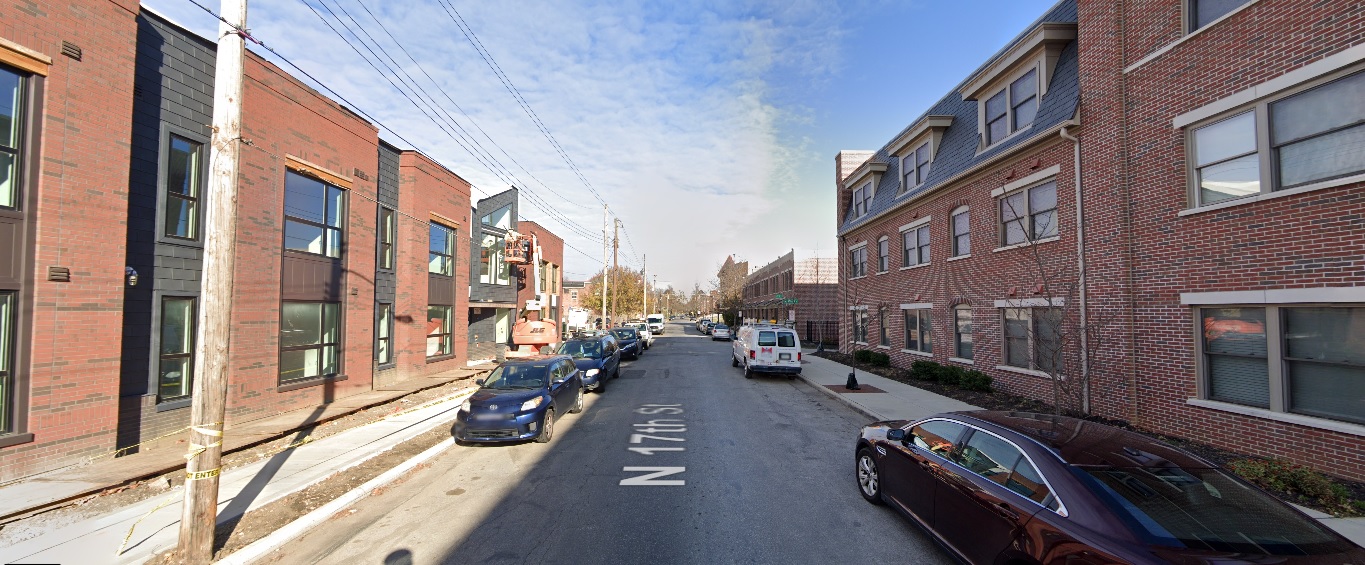
17th Avenue, looking north from Gay Street
Before: 2011

After: 2020

Broad Street, looking northeast west of Woodland Avenue
Before: 2011

After: 2021

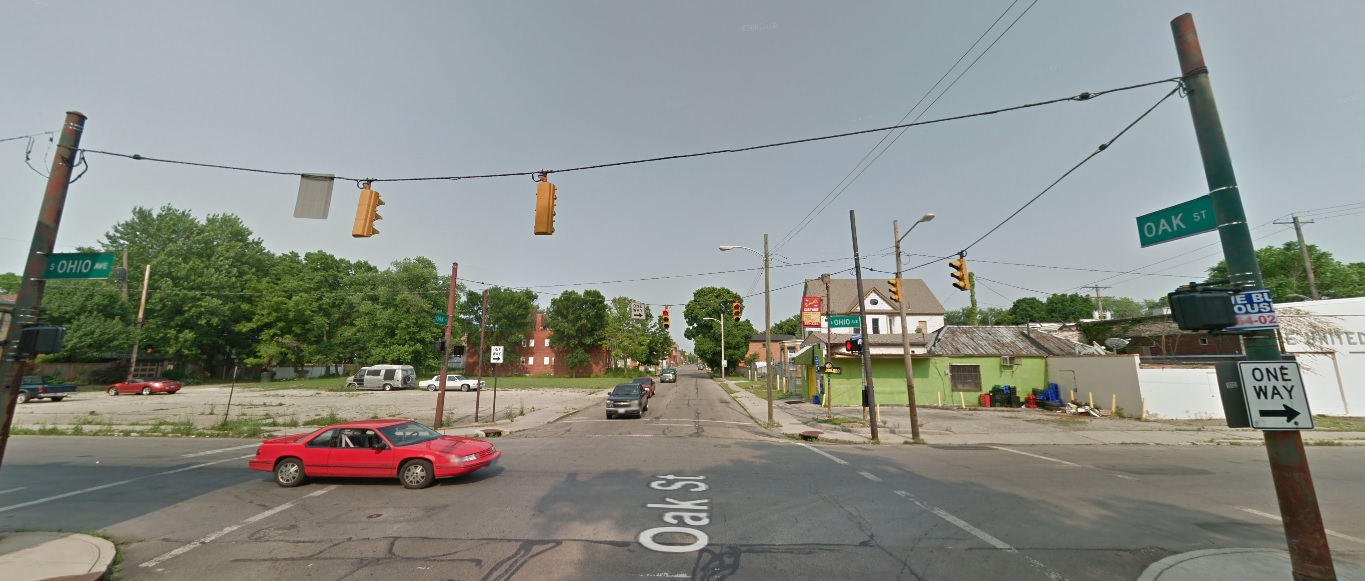
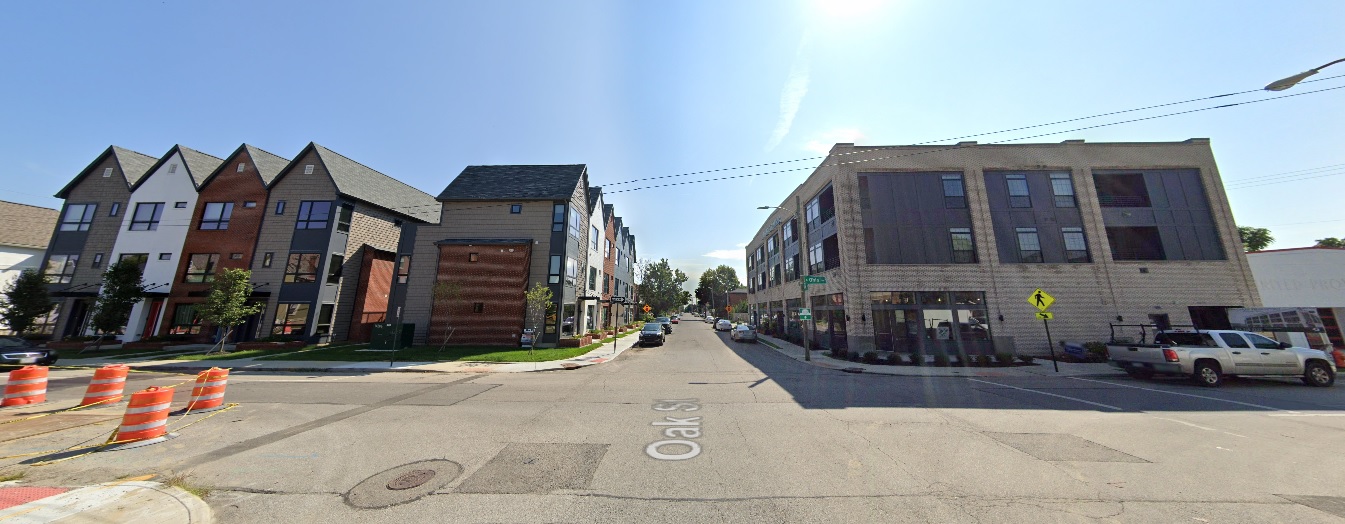
Oak Street, looking east from Ohio Avenue
Before: 2011

After: 2021

These images represent just a small fraction of the development and changes that have occurred in and around the city, and don’t even include the large developments in suburban areas like Grandview Yard in Grandview or Bridge Park in Dublin. The next 10 years looks to be even more significant, with new mixed-use towers for Downtown, potential skyscrapers for Easton, and large numbers of infill development projects continuing in central neighborhoods from Franklinton to Linden to the South Side. With them, the city will continue to grow more dense and more vibrant and- with any luck- will also help spur much needed change to Columbus’ underwhelming transit system.

These Columbus development links show many of the projects seen in the photos, as well as projects that are still just in the proposal stages. The City provides a master list of area development commissions to keep track of the latest proposals.


Housing Market Update February 2021


housing market update February 2021 Columbus, Ohio

Just a week ago, I wrote about the Columbus housing market and how it was performing the past year. I used to do reports like that often, but hadn’t in years. Due to the overwhelmingly positive article response, I have decided to restart these monthly reports. Given the current state of the housing market, such information may be helpful to prospective homebuyers.

These new reports will be a bit more condensed than the one from last week. I will not list every location for every statistic as I did last week. Instead, I will still attempt to offer a general comparative view of the different markets within the region.

So let’s go!

Note: LSD= Local School District, CSD= City School District. In both cases, school district boundaries differ from city boundaries.

Top 15 Most Expensive Locations By Median Sales Price in February 2021
1. New Albany: $657,450
2. New Albany Plain LSD: $580,500
3. German Village: $569,500
4. Bexley: $517,000
5. Dublin: $502,500
6. Upper Arlington CSD: $450,000
7. Olentangy LSD: $434,900
8. Powell: $434,900
9. Granville CSD: $387,450
10. Worthington: $380,000
11. Buckeye Valley LSD: $378,240
12. Dublin CSD: $$360,000
13. Grandview Heights: $355,200
14. Short North: $350,000
15. Big Walnut LSD: $348,730

New Albany and some of the more urban suburbs and neighborhoods continue to be near the top of the pack in terms of price.

Top 15 Least Expensive Locations by Median Sales Price in February 2021
1. Valleyview: $129,850
2. Whitehall: $133,000
3. Newark CSD: $145,000
4. Lancaster CSD: $162,000
5. Hamilton LSD: $170,500
6. Groveport Madison LSD: $186,750
7. Columbus CSD: $194,750
8. Jefferson LSD: $198,500
9. Columbus: $210,000
10. South-Western CSD: $217,500
11. Circleville CSD: $224,000
12. Reynoldsburg CSD: $230,000
13. London CSD: $239,900
14. Obetz: $242,363
15. Blacklick: $245,000

Most of these places are outer suburbs outside of Franklin County or smaller locations that are less known or considered less desirable.

Overall Market Median Sales Price in February 2021: $225,500

Top 15 Locations with the Highest Median Sales Price % Growth Between February 2020 and February 2021
1. Valleyview: +93.8% (Based on just 1 sale)
2. Circleville CSD: +79.2%
3. Buckeye Valley LSD: +71.9%
4. Sunbury: +71.4%
5. Jefferson LSD: +52.8%
6. Reynoldsburg CSD: +44.9%
7. Worthington: +38.2%
8. German Village: +36.1%
9. Obetz: +31.2%
10. Marysville CSD: +29.9%
11. Dublin: +27.8%
12. London CSD: +26.3%
13. Olentangy LSK: +25.0%
14. Pataskala: +25.0%
15. Bexley: +22.7%

Top 15 Locations with the Lowest Median Sales Price % Growth Between February 2020 and February 2021
1. Granville CSD: -7.5%
2. Downtown Columbus: -6.6%
3. Jonathan Alder LSD: -4.5%
4. Grandview Heights: -4.0%
5. Powell: -4.0%
6. Minerva Park: -2.1%
7. Westerville: -0.8%
8. Pickerington: -0.7%
9. Canal Winchester CSD: -0.2%
10. Teays Valley LSD: 0.0%
11. Short North: +0.2%
12. Hamilton LSD: +0.3%
13. Beechwold/Clintonville: +1.3%
14. Pickerington LSD: +1.5%
15. Westerville CSD: +4.0%

Overall Market Median Sales Price % Change February 2021 vs. February 2020: +7.4%

Top 10 Locations with the Most New Listings in February 2021
1. Columbus: 830
2. Columbus CSD: 540
3. South-Western CSD: 135
4. Hilliard CSD: 102
5. Olentangy LSD: 91
6. Westerville CSD: 80
7. Dublin CSD: 73
8. Grove City: 65
9. Gahanna Jefferson CSD: 63
10. Pickerington LSD: 58

Top 10 Locations with the Fewest New Listings in February 2021
1. Valleyview: 0
2. Lithopolis: 1
3. Minerva Park: 1
4. Jonathan Alder LSD: 3
5. Jefferson LSD: 5
6. Sunbury: 5
7. Grandview Heights: 6
8. Obetz: 9
9. Worthington: 10
10. Hamilton LSD: 10
11. German Village: 10

Total New Listings in the Columbus Metro in February 2021: 1,932
Overall Metro New Listings % Change February 2021 vs February 2020: -25.4%

Top 10 Fastest-Selling Locations by # of Days Homes Remain on the Market Before Sale in February 2021
1. Obetz: 4
2. Gahanna: 8
3. Hamilton LSD: 8
4. Johnstown-Monroe LSD: 8
5. Pickerington: 8
6. Groveport Madison LSD: 9
7. Pickerington LSD: 10
8. Canal Winchester CSD: 11
9. Reynoldsburg CSD: 12
10. Gahanna Jefferson CSD: 13
11. Hilliard: 13
12. Worthington CSD: 13

Top 10 Slowest-Selling Locations by # of Days Homes Remain on the Market Before Sale in February 2021
1. Downtown Columbus: 72
2. Big Walnut LSD: 57
3. New Albany Plain LSD: 52
4. New Albany: 50
5. Grandview Heights: 48
6. Bexley: 44
7. Short North: 41
8. Circleville CSD: 40
9. German Village: 40
10. Dublin: 39
11. Granville CSD: 39

Columbus-area homes are selling at a blistering pace.


# of Days For-Sale Homes Remain on the Market Before Sale Across the Metro Overall: 26

Top 10 Locations with the Greatest % Decline of # of Days on the Market Before Sale February 2021 vs February 2020
1. Obetz: -89.5%
2. Pickerington: -83.7%
3. Pataskala: -82.1%
4. Pickerington LSD: -79.6%
5. Canal Winchester CSD: -78.0%
6. Hamilton LSD: -76.3%
7. Powell: -74.2%
8. Minerva Park: -70.4%
9. Gahanna: -68.0%
10. Groveport Madison LSD: -66.7%

Top 10 Locations with the Lowest % Decline of # of Days on the Market Before Sale February 2021 vs February 2020
1. Grandview Heights: +92.0%
2. Sunbury: +29.4%
3. Short North: +28.1%
4. Circleville CSD: +21.2%
5. Whitehall: +17.9%
6. Downtown Columbus: +16.1%
7. Worthington: +12.5%
8. New Albany Plain LSD: -3.7%
9. Jefferson LSD: -12.5%
10. Lancaster CSD: -18.4%

% Change for the # of Days Homes Remain on the Market Before Sale Across the Metro Overall: -39.5%

All this data can be confusing. Homebuyers must find the goldilocks zone of price, location and availability, and that’s difficult even in the friendliest of markets. Just because a local market may be seeing slower home sales doesn’t mean they’re affordable. Similarly, just because there’s a lot of supply doesn’t mean homes aren’t not selling out faster than they can go onto the market.

Columbus overall continues to have the most supply, but that’s far from the whole story. While the city added 830 new listings in February, only 582 were actually available for sale. This means that hundreds more homes were sold during the month than became available. The number of available homes only continued to shrink. Columbus’ entire supply would’ve sold out in just 18 days had no additional homes come up for sale.

And the thing is, nothing on the horizon indicates this situation will improve anytime soon. It’s not just that demand is drastically outweighing existing supply, though. Developers- when not faced with NIMBYism and zoning issues- are experiencing materials shortages that were exacerbated by the pandemic. Even when developers can build, they don’t always have the raw materials needed for construction. Unfortunately, these problems aren’t going to go away in the near future.

Given all of that, homebuyers have to be smart, they have to be very persistent, and they need to be prepared to spend more than originally planned.

For more information on the local market, go here to the Columbus Realtors site.