Cool Link Columbus Job Density


The Brookings Institute recently released a study on job density, or basically where jobs are most heavily concentrated within metro areas.

Here is how Columbus job density compared to other Ohio metros.

Total Jobs Located within 3 Miles of the Central Business District (Downtown) in 2010, Most to Least
1. Columbus: 157,193
2. Cincinnati: 151,956
3. Cleveland: 127,846
4. Dayton: 75,481
5. Akron: 66,247
6. Toledo: 59,552
7. Youngstown: 54,368

% of Total Metro Jobs Located within 3 Miles of the Central Business District (Downtown) in 2010, Highest to Lowest
1. Youngstown: 27.3%
2. Akron: 24.9%
3. Dayton: 24.5%
4. Toledo: 23.8%
5. Columbus: 21.2%
6. Cincinnati: 17.7%
7. Cleveland: 15.4%

So Columbus has the highest total number of jobs within 3 miles of the CBD, but is in the bottom half for % of total metro jobs in that area.

Jobs Change from 2000-2010 for all Jobs Located within 3 Miles of the CBD, Best to Worst
1. Toledo: -15,412
2. Akron: -16,700
3. Youngstown: -17,307
4. Columbus: -30,338
5. Cincinnati: -31,717
6. Dayton: -32,420
7. Cleveland: -54,134

% Jobs Change from 2000-2010 for all Jobs Located within 3 Miles of the CBD, Best to Worst
1. Cincinnati: -1.9%
2. Cleveland: -2.1%
3. Akron: -2.5%
4. Columbus: -2.5%
5. Toledo: -2.5%
6. Youngstown: -2.9%
7. Dayton: -3.9%

At first glance, this may seem like horrible news, and while it’s not necessarily good, almost all metros lost jobs in this area, even high growth cities like Charlotte, Atlanta, Dallas, etc. This has a lot to do with the suburbanization of the nation over the last several decades, including during most of the 2000s. Jobs left the central core to spread out into the suburban areas people were moving to.

Total Jobs Located Between 3 and 10 Miles from the CBD in 2010, Highest to Lowest
1. Columbus: 321,508
2. Cleveland: 317,128
3. Cincinnati: 252,789
4. Dayton: 164,453
5. Toledo: 137,339
6. Akron: 117,986
7. Youngstown: 89,711

% of Total Metro Jobs Located Between 3 and 10 Miles from the CBD in 2010, Highest to Lowest
1. Toledo: 54.8%
2. Dayton: 53.4%
3. Youngstown: 45.1%
4. Akron: 44.3%
5. Columbus: 43.4%
6. Cleveland: 38.1%
7. Cincinnati: 29.5%

% Jobs Change 2000-2010 for all Jobs Located Between 3 and 10 Miles from the CBD, Best to Worst
1. Dayton: +1.5%
2. Youngstown: +1.1%
3. Akron: +0.7%
4. Toledo: -0.1%
5. Cincinnati: -1.4%
6. Cleveland: -1.4%
7. Columbus: -2.4%

The positive % changes even while the area lost jobs has to do with how many the share of total metro jobs. While the area may have lost jobs, its share of the entire metro grew as other areas shrank faster.

Finally, the far suburbs…

Total Jobs Located between 10 and 35 Miles from the CBD in 2010, Highest to Lowest
1. Cincinnati: 452,895
2. Cleveland: 386,727
3. Columbus: 262,003
4. Akron: 82,260
5. Dayton: 67,838
6. Youngstown: 54,709
7. Toledo: 53,736

% of Total Metro Jobs Located Between 10 and 35 Miles from the CBD in 2010, Highest to Lowest
1. Cincinnati: 52.8%
2. Cleveland: 46.5%
3. Columbus: 35.4%
4. Akron: 30.9%
5. Youngstown: 27.5%
6. Dayton: 22.0%
7. Toledo: 21.4%

% Jobs Change 2000-2010 for all Jobs Located Between 10 and 35 Miles from the CBD, Best to Worst
1. Columbus: +5.0%
2. Cleveland: +3.5%
3. Cincinnati: +3.3%
4. Dayton: +2.5%
5. Toledo: +2.5%
6. Akron: +1.7%
7. Youngstown: +1.7%

So what do all these numbers show? Well, the larger the metro, the more spread out it seems to be as far as where jobs are located. Smaller metros like Akron and Dayton are more compact. Columbus is the most compact of the 3-Cs and has the most total jobs, by far, within 10 miles of its core of any metro, but not by %. None of the metros saw real jobs growth within 10 miles of their cores, which is to be expected. However, in recent years, urban development has exploded, and companies seem to be shifting jobs closer to the center. It remains to be seen if these are long term trends or just a blip.


March 2013 Jobs Data


March 2013 jobs data Columbus, Ohio

March 2013 jobs data has been updated for the greater Columbus Metro. The numbers reflect an economy still in long-term recovery from the Great Recession.

Columbus City
Unemployment Rate: 6.1%
Unemployment Rate Change since March 2012: -0.5
Unemployment Rate Change since January 2013: -0.7
Civilian Labor Force: 424,700
Civilian Labor Force Change since March 2012: -100
Civilian Labor Force Change since January 2013: -1,700
Employment: 398,800
Employment Change since March 2012: +1,900
Employment Change since January 2013: +4,000
Unemployment: 25,900
Unemployment Change since March 2012: -2,000
Unemployment Change since January 2013: -4,900

Franklin County
Unemployment Rate: 6.1%
Unemployment Rate Change since March 2012: -0.4
Unemployment Rate Change since January 2013: -0.7
Civilian Labor Force: 621,100
Civilian Labor Force Change since March 2012: +0
Civilian Labor Force Change since January 2013: -2,600
Employment: 583,300
Employment Change since March 2012: +2,700
Employment Change since January 2013: +5,900
Unemployment: 37,900
Unemployment Change since March 2012: -2,700
Unemployment Change since January 2013: -4,700

Columbus Metro Area
Unemployment Rate: 6.2%
Unemployment Rate Change since March 2012: -0.4
Unemployment Rate Change since January 2013: -0.8
Civilian Labor Force: 963,200
Civilian Labor Force Change since March 2012: +300
Civilian Labor Force Change since January 2013: -4,700
Employment: 903,900
Employment Change since March 2012: +4,200
Employment Change since January 2013: +3,400
Unemployment: 59,300
Unemployment Change since March 2012: -3,900
Unemployment Change since January 2013: -8,100

Ohio Overall
Unemployment Rate: 7.1%
Unemployment Rate Change since March 2012: -0.3
Unemployment Rate Change since January 2013 : +0.1
Civilian Labor Force: 5,744,000
Civilian Labor Force Change since March 2012: -26,000
Civilian Labor Force Change since January 2013: +4,200
Employment: 5,388,000
Employment Change since March 2012: -8,000
Employment Change since January 2013: -3,000
Unemployment: 407,000
Unemployment Change since March 2012: -18,000
Unemployment Change since January 2013: +7,200

Non-Farm Jobs
Total: 943,300
Change from March 2012: +5,000
Change from January 2013: -300

By Industry
Mining/Logging/Construction Total: 26,800
Change from March 2012: -900
Change from January 2013: -100

Manufacturing Total: 65,200
Change from March 2012: -200
Change from January 2013: +200

Trade/Transportation/Utilities Total: 179,300
Change from March 2012: -500
Change from January 2013: -2,900

Information Total: 16,400
Change from March 2012: -300
Change from January 2013: -100

Financial Activities Total: 71,700
Change from March 2012: +700
Change from January 2013: +0

Professional and Business Services Total: 155,900
Change from March 2012: +700
Change from January 2013: +300

Education and Health Services Total: 140,000
Change from March 2012: +4,000
Change from January 2013: +500

Leisure and Hospitality Total: 90,100
Change from March 2012: +200
Change from January 2013: +1,600

Other Services Total: 35,900
Change from March 2012: +200
Change from January 2013: -300

Government Total: 162,000
Change from March 2012: +100
Change from January 2013: +1,500

March was another mediocre month for the Columbus area, and Ohio in general. All indications are, however, that April really began to turn around the downturn that began in December.

The Columbus MSA Economy at the Bureau of Labor Statistics was the source of this data.


Columbus and Segregation 1970 and 2010


Columbus and segregation history

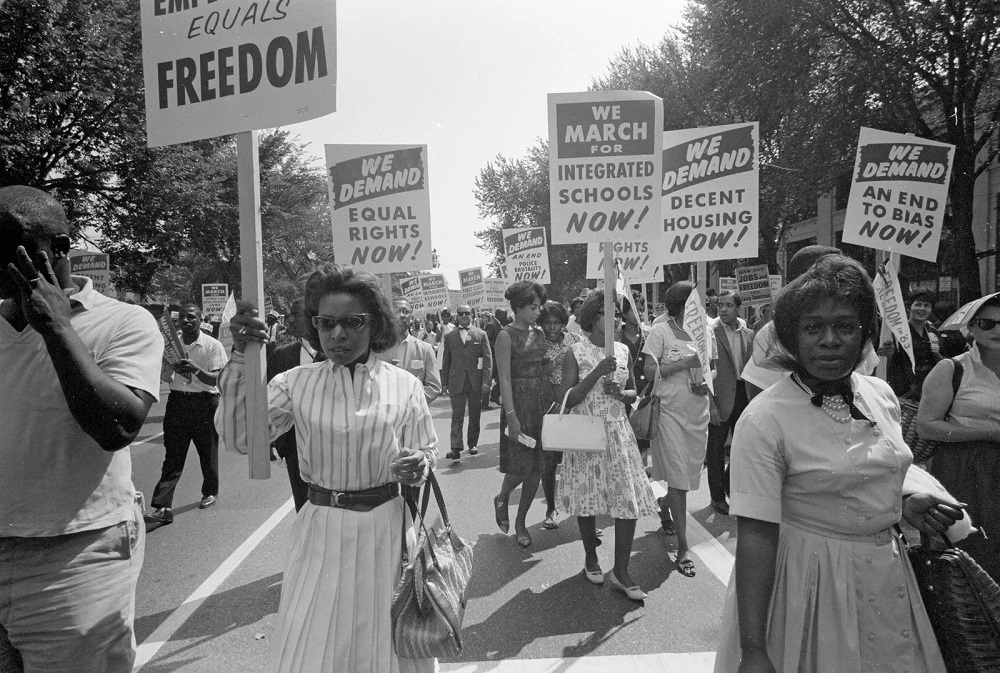
A cool interactive map has come out showing how cities/metros have changed over time in terms of segregated census tracts. http://www.theatlanticcities.com/politics/2013/04/new-interactive-graphic-charts-integration-268-cities/5336/ Here are the results for Ohio’s metros.

The number is based on the dissimilarity index, with 0 being the most racially integrated and 100 being the most racially segregated. They are for the entire metro area’s census tracts.

Most to Least Segregated Metros in 1970
1. Cleveland: 88.3
2. Dayton: 86.5
3. Toledo: 84.3
4. Cincinnati: 80.8
5. Columbus: 79.2
6. Youngstown: 77.2
7. Akron: 76.8
8. Canton: 74.4

So in 1970, it’s pretty clear that all of the metros were very segregated, with Cleveland, surprisingly, being the most segregated of the bunch.

Most to Least Segregated Metros in 2010
1. Cleveland: 72.1
2. Cincinnati: 66.4
3. Youngstown: 64.9
4. Dayton: 62.9
5. Toledo: 62.7
6. Columbus: 59.2
7. Akron: 57.3
8. Canton: 53.0

Fast forward 40 years and they’ve all become less segregated. Cleveland is still the worst and Canton is still the best. Every other metro has shifted positions. Columbus dropped a spot.

Change from 1970-2010, Best to Worst
1. Dayton: -23.6
2. Toledo: -21.6
3. Canton: -21.4
4. Columbus: -20.0
5. Akron: -19.5
6. Cleveland: -16.2
7. Cincinnati: -14.4
8. Youngstown: -12.3

Dayton has seen the biggest improvement, Youngstown the least.


2012 Jobs Data


2012 jobs data

Columbus City
Civilian Labor Force January 2012: 422,500
Civilian Labor Force December 2012: 426,600
Yearly Change: +4,100
Employment January 2012: 392,700
Employment December 2012: 403,800
Yearly Change: +11,100
Unemployment January 2012: 29,800
Unemployment December 2012: 22,700
Yearly Change: -7,100
Unemployment Rate January 2012: 7.1%
Unemployment Rate December 2012: 5.3%
Yearly Change: -1.8%

Franklin County
Civilian Labor Force January 2012: 617,700
Civilian Labor Force December 2012: 623,900
Yearly Change: +6,200
Employment January 2012: 574,400
Employment December 2012: 590,600
Yearly Change: +16,200
Unemployment January 2012: 43,300
Unemployment December 2012: 33,300
Yearly Change: -10,000
Unemployment Rate January 2012: 7.0%
Unemployment Rate December 2012: 5.3%
Yearly Change: -1.7%

City and County numbers are rounded.

Columbus Metro Area
Civilian Labor Force January 2012: 949,737
Civilian Labor Force December 2012: 958,689
Yearly Change: +8,952
Employment January 2012: 880,680
Employment December 2012: 906,886
Yearly Change: +26,206
Unemployment January 2012: 69,057
Unemployment December 2012: 51,803
Yearly Change: -17,254
Unemployment Rate January 2012: 7.3%
Unemployment Rate December 2012: 5.4%
Yearly Change: -1.9%

Metro Area Continued
Non-Farm Jobs January 2012: 927,300
Non-Farm Jobs December 2012: 962,300
Yearly Change: +35,000

Metro Yearly Jobs Changes by Industry
Mining/Logging/Construction: +2,400
Manufacturing: +1,300
Trade/Transportation/Utilities: +10,700
Information: -100
Financial Activities: +1,800
Professional and Business Services: +4,400
Education and Health Services: +5,700
Leisure and Hospitality: +6,100
Other Services: +700
Government: +2,000

Ohio Overall
Civilian Labor Force January 2012: 5,780,410
Civilian Labor Force December 2012: 5,728,748
Yearly Change: -51,662
Employment January 2012: 5,339,657
Employment December 2012: 5,344,151
Yearly Change: +4,494
Employment January 2012: 440,753
Employment December 2012: 384,597
Yearly Change: -56,156
Unemployment Rate January 2012: 7.6%
Unemployment Rate December 2012: 6.7%
Yearly Change: -0.9%

Local employment data back to 1990 is at Columbus MSA Economy


April 2013 Project Updates for Downtown


These monthly updates do not include all ongoing projects, but just updates on the most significant or those that have recently made news. To see the full list, check out the Columbus Development page.

Downtown
1. The ongoing Neighborhood Launch expansion continues The current expansion includes a pair of 5-story buildings along E. Long Street at N. 5th. The two buildings will contain about 260 new apartments. The foundations are mostly complete and the buildings are now going vertical. The former Faith Mission at 315 E. Long will be renovated and converted into an event and meeting space for new residents of the project.
2. Construction continues on the High Point residential project at Columbus Commons. Just over 300 apartments as well as ground floor retail and a handful of park-side restaurants will be included once complete. Work is well underway on the 2nd story of these twin 6-story buildings.
3. An application for architectural review has been submitted to the downtown commission for Discovery Commons, a 5-story residential project at E. Spring and Neilston that will include 102 apartments and 70 underground parking spaces. This project has been floating around for over a year, so the recent submission suggests this may finally start to move forward.
4. The historic corner building at 101 S. High Street was recently announced to be renovated into mixed-use. The 4-story building will have Heartland Bank take over the bottom floor with the top 3 floors being residential. No word on how many units it would be, but the renovation is expected to start later this year.
5. The Hills Market at 96 Grant Avenue finally opened a few weeks ago after long construction delays put off the original opening date by almost 4 months.
6. The Atlas building will finally begin its renovation and conversion to 186 apartments and ground-floor retail later this spring. Historic preservation credits were issued for the building at 8 E. Long Street earlier this year.
7. Renovation and expansion of the old Police HQ building at N. Ludlow and W. Gay is nearing completion. The building will allow consolidation of local offices from other buildings. The fate of the vacated buildings nearby remains unannounced.
8. The LeVeque Tower’s renovation and conversion to mixed-use continues. A hotel, offices and several dozen residential units are in the works once complete later in the year.
9. The Columbus Metropolitan Library Main Branch at S. Grant and E. Town Streets recently announced purchase and expansion plans for the adjacent old Deaf School. Construction should begin sometime this year.

Detailed lists of present, past and future Columbus development are included on the Development page.