Iuka Ravine, much like Glen Echo Ravine to its north, is a hidden gem in the heart of the city. Columbus isn’t exactly known for its interesting topography, so such features offer welcome variety from the otherwise endless flatness of Central Ohio. That the feature sits in the middle of the Campus area makes it even more special.
Iuka Ravine was named by Robert Neil when he returned home from the Civil War and built a home along it. Neil gave names to many local streets in the area, all based on his time in the Union Army and the places he had visited. He named the ravine after the Battle of Iuka, and Indianola Avenue was named after the location of that battle, Indianola, Mississippi.
The ravine went largely untouched until the early part of the 20th Century. Large homes sprung up along its edges beginning in the early 1900s, built to take advantage of the natural scenery. Iuka Avenue seems to have been built around 1905 given references for it don’t appear in any media before then. In 1912, Iuka Avenue was improved and the viaducts were built over the ravine at Indianola and Summit.
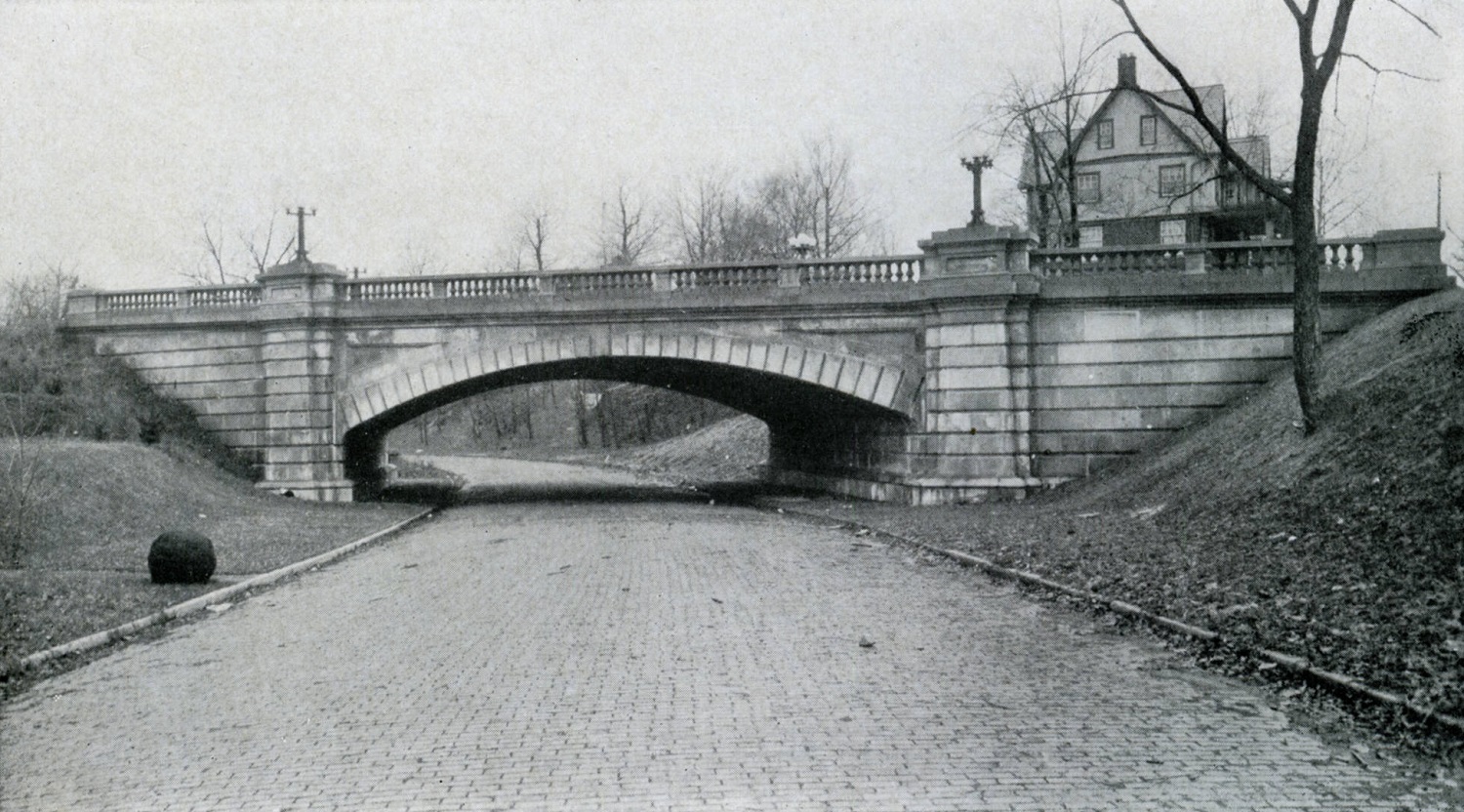
Before The before photo shows the Indianola viaduct over Iuka Avenue in 1916. Strangely enough, the ravine appears rather treeless, most likely due to construction of the viaducts and improvements 4 years prior to the time of the photo. A large building behind the bridge to the right was home to the Chi Phi fraternity at 2000 Indianola Avenue.
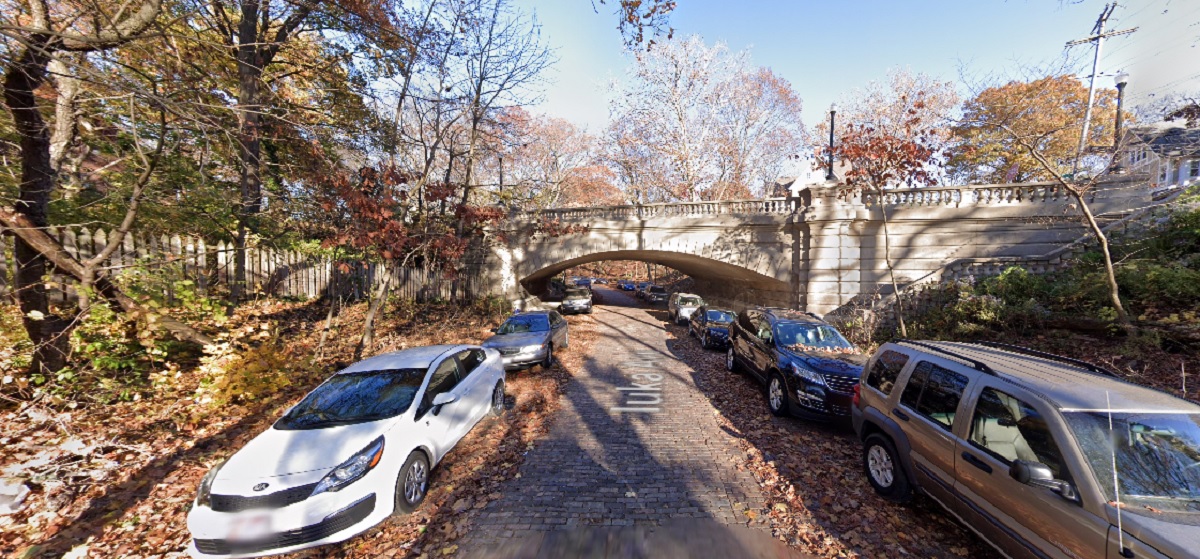
After In the 2020 image, Iuka Ravine is now filled with trees- and, unfortunately, many cars- but otherwise remains remarkably untouched. Even the old Chi Phi house can still be seen peeking above the viaduct.
Over the years, Iuka has been threatened by development, but is now on the National Register of Historic Places. This popular running road and adjacent Iuka Park will likely continue to offer a bit of nature in the growing city for generations to come.
The Battle of Iuka was not a huge battle overall in comparison to other Civil War events, but over 400 soldiers still lost their lives during the fighting.
The local housing market update June 2021 has been released. Here are the numbers!
Note: LSD= Local School District, CSD= City School District. In both cases, school district boundaries differ from city boundaries.
Top 15 Most Expensive Locations By Median Sales Price in June 2021 1. New Albany: $720,000 2. Bexley: $625,000 3. Powell: $532,500 4. Dublin: $509,000 4. New Albany Plain LSD: $500,000 5. Grandview Heights: $492,500 6. Olentangy LSD: $479,900 7. Upper Arlington CSD: $478,000 8. Big Walnut LSD: $472,500 9. German Village: $465,000 10. Dublin CSD: $445,389 11. Downtown: $445,000 12. Worthington: $440,000 13. Short North: $407,500 14. Jonathan Alder LSD: $407,000 15. Buckeye Valley LSD: $405,000
Top 15 Least Expensive Locations by Median Sales Price in June 2021 1. Newark CSD: $155,000 2. Whitehall: $155,900 3. Circleville CSD: $158,500 4. Lancaster CSD: $176,000 5. Valleyview: $177,925 6. Hamilton LSD: $182,950 7. Groveport Madison LSD: $200,000 8. Columbus CSD: $216,688 9. Obetz: $233,500 10. Jefferson LSD: $237,450 11. Columbus: $240,000 12. Reynoldsburg CSD: $240,250 13. South Western CSD: $250,000 14. Delaware CSD: $252,000 15. London CSD: $261,500
Overall Market Median Sales Price in May 2021: $291,391 Based on the 10 Columbus Metro Area counties.
Top 15 Locations with the Highest Median Sales Price % Growth Between June 2020 and June 2021 1. Jefferson LSD: +62.6% 2. Downtown: +47.6% 3. Bexley: +43.0% 4. London CSD: +39.9% 5. Worthington: +34.1% 6. Big Walnut LSD: +33.5% 7. Gahanna: +31.5% 8. Obetz: +31.2% 9. Sunbury: +29.5% 10. South Western CSD: +28.9% 11. Worthington CSD: +28.7% 12. Canal Winchester CSD: +26.9% 13. Whitehall: +26.7% 14. Pataskala: +26.0% 15. Powell: +25.6%
Top 15 Locations with the Lowest Median Sales Price % Growth Between June 2020 and June 2021 1. New Albany Plain LSD: -7.0% 2. Circleville CSD: -3.2% 3. Delaware CSD: +0.8% 4. Granville CSD: +1.0% 5. Hilliard: +4.3% 6. Short North: +5.0% 7. Hamilton LSD: +6.7% 8. Northridge LSD: +8.3% 9. Newark CSD: +10.1% 10. Buckeye Valley LSD: +10.2% 11. Lancaster CSD: +11.4% 12. Dublin CSD: +11.5% 13. Jonathan Alder LSD: +11.5% 14. Upper Arlington CSD: +12.3% 15. Lithopolis: +12.6%
There were just 2 locations that saw year-over-year median price declines.
Overall Market Median Sales Price % Change June 2021 vs. June 2020:+19.6% Based on 52 metro market locations.
Top 10 Locations with the Most New Listings in June 2021 1. Columbus: 1,450 2. Columbus CSD: 990 3. South Western CSD: 269 4. Olentangy LSD: 236 5. Dublin CSD: 197 6. Hilliard CSD: 179 7. Westerville CSD: 179 8. Worthington CSD: 136 9. Pickerington LSD: 129 10. Grove City: 114
Top 10 Locations with the Fewest New Listings in June 2021 1. Valleyview: 3 2. Minerva Park: 7 3. Lithopolis: 8 4. Grandview Heights: 10 5. Jefferson LSD: 13 6. Sunbury: 13 7. Obetz: 15 8. Whitehall: 15 9. Northridge LSD: 17 10. German Village: 20 11. Jonathan Alder LSD: 20
Total New Listings in the Columbus Metro in June 2021:+3,852 Overall Metro New Listings % Change June 2021 vs June 2020:+18.0%
Top 10 Fastest-Selling Locations by # of Days Homes Remain on the Market Before Sale in June 2021 1. Minerva Park: 3 2. Hilliard: 4 3. Pickerington: 4 4. Canal Winchester CSD: 5 5. Gahanna: 5 6. Hilliard CSD: 5 7. Jefferson LSD: 5 8. Johnstown Monroe LSD: 5 9. Lithopolis: 5 10. Reynoldsburg CSD: 5 11. Westerville: 5
Top 10 Slowest-Selling Locations by # of Days Homes Remain on the Market Before Sale in June 2021 1. Bexley: 42 2. Downtown: 34 3. German Village: 27 4. Buckeye Valley LSD: 24 5. Grandview Heights: 24 6. Granville CSD: 16 7. New Albany: 16 8. Dublin: 15 9. Dublin CSD: 14 10. Grove City: 14 11. Lancaster CSD: 14 12. Obetz: 14
Top 10 Locations with the Greatest % Decline of # of Days on the Market Before Sale June 2021 vs June 2020 1. Lithopolis: -92.4% 2. Minerva Park: -90.0% 3. Granville CSD: -88.7% 4. Circleville CSD: -88.2% 5. London CSD: -88.1% 6. Northridge LSD: -86.5% 7. Jonathan Alder LSD: -83.3% 8. Pickerington: -81.8% 9. Sunbury: -81.3% 10. Big Walnut LSD: -80.0% 11. Hilliard: -80.0%
Top 10 Locations with the Lowest % Decline of # of Days on the Market Before Sale June 2021 vs June 2020 1. Grandview Heights: +84.6% 2. Bexley: +40.0% 3. Obetz: +27.3% 4. Grove City: +0.0% 5. Pataskala: -9.1% 6. Worthington: -10.0% 7. Whitehall: -27.3% 8. Groveport Madison LSD: -30.0% 9. German Village: -35.7% 10. South Western CSD: -35.7%
% Change for the # of Days Homes Remain on the Market Before Sale Across the Metro Overall: 14.1
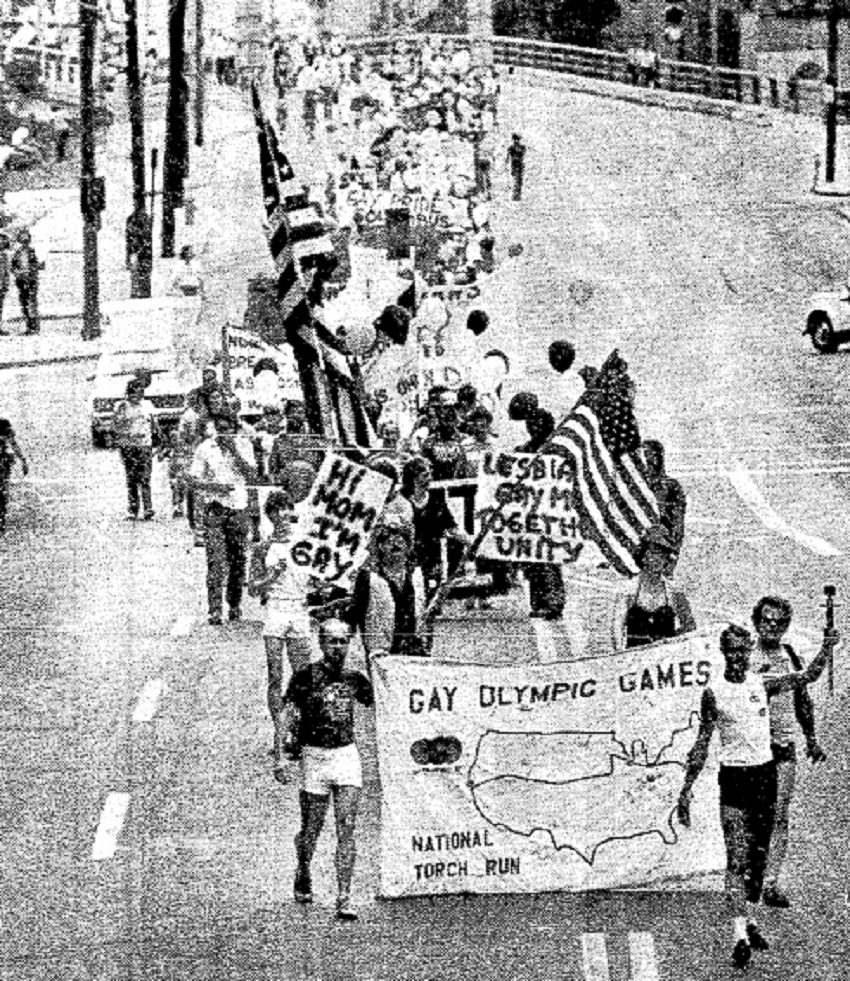
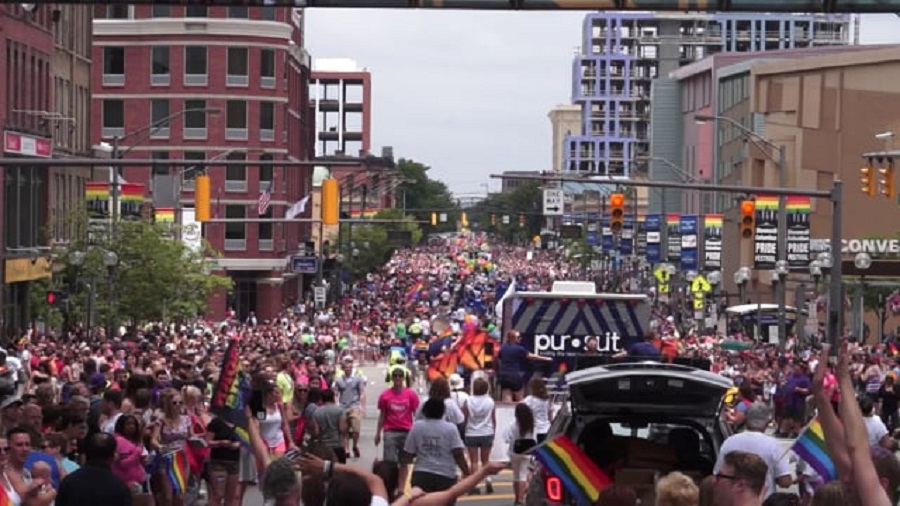
Depending on the source, the first official Columbus Gay Pride event was held in either June 1981 or June 1982. Going through newspaper and other records, it does seem like the first official Pride Parade in Columbus occurred on June 26, 1982. There were smaller demonstrations prior to 1982, but nothing officially recognized. In the 1970s, before events became more commonplace, small marches would take place through Downtown. Some participants of those early events would wear bags over their heads so that they would not be recognized. Very few protections, if any, existed for the LGBT community then, so a public outing could be very detrimental to someone’s life. In 1982, Columbus City Council passed a resolution recognizing Gay Pride Week 13 years after the Stonewall Riots, and allowed the parade to take place. The City had been somewhat of an early adoptee of LGBT equality when, in 1974, it passed an ordinance expanding housing and other public accommodation protections based on sexual orientation.
The 1982 parade.
Between 500-1000 people showed up to Columbus’ first Pride. The group took a route from Goodale Park, down Front Street and eventually to Capitol Square for a rally. The first parade was somewhat low key compared to today’s enormous party atmosphere. Participants carried signs, sang songs and waved American flags. The now iconic rainbow flag had only existed since 1978 and was not yet in widespread use. The parade faced surprisingly few hecklers along the route for a time in which support for LGBT equality was very much a minority position within the greater population. Some local churches organized small protest groups that shouted at the crowd to repent, but were booed down by the parade- a scene that unfortunately continues to the present day.
These brave participants helped pave the way for what is now one the largest such events in the nation and possibly the world. From less than 1000 marchers and spectators, the still-growing event now attracts in excess of half a million. Based on global statistics, this would put Columbus’ Pride in the top 25 largest in the world and around 8th in the United States.
In Franklin County, the immigrant- or foreign-born- population has been growing rapidly for the last few decades. Latin American immigration was dominant for many years, but has recently taken secondary position to even faster Asian growth. But where does the immigrant population live, exactly? Where they end up in the county is perhaps not where common belief would always suggest. The interactive map below breaks down not only the main continent of origin for immigrants by census tract, but also gives the top 5 specific origin nations. While at first glance, the continents seem heavily grouped together, a deeper look at nations of origin indicate that immigrant populations are much more diverse and spread out much more evenly than it appears.