Today in History Prohibition Party Convention


This occasional series will focus on interesting or important dates in Columbus history, with today’s being the 1919 Prohibition Party Convention.

February 22, 1872
A convention of the Prohibition Party was convened at the Opera House to discuss ways in which to enact legislation banning the manufacturing and sale of alcohol. Such conventions had taken place at least 8 times in the previous 40 years, but was the first such event since 1869. The 1869 event in Chicago formed the Prohibition Party itself, so the Columbus event could be described as the first convention of the new political party.

The event was attended by about 25 delegates from 12 states. Those in attendance included Gideon T. Stewart, then a prohibition candidate for Ohio governor. Stewart gave the welcoming speech. In it, he described the prohibition movement as an attempt to “protect the interests of humanity” and that due to the government’s involvement in the sale of liquor, was “fast verging towards the precipice over which other governments have swept to destruction”.
cool link prohibition party convention

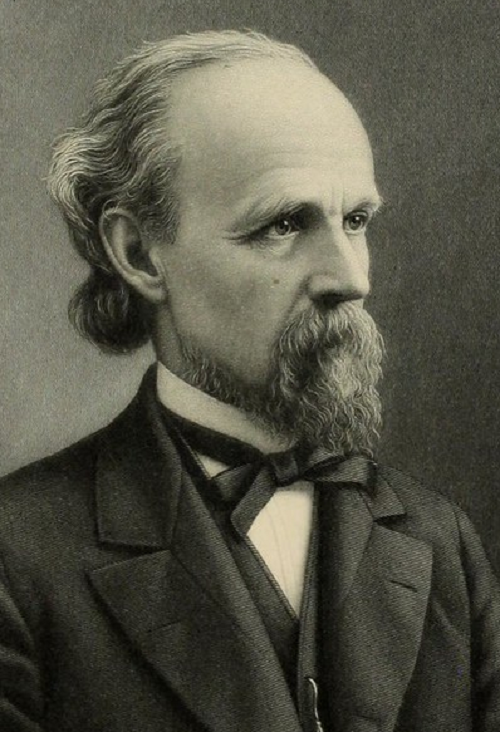
Gideon Steward around 1900.

Stewart was elected as the party secretary during the convention. The 1872 convention was also the first the party nominated candidates for US president.

During the event, it was ironically noted that Columbus itself benefitted greatly from alcohol sales, and functioned as “one of the foremost benefactors of the world” in that regard. Columbus did have multiple breweries at the time- most in the Brewery District, of course- but it cannot be verified if Columbus was indeed special in either its alcohol consumption or sales compared to other cities.
In 1919, the Prohibition Party was ultimately successful in establishing nationwide prohibition by assisting in the passage of the 18th Amendment to the Constitution. This victory, however, proved somewhat pyrrhic in nature as the 18th was repealed by 1933 and the Party suffered a long-lasting blow to its reputation. It was never again quite able to gain such a prominent role in leading national public policy. For a political movement driven by such a singular issue, it is perhaps surprising that the Prohibition Party is still in existence today, though its influence even as a 3rd party is now virtually non-existent.
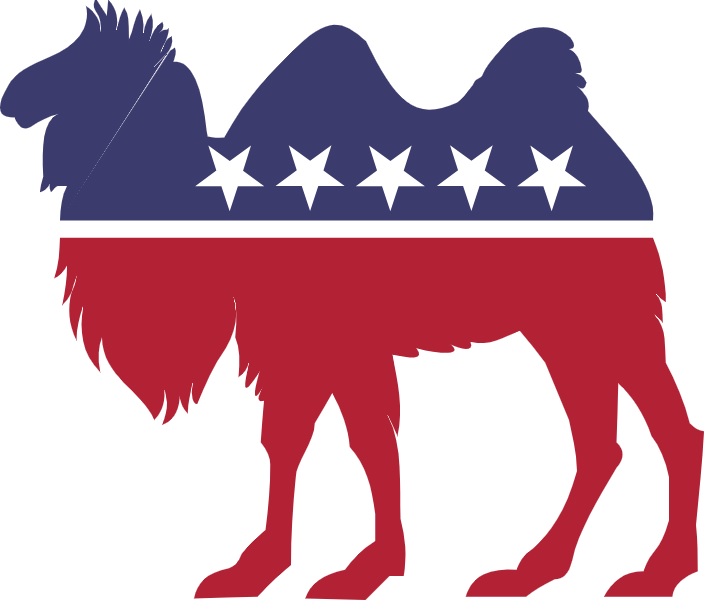
The modern logo of the Prohibition Party.
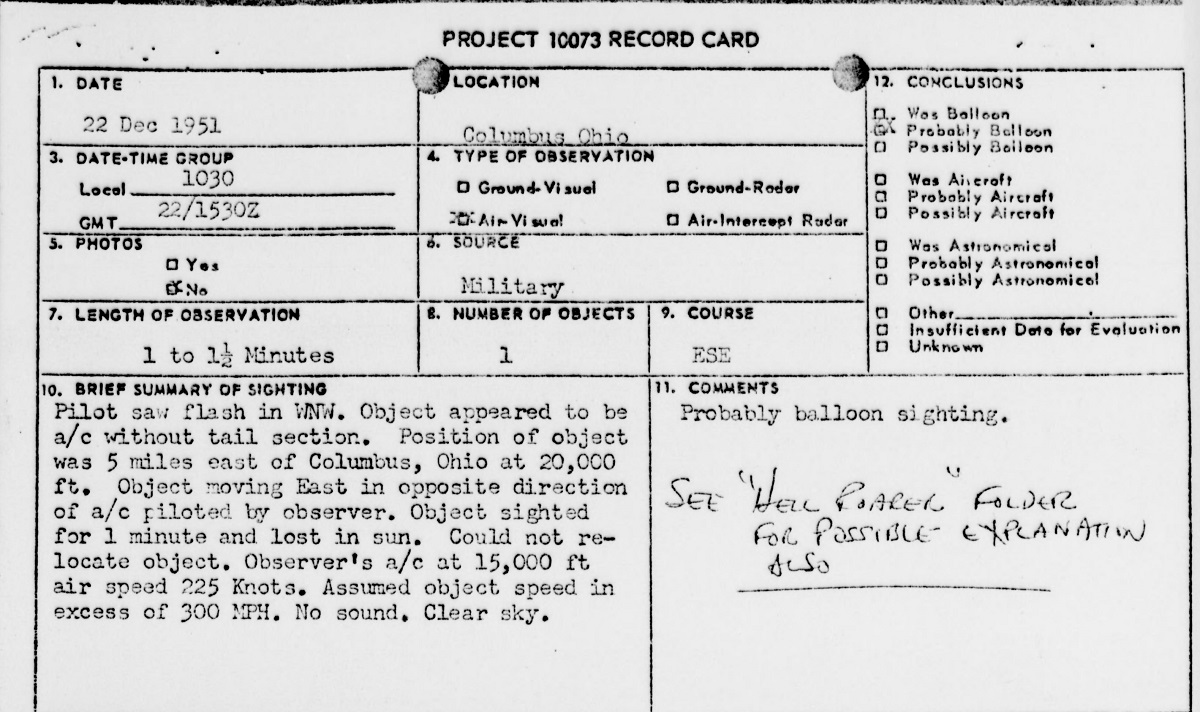
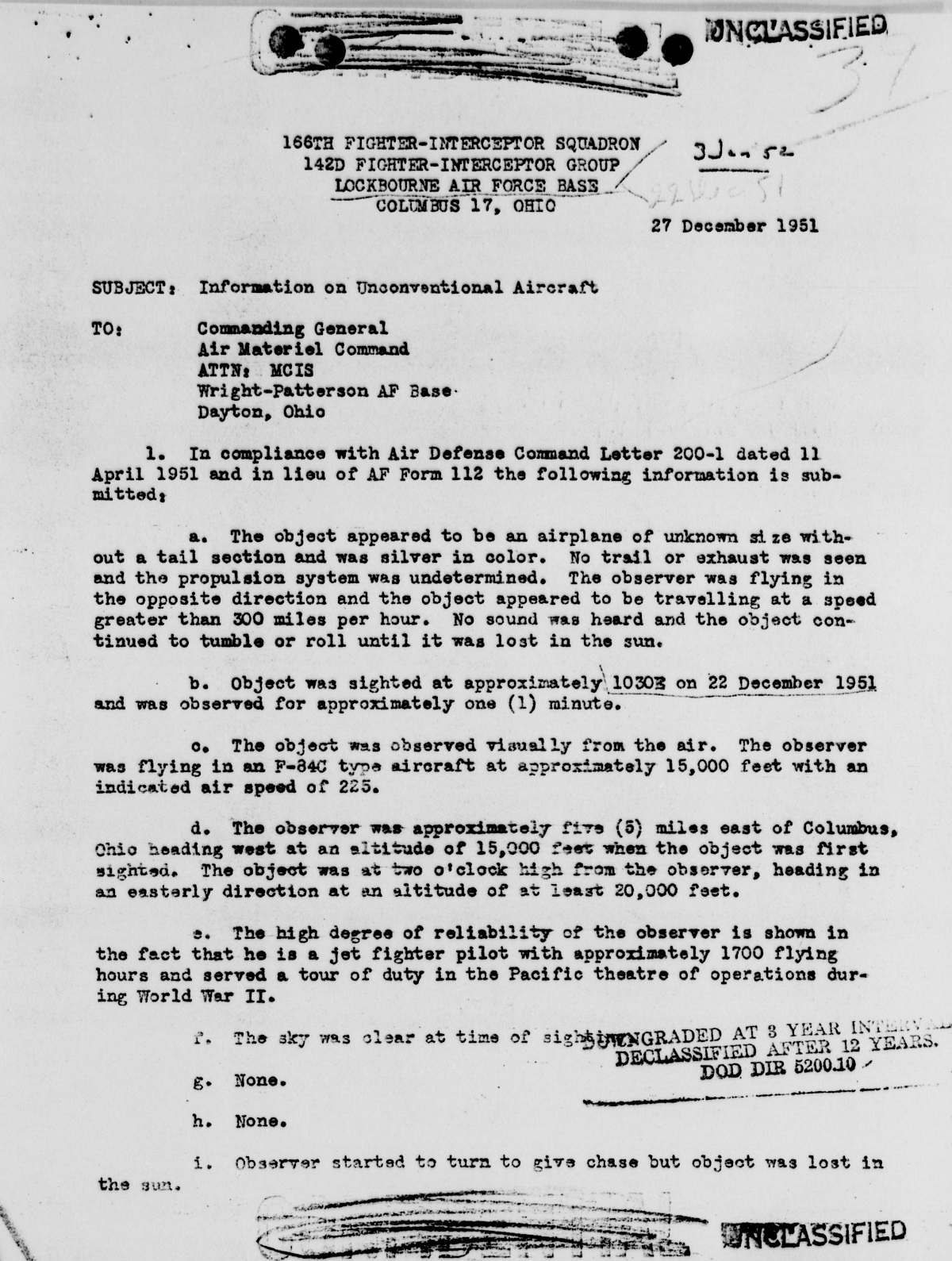
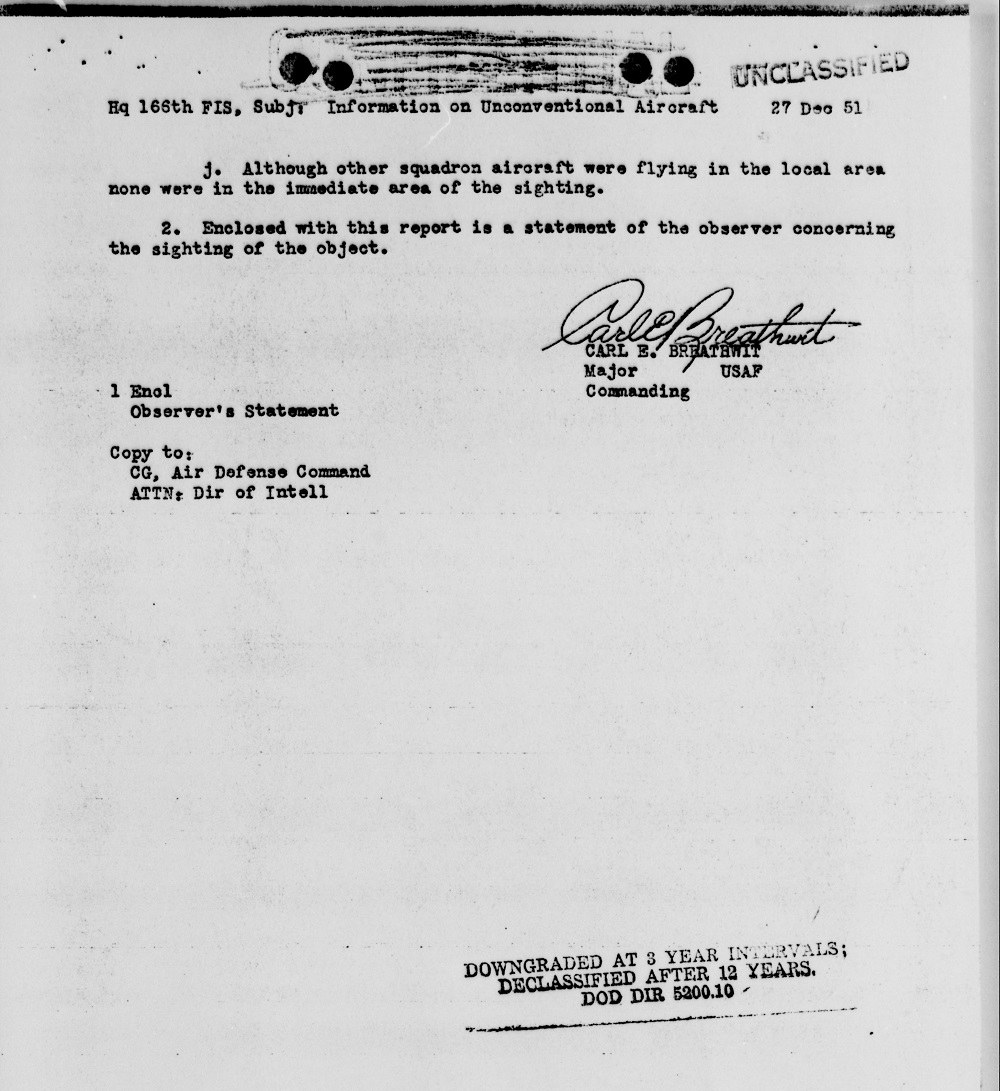
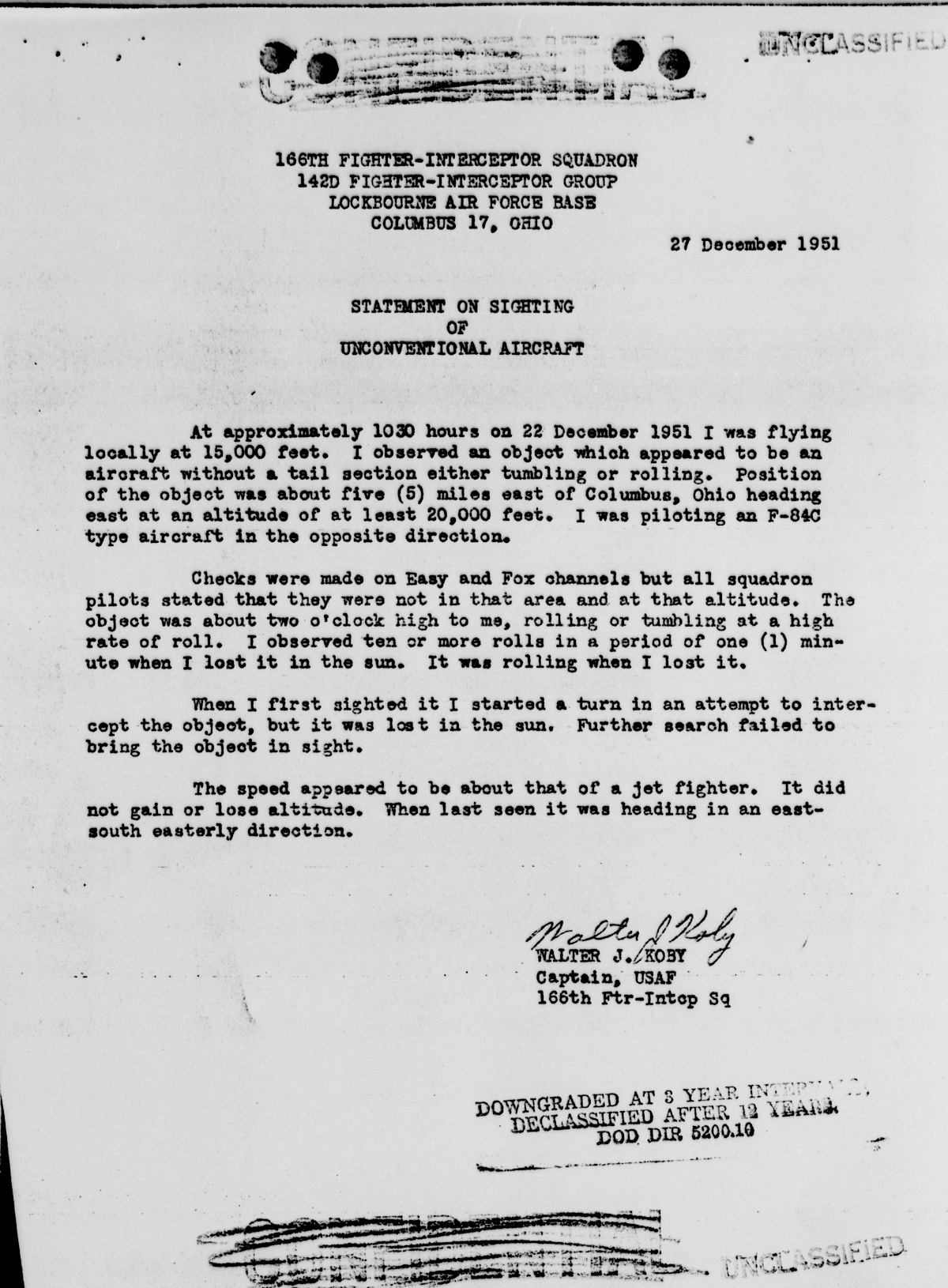
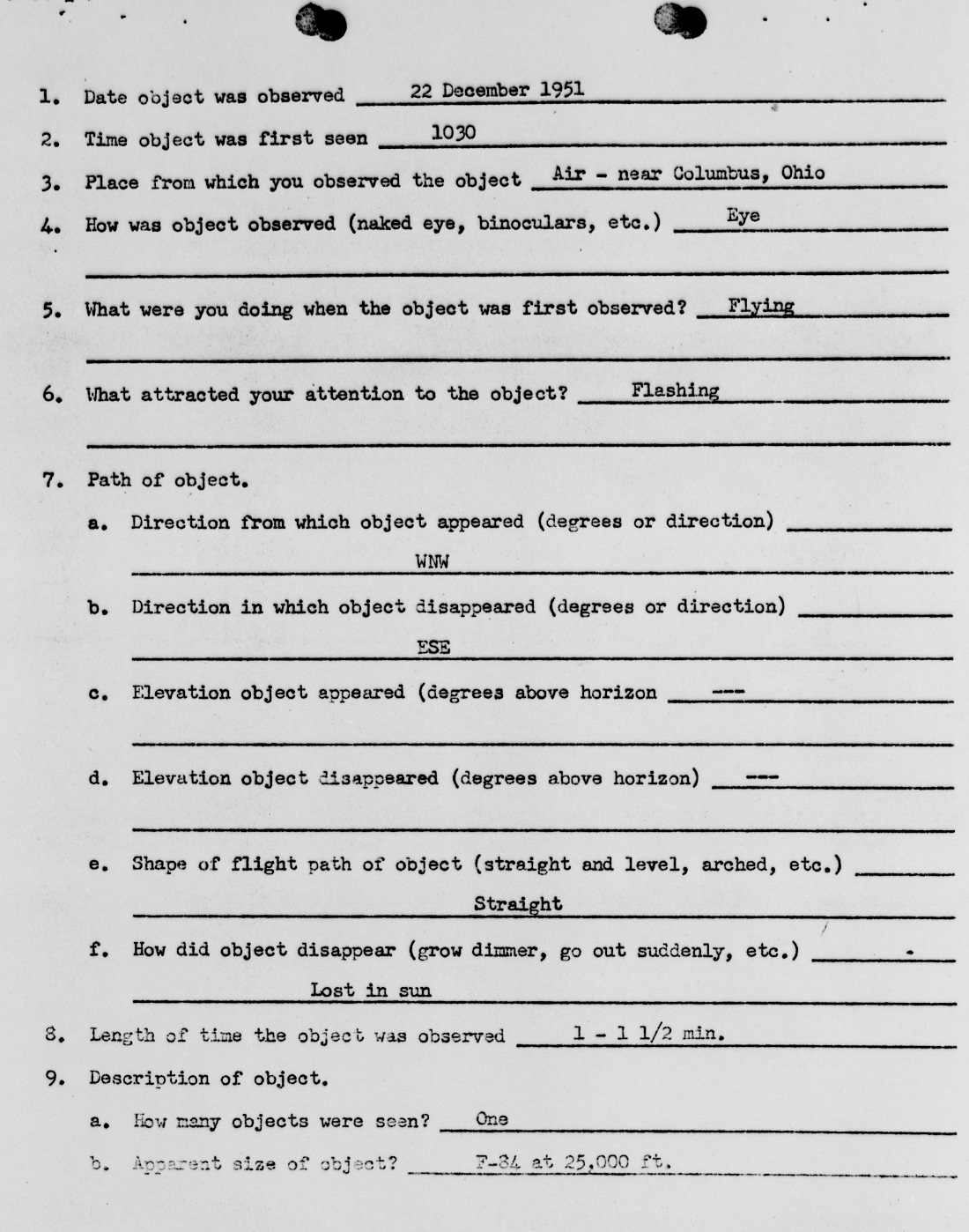
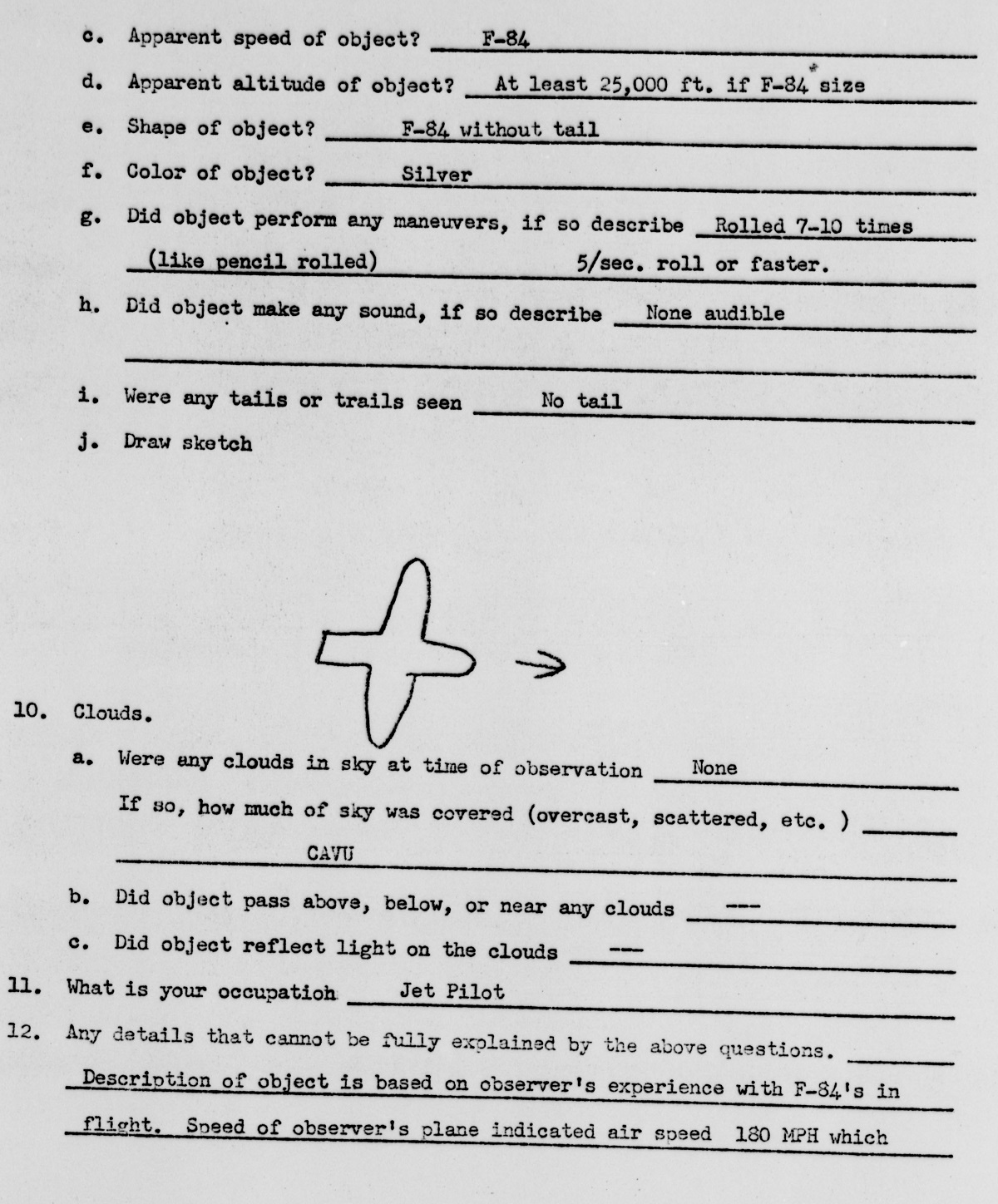
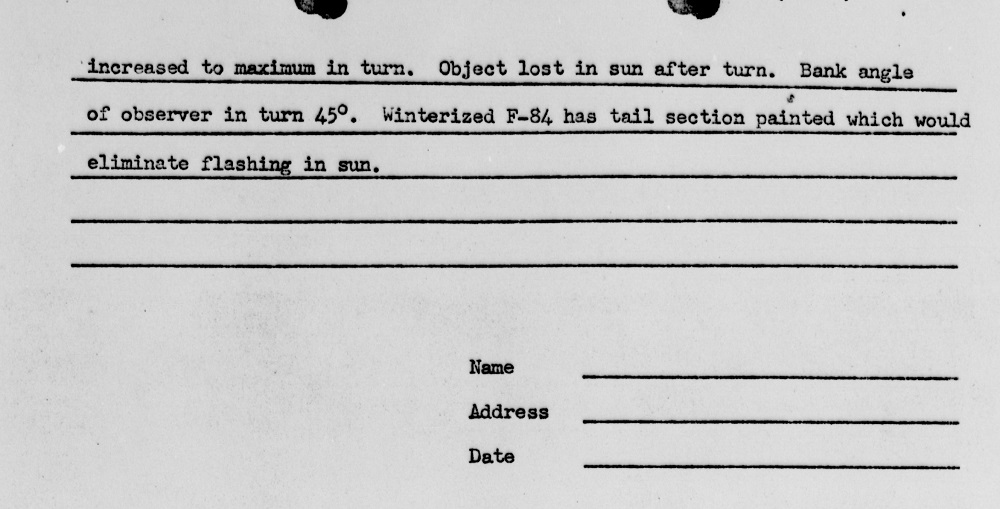
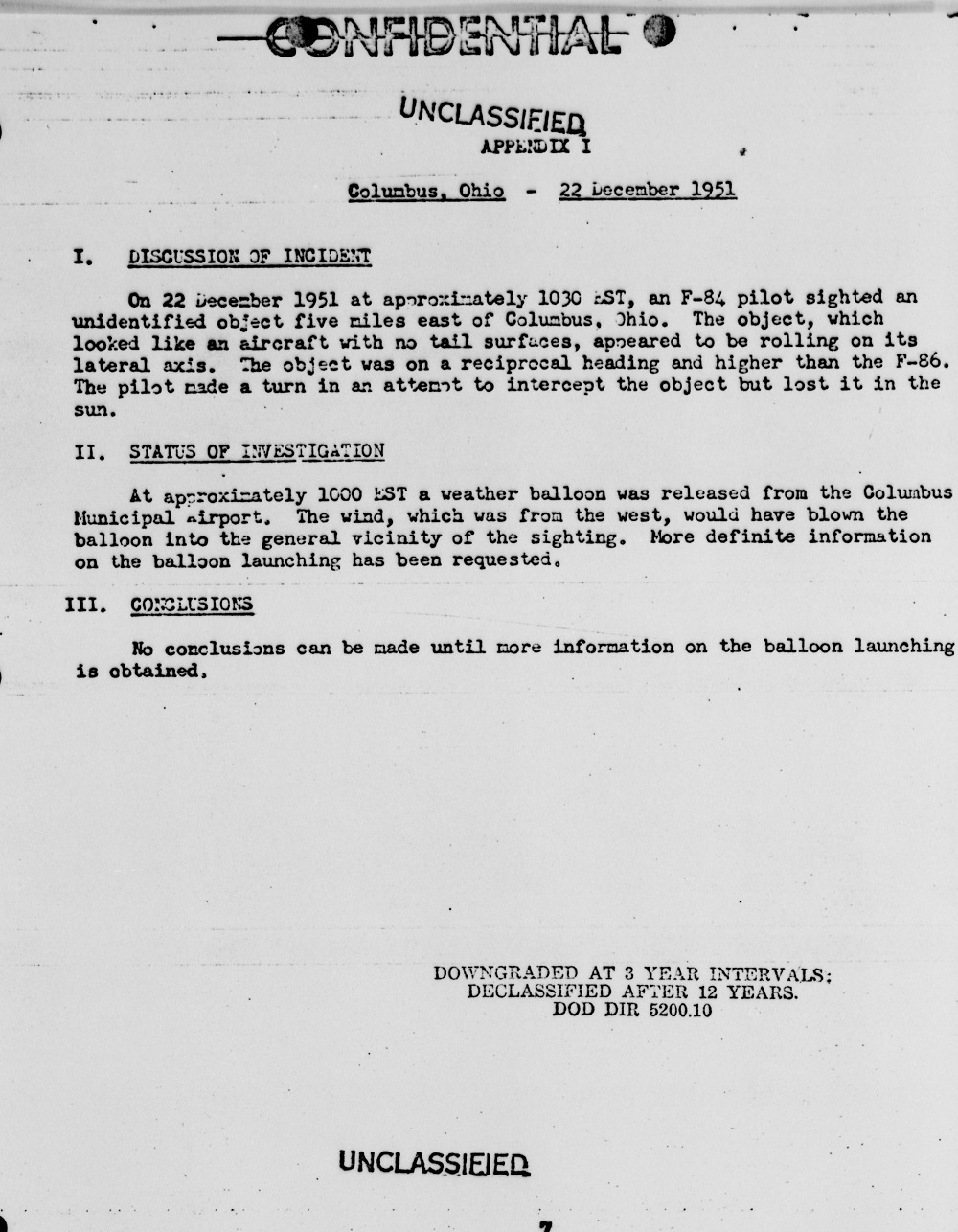
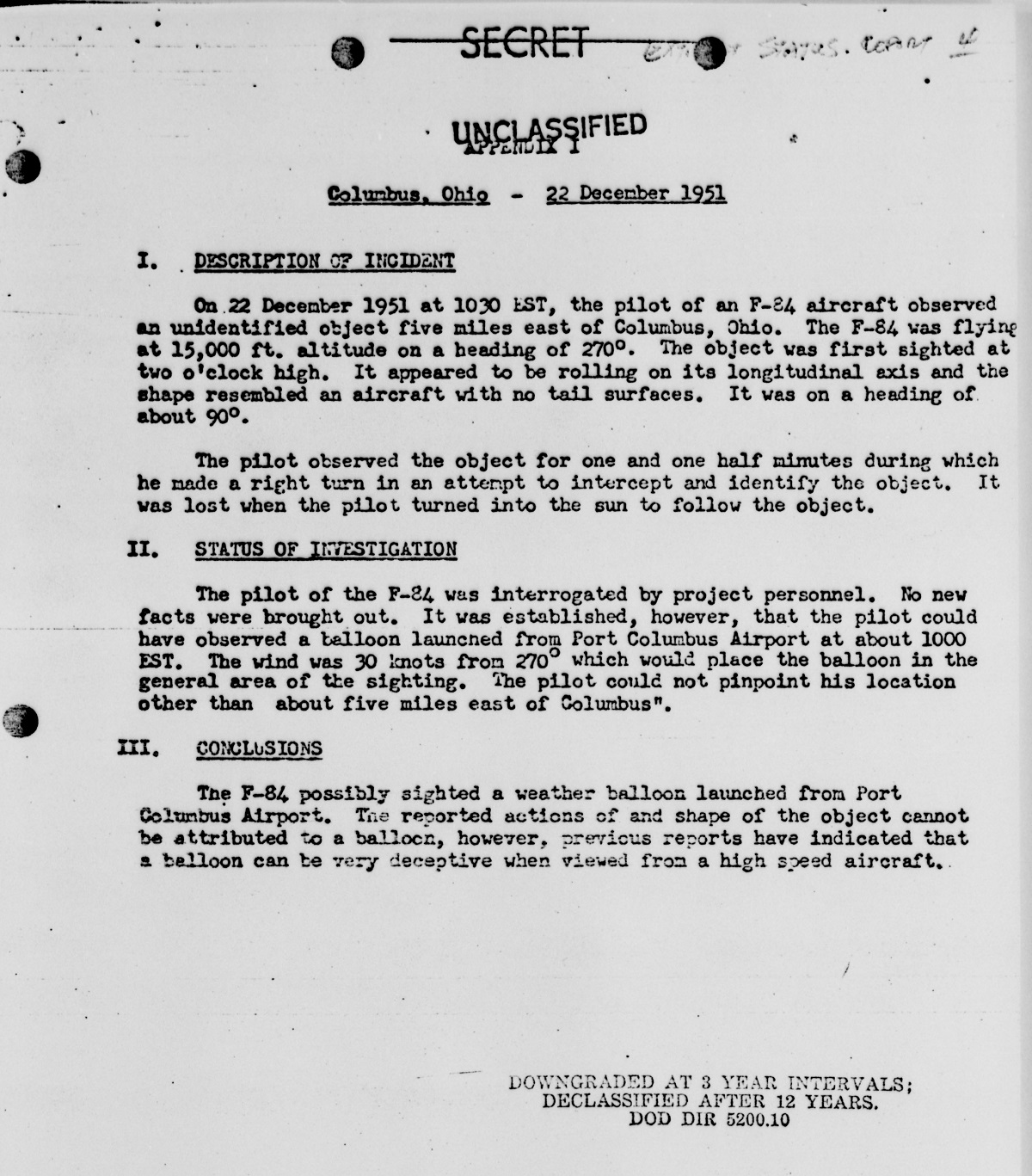
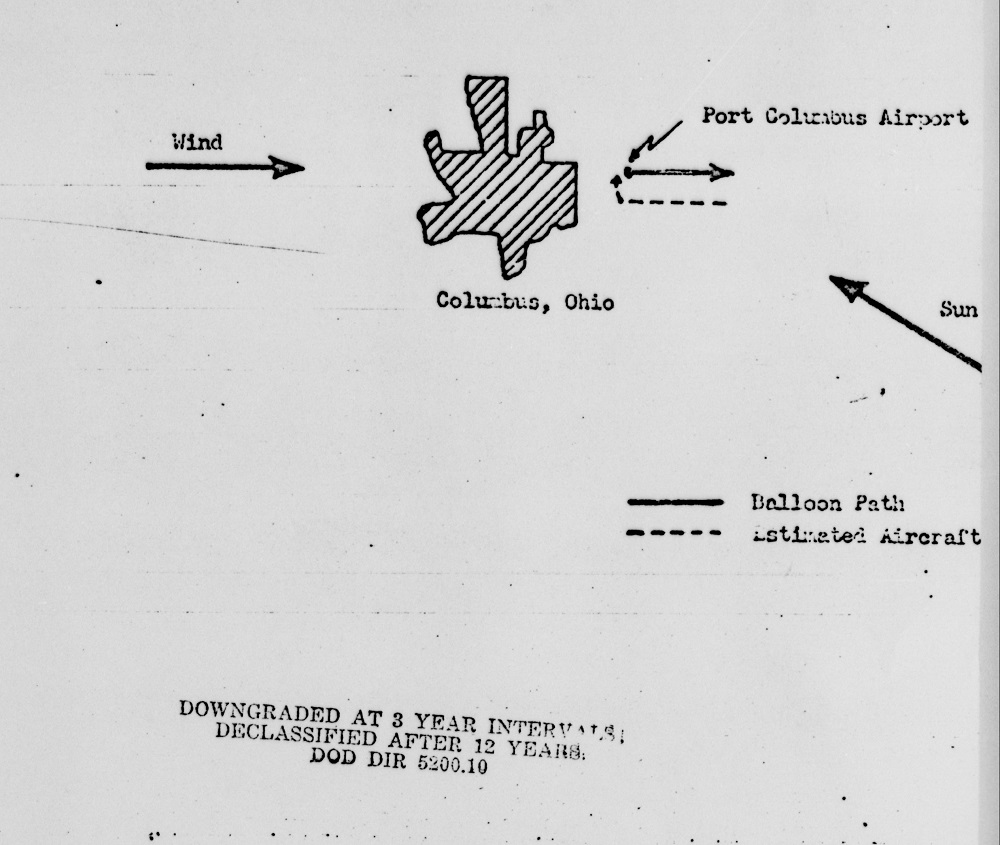
Strange Columbus December 22, 1951 UFO


Strange Columbus December 22, 1951 UFO Columbus, Ohio

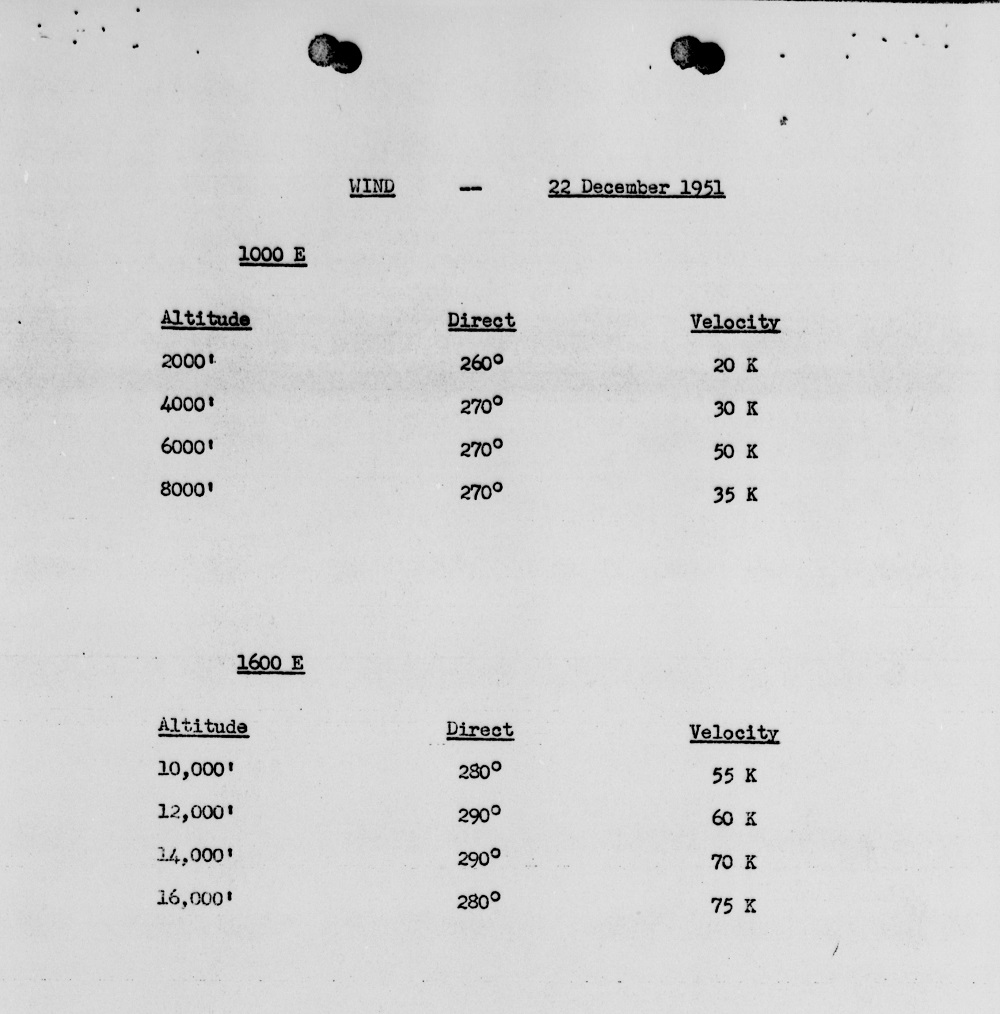
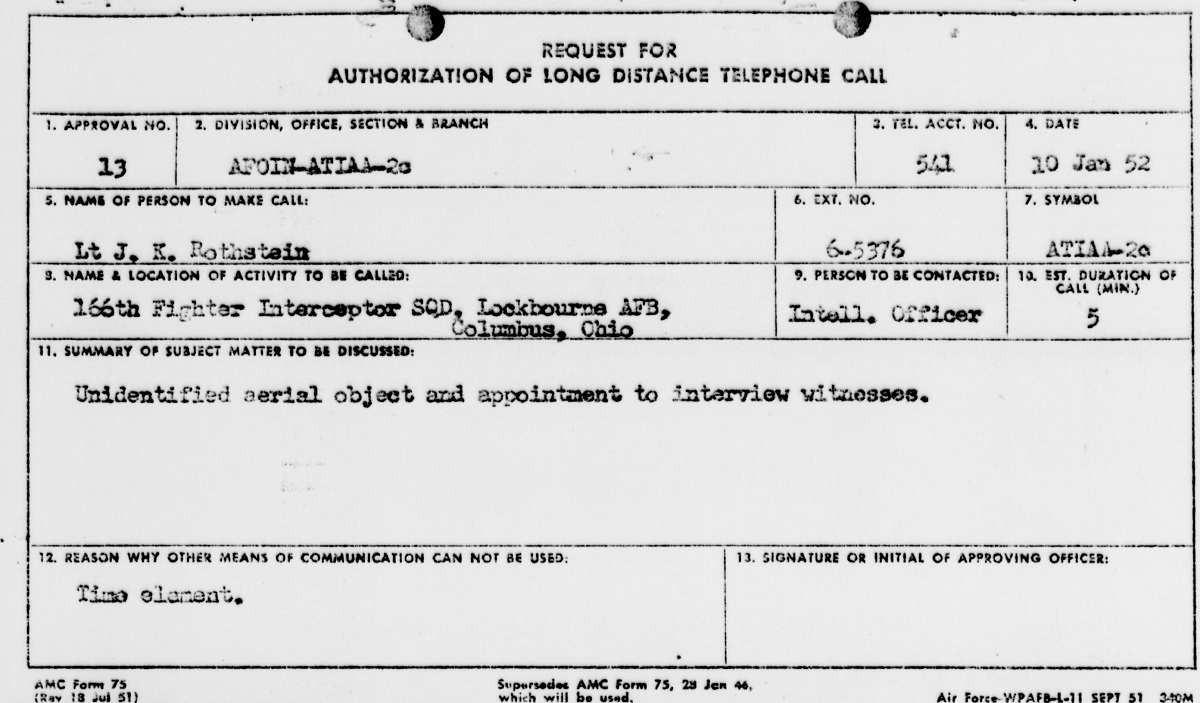
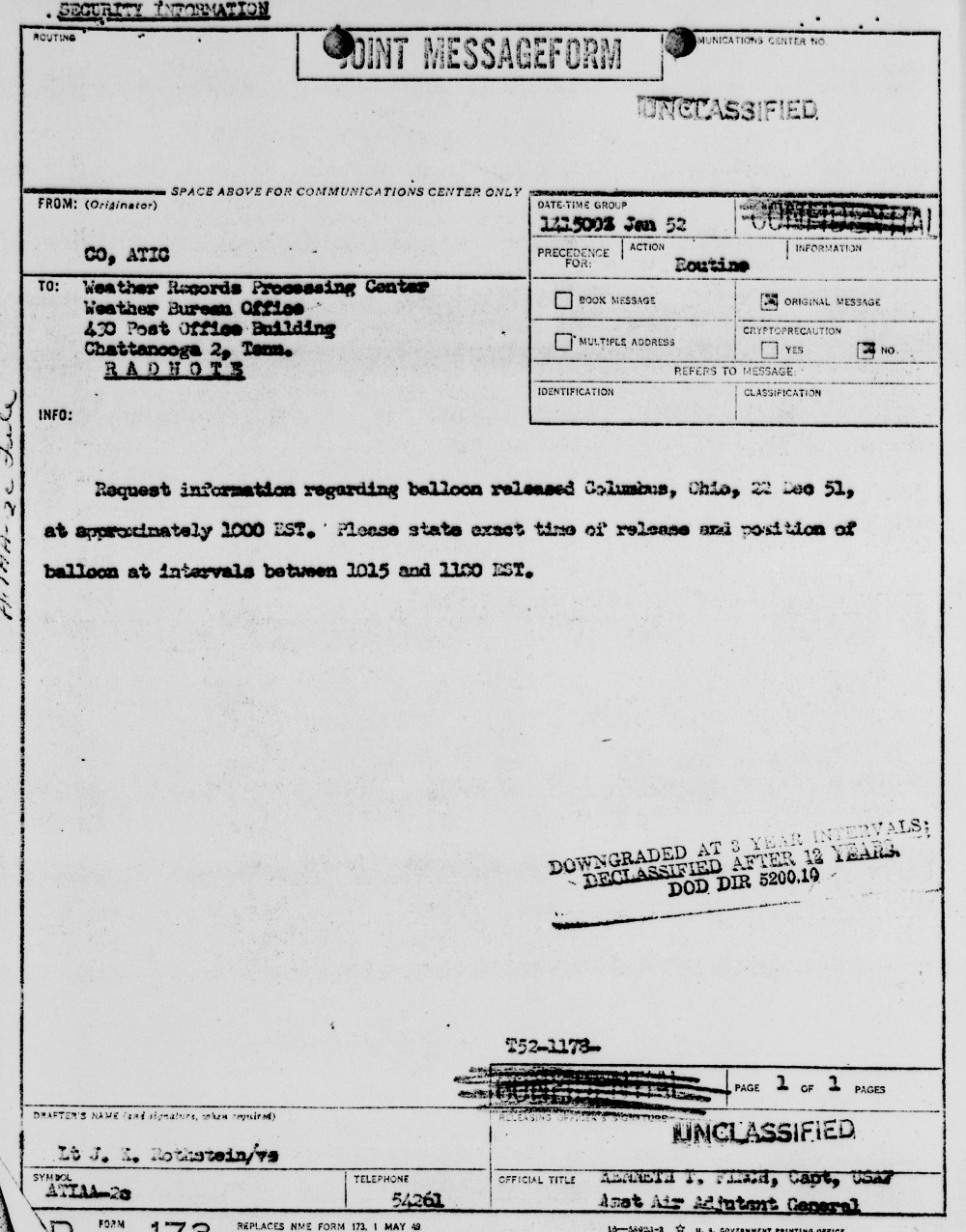
From the files of Project Blue Book. This event was extensively investigated due to the military source of the report. The conclusion was that it was “probably” a balloon.


For more incidents around the world, visit the following links.
UFO Database
Mutual UFO Network
National UFO Reporting Center


Strange Columbus The Wow Signal


Strange Columbus The Wow Signal Columbus, Ohio

No, we’re not talking about being able to get HBO from the modern cable company. This signal had even worse consistency.
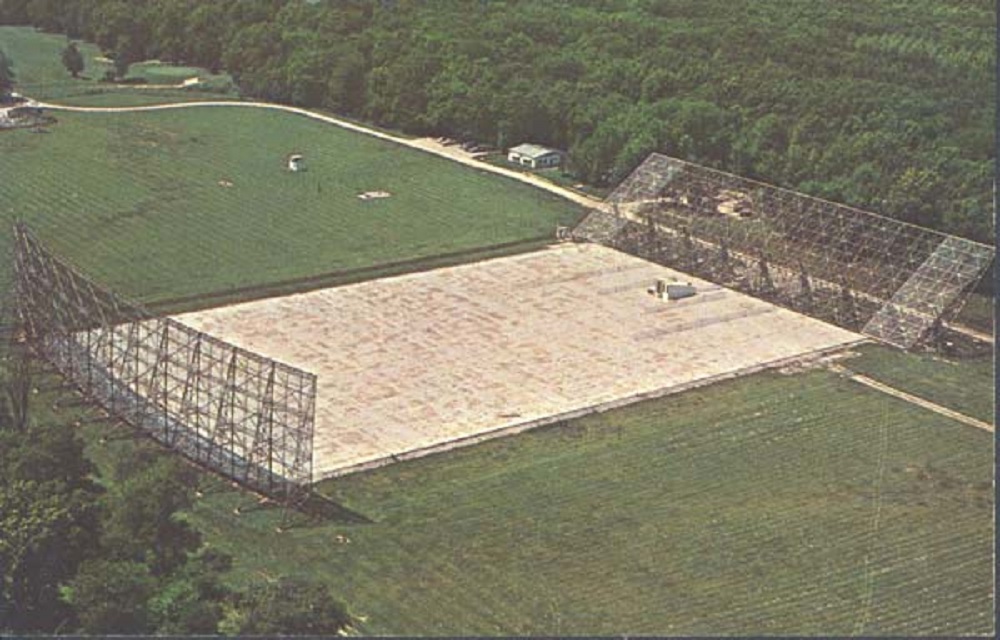
On August 15, 1977, the Big Ear telescope– officially known as the Ohio State University Radio Observatory- recorded a surprisingly strong signal of non-terrestrial origin. At the time, the telescope was being utilized to search for signs of extraterrestrial life, a task that many large installations around the world had been occasionally involved in, with very little to show for the effort.

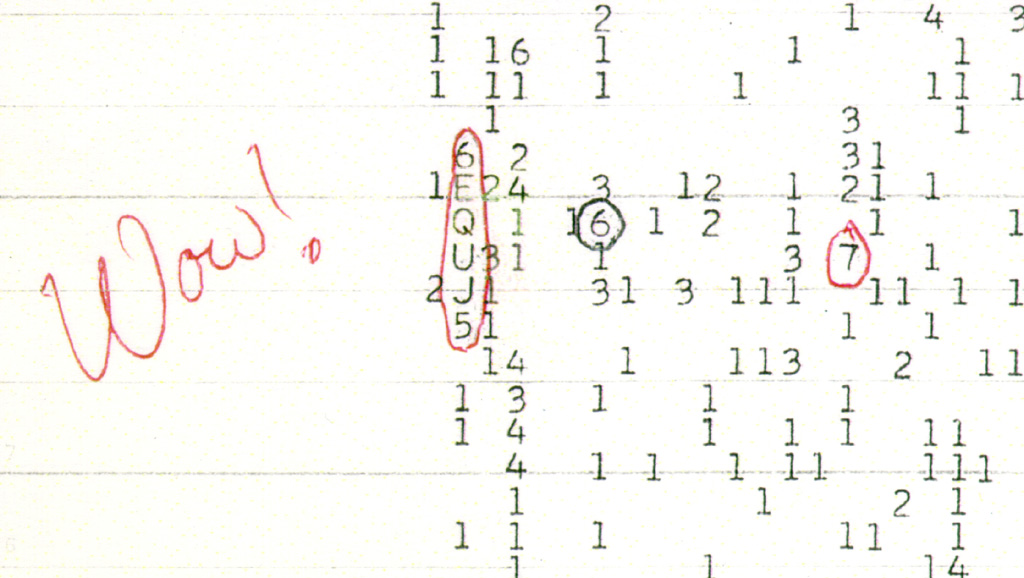
The observatory, located of of US 23 between Columbus and Delaware, had been working with SETI (Search for Extraterrestrial Intelligence) since 1973, after the installation had been deemed “defunct”. Equipment listening for frequencies would print out results on long sheets of paper, and while reviewing the data, the signal was first detected by astronomer Jerry Ehman at around 10:16PM. The readout featured the sequence 6EQEJ5, a combination that indicated frequency and signal intensity. The signal’s intensity was 30 standard deviations above normal background noise, and lasted for the full 72 seconds that the Big Ear was able to listen. Both the length and strength fell in line with expectations of what an alien signal would be like. Ehman was so shocked by it, that he circled the sequence and marked it with a “Wow!”, which is how the signal got its name.

The exact origin of the signal is even today unknown, but it was narrowed down to somewhere in the Sagittarius Constellation. Despite multiple attempts by the team at Big Ear, as well other other Earth-bound observatories to locate the signal again, they were unable to. This lack of repetition has meant that theories to its origin- either natural or otherwise- remain unconfirmed. Ehman himself was later skeptical of it actually coming from space and suggested it was signal from Earth that just happened to bounce off a satellite of some kind, but subsequent studies suggested this was highly unlikely.

For the next few decades, astronomers made multiple attempts to locate the signal again, but it was never heard again. To date, it remains one of the most mysterious space signals ever captured.

In 1997, the Big Ear ended all operations after 40 years of use. The following year, it was demolished to expand a golf course.