Columbus Economy July 2022


Columbus economy July 2022

For the Columbus economy July 2022 report, we find several local industries in record high territory, but with a metro labor force that is barely growing. The data comes from the Bureau of Labor Statistics.

Overall Metro Area July 2022 and Change from July 2021
Labor Force: 1,136,345 +1,050
Employed: 1,093,966 +13,074
Unemployed: 42,379 -12,024
Unemployment Rate: 3.7% -1.1
Total Non-Farm Jobs: 1,126,200 +16,400
Numbers continued the trend of improvement year-over-year, but labor force growth remained relatively slow.

Overall Metro Area July 2022 and Change from February 2020 (Pre-Pandemic)
Labor Force: 1,136,345 +15,541
Employed: 1,093,966 +17,126
Unemployed: 42,379 -1,585
Unemployment Rate: 3.7% -0.2
Total Non-Farm Jobs: 1,126,200 +14,800
The overall metro area remained better in July than the last month prior to the pandemic.

Now let’s view the results by industry.

Mining/Logging/Construction
7/2020———–7/2021———-7/2022

45,200————46,800———48,200
These industries remain near their all-time highs for total metro jobs.
Mining/Logging/Construction Jobs as a % of Total Metro Jobs
7/2020————7/2021———7/2022

4.3——————4.2————–4.3

Manufacturing
7/2020———–7/2021———-7/2022

70,100———–72,700———-72,900
Manufacturing has largely recovered from pandemic losses, but remains well below historic highs achieved decades ago.
Manufacturing Jobs as a % of Total Metro Jobs
7/2020————7/2021———-7/2022

6.7——————6.6—————6.5

Trade/Transportation/Utilities
7/2020———–7/2021———-7/2022

215,000———-225,400———240,200
These industries are at historic highs.
Trade/Transportation/Utilities Jobs as a % of Total Metro Jobs
7/2020————7/2021———7/2022

20.4—————–20.3———–21.3

Information
7/2020———–7/2021———-7/2022

15,300———–16,000———-17,000
While nowhere near previous highs of the late 1990s-early 2000s “Dot.com” boom, this industry has been steadily growing since it hit a pandemic bottom in late 2020, and has returned to levels last seen in 2019.
Information Jobs as a % of Total Metro Jobs
7/2020————7/2021———-7/2022

1.5——————1.4—————1.5

Financial Activities
7/2020———–7/2021———-7/2022

85,200———–85,900———-85,600
Financial jobs initially recovered from the pandemic recession, but then in late 2021 through part of 2022 plummeted to their lowest levels in 6 years. However, since May, they have been shooting back up and are once again close to historic highs.
Financial Activities Jobs as a % of Total Metro Jobs
7/2020————7/2021———-7/2022

8.1——————7.7—————7.6

Professional and Business Services
7/2020———–7/2021———-7/2022
172,800———-183,800———181,200
These industries have been hovering around their highs since about 2015, so it seems like these jobs have not been changing much in recent years.
Professional and Business Services Jobs as a % of Total Metro Jobs
7/2020———–7/2021———-7/2022
16.4—————-16.6————–16.1

Education and Health Services
7/2020———–7/2021———-7/2022

152,100———-159,800———161,800
While these industries have not fully recovered to pre-pandemic levels, they are relatively close to doing so.
Education and Health Services Jobs as a % of Total Metro Jobs
7/2020———–7/2021———-7/2022

14.4—————-14.4————-14.4

Leisure and Hospitality
7/2020———–7/2021———-7/2022
90,600———–105,600————108,000
This industry should be near historic highs by the holiday season, despite being hit the hardest during the recent recession.
Leisure and Hospitality Jobs as a % of Total Metro Jobs
7/2020————7/2021————7/2022

8.6——————9.5——————9.6

Other Services
7/2020———–7/2021———-7/2022

37,400———–41,100———-41,900
This industry is near historic highs.
Other Services Jobs as a % of Total Metro Jobs
7/2020———–7/2021———-7/2022

3.5—————–3.7—————-3.7

Government
7/2020———–7/2021———-7/2022

170,100———-172,700———169,400
Government jobs have been in a slow decline since the pandemic recession.
Government Jobs as a % of Total Metro Jobs
7/2020———–7/2021———-7/2022

16.1—————15.6————–15.0


Columbus Economy June 2022


Columbus economy June 2022

For the Columbus economy June 2022 report, we find the metro area continues to post generally positive numbers versus 2021 and 2020. The data comes from the Bureau of Labor Statistics.

Overall Metro Area June 2022 and Change from June 2021
Labor Force: 1,130,201 +7,231
Employed: 1,087,813 +24,480
Unemployed: 42,388 -17,249
Unemployment Rate: 3.8% -1.5
Total Non-Farm Jobs: 1,125,000 +26,400
Numbers improved versus a year prior across the board, though with relatively slow labor force growth.

Overall Metro Area June 2022 and Change from February 2020 (Pre-Pandemic)
Labor Force: 1,130,201 +9,397
Employed: 1,087,813 +10,973
Unemployed: 42,388 -1,576
Unemployment Rate: 3.8% -0.1
Total Non-Farm Jobs: 1,125,000 +13,600
The metro area continues to be above pre-pandemic levels on all measurements.

Now let’s view the results by industry.

Mining/Logging/Construction
6/2020———–6/2021———-6/2022

45,000————46,300———48,500
This industry has fully recovered from the pandemic and is the highest since at least 1990.

Manufacturing
6/2020———–6/2021———-6/2022

69,600———–72,400———-72,900
Manufacturing has recovered from the pandemic period, but isn’t growing nearly as fast as other industries.

Trade/Transportation/Utilities
6/2020———–6/2021———-6/2022

213,300———-222,500———239,800
Fully recovered, this industry is at all-time highs.

Information
6/2020———–6/2021———-6/2022

15,500———–15,600———-16,700
The pandemic didn’t affect this industry much, as it was already in a general decline since the late 1990s-early 2000s.

Financial Activities
6/2020———–6/2021———-6/2022

84,300———–84,700———-85,400
Numbers for this industry have kind of been all over the place in recent years, but seem to be mostly stagnant since around 2016, so the pandemic didn’t have a strong effect either way.

Professional and Business Services
6/2020———–6/2021———-6/2022
171,000———-179,400———179,900
As with the financial activities industry, this one has been rather stagnant since about 2015-2016.

Education and Health Services
6/2020———–6/2021———-6/2022

149,700———-158,800———158,600
Education and Health were hard hit during the pandemic, and while they have recovered most of their lost jobs, have been unable to date to push past pre-pandemic highs.

Leisure and Hospitality
6/2020———–6/2021———-6/2022
86,400———-100,500———-109,600
The hardest hit industry by far, it has recovered the vast majority of lost jobs, but still remains a bit below pre-pandemic levels.

Other Services
6/2020———–6/2021———-6/2022

35,800———–40,400———-42,000
This industry is basically recovered.

Government
6/2020———–6/2021———-6/2022

171,200———-177,000———171,600
Government jobs have struggled to recover, and 2022 is not moving in the right direction, though this may not have anything to do with the pandemic.

Columbus Economy May 2022


Columbus Economy May 2022

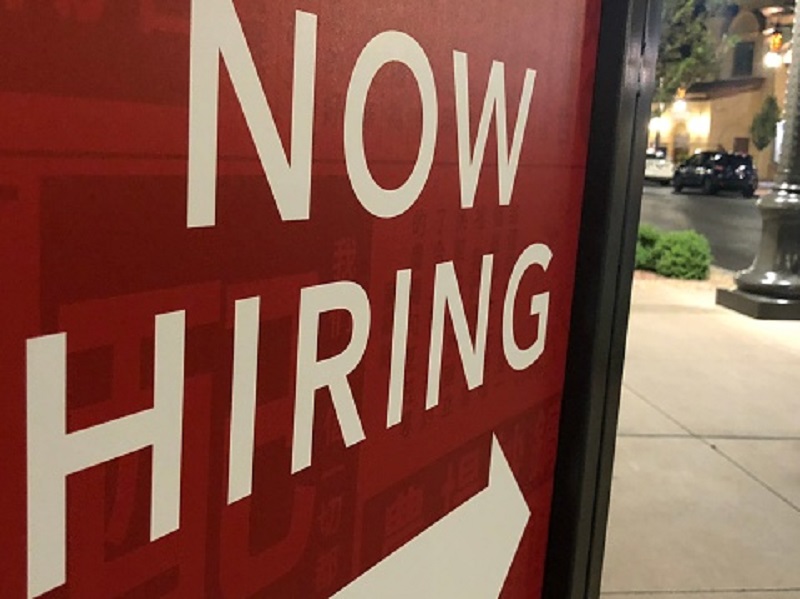
Now hiring sign

For the Columbus economy May 2022 report, we will look for any signs that the local economy is being negatively affected by ongoing inflation and higher energy prices.

Overall Metro Area May 2022 and Change from May 2021
Labor Force: 1,132,871 +24,699
Employed: 1,100,438 +43,723
Unemployed: 32,433 -19,024
Unemployment Rate: 2.9% -1.7
Total Non-Farm Jobs: 1,123,200 +28,300

The 2.9% May unemployment rate for the Columbus metro remains one of the lowest in more than 30 years, and all metrics were better than they were a year ago.

Overall Metro Area May 2022 and Change from February 2020 (Pre-Pandemic)
Labor Force: 1,132,871 +12,067
Employed: 1,100,438 +23,598
Unemployed: 32,433 -11,531
Unemployment Rate: 2.9% -1.0
Total Non-Farm Jobs: 1,123,200 +11,800
The metro area has surpassed pre-pandemic data across the board.

Now let’s view the results by industry.

Mining/Logging/Construction
5/2020———–5/2021———-5/2022

43,200————45,700———47,500
This industry has fully recovered from the pandemic and continues to set new highs.

Manufacturing
5/2020———–5/2021———-5/2022

66,700———–71,900———-72,300
Although manufacturing has largely recovered from pandemic lows, it remains *well* below anytime before 2000.

Trade/Transportation/Utilities
5/2020———–5/2021———-5/2022

205,400———-221,000———238,000
This industry is at 30 year highs.

Information
5/2020———–5/2021———-5/2022

15,500———–15,600———-16,600
The industry has been in somewhat of a decline overall since the Dot.com boom of the late 1990s. It recovered most pandemic losses, but seems unlikely to do much better in the long run.

Financial Activities
5/2020———–5/2021———-5/2022

83,900———–84,500———-83,700
Financial activities jobs have declined slightly since recovering its pandemic losses.

Professional and Business Services
5/2020———–5/2021———-5/2022
166,500———-179,600———178,200
As with the financial activities industry, this industry initially recovered from the pandemic, but has stagnated a bit since then.

Education and Health Services
5/2020———–5/2021———-5/2022

145,600———-159,700———158,800
These industries have been somewhat stagnant as well since around October, 2020.

Leisure and Hospitality
5/2020———–5/2021———-5/2022
69,000———-97,200———-107,600
This industry was arguably hit the hardest of any during the pandemic crash, but have recovered fairly strongly since then. However, because the fall was so great, it has not completely come back to date.

Other Services
5/2020———–5/2021———-5/2022

32,800———–39,800———-41,500
This industry is on track for full recovery by late summer.

Government
5/2020———–5/2021———-5/2022

177,500———-179,900———179,000
Government jobs remain below where they were pre-pandemic, and have shown little movement either way.

Overall, the metro has recovered from the pandemic and most metrics are generally positive, but not all industries are doing equally well. There remains no sign of any impending downturn.

The Bureau of Labor Statistics, the source of this data, is useful for local employment data for any metro area in the United States.

Columbus Economy April 2022

Columbus economy April 2022

For the Columbus economy April 2022 report, we look at how the situation has continued to improve from the pandemic-related crash of 2020. High inflation rates had yet to affect things like hiring, which remained strong. Let’s break it down.

Overall Metro Area April 2022 and Change from April 2021
Labor Force: 1,120,035 +13,475
Employed: 1,087,123 +37,439
Unemployed: 32,912 -23,964
Unemployment Rate: 2.9% -2.2
Total Non-Farm Jobs: 1,111,100 +25,100

The 2.9% April unemployment rate for the Columbus metro was the lowest rate since May 2001, and only a few tenths of a percent off the lowest since at least 1990.

Overall Metro Area April 2022 and Change from February 2020 (Pre-Pandemic)
Labor Force: 1,120,035 -769
Employed: 1,087,123 +10,283
Unemployed: 32,912 -11,052
Unemployment Rate: 2.9% -1.0
Total Non-Farm Jobs: 1,111,100 -300
The metro area overall is just about where it was pre-pandemic, though more people are employed now than at that time.


Now let’s view the results by industry.

Mining/Logging/Construction
4/2020———–4/2021———-4/2022

40,300————44,800———45,900
This industry has been recovering nicely from pandemic lows, and should hit all-time highs over the summer.

Manufacturing
4/2020———–4/2021———-4/2022

63,400———–71,800———-72,800
Manufacturing has nearly fully recovered to pre-pandemic levels.

Trade/Transportation/Utilities
4/2020———–4/2021———-4/2022

190,200———-220,200———235,800
This industry completely recovered and consistently hitting record highs.

Information
4/2020———–4/2021———-4/2022

15,400———–15,400———-16,600
Information has fully recovered to pre-pandemic levels, but only just. This industry has been fairly stagnant, if not in decline, since 2001.

Financial Activities
4/2020———–4/2021———-4/2022

83,700———–85,200———-82,900
Unlike other industries, financial activities did not drop significantly during the crash. It did fully recover all lost jobs, but is now sliding down further than during the pandemic. It’s unclear why.

Professional and Business Services
4/2020———–4/2021———-4/2022
162,900———-177,800———178,600
This industry did recover most pandemic losses, but plateaued in 2016 and has been unable to do much since then.

Education and Health Services
4/2020———–4/2021———-4/2022

142,100———-159,600———157,900
Hit extremely hard during the pandemic, the industries of health and education have not yet been able to fully recover. Healthcare in particular is having an extremely difficult time finding workers, and is losing people to burnout.

Leisure and Hospitality
4/2020———–4/2021———-4/2022
56,100———-93,100———-101,500
This industry was arguably hit the hardest of any during the pandemic crash. These jobs fell by nearly 50%. They’ve made a strong comeback, but not quite yet to pre-pandemic levels.

Other Services
4/2020———–4/2021———-4/2022

29,600———–39,400———-41,500
This industry is on track for full recovery by late summer.

Government
4/2020———–4/2021———-4/2022

178,400———-178,700———177,600
While the fall during the pandemic was not as dramatic as other types of jobs, government jobs have largely stagnated since the crash well below their pre-pandemic levels. It’s unclear if its local level or state and federal level jobs that have not returned.

All said, the metro area has just about fully recovered from pandemic effects- and is doing better now than before in some respects- but some industries continue to lag behind. Inflation and energy prices are hitting people hard, and that is not just true in the United States. Nearly all nations are seeing similar effects, and the longer these global conditions last, the more likely it is that it harms the upward movement of the economy.

The Bureau of Labor Statistics, the source of this data, is useful for local employment data for any metro area in the United States.

Columbus Economy February 2022

Columbus economy February 2022

The Columbus economy in February 2022 continued its slow recovery from the Covid pandemic crash of 2020. Let’s break it down.

Overall Metro Area February 2022 and Change from February 2021
Labor Force: 1,126,967 +9,435
Employed: 1,085,393 +27,948
Unemployed: 41,574 -18,513
Unemployment Rate: 3.7% -1.7
Total Non-Farm Jobs: 1,102,000 +25,400

Overall Metro Area February 2022 and Change from February 2020 (Pre-Pandemic)
Labor Force: 1,126,967 +10,719
Employed: 1,085,393 +13,820
Unemployed: 41,574 -3,101
Unemployment Rate: 3.7% -0.3
Total Non-Farm Jobs: 1,102,000 -9,400
In most categories, the metro area overall has fully recovered to levels just before the pandemic crash- and has improved upon most metrics. Non-farm jobs is the only area that has not yet fully recovered.

Now let’s view the results by industry.

Mining/Logging/Construction
2/2020———–2/2021———-2/2022

42,500————41,000———44,400
The construction industry (Columbus doesn’t have a significant mining or logging industry) has surpassed pre-Covid levels.

Manufacturing
2/2020———–2/2021———-2/2022

73,000———–71,700———-72,600
Manufacturing hasn’t fully recovered, but appears likely to within the next few months.

Trade/Transportation/Utilities
2/2020———–2/2021———-2/2022

215,600———-222,800———234,900
This industry has gone well past pre-pandemic levels is one of the strongest performing in the metro area.

Information
2/2020———–2/2021———-2/2022

16,500———–15,200———-16,500
Information has fully recovered to pre-pandemic levels, but only just. It remains to be seen how much further it will improve as the industry had been losing jobs steadily since the end of 2018.

Financial Activities
2/2020———–2/2021———-2/2022

85,900———–85,000———-84,600
Unlike other industries, financial activities did not drop significantly during the crash. It did fully recover all lost jobs by November of 2021, but has slid some since.

Professional and Business Services
2/2020———–2/2021———-2/2022
178,800———-176,500———175,400
As with the Financial Activities sector, this industry did fully recover by the fall of 2021, but is now lagging a bit.

Education and Health Services
2/2020———–2/2021———-2/2022

165,100———-158,500———159,700
Although recovering slowly and ahead of last year, this industry has yet to return to pre-pandemic levels. Part of the reason for this may have been the mass resignations within the health industry due to burnout from stress.

Leisure and Hospitality
2/2020———–2/2021———-2/2022
106,800———-87,200———-96,500
This industry was arguably hit the hardest of any during the pandemic crash (jobs fell by nearly 50%), and in many cases has struggled to fill existing jobs as the economy has improved. Still, trends suggest that the industry will be fully recovered by this summer.

Other Services
2/2020———–2/2021———-2/2022

41,900———–38,800———-40,400
Another industry that will likely be fully recovered by summer or early fall.

Government
2/2020———–2/2021———-2/2022

185,300———-179,900———177,000
As the state capital, Columbus has always been heavy in this industry. However, for whatever reason, government jobs just haven’t been coming back as much and may not recover fully until sometime next year.

While the overall metro has largely recovered, several industries have not. However, most are trending towards passing pre-pandemic levels by this summer- barring any other economic problems from Covid or global events.

The Bureau of Labor Statistics, the source of this data, is useful for local employment data for any metro area in the United States.