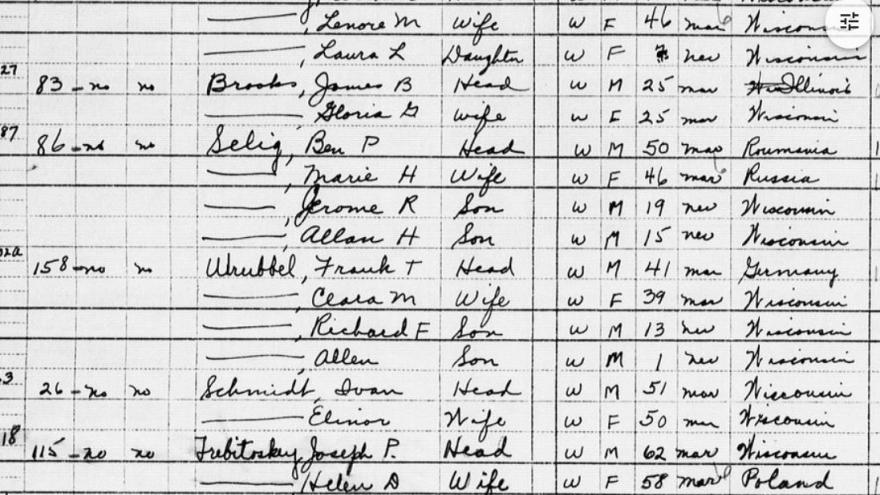
In today’s edition of the series, we have a Cool Link for the 1950 Census. 1950 census data was already available on different websites, but it was general population and demographic data only. The National Archives and Record Administration, or NARA, has now released complete records. Many of these records were unavailable to the general public prior to this release because the data fell under what’s called the “72 Year Rule”, in which the US government will not release any personally identifiable information until 72 years has passed after the date of data collection. With the 1950 Census, that time has come.
You can search the records by place, record type or even by a person’s name. This is great not only for historic population and demographic data, but also for genealogical research into family histories.
The Columbus economy in February 2022 continued its slow recovery from the Covid pandemic crash of 2020. Let’s break it down.
Overall Metro Area February 2022 and Change from February 2021 Labor Force: 1,126,967 +9,435 Employed: 1,085,393 +27,948 Unemployed: 41,574 -18,513 Unemployment Rate: 3.7% -1.7 Total Non-Farm Jobs: 1,102,000 +25,400
Overall Metro Area February 2022 and Change from February 2020 (Pre-Pandemic) Labor Force: 1,126,967 +10,719 Employed: 1,085,393 +13,820 Unemployed: 41,574 -3,101 Unemployment Rate: 3.7% -0.3 Total Non-Farm Jobs: 1,102,000 -9,400 In most categories, the metro area overall has fully recovered to levels just before the pandemic crash- and has improved upon most metrics. Non-farm jobs is the only area that has not yet fully recovered.
Now let’s view the results by industry.
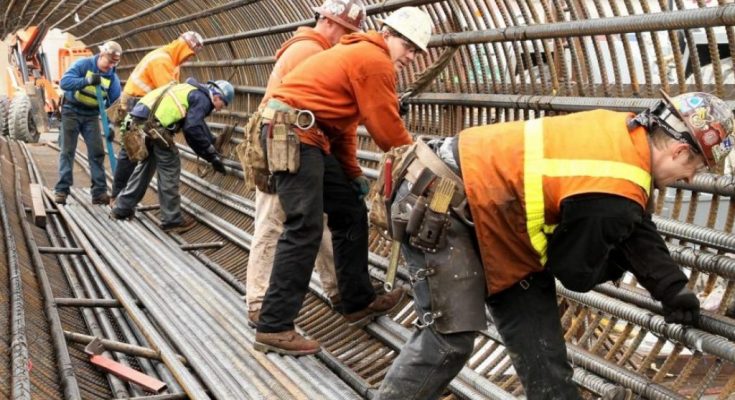
Mining/Logging/Construction 2/2020———–2/2021———-2/2022 42,500————41,000———44,400 The construction industry (Columbus doesn’t have a significant mining or logging industry) has surpassed pre-Covid levels.
Manufacturing 2/2020———–2/2021———-2/2022 73,000———–71,700———-72,600 Manufacturing hasn’t fully recovered, but appears likely to within the next few months.
Trade/Transportation/Utilities 2/2020———–2/2021———-2/2022 215,600———-222,800———234,900 This industry has gone well past pre-pandemic levels is one of the strongest performing in the metro area.
Information 2/2020———–2/2021———-2/2022 16,500———–15,200———-16,500 Information has fully recovered to pre-pandemic levels, but only just. It remains to be seen how much further it will improve as the industry had been losing jobs steadily since the end of 2018.
Financial Activities 2/2020———–2/2021———-2/2022 85,900———–85,000———-84,600 Unlike other industries, financial activities did not drop significantly during the crash. It did fully recover all lost jobs by November of 2021, but has slid some since.
Professional and Business Services 2/2020———–2/2021———-2/2022 178,800———-176,500———175,400 As with the Financial Activities sector, this industry did fully recover by the fall of 2021, but is now lagging a bit.
Education and Health Services 2/2020———–2/2021———-2/2022 165,100———-158,500———159,700 Although recovering slowly and ahead of last year, this industry has yet to return to pre-pandemic levels. Part of the reason for this may have been the mass resignations within the health industry due to burnout from stress.
Leisure and Hospitality 2/2020———–2/2021———-2/2022 106,800———-87,200———-96,500 This industry was arguably hit the hardest of any during the pandemic crash (jobs fell by nearly 50%), and in many cases has struggled to fill existing jobs as the economy has improved. Still, trends suggest that the industry will be fully recovered by this summer.
Other Services 2/2020———–2/2021———-2/2022 41,900———–38,800———-40,400 Another industry that will likely be fully recovered by summer or early fall.
Government 2/2020———–2/2021———-2/2022 185,300———-179,900———177,000 As the state capital, Columbus has always been heavy in this industry. However, for whatever reason, government jobs just haven’t been coming back as much and may not recover fully until sometime next year.
While the overall metro has largely recovered, several industries have not. However, most are trending towards passing pre-pandemic levels by this summer- barring any other economic problems from Covid or global events.
The Bureau of Labor Statistics, the source of this data, is useful for local employment data for any metro area in the United States.
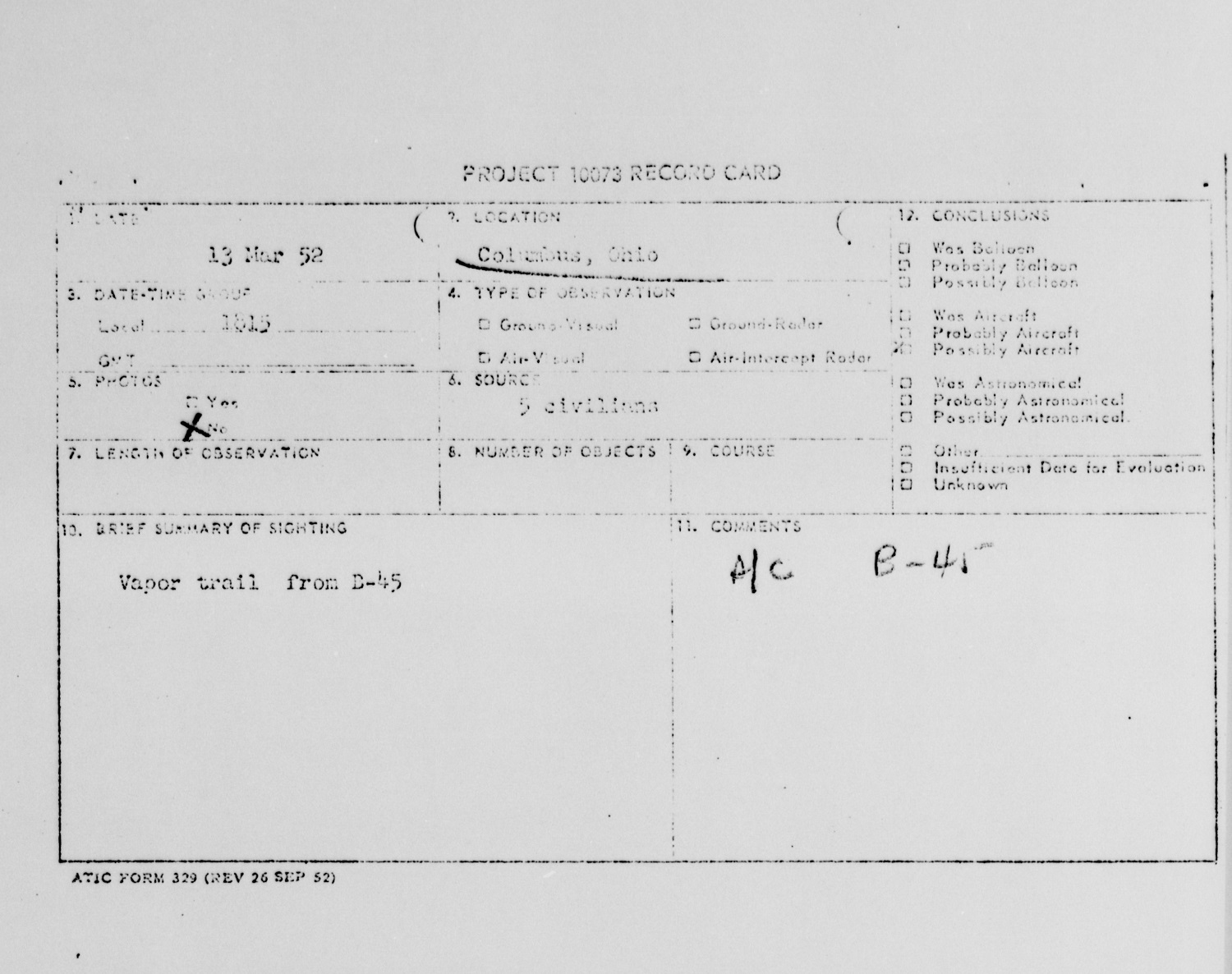
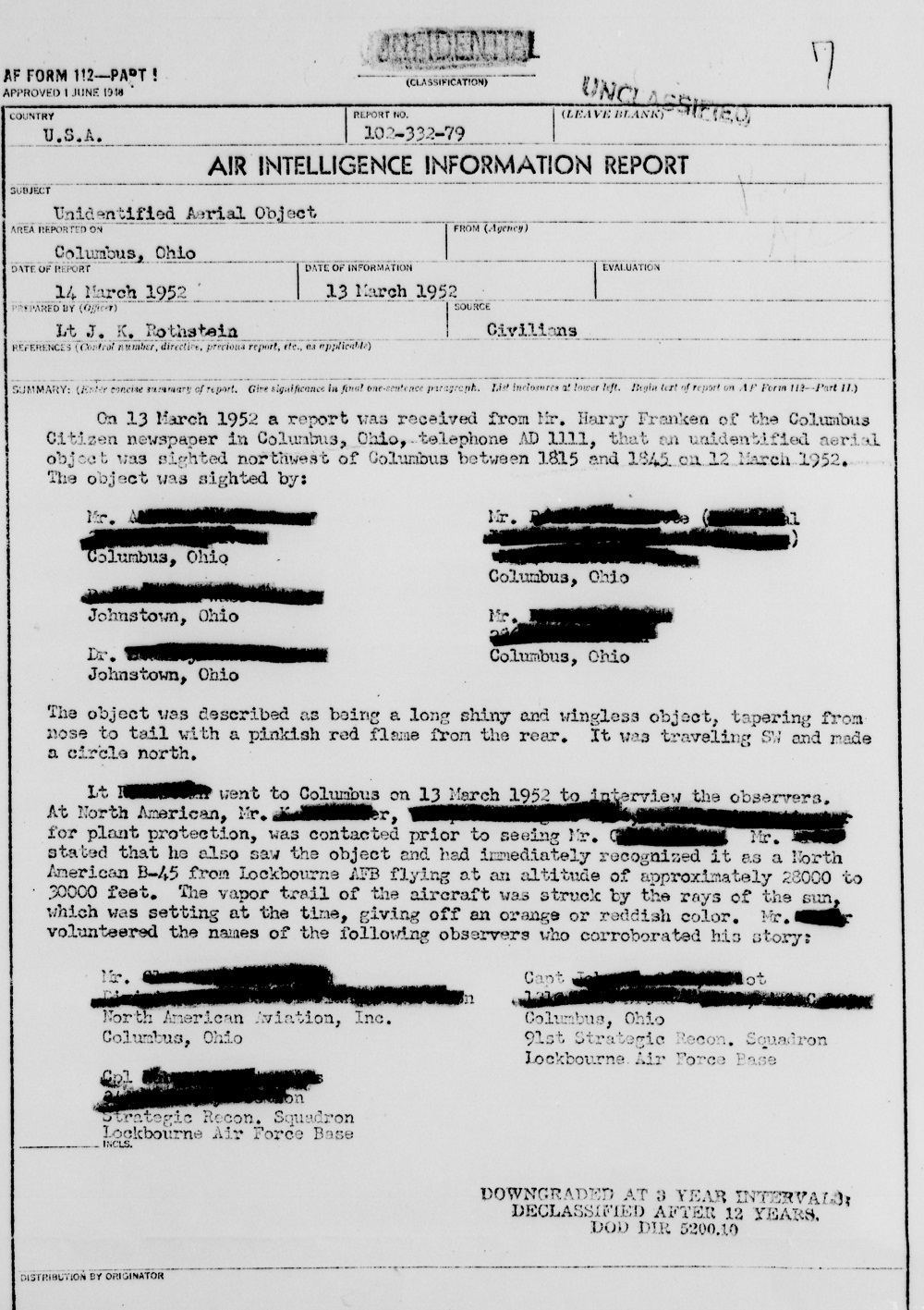
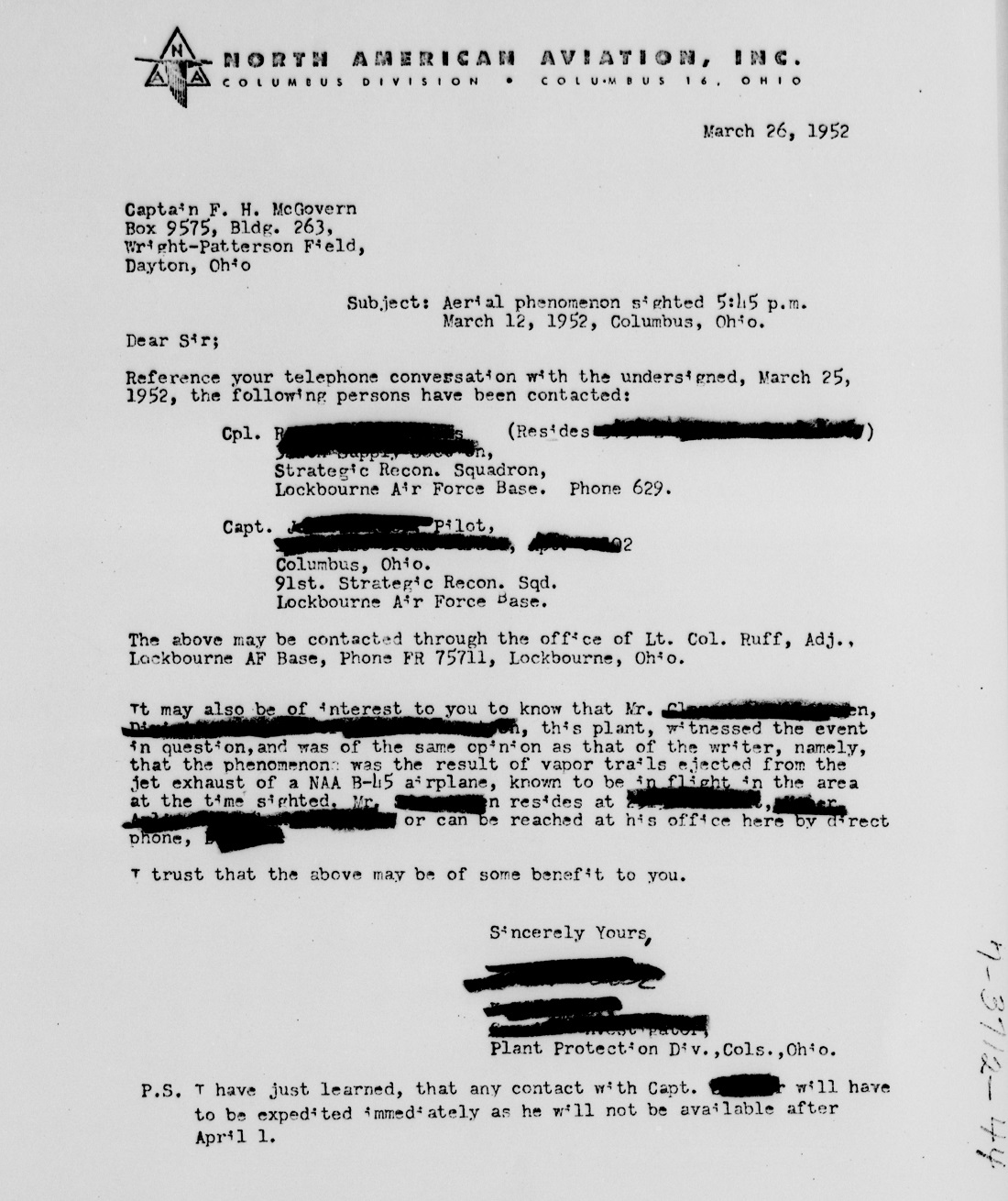
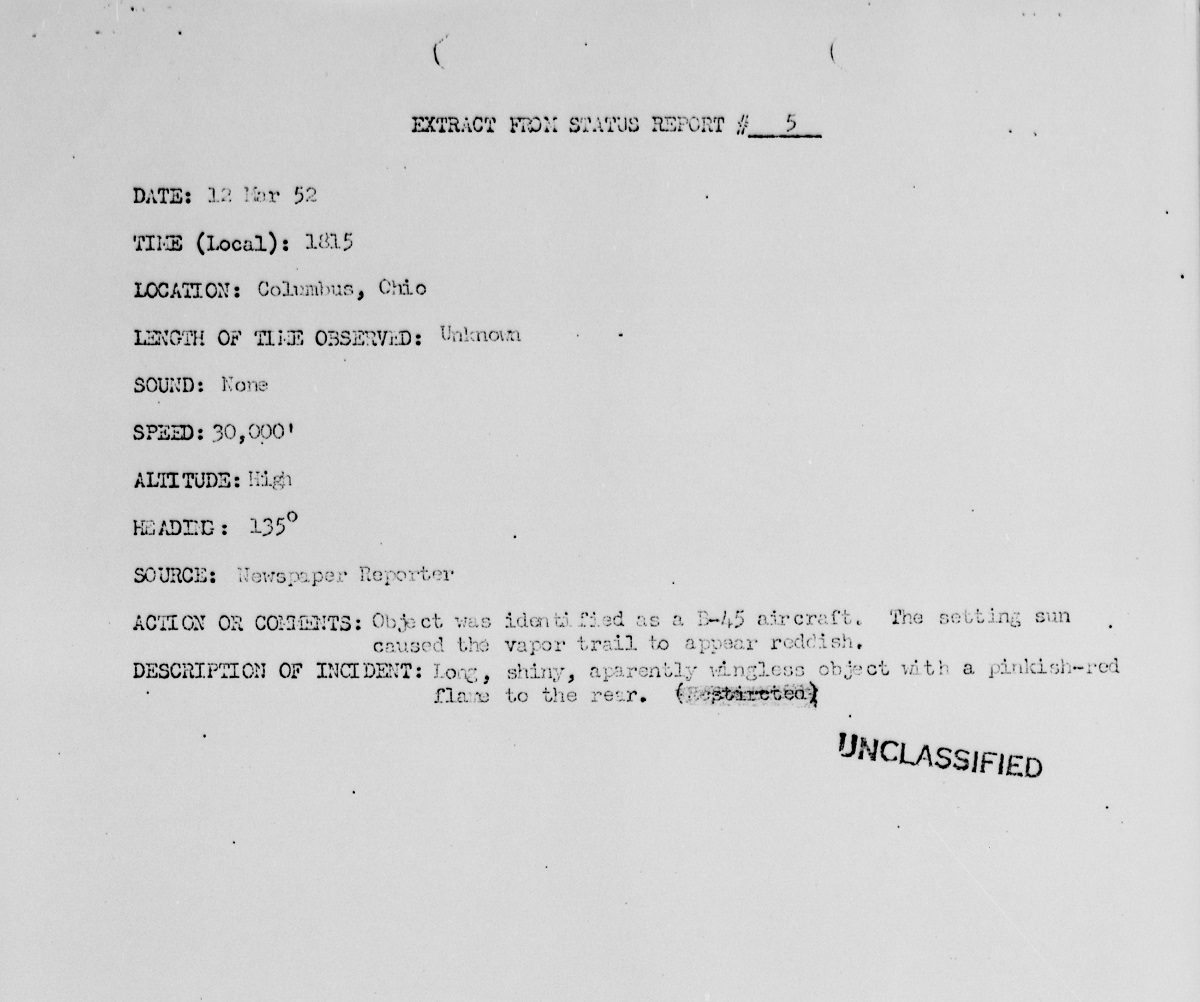
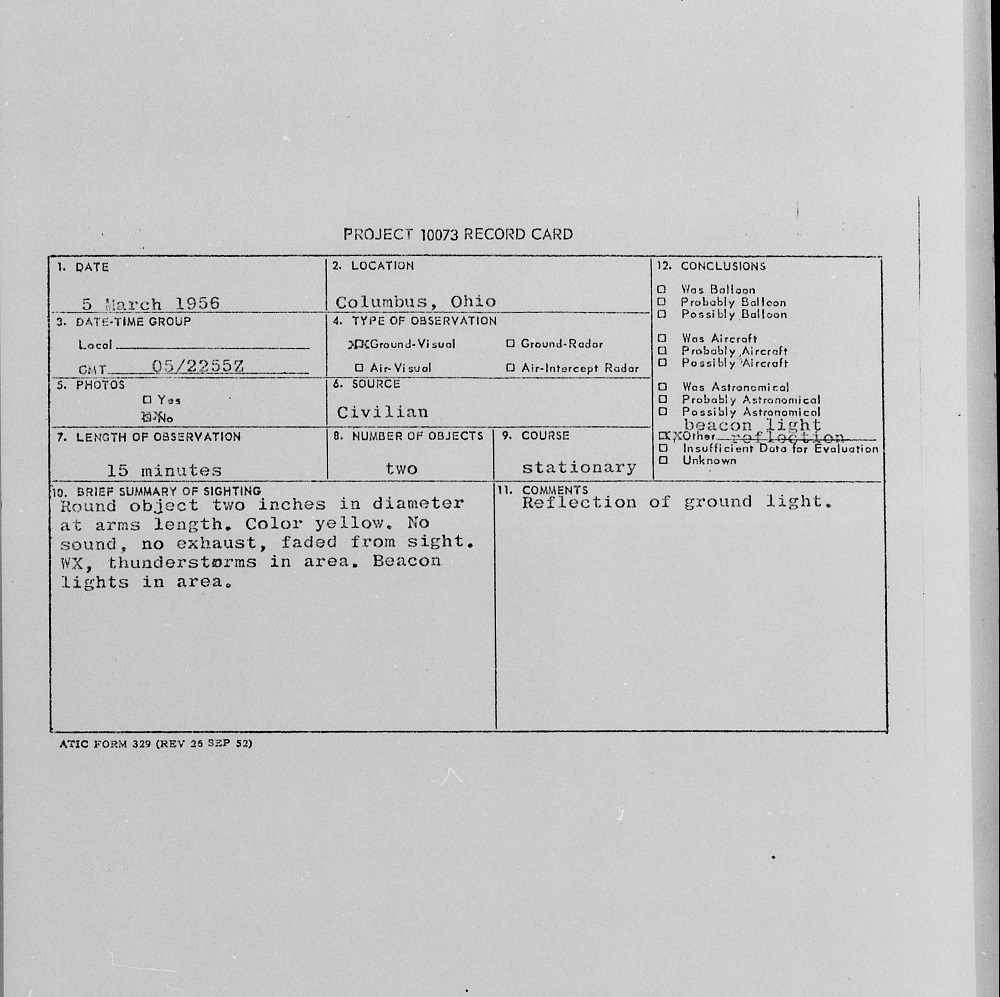
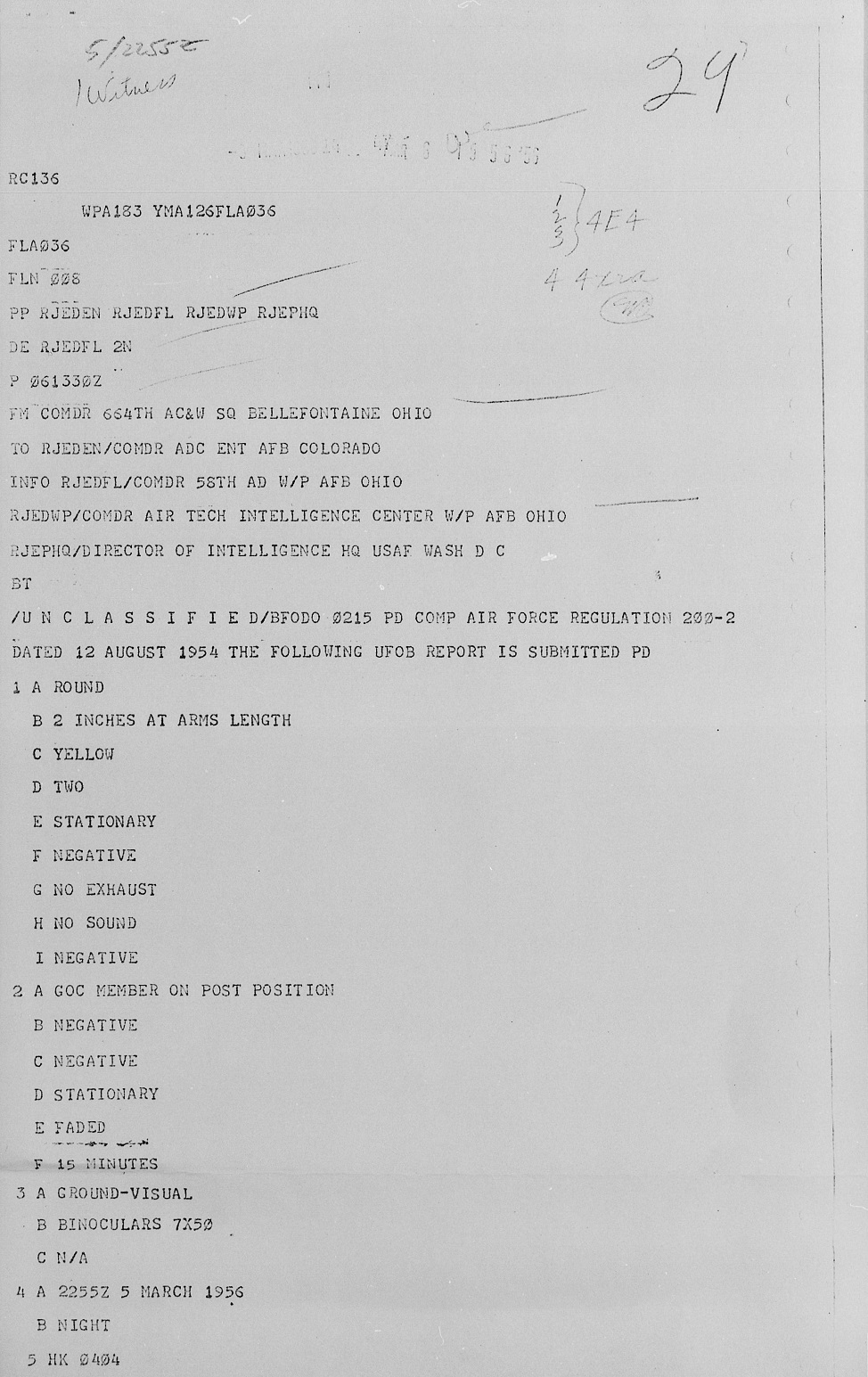
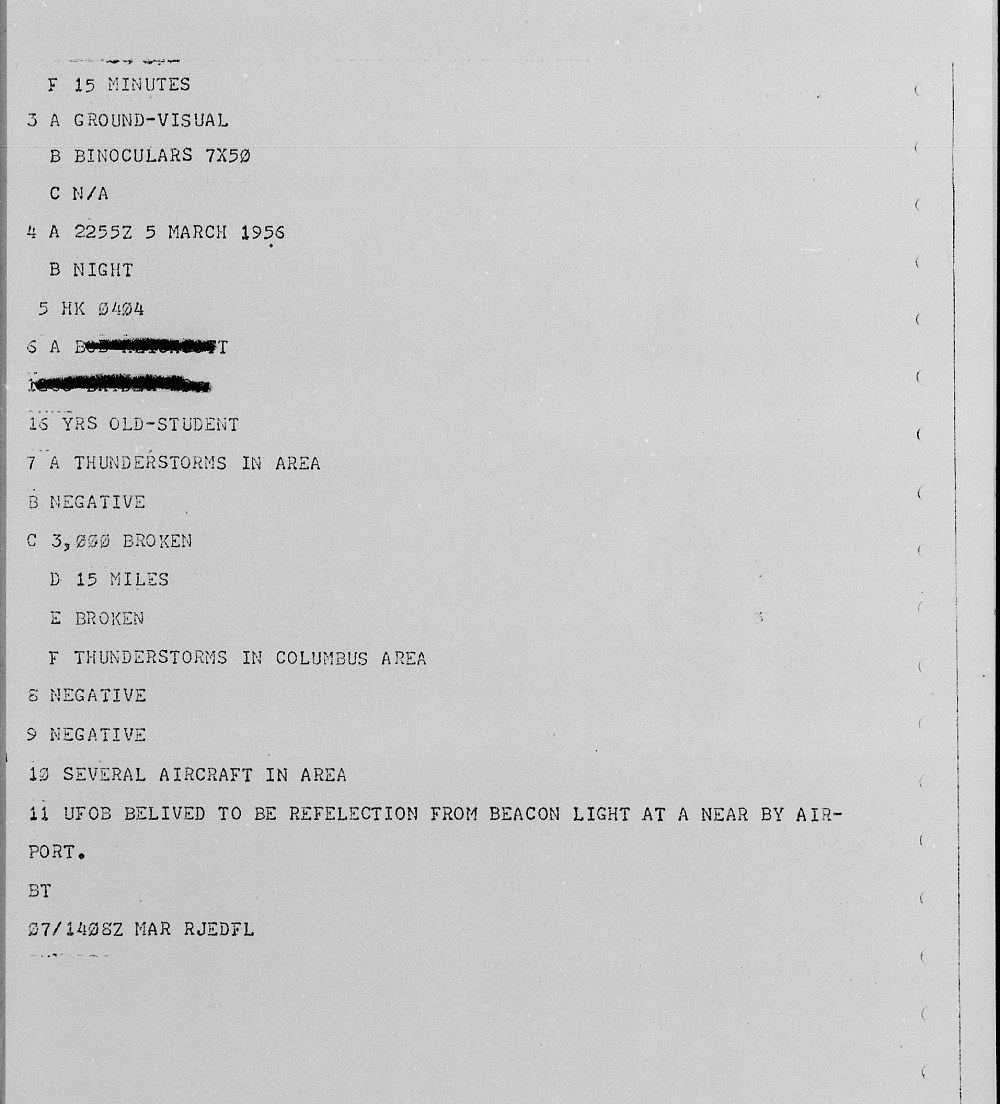
From the files of Project Blue Book, this UFO incident was thought to be a beacon light reflection from a nearby airport. The actual dates of this incident is in question as two different ones are given. On one hand, it suggests the report was submitted in August, 1954, but all other dates suggest it occurred in March, 1956.
To see more incidents from around the world, check out the following link. UFO Database
At 9:23PM on Saturday night, the 28th of February, 1925, Columbus- along with the rest of Ohio and most of the Eastern US- experienced an earthquake.. The epicenter wasn’t particularly close, as it was located in the Charlevoix-Kamouraska area along the Saint Lawrence River in Quebec. However, due to the geology of eastern North America, the 6.2 magnitude earthquake’s energy spread out for significant distances.
Around the epicenter, there was moderate damage to buildings, including collapsed chimneys and walls. Further out, the earthquake caused chaos and problems in many eastern US cities. In Detroit, hotel and theater guests ran into the streets, many mistaking the earthquake for a nearby explosion. In New York City, the earthquake’s tremors lasted between 2-3 minutes and were said to be the strongest the city had ever felt up to that time. In Washington DC, the 25-second movement became strong enough to knock the seismograph needle off its track. In Louisville, a telegraph operator’s equipment was shaken loose from its table.
In Columbus, meanwhile, residents were startled to feel their homes and apartment buildings begin moving. Pictures rattled on walls, light fixtures swayed and loose objects tumbled from shelves.
At the State School for the Blind Downtown, the superintendent reported that walls and windows shook for at least 2 minutes. Residents were alarmed by the movement and rushed about in panic in all directions, thinking the building might collapse on top of them.
At the Dennison Hotel, patrons reported that at least 3 separate shocks hit the building. The first lasted between 30-45 seconds, with two additional movements of shorter duration. A woman there reported a “peculiar sound” during the quake, equating it to the sound of “heavy fire trucks” moving past.
Elsewhere in Ohio, a train in Zanesville noticeably trembled while in motion, and passengers had to transfer to other lines as there were unconfirmed reports that tracks had been damaged near Trinway. In Lancaster, pool balls in billiard rooms rolled about on tables and rocking chairs moved about. In Cleveland, the offices of the Cleveland Plain Dealer shook for a least a minute, while in Canton, the 3 distinct shocks swayed buildings several inches.
Despite the movement and relative long duration of the shaking, damage in Columbus- and Ohio in general- was limited to a few broken items that had fallen from cabinets and shelves.